 EN
EN
Quick Links

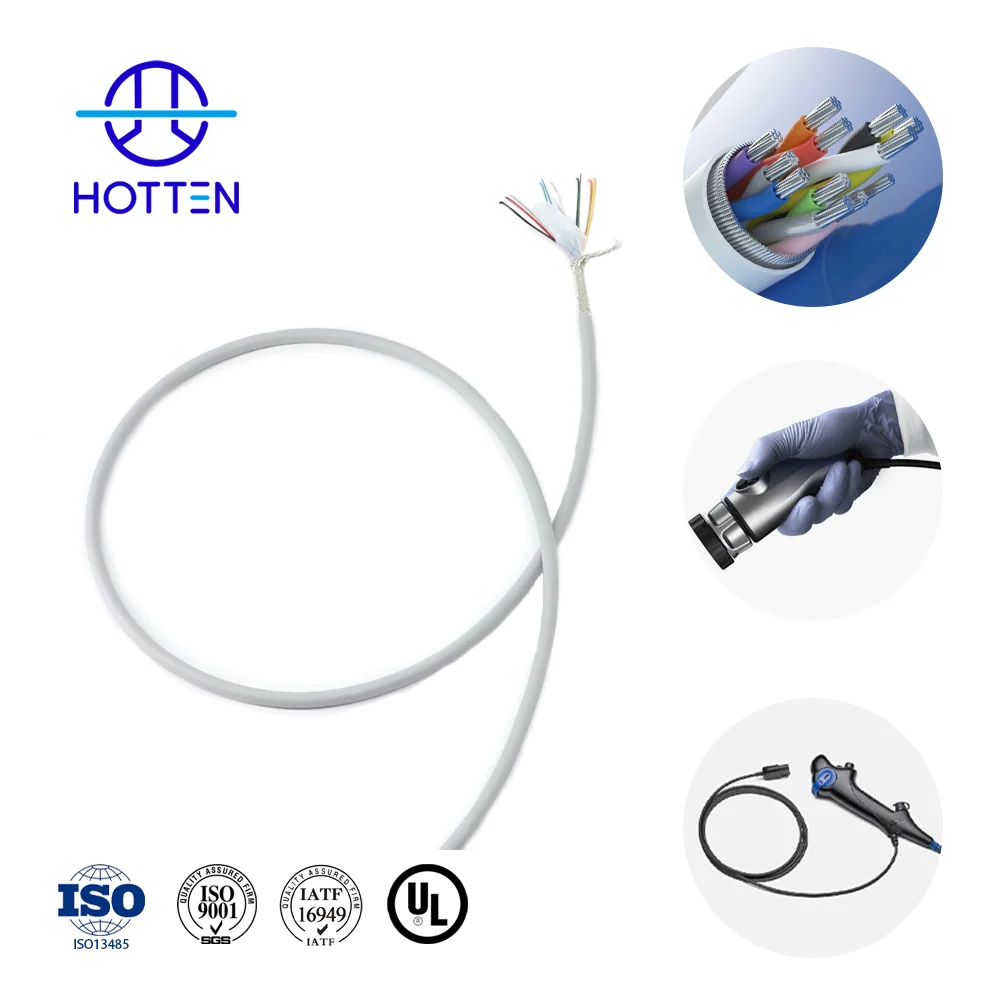
In modern medical equipment, cable assemblies are no longer simple connection components. They directly affect signal quality, system reliability, and overall device performance.
Applications such as ultrasound probes, endoscopy systems, and other medical imaging devices require cables that can transmit weak high-frequency signals while maintaining stable electrical performance inside extremely limited spaces.
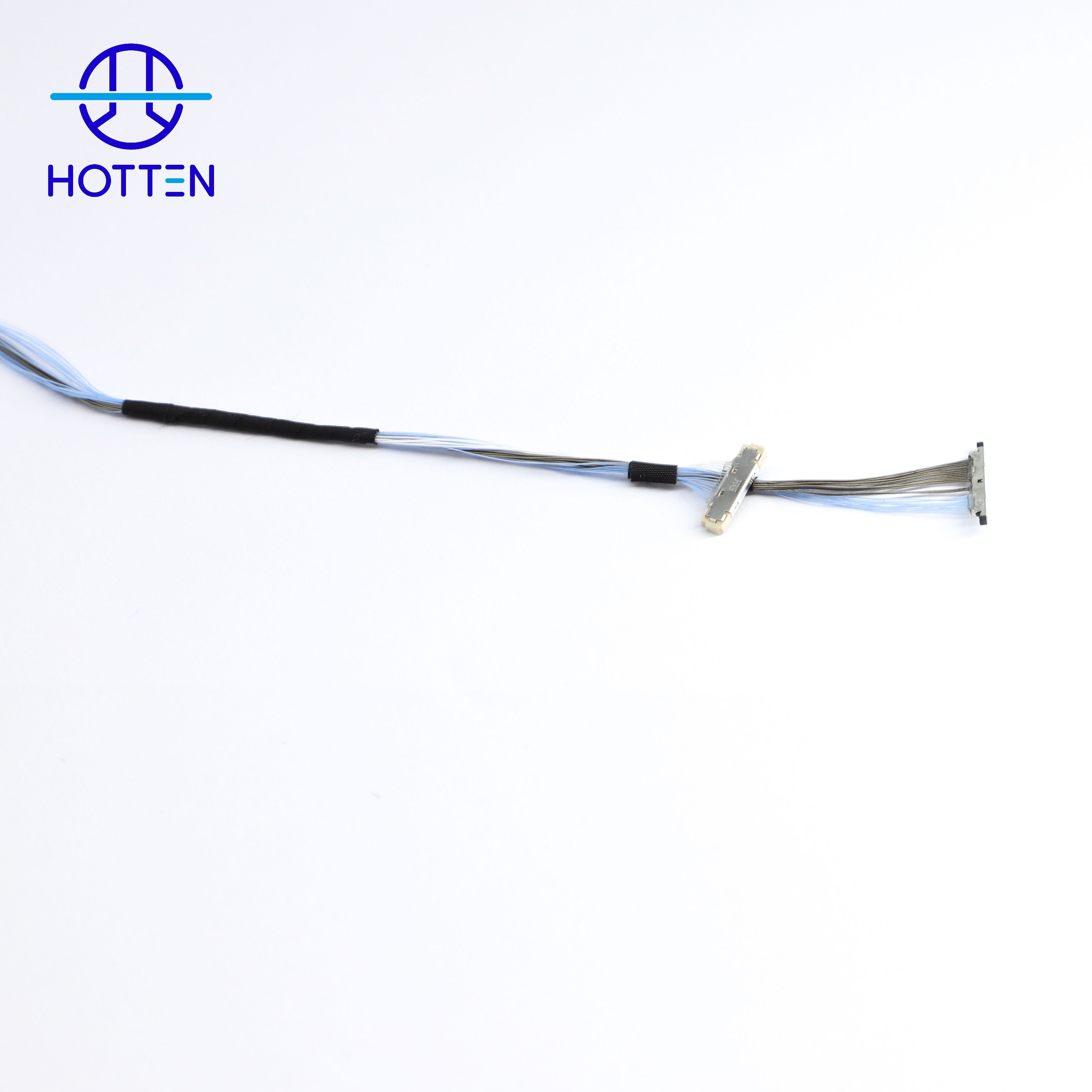
For these applications, Micro Coaxial Cable has become an important solution due to its compact structure, excellent shielding capability, and reliable signal transmission performance.
Micro coaxial cable design affects signal integrity through the combined control of conductor geometry, dielectric structure, characteristic impedance, shielding, capacitance, cable diameter, and mechanical stability.
For medical devices, these parameters often have to be controlled simultaneously because the cable may need to transmit sensitive electrical signals through a compact and mechanically demanding environment.
If → the device requires many signal channels in limited internal space
Then → evaluate micro coaxial construction based on channel density, cable diameter, routing space and termination requirements
Why → the cable must fit the available mechanical space without compromising the required electrical structure.
If → signal frequency or bandwidth is high
Then → pay particular attention to conductor dimensions, dielectric geometry, impedance and cable capacitance
Why → these parameters influence the electrical behavior of the transmission path.
If → the cable carries sensitive medical signals in a high-density environment
Then → evaluate individual shielding, overall shielding, crosstalk and termination structure
Why → electromagnetic coupling between channels or from external sources can affect signal quality.
If → the cable is routed through a moving probe or compact medical mechanism
Then → evaluate electrical performance together with flexibility, bend radius and repeated-bending requirements
Why → mechanical deformation can affect the physical structure of a very fine cable.
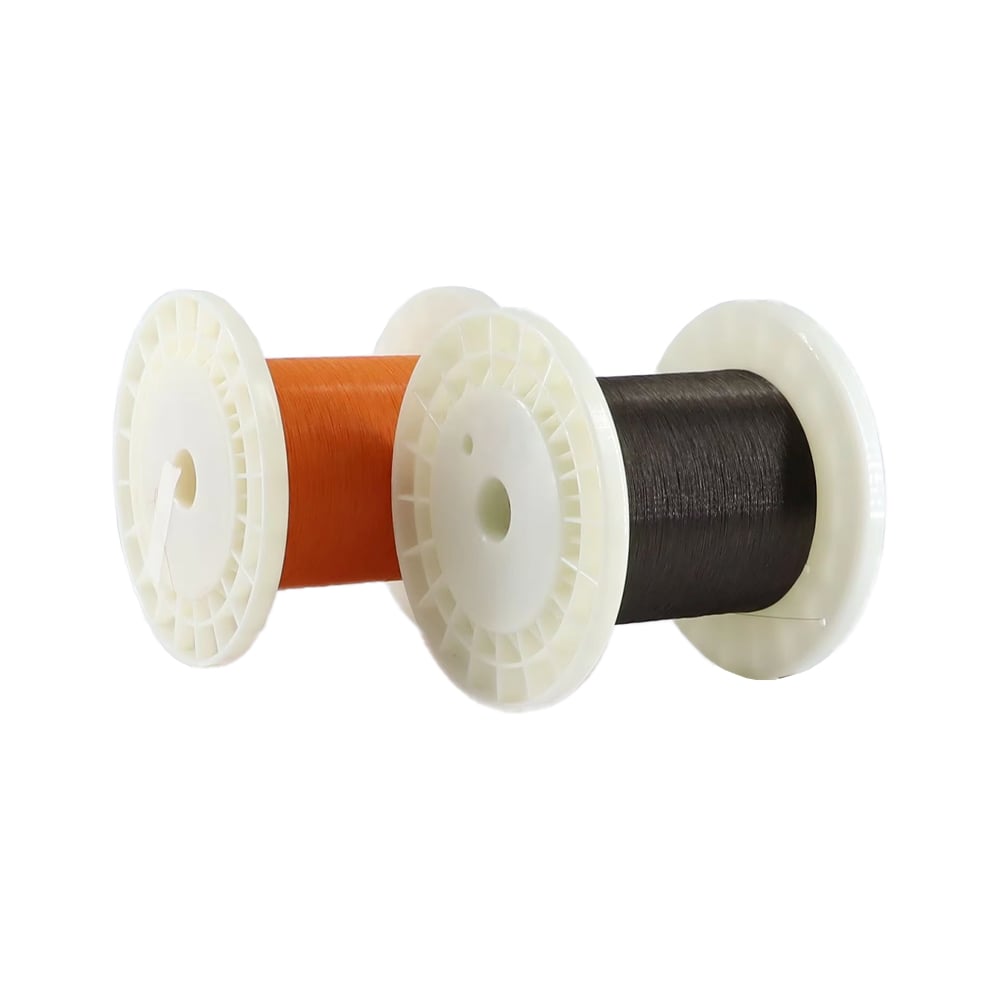
For customized Micro Coaxial Cable, HOTTEN supports high-density and fine-wire cable structures for precision electronic applications.
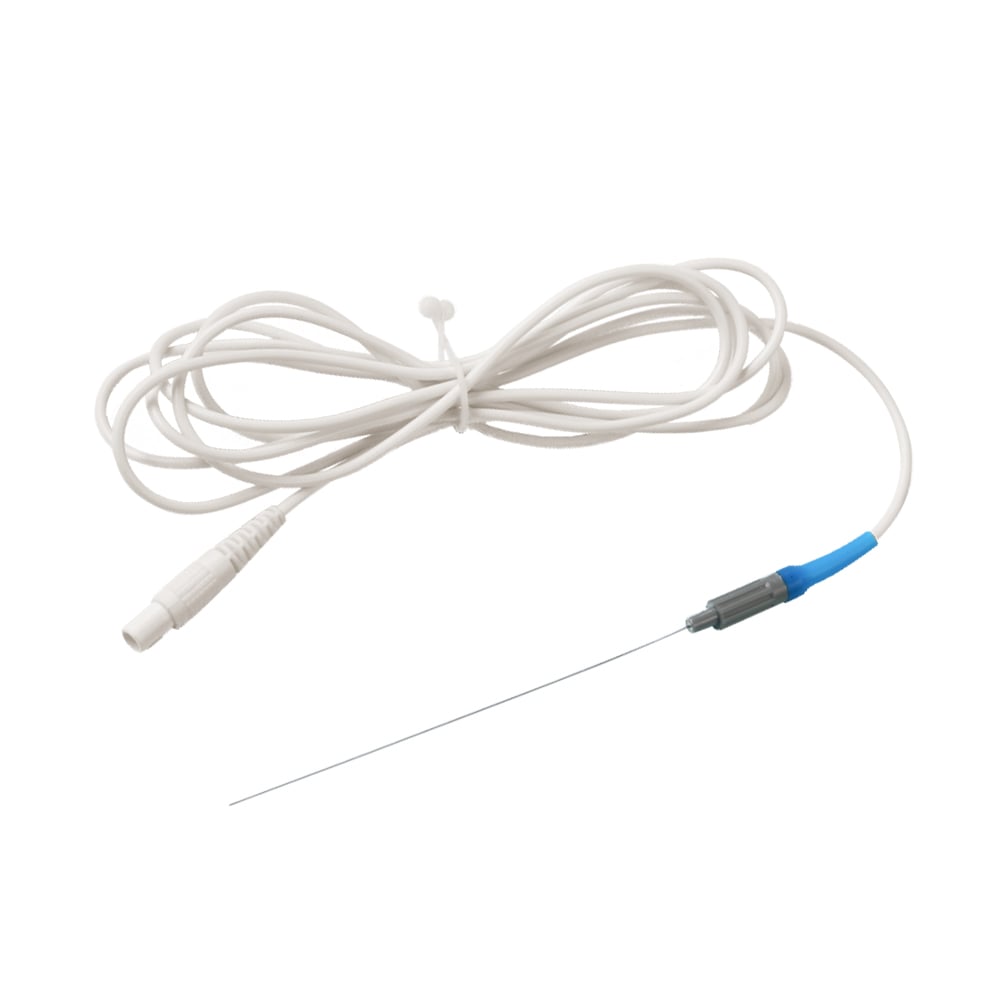
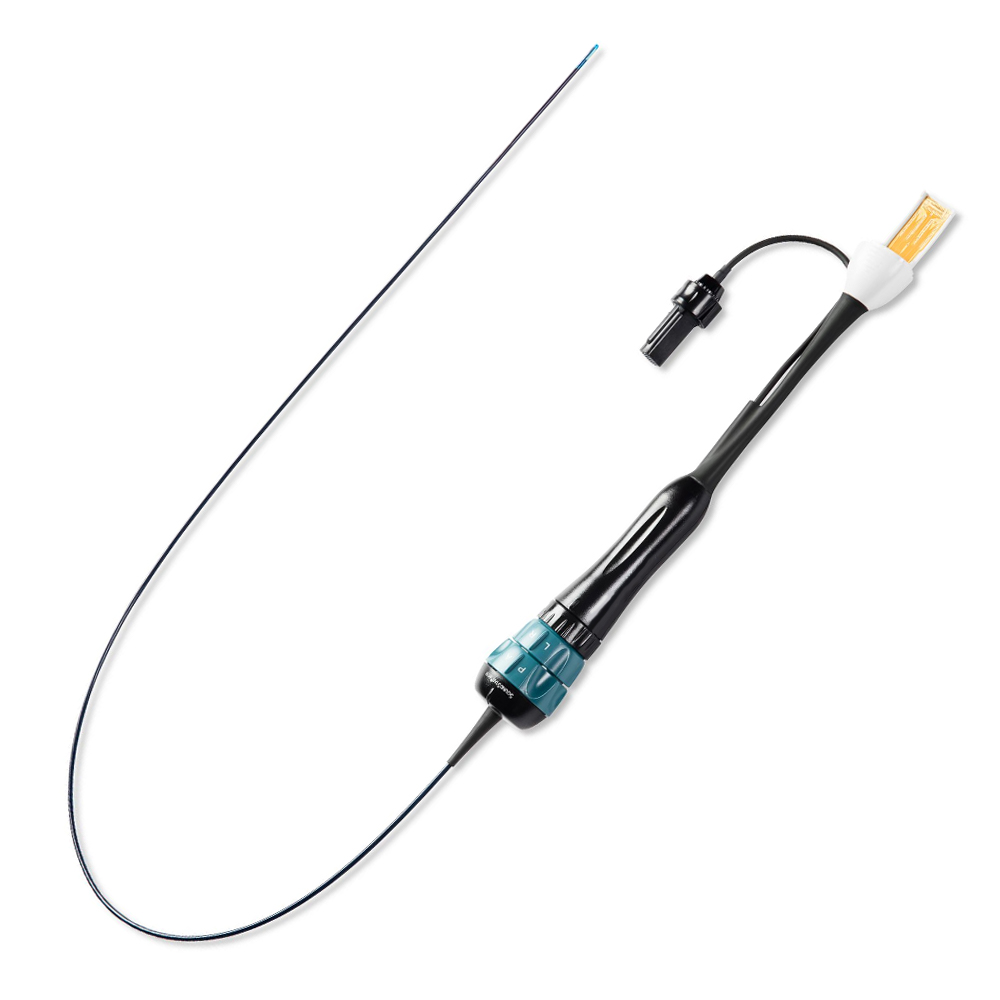
For ultrasound applications, see the Ultrasound Probe Cable Assembly.
Medical equipment creates several challenges for cable engineers.
A cable inside an ultrasound probe, for example, must handle:
| Requirement | Engineering Challenge |
|---|---|
| Compact size | Limited internal space and high-density routing |
| Signal stability | Maintaining signal integrity during transmission |
| EMI protection | Reducing external interference and signal crosstalk |
| Flexibility | Supporting repeated bending and movement |
| Reliability | Maintaining performance during long-term operation |
Unlike standard electronic cables, medical cable assemblies must balance electrical performance and mechanical reliability.
A micro coaxial cable uses a coaxial structure consisting of:
This structure helps control electromagnetic performance while maintaining a small cable diameter.
For medical applications, the key advantages include:
| Design Factor | Impact on Performance |
|---|---|
| Small diameter | Enables high-density internal wiring |
| Controlled impedance | Reduces signal reflection |
| Shielding structure | Minimizes EMI interference |
| Stable dielectric material | Improves high-frequency transmission |
The conductor is responsible for carrying electrical signals through the cable.
In micro coaxial cable design, engineers need to consider:
A smaller conductor helps reduce cable size, but excessive reduction may increase signal loss.
Therefore, cable design requires a balance between miniaturization and electrical performance.
For high-frequency applications, maintaining stable impedance is critical.
Changes in:
may cause impedance variation.
When impedance is inconsistent, signal reflection can occur, resulting in:
In medical imaging systems, stable impedance control helps maintain reliable signal transmission between the probe and the main processing unit.
Medical equipment often operates in environments with multiple electronic systems.
External electromagnetic interference and internal signal crosstalk can affect signal quality.
Common shielding methods include:
| Shielding Structure | Function |
|---|---|
| Braided shield | Provides mechanical protection and EMI reduction |
| Foil shield | Improves high-frequency interference protection |
| Multi-layer shielding | Enhances overall shielding performance |
A properly designed shielding structure helps protect sensitive medical signals from interference.
High-performance micro coaxial cable assemblies depend not only on design but also manufacturing consistency.
Important production controls include:
| Manufacturing Process | Quality Focus |
|---|---|
| Extrusion | Insulation thickness and diameter control |
| Shielding process | Shield coverage consistency |
| Assembly process | Connector reliability |
| Electrical testing | Impedance and signal performance verification |
For OEM medical device manufacturers, consistent production quality is essential for long-term supply reliability.
For OEM medical device projects, micro coaxial cable should not be selected only by asking for a smaller cable diameter or a finer AWG.
The cable design should be evaluated as a combination of:
Signal Requirements → Channel Density → Geometry → Impedance → Capacitance → Shielding → Flexibility → Termination → Validation
The correct design is therefore the one that satisfies the complete electrical and mechanical requirements of the device.
Before selecting the cable structure, OEM engineers should define how the cable will be used in the system.
Typical requirements may include:
| Parameter | Engineering Question |
|---|---|
| Signal Type | What type of signal will the cable transmit? |
| Frequency / Bandwidth | What frequency range must be supported? |
| Impedance | Is a specific characteristic impedance required? |
| Attenuation | What level of signal loss can the system tolerate? |
| Capacitance | Is cable capacitance a system-level constraint? |
| Channel Count | How many individual signal paths are required? |
| Crosstalk | How much interaction between channels is acceptable? |
| Cable Length | What finished length is required? |
| Mechanical Space | What cable diameter and routing space are available? |
If → the system has strict signal-integrity requirements
Then → define the electrical requirements before selecting the conductor and insulation structure
Why → cable geometry and material selection should support the actual signal requirements rather than being selected independently.
Medical imaging devices may require a large number of signal channels inside a small probe or instrument.
Micro coaxial construction allows individual signal paths to be arranged within a compact cable structure.
Important design considerations include:
If → the device requires many signal channels in a restricted space
Then → evaluate a high-density micro coaxial architecture
Why → individual coaxial structures can provide controlled signal paths while supporting dense routing.
HOTTEN's current ultrasound probe cable solution supports customized micro coaxial configurations, including signal-channel count, cable structure, impedance, shielding, cable diameter and connector configuration.
For example, HOTTEN currently lists micro coaxial ultrasound probe assemblies with customized channel configurations and conductor sizes from 36AWG to 48AWG, depending on application requirements.
AWG is an important design parameter, but it should not be treated as the only indicator of a micro coaxial cable's suitability.
Conductor size affects several characteristics simultaneously:
| Design Factor | Possible Engineering Impact |
|---|---|
| Smaller conductor | Supports compact construction |
| Larger conductor | May reduce conductor resistance |
| Fine conductor | Can support dense routing |
| Larger conductor | Can affect overall cable size |
| Conductor construction | Can influence flexibility and mechanical behavior |
If → internal space and routing density are the primary constraints
Then → evaluate finer conductor sizes together with attenuation and mechanical requirements
Why → reducing conductor size may solve a mechanical problem while creating another electrical constraint.
If → signal loss is the dominant concern
Then → evaluate conductor size together with cable length, dielectric structure and total loss requirements
Why → conductor size is only one contributor to overall cable performance.
The dielectric does more than provide electrical insulation.
Its material, thickness, diameter and consistency also affect the electrical characteristics of the coaxial transmission structure.
Important parameters include:
If → impedance consistency is important
Then → control conductor-to-dielectric geometry during manufacturing
Why → changes in physical geometry can change the transmission characteristics.
If → cable capacitance is a major system constraint
Then → evaluate the dielectric structure together with conductor geometry and cable length
Why → distributed cable capacitance contributes to the electrical behavior of the signal path.
This is particularly relevant for high-density medical imaging cable designs, where HOTTEN's own technical material identifies capacitance as an important design consideration.
One advantage of micro coaxial construction is that shielding can be integrated around individual signal paths.
OEM engineers should consider:
| Shielding Level | Engineering Consideration |
|---|---|
| Individual Shield | Protection between individual signal channels |
| Overall Shield | Additional protection around the cable assembly |
| Shield Coverage | Required EMI/RFI performance |
| Shield Termination | Continuity through the assembly |
| Shield Structure | Flexibility, OD and manufacturability |
If → the system contains multiple sensitive signal channels
Then → evaluate individual-channel shielding and overall cable shielding together
Why → EMI control is not only an external interference problem; channel-to-channel coupling may also need to be controlled.
HOTTEN's current ultrasound micro coaxial assembly specification lists Individual Shield + Overall Shield as a configurable shielding structure.
For medical devices, cable diameter directly affects integration.
It can influence:
If → the cable is being routed through a compact ultrasound probe or medical instrument
Then → establish a maximum cable OD early in the design process
Why → cable diameter can affect the mechanical architecture of the device.
If → reducing cable OD becomes a major design goal
Then → review conductor size, insulation, shielding and channel arrangement together
Why → reducing only one dimension may shift the constraint to another part of the cable structure.
A medical micro coaxial cable may need to remain flexible while maintaining electrical performance.
This creates an important trade-off:
Smaller / Softer
vs.
Electrical Performance / Mechanical Strength
If → the cable is used inside a handheld ultrasound probe
Then → evaluate flexibility, bend radius and electrical stability together
Why → the cable may experience repeated movement during normal use.
If → the cable is exposed to repeated bending or torsion
Then → include mechanical endurance testing in the cable qualification process
Why → a cable that passes initial electrical inspection still needs to maintain its required performance after representative mechanical loading.
This point should connect naturally to the third article in the six-article cluster:
How Flex-Life Testing Helps Medical Cable Assemblies Maintain Performance After Repeated Bending
A micro coaxial cable does not exist in isolation in an OEM product.
The actual signal path is:
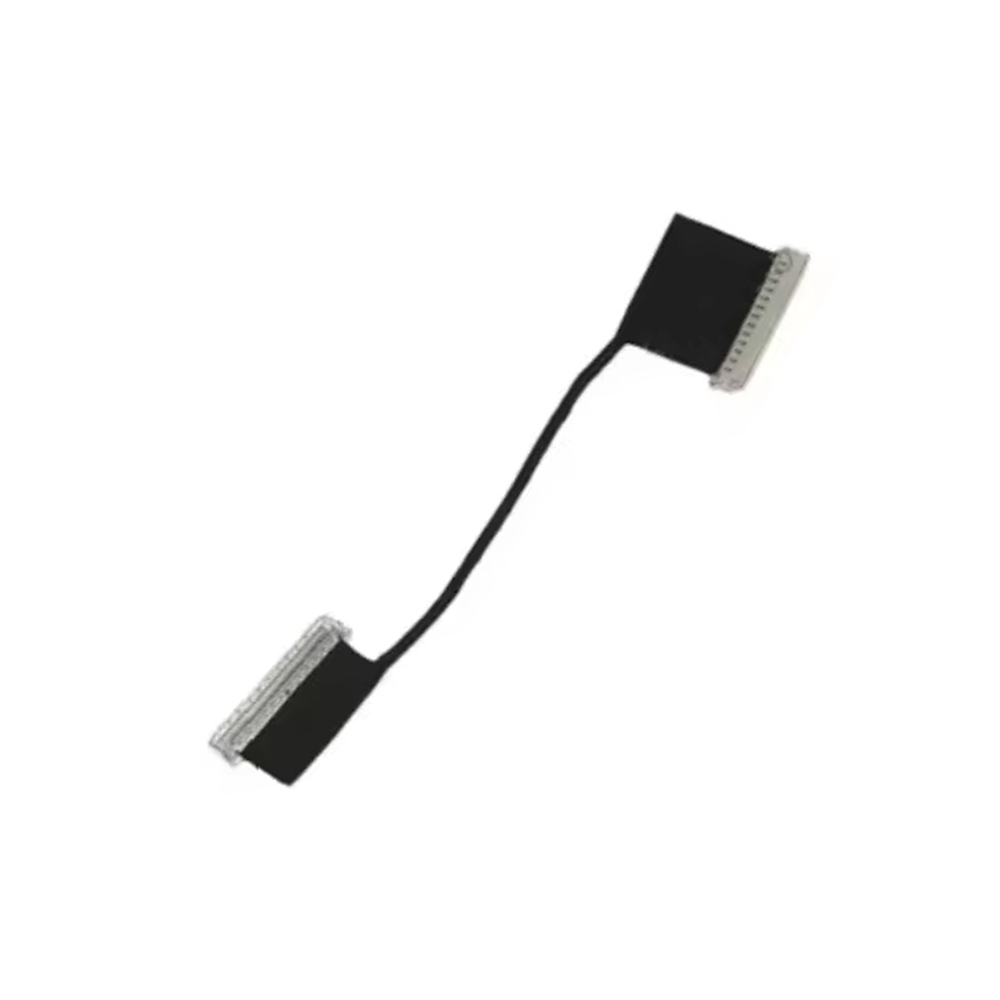
Micro Coaxial Cable → Termination → Connector → PCB / Probe / Equipment
Therefore, cable selection should consider the termination method from the beginning.
Important parameters may include:
If → the cable uses a high-density micro connector
Then → evaluate cable construction and connector termination as one engineering package
Why → connector geometry can determine whether the selected cable construction can actually be assembled reliably.
For customized medical assemblies, customers can provide drawings, samples, connector information and electrical requirements so that the cable structure can be evaluated together with the finished assembly. HOTTEN's current medical ultrasound and micro-coaxial product information follows this development approach.
For OEM qualification, testing only the raw cable may not be sufficient.
A practical validation sequence is:
Raw Cable
→ Cable Processing
→ Termination
→ Connector Assembly
→ Finished Cable Assembly
→ Application-Level Validation
Typical electrical checks may include:
| Test / Check | Purpose |
|---|---|
| Continuity | Verify electrical connections |
| Insulation | Verify insulation performance where applicable |
| Impedance | Verify transmission-line characteristics |
| Capacitance | Verify system-relevant electrical characteristics |
| Attenuation | Evaluate signal loss |
| Crosstalk | Evaluate interaction between channels |
| Shielding | Verify relevant EMI/RFI performance |
| Finished Assembly Test | Confirm assembled cable performance |
If → the raw cable passes but the finished assembly fails
Then → investigate termination, connector transition and assembly process
Why → the finished signal path includes more than the cable itself.
This also creates a natural connection to the later RF article:
How RF Coaxial Cable Assemblies Control Impedance and Loss for Reliable High-Frequency Signals
For a customized medical micro coaxial cable or cable assembly, an RFQ should ideally provide both electrical and mechanical requirements.
| Category | Recommended Information |
|---|---|
| Application | Ultrasound / Endoscopy / Medical Imaging / Other |
| Signal Type | Required signal characteristics |
| Frequency | Operating range |
| Impedance | Required nominal value |
| Capacitance | Maximum / target value if applicable |
| Attenuation | Required limit |
| Channel Count | Number of signal channels |
| Conductor | AWG / material / construction |
| Dielectric | Material / structure |
| Shielding | Individual / overall / other |
| Cable OD | Maximum allowable dimension |
| Flexibility | Static / dynamic |
| Bend Radius | Required minimum |
| Connector | Part number / brand |
| Pin Assignment | Required configuration |
| Cable Length | Nominal + tolerance |
| Environmental | Temperature / humidity / sterilization / other |
| Testing | Electrical / mechanical / environmental |
| Production | Prototype / pilot / mass production |
If → the OEM only provides “medical micro coaxial cable”
Then → request the actual application, dimensions, signal requirements and connector information
Why → “micro coaxial cable” defines a cable architecture, but not the complete requirements of a specific medical device.
For an OEM medical device project, the design process can be simplified as:
Medical Device Requirement
→ Signal Type / Frequency
→ Channel Count
→ Required Impedance / Capacitance
→ Conductor Size
→ Dielectric Structure
→ Shielding
→ Cable OD
→ Flexibility / Bend Requirement
→ Connector & Termination
→ Prototype Testing
→ Environmental / Mechanical Validation
→ Production Validation
For a high-density ultrasound probe, for example:
High Channel Count
→ determine available routing space
→ define cable OD
→ determine conductor size
→ define dielectric structure
→ establish electrical requirements
→ select individual and overall shielding
→ define connector and termination
→ evaluate flexibility and bend requirements
→ test the finished assembly
→ validate production consistency.
The important point is that no single parameter should be optimized independently.
A smaller AWG, smaller OD or higher channel count may solve one engineering constraint while creating another. The correct micro coaxial cable design is therefore based on the combined electrical, mechanical and integration requirements of the medical device.
How Impedance Control Helps High-Frequency Coaxial Cable Maintain Stable Signal Transmission
How Flex-Life Testing Helps Medical Cable Assemblies Maintain Performance After Repeated Bending
Design Factors in Medical Cable Assemblies That Protect Signal Integrity in Clinical Devices
How to Balance Mechanical and Electrical Performance in Ultra-Fine Coaxial Cables
Why Low Capacitance Is Critical in Ultrasound Probe Cable Design
Ultrasound Probe Cable Assembly
For OEM customers requiring reliable signal transmission, HOTTEN provides customized:
✓ Micro Coaxial Cable Assembly
✓ Medical Cable Assembly
✓ Ultrasound Cable Assembly
✓ High-frequency cable solutions
Our capabilities include:
For medical device manufacturers, selecting the right cable partner can help improve product reliability and simplify system integration.
Micro coaxial cables are commonly used in applications requiring compact size and high signal performance, including medical imaging equipment, sensors, robotics, and other high-density electronic systems.
Ultrasound probes require multiple signal channels in a limited space. Micro coaxial cables provide compact routing, shielding performance, and stable signal transmission, making them suitable for high-density medical imaging applications.
Impedance control helps reduce signal reflection and maintain signal integrity, especially in high-frequency cable assemblies.
OEM buyers should evaluate:
In advanced medical devices, cable assemblies play an important role in maintaining signal integrity.
Through optimized conductor design, impedance control, shielding technology, and precision manufacturing, micro coaxial cable solutions can support reliable performance in demanding medical applications.
For medical equipment manufacturers developing next-generation devices, choosing an experienced custom cable assembly partner is an important step toward achieving stable product performance.
 Hot News
2026-09-17
2026-09-04
2025-12-17
2025-12-11
2025-12-05