 EN
EN
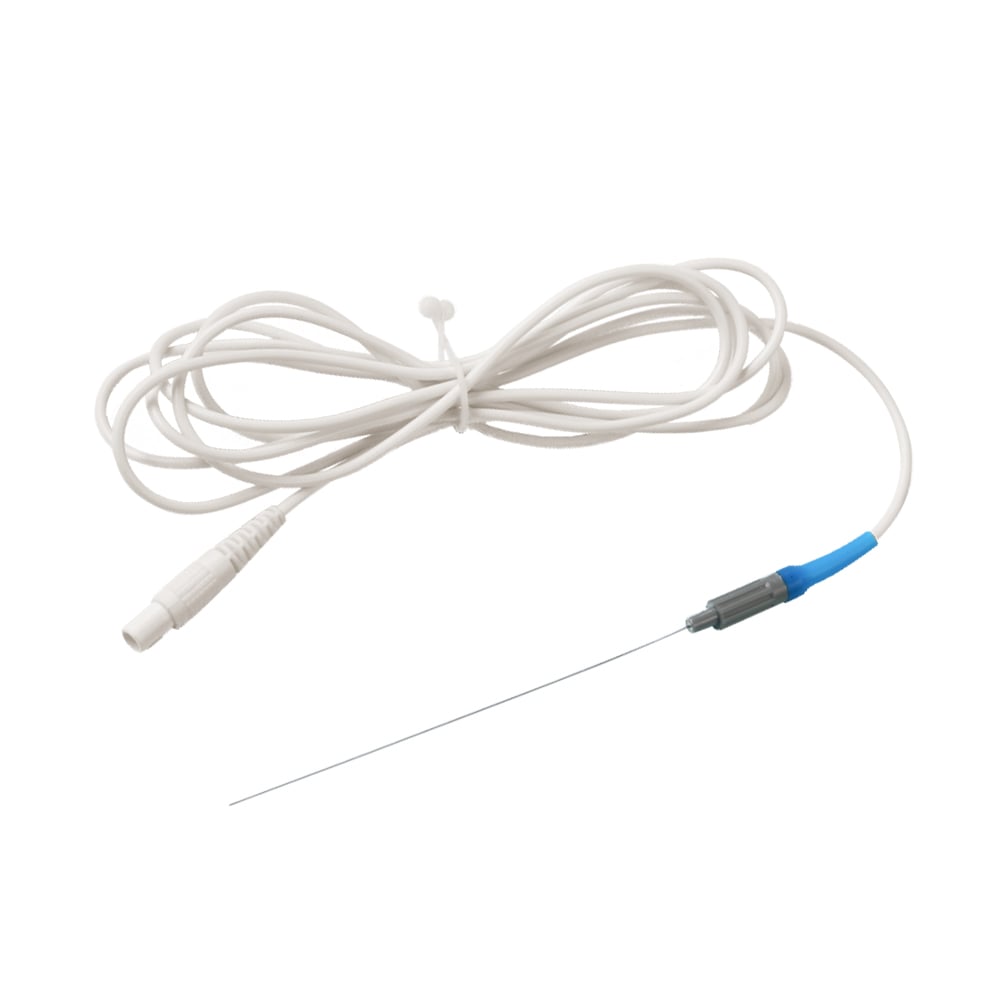
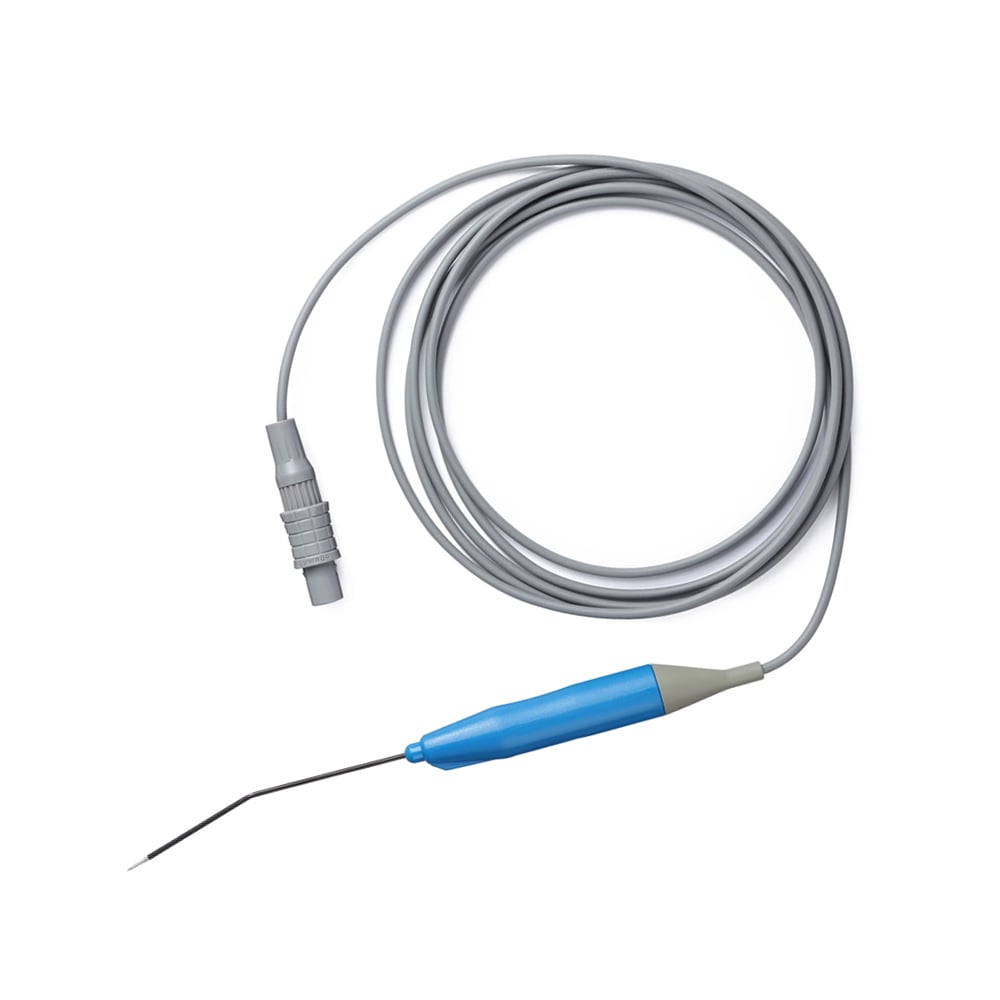
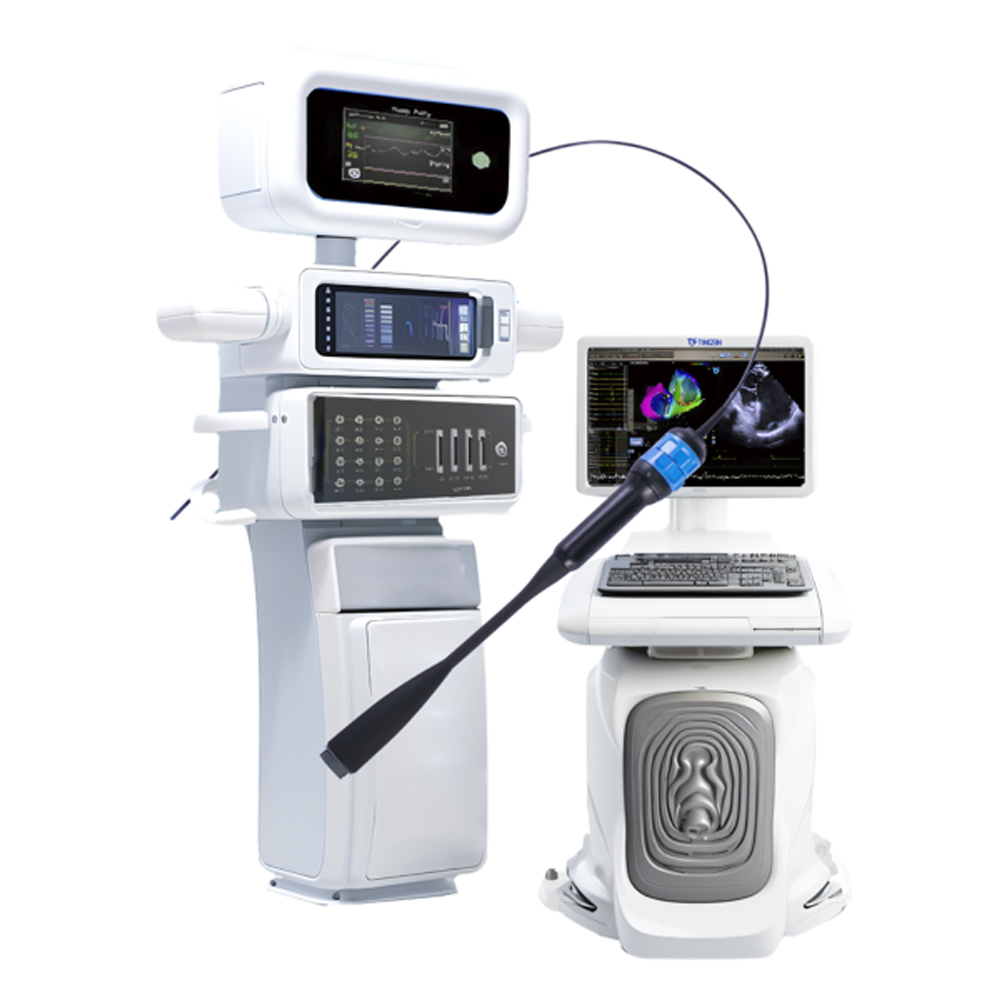
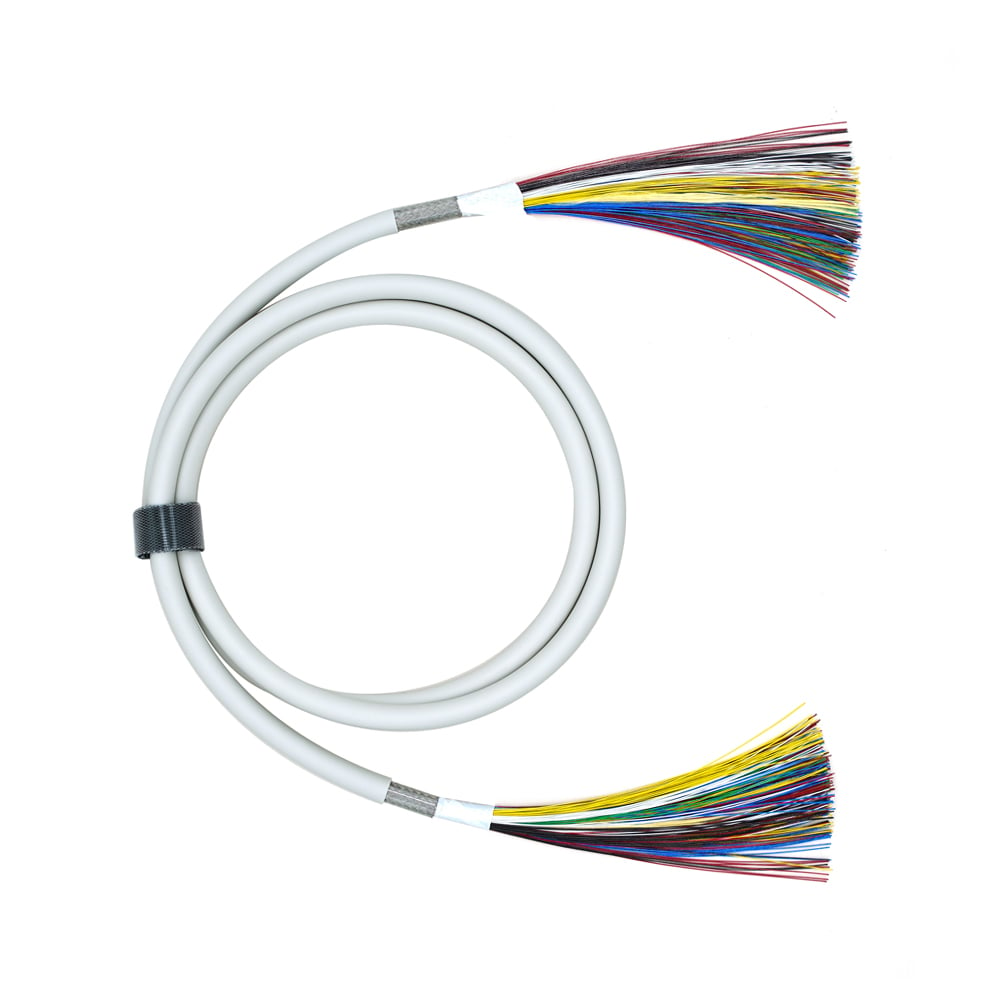
Low-Impedance Energy Transfer Single-Use RF Ablation Cable
| Name | Material |
| Conductor | Silver plated copper |
| Tinned copper | |
| Silver plated copper alloy | |
| Tinned copper alloy | |
| Insulation | Teflon:PTFE/ePTFE/FEP/PFA |
| Shield | Tinned copper/Silver plated copper |
| CU/PET、 AL/PET | |
| Sheath | PFA/FEP/PTFE |
| Jacket | PVC/TPU/TPE/Silicone/PFA/FEP |
- Overview
- Recommended Products
- Silver plated copper
- Tinned copper
- Silver plated copper alloy
- Tinned copper alloy
- PTFE
- ePTFE
- FEP
- PFA
- Tinned copper braid
- Silver plated copper braid
- CU/PET
- AL/PET
- PVC
- TPU
- TPE
- Silicone
- PFA
- FEP
- RF Ablation Cable
- Endoscope Cable
- Ultrasound Probe Cable
- EEG Lead Wire
- Surgical Scalpel Cable
- Medical Cable Assembly
Engineering & Procurement Considerations for Single-Use Low-Impedance RF Ablation Cables
Why is low impedance important for RF ablation energy-transfer cables?
RF ablation systems transfer electrical energy from the generator to the treatment instrument. Cable impedance is therefore an important electrical characteristic when the cable forms part of the RF energy-transfer path.
A low-impedance cable design can be considered when the system requires controlled electrical characteristics for energy delivery. The target impedance should be defined according to the RF generator, instrument, cable structure, and overall system design.
How does cable construction affect RF energy transfer?
The electrical performance of an RF cable depends on its complete construction. Conductor geometry, insulation or dielectric structure, shielding, cable length, connector termination, and contact resistance can all influence the behavior of the cable assembly.
For RF ablation applications, engineers should evaluate the cable and connectors together rather than specifying the cable only by conductor size or outer diameter.
What are the key design considerations for a single-use RF ablation cable?
A single-use medical cable needs to balance electrical performance with mechanical and manufacturing requirements. Engineers may need to consider impedance, conductor configuration, insulation, shielding, cable diameter, flexibility, connector design, and termination quality.
Because the cable is intended for single-use applications, consistent production and repeatable electrical and dimensional characteristics are particularly important when developing the product for volume manufacturing.
How does cable flexibility affect a single-use RF ablation cable?
The cable may need to be positioned and handled during the procedure, making flexibility and routing important mechanical considerations. The required bending behavior should be evaluated together with the cable diameter, conductor construction, insulation, shielding, and connector strain relief.
The appropriate mechanical design depends on how the cable is integrated with the RF generator and treatment instrument.
What specifications should engineers define when developing a custom single-use RF ablation cable?
For engineering evaluation and supplier quotation, buyers should provide as much of the following information as possible:
RF ablation application
RF generator interface
Treatment instrument interface
Target impedance or electrical requirements
Required energy-transfer characteristics
Conductor configuration
Cable structure
Shielding requirements
Insulation requirements
Connector type and connector brand
Connector part number
Pin assignment
Cable length
Cable diameter
Flexibility requirements
Bending requirements
Strain-relief requirements
Operating environment
Single-use requirements
Required samples
Expected production quantity
An existing cable sample, technical drawing, connector specification, pinout, or electrical test requirement can help the supplier evaluate the required construction more accurately.
What should buyers evaluate when sourcing a single-use RF ablation cable supplier?
Buyers should evaluate whether the supplier can consistently manufacture the required electrical and mechanical characteristics across production batches.
Important evaluation factors include engineering support, prototype development, impedance and electrical testing, connector termination, insulation and shielding control, dimensional consistency, production capability, quality management, and customization flexibility.
For OEM and ODM medical-device projects, the supplier should be able to develop the cable around the customer's RF system requirements and support a repeatable manufacturing process suitable for the intended single-use application.
FAQ
What is an RF ablation cable?
An RF ablation cable is a specialized medical cable designed to transmit radiofrequency energy between medical generators and ablation instruments.
Why is low impedance important for RF ablation cables?
Low impedance helps improve energy transfer efficiency and maintain stable RF performance during medical procedures.
Can HOTTEN customize single-use RF cables?
Yes. HOTTEN supports customized RF cable structures, impedance requirements, shielding designs and connector assemblies.
Product Overview
Low Impedance Single-Use RF Ablation Cable Solution
HOTTEN provides customized RF ablation cable solutions designed for medical devices requiring efficient energy transfer, stable electrical performance and reliable high-frequency transmission.
This single-use RF ablation cable is engineered with optimized impedance characteristics and cable structures to support advanced medical ablation systems.
HOTTEN supports OEM customers with customized conductor designs, shielding solutions, insulation materials and cable assembly services.
Key Features
High Performance RF Ablation Cable
🔹 Low Impedance Design
Optimized cable structure helps improve energy transfer efficiency and maintain stable electrical performance.
🔹 Reliable RF Energy Transmission
Designed for high-frequency medical applications requiring consistent power delivery.
🔹 Single-Use Medical Application
Suitable for disposable medical device systems requiring reliable cable performance.
🔹 Advanced Shielding Capability
Helps minimize electromagnetic interference during operation.
🔹 Customized OEM Solutions
Supports different electrical and mechanical requirements.
Cable Structure
Customized RF Ablation Cable Configuration
Conductor
Options:
Insulation
Options:
Shielding
Options:
Jacket
Options:
这些材料组合与你 RF Ablation 系列保持统一。
Applications
RF Ablation Medical Applications
Suitable for:
🏥 RF Ablation Systems
⚕️ Electrosurgical Equipment
🫀 Electrophysiology Procedures
🔬 Medical Energy Delivery Devices
🏭 Medical Device OEM Applications
Customization Options
OEM RF Cable Manufacturing
HOTTEN supports:
✔ Impedance customization
✔ Cable diameter customization
✔ AWG selection
✔ Conductor material selection
✔ Shielding structure design
✔ Jacket material selection
✔ Connector assembly
✔ Prototype development
✔ Mass production
Quality Assurance
RF Cable Testing Capability
Testing includes:
✔ Electrical continuity testing
✔ Impedance testing
✔ Return loss testing
✔ Withstand voltage testing
✔ Insulation testing
✔ Mechanical reliability testing


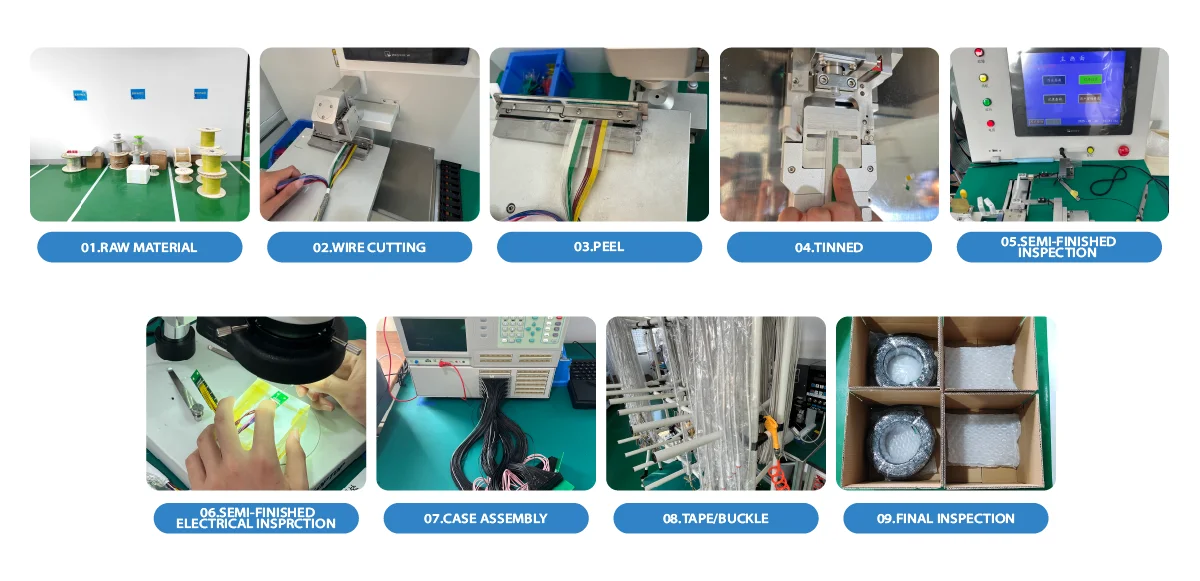
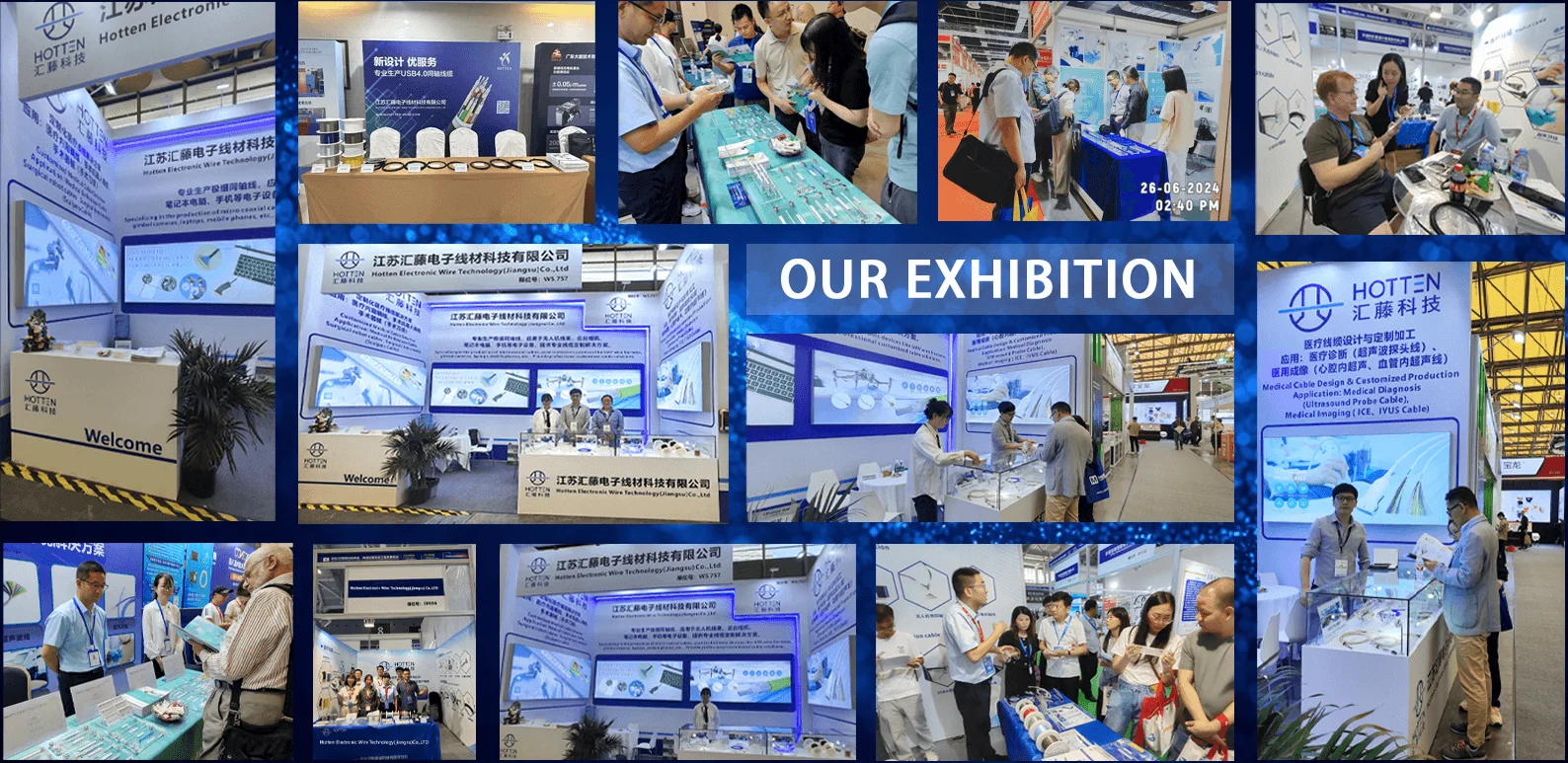

Why Choose HOTTEN
Professional Medical RF Cable Manufacturer
HOTTEN specializes in: