 EN
EN
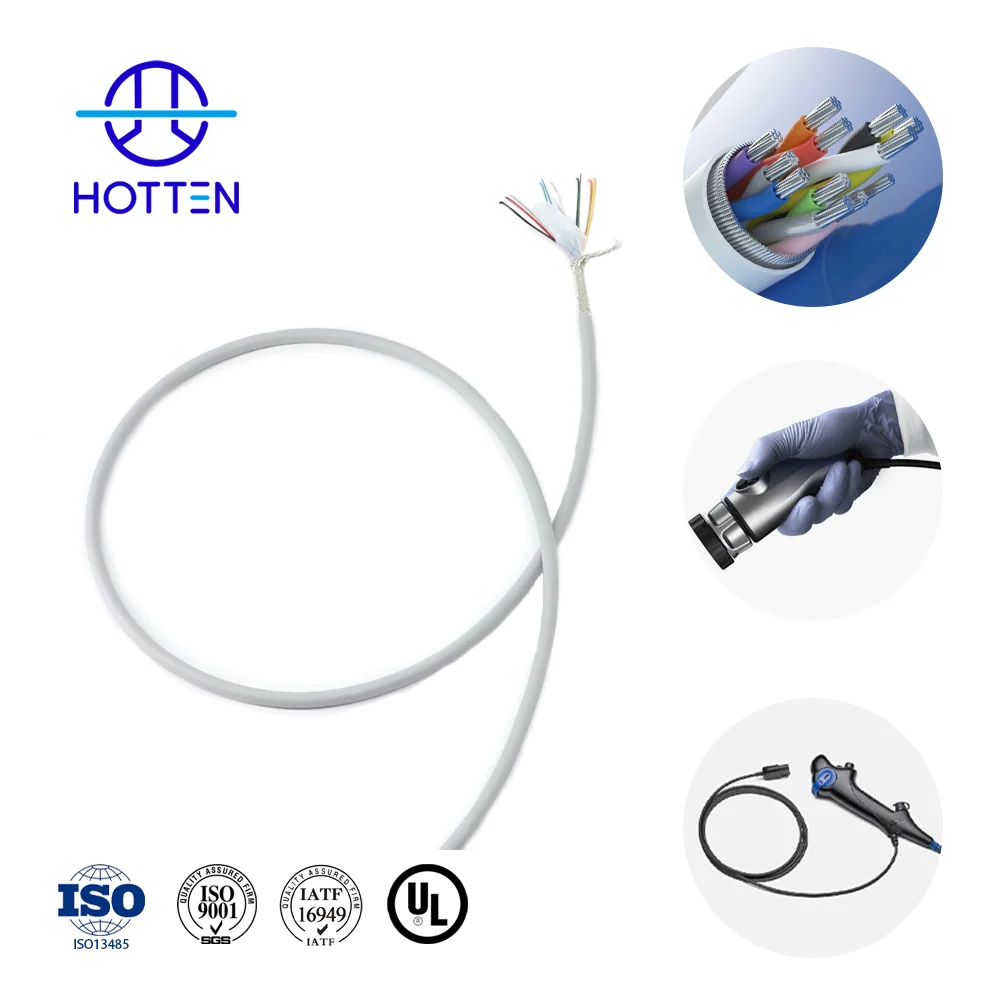
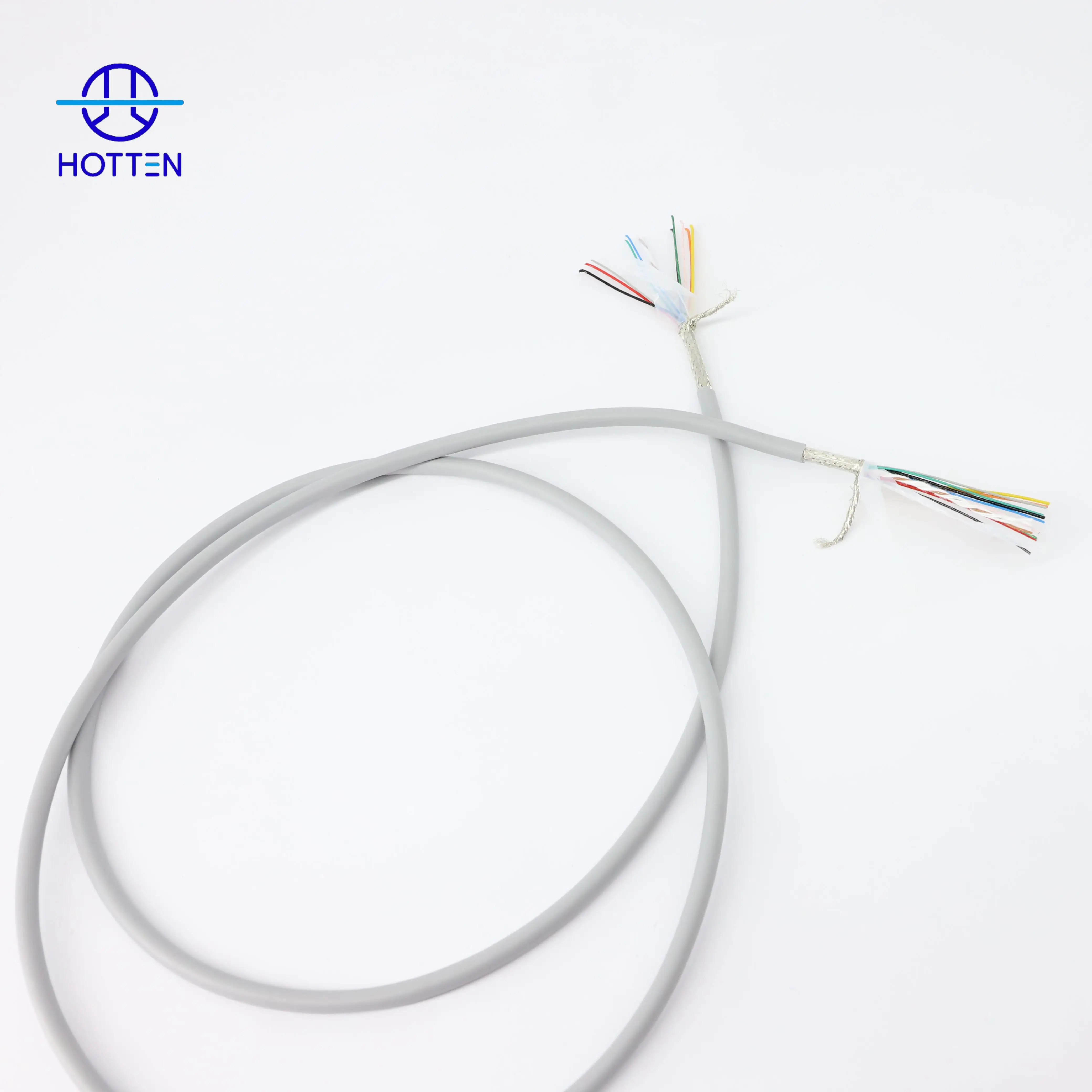
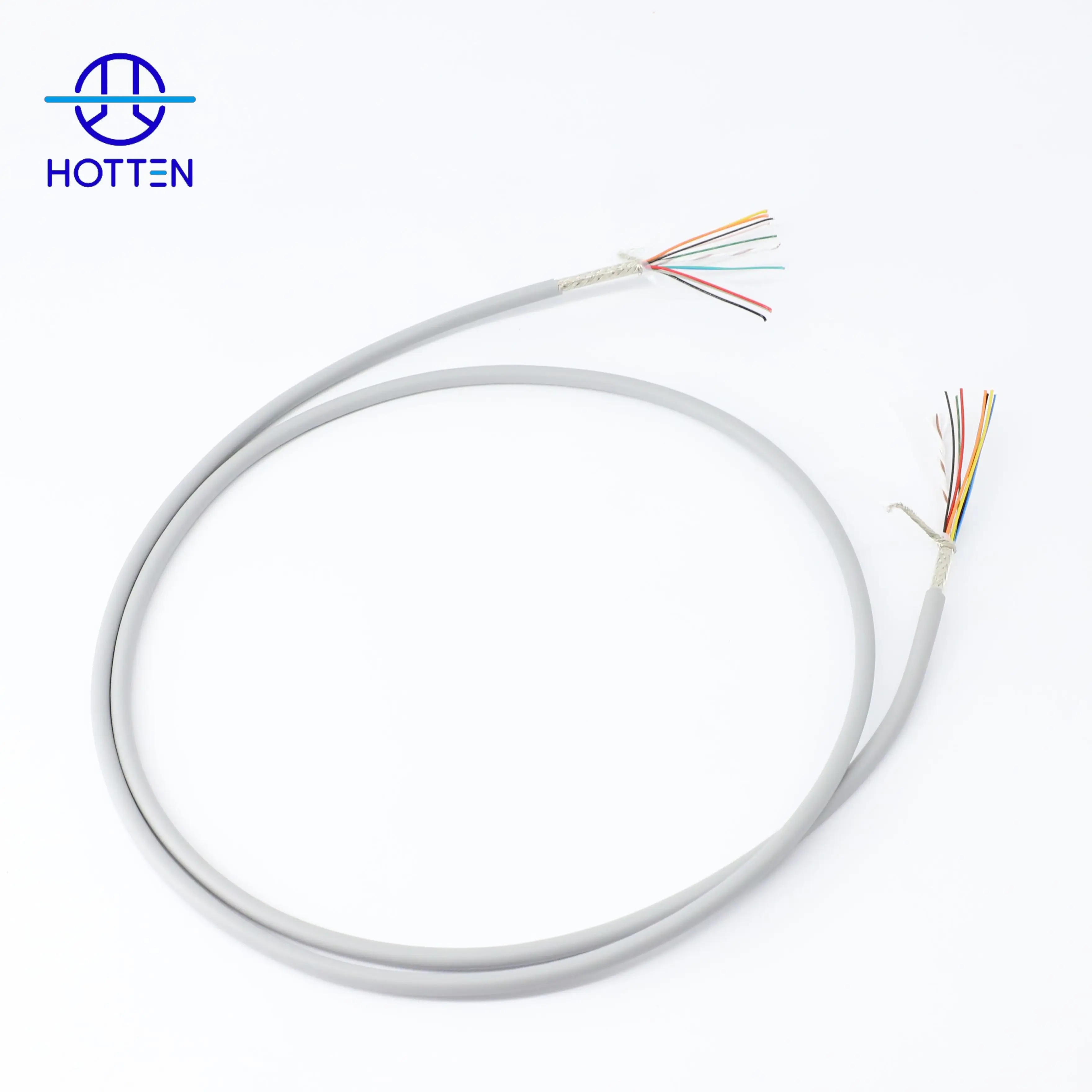
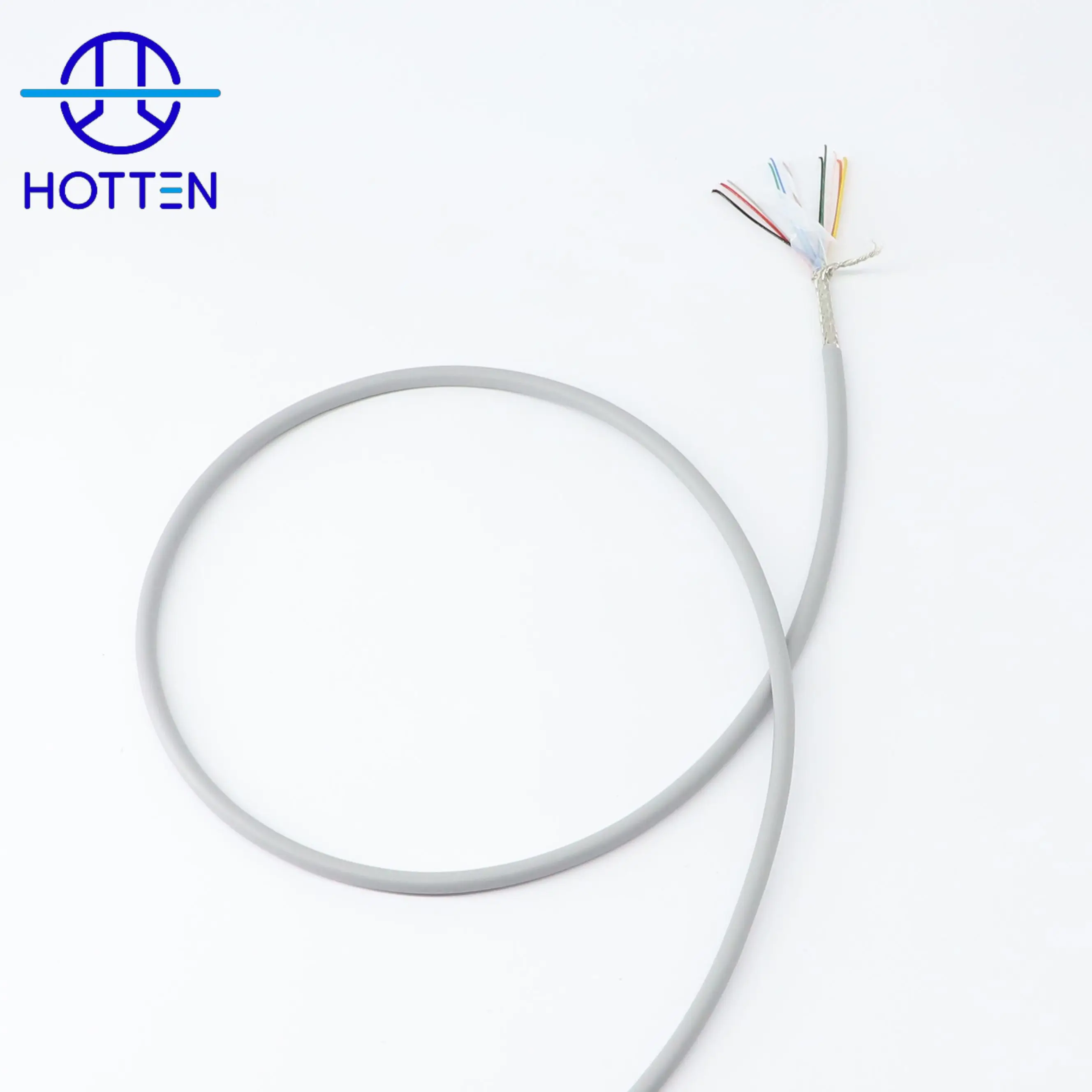
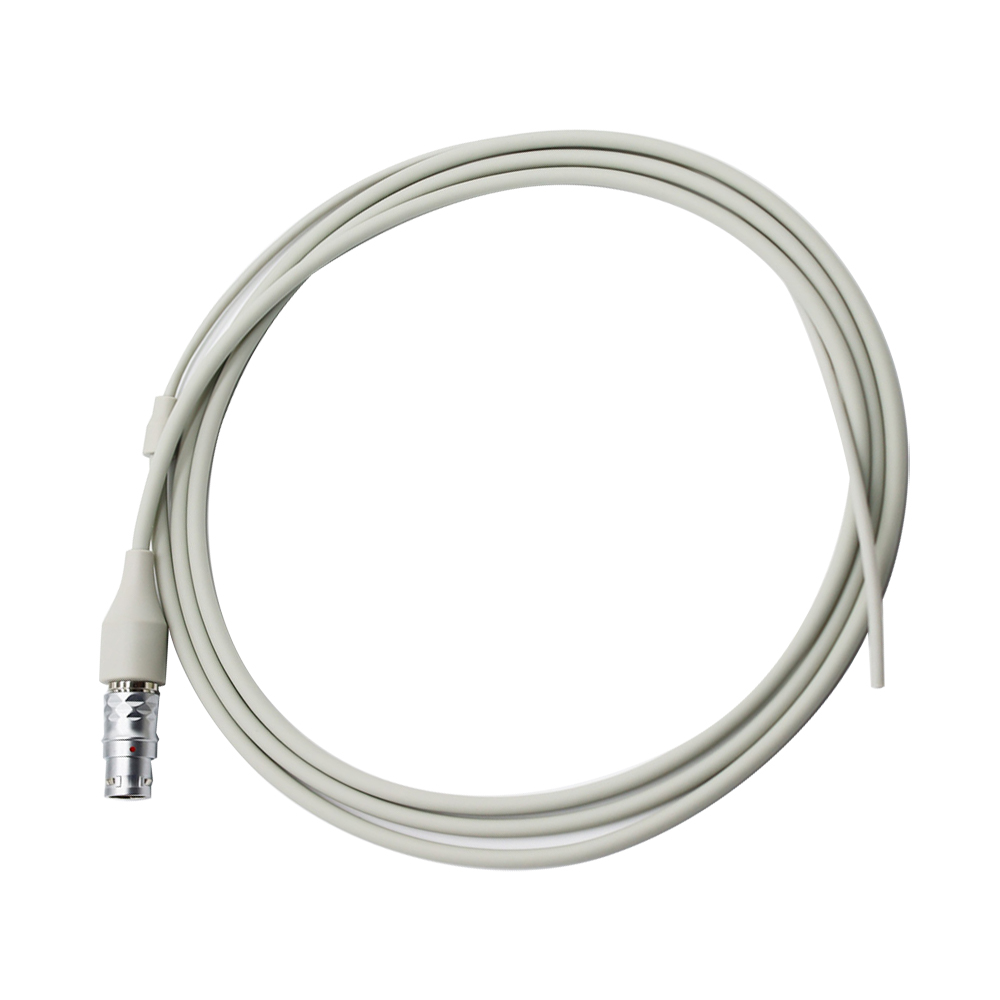
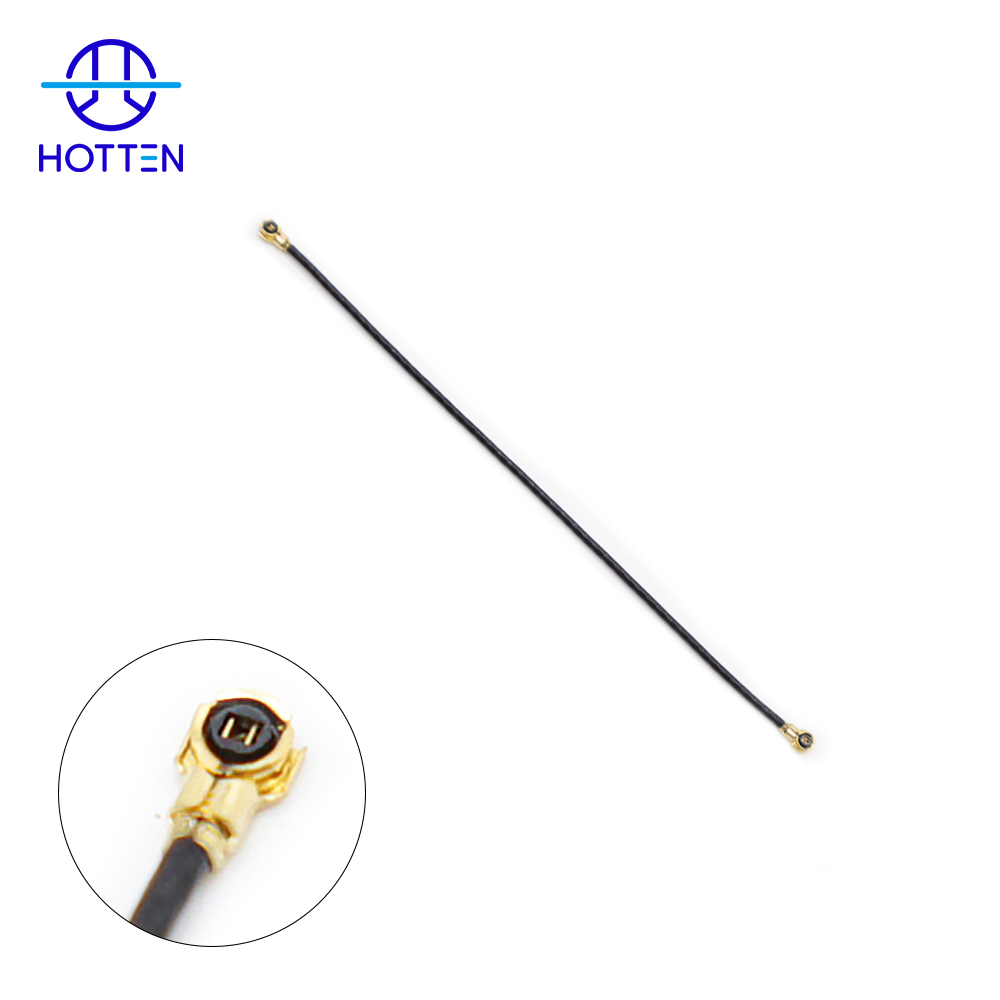
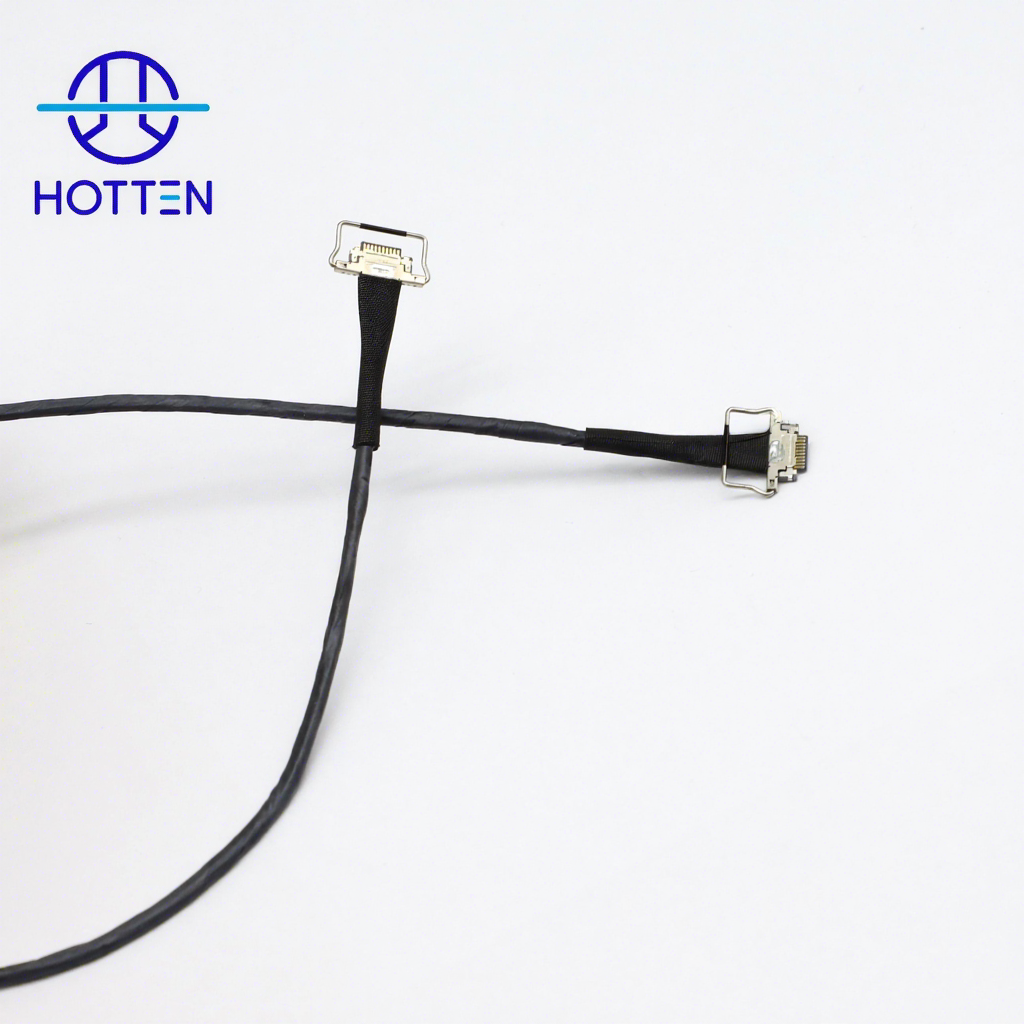
OV6946 OV9734 OV2740 Medical Endoscope Module Cable 3CX32AWG+7CX30AWG PVC Industrial Application with PFA Insulation
|
item
|
value
|
|
Type
|
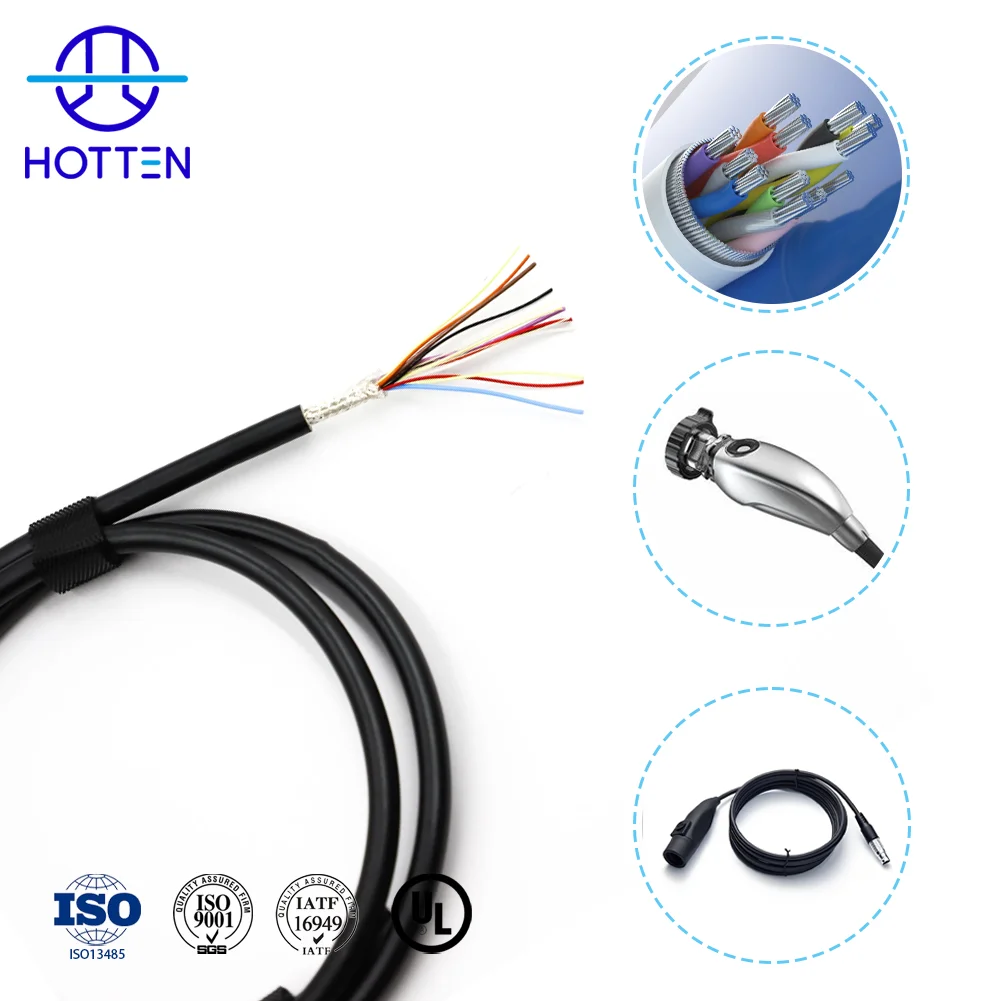
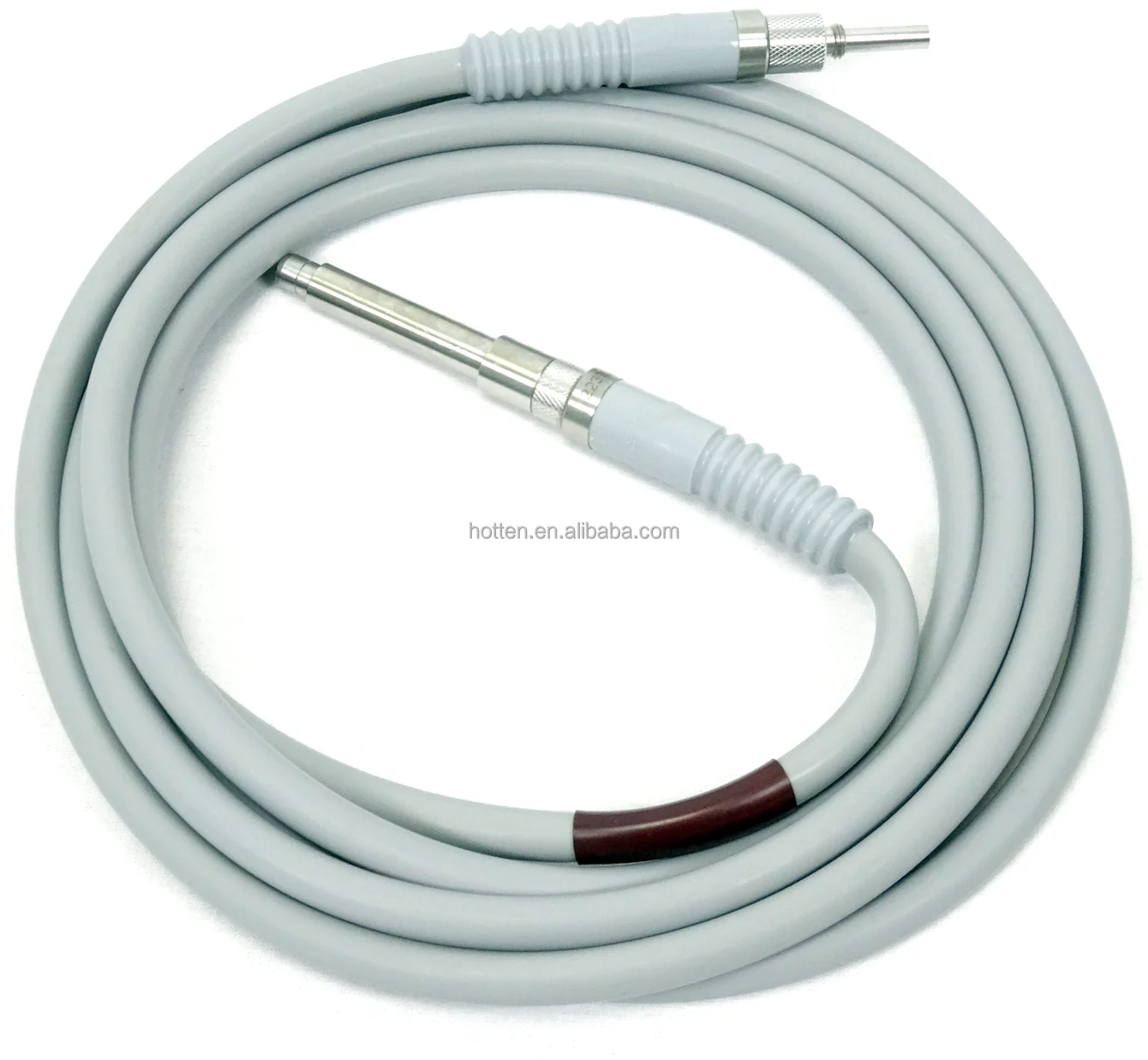
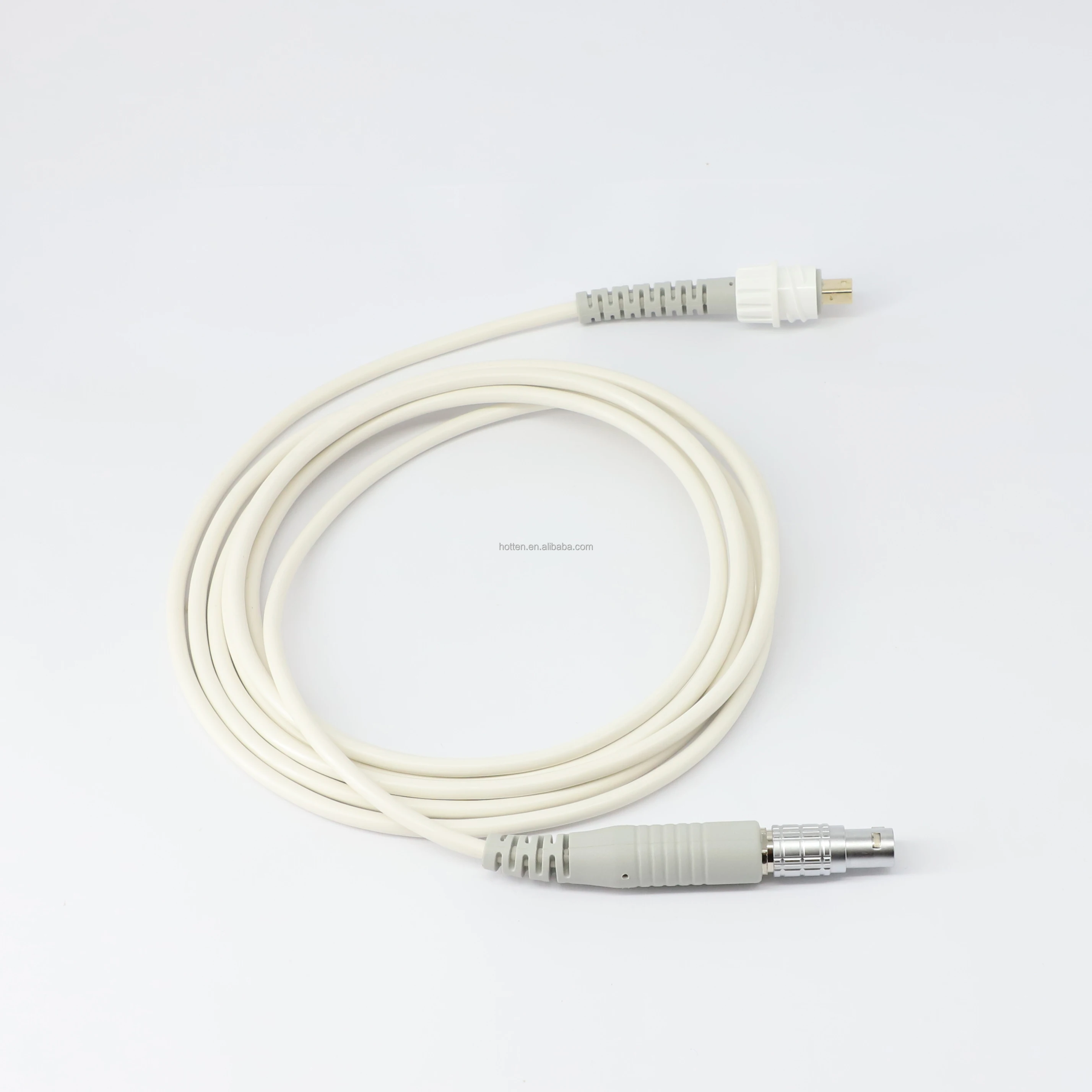
Medical Endoscopy Handle Cable
|
|
Place of Origin
|
China,Jiangsu
|
|
Brand Name
|
Hotten Cable
|
|
Pins/cores(Customizable)
|
2C/3C/4C/5C/6C......10C .....20C ,etc
|
|
Application
|
Medical handle connection cable
|
|
Jacket
|
Silicone/PVC/TPE/TPU
|
|
Color
|
White/Ivory/Gray/Black(Other Customizable)
|
|
Length
|
Customized Length
|
|
Certification
|
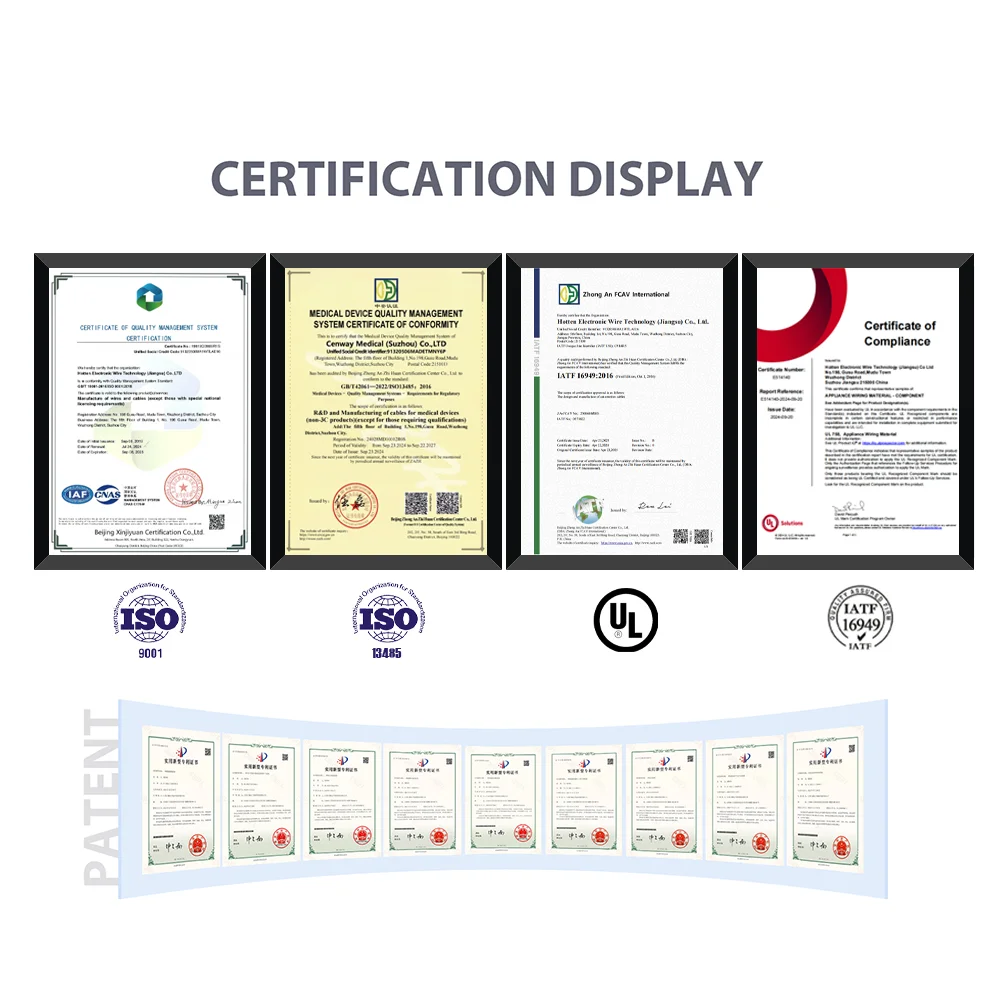
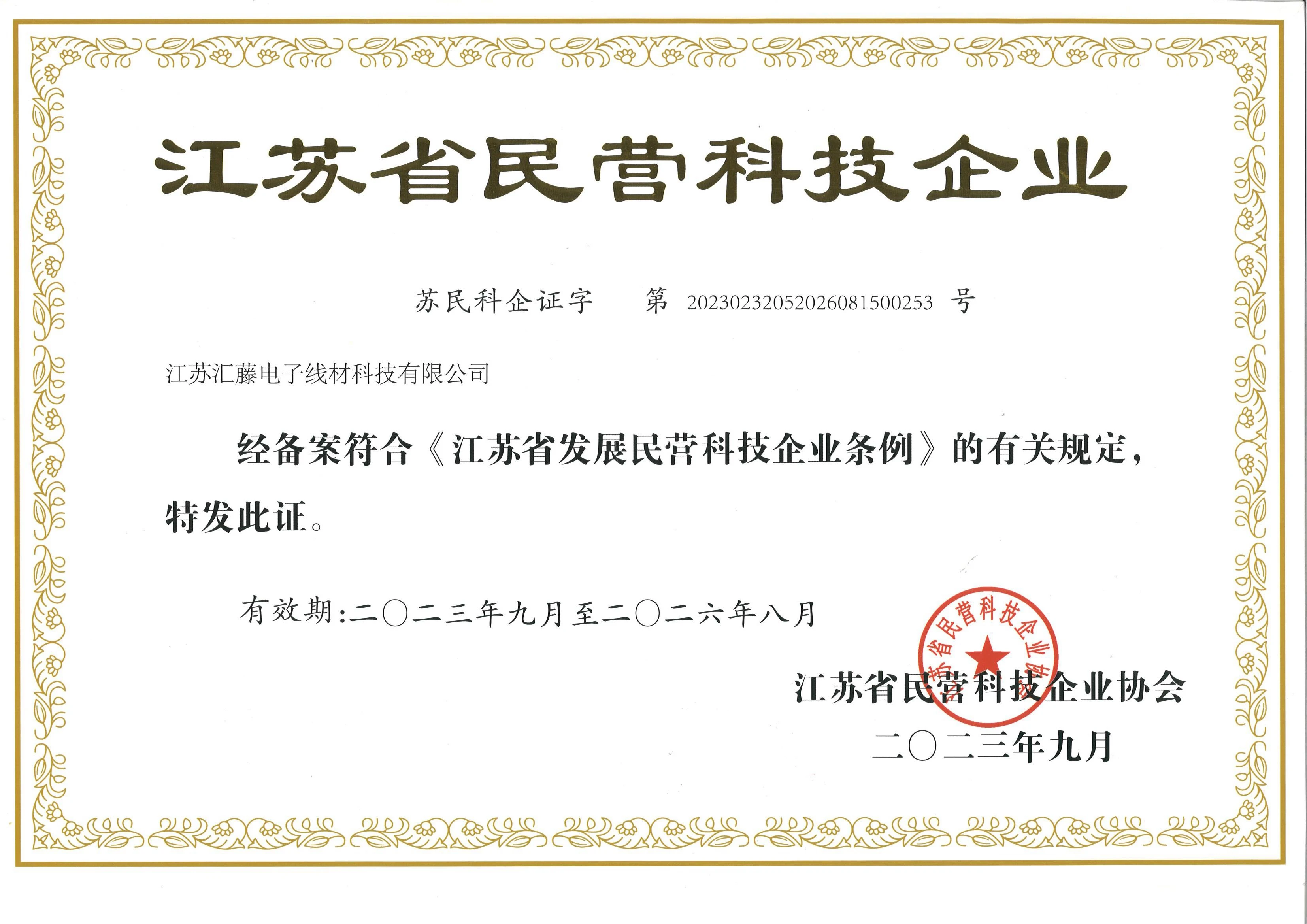
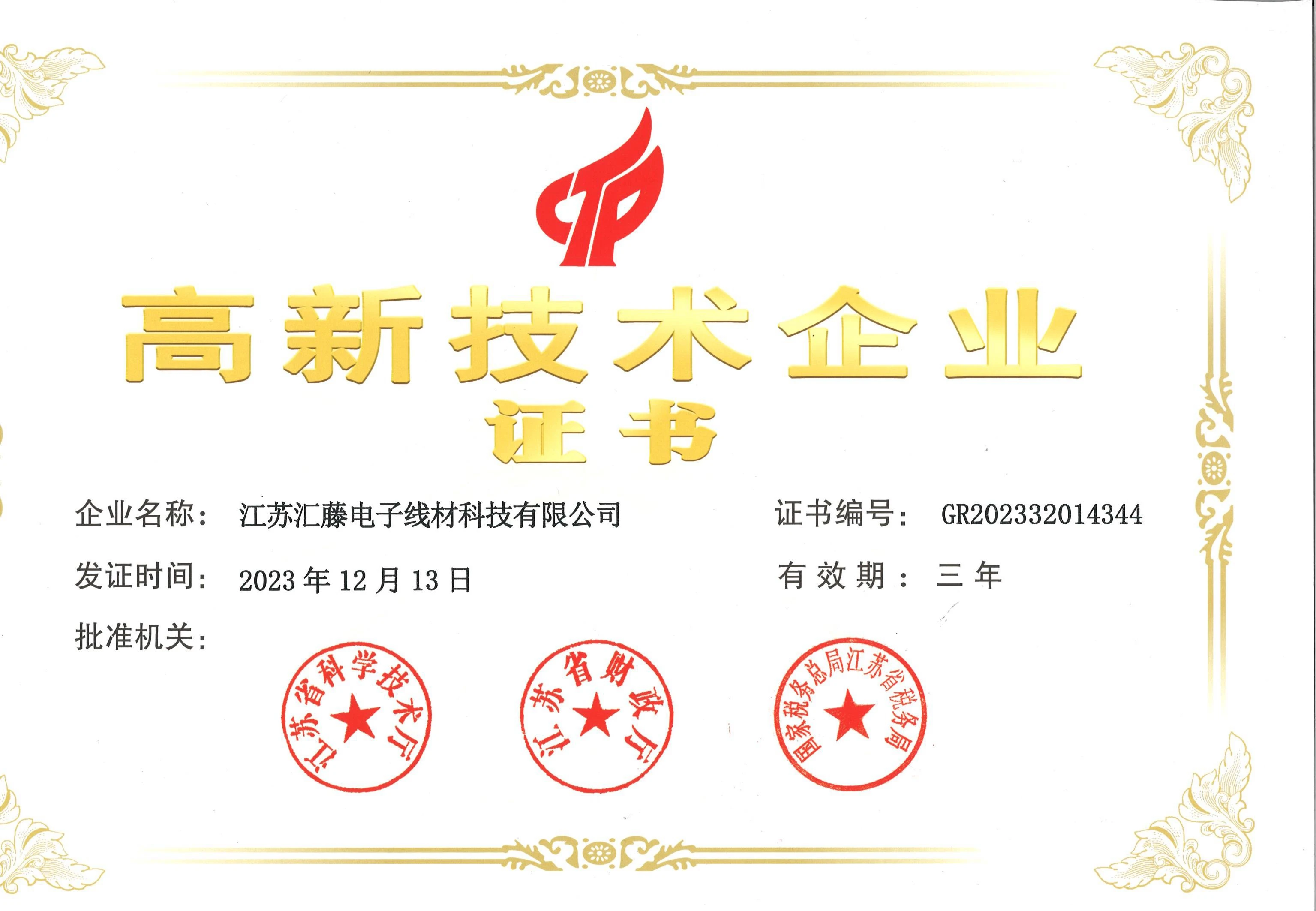
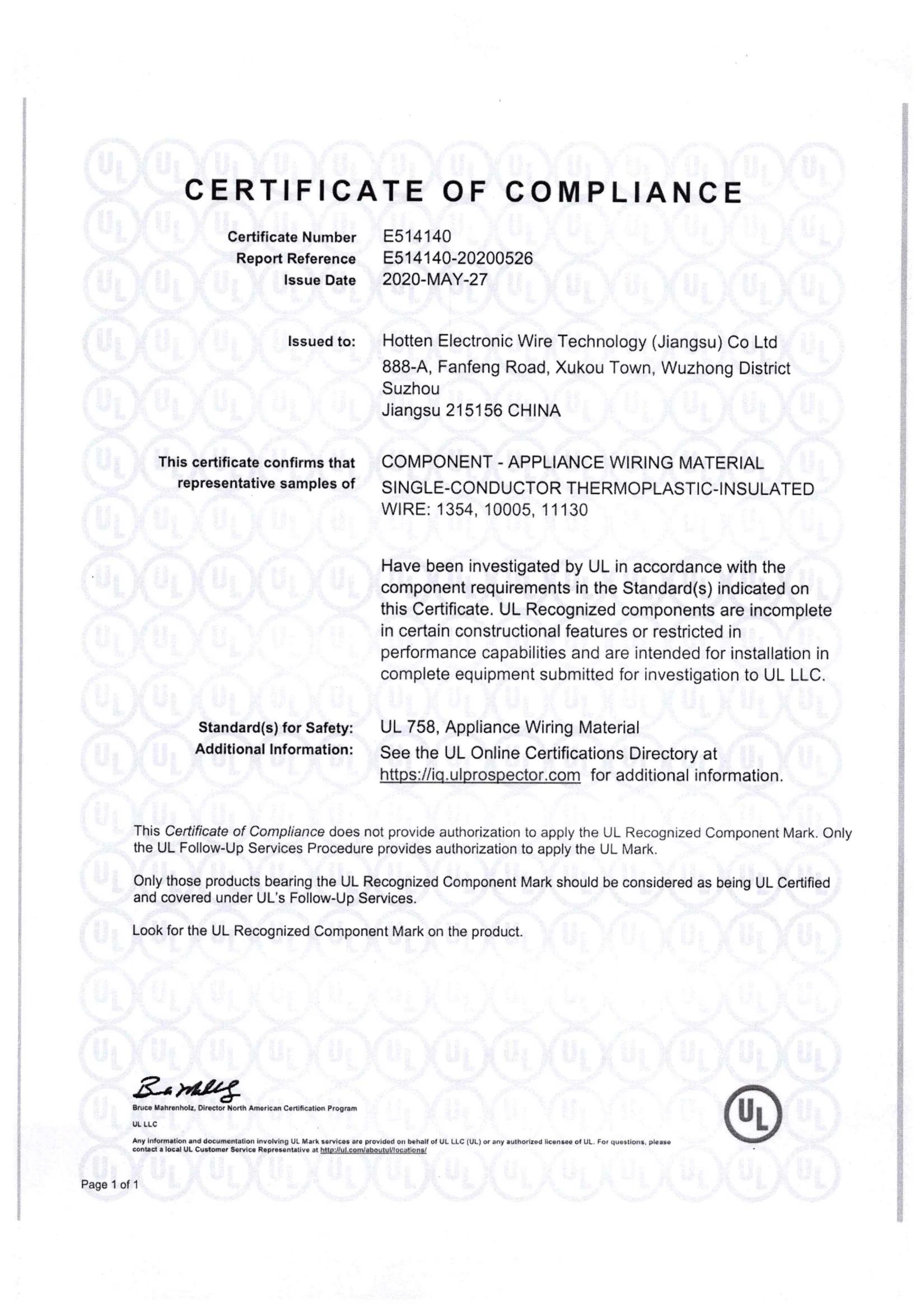
ISO13485、UL、ISO9001
|
|
Sample
|
Available
|
- Overview
- Recommended Products
- AWG range: 30AWG–46AWG
- Material options: Copper / Silver Plated Copper
- Material: PFA / FEP / PVC
- Copper shielding options available
- Improved EMI protection for sensitive signals
- Customized according to flexibility and environmental requirements
Module connector
Pin configuration
Signal assignment
Power requirements
Ground / return connections
Control lines
Cable length
Available routing space
Termination requirements
Imaging signals
Power
Ground / return
Control
Auxiliary connections
Conductor count
AWG of each conductor group
Conductor material
Pin assignment
Grounding configuration
Connector interface
Signal type
Conductor geometry
Insulation structure
Shielding
Cable length
Connector termination
Pin assignment
Internal routing
Grounding
Individual micro-coaxial signal paths
Conventional multi-core wire
Hybrid construction
Additional shielding
Dedicated power conductors
Separate signal and ground paths
Target cable OD
Maximum allowable OD
OD tolerance
Module-side routing space
Handle routing path
Connector entry dimensions
Cable exit direction
Minimum bending radius
Strain relief
Static or dynamic bending
Minimum bending radius
Frequency of movement
Handle movement
Expected assembly handling
Required softness
Long-term mechanical requirements
Jacket material
Required flexibility
Surface requirements
Cleaning / disinfection conditions
Cable diameter
Color
Mechanical handling conditions
Connector manufacturer
Connector series
Part number
Contact count
Pin assignment
Connector orientation
Mating interface
Termination method
Strain relief requirements
Overmolding requirements, where applicable
Core configuration
Mixed AWG configuration
Conductor material
Cable structure
Shielding
Insulation
Jacket material
Cable diameter
Cable length
Cable color
Connector assembly
Pin assignment
Termination
Prototype samples
Mass-production configuration
Camera module model
Module datasheet / drawing
Connector part number
Pinout
3×32AWG + 7×30AWG configuration or required alternative
Conductor material
Insulation requirement
Shielding requirement
Cable OD
Cable length
Jacket material
Flexibility requirement
Routing limitation
Prototype quantity
Expected production volume
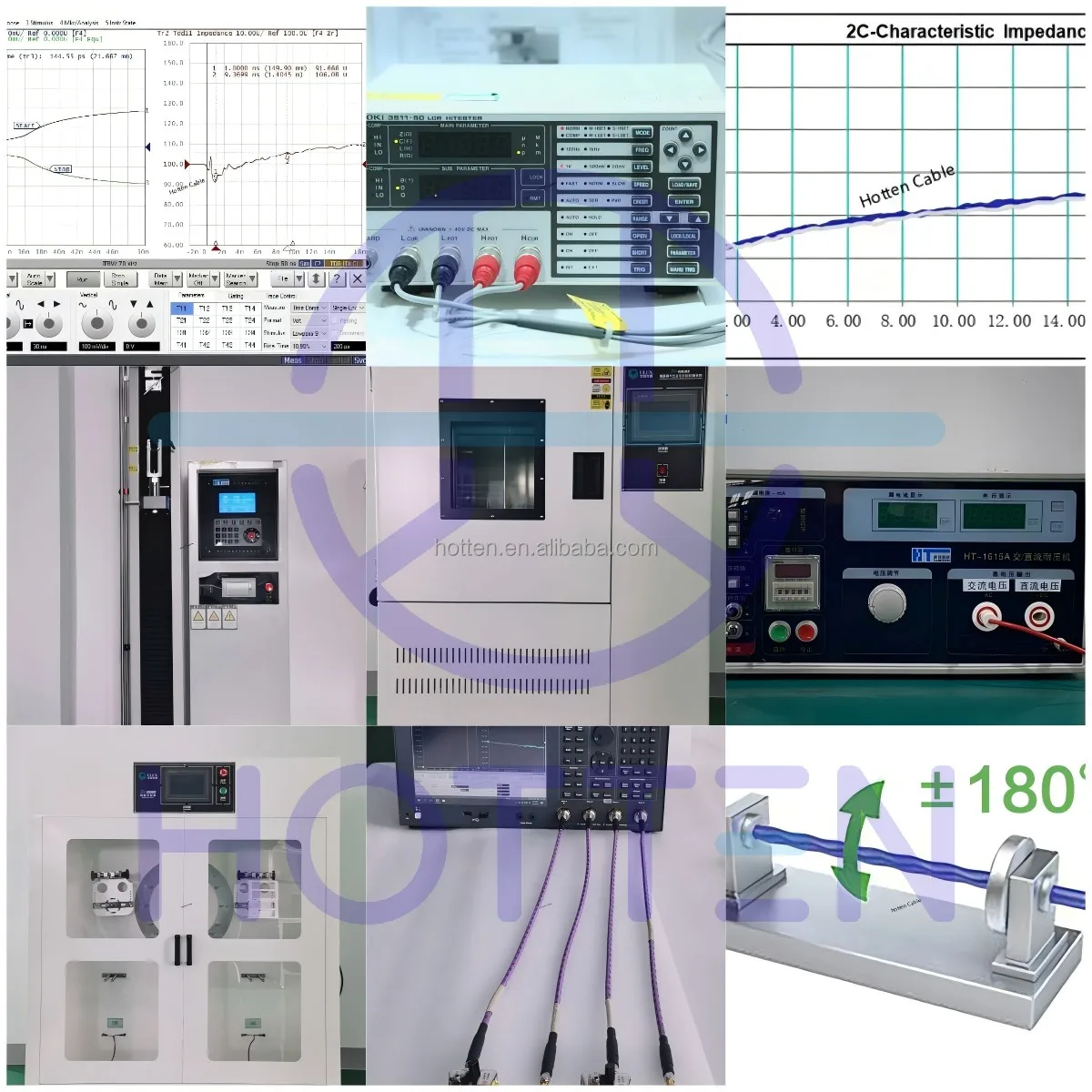
Required electrical and mechanical testing
Product Overview
OV6946 OV9734 OV2740 Medical Endoscope Module Cable
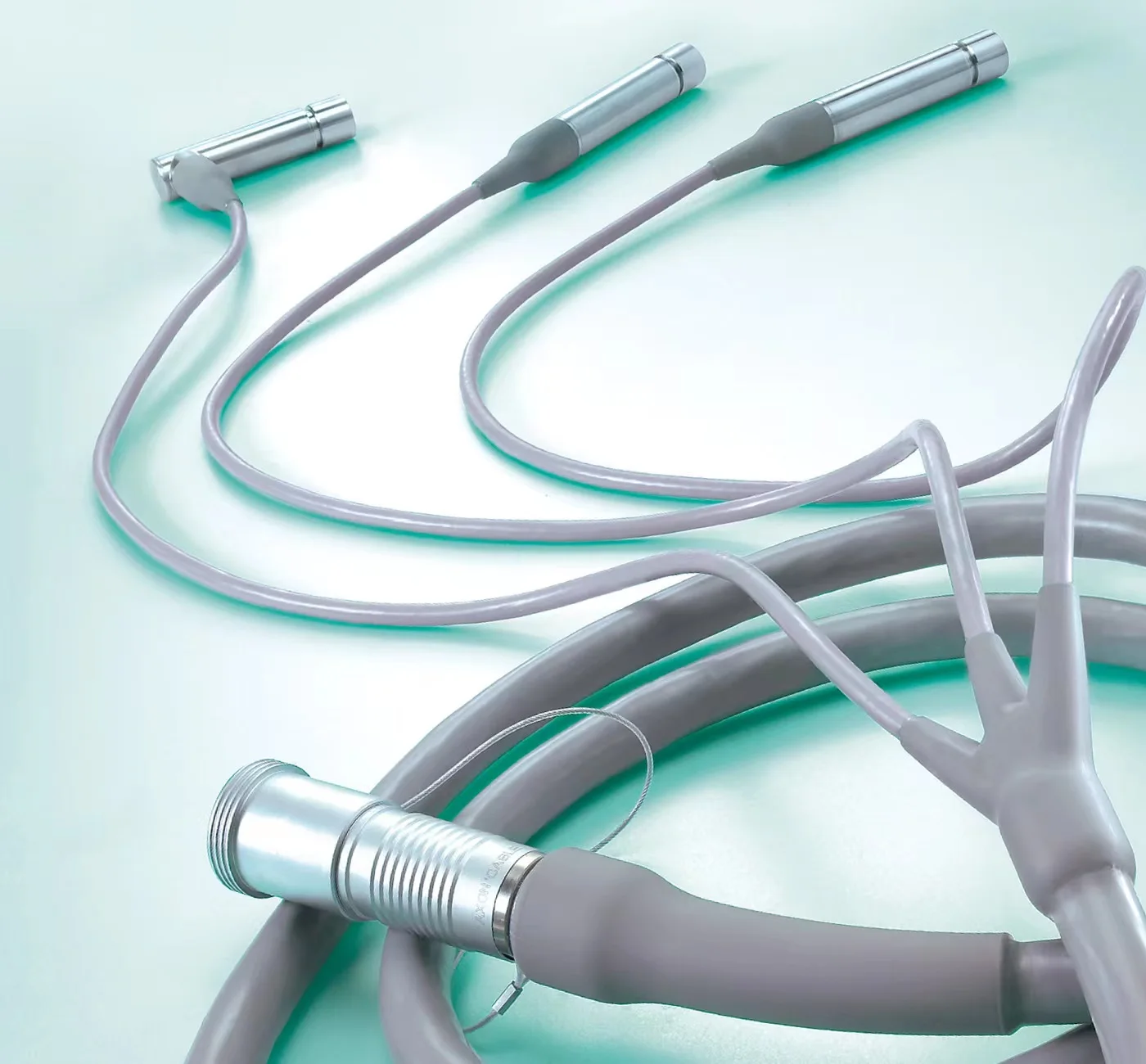
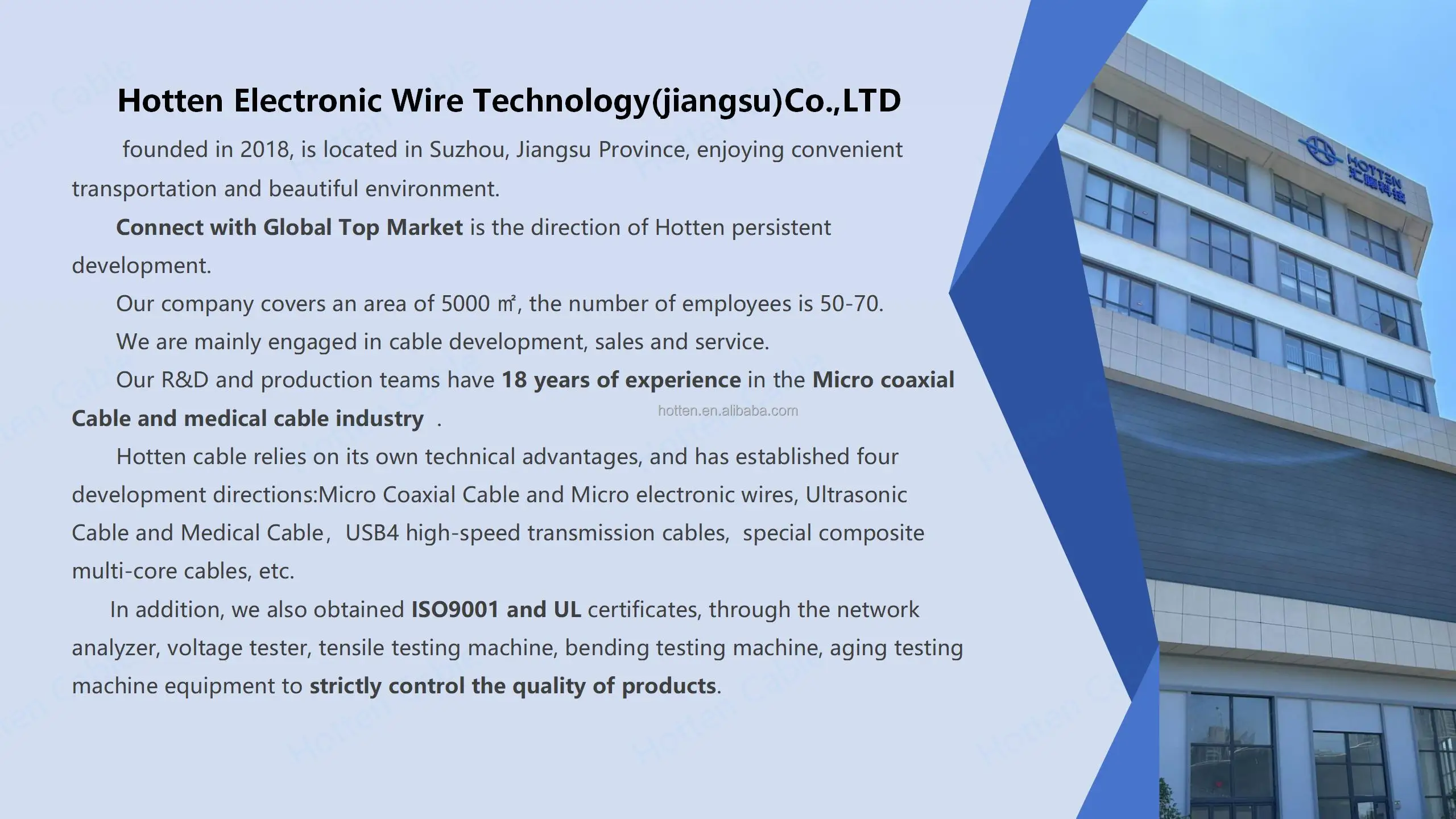
HOTTEN provides customized endoscope module cable solutions designed for compact medical imaging systems using miniature camera modules such as OV6946, OV9734 and OV2740.
With ultra-fine conductor structures, micro coaxial cable technology and high-performance insulation materials, this cable supports reliable image signal transmission in space-limited medical applications.
The cable can be customized according to customer requirements, including conductor size, core configuration, shielding structure, outer diameter, insulation material and assembly design.
Key Features
Designed for Miniature Medical Imaging Applications
🔹 Compatible with OV6946, OV9734 and OV2740 endoscope camera modules
🔹 Ultra-fine wire design for compact device integration
🔹 Stable signal transmission for medical imaging systems
🔹 Flexible structure for complex installation environments
🔹 Customized core configuration and cable dimensions
🔹 Suitable for OEM medical device development
Cable Structure
Precision Design for Reliable Performance
The cable structure can be customized according to application requirements:
Conductor
Insulation
Shielding
Outer Jacket
Applications
Medical Imaging & Endoscope Systems
Suitable applications include:
🏥 Disposable Endoscope Systems
🏥 Medical Camera Modules
🏥 Minimally Invasive Surgical Equipment
🏥 Medical Imaging Devices
🏥 Compact Diagnostic Instruments
Customization Options
HOTTEN supports customized cable development including:
✔ Cable Length
✔ Core Number
✔ Conductor Size
✔ Insulation Material
✔ Shielding Structure
✔ Outer Diameter
✔ Connector Assembly


Engineering & Procurement Considerations
What Engineers Should Consider When Selecting an Endoscope Module Cable
An endoscope module cable connects an imaging module with the handle, control electronics, power system or other components inside a medical or industrial endoscope. For module-specific cable projects, the cable must balance core configuration, fine-gauge conductors, signal transmission, compact routing, flexibility, shielding and connector compatibility.
This configuration is particularly defined by the combination of OV6946 / OV9734 / OV2740 camera-module references and a 3×32AWG + 7×30AWG conductor structure, making both the module interface and mixed-gauge cable construction important engineering considerations.
Key Engineering Requirements
| Engineering Requirement | Key Considerations |
|---|---|
| Camera Module Compatibility | Cable construction must match the actual camera-module interface and system wiring architecture. |
| Mixed-Gauge Configuration | The 3×32AWG + 7×30AWG construction should be mapped to the required signal, power and control functions. |
| Fine-Gauge Processing | Fine conductors help support compact cable routing around the endoscope imaging module. |
| Signal Integrity | Conductor structure, insulation, shielding, cable length and termination should be considered together. |
| Compact Routing | Cable diameter and connector dimensions should fit the available space around the module and endoscope handle. |
| Flexibility | Cable construction should accommodate the routing and movement requirements of the endoscope assembly. |
| EMI Control | Shielding should be selected according to the sensitivity of the imaging and electronic signals. |
| Connector Integration | Connector model, pinout and termination must match the module and receiving electronics. |
| Manufacturing Consistency | Core allocation, dimensions and termination quality should remain stable from prototype to production. |
Camera Module Compatibility
The product references OV6946, OV9734 and OV2740 module platforms.
The module model alone should not be used as the complete cable specification. The actual cable must also match:
Different endoscope designs can use the same camera-module family with different cable architectures, so the customer's module drawing and wiring requirements should be treated as the final engineering reference. This is consistent with the broader industry practice that cable compatibility depends on system integration rather than camera-module name alone.
3×32AWG + 7×30AWG Configuration Considerations
The 3×32AWG + 7×30AWG configuration is one of the strongest technical entities for this product.
The mixed-gauge construction should be mapped before production to determine which conductors are used for:
Customers should provide:
A detailed wiring diagram is recommended because a mixed-gauge cable requires accurate control of conductor order and termination.
Signal Transmission Considerations
For an endoscope camera-module cable, the cable should be evaluated as part of the complete electrical signal path.
Relevant parameters may include:
Where the imaging system has a defined electrical or high-speed signal specification, that requirement should be included in the cable drawing or RFQ.
Micro-Coaxial / Multi-Core Construction
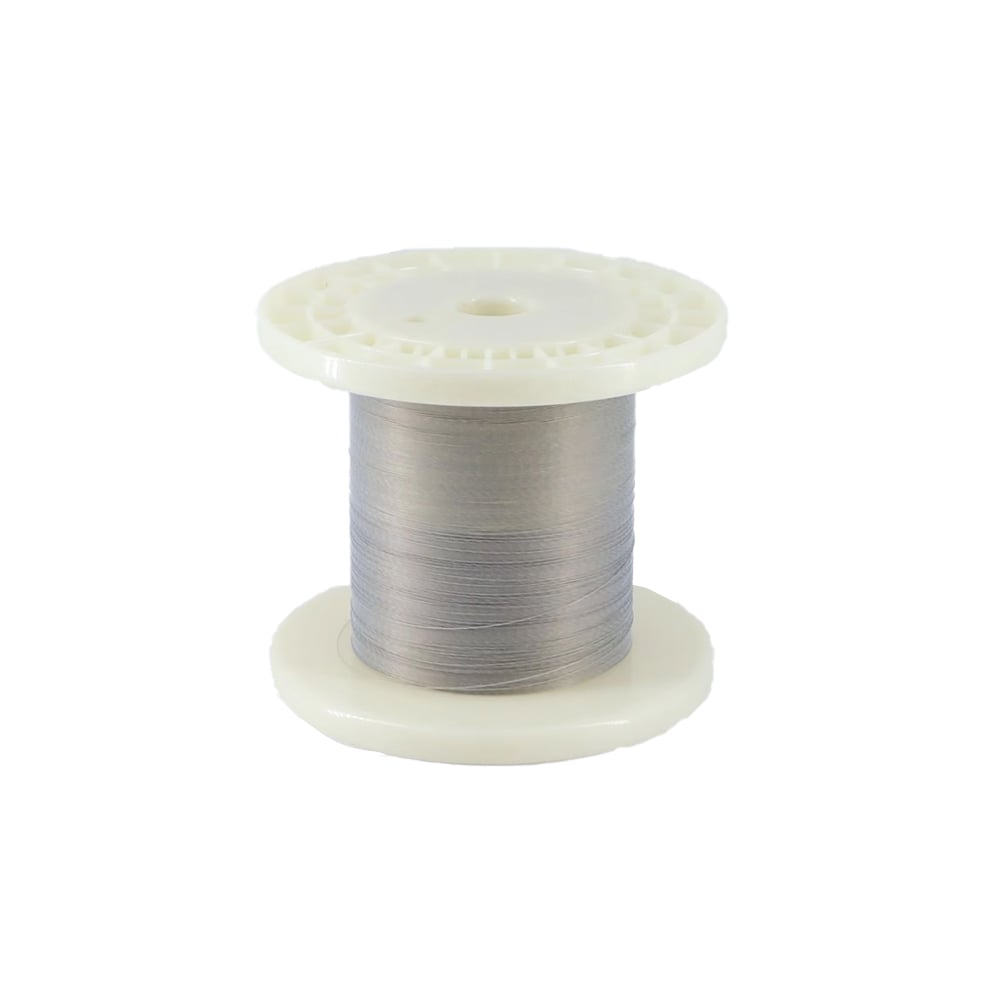
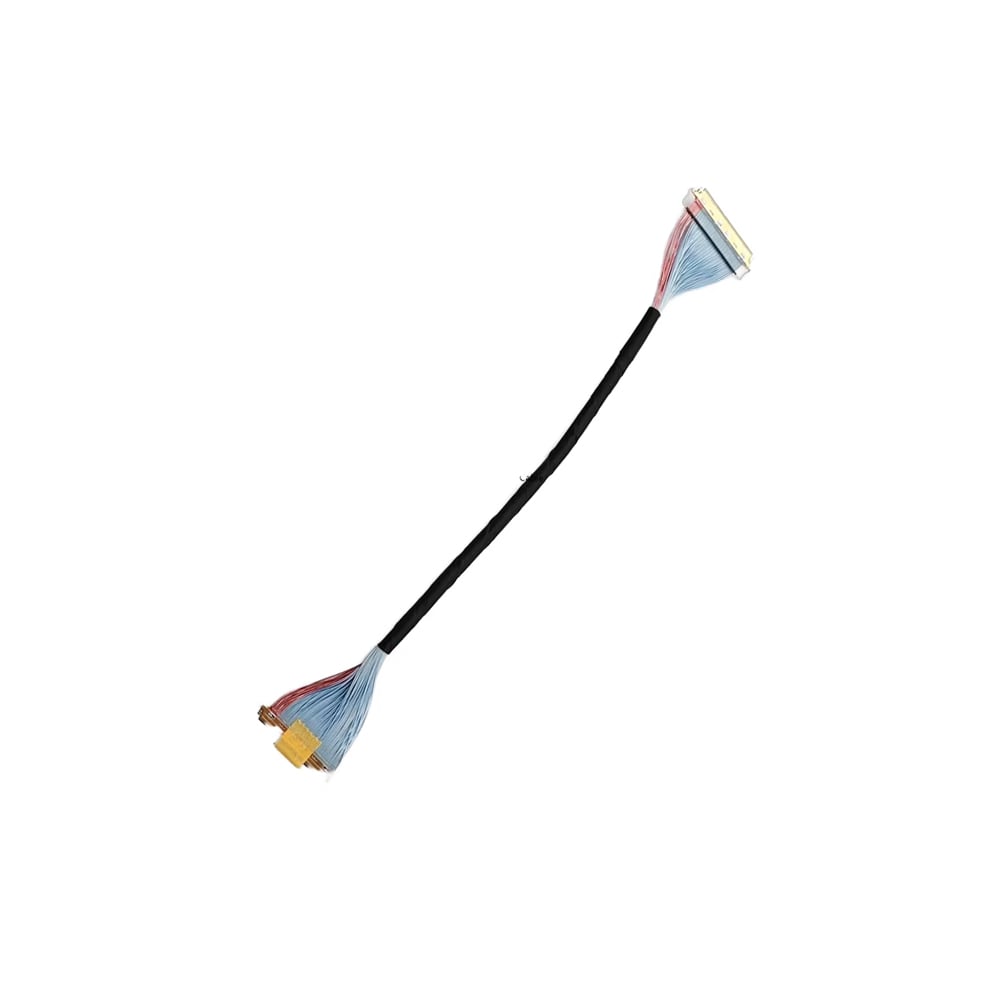
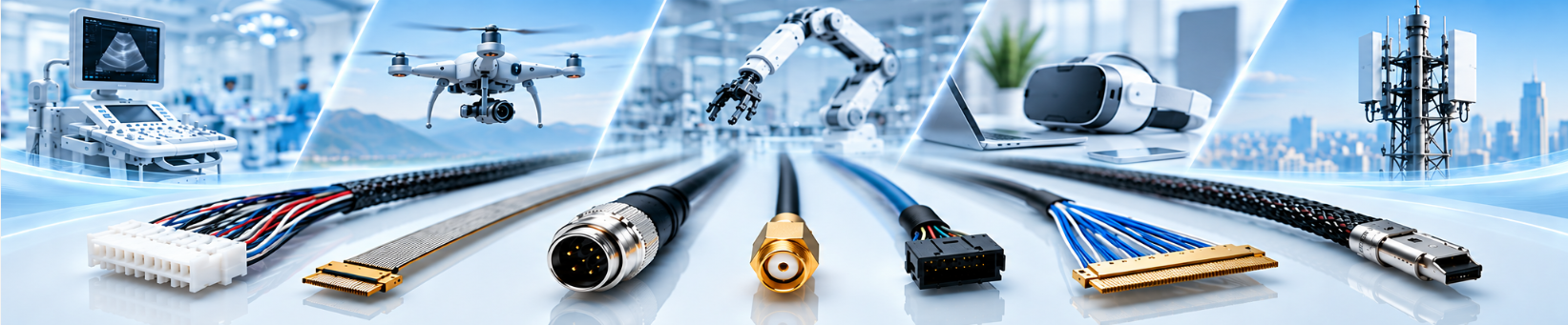
The HOTTEN product family supports micro-coaxial cable and electronic-wire constructions for medical and industrial endoscope applications.
For module-level cable design, engineers should determine whether the project requires:
The final structure should be selected according to the module's electrical architecture and mechanical constraints.
Compact Cable Routing
Endoscope module cables often operate in highly constrained internal spaces.
Engineers should define:
The cable should be designed to pass through the intended routing path without causing interference with the imaging module, lens assembly or other internal components.
Flexibility Considerations
Flexibility is particularly important in endoscope cable assemblies because the cable may need to follow curved or compact routing paths.
Customers should specify:
Flexibility should be evaluated together with conductor size, insulation, shielding and outer jacket because these factors jointly determine the final cable behavior.
Insulation and Outer Jacket Selection
HOTTEN's current product page identifies Silicone, PVC, TPE and TPU as jacket options and supports customized colors and lengths.
The jacket should be selected according to:
Flexibility + Mechanical Handling + Cleaning Conditions + Equipment Integration + Operating Environment
Customers should specify:
The material should be validated against the actual endoscope application rather than selected only from the product name.
Connector and Termination Considerations
The connector is an important part of a module-specific endoscope cable.
Customers should provide:
For OV6946 / OV9734 / OV2740 projects, the module connector part number + pinout should ideally be supplied together with the cable drawing.
Key Procurement Parameters
When sourcing this endoscope module cable, engineering and procurement teams should confirm:
| Procurement Item | Recommended Information |
|---|---|
| Camera Module | OV6946 / OV9734 / OV2740 or specified module |
| Application | Medical Endoscopy / Industrial Endoscopy |
| Cable Type | Endoscope Module / Handle Connection Cable |
| Core Configuration | 3×32AWG + 7×30AWG |
| Conductor | Required material / plating |
| Signal Assignment | Imaging / Power / Ground / Control |
| Insulation | Required material |
| Shielding | Required shield structure |
| Jacket | Silicone / PVC / TPE / TPU or specified material |
| Cable OD | Target / maximum allowable OD |
| Cable Length | Finished length |
| Flexibility | Bending / routing requirements |
| Connector | Module-side and equipment-side connector |
| Pinout | Contact and signal assignment |
| Termination | Required termination method |
| Drawing | Cable / assembly drawing |
| Prototype Quantity | Engineering samples |
| Production Volume | Expected recurring demand |
| Testing | Electrical, signal, dimensional and mechanical requirements |
| Compliance | Applicable quality requirements |
OEM Customization
HOTTEN supports customized endoscope cable development according to customer drawings and requirements.
Customization can include:
The current HOTTEN page explicitly supports customizable pins/cores, jacket material, color and length, together with medical handle connection applications and OEM-style manufacturing.
Supplier Evaluation Checklist
When evaluating an endoscope module cable supplier, procurement teams should consider:
① Camera-Module Cable Experience
Can the supplier work with module-specific wiring requirements rather than only standard endoscope cables?
② Mixed-Gauge Processing
Can the supplier reliably manufacture a 3×32AWG + 7×30AWG configuration?
③ Fine-Wire Manufacturing
Can the supplier maintain conductor dimensions and insulation quality for fine-gauge wire?
④ Signal and Shielding Capability
Can the supplier support the imaging system's signal and EMI requirements?
⑤ Connector Assembly
Can the supplier accurately terminate the module-side connector and control pin assignment?
⑥ Prototype-to-Mass-Production Support
Can the supplier support engineering samples and subsequent recurring production?
Recommended RFQ Information
For faster engineering evaluation and quotation, customers are recommended to provide:
For this product, the most important RFQ combination is:
Module Model + Connector + Pinout + 3×32AWG / 7×30AWG Configuration + Cable OD + Cable Length
HOTTEN Endoscope Module Cable Engineering Support
HOTTEN provides customized medical and industrial endoscope module and handle connection cables, including multi-core and micro-coaxial cable constructions. The selected product combines OV6946 / OV9734 / OV2740 module references with a 3×32AWG + 7×30AWG mixed-gauge configuration, providing a specific starting point for module-level cable customization.
For OEM development, customers can provide the camera-module drawing, connector information, pinout and routing requirements so that the cable construction can be evaluated and customized for the target endoscope system.
Engineering & Procurement Considerations
What is the role of a cable assembly in a medical endoscope camera module?
The cable assembly provides the electrical connection between the miniature camera module and the endoscope's processing or control electronics. Its design must accommodate the module interface, available installation space, signal requirements, and mechanical routing of the endoscope system.
Why use both 32AWG and 30AWG conductors in one endoscope cable?
Using different conductor sizes can allow the cable construction to accommodate different electrical and mechanical requirements within the same assembly. In this configuration, 3C×32AWG and 7C×30AWG provide separate conductor groups that can be assigned according to the specific signal, power, or control requirements of the endoscope system.
How should engineers determine the conductor configuration for an endoscope module cable?
The conductor configuration should be based on the camera module interface, electrical circuit, power requirements, signal types, and connector pin assignment. Engineers should define which circuits are carried by each conductor group before finalizing the cable structure and termination design.
What should be considered when connecting OV6946, OV9734, or OV2740 camera modules?
The selected camera module determines the required electrical interface and connection configuration. Engineers should verify the module's interface requirements, connector or contact arrangement, signal allocation, power requirements, cable dimensions, and available installation space before developing the customized cable assembly.
How can cable construction affect the reliability of a miniature endoscope system?
In a compact endoscope, the cable must fit within limited internal space while maintaining stable electrical connections and sufficient mechanical durability. Conductor arrangement, insulation, overall dimensions, termination quality, bending conditions, and cable routing should therefore be considered together during cable development.
What information should be included in an RFQ for a custom medical endoscope module cable?
An RFQ should normally include the camera module or interface model, conductor configuration, AWG sizes, insulation requirements, cable length, overall dimensions, connector specifications, pin assignment, electrical requirements, bending or routing conditions, and required termination details. Providing a drawing, sample, or interface definition can further improve development accuracy.
Why Choose HOTTEN
Your Partner for Customized Medical Cable Solutions
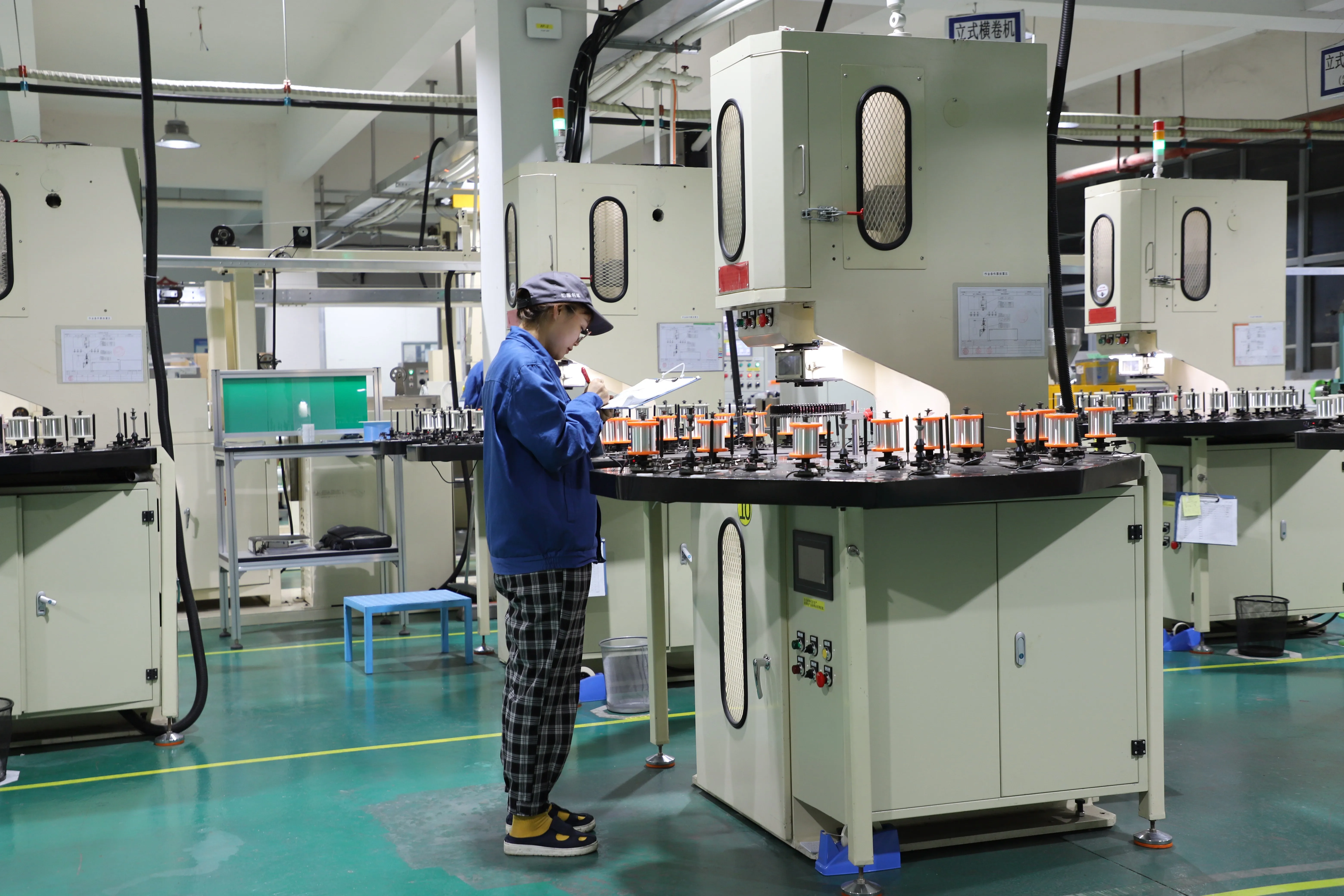
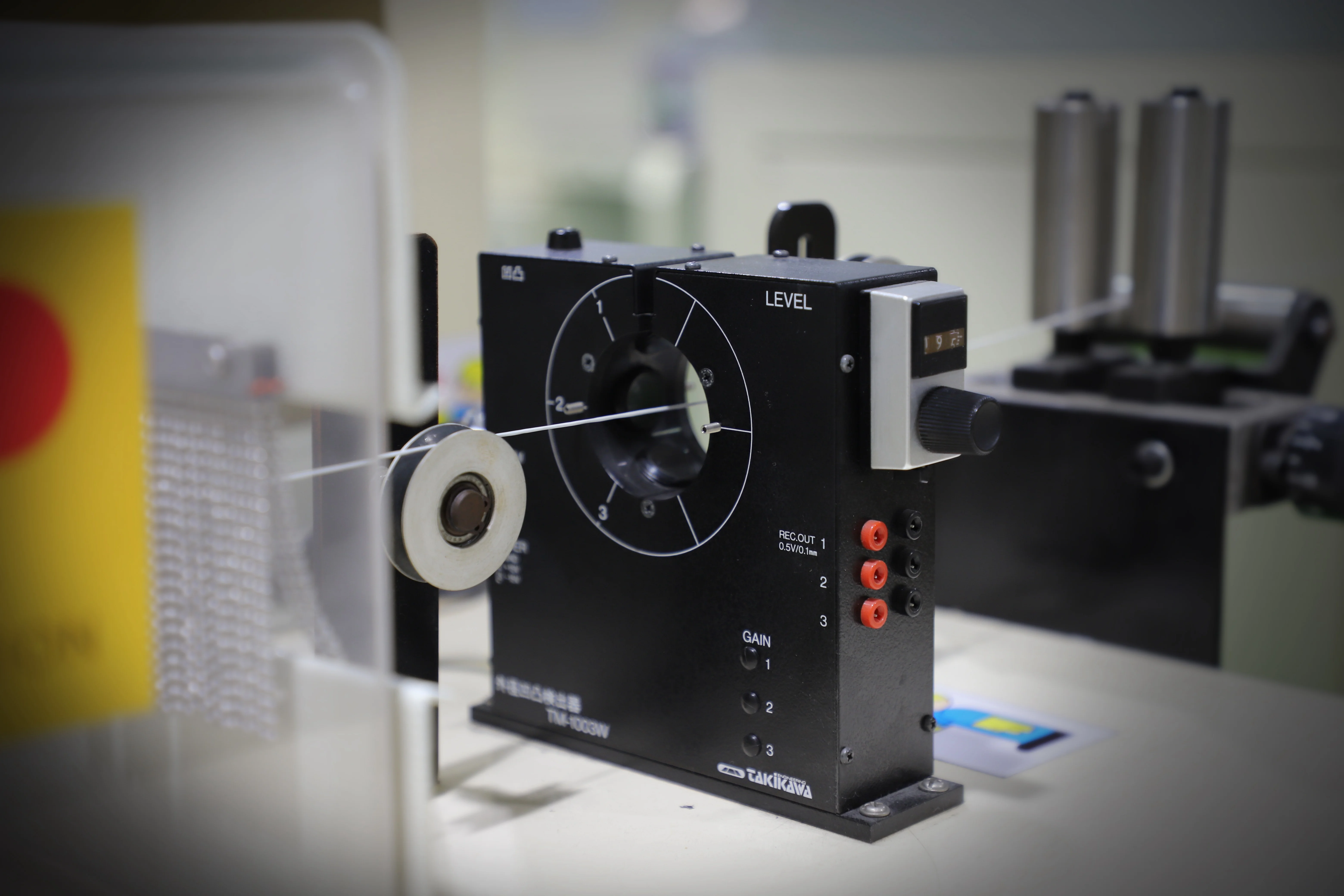
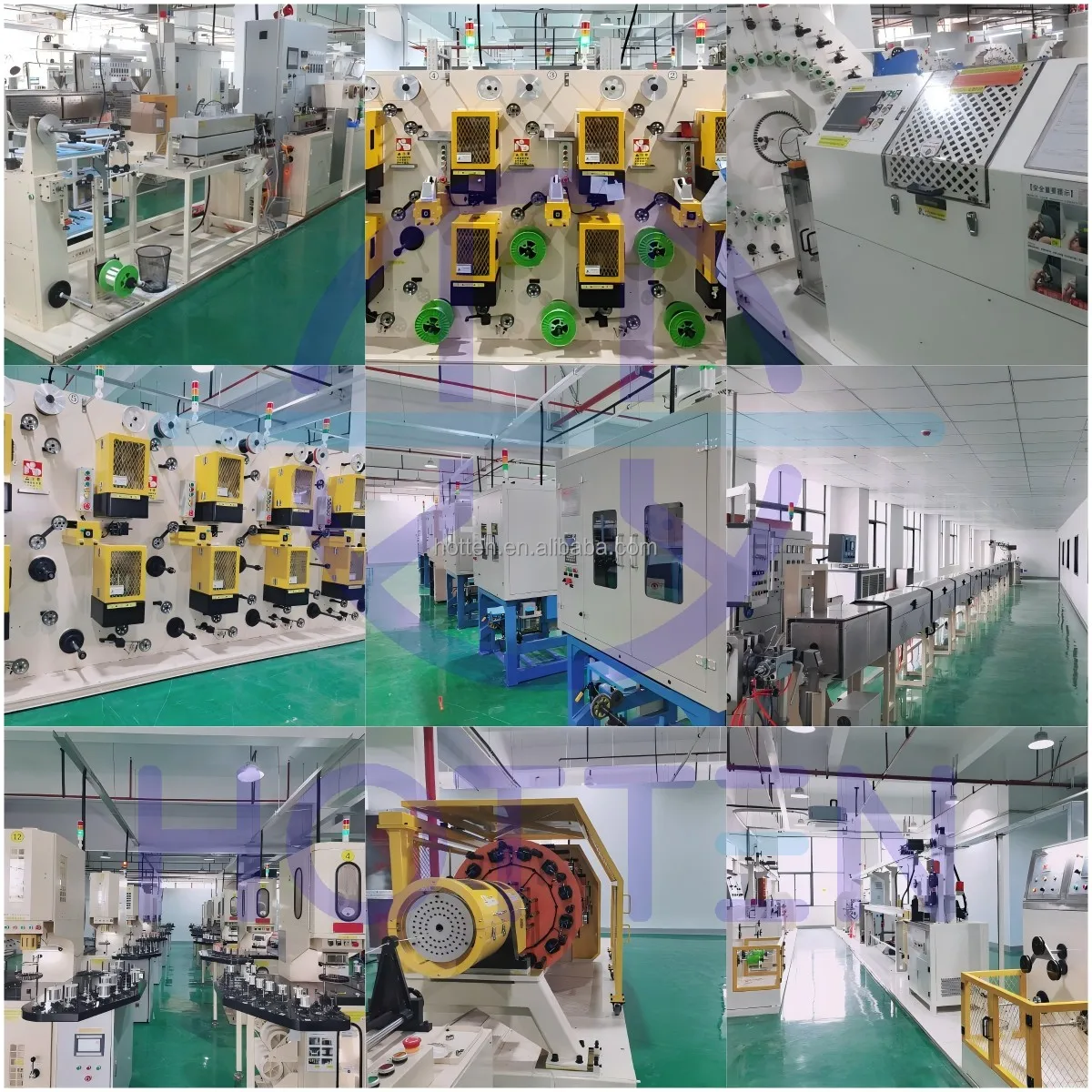
Micro Cable Manufacturing Capability
Experienced in producing ultra-fine wires and micro coaxial cable structures for compact electronic applications.
Engineering Support
From cable design evaluation to prototype development and mass production, HOTTEN provides complete technical support.
Medical Application Experience
Supporting customized cable solutions for endoscope, ultrasound and other medical equipment applications.
FAQ
Q1: Can HOTTEN customize cables for different endoscope camera modules?
Yes. HOTTEN supports customized cable solutions for different camera modules, including OV6946, OV9734 and OV2740 applications.
Q2: What cable specifications can be customized?
Cable structure, conductor size, insulation material, shielding, outer diameter and cable length can be customized according to customer requirements.
Q3: Does HOTTEN provide samples before mass production?
Yes. HOTTEN supports prototype development and sample verification before mass production.
Q4: What industries are these cables used for?
These cables are mainly used in medical imaging equipment, endoscope systems and compact electronic devices.