 EN
EN
Quick Links

Consumer electronics, medical equipment, and robotics are advancing rapidly, making high-speed data transmission a fundamental requirement rather than a competitive advantage. Data transmission speeds continue to reach multiple gigabits per second, and frequency levels reach into both RF and microwave bands.
Defining Characteristic Impedance and Its Impact on Signal Integrity
Hotten Electronic Wire Technology recognizes that maintaining signal integrity in high-frequency data connections depends heavily on a factor that is often overlooked: characteristic impedance. Our coaxial cables and wire harnesses maintain controlled impedance to minimize signal reflections and preserve signal integrity between the source and load, all thanks to impedance control. Minimizing Return Loss and VSWR Through Precision Manufacturing
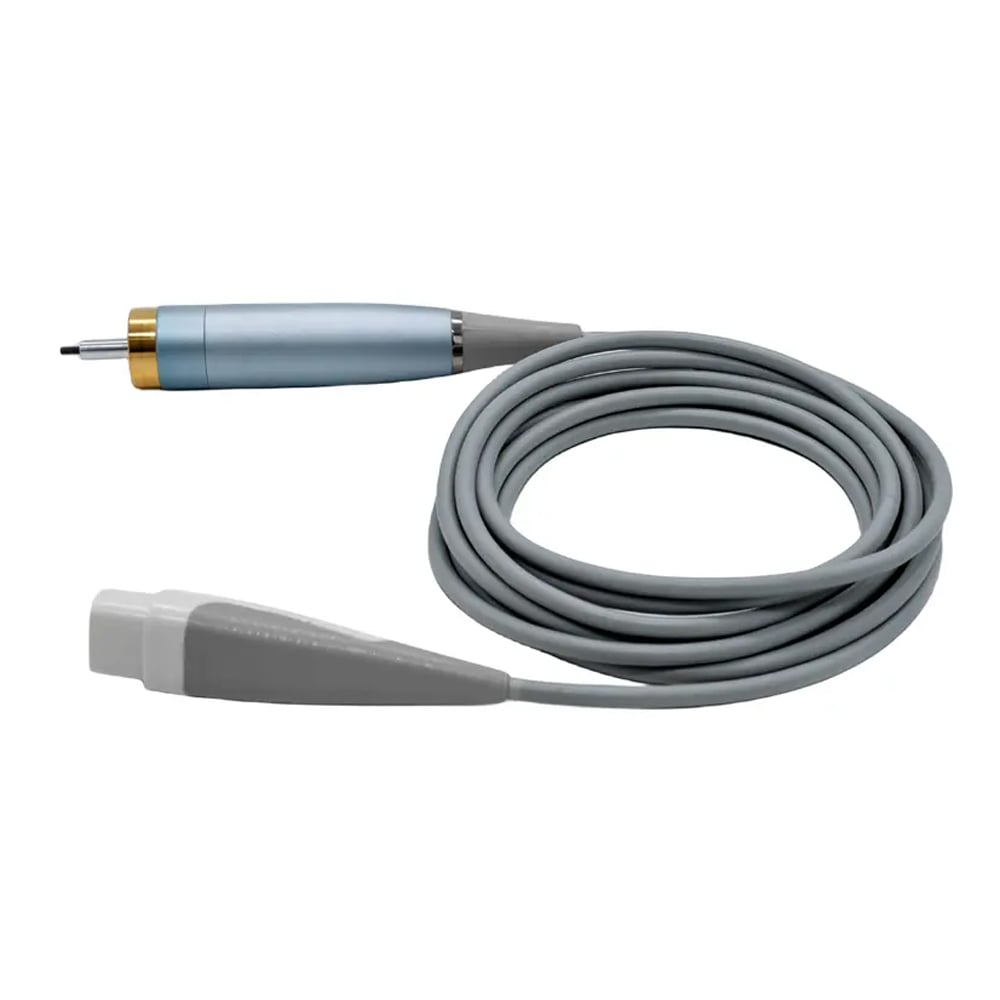
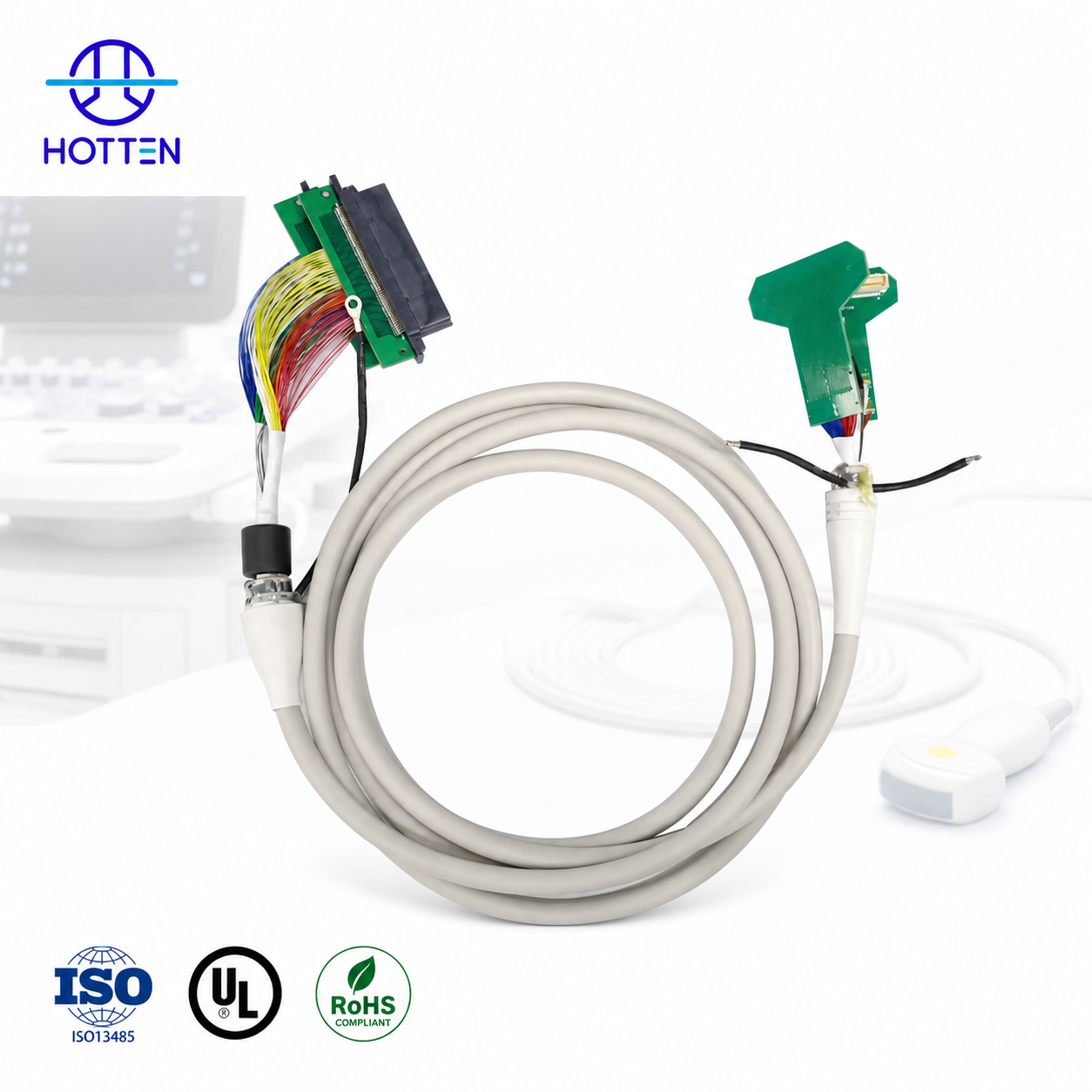
Our high-frequency coaxial cables—including RF cables, ultrasound probe cables, and ICE cables—are designed with defined impedance values, typically 50 Ω or 75 Ω, based on the requirements of the application. By ensuring that the characteristic impedance of our coaxial cable matches both that of the connected source and load,this helps maximize power transfer while minimizing unwanted signal reflections. If the cable impedance does not match the source and load, signal reflections can occur, interfering with the original signal and producing standing waves.
Our R&D team uses a range of calculation and modeling methods to precisely determine key cable dimensions, including inner-conductor diameter, dielectric thickness, and braid coverage. and This enables us to for selected applications, impedance tolerance can be controlled to ±2%, subject to cable design and customer requirements for applications such as gigabit AR/VR connections and robotic joint-control systems. The return loss (RL) and voltage standing wave ratio (VSWR) of your signal are tell-tale indicators of your system’s impedance.
Reducing Skin Effect and Dielectric Losses at High Frequencies
At higher frequencies, particularly above 1 GHz, signal losses become increasingly significant. Two major contributors are skin effect, in which current concentrates near the conductor surface, and skin effect: high-frequency current tends to concentrate toward the surface of the conductor, which results from energy dissipation within the dielectric material due to molecular polarization and ionic movement. While conductor and dielectric losses contribute to high-frequency attenuation, impedance control focuses on maintaining consistent electrical characteristics along the cable length and minimizing signal reflections caused by impedance discontinuities. Maintaining controlled impedance helps ensure consistent capacitance and inductance along the cable, supporting stable high-frequency transmission as frequency-dependent losses increase.
Enhancing System Compatibility and Customer-Specific Solutions
In the world of consumer and industrial applications, there are very few “one size fits all” cables. A coaxial cable suitable for a consumer VR gaming system may not meet the performance or compatibility requirements of MRI-compatible EEG applications. The required impedance depends on the specific application, cable construction, and dielectric materials used. Our team works closely with customers to specify custom cable impedance values ranging from 40 Ω to 100 Ω based on their individual requirements, based on their chipset, connector type, and printed circuit board (PCB) layout requirements. We specialize in designing and manufacturing custom coax cable constructions, from multi coax cable assemblies to coaxial wire bundles with integrated power conductors, and even ultra thin micro coaxial cable.
Our quality team performs Time-Domain Reflectometry (TDR) testing on each production lot to verify characteristic impedance and identify impedance variations before shipment, so each customer receives graphical reports confirming their coaxial cable maintains our specified impedance.
 Hot News
2026-09-17
2026-09-04
2025-12-17
2025-12-11
2025-12-05