 EN
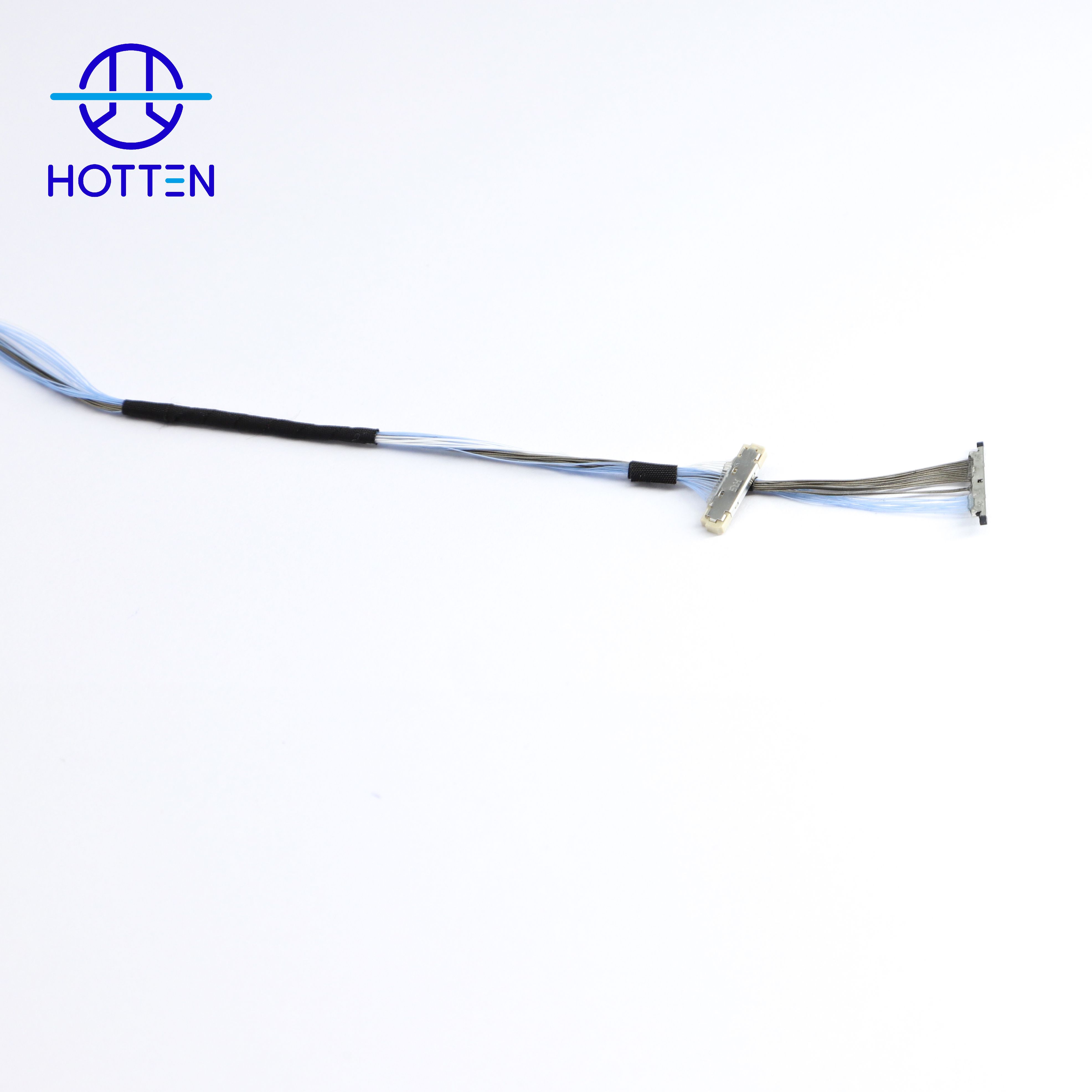
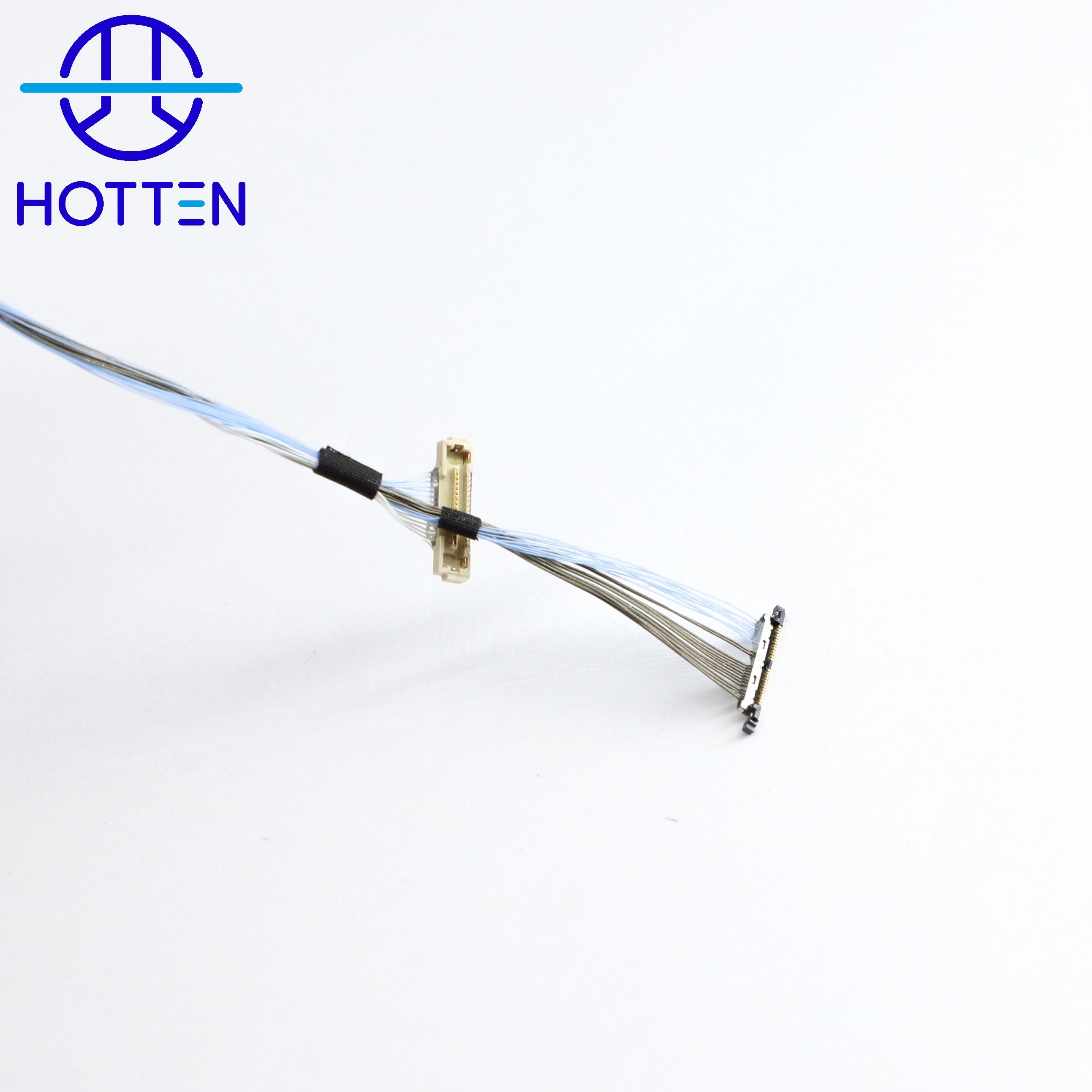
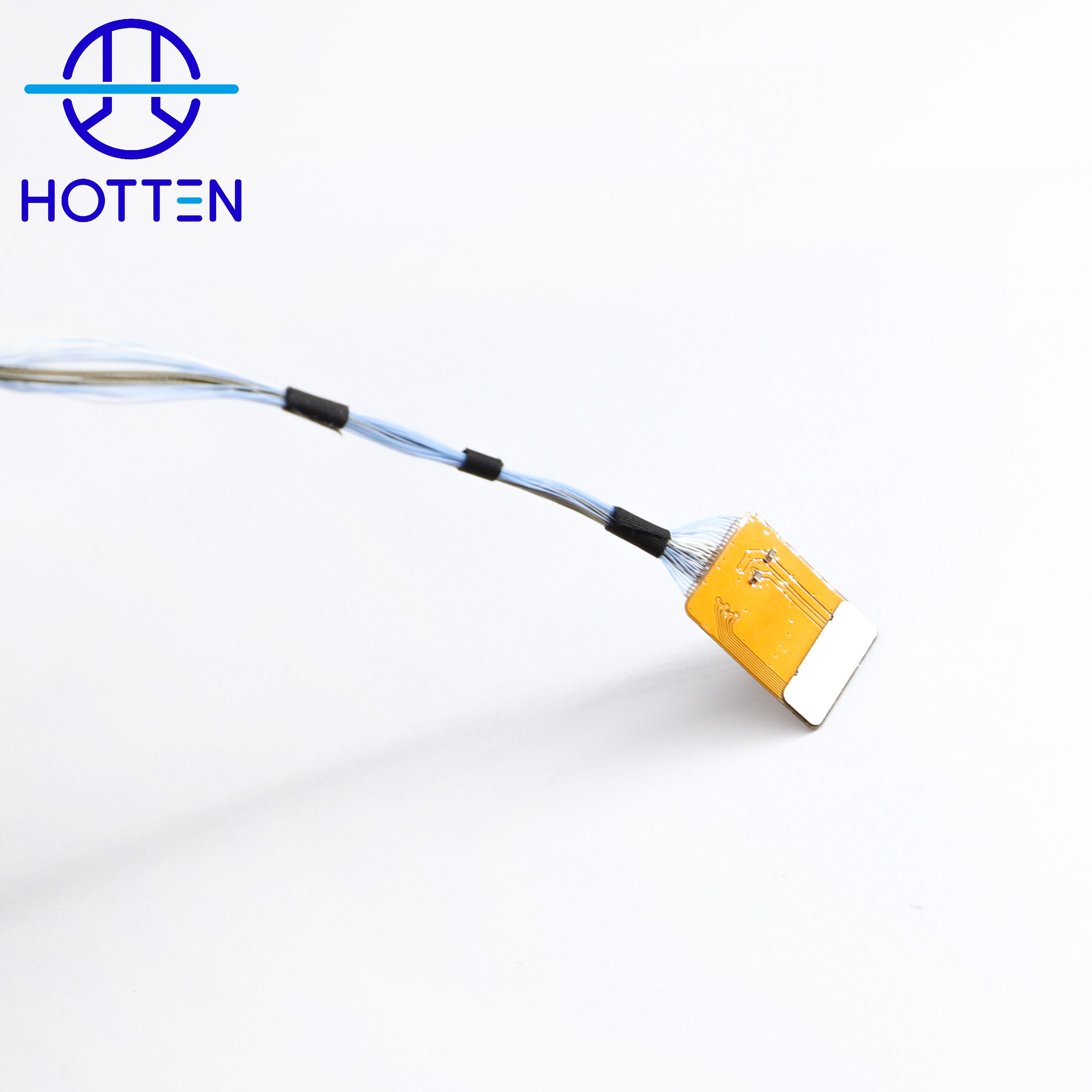
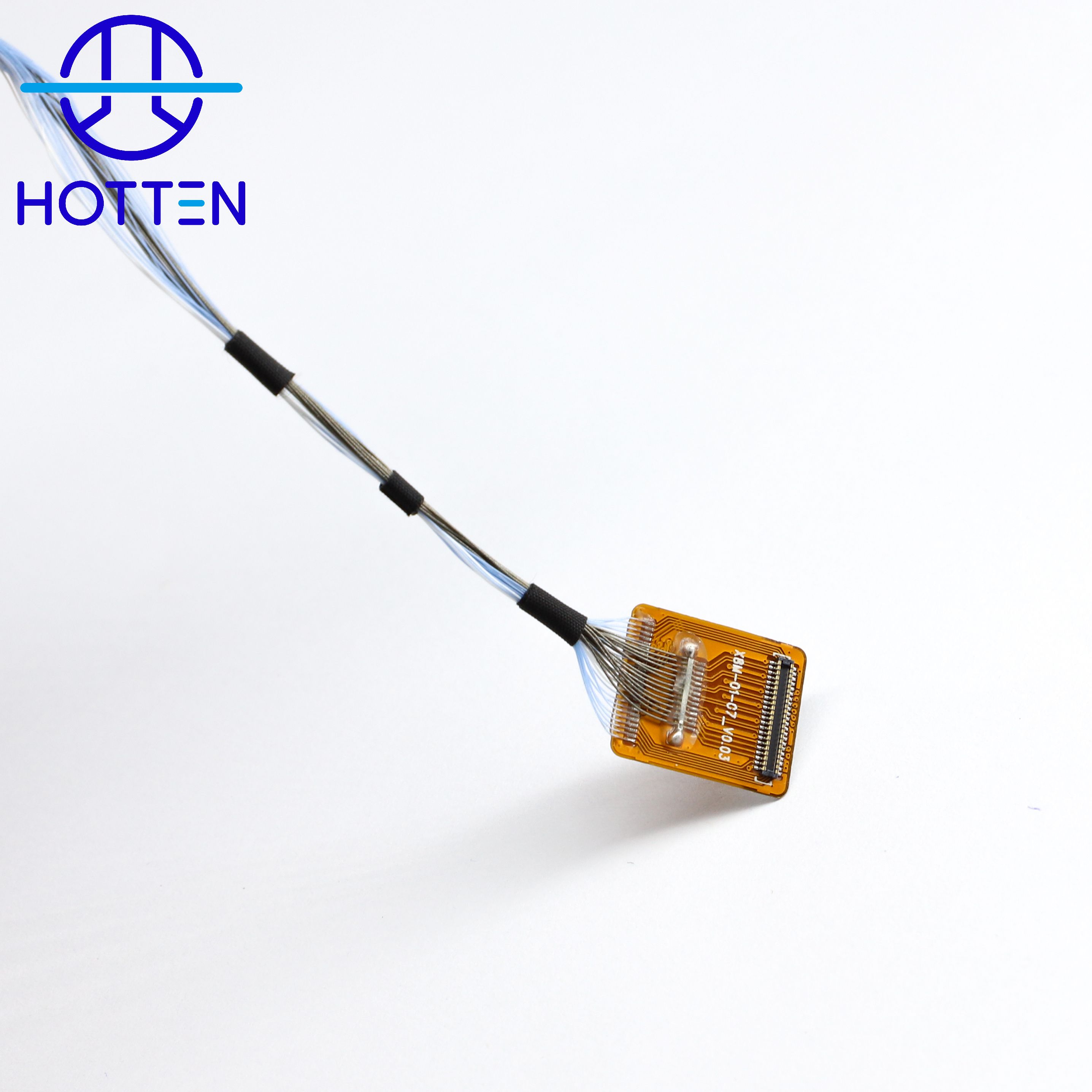
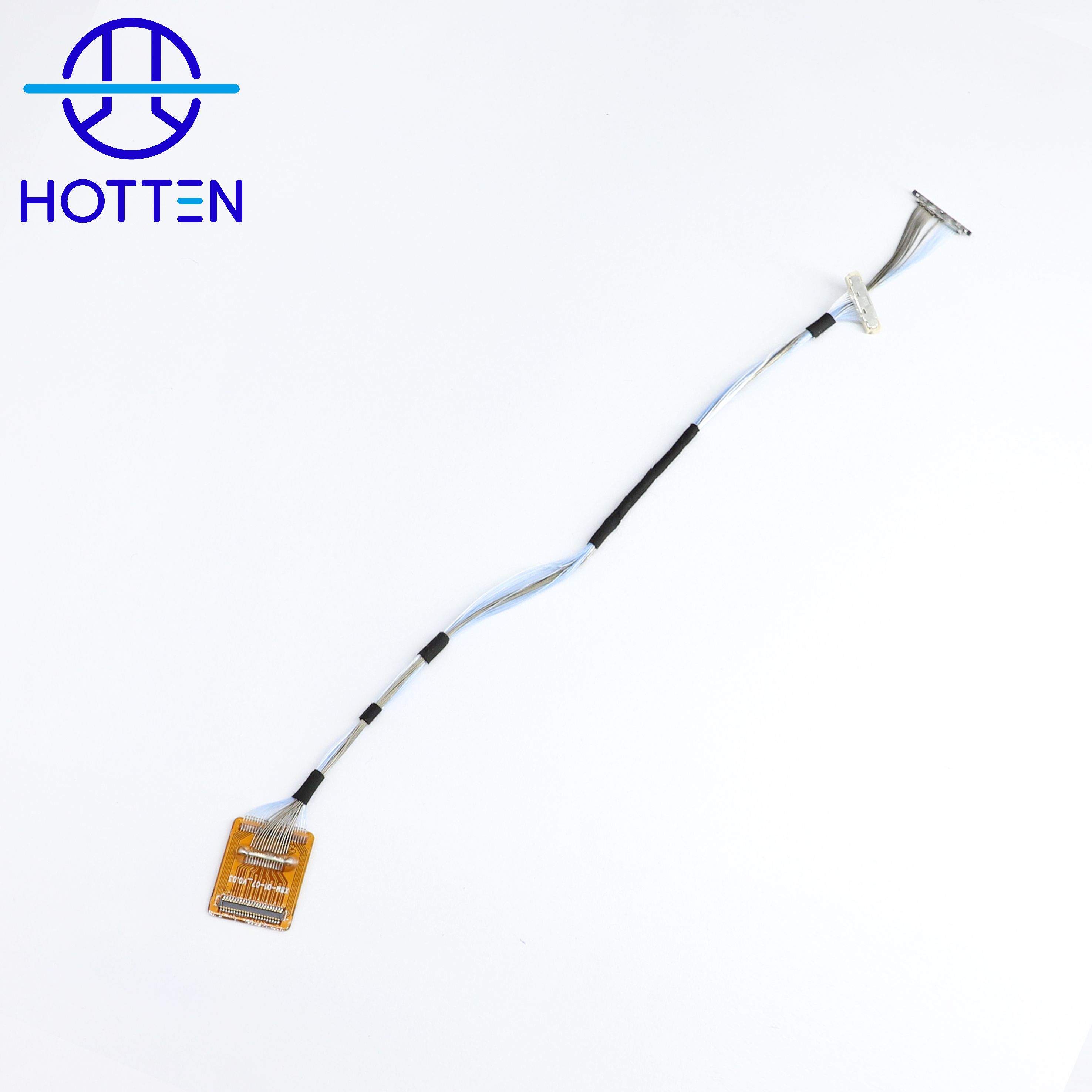
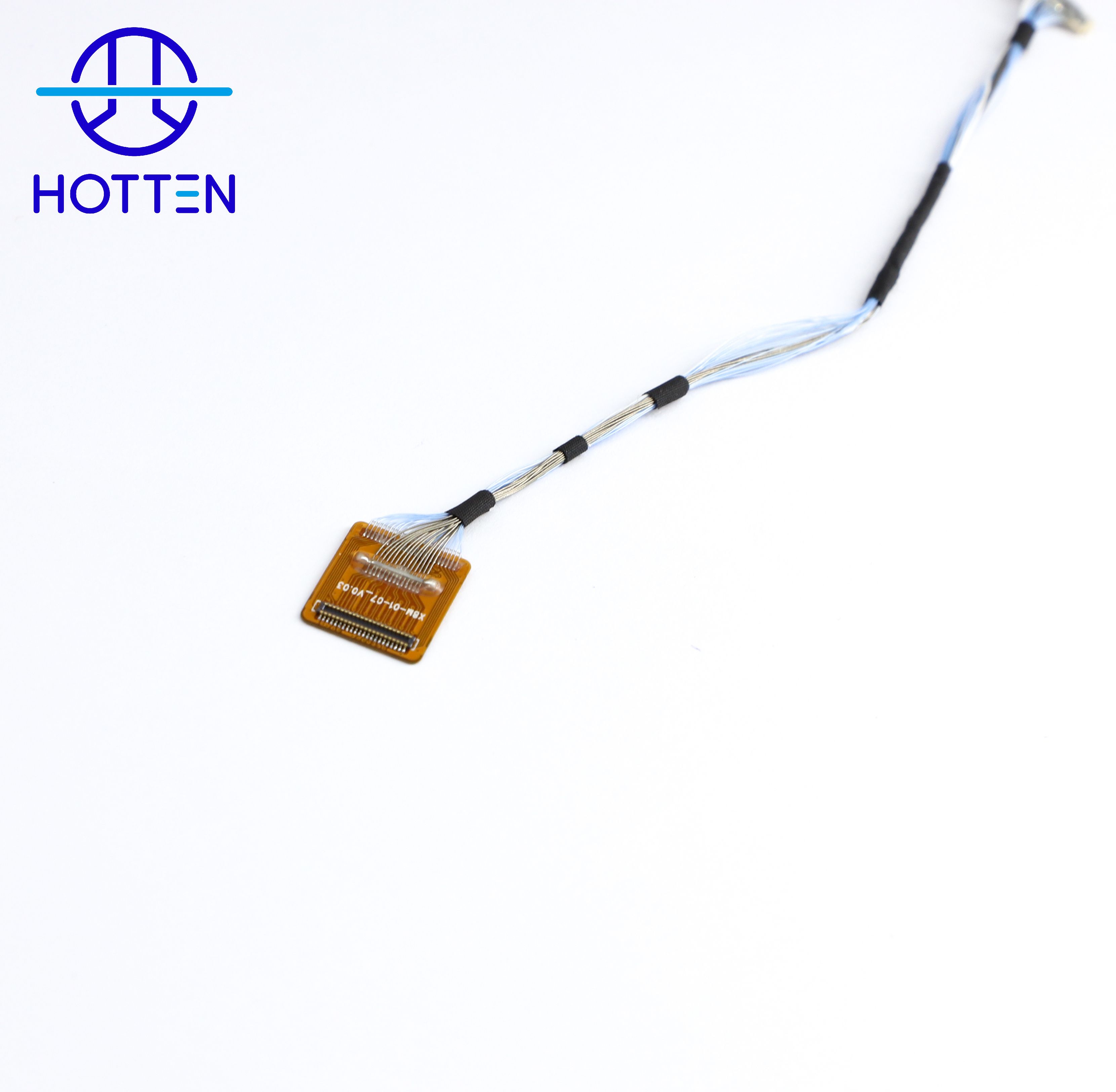
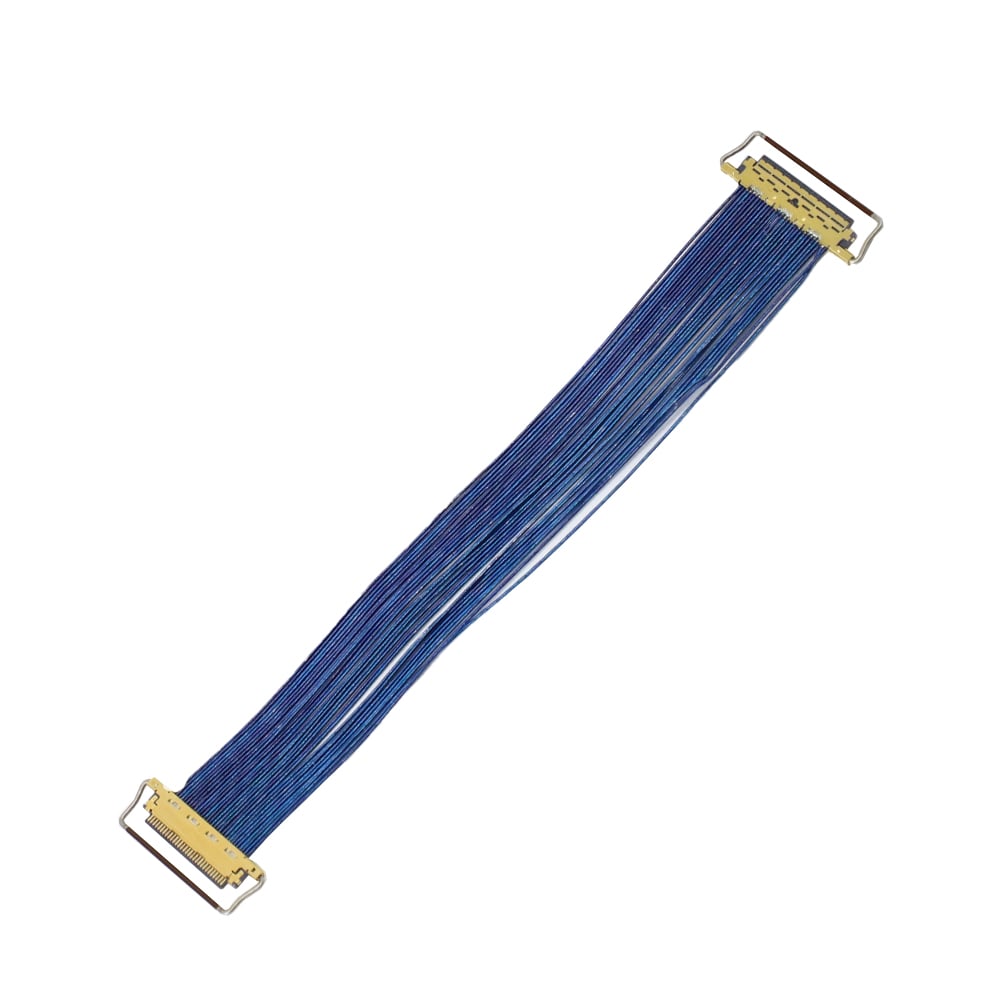
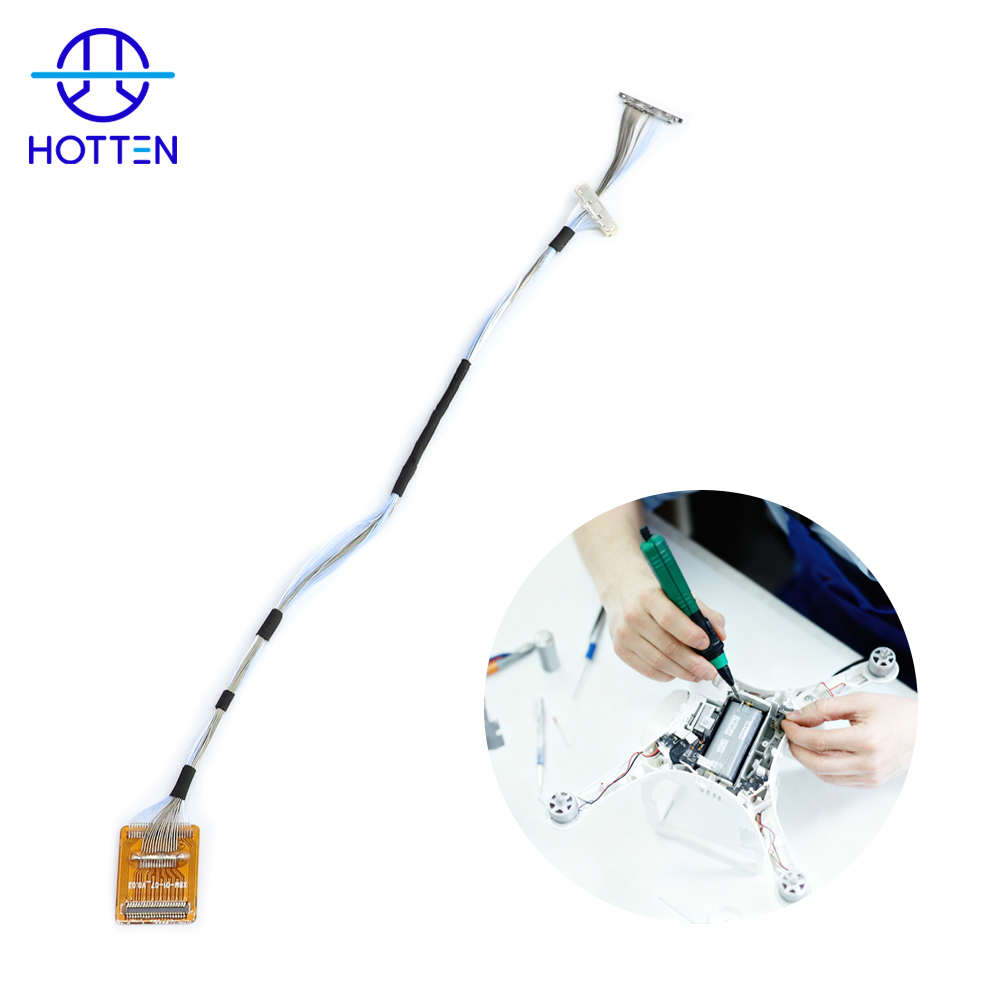
Hotten Flexible Customization Uav Pan Tilt Image Transmission Cable for Uav 46AWG Micro Coaxial Cable Assembly
| Cable AWG: | 46AWG | |
| Number of cores: | 7 | |
| Application: | Application | UAV / Drone Gimbal Camera |
| Compatible Mode | FIMI X8M | |
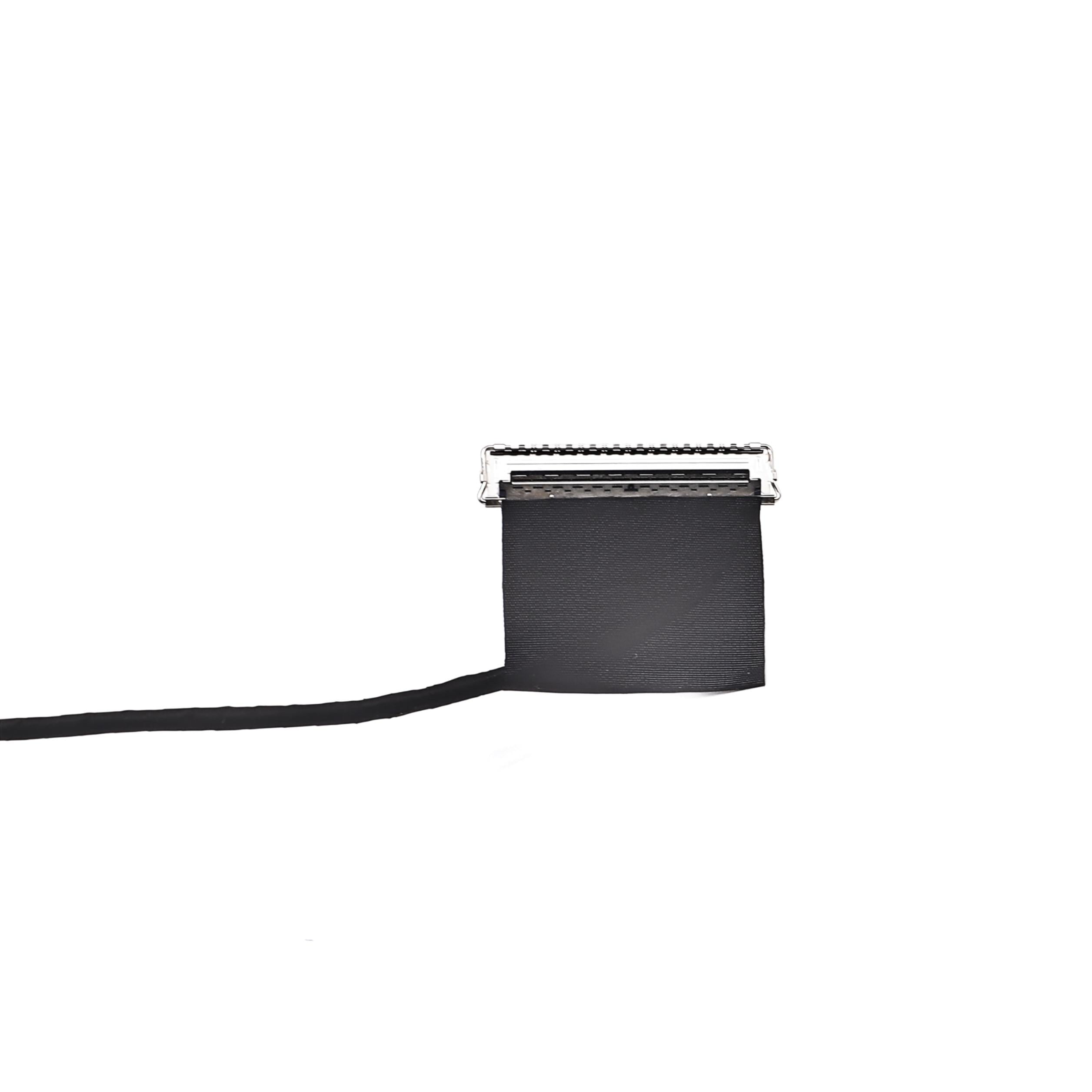
| Connector Brand: HRS (Hirose) | Connector 1 | DF56 26P Micro Coaxial Connector |
| Connector 2 | DF36 15P Micro Coaxial Connector | |
| Connector 3 | FPCA (FPC Tail) | |
| MOQ: | 1 Piece | |
| Product | Uav 46AWG Micro Coaxial Cable Assembly |
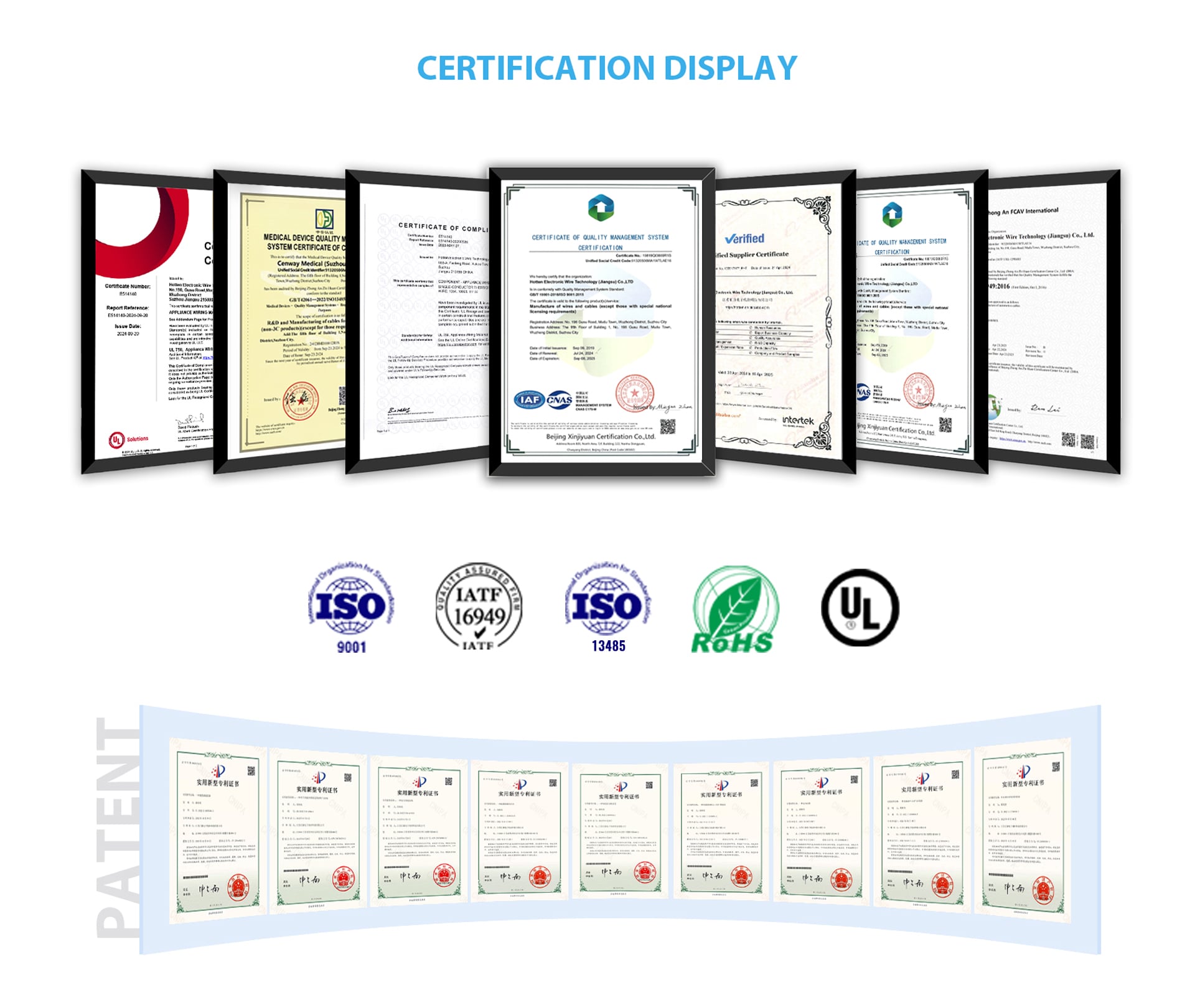
| Certifications | Rohs,Reach compliant;ISO9001/ ISO13485 factory management |
| Applications | FIMI X8 Mini Drone |
| Customization | Cable length & core count, Connector type (JAE / I-PEX / Customized) |
| MOQ | 1 pcs |
| Trade terms | FOB Shanghai / Ningbo, EXW Suzhou, etc. |
- Overview
- Recommended Products
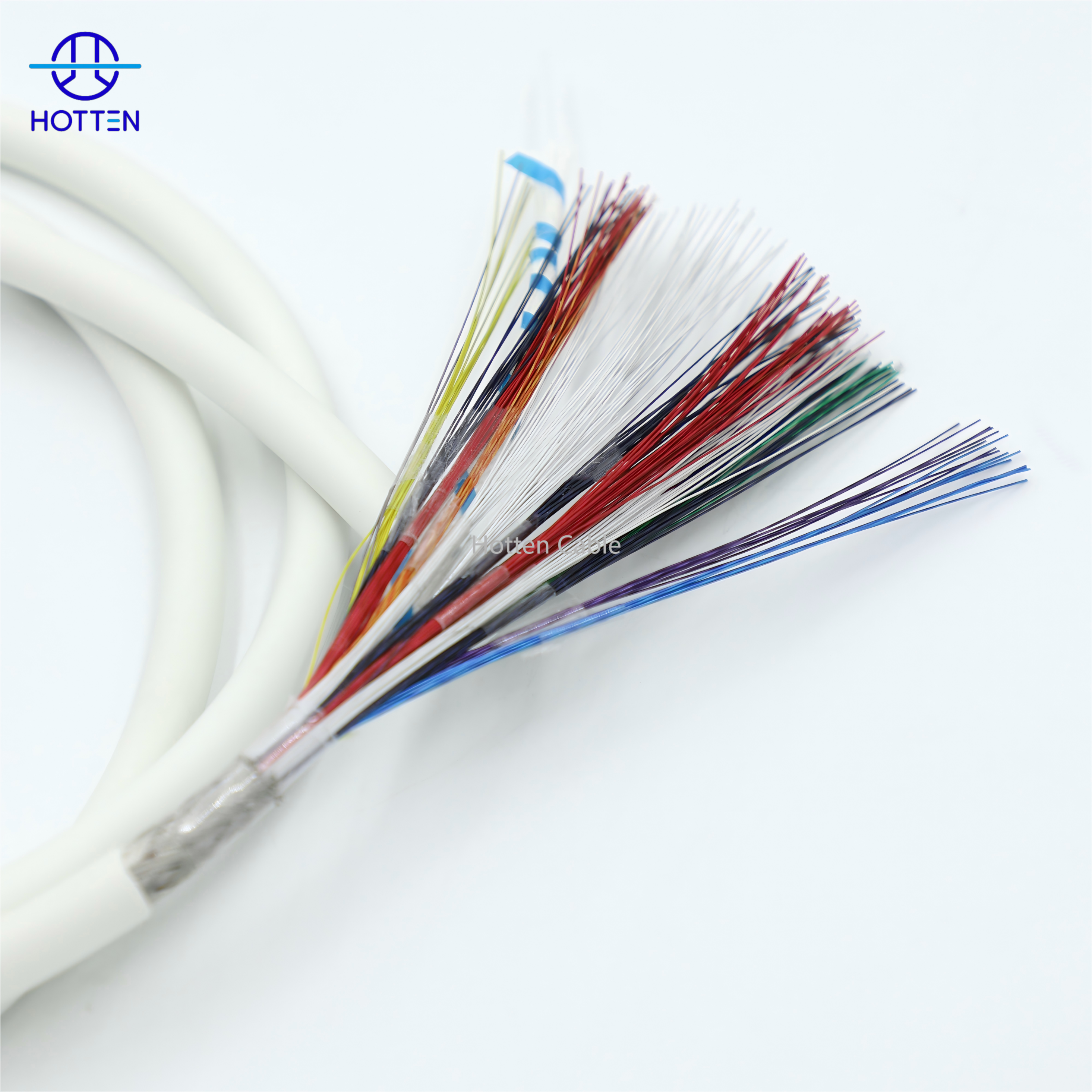
- 46AWG Micro Coaxial Cable
- Multi-core signal structure
- Flexible shielding design
- HRS DF56
- HRS DF36
- I-PEX
- JAE
- Customized connectors
Cable construction and overall diameter
Bending radius
Movement range of the pan-tilt mechanism
Cable routing path
Connector position and orientation
Required cable length
Mechanical interference within the assembly
Expected operating conditions
Cable construction
Conductor size, such as 46AWG
Number of signal paths
Signal application
Shielding requirements
Cable length
Overall cable diameter
Connector manufacturer and part number
Connector pitch and pin count
Pin assignment
Connector orientation
Termination requirements
Minimum bending requirements
Pan-tilt or gimbal movement range
Available cable routing space
Operating environment
Camera, sensor, PCB, or equipment interface information
Experience with fine-gauge and micro coaxial cable assemblies
Capability to manufacture compact high-density cable structures
Connector termination capability
Control of pin assignment and connector orientation
Ability to meet customized cable lengths and routing requirements
Prototype and sample development capability
Dimensional and electrical inspection
Mechanical evaluation during prototype development
Engineering support for cable and connector customization
Quality consistency from prototype to volume production
- Ultra-fine 46AWG Micro Coax for HD Signals
- Original HRS DF56 26P + DF36 15P + FPCA Design
- Lightweight & Flexible for 3-Axis Gimbal Routing
- Customizable Length & Pin Assignment
Product Overview
UAV Gimbal Camera Micro Coaxial Cable Assembly
HOTTEN UAV Micro Coaxial Cable Assembly is designed for drone gimbal camera systems requiring lightweight structure, high flexibility and reliable high-speed signal transmission.
Using ultra-fine 46AWG micro coaxial cables, this cable assembly provides excellent routing flexibility for compact UAV designs while maintaining stable image transmission performance.
HOTTEN supports customized UAV cable solutions including connector selection, cable length, pin assignment, core configuration and mechanical structure.
Key Features
High Performance Drone Cable Solution
🔹 Ultra-Fine 46AWG Micro Coaxial Cable
Compact cable structure designed for space-limited UAV applications.
🔹 Flexible Gimbal Routing
Excellent bending performance for multi-axis gimbal movement.
🔹 High-Speed Image Transmission
Designed for stable signal transmission in drone camera systems.
🔹 Lightweight Design
Helps reduce internal wiring space and overall system weight.
🔹 Full Customization Support
Connector, length, pin configuration and cable structure can be customized.
Cable Structure
Customized UAV Cable Assembly Configuration
Cable
Connector Options
Supported:
Custom Parameters
Available:
✔ Cable length
✔ Core number
✔ Pin assignment
✔ Connector type
✔ Jacket material
✔ Shielding structure
Applications
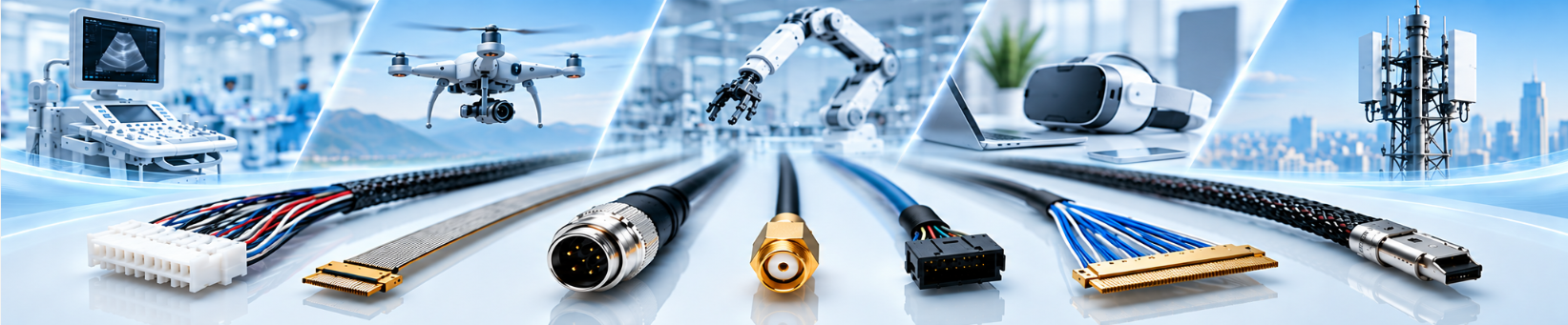
UAV & Drone Applications
Suitable for:
🚁 Drone Gimbal Camera Systems
📷 HD Image Transmission Modules
🎥 Aerial Photography Equipment
🛰 Compact UAV Electronics
🤖 Robotic Vision Systems
Engineering & Procurement Considerations for 46AWG UAV Pan-Tilt Micro Coaxial Cable Assemblies
Why are micro coaxial cables used in UAV pan-tilt systems?
UAV pan-tilt and gimbal systems often require compact cable assemblies to connect cameras, sensors, and electronic control components within a mechanically constrained space. A micro coaxial cable can provide multiple compact signal paths while helping maintain separation between individual signals.
For UAV imaging applications, cable selection needs to consider more than electrical connectivity. Cable diameter, flexibility, bending conditions, routing space, connector configuration, and signal requirements all need to work together with the mechanical movement of the pan-tilt system.
Why can 46AWG micro coaxial cable be useful for compact UAV applications?
46AWG is a fine conductor size that can support compact cable construction where available space and cable routing are important design considerations.
In a UAV pan-tilt assembly, a fine-gauge micro coaxial cable can help reduce the physical footprint of the cable while accommodating the signal connections required by a compact imaging system. The final conductor size should nevertheless be selected according to the required electrical characteristics, mechanical requirements, cable length, and connector termination.
A smaller wire gauge should not be considered automatically better. The appropriate design is the one that balances electrical performance, mechanical reliability, manufacturability, and the available installation space.
How does cable flexibility affect UAV pan-tilt and gimbal cable design?
Cable flexibility is particularly important when a cable is routed through a moving pan-tilt or gimbal mechanism. The cable may need to follow a defined routing path while accommodating repeated movement of the camera assembly.
Engineers should consider factors such as:
A cable that is electrically suitable may still be inappropriate if its mechanical construction interferes with the movement of the gimbal. Cable routing and mechanical behavior should therefore be evaluated during the prototype stage.
How can cable construction affect image transmission in UAV camera systems?
The cable is part of the complete signal path between the camera and the electronic processing system. Cable construction, conductor geometry, shielding, signal-path separation, cable length, connectors, and termination can all influence the behavior of high-speed signals.
A micro coaxial structure provides an individually structured signal path that can help control electrical coupling between adjacent paths. This can be useful in compact UAV imaging systems where multiple signals must be routed through a limited space.
However, the actual signal performance depends on the complete interconnect design. Engineers should evaluate the cable together with the camera interface, connector, pin assignment, cable length, and system requirements rather than relying on the cable type alone.
What specifications should engineers define for a custom UAV micro coaxial cable assembly?
Before developing a custom UAV pan-tilt cable assembly, engineers should define the electrical, mechanical, and interface requirements as completely as possible.
Important specifications may include:
An existing cable sample, engineering drawing, connector part number, or mechanical assembly drawing can help the supplier determine a suitable cable structure.
What should buyers evaluate when sourcing a custom UAV image transmission cable?
For a custom UAV cable assembly, buyers should evaluate both the supplier's cable-processing capability and its ability to manufacture the complete assembly consistently.
Important supplier evaluation factors include:
For UAV and gimbal applications, providing the supplier with camera interface information, connector details, cable length, routing requirements, movement conditions, drawings, or an existing sample can make engineering evaluation and quotation more accurate.
Why Choose HOTTEN
Professional UAV Cable Assembly Manufacturer
Micro Cable Manufacturing Capability
HOTTEN combines micro coaxial cable production and precision assembly technology to provide compact high-performance interconnect solutions.
Flexible Customization
Support from prototype samples to mass production.
Reliable Quality Control
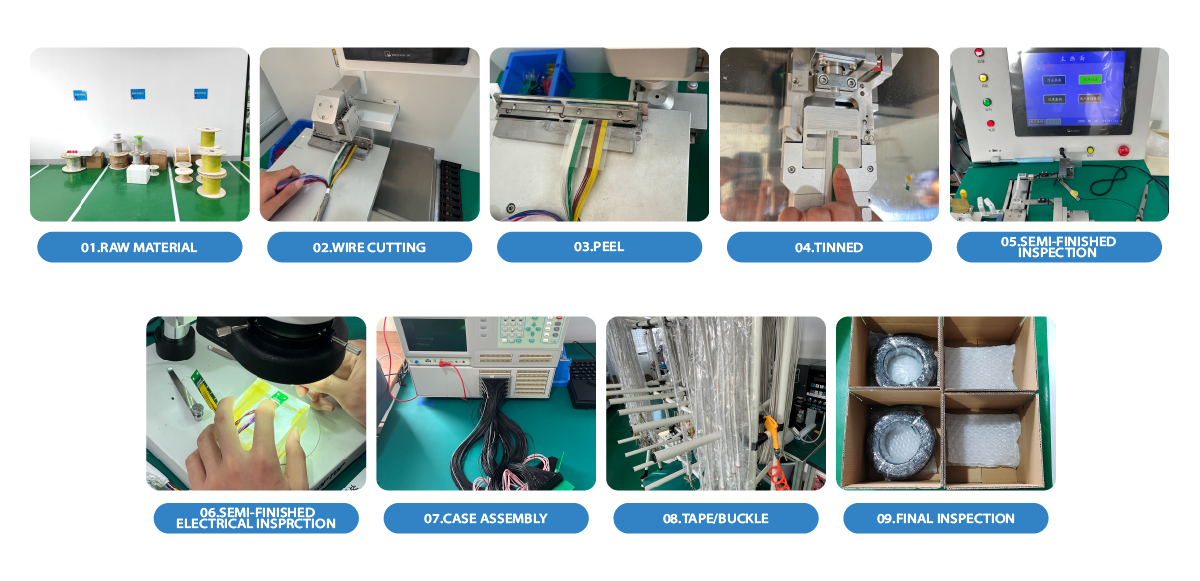
Testing includes:
✔ Electrical performance testing
✔ Continuity testing
✔ Mechanical reliability testing
✔ Material compliance testing
Applications:

 Advantages: