 EN
EN
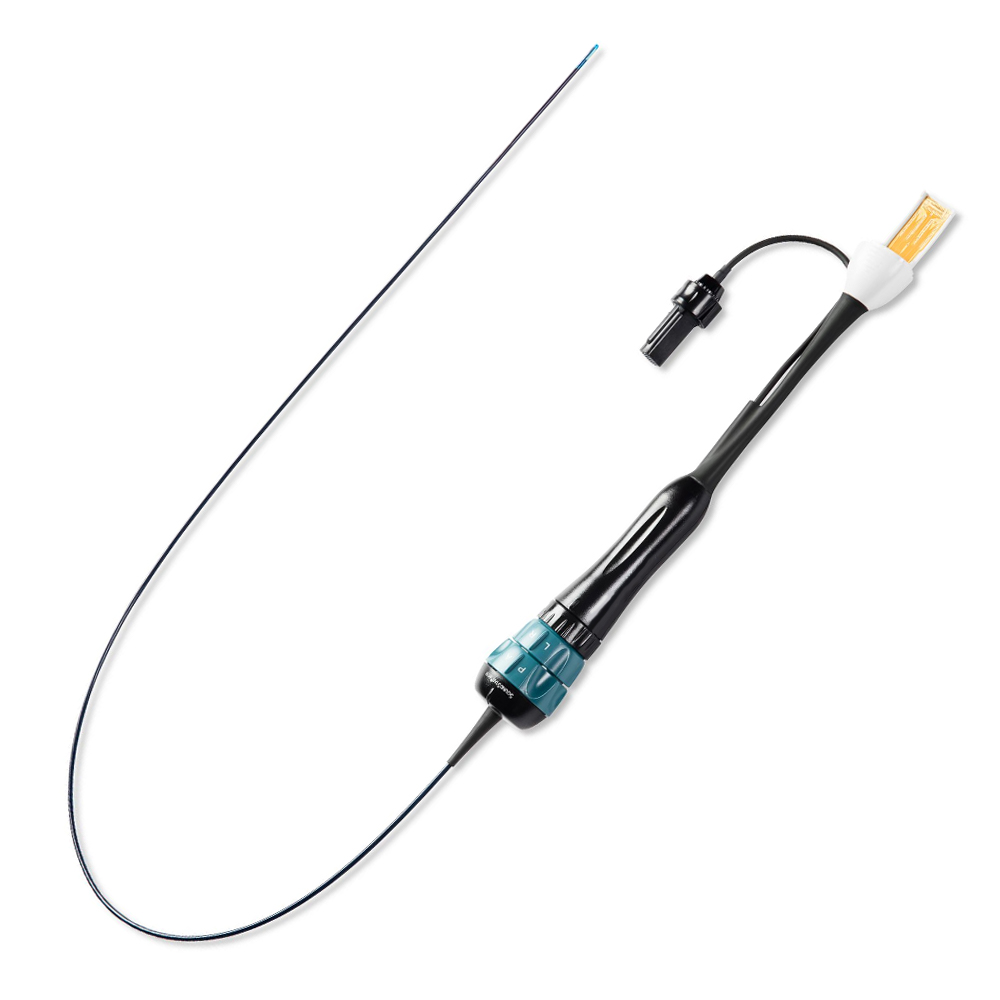
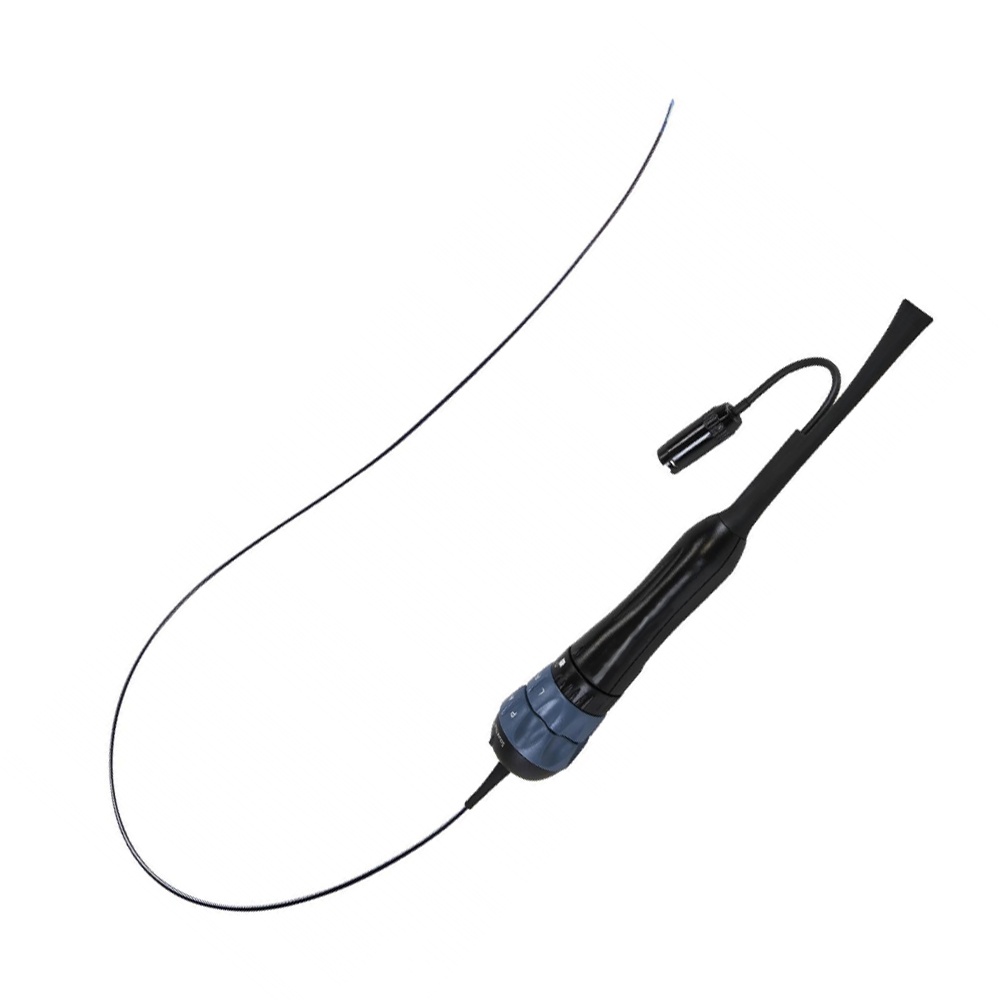
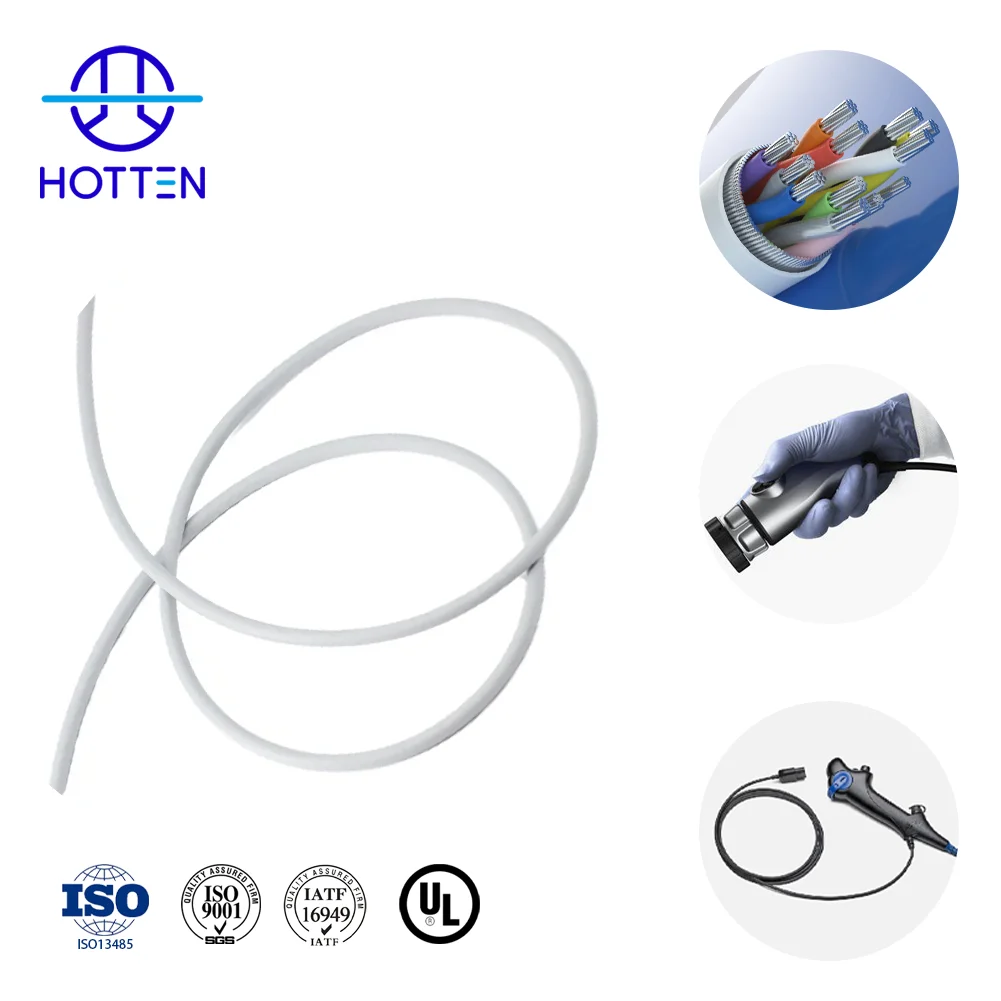
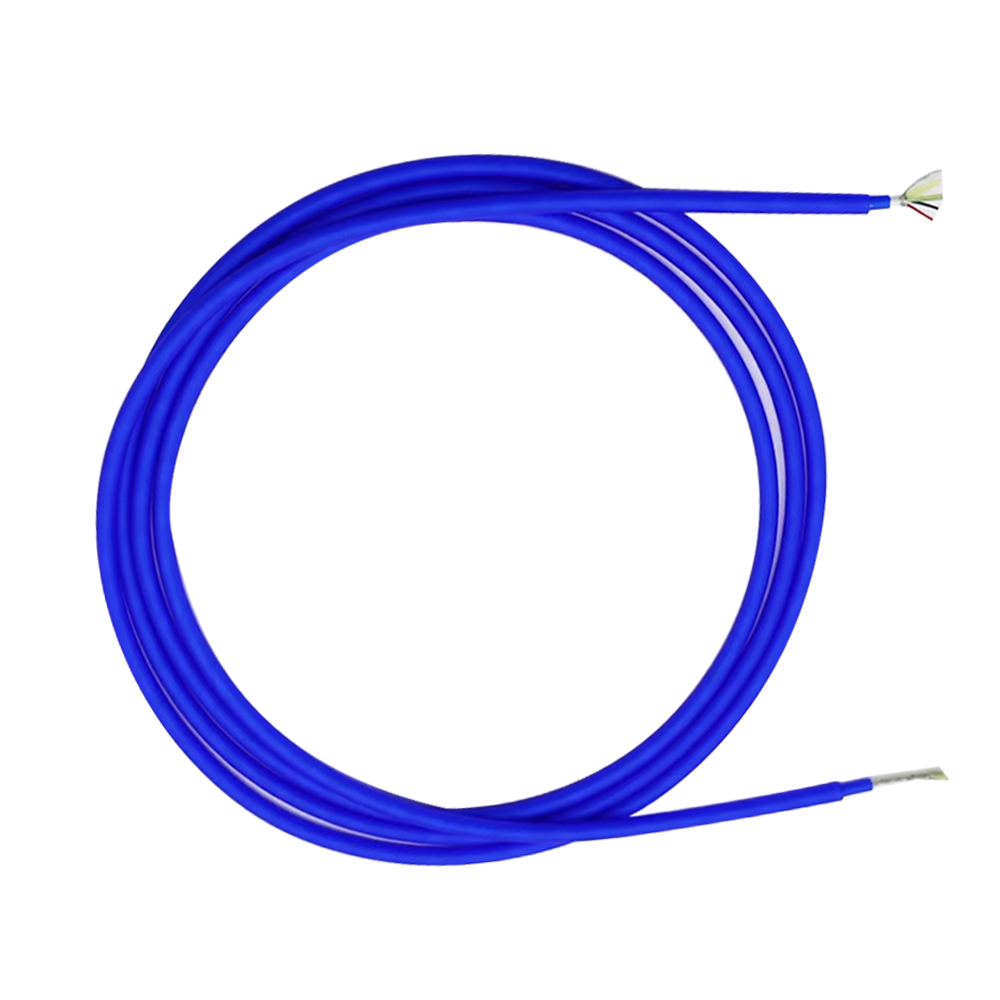
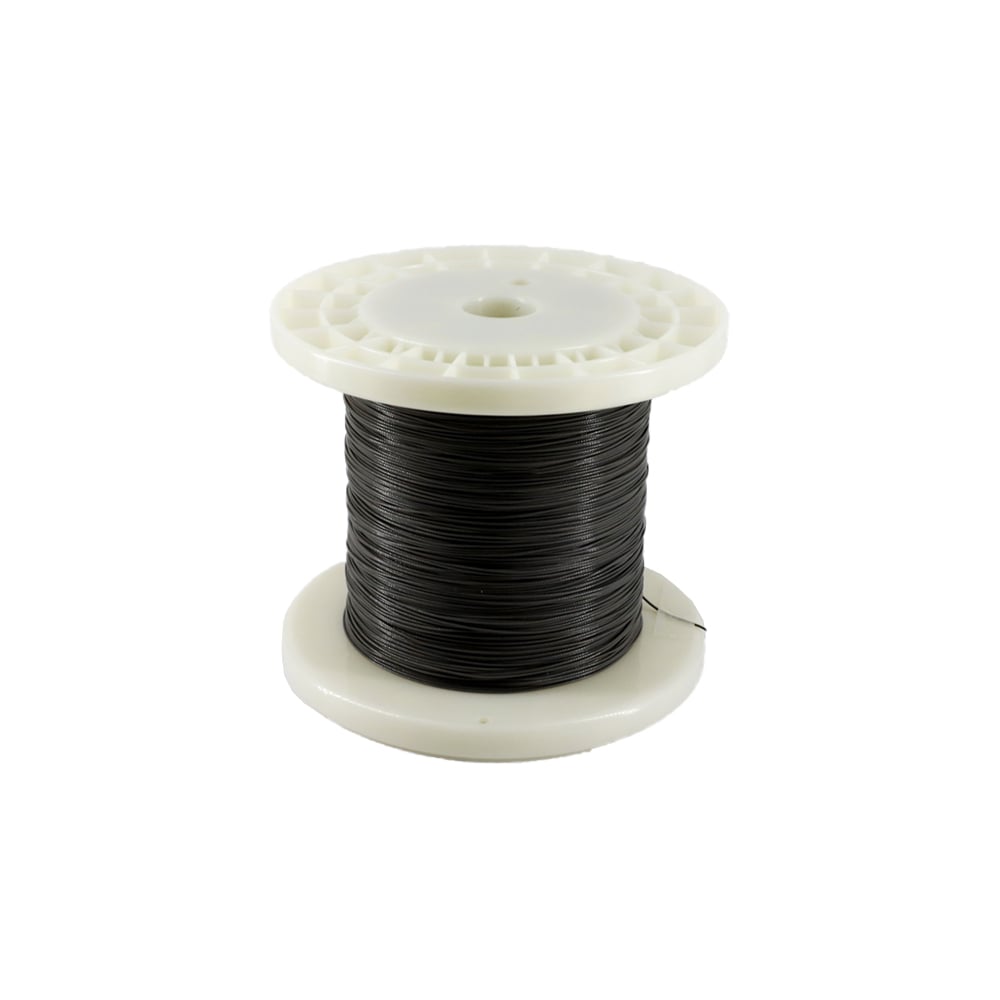
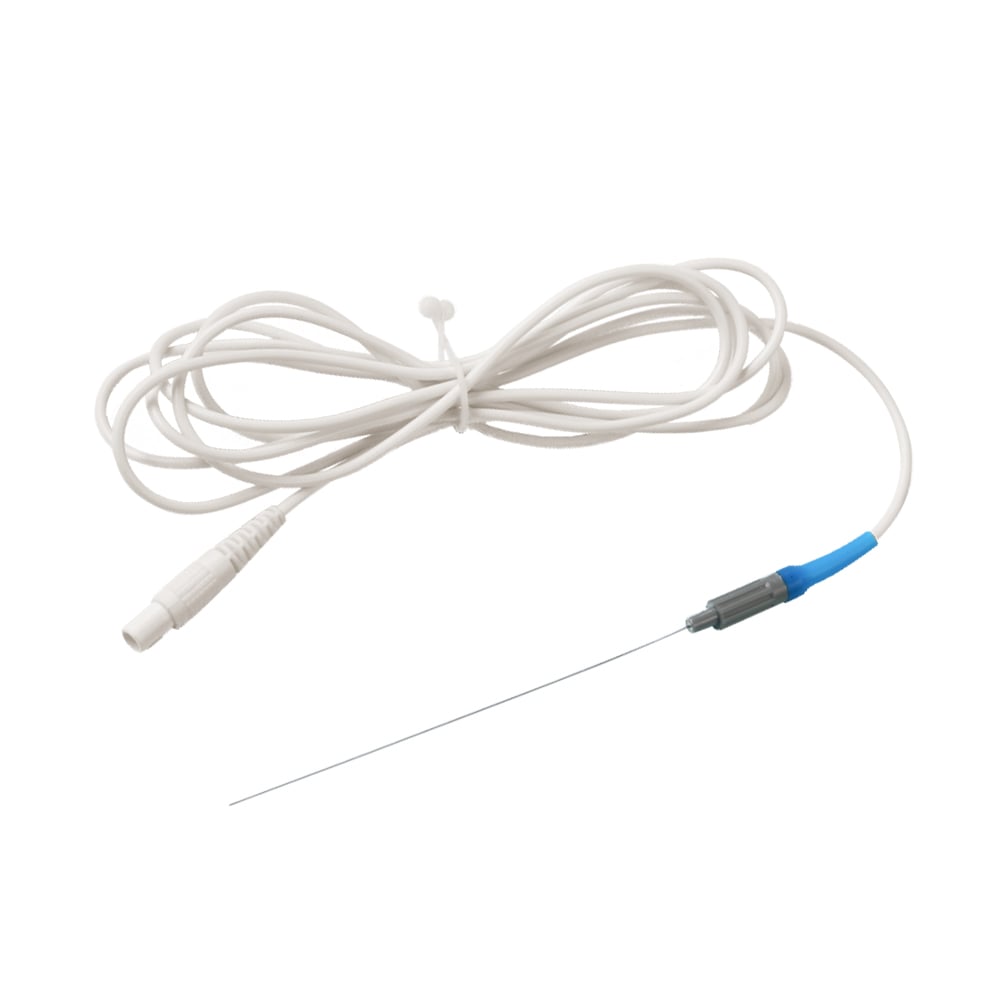
High-Resolution Intracardiac Ultrasound (ICE) Probe Cable
| Name | Material |
| Conductor | Silver plated copper |
| Tinned copper | |
| Silver plated copper alloy | |
| Tinned copper alloy | |
| Insulation | Teflon:PTFE/ePTFE/FEP/PFA |
| Shield | Tinned copper/Silver plated copper |
| CU/PET、 AL/PET | |
| Sheath | PFA/FEP/PTFE |
| Jacket | PVC/TPU/TPE/Silicone/PFA/FEP |
- Overview
- Recommended Products
- Silver plated copper
- Tinned copper
- Silver plated copper alloy
- Tinned copper alloy
- PTFE
- ePTFE
- FEP
- PFA
- Tinned copper braid
- Silver plated copper braid
- CU/PET
- AL/PET
- PFA
- FEP
- PTFE
- PVC
- TPU
- Silicone
Probe type and application
Cable structure
Core or signal-path configuration
Conductor or wire size
Required electrical characteristics
Capacitance requirements, if applicable
Shielding requirements
Connector type and connector brand
Connector part number
Pin assignment
Cable length
Cable diameter
Flexibility or bending requirements
Operating temperature
Mechanical routing requirements
Required samples
Expected production quantity
- ICE Probe Cable
- IVUS Imaging Wire
- Ultrasound Probe Cable
- Endoscope Cable
- RF Ablation Cable
- Micro Coaxial Cable
FAQ
What is an ICE probe cable?
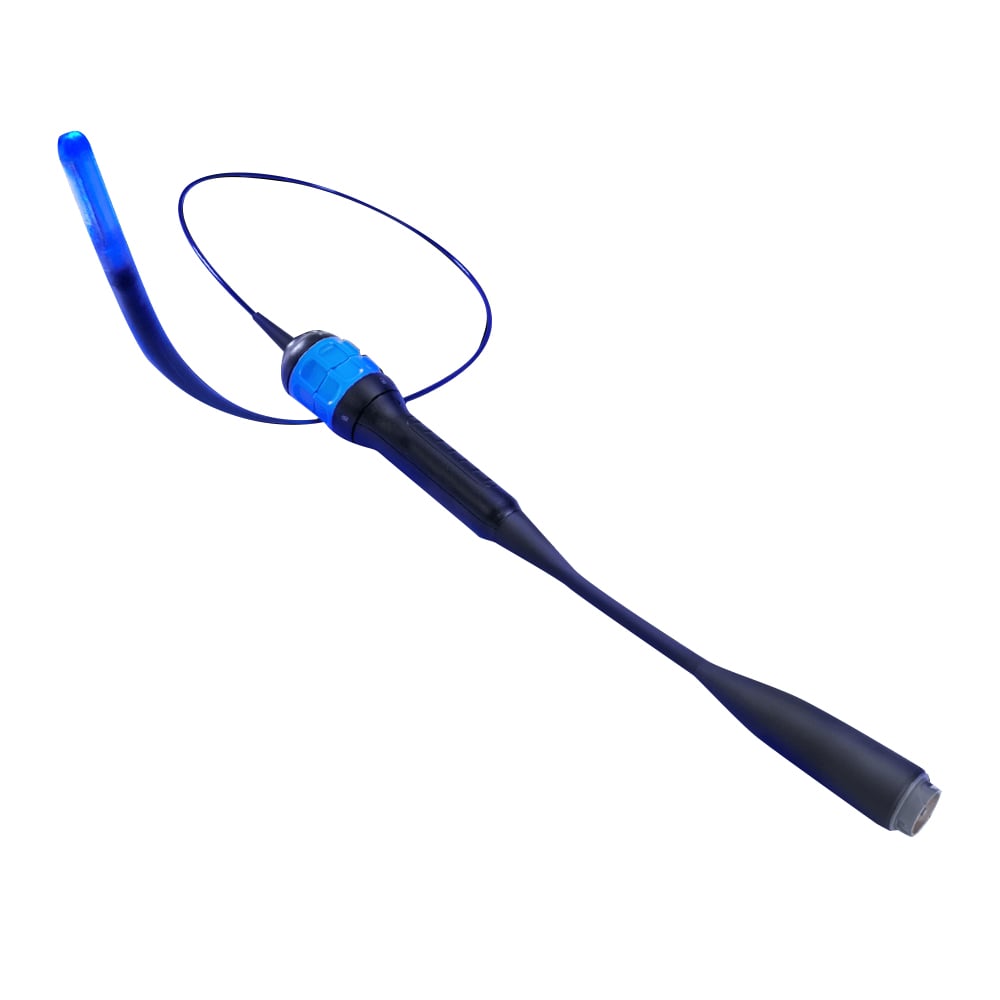
An ICE probe cable is a specialized medical cable used in intracardiac ultrasound systems to transmit ultrasound imaging signals.
Why does ICE cable require high precision?
ICE applications require reliable high-frequency signal transmission because imaging quality depends on signal integrity and noise control.
Can HOTTEN customize ICE probe cables?
Yes. HOTTEN supports customized conductor structures, shielding designs, insulation materials, cable dimensions and assemblies.
Product Overview
High Resolution Intracardiac Ultrasound (ICE) Probe Cable Solution
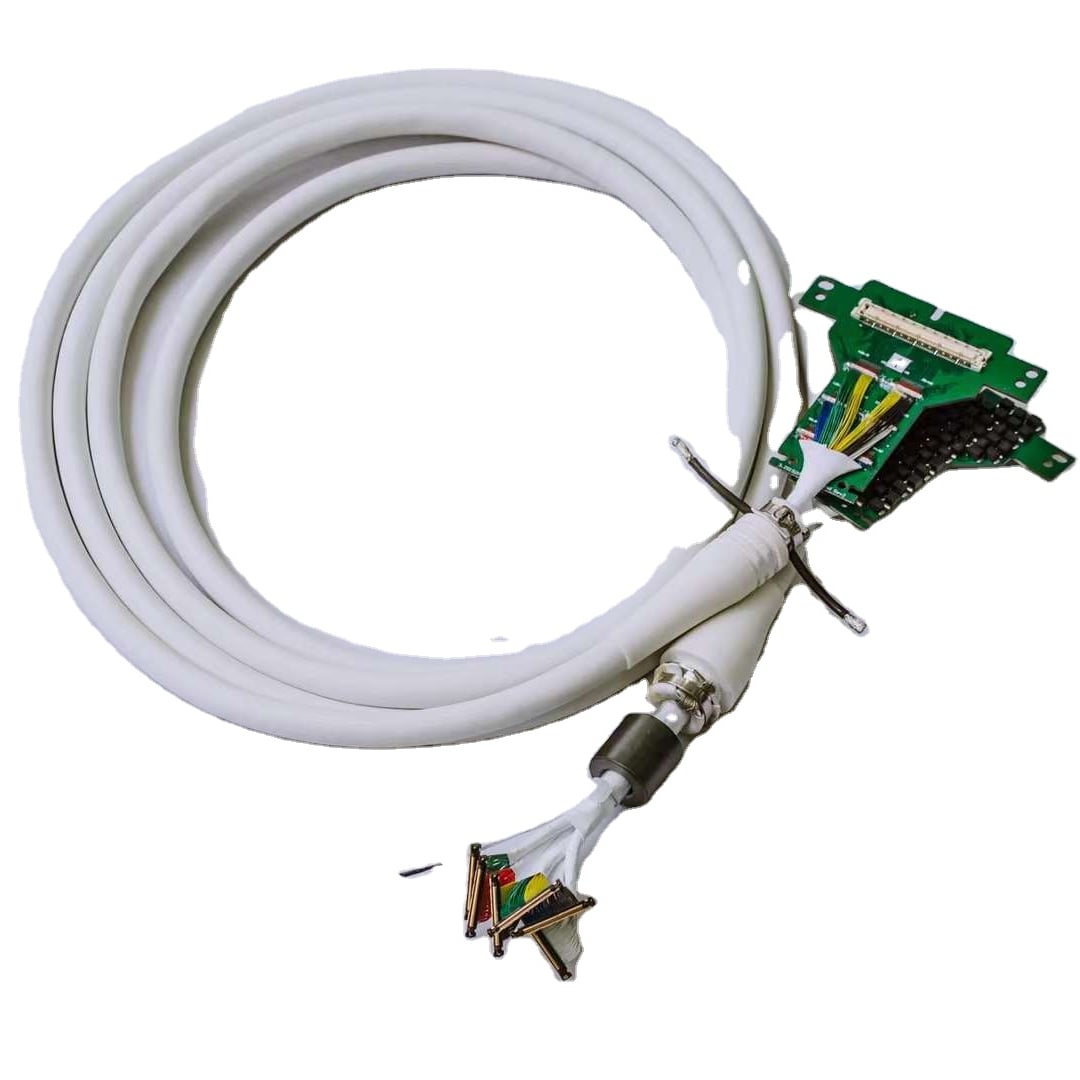
HOTTEN provides customized ICE probe cable solutions designed for intracardiac ultrasound systems requiring high-resolution imaging performance and reliable signal transmission.
Our ICE cables are engineered with ultra-fine conductor structures, optimized shielding designs and medical-grade insulation materials to support advanced cardiac imaging applications.
HOTTEN supports medical device manufacturers with cable customization, prototype development and mass production.
Key Features
Advanced ICE Medical Cable Solution
🔹 High Resolution Signal Transmission
Designed for accurate transmission of high-frequency ultrasound signals.
🔹 Ultra-Fine Cable Structure
Suitable for catheter-based cardiac imaging devices requiring compact designs.
🔹 Low Noise Performance
Optimized shielding helps reduce electromagnetic interference.
🔹 Flexible Construction
Supports complex medical device movement requirements.
🔹 OEM Customization
Cable structure, diameter, conductor and materials can be customized.
Cable Structure
Customized ICE Probe Cable Configuration
根据 HOTTEN 当前 ICE 产品资料:
Conductor
Options:
Insulation
Options:
Shielding
Options:
Jacket
Options:
Applications
Intracardiac Ultrasound Applications
Suitable for:
🫀 Intracardiac Echocardiography (ICE) Systems
❤️ Cardiac Electrophysiology Procedures
🩺 Structural Heart Intervention Devices
🔬 Cardiovascular Imaging Equipment
🏭 Medical Device OEM Applications
ICE 用于心脏介入和电生理操作中的实时心内结构可视化,是高精度导管影像应用。(pmc.ncbi.nlm.nih.gov)
Customization Options
OEM ICE Cable Manufacturing
HOTTEN supports:
✔ Ultra-thin cable diameter
✔ Core configuration
✔ AWG selection
✔ Capacitance optimization
✔ Impedance control
✔ Shielding structure
✔ Jacket material selection
✔ Connector assembly
✔ Prototype development
✔ Mass production
Quality Assurance
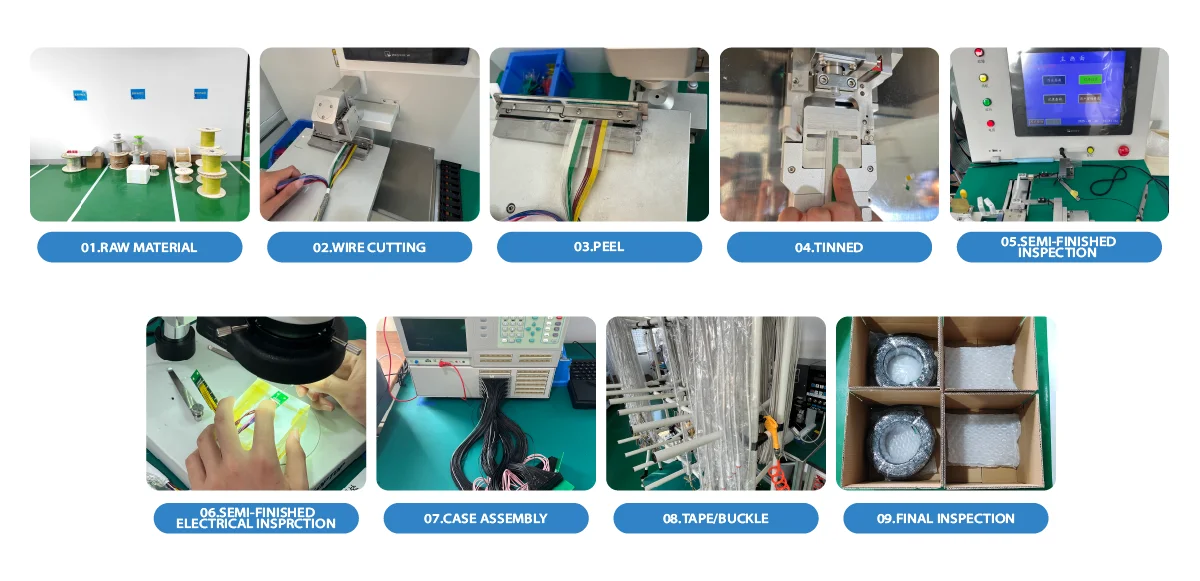
Precision Medical Cable Testing
Testing:
✔ Electrical continuity testing
✔ Insulation resistance testing
✔ Withstand voltage testing
✔ Capacitance testing
✔ Impedance testing
✔ Mechanical bending testing
✔ Signal performance testing




Engineering & Procurement Considerations
A High-Resolution Intracardiac Ultrasound (ICE) Probe Cable is a medical interconnect designed for intracardiac ultrasound imaging systems, where compact construction, reliable signal transmission, flexibility, and mechanical integration are important. Cable selection should be evaluated according to the complete ICE probe and imaging system rather than by cable type alone.
Engineering Considerations
ICE Probe Integration
Intracardiac ultrasound probes require cable connections that can integrate with compact probe structures and the associated imaging equipment. Engineers should consider the probe interface, cable routing space, connector configuration, and the physical relationship between the probe and imaging system.
High-Resolution Imaging Signals
For high-resolution ultrasound imaging, the cable configuration should be matched to the electrical requirements of the complete signal path. Conductor configuration, shielding, termination, cable length, and connector selection should be evaluated together.
High-Density Conductor Configuration
An ICE probe may require multiple electrical connections within a compact cable structure. Core count, conductor size, insulation construction, shielding, and overall cable dimensions should be defined according to the target probe architecture.
Flexibility and Routing
Probe cables may need to follow controlled routing paths and withstand repeated handling during operation. Required flexibility, bending direction, cable length, mechanical clearance, and cable exit position should therefore be considered during engineering design.
Cable Diameter and Mechanical Space
The available space around the probe housing and connection area can limit the allowable cable diameter. Engineers should define the maximum outer diameter together with the connector dimensions, routing path, and cable exit geometry.
Shielding and Signal Integrity
Ultrasound imaging systems can contain sensitive electrical signals. The required shielding structure, grounding method, termination, and cable construction should be reviewed according to the electrical environment and signal requirements of the system.
Connector and Termination Compatibility
The cable assembly should be matched to the actual probe and equipment interface. Connector manufacturer, exact part number, mating connector, pinout, contact orientation, and termination method should be confirmed before production.
Mechanical Reliability
Repeated handling and movement can place mechanical stress on the cable and termination area. The cable structure, jacket material, strain relief, routing, and connector transition should be considered according to the expected operating conditions.
Procurement Considerations
When sourcing a High-Resolution Intracardiac Ultrasound (ICE) Probe Cable, OEM buyers should provide the available technical information whenever possible:
| Procurement Item | Recommended Information |
|---|---|
| Cable Type | Intracardiac Ultrasound (ICE) Probe Cable |
| Application | ICE / Intracardiac Ultrasound Imaging |
| Probe Interface | Target ICE probe interface |
| Core Count | Required conductor/core configuration |
| Conductor Gauge | Required AWG or conductor size |
| Signal Configuration | Required signal and conductor assignment |
| Cable Length | Required finished length |
| Cable OD | Maximum allowable outer diameter |
| Insulation | Required insulation construction |
| Shielding | Required shielding structure and grounding method |
| Flexibility | Required bending and handling conditions |
| Connector | Connector manufacturer and exact part number |
| Mating Interface | Target probe or imaging-system connector |
| Pinout | Signal assignment and termination requirements |
| Cable Exit | Required orientation and routing direction |
| Mechanical Clearance | Available installation space |
| Technical Documents | Drawing, BOM, sample, connector specification, or pinout |
| Quantity | Prototype / sample / pilot / mass production |
OEM Customization
HOTTEN supports customized medical probe cables for intracardiac ultrasound and other medical imaging applications based on core configuration, conductor gauge, cable dimensions, insulation, shielding, cable length, connector interface, pinout, termination, drawings, and samples.
For ICE probe cable projects, customers can provide the probe interface, connector part number, cable dimensions, signal configuration, routing requirements, and expected production quantity for engineering evaluation and prototype-to-production sourcing.
Engineering & Procurement Considerations for High-Resolution ICE Probe Cables
What is an ICE probe cable and what is it used for?
An intracardiac ultrasound (ICE) probe cable connects an ICE probe with the associated ultrasound imaging system and carries the electrical signals required for ultrasound imaging.
Because ICE probes are designed for compact medical applications, the cable assembly needs to be considered as part of the overall probe system. Electrical performance, cable dimensions, flexibility, connector configuration, and mechanical integration can all influence the cable design.
Why is cable design important for high-resolution ICE imaging?
High-resolution ultrasound systems require a cable assembly that can support the electrical requirements of the imaging system while fitting within the physical constraints of the probe.
Cable construction, conductor dimensions, insulation, shielding, electrical characteristics, connector termination, and cable length may all need to be evaluated according to the specific probe and imaging-system design.
For this reason, an ICE cable should generally be developed according to the actual system requirements rather than selected only by core count or cable diameter.
How does cable flexibility affect ICE probe design?
ICE probe assemblies can have strict requirements for cable routing and mechanical handling. Excessive cable stiffness or an unsuitable cable diameter can make integration more difficult, particularly where the cable needs to pass through a compact probe structure.
Engineers should therefore consider cable flexibility, bending requirements, diameter, length, and routing path together during development. The required mechanical characteristics should be defined according to the actual probe design and intended use.
What electrical characteristics should engineers consider for an ICE probe cable?
The appropriate electrical characteristics depend on the design of the ultrasound probe and imaging system. Engineers may need to evaluate conductor configuration, signal paths, capacitance, shielding, impedance, insulation structure, and connector termination.
For a customized ICE cable assembly, these parameters should be defined from the system interface and probe requirements rather than assumed from a generic ultrasound cable specification.
What specifications should be provided when developing a custom ICE probe cable?
For engineering evaluation and quotation, buyers should provide as much of the following information as available:
Technical drawings, connector specifications, pinout information, or an existing cable sample can help the supplier evaluate the required configuration more accurately.
What should buyers evaluate when sourcing a custom ICE probe cable?
Medical-device buyers should evaluate more than the initial cable price. Important considerations include the supplier's experience with fine-wire and high-density medical cable assemblies, connector termination capability, customization process, quality management, sample development, production consistency, and OEM/ODM support.
For an ICE probe project, buyers should also confirm that the supplier can coordinate electrical and mechanical requirements during cable development. A suitable cable supplier should be able to evaluate the complete assembly, including cable construction, connector configuration, pin assignment, dimensions, flexibility, and application requirements.
Why Choose HOTTEN
Professional ICE Probe Cable Manufacturer
HOTTEN specializes in: