 EN
Quick Links

Home > News > Company news
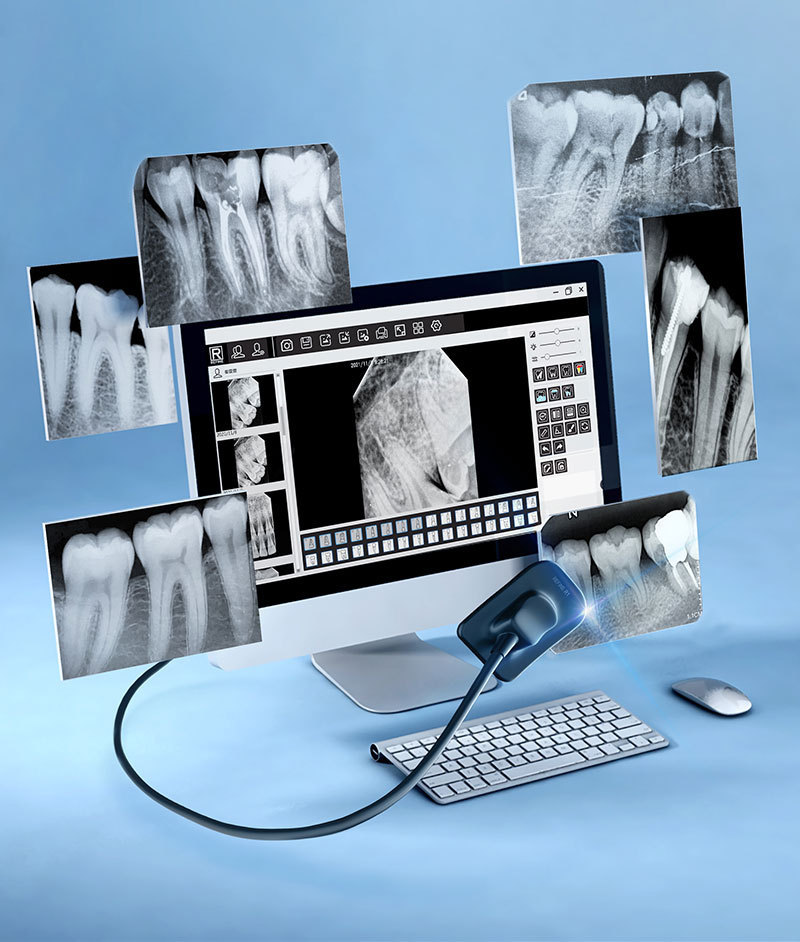
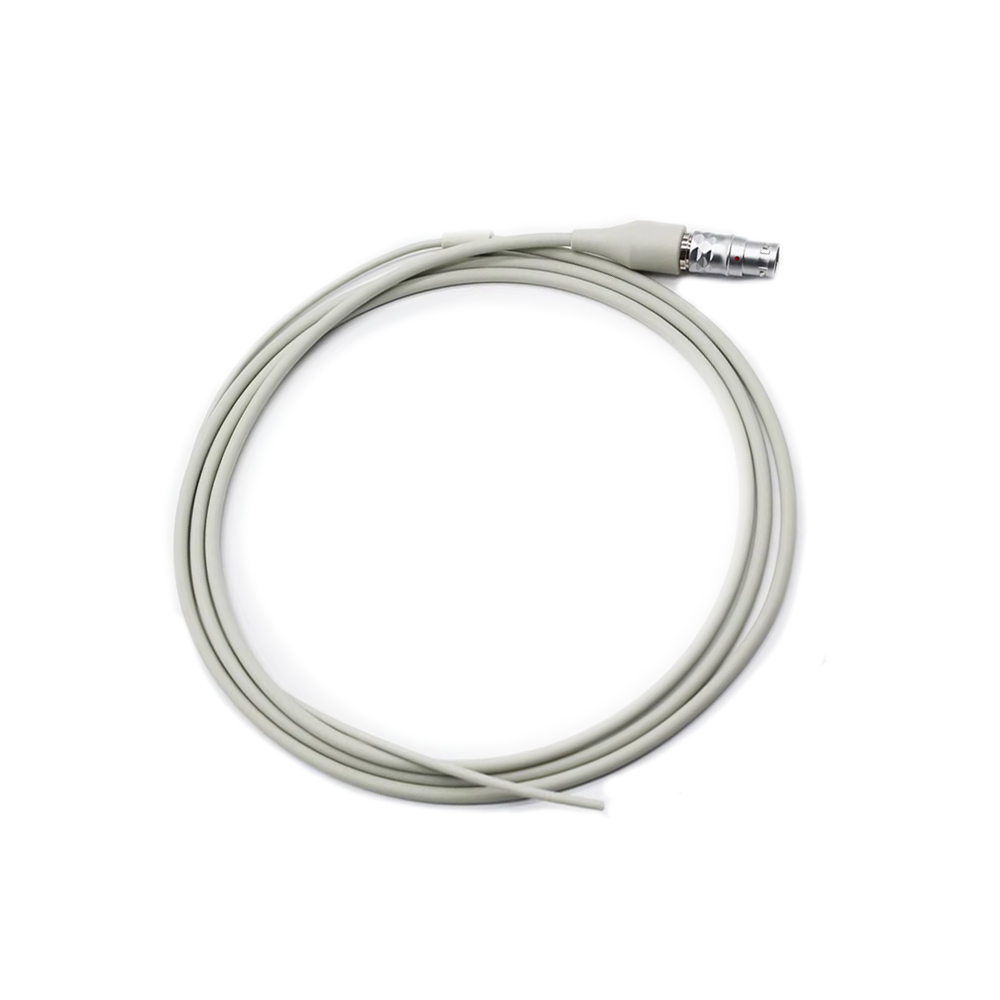
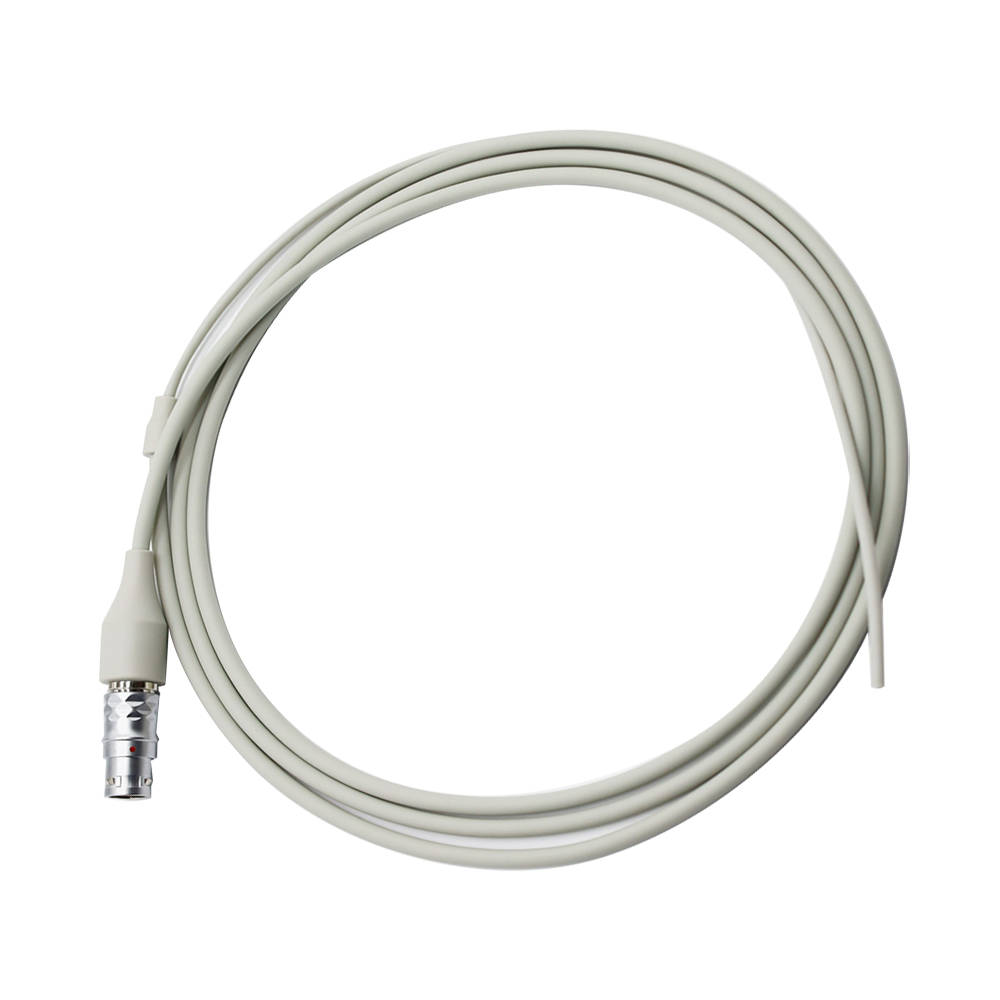
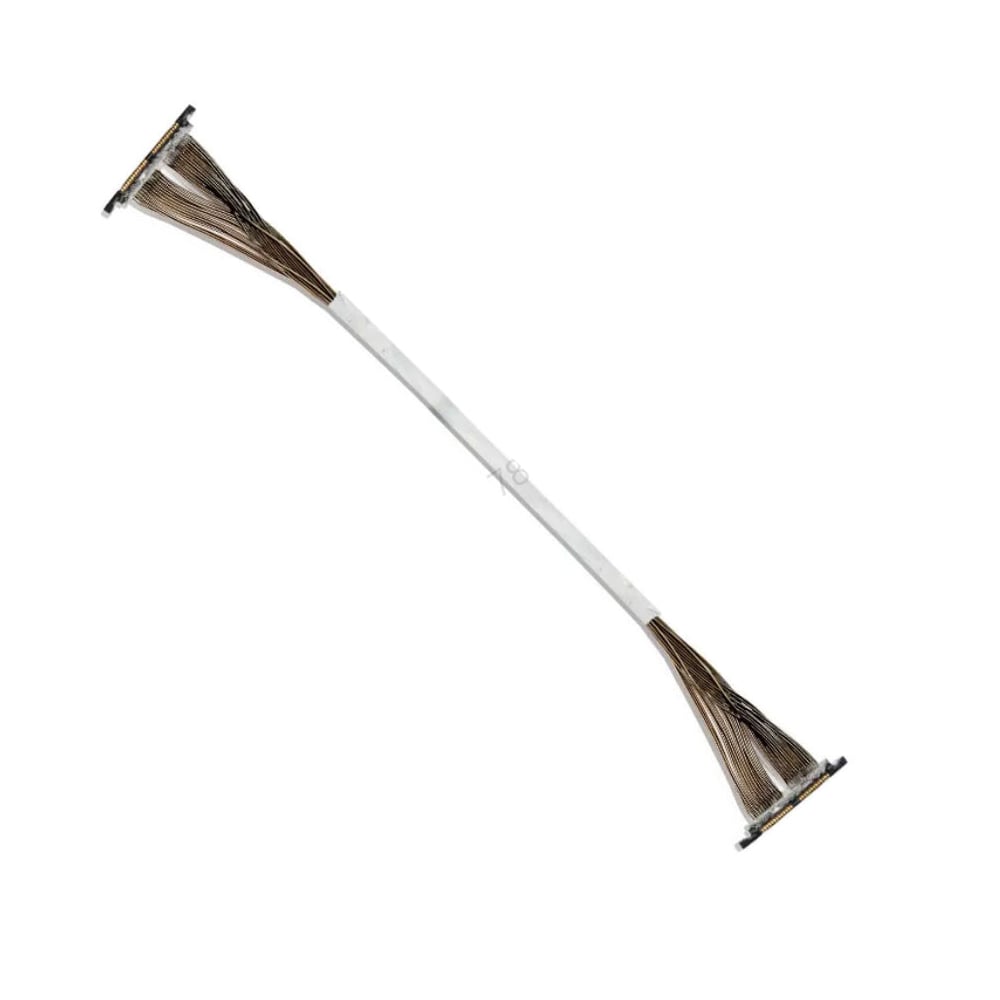
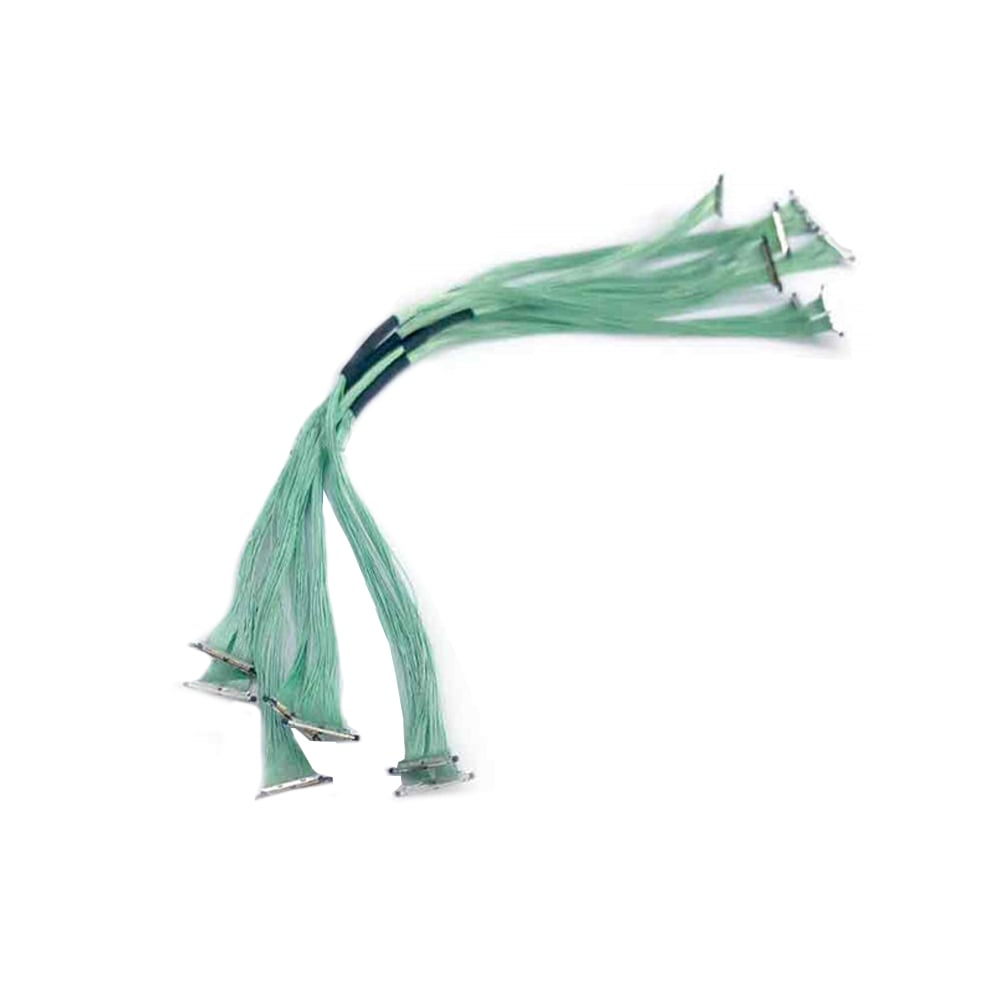
In the modern dental field, the rise of minimally invasive surgery and precision diagnostics has placed stringent demands on dental endoscopes. Clinicians require not only high-definition, real-time image transmission but also cables that are exceptionally light and flexible to navigate complex oral environments. As a leader in the precision wire industry, Hotten has developed the A048269 11-core hybrid dental cable—a technical masterpiece born to meet these exact needs.
1. Structure Decoding: Why Can It Rival Fine Coaxial Cables?
Although classified as a dental hybrid cable, its internal construction demonstrates manufacturing craftsmanship on par with fine coaxial standards. This cable integrates as many as 11 cores within an outer diameter of just 3.5mm.
A dental endoscope cable should be selected according to the combination of imaging signal requirements, power and control needs, available space, flexibility, shielding, connector configuration, and manufacturing requirements. A hybrid cable can be considered when one assembly must combine signal, power, and control functions, while fine coaxial cable is typically evaluated when high-frequency signal transmission and individual shielding are the dominant requirements.
If the dental endoscope requires multiple functions in one compact cable → a hybrid cable may be considered → because signal, power, and control conductors can be integrated into the same assembly.
If high-speed imaging signals are the dominant requirement → fine coaxial construction should be evaluated → because individual coaxial signal paths can provide controlled electrical characteristics and shielding for demanding image-transmission applications.
If the cable must pass through a small and flexible routing path → evaluate conductor size, cable OD, shielding structure, insulation, jacket, and connector geometry together → because the complete assembly determines the actual routing and mechanical behavior. The 11-core A048269 cable described in this article, for example, combines ultra-fine conductors with a compact hybrid structure for dental imaging applications.
For related fine-wire and micro-coaxial design considerations, see How Does AWG Affect Micro Coaxial Cable Performance? and Why Ultra-Fine High-Frequency Coaxial Cable Design Is So Difficult.
For dental-specific cable solutions, see HOTTEN's Dental Sensing Cable and Endoscope Cable products.
For broader medical-device applications, see HOTTEN's Medical Equipment solutions.
Micron-level Conductor Application: The core signal transmission section utilizes 34AWG (7/0.064TA) ultra-fine tinned copper conductors. Their extremely small single-strand diameter ensures the cable’s superior flexibility.
Precision Twisted Pair Technology: According to the specifications, the signal pairs utilize a precision lay length of P=8.0mm. This tight twisted structure effectively cancels internal crosstalk, achieving electrical performance that approaches that of micro-coaxial cables.
Impedance Consistency: Through rigorous testing, the differential impedance is controlled at 100±15Ω, a core technical standard for ensuring distortion-free and lag-free medical imaging.
2. Advanced Shielding Technology: The Ultimate Anti-Interference Solution
In the complex electromagnetic environment of a medical clinic, signal protection is paramount. Hotten has introduced a specialized shielding layer in the design of the A048269:
Innovative Material Combination: The shielding layer employs a composite spiral wrap structure using tinned alloy copper foil wire.
Advantages of Spiral Shielding: Compared to traditional braided shielding, this spiral wrap method (with a pitch of P=14±0.5mm) not only makes the cable slimmer but also grants it excellent fatigue resistance. The shielding effectiveness remains stable even after tens of thousands of bends.
3. Material Science: Medical-Grade Safety and Extreme Flexibility
To meet the safety requirements for long-term human contact and the need for frequent disinfection, Hotten never compromises on material selection:
FEP Insulation Layer: The internal cores utilize high-cost FEP (Fluorinated Ethylene Propylene), allowing for thin-wall extrusion. FEP offers not only superior electrical insulation but also outstanding chemical resistance and thermal stability.
Medical-Grade TPU Jacket: The outermost layer features imported medical-grade TPU, finished with a black matte texture to enhance both tactile feel and visual appeal. This material meets biocompatibility standards and provides high abrasion resistance and environmental durability, significantly extending the service life in clinical applications.
4. Hotten's Precision Manufacturing Standards
Behind every meter of A048269 cable lies Hotten’s rigorous quality control system:
High-Voltage Safety Testing: All insulated cores pass a 1.5KV high-frequency spark test, completely eliminating the risk of instantaneous high-voltage breakdown.
Guaranteed High Concentricity: The concentricity of the cores reaches above 90%, ensuring the physical structural symmetry of electrical parameters.
Complex Integration Solutions: Within the 11-core structure, Hotten utilizes a clever layout design to resolve the conflict between compact space and signal interference.
The choice between a hybrid cable and a fine-coaxial cable should be based on the architecture of the dental endoscope rather than on cable type alone. Engineers should evaluate imaging signals, power and control functions, available routing space, shielding, flexibility, termination, and production requirements together.
If the cable must carry image signals together with power and control functions → evaluate a hybrid architecture → because multiple cable functions can be integrated into one assembly.
If the cable mainly carries high-speed imaging signals → evaluate a fine-coaxial architecture → because individually shielded coaxial signal paths can be appropriate for demanding image-transmission requirements.
The final selection should depend on the actual interface and signal architecture of the endoscope.
For a broader comparison of high-density interconnect architectures, see FPC vs. FFC vs. Micro-Coaxial Cable Assembly: A Technical Comparison of High-Density Connection Solutions.
If the endoscope cable must pass through a narrow or curved routing path → evaluate conductor size, cable OD, insulation thickness, shielding, jacket construction, and cable arrangement together → then verify flexibility and routing behavior.
Reducing the conductor size alone does not determine the final cable diameter. The complete assembly includes insulation, shielding, jacket, and termination structures.
For related ultra-fine conductor considerations, see How Does AWG Affect Micro Coaxial Cable Performance?.
If the imaging system requires EMI protection → evaluate shielding structure and coverage together with cable OD, stiffness, and bending performance → then validate the finished assembly under the expected movement conditions.
For the A048269 structure described in this article, spiral shielding was used to combine signal protection with a compact and flexible cable construction. The shielding structure therefore became part of both the electrical and mechanical design.
For broader high-frequency and shielding considerations, see The Importance of Impedance Consistency in Ultra-Fine AWG Micro Coaxial Cables.
If the dental endoscope uses differential image transmission → define the target differential impedance, cable geometry, connector interface, cable length, and termination method → then validate the complete signal path.
The article's A048269 example specifies a differential impedance of 100±15Ω, showing that the cable structure and signal interface must be considered together rather than specifying conductor size alone.
For customized medical cable assemblies, see HOTTEN's Medical Cable Assembly solutions.
If the dental endoscope cable is repeatedly disinfected or exposed to clinical handling → evaluate insulation and jacket materials against the actual cleaning, environmental, and mechanical requirements → then validate flexibility, abrasion resistance, and long-term performance.
The material should also be selected according to the actual device requirements rather than assuming that one material is suitable for every medical application.
For a broader material-selection framework, see Engineering Analysis: Insulation Material Selection for High-Reliability Medical Interconnect Systems.
For HOTTEN's dental-specific products, see Dental Sensing Cable.
| Requirement | Hybrid Cable | Fine Coaxial Cable |
|---|---|---|
| Multiple Functions in One Assembly | Strong fit | More specialized |
| High-Speed Imaging Signals | Application-dependent | Strong fit |
| Individual Signal Shielding | Depends on structure | Strong fit |
| Power + Control + Signal Integration | Strong fit | More application-dependent |
| Compact Routing | High | High |
| Dynamic Flexibility | Application-dependent | High |
| Complex Device Architecture | Strong fit | Strong for signal-focused designs |
| Typical Dental Application | Integrated imaging/control assemblies | High-speed imaging signal paths |
This table is an engineering framework rather than a universal ranking. The appropriate cable architecture depends on the actual electrical interface, mechanical routing, connector configuration, and production requirements.
Before requesting a prototype or quotation, the engineering and procurement teams should define:
| Requirement | Parameters to Confirm |
|---|---|
| Application | Dental endoscope, intraoral scanner, surgical imaging |
| Signal | Image/data interface, frequency or data rate |
| Differential Signal | Target impedance, allowable tolerance |
| Conductor | AWG, core count, conductor material |
| Cable Structure | Hybrid / fine coax / combination |
| Dimensions | Maximum OD, routing space, cable length |
| Shielding | Material, structure, coverage |
| Mechanical | Bend radius, flex cycles, torsion |
| Materials | Insulation, jacket, cleaning/disinfection exposure |
| Connector | Manufacturer, PN, pitch, pinout |
| Termination | Soldering, PCB, sensor, connector interface |
| Validation | Electrical, mechanical, dimensional testing |
| Production | Prototype quantity, annual volume |
Providing the cable drawing, connector part number, pinout, signal requirements, routing path, and available space can help the supplier evaluate the complete cable architecture before prototype production.
If the dental endoscope needs signal, power, and control functions in one cable → evaluate a hybrid architecture → then optimize conductor arrangement, shielding, OD, and flexibility.
If the dominant requirement is high-speed image transmission → evaluate fine-coaxial construction → then verify impedance, attenuation, shielding, and connector performance.
If the cable must fit through a highly constrained and repeatedly moving path → prioritize compact OD and mechanical flexibility → then verify electrical performance under the expected routing conditions.
If the cable must satisfy several requirements simultaneously → develop the cable and termination as one integrated assembly → then validate the complete structure rather than evaluating individual conductors separately.
For broader medical-device requirements, see HOTTEN's Medical Equipment solutions.
For the primary product category, see Dental Sensing Cable.
For customized high-density assemblies, see Medical Cable Assembly.
Conclusion: Empowering the Next Generation of Dental Imaging
The Hotten A048269 dental hybrid cable is more than just a physical wire for transmitting current and signals; it is a core component supporting next-generation, high-definition, and lightweight dental endoscopes. By combining ultra-fine wire processing technology with complex communication standards, we provide a more reliable choice for medical device manufacturers worldwide.
| Feature | Hybrid Cable | Fine Coaxial Cable |
|---|---|---|
| Structure | Combines coax, power and control wires | Individual coaxial signal transmission |
| Main Advantage | Multi-function integration | High signal integrity |
| Signal Protection | Depends on coax channels and shielding design | Excellent EMI shielding |
| Space Efficiency | High for complex systems | Excellent for high-density signals |
| Flexibility | Designed for complex movement | Excellent bending performance |
| Applications | Dental endoscopes, surgical instruments | Imaging probes, high-speed signal systems |
Dental endoscopes commonly use customized cable assemblies combining fine coaxial cables, control wires and power lines to support high-resolution imaging and device functions.
Hybrid cables integrate multiple functions in one assembly, while fine coaxial cables focus on high-frequency signal transmission with excellent shielding and signal integrity.
Fine coaxial cables provide stable impedance control, EMI shielding and low signal loss, which are important for transmitting high-quality medical images.
Yes. Cable manufacturers can customize diameter, channel number, shielding structure, jacket material and connector assembly according to device requirements.
Engineers optimize conductor size, insulation thickness, shielding structure and cable arrangement to achieve smaller diameter while maintaining electrical performance.
 Hot News
2026-09-17
2026-09-04
2025-12-17
2025-12-11
2025-12-05