 EN
EN
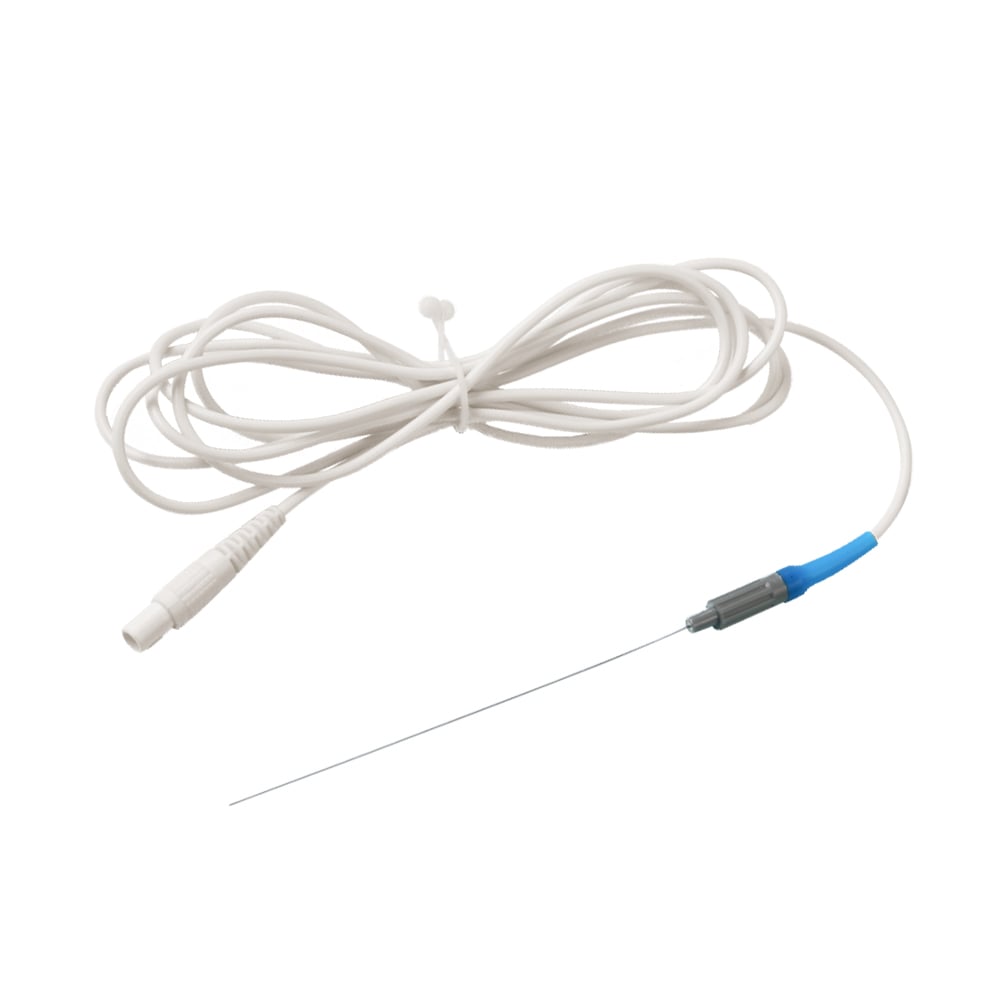
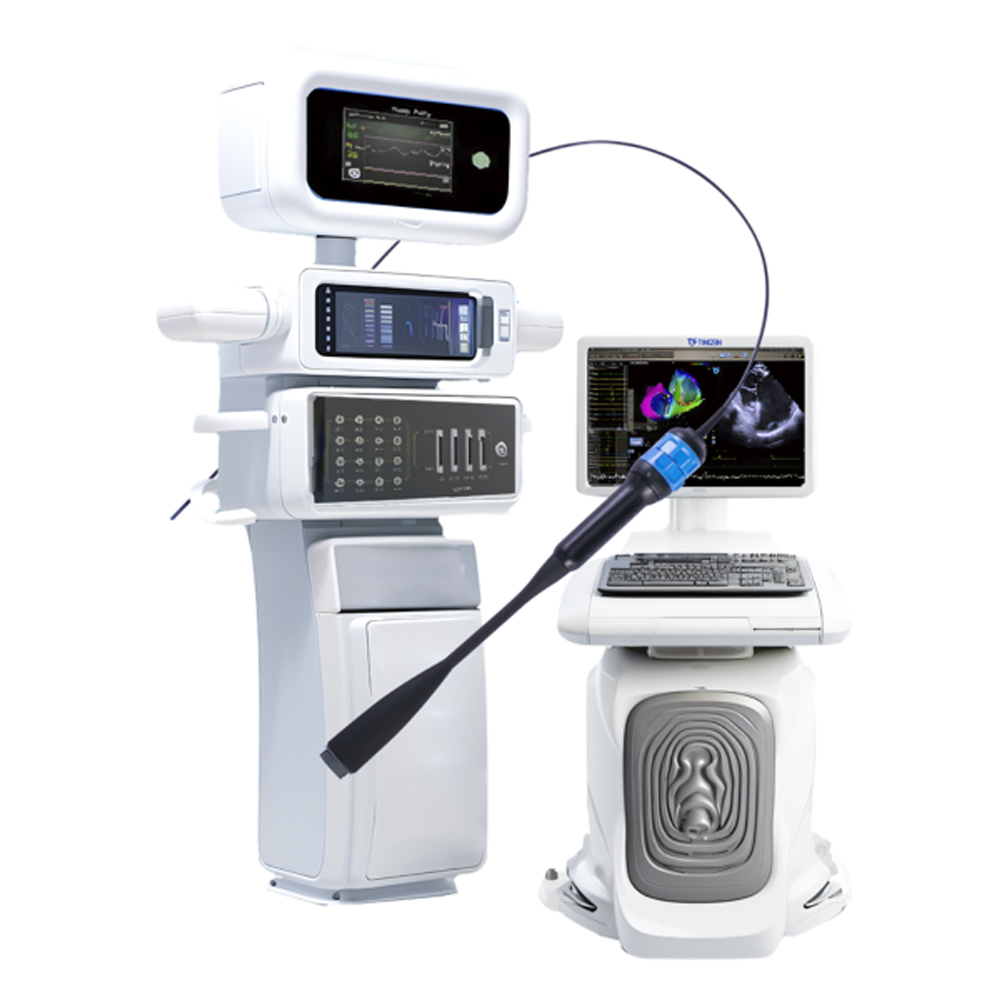
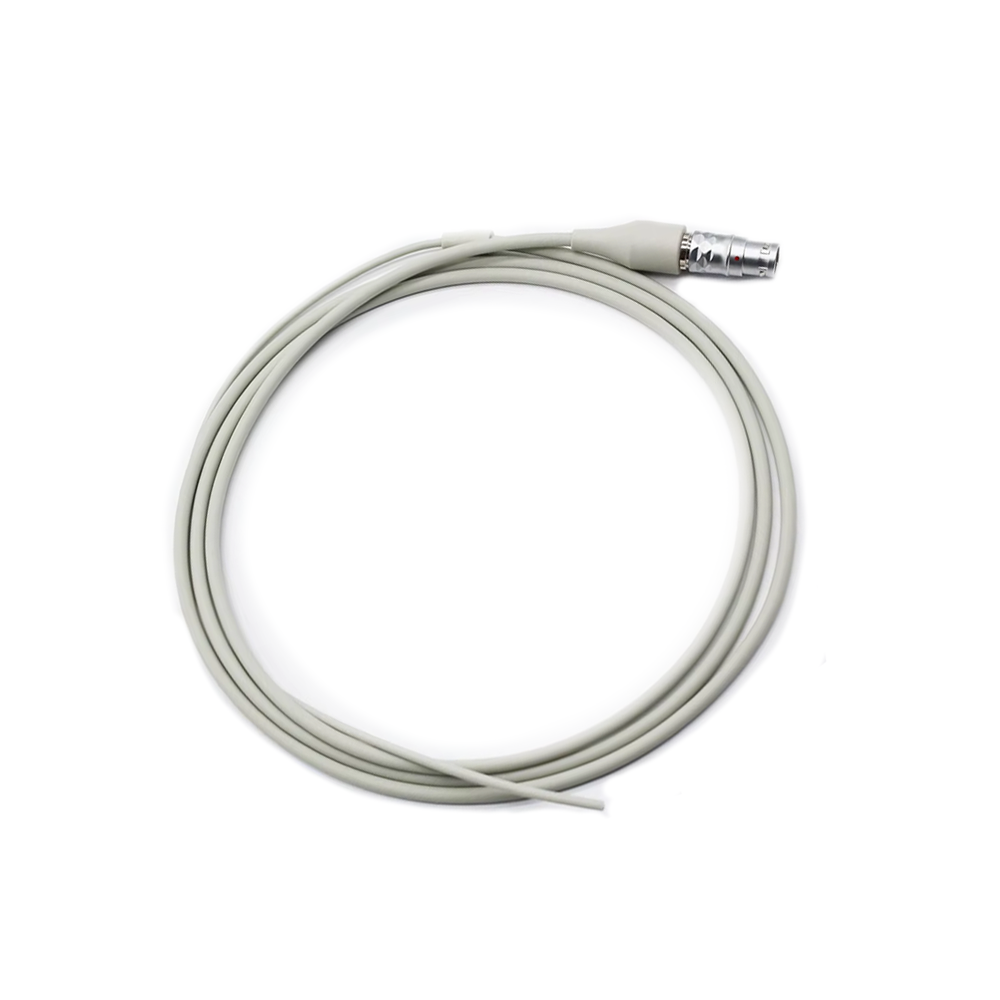
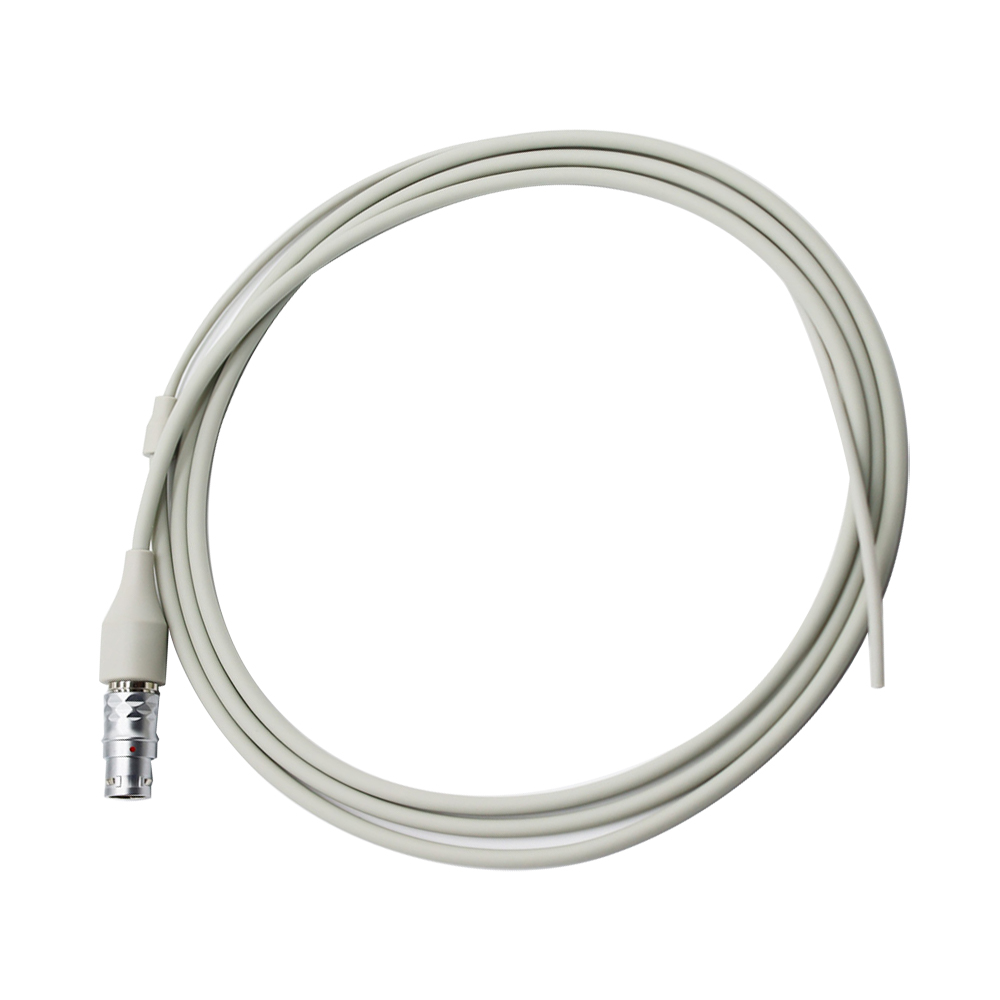
Durable Medical-Grade High-Power RF Ablation Cable
| Name | Material |
| Conductor | Silver plated copper |
| Tinned copper | |
| Silver plated copper alloy | |
| Tinned copper alloy | |
| Insulation | Teflon:PTFE/ePTFE/FEP/PFA |
| Shield | Tinned copper/Silver plated copper |
| CU/PET、 AL/PET | |
| Sheath | PFA/FEP/PTFE |
| Jacket | PVC/TPU/TPE/Silicone/PFA/FEP |
- Overview
- Recommended Products
- Silver plated copper
- Tinned copper
- Silver plated copper alloy
- Tinned copper alloy
- PTFE
- ePTFE
- FEP
- PFA
- Tinned copper braid
- Silver plated copper braid
- CU/PET
- AL/PET
- PVC
- TPU
- TPE
- Silicone
- PFA
- FEP
- RF Ablation Cable
- Endoscope Cable
- Ultrasound Probe Cable
- EEG Lead Wire
- Surgical Scalpel Cable
RF ablation application
RF generator and instrument interface
Required power or energy-transfer characteristics
Electrical impedance requirements
Conductor configuration
Cable structure
Shielding requirements
Insulation requirements
Connector type and connector brand
Connector part number
Pin assignment
Cable length
Cable diameter
Flexibility requirements
Bending requirements
Strain-relief requirements
Operating environment
Required samples
Expected production quantity
Product Overview
Custom High Power RF Ablation Cable Solution
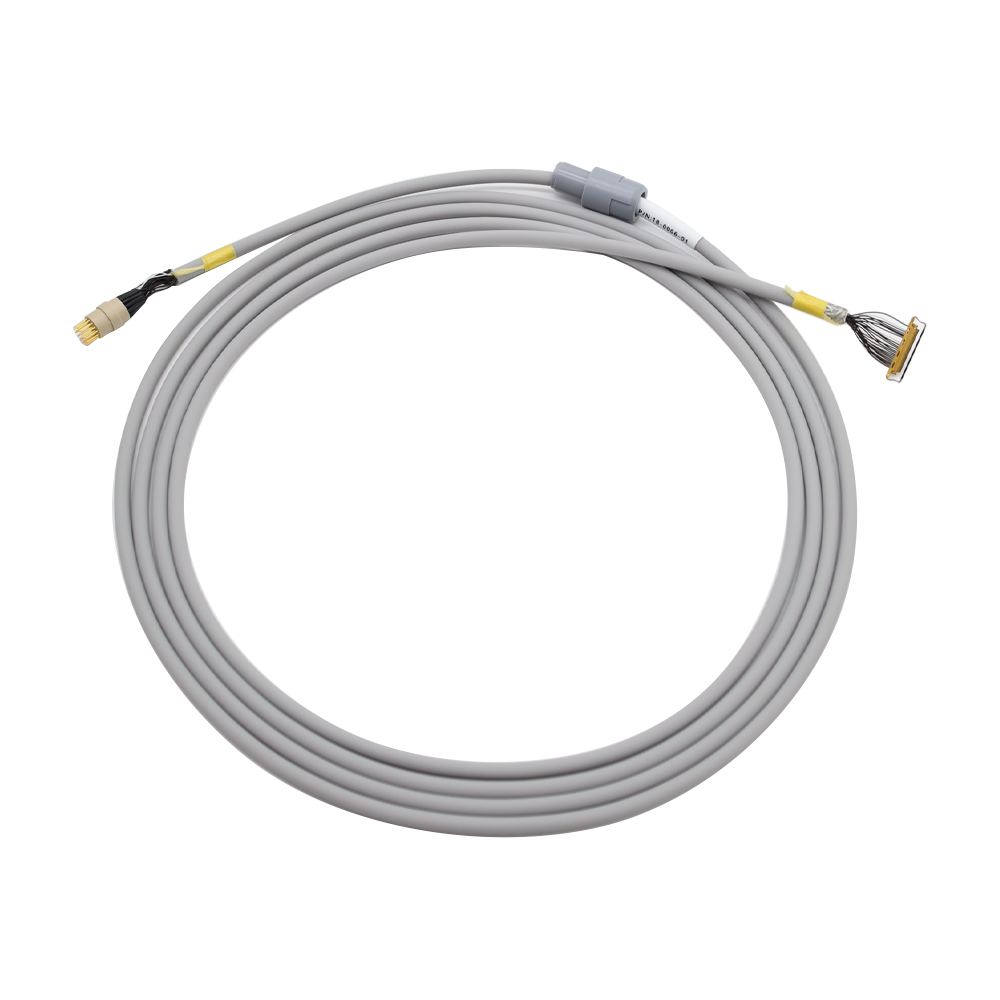
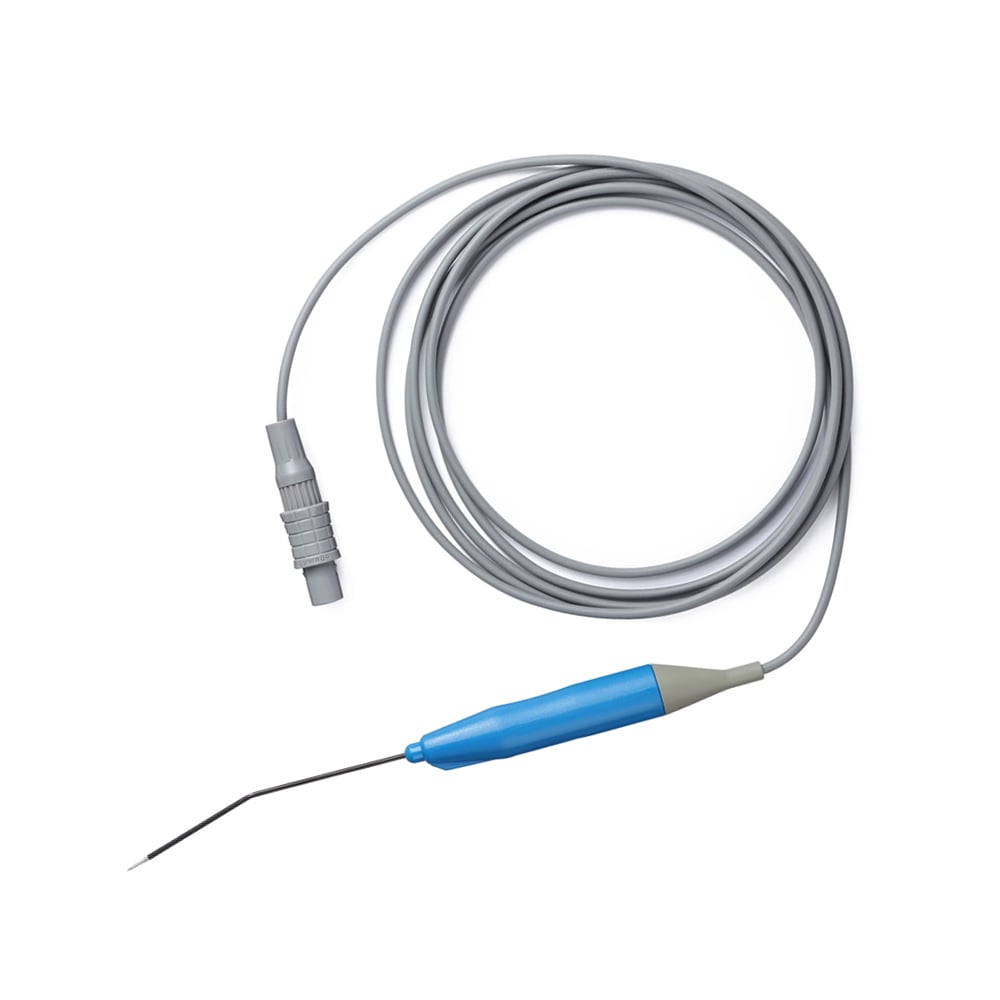
HOTTEN provides customized RF ablation cable solutions designed for medical devices requiring reliable high-frequency energy transmission and stable electrical performance.
Our RF ablation cables are engineered with optimized conductor structures, shielding designs and insulation materials to support high-power medical applications.
With professional cable manufacturing capabilities, HOTTEN supports OEM customers from cable design and prototyping to mass production.
Key Features
High Performance RF Ablation Cable
🔹 High Power Energy Transmission
Designed to support reliable RF energy transmission for medical ablation equipment.
🔹 Excellent Shielding Performance
Advanced shielding structures help reduce electromagnetic interference and maintain signal stability.
🔹 Low Loss Signal Transmission
Optimized cable construction supports consistent electrical performance.
🔹 Durable Medical Grade Structure
Suitable for demanding medical equipment environments.
🔹 OEM Customization Capability
Cable structure, materials and dimensions can be customized.
Cable Structure
Customized RF Ablation Cable Configuration
Conductor
Options:
Insulation
Options:
Shielding
Options:
Jacket
Options:
(这些材料与你现有 RF Ablation 产品资料一致。)
Applications
Medical RF Ablation Applications
Suitable for:
🏥 RF Ablation Systems
🫀 Electrophysiology Equipment
⚕️ Surgical Energy Devices
🔬 Medical Diagnostic Equipment
🏭 Medical Device OEM Applications
Customization Options
OEM RF Cable Manufacturing
HOTTEN supports:
✔ Cable diameter customization
✔ Core configuration
✔ AWG selection
✔ Impedance requirements
✔ Shielding design
✔ Jacket material selection
✔ Connector assembly
✔ Prototype development
✔ Mass production
Quality Assurance
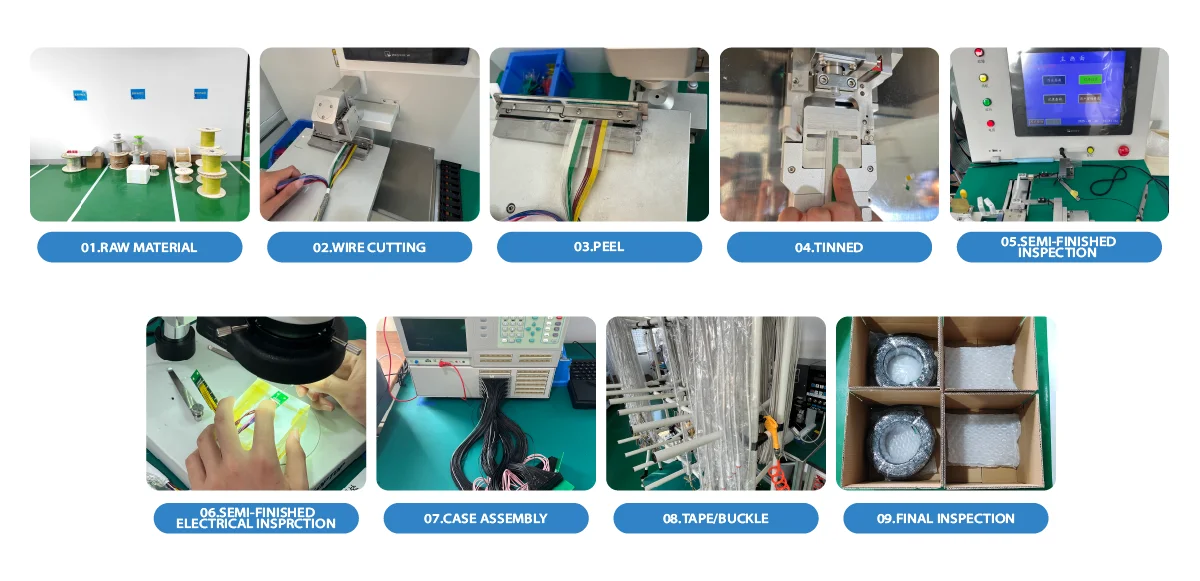
RF Cable Testing Capability
Testing includes:
✔ Electrical continuity testing
✔ Withstand voltage testing
✔ Insulation resistance testing
✔ Shielding performance testing
✔ Mechanical durability testing
✔ Network analyzer testing




Why Choose HOTTEN
Professional Medical RF Cable Manufacturer
HOTTEN specializes in precision medical cables:
Our engineering team supports customized cable solutions for complex medical applications.
Engineering & Procurement Considerations for High-Power RF Ablation Cables
Why is cable design important for high-power RF ablation systems?
RF ablation systems transfer electrical energy from the generator to the treatment instrument. The cable therefore needs to support the required electrical energy transfer while maintaining reliable connections and appropriate mechanical performance during use.
Cable construction, conductor configuration, insulation, shielding, connector termination, and overall cable length should be evaluated according to the RF system and intended application.
What electrical characteristics should engineers consider for an RF ablation cable?
For high-power RF applications, engineers should consider the electrical requirements of the complete cable assembly, including impedance, conductor configuration, insulation, shielding, connector interface, and the required energy-transfer characteristics.
Cable construction should be selected according to the actual RF generator and instrument interface rather than assuming that a general-purpose coaxial or power cable will provide the required performance.
How does cable construction affect RF energy transmission?
The physical construction of an RF cable can influence its electrical behavior. Conductor geometry, dielectric materials, shielding structure, cable length, and termination can all contribute to the performance of the complete interconnection.
For a customized RF ablation cable, the cable and connectors should therefore be evaluated as one assembly, particularly when the system has defined RF electrical requirements.
Why are durability and insulation important for high-power RF ablation cables?
RF ablation cables may be subjected to repeated handling, bending, and connection cycles during clinical equipment operation. The cable also requires appropriate insulation and mechanical construction for its intended operating environment.
Engineers should evaluate flexibility, bending requirements, insulation structure, connector strain relief, cable jacket construction, and overall mechanical durability together with the electrical requirements.
What specifications should engineers define when developing a custom RF ablation cable?
For engineering evaluation and supplier quotation, buyers should provide as much of the following information as possible:
An existing cable sample, technical drawing, connector specification, or electrical test requirement can help the supplier evaluate the appropriate cable construction more accurately.
What should buyers evaluate when sourcing a high-power RF ablation cable?
Buyers should evaluate the supplier's ability to manufacture the required cable structure consistently and control both electrical and mechanical characteristics during production.
Important supplier-evaluation factors include engineering support, prototype development, connector termination, insulation and shielding construction, production consistency, quality management, testing capability, customization flexibility, and experience with medical-device cable assemblies.
For OEM and ODM projects, a capable supplier should be able to develop the cable according to the actual RF system interface and mechanical requirements rather than simply offering a standard cable with a different connector.
FAQ
What is an RF ablation cable?
An RF ablation cable is a specialized medical cable designed to transmit radiofrequency energy between ablation equipment and medical instruments.
Why is shielding important for RF ablation cables?
Shielding helps reduce electromagnetic interference and improves transmission stability in high-frequency medical applications.
Can HOTTEN customize RF ablation cables?
Yes. HOTTEN supports customized conductor structures, shielding designs, insulation materials and cable assemblies.