 EN
EN
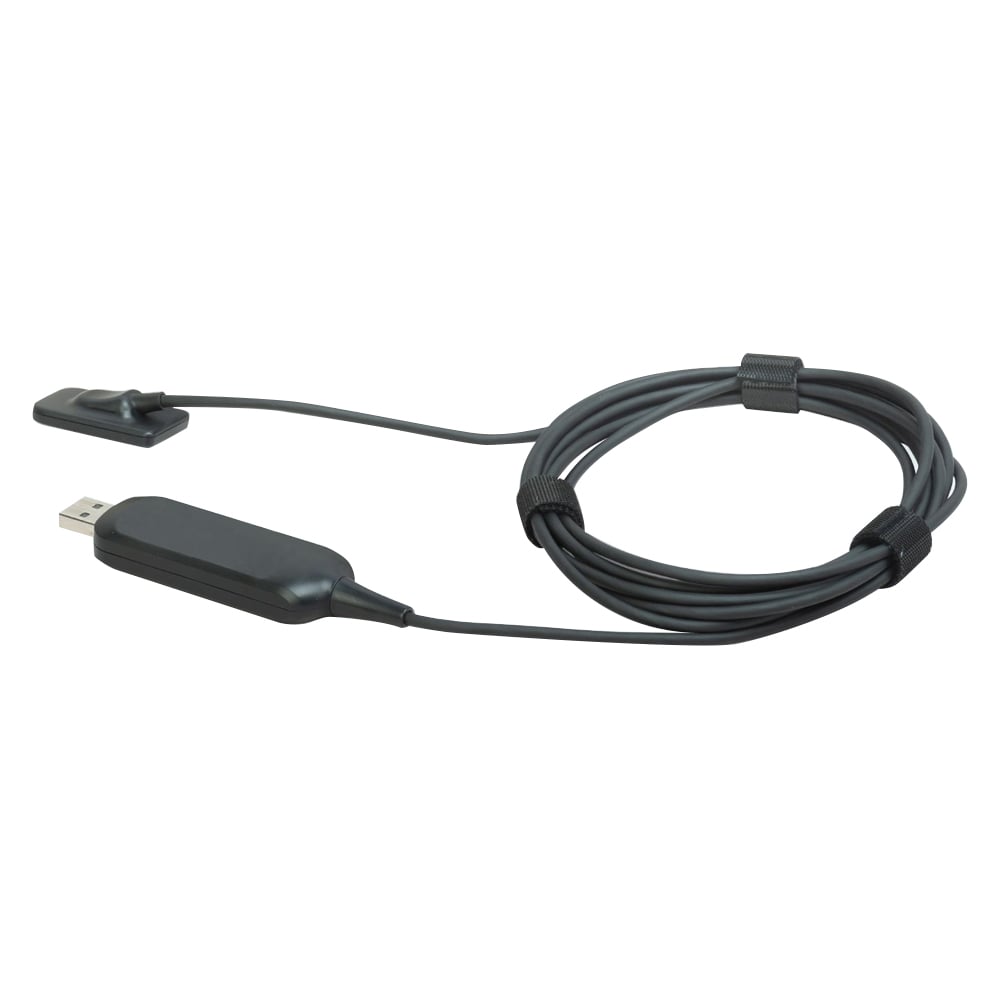
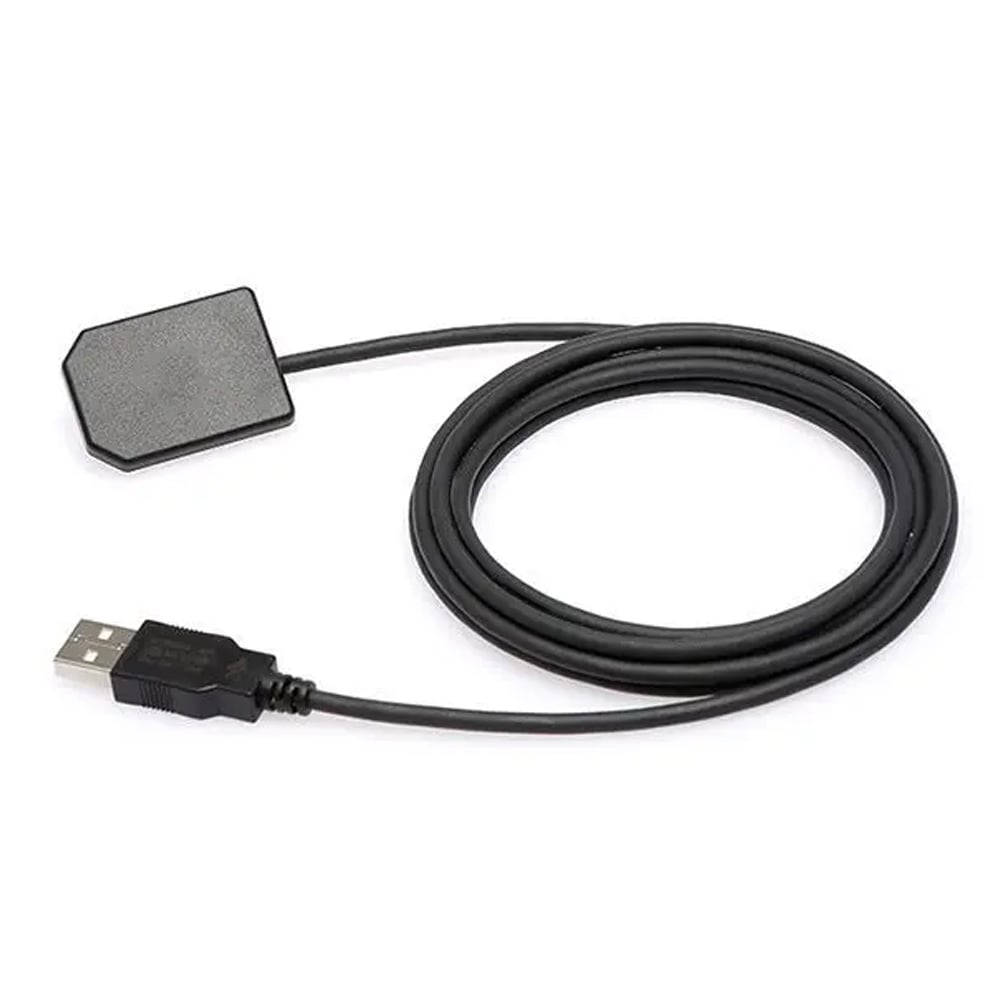
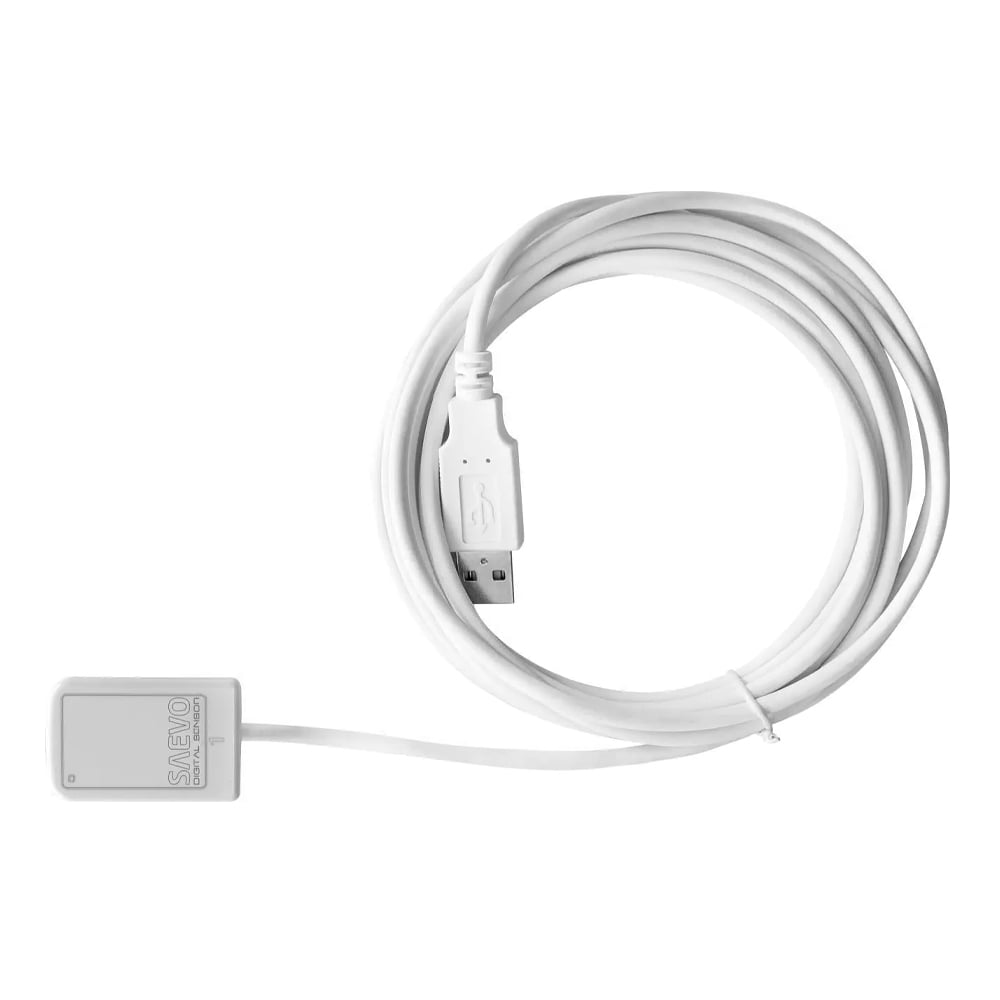
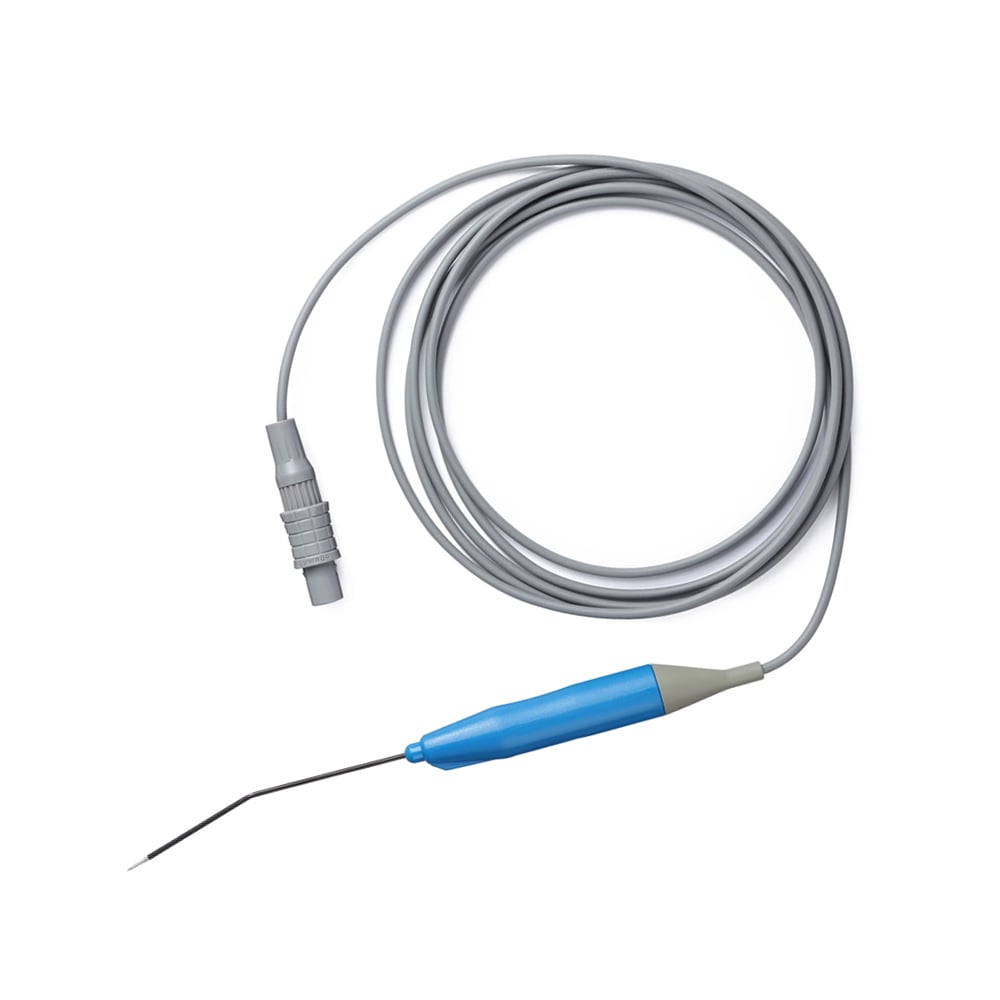
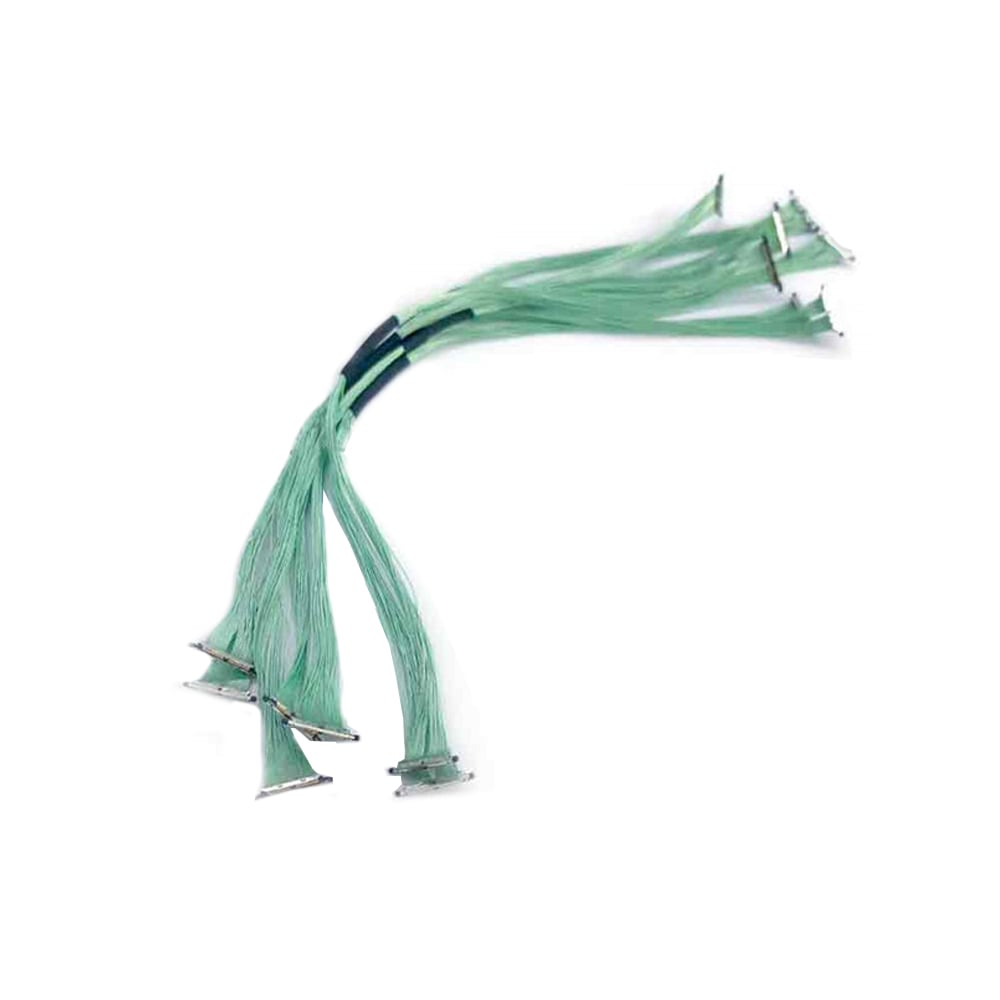
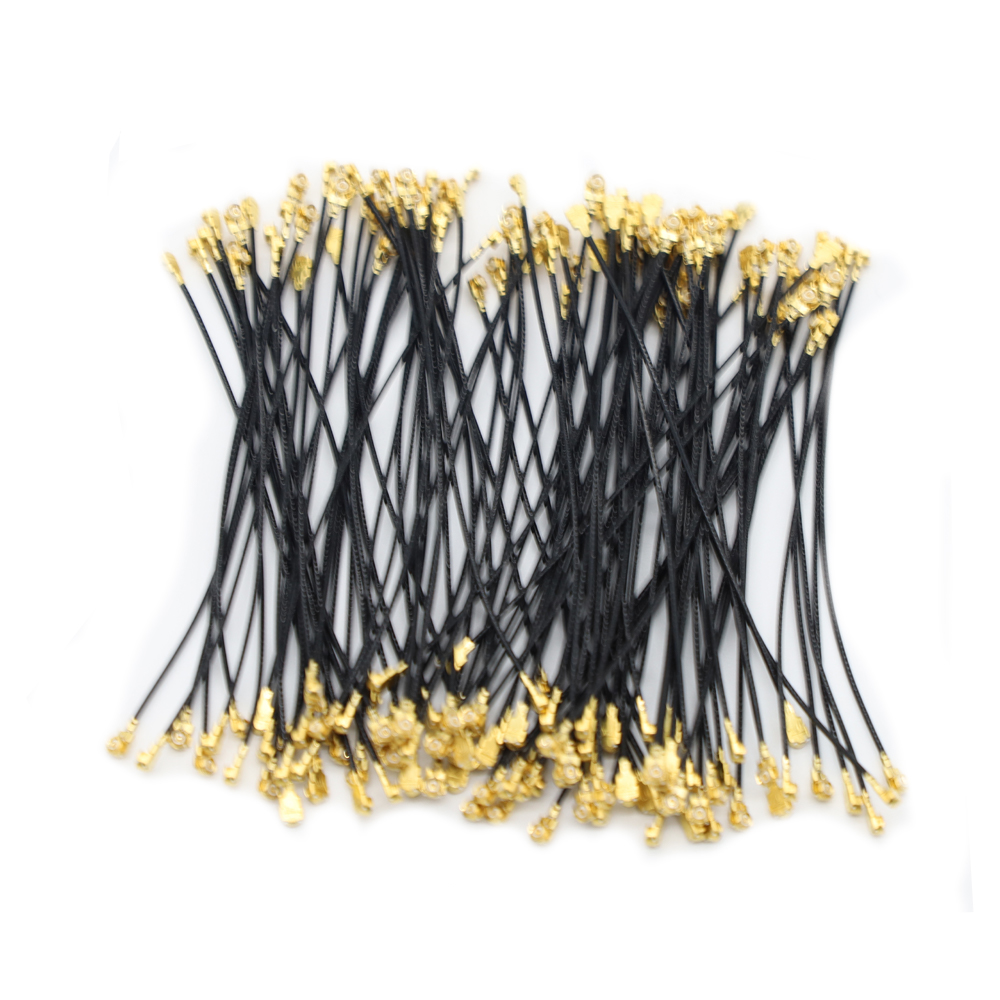
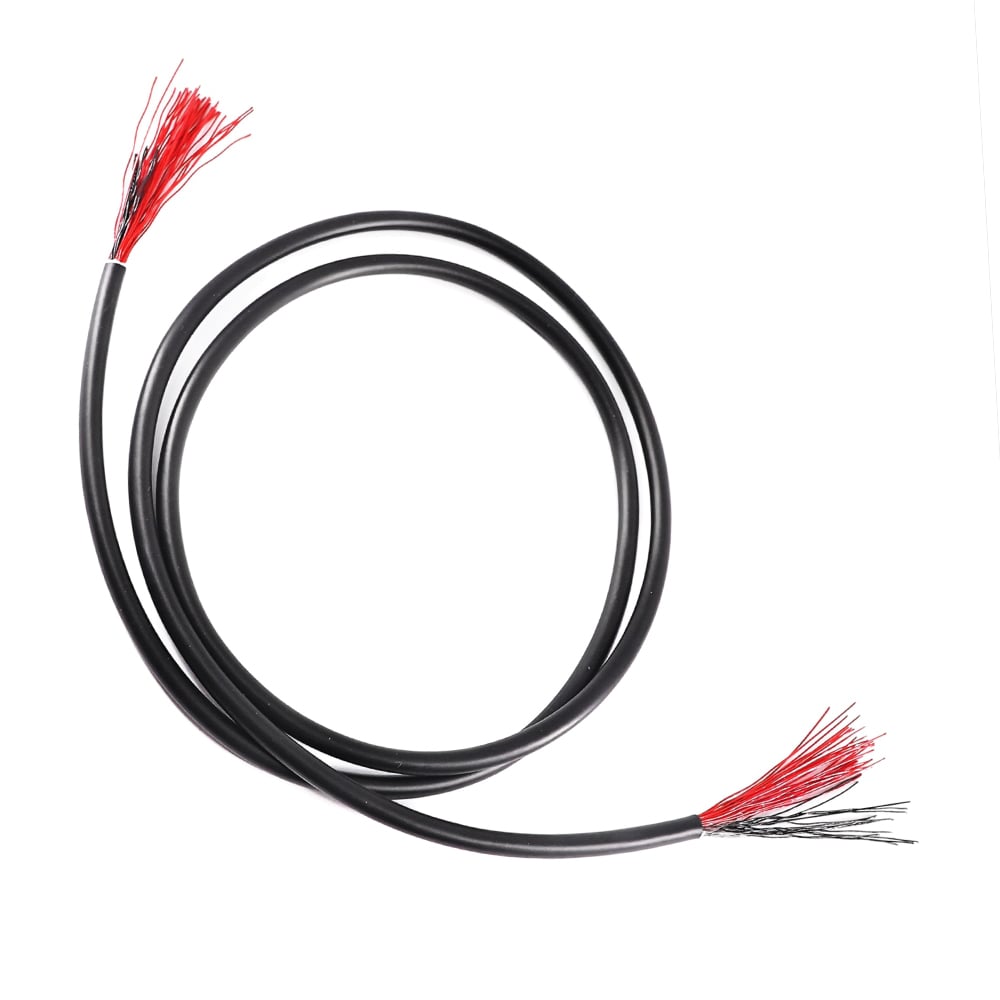
Medical-Grade Dental Sensor Cable
| Procurement Item | Recommended Information |
|---|---|
| Application | Dental sensor, dental imaging system or diagnostic equipment |
| Sensor Type | Dental imaging or sensing application |
| Core Configuration | Number of conductors and configuration |
| Conductor | Material and AWG |
| Insulation | Required insulation material |
| Shielding | Shielding structure and EMI requirements |
| Cable Diameter | Target or maximum allowable OD |
| Cable Length | Required finished length |
| Flexibility | Bending and routing requirements |
| Jacket | Required outer jacket material |
| Connector | Connector model or termination requirements |
| Electrical Requirements | Continuity, insulation resistance and applicable electrical parameters |
| Mechanical Requirements | Flexing, bending or handling requirements |
| Prototype Quantity | Required engineering samples |
| Production Volume | Expected recurring demand |
| Drawing / BOM | Available technical drawings and component information |
| Testing | Required electrical, dimensional and mechanical tests |
| Compliance | Applicable material and product requirements |
| Name | Material |
| Conductor | Silver plated copper |
| Tinned copper | |
| Silver plated copper alloy | |
| Tinned copper alloy | |
| Insulation | Teflon:PTFE/ePTFE/FEP/PFA |
| Shield | Tinned copper/Silver plated copper |
| CU/PET、 AL/PET | |
| Sheath | PFA/FEP/PTFE |
| Jacket | PVC/TPU/TPE/Silicone/PFA/FEP |
- Overview
- Recommended Products
- Silver plated copper
- Tinned copper
- Silver plated copper alloy
- Tinned copper alloy
- PTFE
- ePTFE
- FEP
- PFA
- Tinned copper braid
- Silver plated copper braid
- CU/PET
- AL/PET
- PVC
- TPU
- TPE
- Silicone
- PFA
- FEP
Conductor arrangement
Cable geometry
Shielding structure
Insulation characteristics
Cable length
Connector termination
Internal equipment routing
Electromagnetic environment
Required jacket material
Cleaning conditions
Mechanical handling
Temperature conditions
Flexibility requirements
Expected service environment
Applicable medical-device requirements
Core configuration
AWG selection
Conductor material
Insulation material
Shielding structure
Cable diameter
Cable length
Jacket material
Connector assembly
Pin configuration
Termination method
Prototype samples
Mass-production configuration
Dental equipment application
Sensor type or function
Core configuration
Cable drawing
Conductor and AWG requirements
Maximum cable diameter
Insulation requirements
Shielding requirements
Cable length
Jacket requirements
Connector model / part number
Pinout or termination drawing
Flexibility requirements
Prototype quantity
Expected production volume
Testing requirements
Applicable compliance requirements
- Dental Sensing Cable
- Ultrasound Probe Cable
- Endoscope Cable
- EEG Lead Wire
- RF Ablation Cable
- Medical Cable Assembly
Product Overview
Medical-Grade Dental Sensor Cable for Dental Equipment
HOTTEN provides customized medical-grade dental sensor cable solutions designed for dental sensing equipment and medical diagnostic applications.
The cable is engineered with reliable conductor structures, shielding designs and medical-grade insulation materials to ensure stable signal transmission and long-term performance.
With advanced cable manufacturing capabilities, HOTTEN supports OEM customers with customized cable design, material selection and production services.
Key Features
Reliable Dental Sensor Cable Solution
🔹 Medical Grade Material Selection
Supports high-performance insulation and jacket materials for demanding medical applications.
🔹 Stable Signal Transmission
Optimized cable structures help maintain reliable sensor signal performance.
🔹 Shielding Performance
Shielding options help reduce electromagnetic interference.
🔹 Flexible Cable Construction
Suitable for dental devices requiring frequent movement and compact installation.
🔹 OEM Customization
Supports customized cable dimensions, structures and electrical requirements.
Cable Structure
Customized Dental Sensor Cable Configuration
根据你的产品资料:
Conductor
Options:
Insulation
Options:
Shield
Options:
Jacket
Options:
Applications
Dental Sensor Cable Applications
Suitable for:
🦷 Intraoral Scanner Equipment
📷 Dental Imaging Systems
🔬 Dental Sensor Modules
🏥 Digital Dentistry Equipment
🏭 Dental Device OEM Applications
Customization Options
OEM Dental Cable Manufacturing
HOTTEN supports:
✔ Cable length customization
✔ Core configuration
✔ AWG selection
✔ Shielding structure
✔ Conductor material selection
✔ Jacket material customization
✔ Connector assembly
✔ Prototype development
✔ Mass production
Quality Assurance
Dental Cable Testing Capability
Testing includes:
✔ Electrical continuity testing
✔ Insulation resistance testing
✔ Withstand voltage testing
✔ Shielding performance testing
✔ Mechanical bending testing
Engineering & Procurement Considerations
What Engineers Should Consider When Selecting a Medical-Grade Dental Sensor Cable
A medical-grade dental sensor cable is used to connect dental sensors and electronic modules within dental diagnostic and imaging equipment. Cable selection should consider signal transmission, compact construction, shielding, flexibility, material selection, connector compatibility and long-term mechanical reliability.
For dental sensor applications, the cable should be evaluated according to the complete equipment architecture, including the sensor interface, internal routing, electrical requirements and operating environment.
Key Engineering Requirements
| Engineering Requirement | Key Considerations |
|---|---|
| Stable Sensor Signal Transmission | Conductor configuration and cable construction should match the electrical requirements of the dental sensor system. |
| EMI Shielding | Shielding should be selected according to the sensor's sensitivity and surrounding electromagnetic environment. |
| Compact Construction | Cable diameter should fit the available space within dental equipment and sensor assemblies. |
| Flexibility | Cable construction should support the required routing and bending conditions during equipment operation. |
| Medical-Grade Materials | Insulation and jacket materials should be selected according to the mechanical, electrical and equipment requirements. |
| Connector Compatibility | Connector type, pin configuration and termination should match the dental sensor and equipment interface. |
| Mechanical Reliability | Repeated bending, handling and routing should be considered during cable selection. |
| Manufacturing Consistency | Consistent dimensions, electrical performance and termination quality are important for production applications. |
Key Procurement Parameters
When sourcing a medical-grade dental sensor cable, procurement teams should confirm:
| Procurement Item | Recommended Information |
|---|---|
| Application | Dental sensor, dental imaging system or diagnostic equipment |
| Sensor Type | Dental imaging or sensing application |
| Core Configuration | Number of conductors and configuration |
| Conductor | Material and AWG |
| Insulation | Required insulation material |
| Shielding | Shielding structure and EMI requirements |
| Cable Diameter | Target or maximum allowable OD |
| Cable Length | Required finished length |
| Flexibility | Bending and routing requirements |
| Jacket | Required outer jacket material |
| Connector | Connector model or termination requirements |
| Electrical Requirements | Continuity, insulation resistance and applicable electrical parameters |
| Mechanical Requirements | Flexing, bending or handling requirements |
| Prototype Quantity | Required engineering samples |
| Production Volume | Expected recurring demand |
| Drawing / BOM | Available technical drawings and component information |
| Testing | Required electrical, dimensional and mechanical tests |
| Compliance | Applicable material and product requirements |
Sensor Signal and Shielding Considerations
Dental sensor signals may be sensitive to electrical noise depending on the sensor and system architecture.
The final cable configuration should therefore consider:
Shielding should not be selected independently from the rest of the cable design. It should be matched to the customer's actual sensor and equipment requirements.
Compact Cable Integration
Dental equipment generally combines sensors, electronic components and mechanical structures within limited internal space.
For this reason, engineers should evaluate:
Cable Diameter + Flexibility + Connector Size + Routing Space + Signal Performance
A suitable cable should satisfy both the electrical requirements of the dental sensor and the physical integration requirements of the final device.
Medical-Grade Material Considerations
When selecting the external cable materials, customers should provide information about:
The final material combination should be determined according to the customer's actual equipment and operating conditions.
OEM Customization
HOTTEN supports customized dental sensor cable development based on customer drawings, specifications and equipment requirements.
Customization can include:
The cable can be developed as a customized interconnection solution rather than a standard off-the-shelf dental cable.
Dental Sensor Cable Supplier Evaluation Checklist
For OEM procurement, suppliers should be evaluated on:
① Medical Cable Manufacturing Capability
Can the supplier manufacture customized cable constructions suitable for dental equipment?
② Signal and Shielding Capability
Can the supplier provide appropriate cable structures for the customer's sensor signal and EMI requirements?
③ Miniature Cable Capability
Can the supplier produce cables with the required diameter and flexibility?
④ Material Selection
Can the supplier provide suitable conductor, insulation, shielding and jacket materials?
⑤ Connector Assembly
Can the supplier provide the required connector and termination configuration?
⑥ Prototype-to-Mass-Production Support
Can the supplier support engineering samples as well as recurring production?
Recommended RFQ Information
For faster engineering evaluation and quotation, customers should provide:
Providing a drawing, sample cable or connector specification can help reduce ambiguity during customized cable development.
HOTTEN Dental Sensor Cable Engineering Support
HOTTEN provides customized medical-grade dental sensor cables for dental sensing, imaging and diagnostic equipment. Cable construction, materials, shielding, dimensions and termination can be configured according to customer requirements, with support for prototype development and mass production.


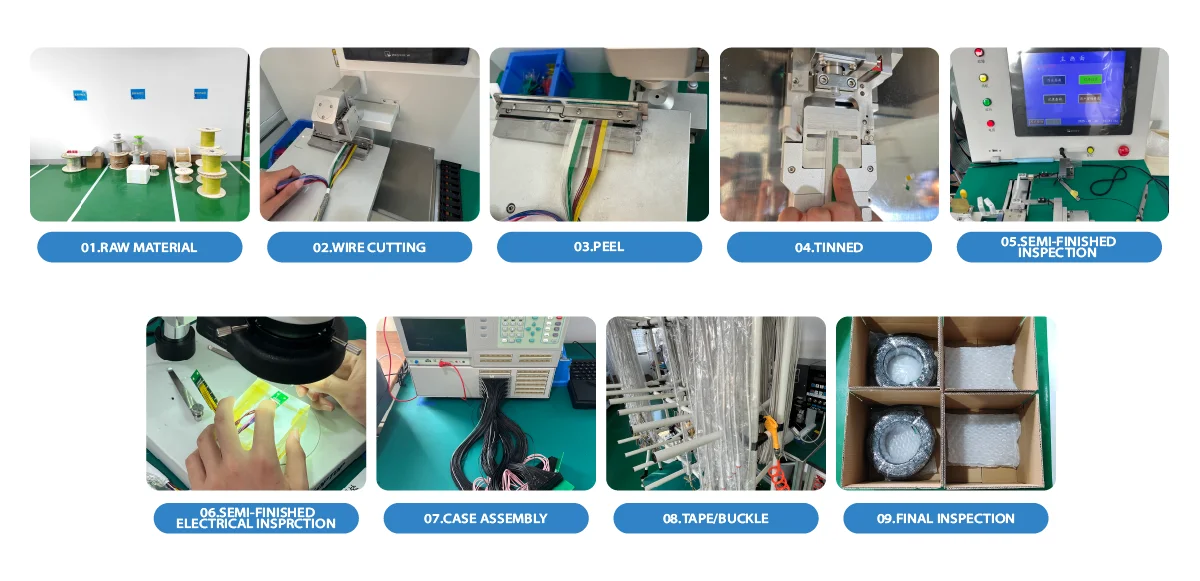
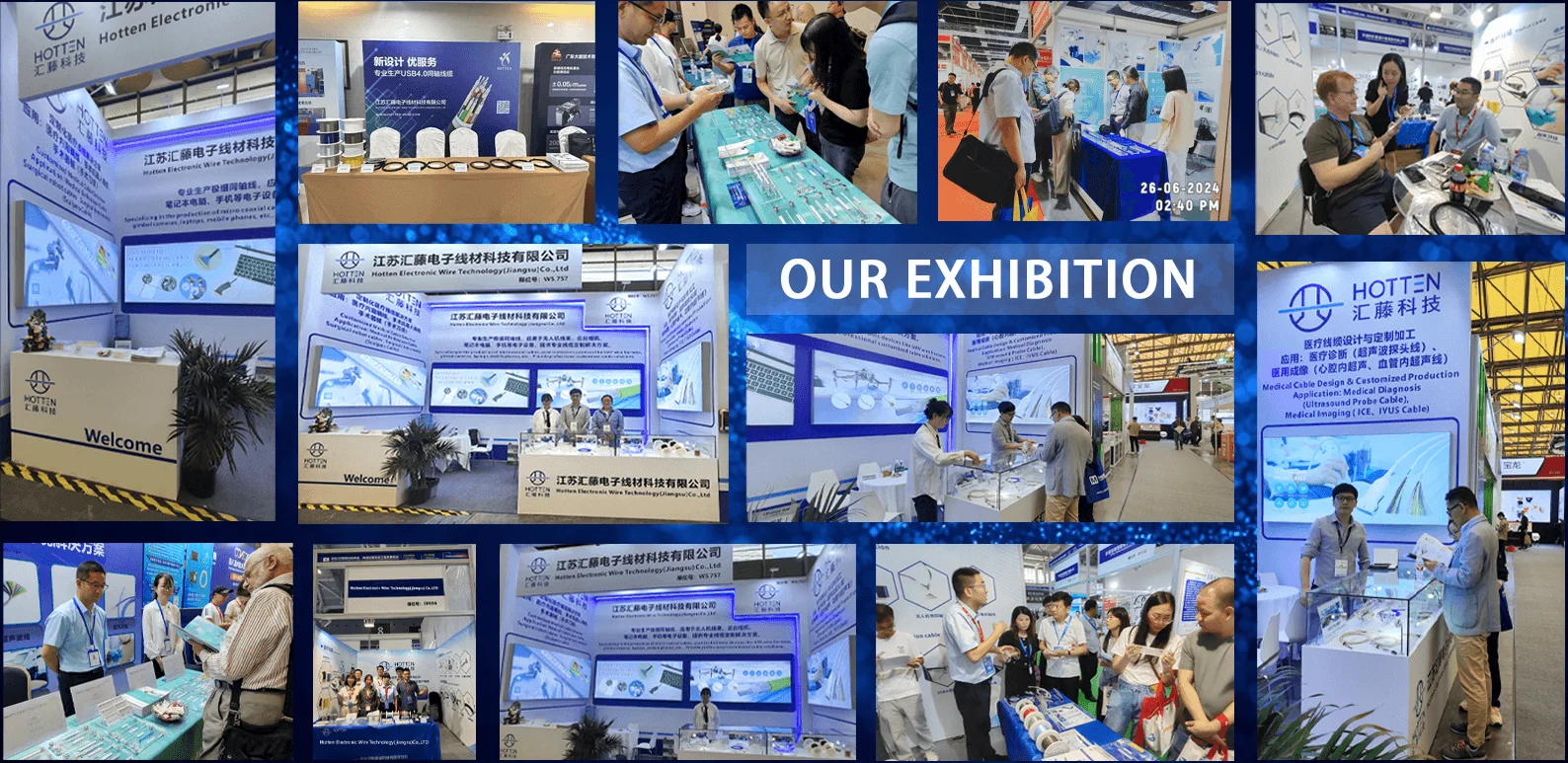

Why Choose HOTTEN
Professional Dental Cable Manufacturer
HOTTEN specializes in precision medical cable solutions:
FAQ
What is a dental sensor cable?
A dental sensor cable is a specialized cable used in dental equipment to transmit sensor signals between sensing components and control systems.
Why does dental equipment require shielded cables?
Dental imaging and sensing devices require stable signal transmission. Shielding helps reduce electromagnetic interference and improves signal reliability.
Can HOTTEN customize dental sensor cables?
Yes. HOTTEN supports customized conductor materials, shielding structures, insulation materials, dimensions and connector solutions.