 EN
EN
Quick Links

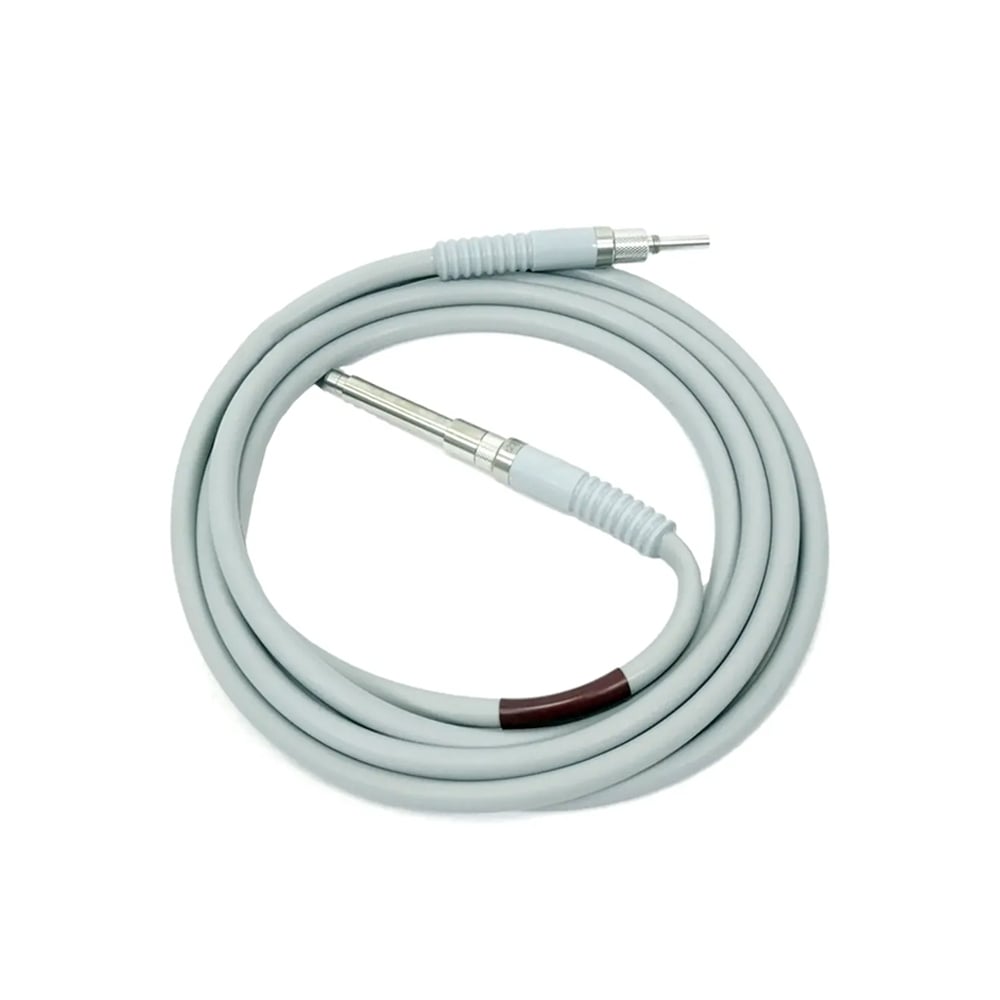
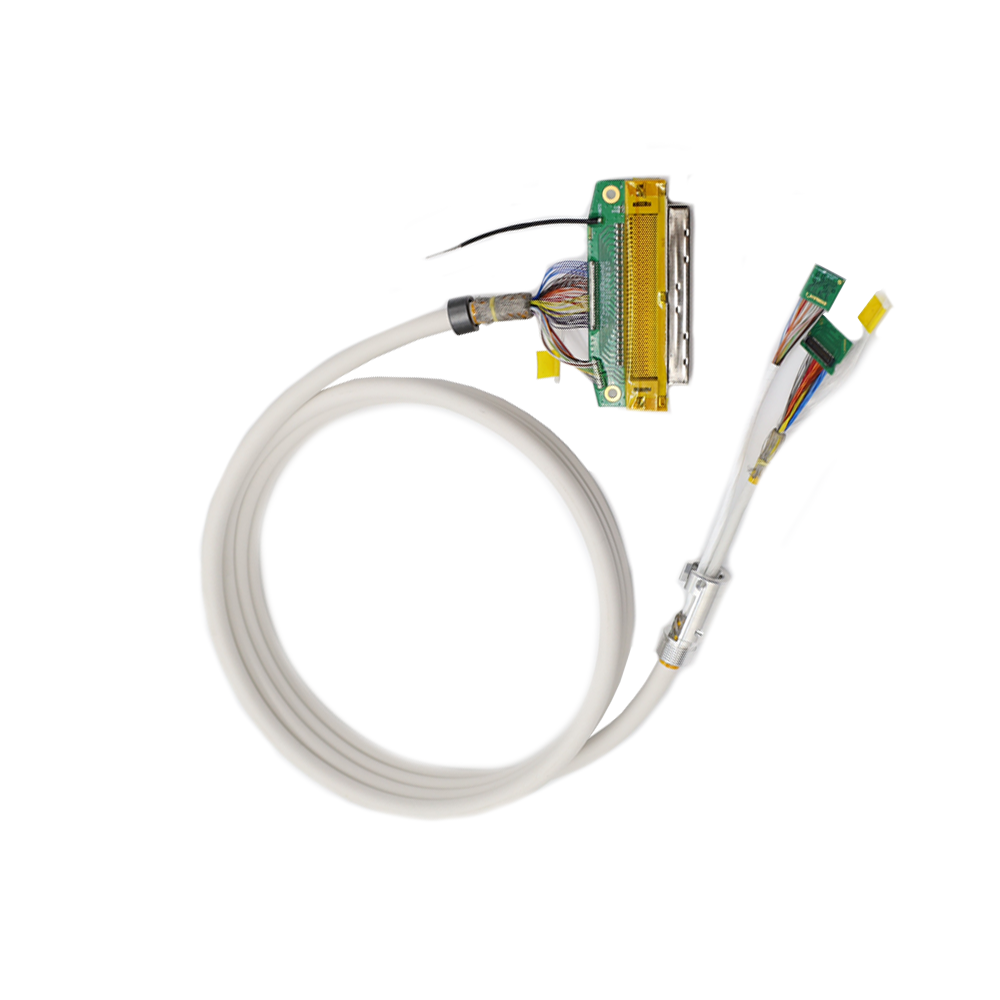
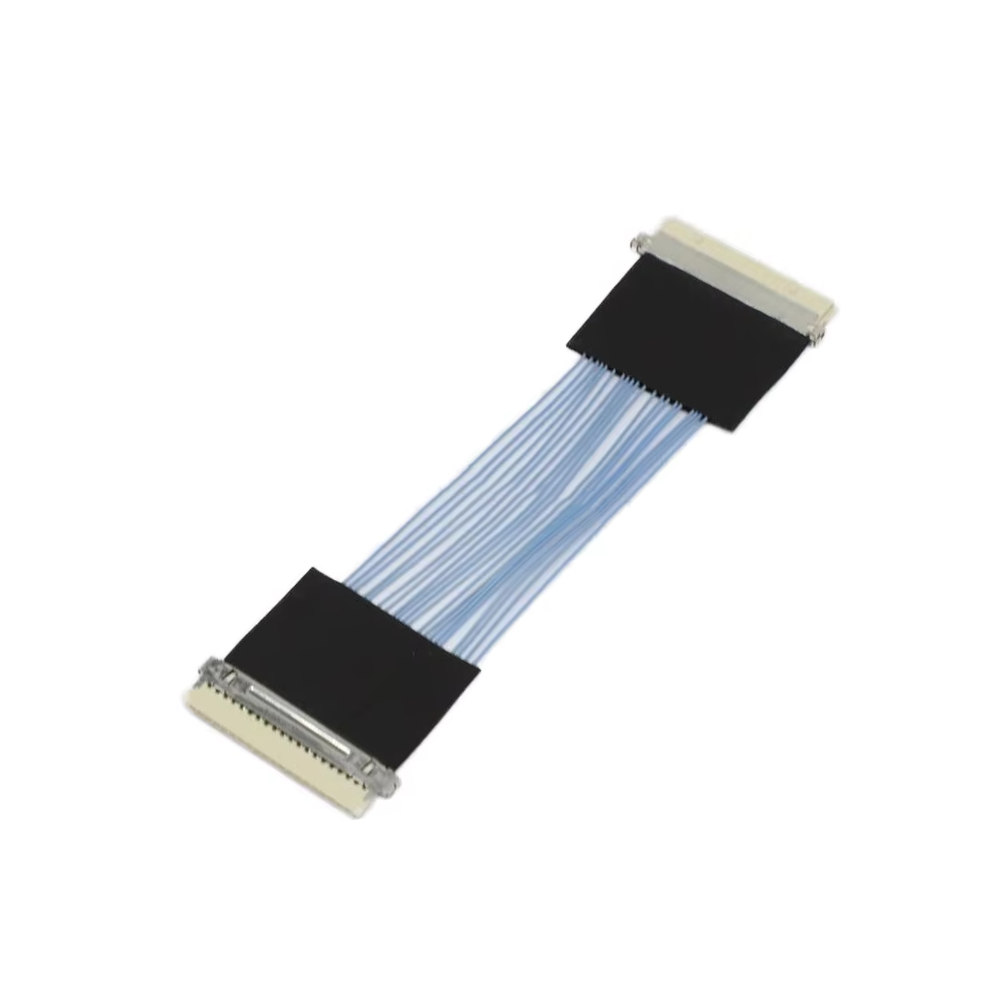
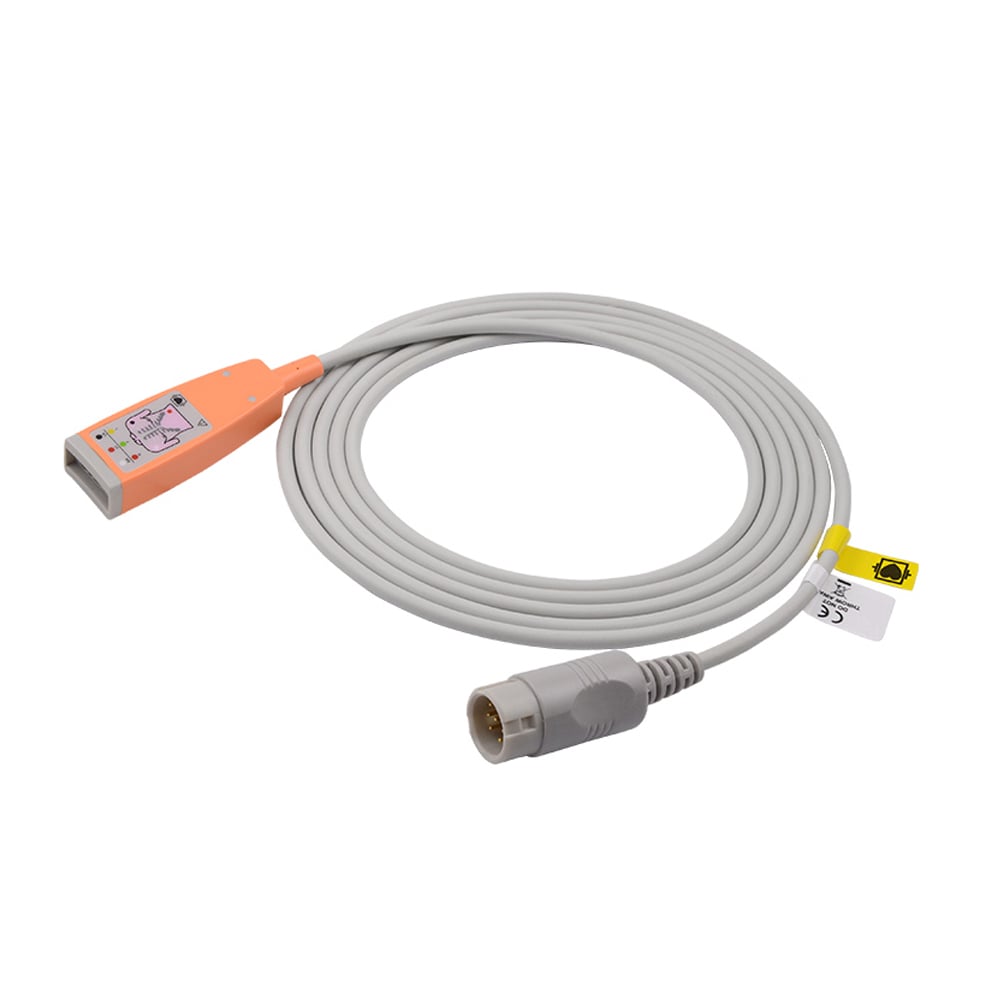
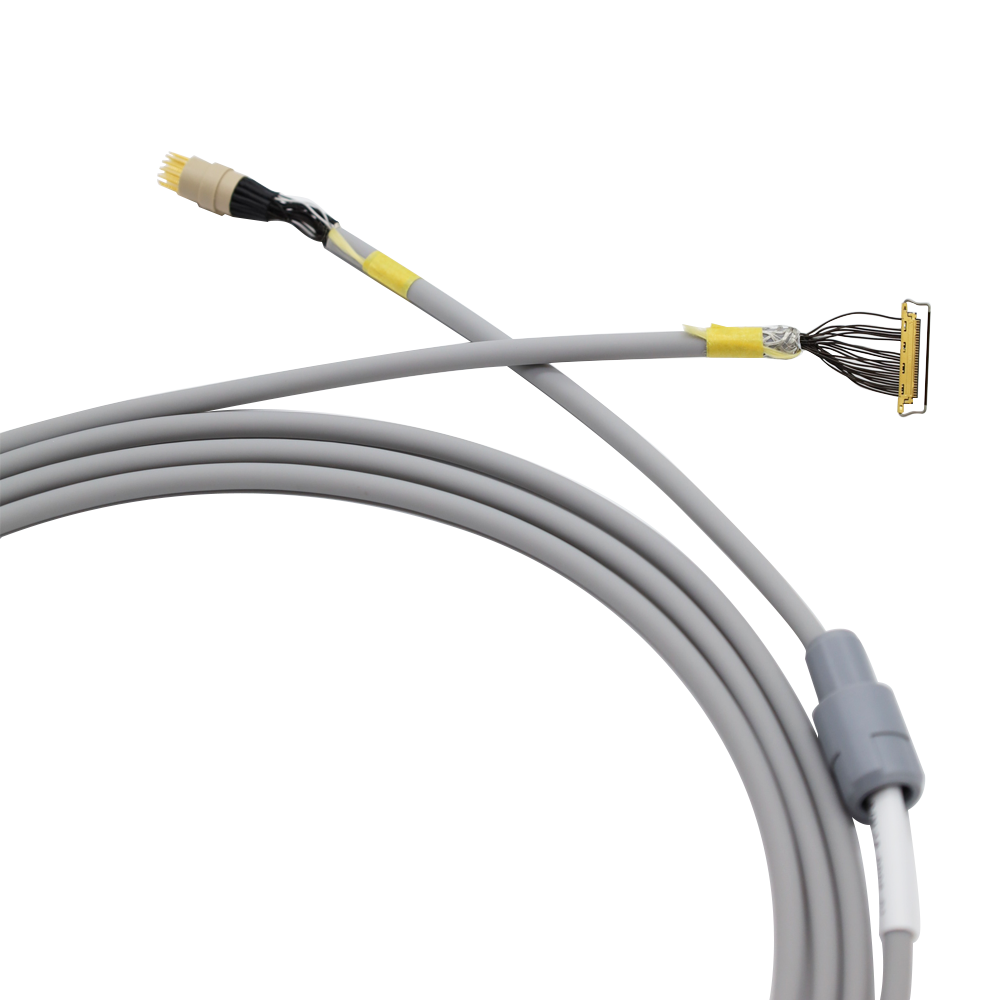
Clinical environments represent some of the most demanding conditions for electronic components. The electrical requirements of the RF coaxial cable assemblies installed in hospitals, surgical suites, and diagnostic imaging facilities are only one aspect of the challenges these assemblies must withstand. They are also exposed to continuous chemical, thermal, mechanical, and biological stresses. A failure in an industrial or consumer application may only cause inconvenience or operational downtime, but in a clinical environment, a cable failure can interrupt critical medical procedures, delay diagnosis, or potentially impact patient safety. Hotten Electronic Wire Technology medical grade coaxial assemblies—Ultrasound Probe Cables, Endoscope Cables, ICE Cables, IVUS Cables, Dental Sensing Cables, RF Ablation Cables, EEG Lead Wires, and Surgical Scalpel Cables—are engineered to deliver reliable performance in these demanding environments. We outline the 4 environmental requirements that influence our design and manufacturing and ensure that our cables consistently deliver optimal and reliable performance throughout their clinical service life.
Environmental qualification for a medical RF coaxial cable assembly should evaluate more than whether the outer jacket remains intact.
The relevant question is whether the complete cable assembly maintains its required electrical, mechanical and material performance after exposure to the conditions expected during its service life.
Important factors may include:
Temperature → Humidity / Fluids → Sterilization → Chemical Exposure → Mechanical Stress → RF Performance → Connector / Termination Stability
If → the cable is repeatedly sterilized
Then → evaluate the cable materials, insulation, shielding, termination and connector interfaces after representative sterilization exposure
Why → repeated thermal and chemical exposure can affect different parts of the assembly in different ways.
If → the cable contacts disinfectants, saline, cleaning agents or other clinical fluids
Then → evaluate jacket, insulation, shielding and sealing materials for the actual exposure conditions
Why → chemical compatibility depends on the material, concentration, temperature, exposure time and application.
If → the cable operates across changing temperatures
Then → evaluate electrical characteristics before and after representative temperature cycling
Why → dimensional and material changes can affect impedance, attenuation or phase stability.
If → the cable is repeatedly bent or handled
Then → combine environmental qualification with relevant mechanical testing
Why → clinical use can expose the assembly to combined stresses rather than one isolated condition.
If → the cable is part of a high-frequency RF signal path
Then → monitor application-relevant RF parameters after environmental exposure
Why → environmental durability should not be separated from the electrical performance that the cable is required to maintain.
The current HOTTEN article already organizes its environmental approach around sterilization, fluid/chemical exposure, thermal stability and mechanical endurance, with examples covering ultrasound, endoscope, ICE, IVUS, EEG, RF ablation and surgical cable applications.
Sterilization represents one of the most significant challenges for clinical cables. These three sterilization processes—autoclaving, ethylene oxide (EtO) sterilization, and hydrogen peroxide plasma sterilization—inflict unique stresses on the materials. Thermal cycling can also cause dielectric expansion and contraction, which can alter impedance characteristics and increase signal attenuation; chemical exposure could also cause cracking and degradation of the jacket polymers, leading to insulation breakdown. To face these challenges, Hotten chooses medical-grade materials with enhanced resistance to repeated sterilization cycles. These Endoscope Cables and Surgical Scalpel Cables are coated with FEP dielectric, silicone, or TPU jackets and are designed to withstand repeated autoclave sterilization cycles while maintaining stable electrical performance. For EEG Lead Wires and other applications requiring low gas absorption characteristics, we select materials with low outgassing characteristics to minimize contamination risks and maintain surface cleanliness. All sterilization-resistant designs are accelerated life tested, providing OEMs with performance documentation for regulatory submissions.
Clinical cables come into contact with blood, saline, disinfectants, iodine-based solutions, isopropyl alcohol, and enzymatic cleaners on a regular basis. These chemicals may permeate the jacket material, corrode the braided shield and affect the electrical properties of the cable—increasing leakage current, causing impedance drift, or resulting in cable failure. The medical cable portfolio from Hotten comes with chemically resistant outer jackets like medical-grade TPU, silicone rubber, and FEP, which have been tested for biocompatibility and material performance requirements in accordance with applicable medical device standards, including ISO 13485-compliant quality processes. Our RF Ablation Cables and IVUS Cables are designed with a fluid-resistant construction using water-blocking tapes and waterproof interfaces to eliminate capillary wicking along the conductor strands. Medical-grade epoxy encapsulant and ultrasonically welded sealing are used to provide fluid-tight protection for connectors and strain relief joints, even after they have been exposed to saline or blood for long periods of time.
Clinical equipment needs to be moved between environments—from ambient temperature sterile storage to an autoclave at 134°C and occasionally to bio-sensor cryogenic or chilled storage. Those physical expansions and contractions due to temperature changes may affect conductor spacing, dielectric constant, and high-frequency phase stability. Hotten guarantees thermal stability through material pairing and stress-relieved manufacturing processes. Both our ICE and IVUS cables have phase stability of ±3° over a temperature range of -40°C to +150°C with expanded PTFE dielectrics having very low thermal expansion coefficients. We also anneal conductors and braids under stress to eliminate certain manufacturing stresses that may induce geometric changes during thermal cycling. In cases of alternating exposure to cold gel environments and human body temperature conditions, our designs ensure the consistency of the impedance and thus supporting consistent image quality and reducing the risk of artifacts.
For an OEM medical equipment project, an environmental requirement should describe what the cable will experience, for how long, how often, and what performance must remain within specification afterward.
A useful qualification framework is:
Application → Exposure → Material → Cable Structure → Connector / Sealing → Electrical Performance → Mechanical Performance → Acceptance Criteria
The goal is not to apply the harshest possible test to every cable.
The goal is to reproduce the conditions that are relevant to the actual product lifecycle.
Before selecting materials, OEM engineers should identify how the cable will be used and maintained.
| Environmental Factor | Engineering Question |
|---|---|
| Temperature | What operating and storage temperatures are expected? |
| Humidity | What humidity or moisture exposure occurs? |
| Sterilization | Is sterilization required? Which process? |
| Cleaning | Which cleaning agents are used? |
| Disinfection | Which chemicals and concentrations are involved? |
| Biological Fluids | Can the cable contact blood, saline or other fluids? |
| Mechanical Use | Is the cable static or dynamically moved? |
| Storage | How long and under what conditions is the assembly stored? |
| Service Life | How many use cycles are expected? |
| RF Performance | Which electrical characteristics must remain stable? |
If → the cable is used in reusable equipment
Then → define the complete repeated-use and reprocessing profile
Why → a reusable cable may experience many environmental exposures during its service life.
If → the cable is a single-use component
Then → define the conditions during storage, transport and intended use rather than automatically applying a reusable-device qualification profile
Why → qualification should reflect the actual lifecycle of the product.
“Sterilization resistant” is not a complete specification.
Relevant variables can include:
Potential processes may include:
Steam Autoclave
→ EtO
→ Hydrogen Peroxide Plasma
The current HOTTEN article identifies these three sterilization environments and states that materials and designs are selected according to the associated stresses.
If → the assembly will be autoclaved repeatedly
Then → define the required temperature, exposure profile and number of cycles
Why → thermal exposure and repetition can affect insulation, jacket, termination and dimensional stability.
If → EtO or plasma sterilization is used
Then → evaluate material compatibility and process-specific exposure conditions
Why → different sterilization processes impose different thermal and chemical conditions.
A cable that survives one sterilization method should not automatically be considered qualified for every other sterilization process.
If → the customer changes from steam sterilization to EtO
Then → review the environmental qualification requirements
Why → different sterilization processes expose materials and assemblies to different conditions.
If → a new jacket or insulation material is introduced
Then → repeat the applicable environmental evaluation
Why → material changes can alter environmental resistance.
For OEM qualification, the exact sterilization process, exposure conditions and acceptance criteria should therefore be documented in the product specification.
Clinical cables may encounter:
The important question is not simply:
“Is the cable chemical resistant?”
It is:
“Is the cable construction compatible with the actual chemical exposure profile?”
If → the jacket is repeatedly exposed to disinfectants
Then → evaluate changes in surface condition, flexibility, dimensions and electrical performance
Why → repeated chemical exposure can affect polymer materials and interfaces.
If → fluid can reach the internal structure
Then → evaluate sealing, shield protection and the possibility of fluid ingress
Why → environmental exposure inside the cable can affect more than the outer jacket.
The current HOTTEN article describes fluid-resistant constructions for IVUS and RF Ablation cables, including water-blocking materials, waterproof interfaces, encapsulation and sealing at connector / strain-relief areas.
A cable can be exposed to fluids through more than direct surface contact.
Potential paths include:
Jacket Damage
→ Shield Layer
→ Conductor Strands
or:
Connector
→ Termination
→ Strain Relief
If → the cable contains stranded conductors and fluid could enter the cable end
Then → evaluate the sealing and fluid-blocking design
Why → capillary pathways can allow fluid to migrate into the cable structure.
If → the connector is located near a fluid-exposed region
Then → evaluate connector sealing and strain-relief transitions
Why → the cable-to-connector interface can become an environmental weak point.
This is particularly relevant for catheter-based or patient-connected assemblies.
Temperature testing should not only check whether the jacket cracks.
For RF coaxial assemblies, relevant electrical parameters may include:
If → the cable operates across a wide temperature range
Then → measure relevant electrical parameters before, during or after representative thermal exposure
Why → changes in conductor spacing, dielectric properties or cable geometry can affect RF behavior.
If → the cable is used in an imaging system where phase consistency matters
Then → evaluate phase behavior across the required temperature range
Why → thermal changes in the transmission structure can affect signal timing.
The current HOTTEN article describes thermal stability as affecting conductor spacing, dielectric constant and high-frequency phase stability, and gives an internal example of ICE / IVUS designs using expanded PTFE and thermal qualification.
原文:
“Both our ICE and IVUS cables have phase stability of ±3° over a temperature range of -40°C to +150°C...”
如果这个是 HOTTEN 自己特定产品/测试条件下的数据,可以保留,但建议写成:
“In HOTTEN's specified ICE and IVUS cable designs, phase stability has been evaluated across a temperature range of -40°C to +150°C under the applicable test conditions.”
这样不会让读者理解成:
所有 ICE / IVUS cable 都应该达到 ±3°。
A cable may perform correctly at:
Low Temperature
and:
High Temperature
but still experience changes during repeated transitions.
If → the equipment repeatedly moves between storage, operating and sterilization temperatures
Then → include representative temperature cycling where appropriate
Why → repeated expansion and contraction can expose mechanical and dimensional weaknesses that a single temperature soak may not reveal.
Potential areas to monitor include:
The current HOTTEN article specifically identifies thermal expansion and contraction as potential influences on conductor spacing, dielectric characteristics and high-frequency phase behavior.
Clinical cable assemblies are often exposed to several stresses at once.
For example:
Cleaning / Sterilization
Temperature Cycling
Repeated Bending
Connector Movement
If → the cable is repeatedly sterilized and repeatedly flexed
Then → evaluate the sequence of environmental and mechanical exposure where relevant
Why → material and assembly behavior after environmental conditioning may differ from behavior in the original state.
If → the cable is used in an ultrasound probe or endoscopic system
Then → combine environmental qualification with representative flex testing where required
Why → the actual use condition may include both movement and environmental exposure.
This directly connects to:
How Flex-Life Testing Helps Medical Cable Assemblies Maintain Performance After Repeated Bending
The cable body may survive an environmental test while the connector area does not.
Potential weak points include:
If → the cable passes environmental testing but leakage or mechanical damage occurs near the connector
Then → investigate connector sealing, encapsulation and strain relief
Why → the interface is exposed to both environmental and mechanical stresses.
The current HOTTEN article describes medical-grade epoxy encapsulation, ultrasonically welded sealing and customized strain-relief structures for selected cable applications.
The final test should depend on what the cable does in the device.
For RF coaxial assemblies, potential checks include:
| Parameter | Why Recheck It |
|---|---|
| Impedance | Detect transmission-structure changes |
| Attenuation | Detect increased signal loss |
| Return Loss | Detect new impedance mismatch |
| Phase | Detect temperature / structural changes |
| Capacitance | Detect dielectric / geometry changes |
| Continuity | Detect conductor / contact damage |
| Shield Continuity | Verify shielding path |
| Insulation | Verify insulation performance where applicable |
If → the assembly passes visual inspection but impedance changes after environmental exposure
Then → investigate conductor/dielectric geometry and termination transitions
Why → visual appearance alone cannot confirm RF performance.
If → attenuation increases after thermal or chemical exposure
Then → investigate conductor, dielectric, connector and termination changes
Why → several parts of the signal path can contribute to increased loss.
A good environmental test should have a clear definition of:
Before Test
→ Exposure
→ After Test
→ Pass / Fail Criteria
For example:
| Category | Before Exposure | After Exposure |
|---|---|---|
| Cable Dimensions | Specified tolerance | Remain within tolerance |
| Continuity | Pass | Pass |
| Impedance | Specified range | Remain within specified range |
| Attenuation | Defined limit | Remain within limit |
| Shielding | Defined requirement | Remain functional |
| Connector | Visual / dimensional | No unacceptable damage |
| Jacket | No unacceptable defects | No unacceptable degradation |
| Flexibility | Defined requirement | Remain within requirement |
If → no post-exposure acceptance criteria are defined
Then → establish them before qualification
Why → otherwise the test may produce observations without a clear engineering decision.
Accelerated environmental testing can help evaluate longer-term durability within a development program, but it should not simply mean:
“Make the test much harsher.”
A useful approach is:
Actual Service Condition
→ Identify Dominant Degradation Mechanism
→ Define Accelerated Condition
→ Validate Test Method
→ Compare Results
If → the objective is to evaluate repeated sterilization exposure
Then → define the acceleration approach around the relevant thermal / chemical mechanism
Why → the accelerated condition should represent the failure mechanism of interest.
The current HOTTEN article states that its sterilization-resistant designs are accelerated-life tested and that performance documentation can support OEM regulatory submissions.
对于正式的 OEM regulatory documentation,建议不要在文章里直接承诺“满足某个法规审核”,而写:
“test documentation can be provided to support the OEM's qualification and documentation process, where applicable.”
这样更稳。
If → the cable is used in a reusable endoscope
Then → focus on sterilization, chemical exposure, repeated bending and connector sealing
Why → the assembly may experience repeated reprocessing and mechanical movement.
See:
If → the cable is used in an IVUS catheter system
Then → evaluate fluid exposure, thermal stability, compact construction, RF performance and mechanical reliability together
Why → catheter-based applications can combine tight physical constraints with demanding electrical and environmental conditions.
See:
If → the cable is used in an ICE catheter system
Then → evaluate temperature response, RF performance, shielding, fluid exposure and connector / termination reliability
Why → the cable is part of a compact high-frequency medical signal path.
If → the cable is integrated into a reusable ultrasound probe
Then → evaluate cleaning, handling, flexing, moisture and electrical stability together
Why → probe cables can experience repeated mechanical movement and regular clinical handling.
See:
If → the cable is used near an RF energy source
Then → define temperature, insulation, shielding, fluid exposure and electrical requirements according to the equipment architecture
Why → RF ablation systems can impose different thermal and electrical conditions from imaging-only applications.
This is the most valuable procurement section for this article.
| Category | Recommended Information |
|---|---|
| Application | Ultrasound / Endoscope / IVUS / ICE / RF Ablation |
| Use Type | Reusable / Single-use |
| Operating Temperature | Minimum / maximum |
| Storage Temperature | Required range |
| Humidity | Required exposure |
| Sterilization | Steam / EtO / Plasma / Other |
| Sterilization Cycles | Required number |
| Cleaning | Cleaning method |
| Disinfectant | Chemical / concentration |
| Fluid Exposure | Saline / blood / other |
| Immersion | Required exposure if applicable |
| Cable Length | Finished length |
| Cable OD | Maximum allowable dimension |
| Flexibility | Static / dynamic |
| Flex Cycles | Required endurance |
| Impedance | Nominal value |
| Attenuation | Maximum acceptable loss |
| Phase | Requirement if applicable |
| Shielding | Required construction |
| Connector | Part number / interface |
| Sealing | Required protection |
| Post-Test Inspection | Visual / dimensional |
| Post-Test Electrical | Impedance / loss / continuity etc. |
| Acceptance Criteria | Defined pass/fail limits |
| Documentation | Test report / traceability |
| Production | Prototype / qualification / mass production |
If → the RFQ only says “medical-grade, sterilization-resistant RF cable”
Then → add the sterilization method, temperature, cycle count, chemical exposure, mechanical requirements and post-test electrical criteria
Why → “medical-grade” and “sterilization-resistant” do not define one universal test condition.
A supplier evaluation should cover more than a list of materials.
| Supplier Capability | What the OEM Should Confirm |
|---|---|
| Material Selection | How materials are matched to exposure |
| Sterilization Testing | Which processes and cycles are evaluated |
| Chemical Testing | Whether actual chemicals are considered |
| Thermal Testing | Temperature range / cycling method |
| Mechanical Testing | Flex / tensile / connector testing |
| RF Testing | Pre- / post-environment electrical validation |
| Sealing | Connector and strain-relief protection |
| Failure Analysis | How environmental failures are investigated |
| Documentation | Whether test conditions and results are recorded |
| Traceability | Material / lot / configuration records |
| Process Control | Whether qualified performance can be reproduced in production |
If → a supplier only provides a material datasheet
Then → ask for assembly-level validation where the cable is exposed to the actual application environment
Why → material-level resistance does not necessarily demonstrate finished-assembly performance.
If → a supplier provides only a PASS/FAIL statement
Then → request the test condition, sample configuration and acceptance criteria
Why → environmental test results are meaningful only in the context of how they were obtained.
How Flex-Life Testing Helps Medical Cable Assemblies Maintain Performance After Repeated Bending
How High-Frequency Coaxial Cable Supports Cleaner Signals in Advanced Imaging Probes
How Low-Noise Medical Cable Assemblies Support More Accurate Diagnostic Signals
What Is Cable Impedance and Why Does It Matter in High Frequency Cable Assemblies?
How RF Coaxial Cable Assemblies Control Impedance and Loss for Reliable High-Frequency Signals
How Custom Medical Cables Are Processed and Inspected Before Delivery
How to Specify a Custom Cable Assembly for OEM Projects
In addition to chemical and thermal stresses, clinical cables are exposed to demanding mechanical stresses such as being wrapped around bed rails, pulled across floors, squeezed under equipment wheels and twisted when handling probes. These mechanical operations may result in conductor fatigue, shield deformation, and connector damage. Our medical cables are validated by comprehensive mechanical tests such as 10,000+ flex cycles on a radius as tight as 5× cable OD, 500+ mating cycles for connectors and 100 N tensile pull test. Our Ultrasound Probe Cables and Dental Sensing Cables are available with high-strand-count conductors with optimized lay lengths to distribute bending stress, and our EEG Lead Wires have internal aramid fiber reinforcement for increased pull resistance. Custom strain relief solutions such as overmolded boots, dual-density transitions in the extrusion and soft anti-kink sleeves are designed to protect termination points where mechanical stress compounds. Through these four environmental aspects, Hotten can help our medical OEM customers and health care practitioners achieve the long life and reliability they expect, procedure after procedure, with our RF coaxial cable assemblies designed for clinical applications.
 Hot News
2026-09-17
2026-09-04
2025-12-17
2025-12-11
2025-12-05