 EN
EN
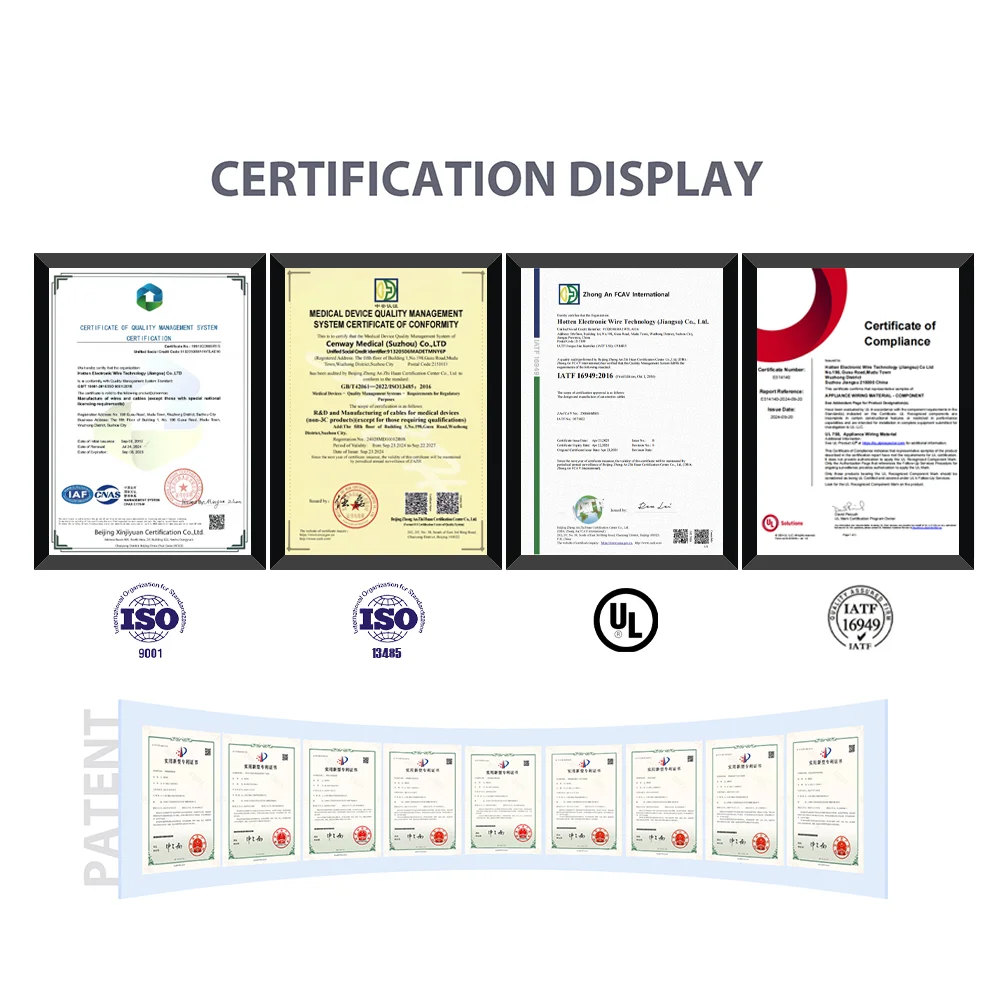
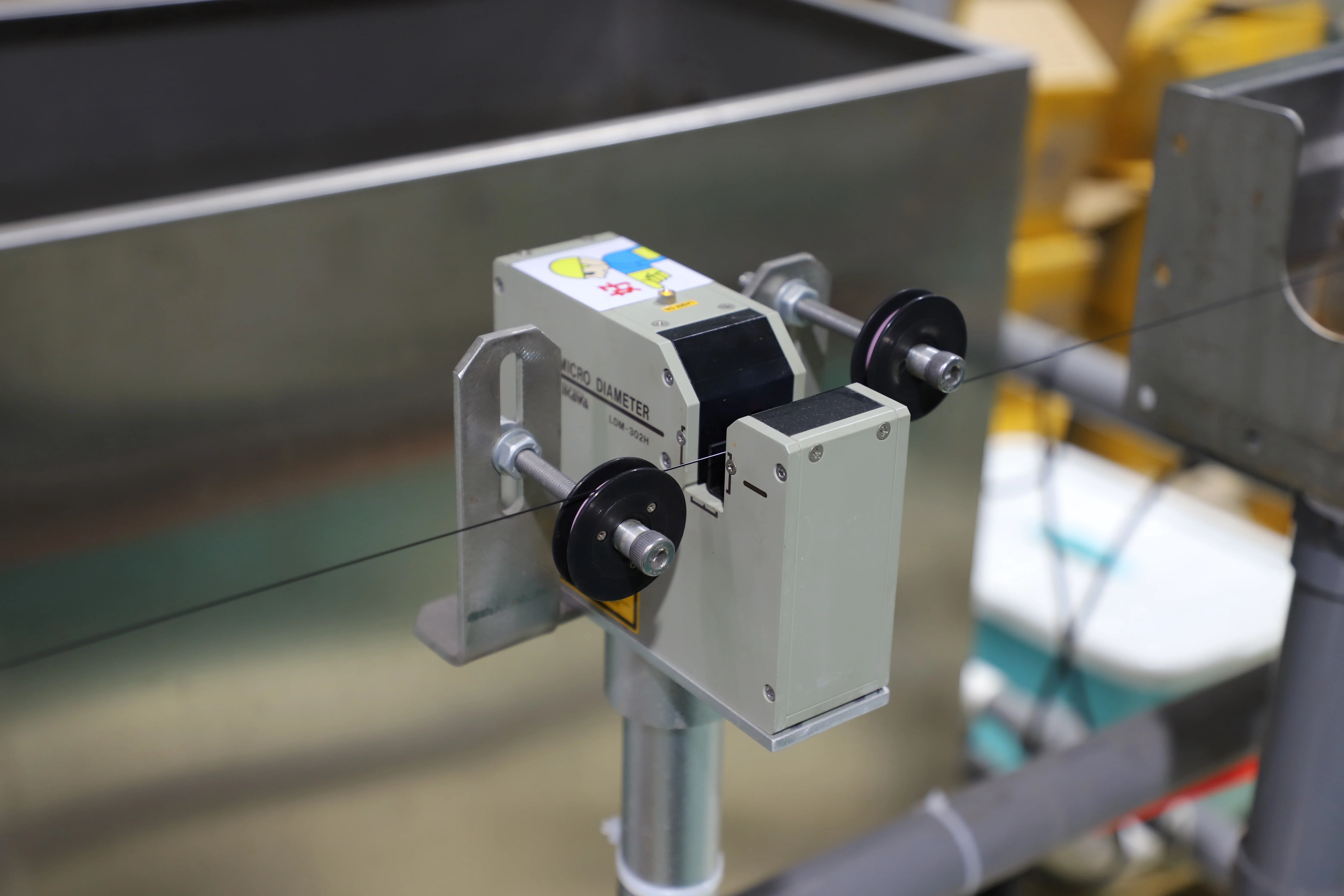
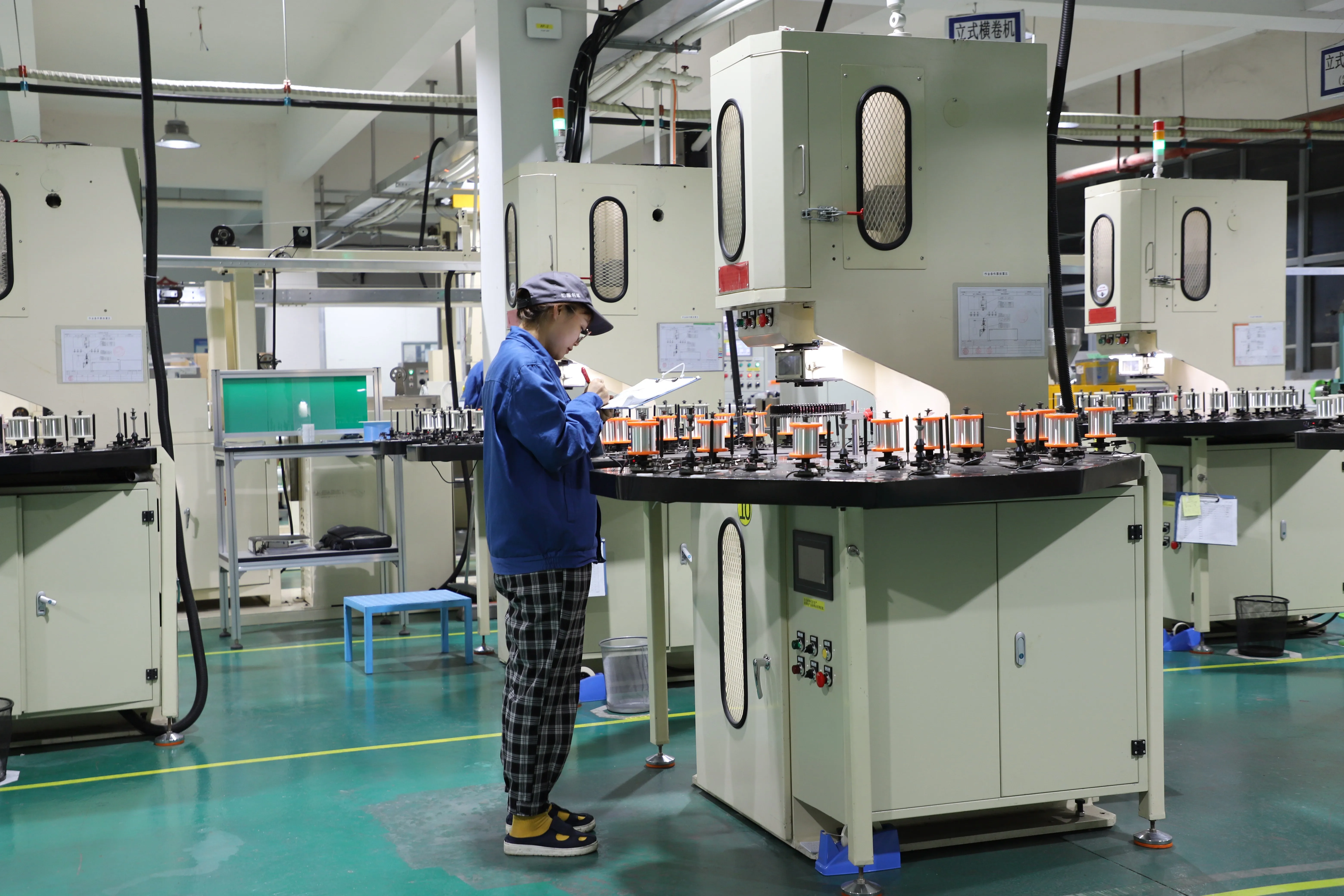
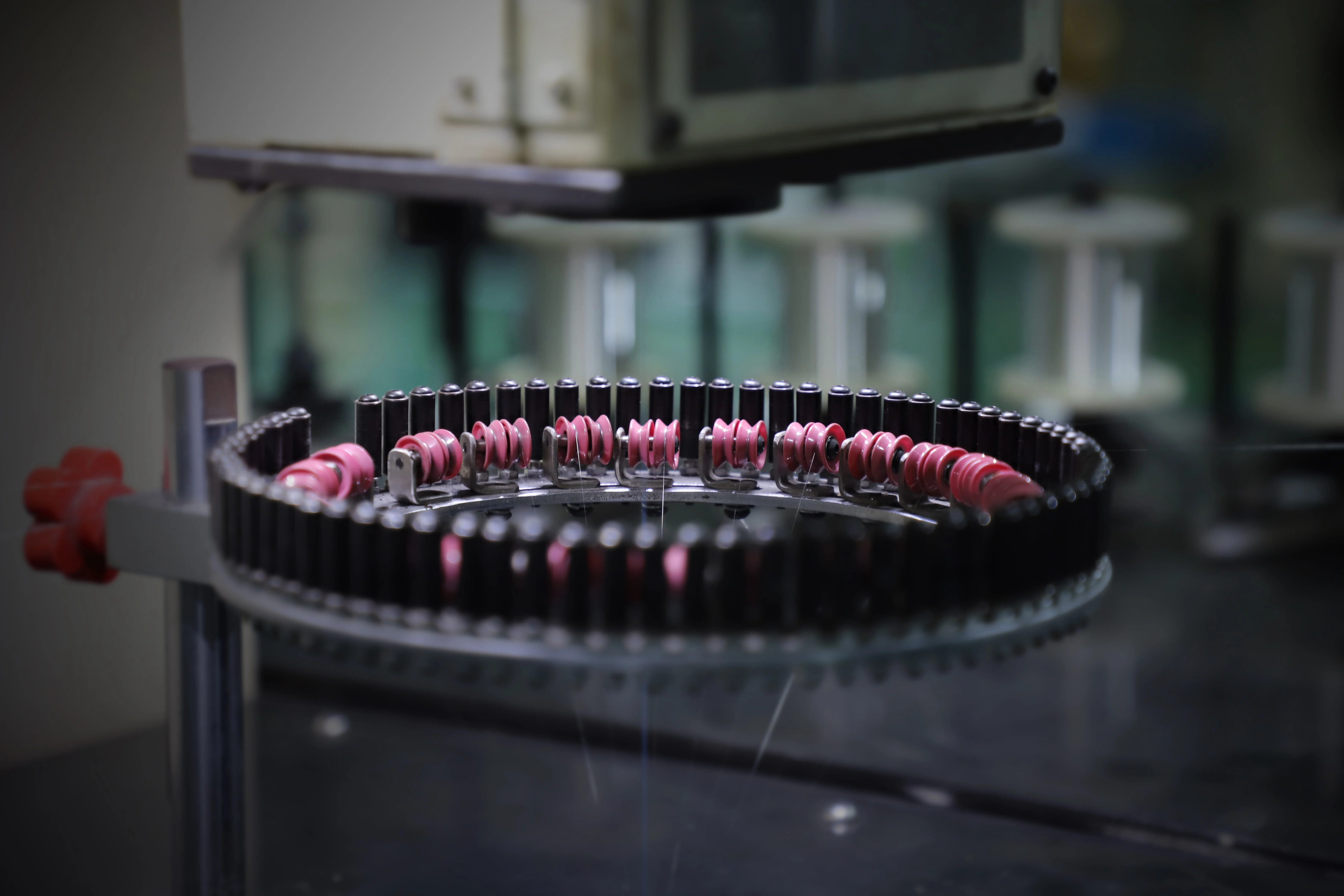
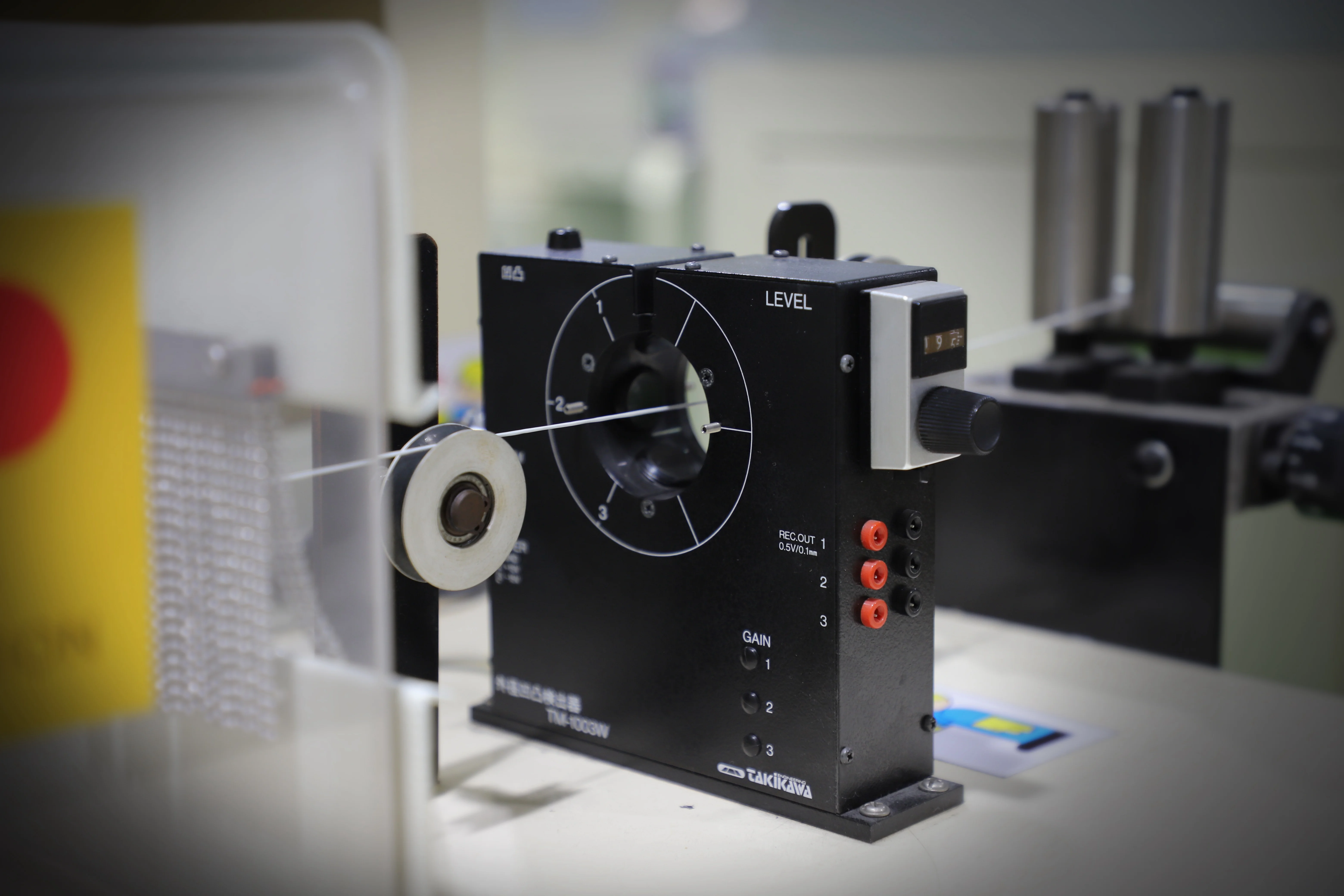
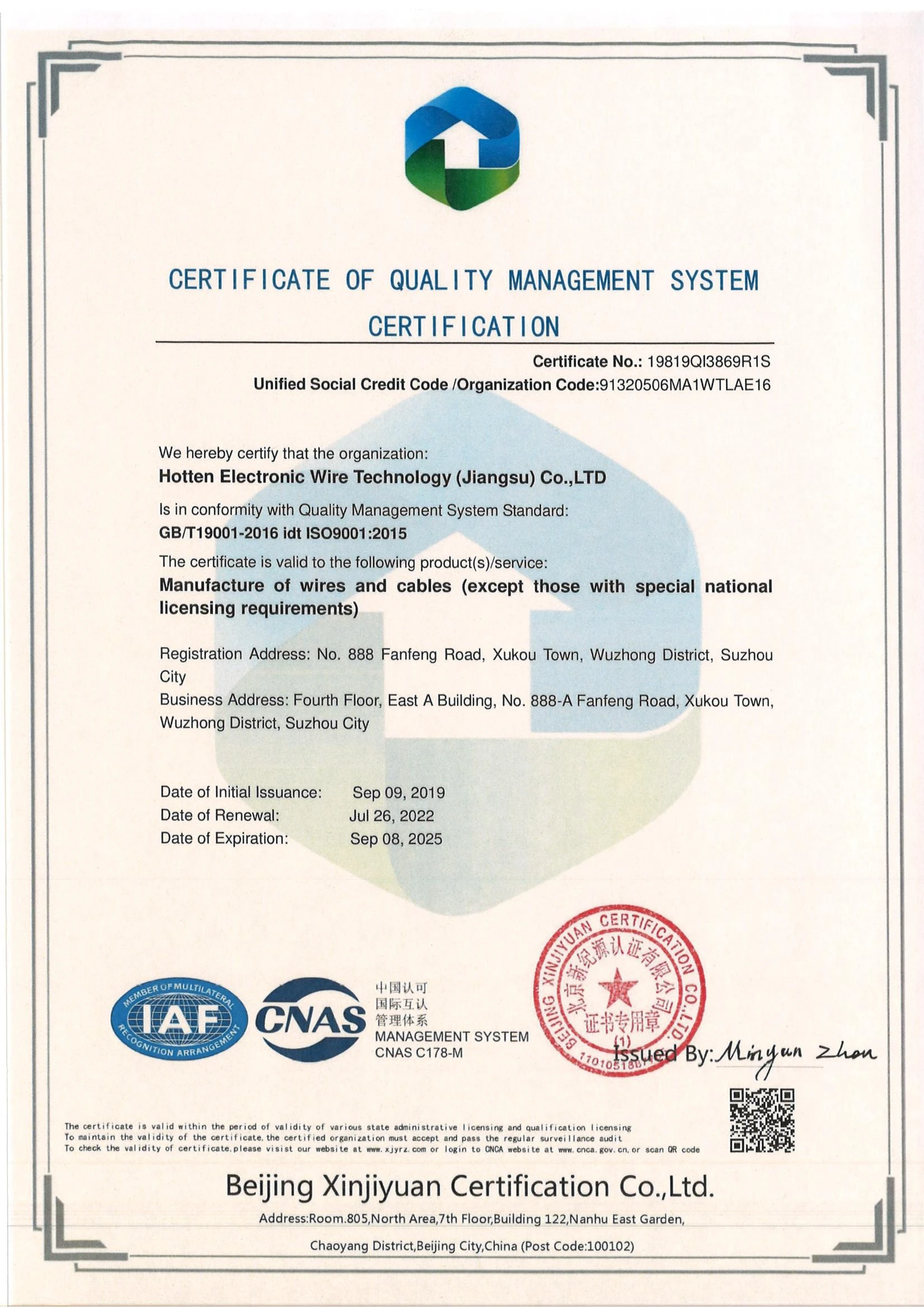
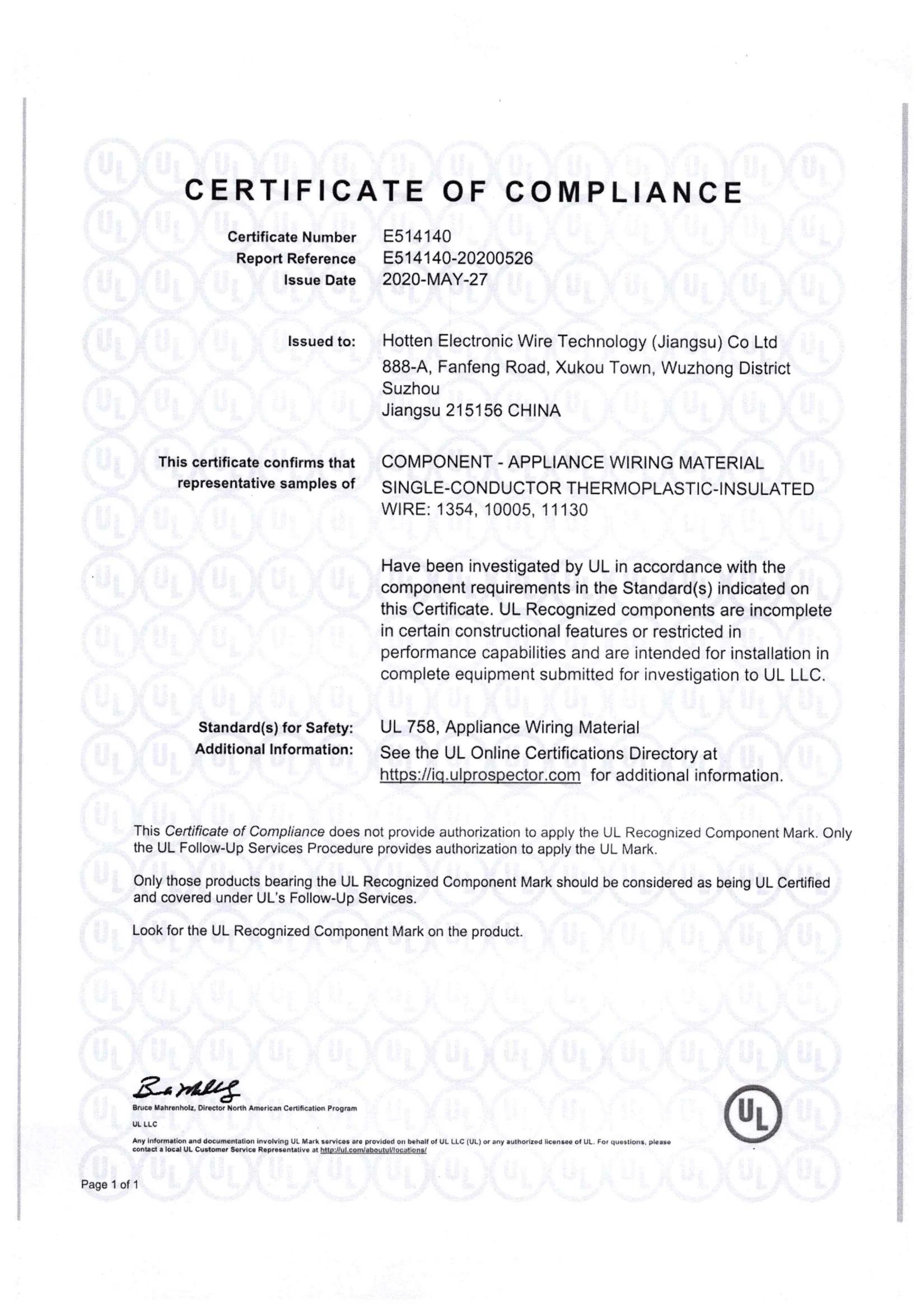
Hotten Electronic Wire Technology(jiangsu)Co.,LTD founded in 2018, is located in Suzhou, Jiangsu Province, enjoying convenient transportation and beautiful environment. Our company covers an area of 5000 square meters, the number of employees is 52. We are mainly engaged in cable development, sales and service. Our company has rich experience in the wire and cable industry. The main products include high-speed transmission cables, cables for medical equipment,Micro Coaxial Cable, special composite multi-core cables, Micro electronic wires. In addition, we are also committed to developing new products to meet the different requirements of different customers. In addition, we also obtained ISO9001 and UL certificates, through the network analyzer, voltage tester, tensile testing machine, bending testing machine, aging testing machine equipment to strictly control the quality of products. We adhere to the principle of mutual benefit and enjoy a good reputation among our customers because we provide professional service, high quality products as well as competitive prices. Warmly welcome domestic and foreign customers to cooperate with us to achieve common success.
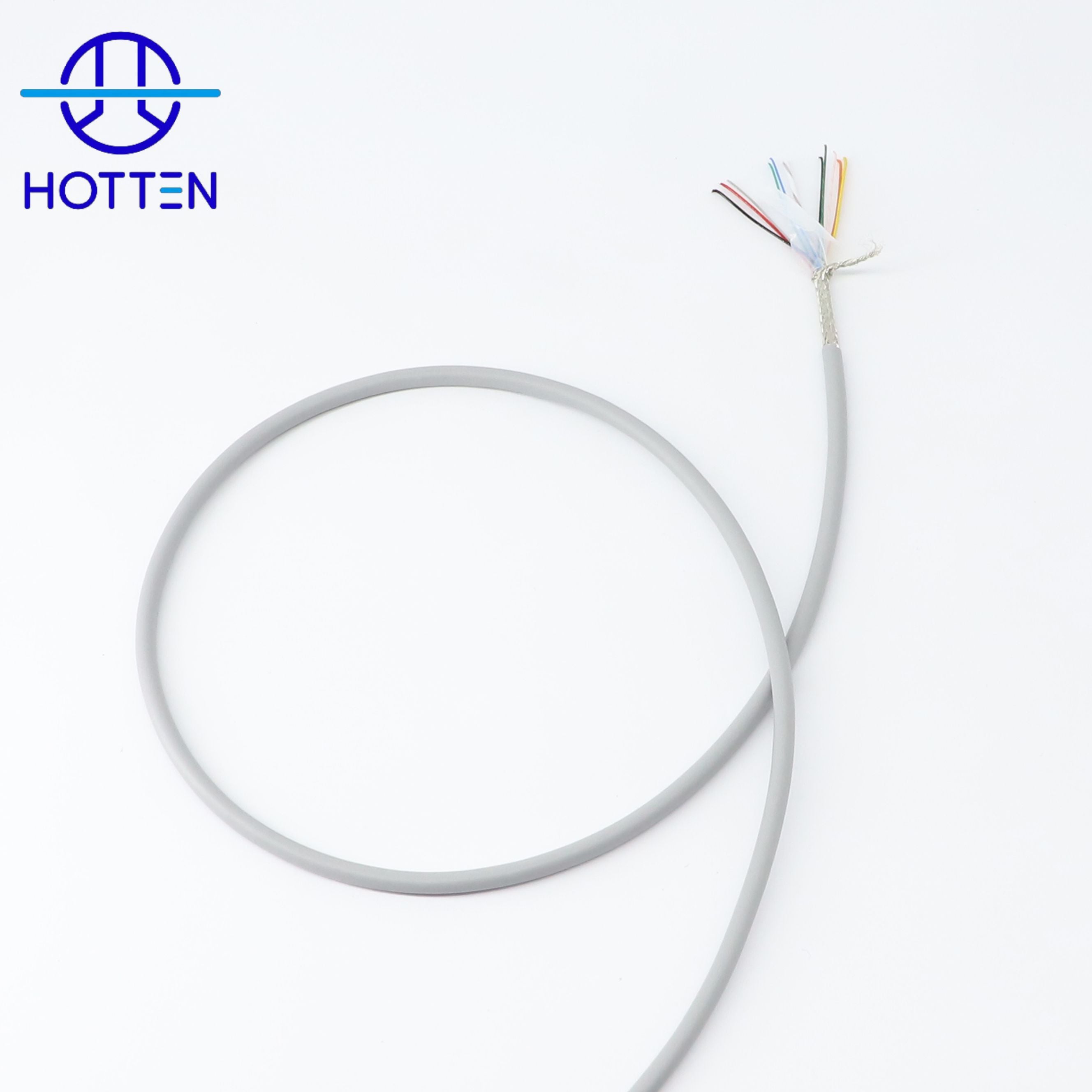
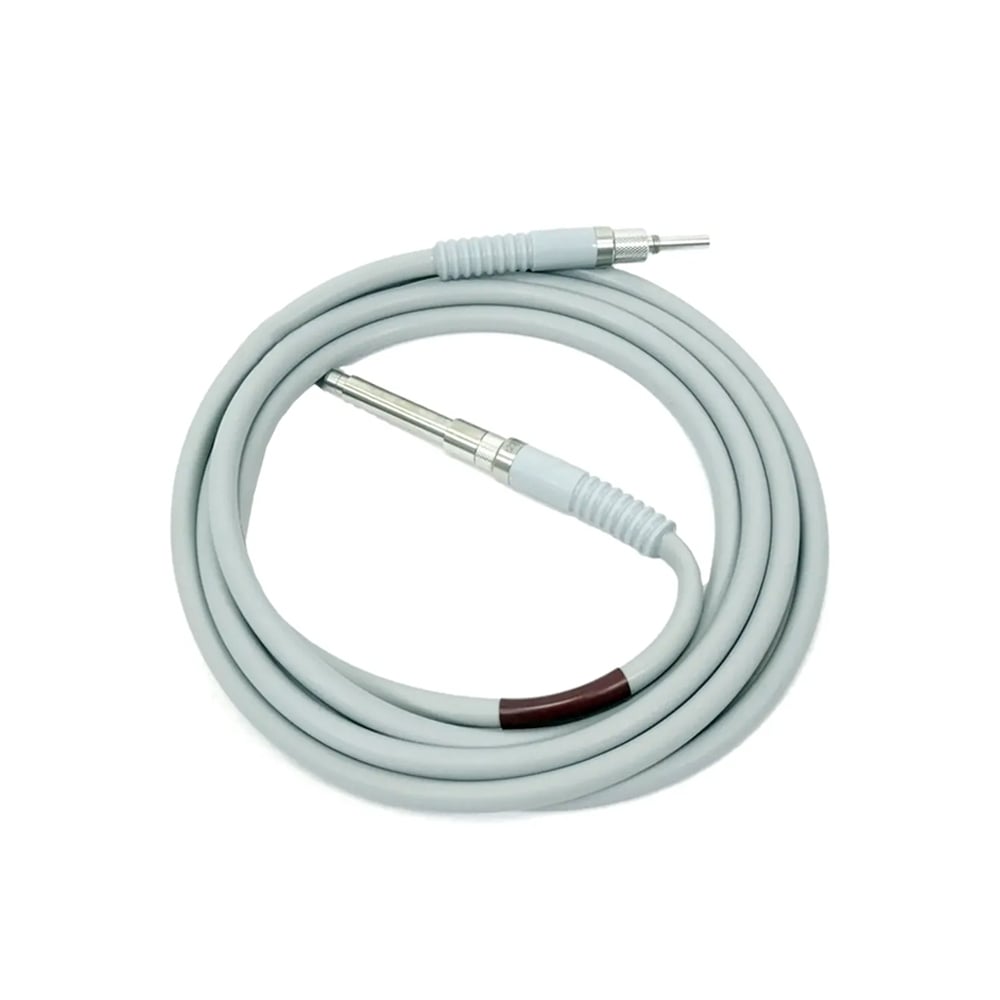
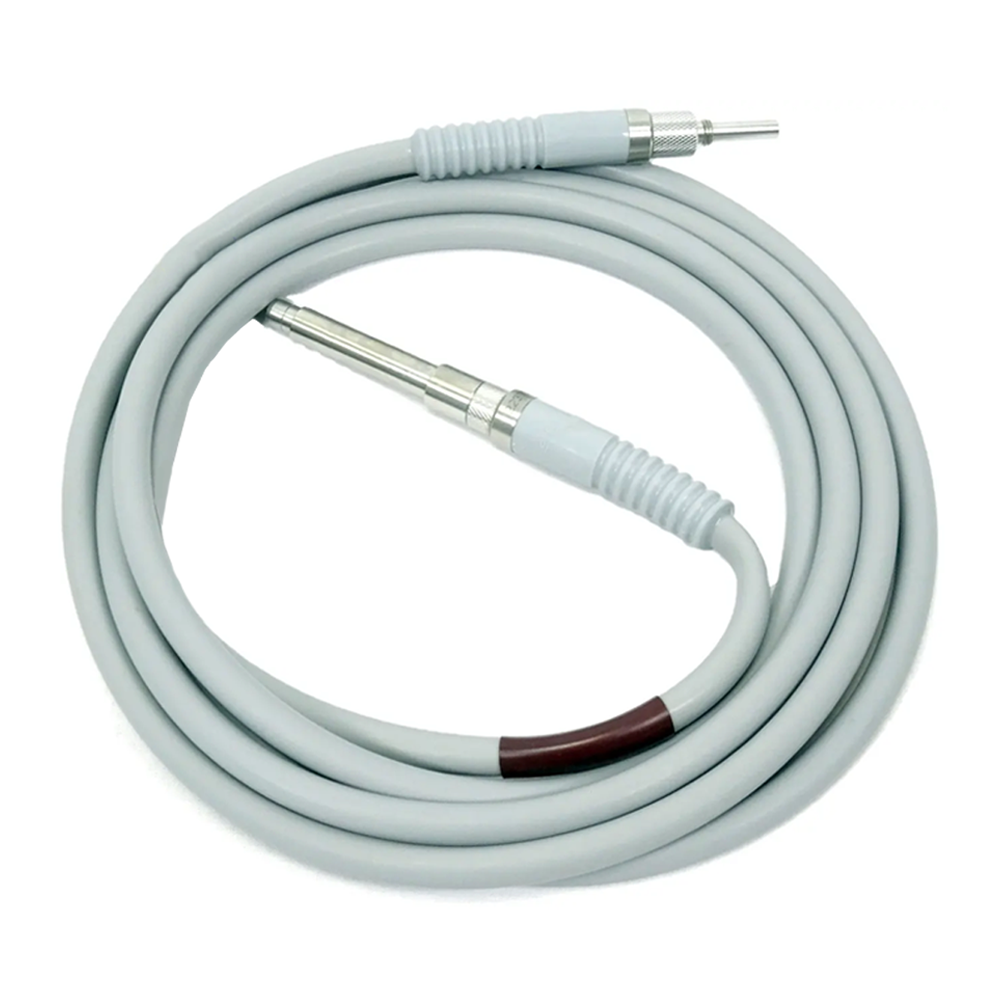
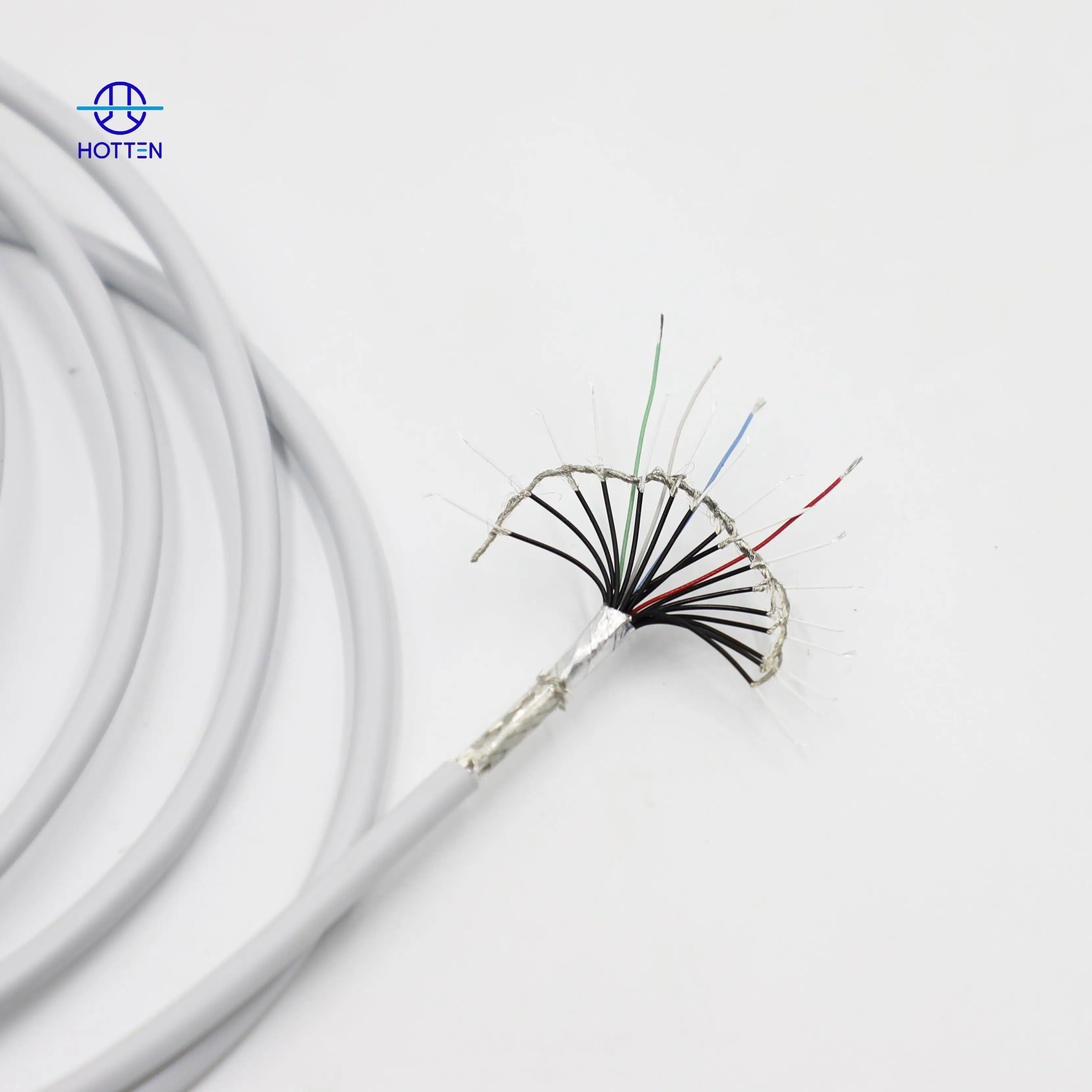
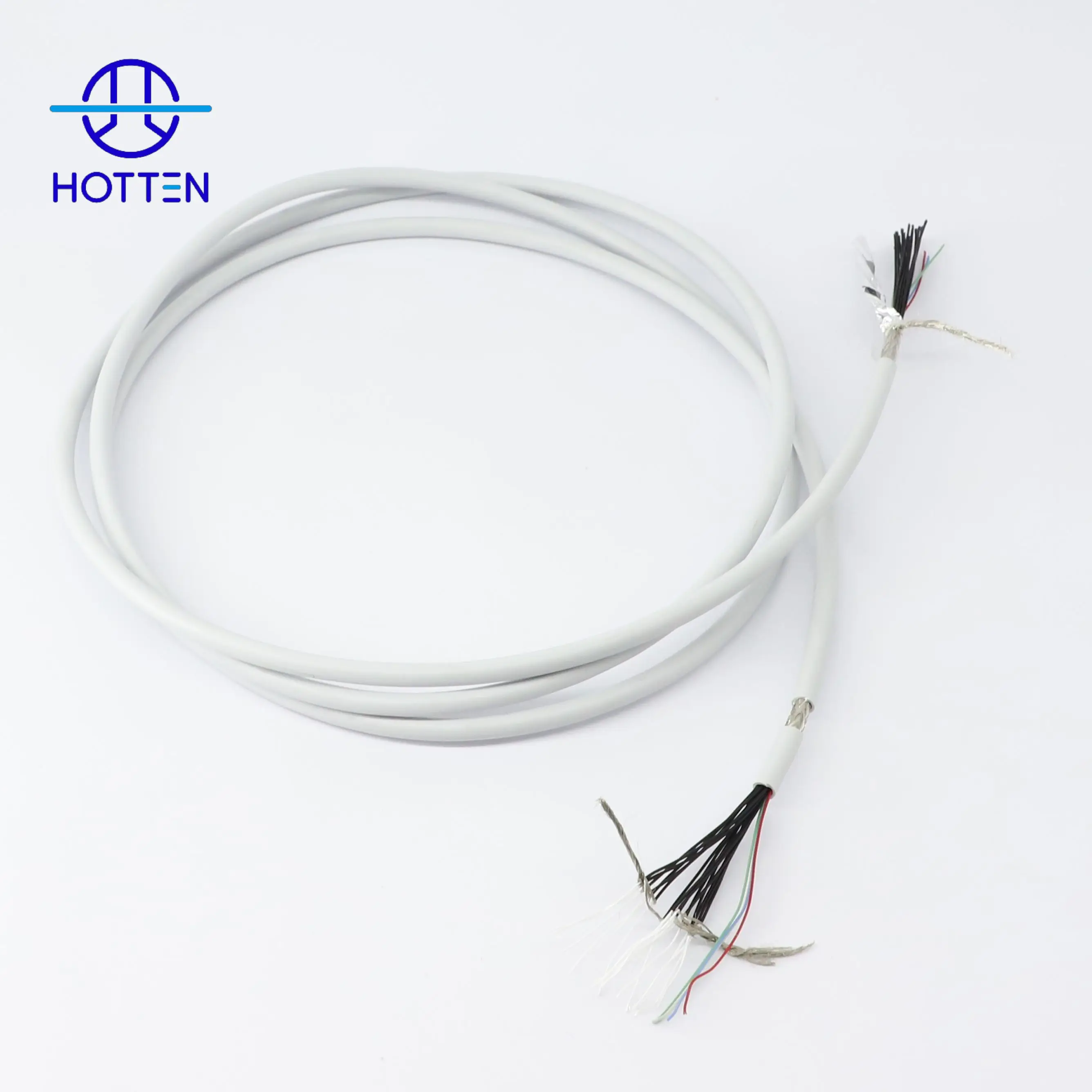
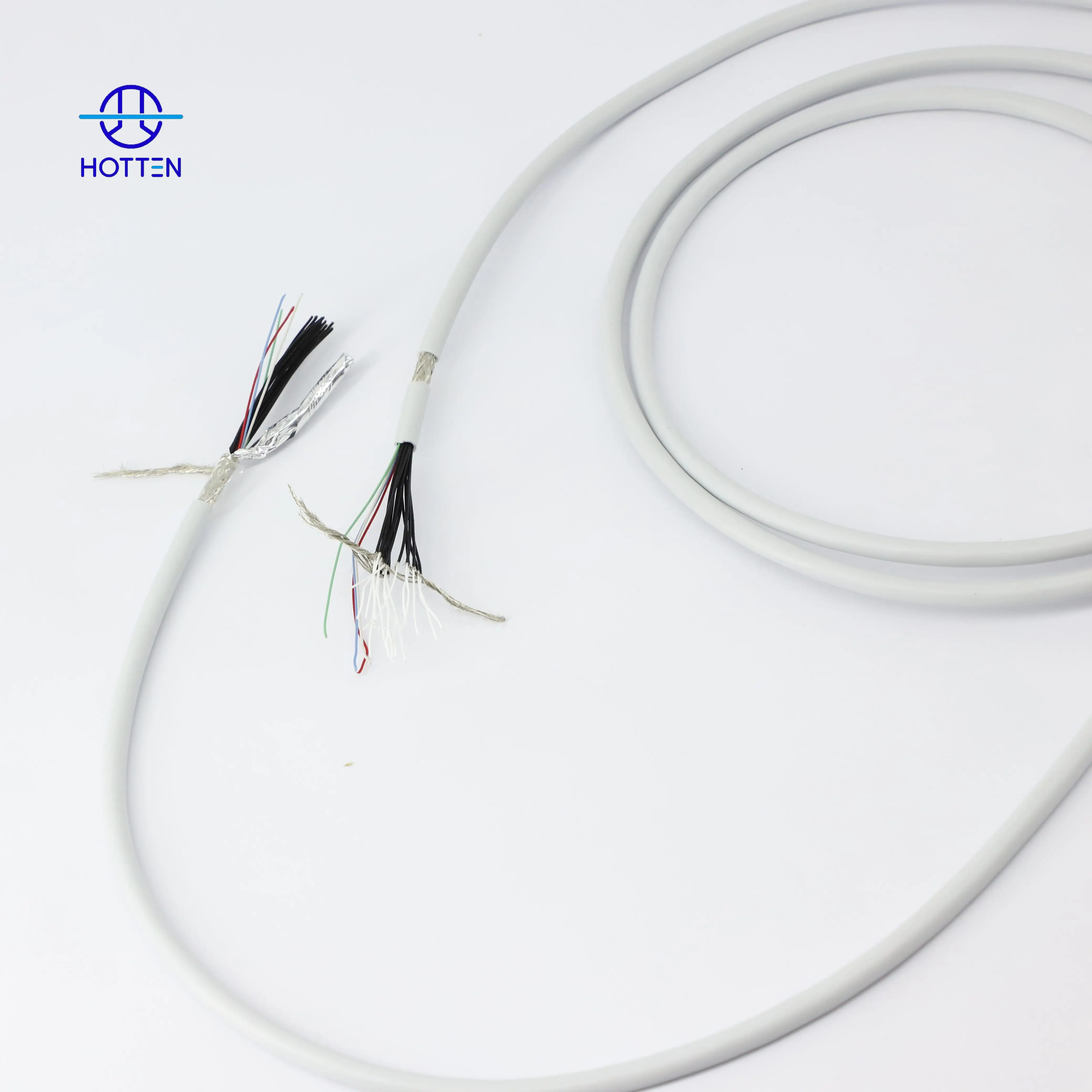
20-Core TPU Material Endoscope Handle Cable Precision Design for Accurate Imaging 20C(3PX36AWG+4X35AWG+10X32AWG)
|
Model
|
20C(3P×36AWG+4×35AWG+10×32AWG)
|
|
Size
|
OD=5.5mm
|
|
Color
|
Grey
|
|
Insulation material
|
PFA
|
|
Conductor material
|
Silver plated copper
|
|
Sheath material
|
PV
|
- Overview
- Recommended Products
Function of each conductor group
Signal channels
Differential or paired circuits, where applicable
Power circuits
Ground / return
Control lines
Auxiliary connections
Pin assignment
AWG for each conductor group
Conductor material
Plating
Stranding structure
Electrical function
Required flexibility
Insulation specification
Number of pairs
Pair assignment
Differential or paired signal function
Ground / return arrangement
Required electrical characteristics
Connector contact assignment
Circuit function
Current requirement
Signal requirement
Conductor material
AWG
Insulation
Pin assignment
Required flexibility
Cable surface characteristics
Mechanical handling
Cleaning conditions
Operating environment
Cable diameter
Bending requirements
Strain relief
Available routing space
Cable entry location
Cable exit direction
Connector dimensions
Strain-relief requirements
Minimum bending radius
Repeated movement
Internal clearance around imaging components
Conductor configuration
Paired conductor arrangement
Cable length
Insulation structure
Shielding
Connector termination
Pin assignment
Grounding
Internal routing
Sensitive signal channels
Shielding structure
Shield material
Shield coverage
Grounding method
Shield termination
Connector-side shield continuity
EMI requirements
Target OD
Maximum allowable OD
OD tolerance
Routing clearance
Connector entry dimensions
Minimum bending radius
Strain-relief dimensions
Static or dynamic bending
Minimum bending radius
Repeated movement
Handle movement
Assembly handling
Cable routing path
Required softness
Long-term mechanical requirements
Connector manufacturer
Connector series
Part number
Contact count
Pitch
Pin assignment
Connector orientation
Mating interface
Termination method
Strain relief
Overmolding requirements, where applicable
Core count
Mixed AWG configuration
Pair configuration
Conductor material
Insulation
Shielding
TPU jacket
Cable diameter
Cable length
Connector
Pin assignment
Termination
Prototype samples
Mass-production configuration
Endoscope model / application
20-core configuration
3P×36AWG + 4×35AWG + 10×32AWG conductor arrangement
Conductor material
Insulation requirement
Shielding requirement
TPU jacket requirement
Target OD
OD tolerance
Cable length
Flexibility requirements
Connector part number
Pinout
Termination drawing
Prototype quantity
Expected production volume
Required testing
Cleaning / disinfection requirements
Products Description
20 Core TPU Flexible Endoscope Handle Cable for Medical Imaging Systems
Product Overview
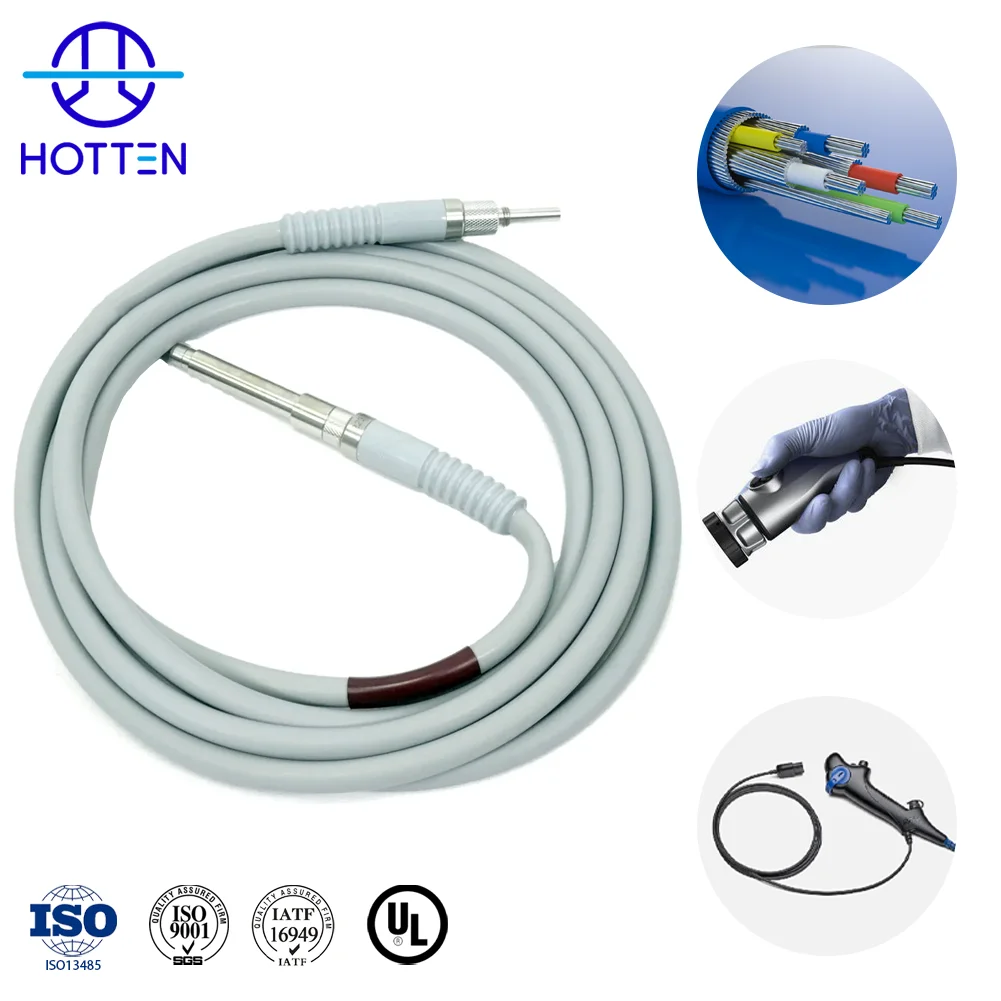
✨ HOTTEN 20 Core TPU Endoscope Handle Cable is a high-density customized medical cable designed for advanced endoscopic imaging systems and precision medical equipment.
With a multi-core structure combining different AWG wire configurations, this cable supports complex signal transmission, power supply and control requirements within compact medical devices.
The TPU outer jacket provides excellent flexibility, durability and resistance to repeated bending, making it suitable for demanding medical applications requiring reliable performance and long service life.
✨ Key Features
🔹 High Density 20 Core Configuration
Designed with multiple conductors and customized wire combinations to support complex medical equipment requirements.
🔹 Flexible TPU Jacket
TPU material provides:
✓ Excellent flexibility
✓ Good abrasion resistance
✓ Strong mechanical durability
✓ Long-term bending reliability
🔹 Customized Cable Structure
HOTTEN supports customization including:
✓ Core numbers
✓ AWG combinations
✓ Conductor materials
✓ Shielding structure
✓ Jacket materials
✓ Cable dimensions
✓ Connector assembly
🔹 Reliable Signal Transmission
Optimized internal structure helps maintain stable signal transmission for high-resolution medical imaging applications.
Applications
This 20 Core Medical Endoscope Cable can be used for:
🔹 Medical Endoscopy Systems
🔹 HD Endoscope Imaging Equipment
🔹 Surgical Imaging Devices
🔹 Medical Camera Systems
🔹 Industrial Endoscope Equipment
🔹 Precision Inspection Systems
Custom Medical Cable Manufacturing
HOTTEN specializes in customized medical cable solutions for OEM and ODM customers.
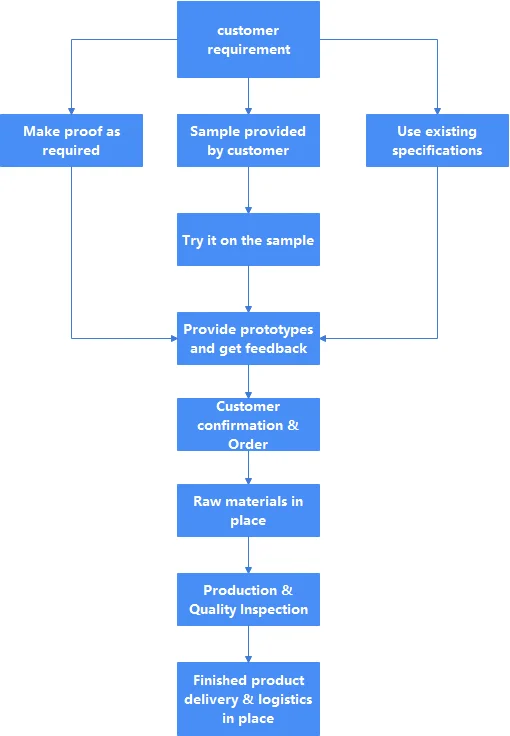
Our engineering team supports cable development from prototype to mass production, including:
✓ Cable structure design
✓ Material selection
✓ Sample development
✓ Customized assembly
✓ Mass production support
With professional cable manufacturing equipment and quality management systems, HOTTEN provides reliable cable solutions for medical and precision electronic applications.
Engineering & Procurement Considerations
What Engineers Should Consider When Selecting a 20-Core TPU Endoscope Handle Cable
A multi-core endoscope handle cable connects the endoscope handle, imaging components and supporting electronics within a medical endoscope system. For compact imaging equipment, cable selection should balance core count, mixed conductor sizes, flexibility, signal transmission, cable diameter, jacket material and connector integration.
This configuration is defined by a 20-core structure with 3P×36AWG + 4×35AWG + 10×32AWG conductors and a TPU outer construction, making the allocation of different conductor groups an important part of the engineering design.
Published Product Configuration
| Item | Specification |
|---|---|
| Product Type | Medical Endoscope Handle Cable |
| Core Configuration | 20C |
| Conductor Configuration | 3P×36AWG + 4×35AWG + 10×32AWG |
| Jacket Material | TPU |
| Application | Endoscope / Medical Imaging |
| Cable Structure | Multi-Core Cable |
| Cable Diameter | Customized |
| Cable Length | Customized |
| Connector / Termination | Customized |
The 20C + TPU + mixed 36AWG / 35AWG / 32AWG combination should be retained as the primary technical identity for this product.
Key Engineering Requirements
| Engineering Requirement | Key Considerations |
|---|---|
| 20-Core Configuration | Total core count should match the endoscope's signal, power, control and auxiliary circuits. |
| Mixed AWG Structure | Different conductor groups should be assigned according to their electrical functions. |
| 36AWG Signal Group | The 3P×36AWG group can be allocated to specified signal or paired circuits according to the system design. |
| 35AWG Conductors | The 4×35AWG group may be used for circuits requiring a different conductor size. |
| 32AWG Conductors | The 10×32AWG group provides a different conductor size for power, signal or other system requirements. |
| TPU Jacket | TPU can provide a flexible outer construction for cable routing and handling requirements. |
| Signal Integrity | Conductor arrangement, insulation, shielding, cable length and termination should be considered together. |
| Mechanical Flexibility | Cable construction should accommodate routing around the endoscope handle and imaging assembly. |
| Connector Compatibility | Connector model, pinout and termination should match the target endoscope system. |
| Manufacturing Consistency | Each conductor group must remain correctly identified, positioned and terminated throughout production. |
20-Core Mixed-Gauge Configuration
The most distinctive feature of this cable is the conductor arrangement:
3P×36AWG + 4×35AWG + 10×32AWG
This should not be treated as simply “20 cores.” The different wire groups should be mapped to their actual electrical functions.
Engineering teams should define:
A complete cable drawing and wiring diagram are recommended before prototype production.
36AWG / 35AWG / 32AWG Selection
The use of three different conductor sizes in one cable provides a useful engineering entity:
Mixed-Gauge Endoscope Cable
Customers should provide:
The final conductor allocation should follow the approved customer drawing rather than being inferred from the product title.
Paired 36AWG Configuration
The 3P×36AWG portion should be clearly identified in the cable drawing.
Customers should clarify:
Where paired signal transmission is involved, cable geometry and termination should be evaluated together with the customer interface specification.
32AWG Conductor Considerations
The 10×32AWG group provides a larger conductor size than the 35AWG and 36AWG groups.
Depending on the actual system architecture, the 32AWG conductors may be assigned to circuits with different electrical or mechanical requirements.
Procurement teams should specify:
The exact application of each conductor must come from the customer's electrical design.
TPU Jacket Considerations
TPU is the main material entity associated with this product's outer construction.
When selecting TPU, engineers should define:
The TPU jacket should be evaluated together with the mixed-gauge internal construction because the conductor combination influences overall flexibility and cable dimensions.
Endoscope Handle Integration
The cable must fit the physical architecture of the endoscope handle.
Engineering teams should define:
For a precision imaging device, the cable should be designed around the actual handle geometry rather than simply selecting a standard 20-core cable.
Signal Integrity Considerations
For HD or precision imaging systems, the cable should be evaluated as part of the entire signal path.
Relevant parameters may include:
Where the customer has specific signal-integrity or transmission requirements, those specifications should be included in the RFQ or cable drawing.
Shielding and EMI Considerations
Whether shielding is required should be determined from the actual electrical architecture.
Customers should clarify:
For a mixed-gauge endoscope cable, shielding and conductor allocation should be designed together.
Cable Diameter Considerations
The overall diameter of the finished cable depends on:
20C + Mixed AWG + Insulation + Shielding + TPU Jacket
Customers should specify:
A compact diameter must be balanced with the required flexibility and electrical construction.
Flexibility Considerations
The product is positioned as a precision endoscope handle cable, so flexibility can be an important mechanical requirement.
Procurement teams should define:
The different conductor sizes should be considered because mixed-gauge construction can affect the overall cable bending behavior.
Connector and Termination Considerations
For a 20-core endoscope cable, accurate termination is critical.
Customers should provide:
The pinout should clearly identify each 36AWG, 35AWG and 32AWG conductor group.
Key Procurement Parameters
When sourcing this 20C TPU endoscope handle cable, procurement teams should confirm:
| Procurement Item | Recommended Information |
|---|---|
| Application | Medical Endoscope / Imaging |
| Cable Type | Endoscope Handle Cable |
| Core Count | 20C |
| Conductor Configuration | 3P×36AWG + 4×35AWG + 10×32AWG |
| Conductor Material | Required material / plating |
| Insulation | Required material |
| Shielding | Required structure |
| Jacket | TPU |
| Cable Diameter | Target / maximum allowable OD |
| OD Tolerance | Required tolerance |
| Cable Length | Finished cable length |
| Flexibility | Bending / routing requirements |
| Connector | Manufacturer / model / part number |
| Pinout | Signal / power / ground assignment |
| Termination | Required termination method |
| Drawing | Cable / assembly drawing |
| Prototype Quantity | Engineering samples |
| Production Volume | Expected recurring quantity |
| Testing | Electrical, mechanical, dimensional and signal requirements |
| Cleaning | Cleaning / disinfection conditions, where applicable |
OEM Customization
HOTTEN supports customized medical endoscope cable development according to customer drawings and equipment requirements.
Customization may include:
For OEM projects, the cable can be developed around the customer's endoscope handle geometry and electrical architecture.
Supplier Evaluation Checklist
When evaluating a supplier for a 20-core mixed-gauge endoscope cable, procurement teams should consider:
① Mixed-Gauge Processing Capability
Can the supplier consistently manufacture and identify 36AWG, 35AWG and 32AWG conductor groups within one cable?
② Multi-Core Endoscope Cable Capability
Can the supplier maintain accurate conductor order and high-density assembly?
③ TPU Cable Manufacturing
Can the supplier provide the required flexible TPU jacket construction?
④ Signal and Shielding Capability
Can the supplier coordinate sensitive signal paths, shielding and grounding requirements?
⑤ Connector Assembly
Can the supplier accurately terminate the required connector and pinout?
⑥ Prototype-to-Mass-Production Support
Can the supplier support engineering samples and recurring production?
Recommended RFQ Information
For faster engineering evaluation and quotation, customers are recommended to provide:
For this product, the most important RFQ combination is:
20C + 3P×36AWG + 4×35AWG + 10×32AWG + TPU + Cable OD + Connector + Pinout
HOTTEN Mixed-Gauge Endoscope Cable Engineering Support
HOTTEN provides customized multi-core endoscope handle cables for medical imaging and precision endoscope applications.
This product is differentiated by its 20-core mixed-gauge construction — 3P×36AWG + 4×35AWG + 10×32AWG — combined with a TPU outer construction, providing a specific cable architecture for applications requiring different conductor sizes within one compact endoscope connection cable.
For OEM development, customers can provide the endoscope drawing, wiring diagram, connector information and mechanical routing requirements for engineering evaluation and customized production.
Hot Products
Company Profile

Engineering & Procurement Considerations
Why does a 20-core structure help simplify an endoscope handle connection?
A 20-core cable integrates multiple electrical paths into one cable assembly, which can reduce the need for separate wires inside a compact endoscope structure. The actual core allocation should be determined according to the imaging system, power circuits, control signals, and interface requirements.
Why does this endoscope cable use 36AWG, 35AWG, and 32AWG conductors?
The combination of 3P×36AWG, 4×35AWG, and 10×32AWG provides different conductor sizes within one cable. This type of composite construction allows individual circuits to be designed according to their electrical requirements while maintaining an integrated cable structure.
How should engineers assign different conductor sizes in an endoscope cable?
Conductor size should be selected according to the function of each circuit, including signal transmission, power delivery, control connections, and other interface requirements. Engineers should establish the conductor assignment and pin mapping before finalizing the internal cable arrangement.
What role does TPU play in an endoscope handle cable?
TPU can be used as part of the cable's protective structure where flexibility, mechanical durability, and resistance to handling are important. The final material selection should be evaluated together with the required bending conditions, cable dimensions, routing path, and operating environment.
How can cable construction affect the installation of an endoscope handle?
A multi-core cable with several conductor sizes needs to be arranged within a limited mechanical space while maintaining the required flexibility and connection reliability. Cable geometry, conductor arrangement, insulation, outer diameter, bending radius, and connector position should therefore be considered as one integrated design.
What should be confirmed when developing a custom 20-core endoscope handle cable?
Before production, engineers should confirm the complete conductor configuration, AWG sizes, TPU material requirements, cable dimensions, length, connector interface, pin assignment, electrical characteristics, bending requirements, and termination method. Prototype samples should then be checked for both mechanical fit and electrical functionality before mass production.
About us: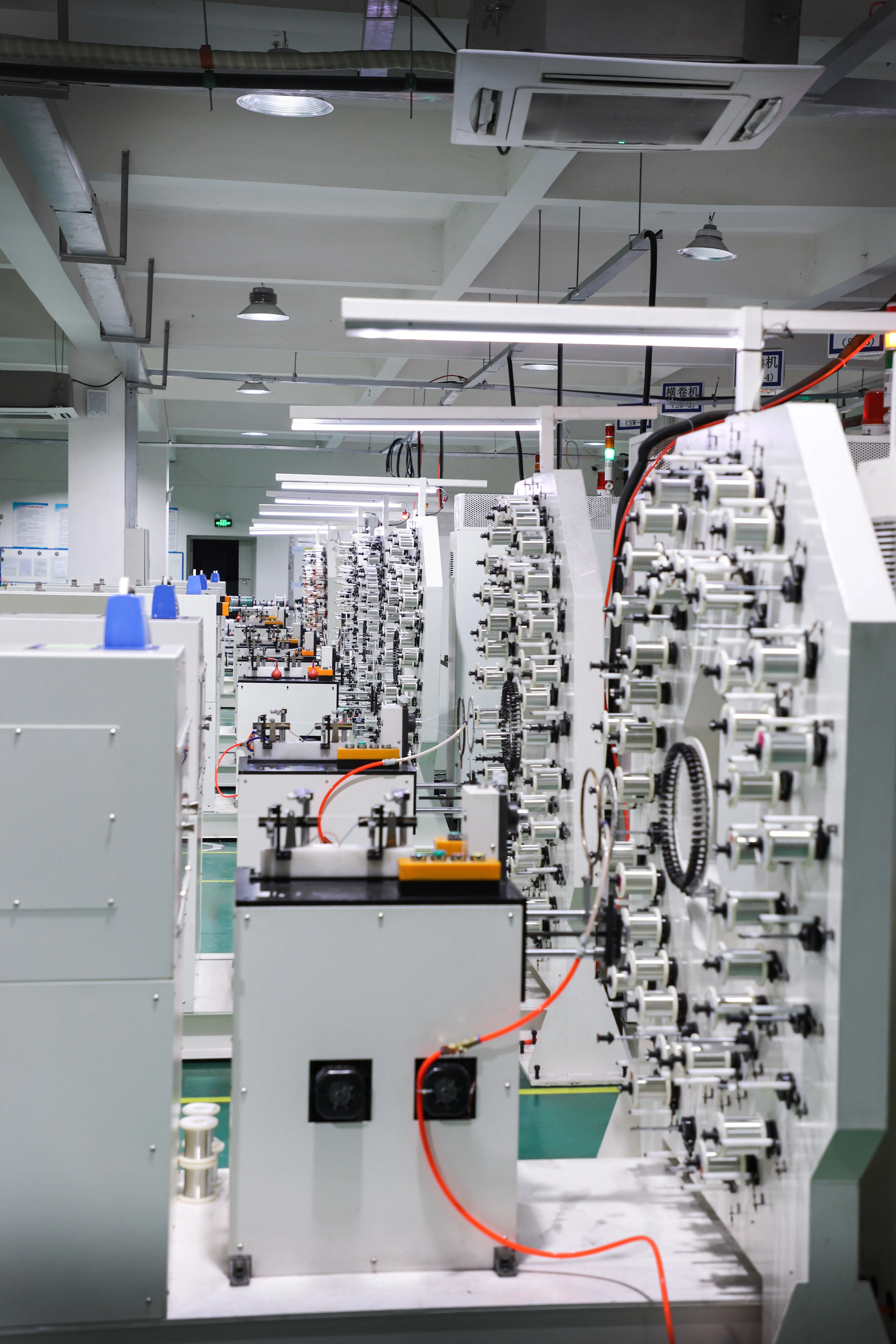
Our Advantages
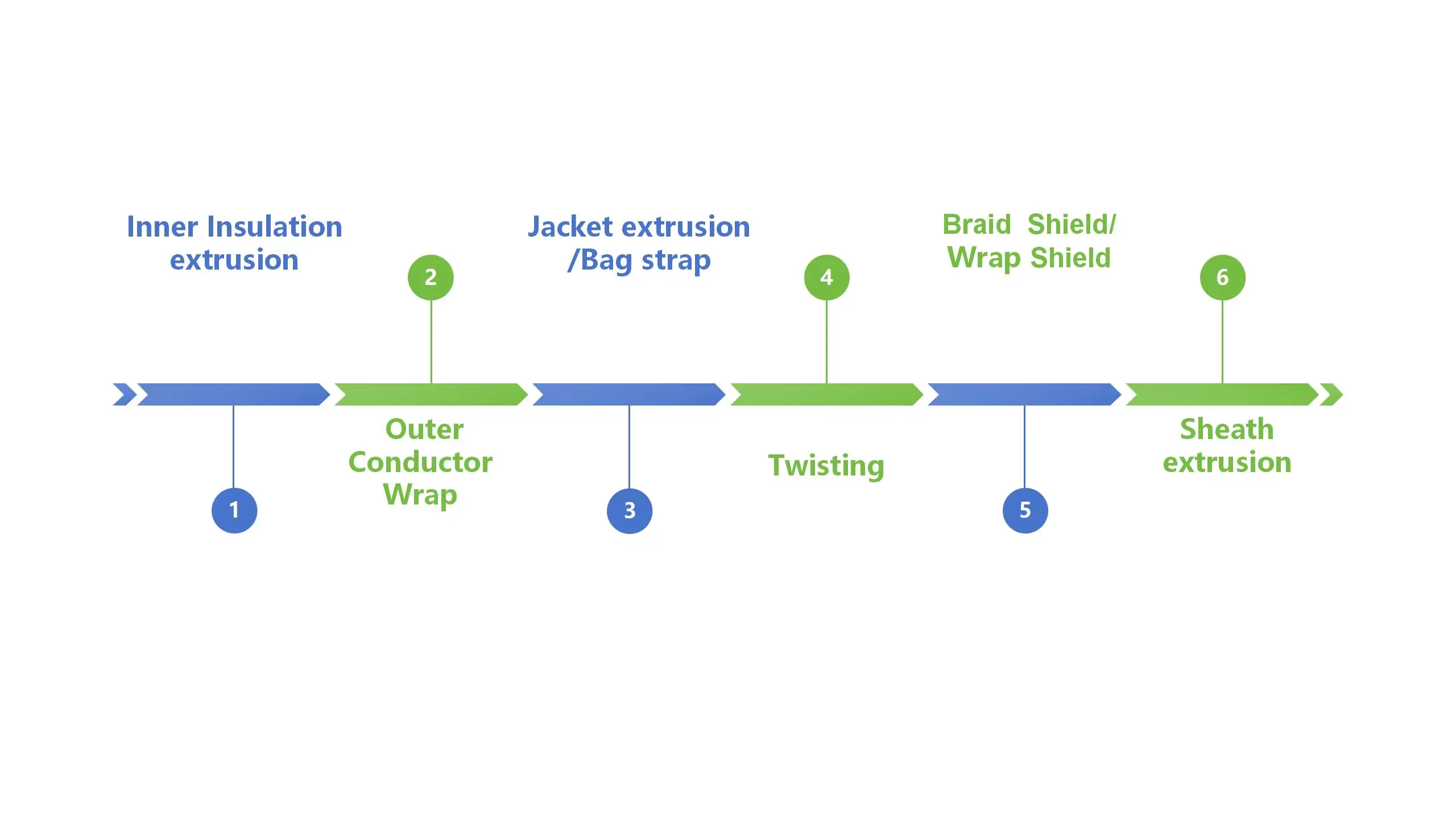
Production Process
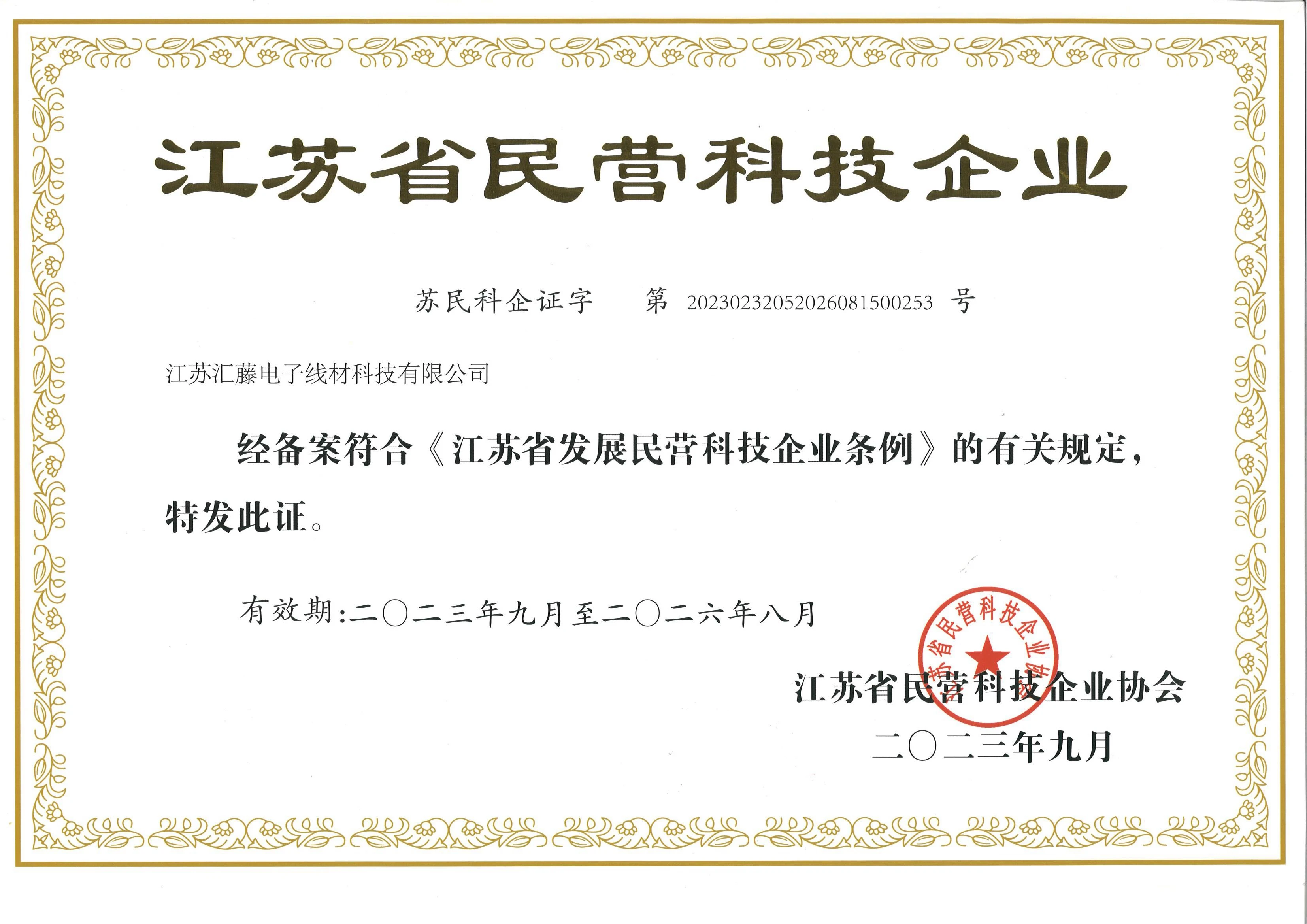
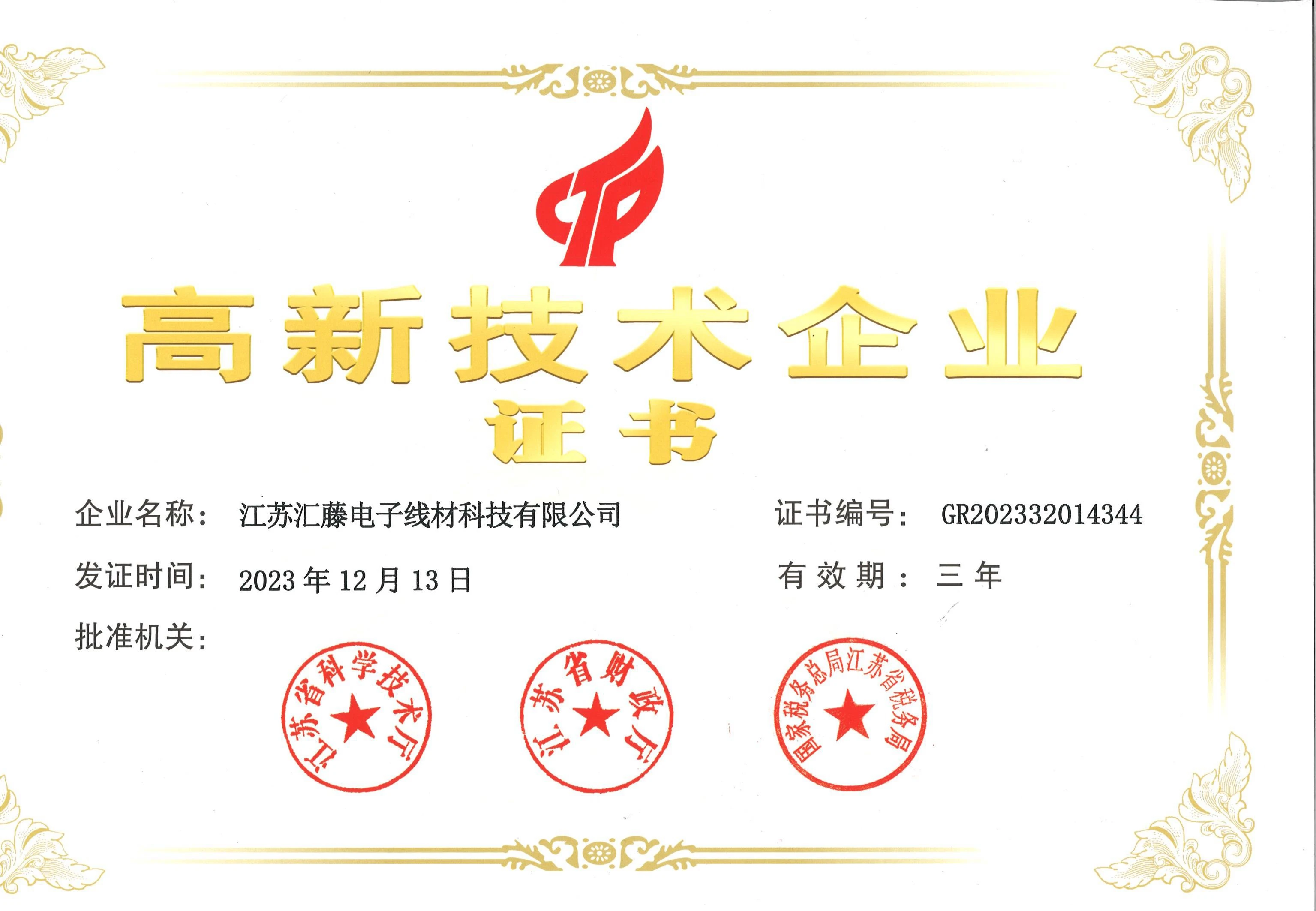
Certifications
Product packaging

FAQ
Why Choose HOTTEN
⭐ Professional micro cable and medical cable manufacturer
⭐ Customized multi-core cable solutions
⭐ Support complex AWG combinations
⭐ Experience in medical imaging cable development
⭐ ISO13485 / ISO9001 quality management capability
FAQ
Q1: Can HOTTEN customize 20 core endoscope cables?
Yes. HOTTEN provides customized solutions including core numbers, conductor sizes, shielding structures, jacket materials and connector assemblies.
Q2: Why use TPU material for endoscope cables?
TPU provides excellent flexibility, abrasion resistance and mechanical durability, making it suitable for medical cables requiring repeated movement and bending.
Q3: Can different AWG wires be combined in one cable?
Yes. Multi-AWG structures can be customized according to signal transmission, power and mechanical requirements.
Q4: What equipment uses medical endoscope handle cables?
They are commonly used in medical endoscopy systems, imaging equipment, surgical devices and precision inspection systems.