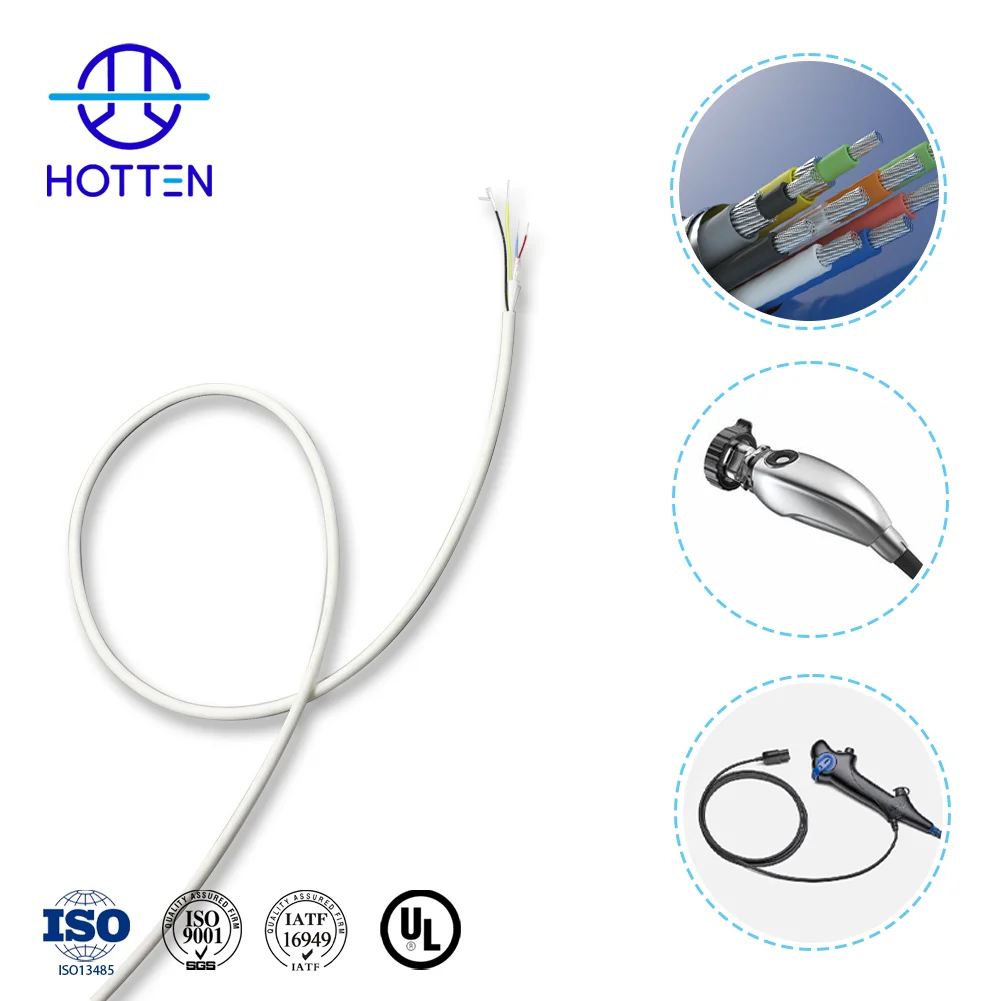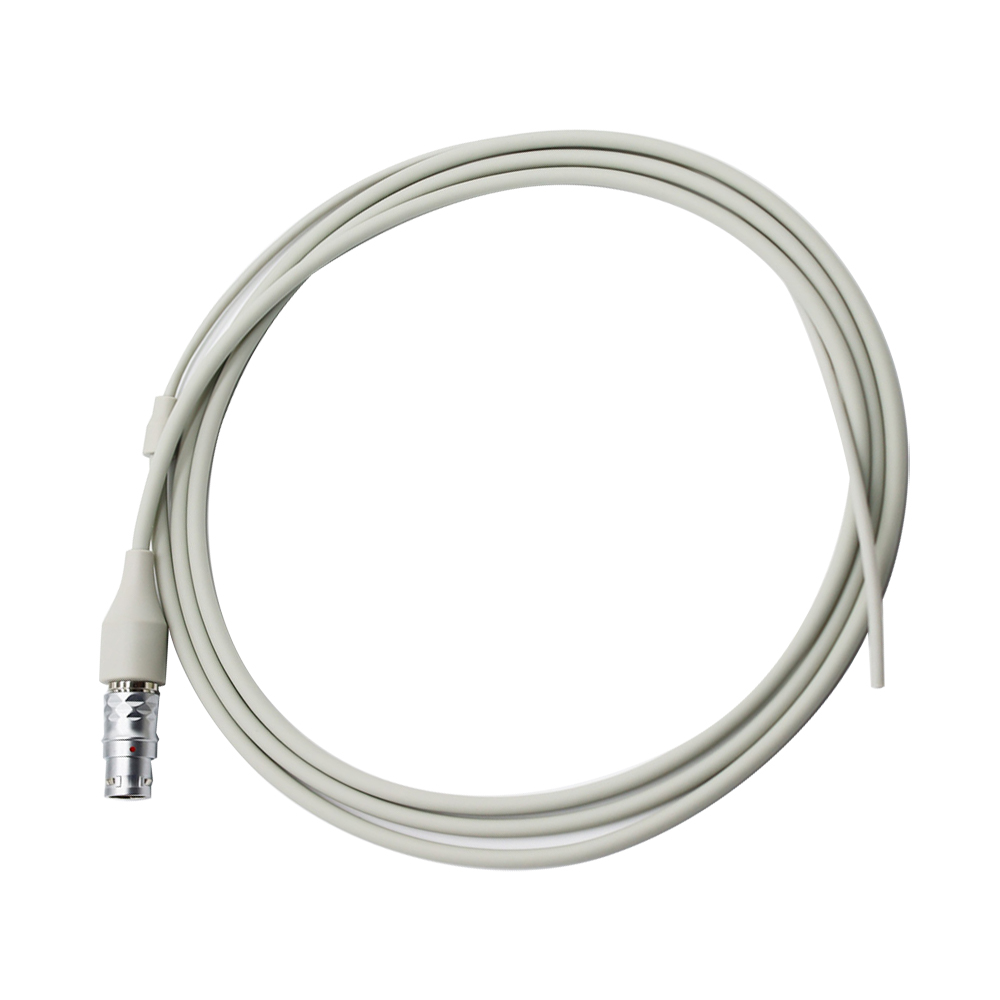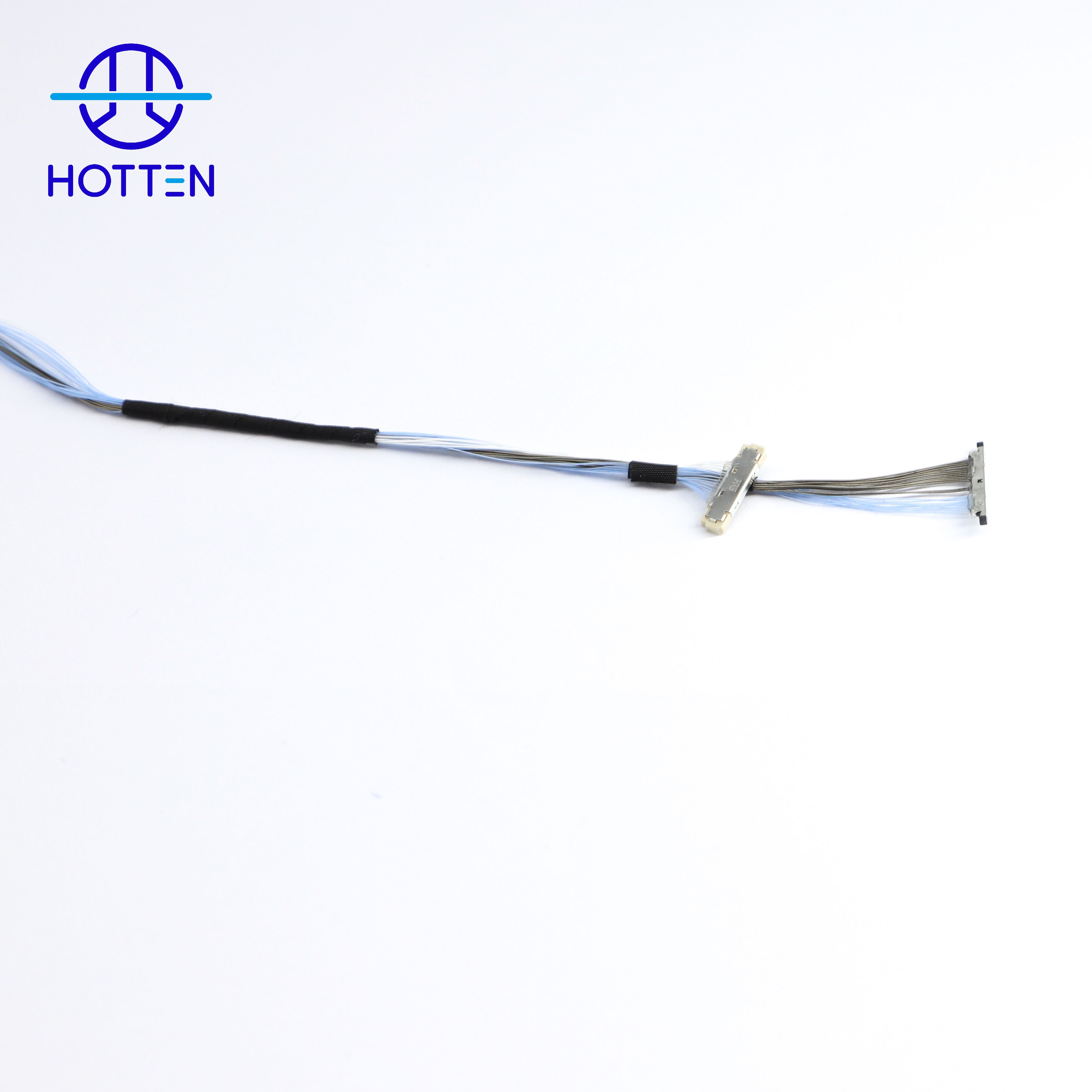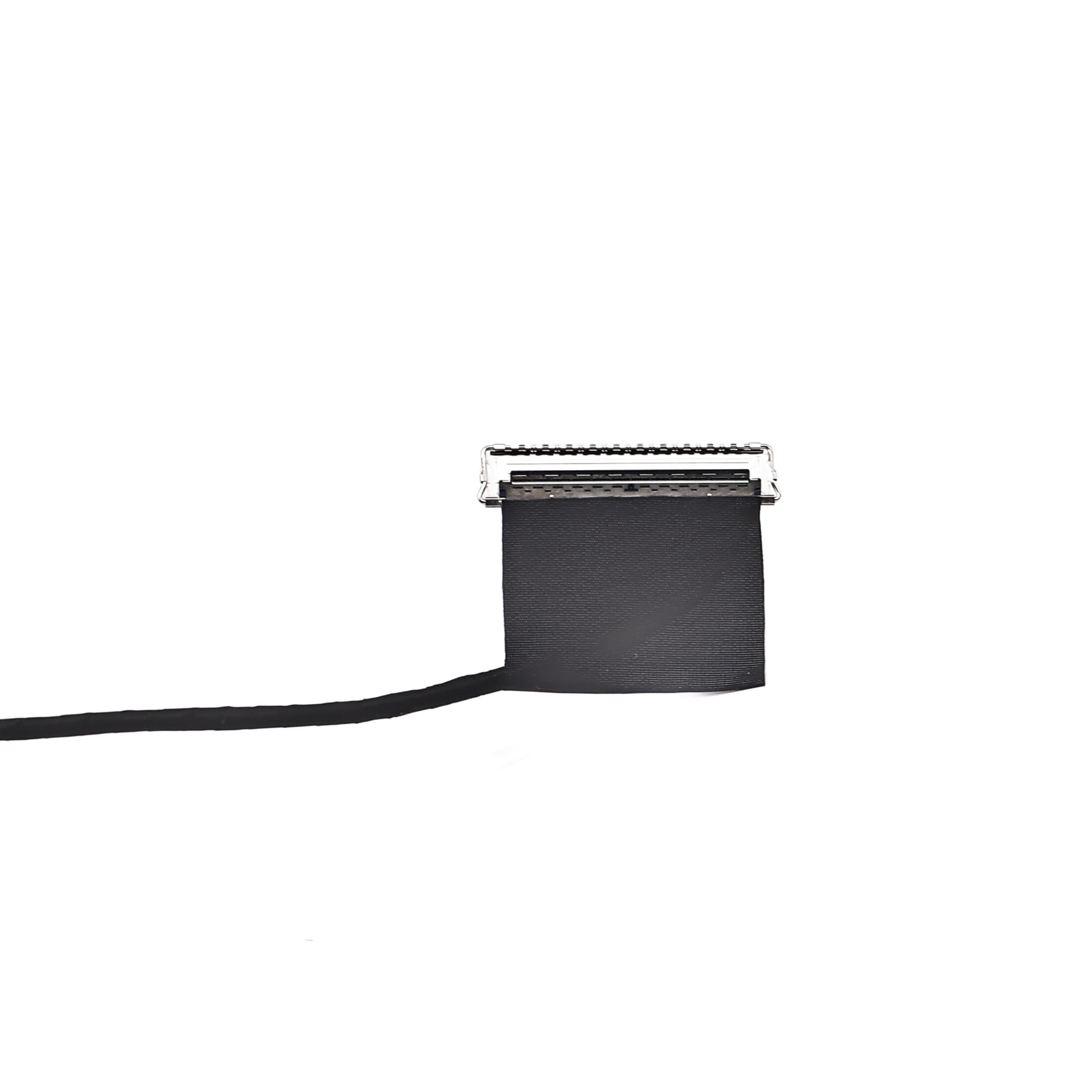
Selecting a supplier for high-density ultrasound probe cable assemblies involves far more than comparing price or channel count. As ultrasound systems continue to evolve toward higher channel counts, smaller form factors, and higher resolution, cable assembly manufacturing becomes substantially more complex. For medical device procurement teams, choosing the wrong supplier can delay product development and lead to repeated design revisions, inconsistent quality, and higher validation costs.
What Should OEM Buyers Consider When Sourcing High-Density Ultrasound Probe Cable Assemblies?
Direct Answer
When sourcing a high-density ultrasound probe cable assembly, OEM buyers should evaluate more than conductor count and unit price. The critical factors are channel density, cable capacitance, signal integrity, cable OD, flexibility, shielding, connector termination, reliability testing, quality control, and stable volume production.
For high-density ultrasound probes, the cable must fit a small mechanical space while carrying many sensitive signal paths. This creates a combined electrical and mechanical design problem.
| Requirement |
What to evaluate |
Why it matters |
| Channel density |
Number of channels and available routing space |
Determines whether the cable fits the probe architecture |
| Capacitance |
Capacitance per unit length / total cable capacitance |
Affects electrical loading |
| Cable OD |
Overall diameter and tolerance |
Controls internal packaging space |
| Flexibility |
Bend radius, flex life and torsion |
Supports repeated probe movement |
| Shielding |
Individual / grouped / overall shielding |
Helps control coupling and interference |
| Signal integrity |
Impedance, attenuation and electrical consistency |
Supports stable signal transmission |
| Connector |
Pitch, part number, orientation and termination |
Determines interface compatibility |
| Reliability |
Flex, pull, continuity and other validation |
Supports long-term service performance |
| Production |
Process control, yield and lot consistency |
Reduces volume-production risk |
If the probe requires high channel density and repeated movement, then the cable supplier should be evaluated as an engineering and manufacturing partner rather than only as a component vendor, because the final assembly must maintain electrical and mechanical performance simultaneously.
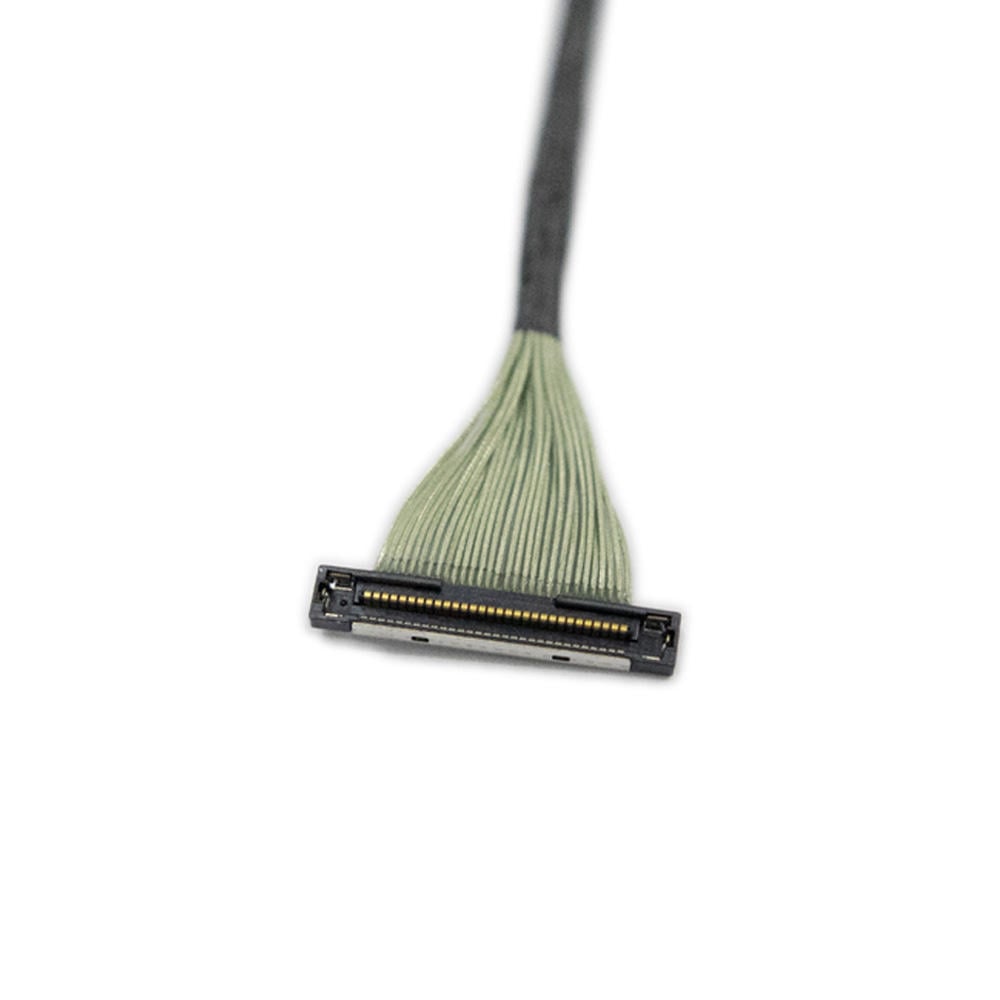
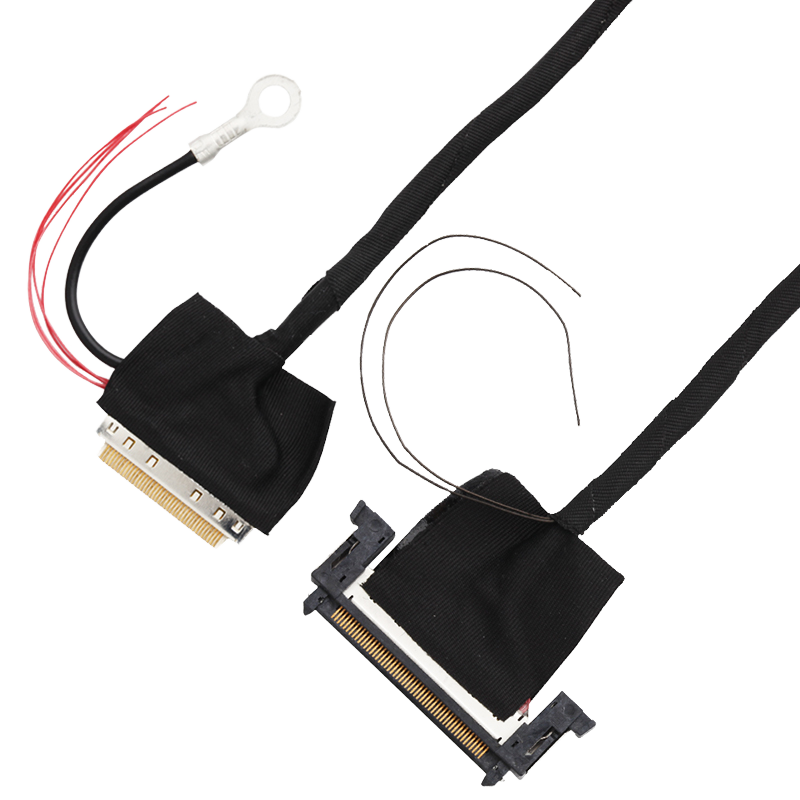
For OEM projects, HOTTEN provides Ultrasound Probe Cable Assembly and Micro Coaxial Cable Assembly solutions for compact, high-density applications.
1. Do Not Evaluate a Supplier Solely by Its Claimed Conductor Count
Many suppliers claim that they can manufacture high-conductor-count, high-density ultrasound cable assemblies. However, conductor count alone does not demonstrate genuine manufacturing capability.
Procurement teams should focus on the following questions:
- Can the supplier sustain stable volume production?
- Does the supplier have proven experience with medical device programs?
- Can it ensure consistent quality across every production lot?
For procurement teams, dependable delivery is far more important than a supplier's maximum claimed conductor count.
2. A Successful Prototype Does Not Guarantee Stable Volume Production
Many suppliers can produce initial prototypes, yet encounter inconsistent quality, lower yields, and delivery delays once a program transitions to volume production.
Supplier evaluations should therefore determine whether the supplier:
- Operates standardized manufacturing processes
- Maintains a comprehensive quality control system
- Can ensure lot-to-lot consistency
- Has demonstrated stable volume-production capability
These capabilities are often more valuable than a visually impressive prototype.
3. Prioritize Suppliers with Medical Imaging Project Experience
Ultrasound probe cable assemblies differ fundamentally from general industrial and consumer electronics cable assemblies.
Medical applications impose more stringent requirements, including:
- Flexibility
- Signal integrity and stability
- Long-term reliability
- Product consistency
Suppliers with prior experience in ultrasound, endoscopy, or other medical imaging programs are generally better equipped to understand the medical industry's quality and reliability requirements, thereby reducing development risk.
4. Engineering Support Determines Project Execution Efficiency
Procurement teams often underestimate the importance of a supplier's engineering organization.
A supplier with strong engineering collaboration capabilities can help customers:
- Review technical drawings
- Optimize the cable assembly architecture
- Recommend appropriate connector solutions
- Provide timely design-for-manufacturability (DFM) recommendations
- Shorten the product development cycle
Once a project enters the prototyping and validation stages, engineering responsiveness is often more important than price.
5. Review Quality Documentation, Not Merely Marketing Materials
A qualified supplier should provide more than product images; it should be able to furnish comprehensive objective evidence of quality.
Relevant documentation may include:
- ISO 13485 certification
- Electrical performance test reports
- Documentation demonstrating material compliance with RoHS and REACH requirements
- Incoming-material and in-process inspection records
- A documented product traceability system
Such records provide substantially stronger evidence of a manufacturer's actual capabilities than promotional materials.
6. Do Not Overlook Reliability Testing Capabilities
High-density ultrasound probe cable assemblies undergo extensive bending, twisting, and movement during daily use.
Procurement teams should therefore verify that the supplier has appropriate reliability validation capabilities, including:
- Dynamic flex testing
- Electrical continuity testing
- Insulation resistance testing
- Electrical performance consistency testing
- 100% final inspection of finished assemblies
The results of these tests directly affect product stability and service life in clinical use.
Engineering Selection Before Sending an RFQ
1. Define the Electrical Requirements, Not Just the Channel Count
A high conductor count does not by itself define a suitable ultrasound probe cable.
Before sending an RFQ, OEM engineers should confirm:
- Required channel count
- Operating frequency range
- Maximum allowable capacitance
- Characteristic impedance where applicable
- Maximum cable length
- Allowable signal loss
- Shielding requirements
- Conductor size
- Cable OD
If the probe has strict electrical loading requirements, then specify capacitance and cable length together, because total cable capacitance depends on the cable construction and its finished length.
For high-density ultrasound applications, HOTTEN's Micro Coaxial Cable can be considered when individual compact coaxial signal paths are required.
2. Define the Mechanical Envelope Before Choosing the Cable
High-density probe cables are often designed around a fixed internal routing space.
OEM buyers should provide:
| Mechanical parameter |
Information to provide |
| Maximum cable OD |
Available routing space |
| Finished length |
Exact length and tolerance |
| Bend radius |
Minimum operating radius |
| Flex condition |
Static or dynamic |
| Torsion |
Whether twisting occurs |
| Connector orientation |
Straight / right-angle / custom |
| Strain relief |
Required geometry |
| Branching |
Single cable or multi-branch |
If the cable must pass through a narrow probe body, then the maximum OD and bend radius should be defined before supplier quotation, because these parameters can determine the practical cable construction.
3. Review Capacitance and Flexibility Together
Low capacitance and high flexibility may both be required, but they should not be treated as independent specifications.
Cable construction affects:
conductor → dielectric → shielding → capacitance → OD → flexibility
If a probe requires low capacitance and repeated bending, then the supplier should evaluate the complete cable construction rather than optimize capacitance alone, because an electrically attractive design may not provide sufficient mechanical durability.
4. Specify the Connector Exactly
For high-density ultrasound assemblies, the connector is part of the engineering design.
Provide, where available:
- Manufacturer
- Connector series
- Exact part number
- Mating connector
- Contact pitch
- Number of contacts
- Connector orientation
- Termination requirements
- Drawing or 3D file
If the connector is not finalized, then provide the available mating-interface dimensions and electrical requirements, because connector geometry can affect both cable packaging and termination feasibility.
5. Ask What the Supplier Tests on the Finished Assembly
A supplier's testing capability should be evaluated against the actual application.
| Test |
Purpose |
| Continuity |
Verify all electrical channels |
| Insulation resistance |
Check electrical isolation |
| Capacitance |
Verify cable electrical characteristics |
| Resistance |
Verify conductor/contact condition |
| Flex testing |
Evaluate repeated bending |
| Pull testing |
Evaluate termination strength |
| Dimensional inspection |
Verify physical conformity |
| Signal-performance testing |
Evaluate application-specific transmission |
If the cable is being qualified for a medical imaging system, then the validation plan should be agreed before mass production, because testing requirements added after production approval can increase qualification cost and delay.
6. Verify Prototype-to-Production Consistency
A supplier that can make one successful prototype may still struggle to maintain the same quality at volume.
OEM buyers should evaluate:
prototype → pilot production → mass production
and ask:
- How are critical dimensions controlled?
- How is termination inspected?
- What parameters are monitored during production?
- How are production lots controlled?
- How are engineering changes approved?
- Can the same design be reproduced consistently at higher volume?
If the project is expected to continue into long-term production, then process capability and lot-to-lot consistency should be evaluated during supplier qualification, because the production stage presents different risks from prototype development.
7. Prepare a Complete RFQ Package
A practical RFQ for a high-density ultrasound probe cable assembly should include:
| RFQ item |
Recommended information |
| Application |
Ultrasound probe and subsystem |
| Channel count |
Required number of signal paths |
| Cable construction |
Micro coax, multi-core or other structure |
| Capacitance |
Target / maximum value |
| Impedance |
Required value where applicable |
| Conductor |
AWG and material |
| Cable OD |
Maximum allowable diameter |
| Length |
Finished length and tolerance |
| Connector |
Manufacturer and part number |
| Pinout |
Signal assignment |
| Shielding |
Required shielding structure |
| Flexibility |
Bend radius and cycle requirement |
| Environment |
Cleaning, temperature, humidity, sterilization if applicable |
| Testing |
Electrical and mechanical validation requirements |
| Quantity |
Prototype, pilot and annual volume |
| Documentation |
Drawing, BOM, inspection and test records |
If the RFQ contains these details, then suppliers can provide more comparable quotations and more meaningful technical feedback, because fewer assumptions are left to interpretation.
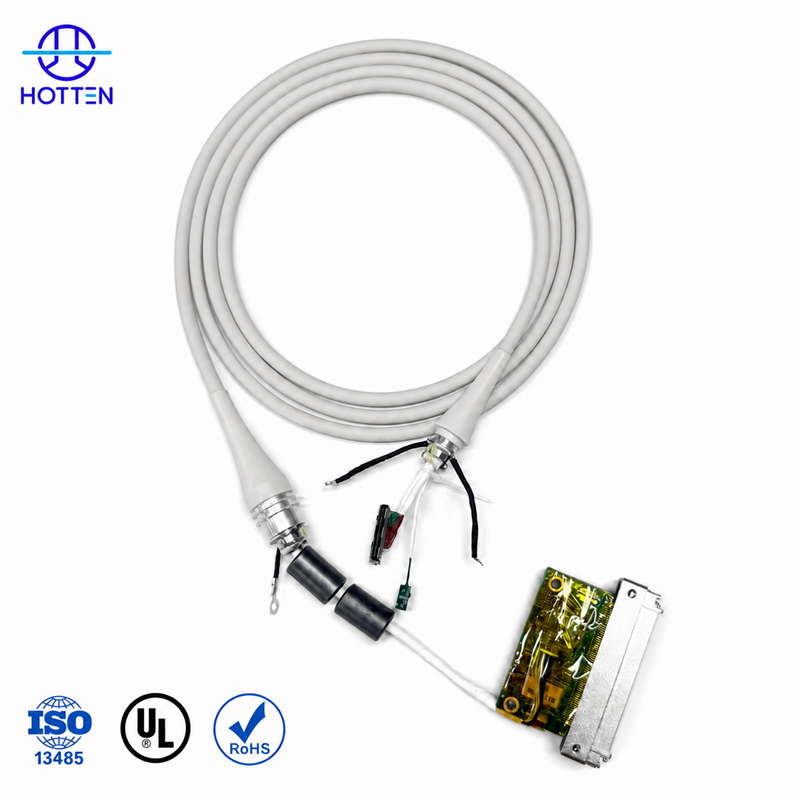
For projects requiring a high-density customized solution, HOTTEN's Ultrasound Probe Cable and Medical Cable Assembly capabilities can be evaluated against the OEM's electrical, mechanical, and production requirements.
7. Select a Supplier Capable of Supporting a Long-Term Partnership
A genuinely capable supplier must do more than support prototype development; it must also support the product throughout sustained volume production.
Procurement teams should assess:
- The stability of the raw-material supply chain
- The supplier's capacity expansion capabilities
- The maturity of its engineering change management process
- Its ability to provide continuous technical support
These factors directly influence supply continuity throughout the product's service life.
Conclusion
When sourcing high-density ultrasound probe cable assemblies, procurement teams should look beyond price and channel count. A comprehensive supplier evaluation should address manufacturing capability, medical project experience, engineering support, quality systems, and long-term supply capacity.
For medical device companies, a dependable supplier does more than deliver a cable assembly. It serves as a strategic partner that helps reduce research and development risk and supports a smooth transition to volume production.

 EN
EN

 Hot News