 EN
EN
Quick Links

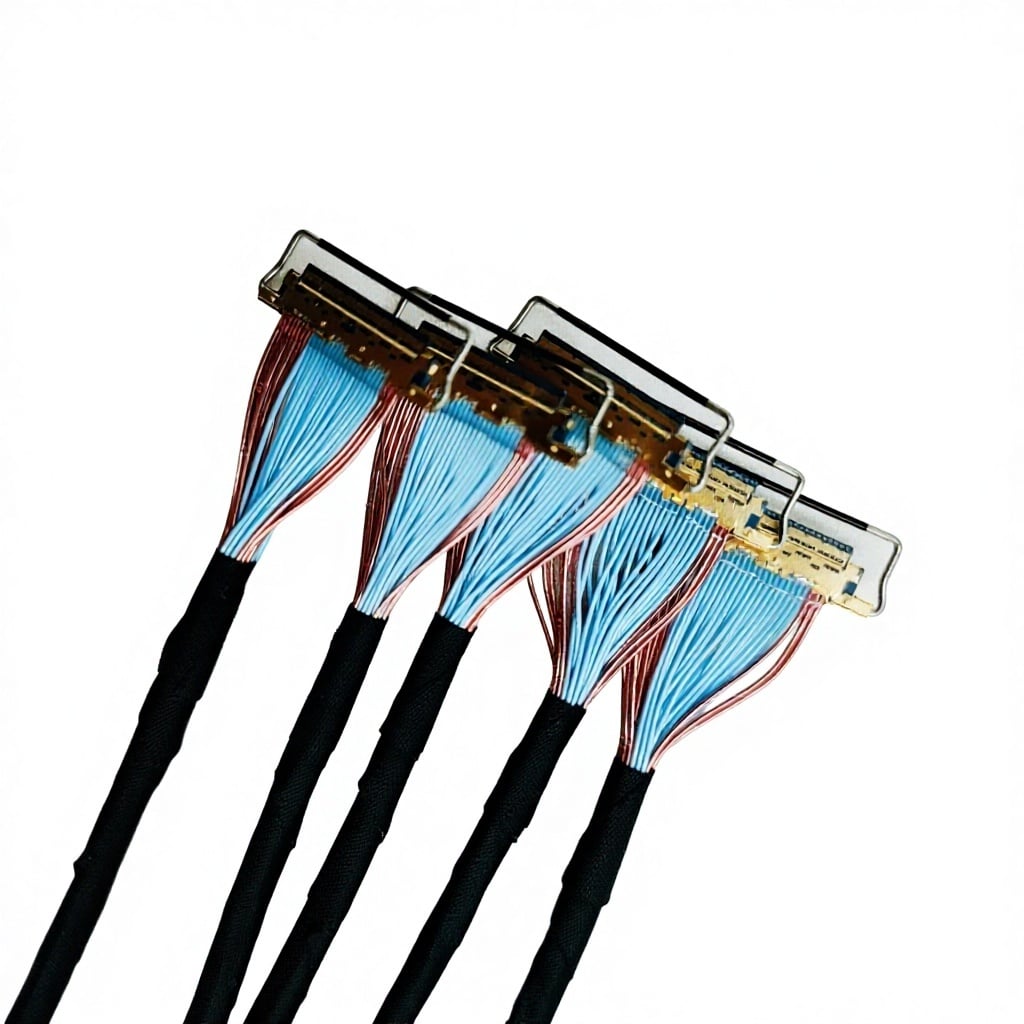
The robotics industry is undergoing a major transformation, shifting from bulky machinery to lightweight and agile systems. As robots become smaller, faster, and more precise, every gram of weight matters. Cabling infrastructure should be at the same level with this new era. The engineers working on the development of next generation lightweight robotics have favored Hotten Micro Coaxial Cable technology because it can provide the engineers the performance in terms of the signals which are while minimizing size and weight compared to traditional cabling solutions.
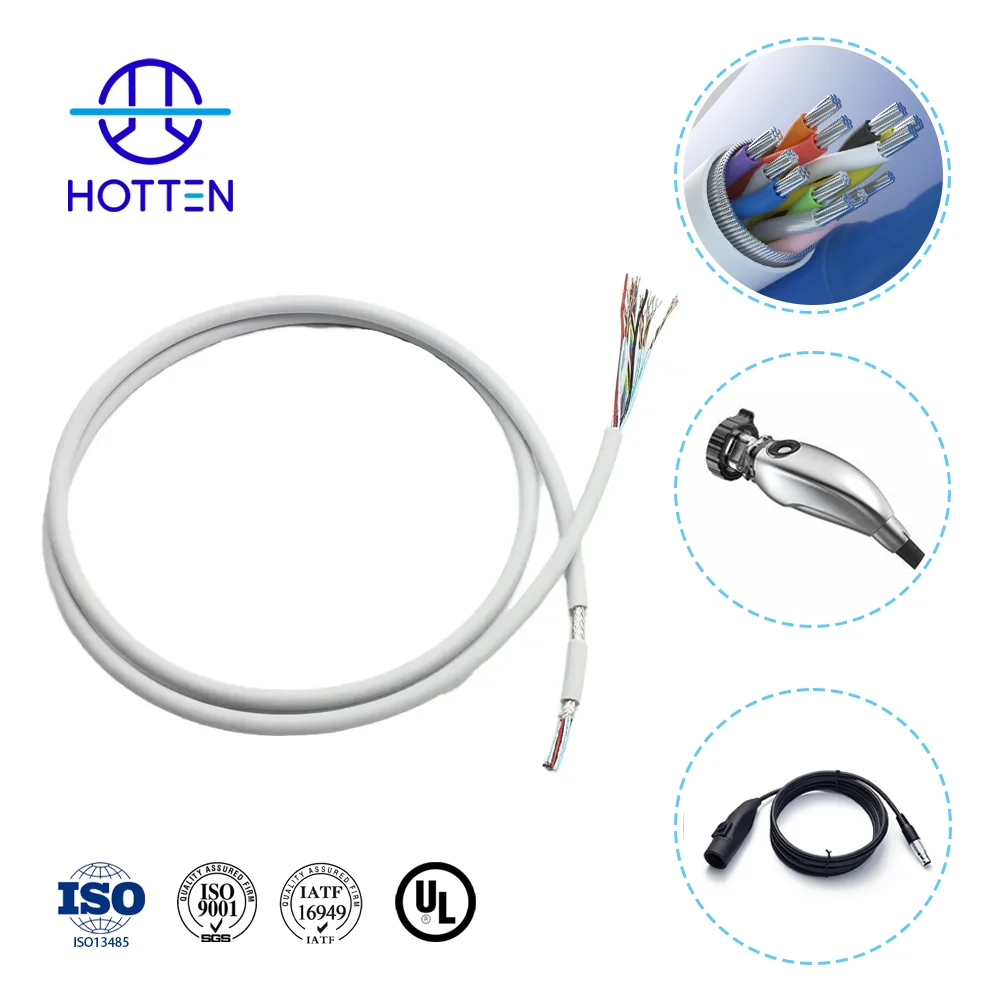
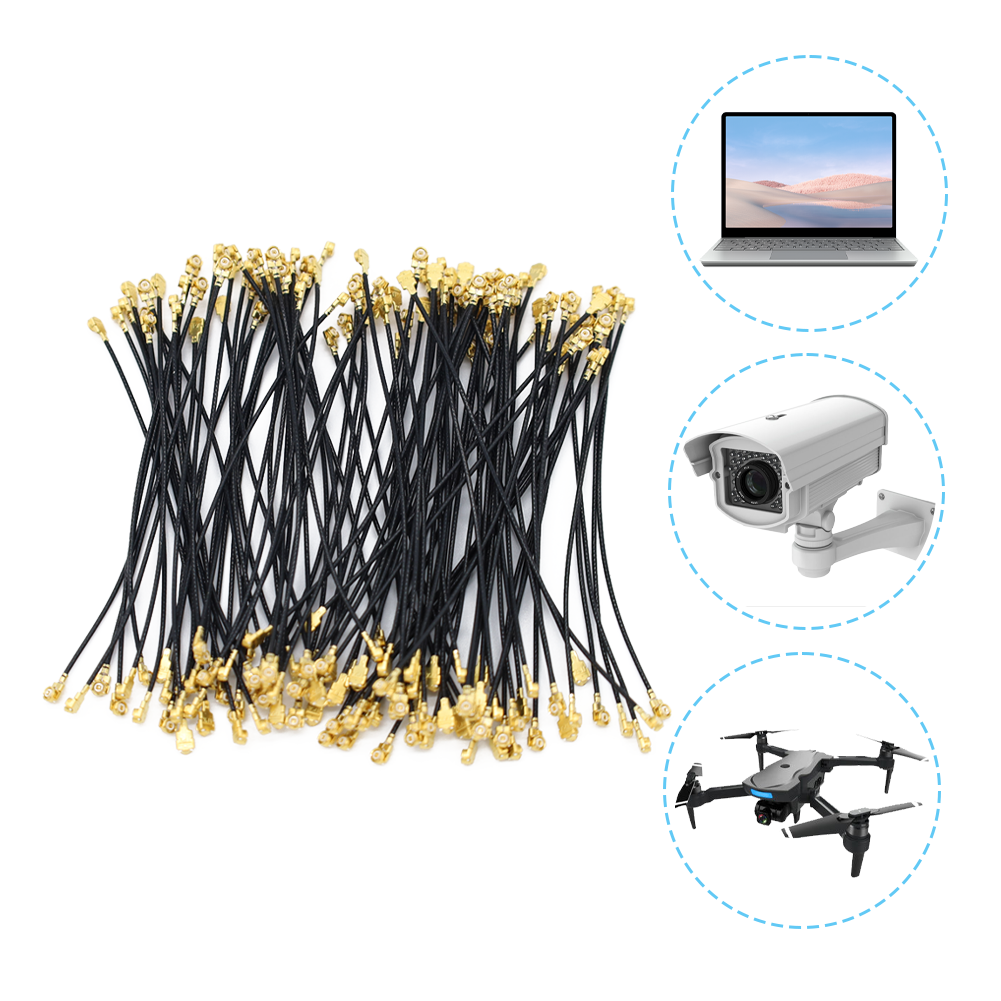
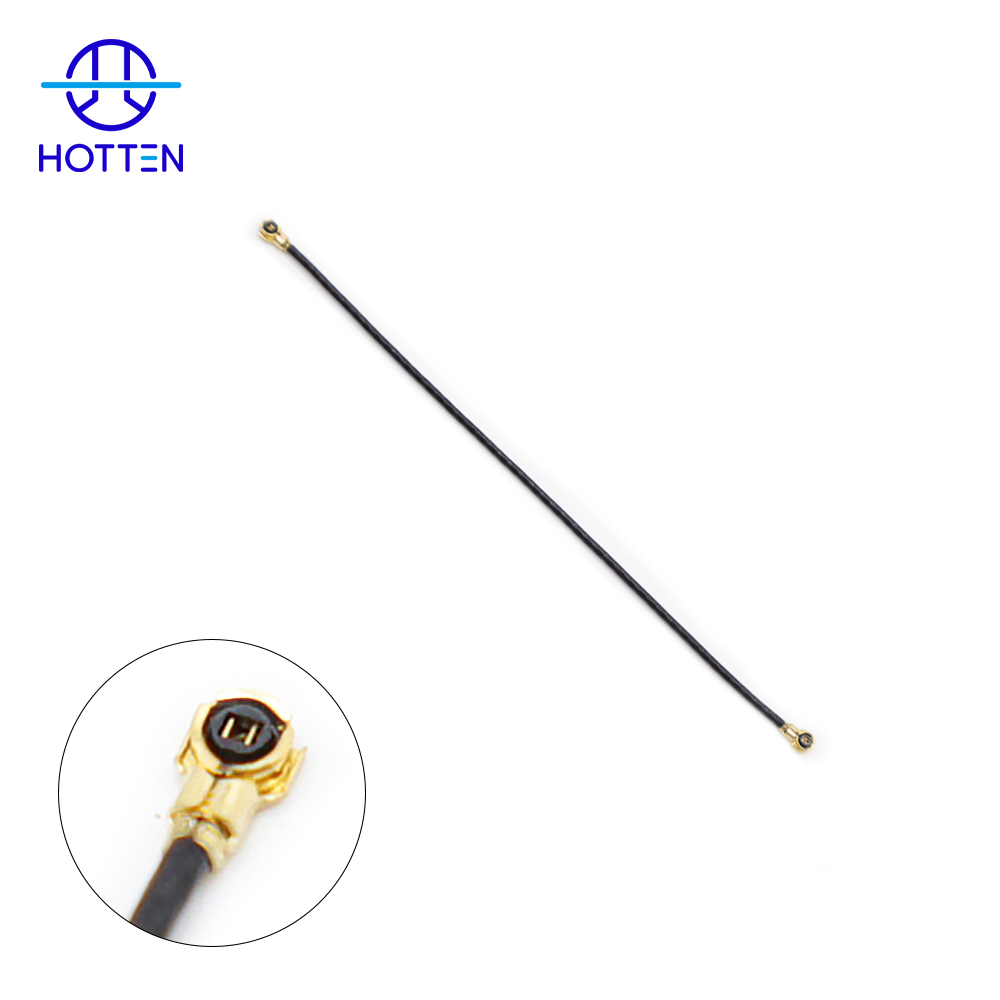
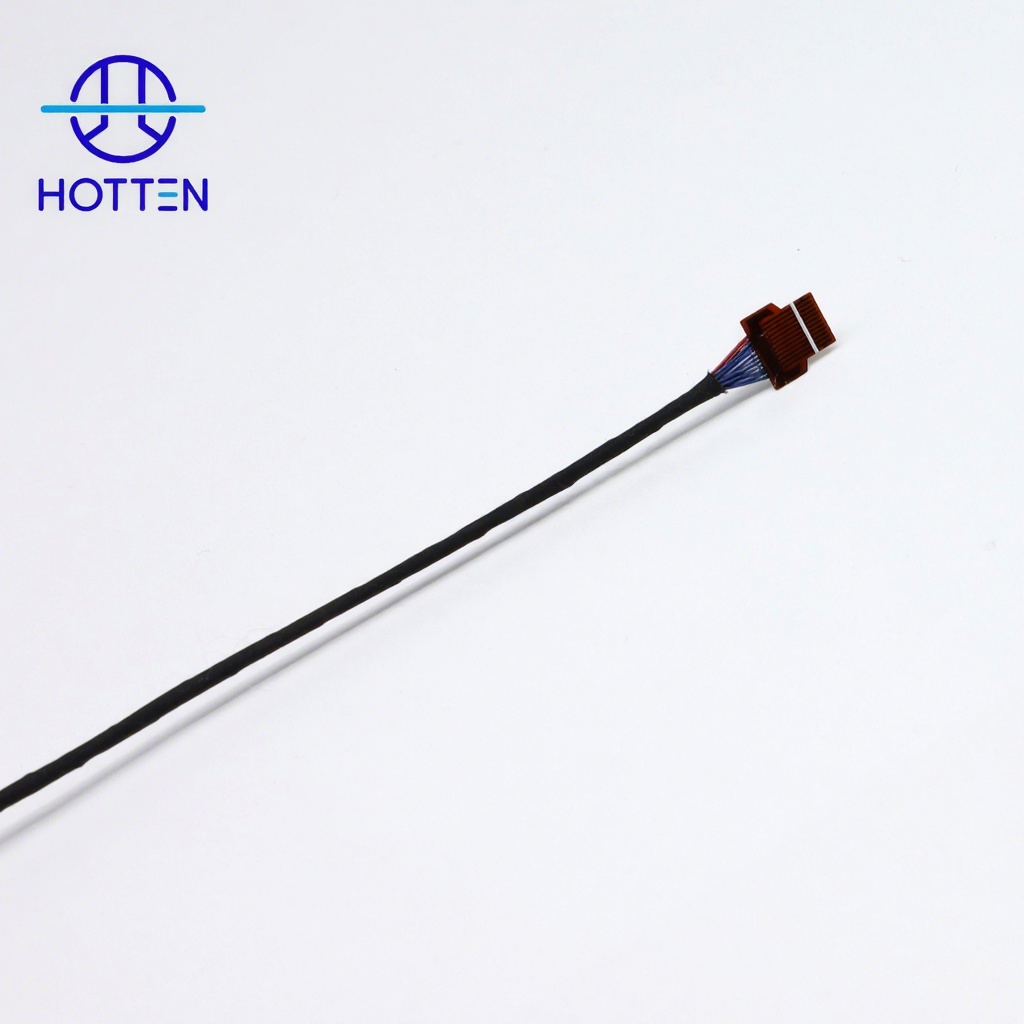
Micro coaxial cable is suitable for lightweight robotics because it can combine small cable diameter, high-density signal routing, shielding, and flexible mechanical construction within a compact interconnect.
Robotic systems increasingly place cables inside restricted spaces around joints, camera modules, sensors, and moving mechanisms. In these locations, the cable must satisfy several requirements simultaneously:
low weight + small OD + high signal density + flexible routing + signal integrity + mechanical reliability
| Robotics requirement | Micro coaxial cable approach | Engineering benefit |
|---|---|---|
| Limited joint space | Small cable diameter | Supports compact routing |
| High-speed sensor data | Coaxial signal structure | Supports controlled signal transmission |
| Camera / vision signals | High-density cable construction | Integrates multiple signal paths |
| Continuous movement | Flexible cable construction | Supports dynamic routing |
| EMI control | Individual or overall shielding | Helps reduce unwanted coupling |
| Weight reduction | Fine conductors and compact construction | Reduces cable mass |
| Complex routing | Small bend radius | Makes constrained routing easier |
| Compact connectors | Fine-wire termination | Supports miniature interfaces |
If a robotic system combines limited installation space with high-speed signal transmission, then micro coaxial cable is a practical cable architecture to evaluate, because it can combine multiple signal paths within a smaller and lighter structure than many conventional cable arrangements.
For OEM applications, see HOTTEN's Micro Coaxial Cable, Micro Coaxial Cable Assembly, and Robotics Wire Harness solutions.
The Weight-Saving Advantage of Integrated Design
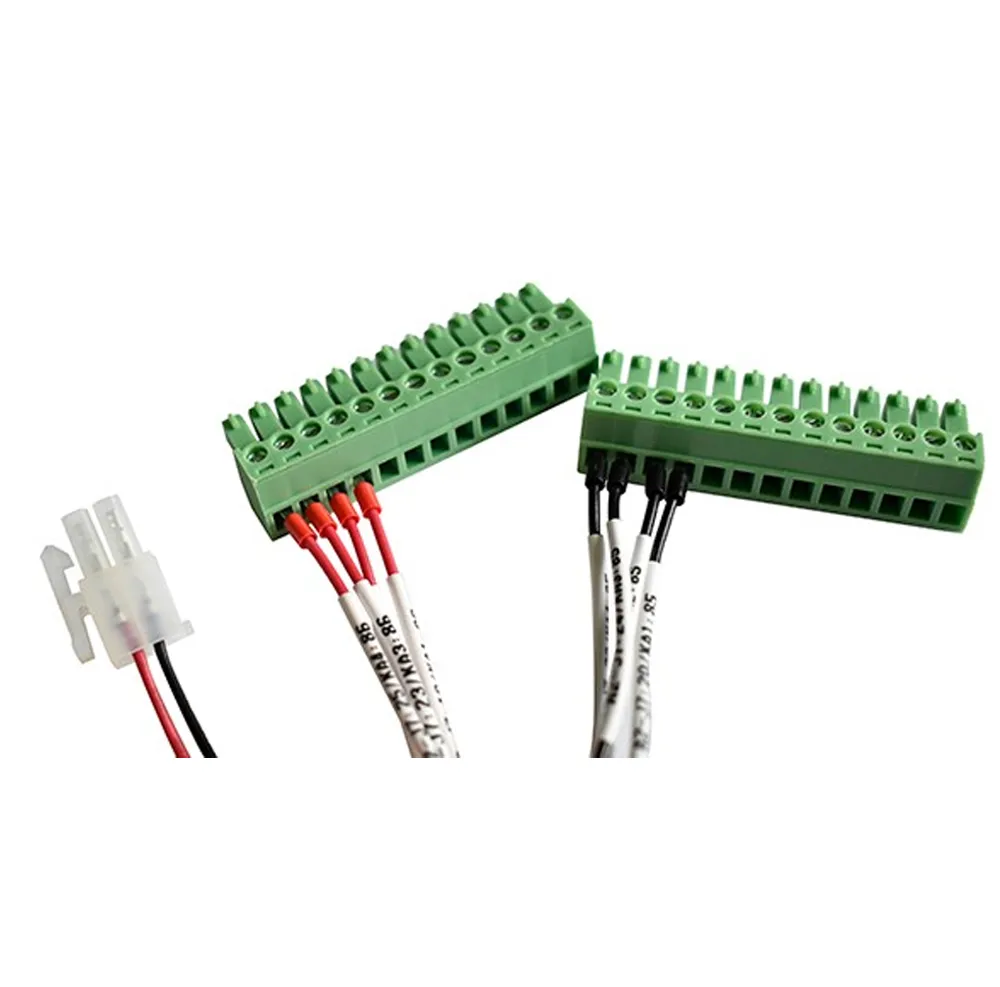
Lightweight robotics design requires mass evaluation because it affects collaborative robots, surgical robots, and drones which need weight reduction to achieve faster speeds and lower energy use. The traditional discrete wiring harness system provides its wiring connections through multi-layer discrete wiring structures with individual insulation and outer shielding and a complete outer protective layer. This adds up in terms of volume and weight. Complex signal transmission can be integrated into compact micro coaxial cable structures, reducing size and weight. The high strength, thin wall, dielectrics and light weight shielding have assisted us to achieve a major weight saving, compared to the normal wiring. This allows faster robotic arms with smaller inertia, can significantly extend the battery life of mobile units and can perform more fine-grained tasks when performing automated tasks.
| Robotics Challenge | Micro Coaxial Cable Solution | Engineering Benefit |
|---|---|---|
| Limited installation space | Ultra-small cable diameter | Enables compact robotic designs |
| High-speed sensor data | Controlled impedance and shielding | Maintains signal integrity |
| Continuous joint movement | Flexible conductor structure | Supports repeated bending |
| Weight reduction | Lightweight cable construction | Reduces robotic inertia |
| Complex routing | Small bend radius | Simplifies cable integration |
Ensuring High-Bandwidth Feedback in Compact Joints
The new robotics is founded on a high-definition feedback. Torque sensors, vision systems and servo motors generate a vast amount of data which must be relayed to the joints of the articulating of the robot. Robotic joints are among the most space-constrained areas in the system. It specifically is adapted to micro coaxial cables. The fact that they can maintain high frequency signal quality which is very important in LVDS and high speed video transmission implies that control systems will receive real time data in the absence of delays. The designers will enable 360-degree movement using the hollow bore of a robotic joint to ensure that micro coaxial cable cannot snag or attenuate the signal in order to provide the passage through the micro coaxial cable of Hotten.
Superior Flex Life for Continuous Motion
Although these cables are lightweight, they have to be able to sustain the continual mechanical strain of their actual use. The cables used in robotics should be able to bend out millions of times. This was to be solved by Hotten who developed his micro coaxial cables. Such geometry of the center conductor and application of dielectric is done in a manner that it equally redistributes mechanical stress. The outcome is a cable with an amazing flex life and resists conductor breakage and shield wearing longer than the traditional harnesses. This stability is directly proportional to the minimization of the maintenance and longer equipment life used in robotic wire harnesses in pick-and-place machine or gimbal camera stabilizers.
Versatility Across the Robotics Ecosystem
Main ideas of lightweight design can be applied to the wide scope of robot operations, and such micro coaxial technology introduced by Hotten is created to fit any specific application.
Drones and UAVs: In drone wire Harnesses, the vice of air-worthiness is mass. Our micro coaxial cable is the RF and data delivery necessary to the cameras and control systems and its payloads are low.
Medical Robotics: In surgical robotics and robotic assisted scopes, micro coaxial cable is used to give endoscopes and ultrasound probes a sharp image in strikingly small channels of instruments.
Automated Inspection: In robotics where the robots are used in non-destructive testing, our cables ensure that high-frequency information on monitoring is properly transferred, despite the robot navigating through highly complex geometries.
By integrating advanced micro coaxial cable solutions, robotics manufacturers can achieve lighter, faster, and more reliable systems. We provide the technical base on which robotics can get out of the weight of heavy cabling and be ushered into a new era of limitless agility.
Micro coaxial cables provide high-speed signal transmission while minimizing cable size and weight, making them suitable for compact robotic systems where space and movement flexibility are critical.
Compared with conventional wiring solutions, micro coaxial cables offer a smaller diameter, better shielding performance, controlled impedance and improved flexibility for space-limited robotic applications.
Yes. Micro coaxial cables can be designed with flexible conductors, optimized dielectric materials and reinforced structures to support repeated bending and dynamic robotic movement.
Yes. Their controlled impedance and shielding structures help maintain signal integrity for applications such as robotic vision systems, sensors and high-speed feedback systems.
Yes. Manufacturers can customize conductor size, impedance, shielding, cable diameter, jacket materials, length and connector configurations based on robotic system requirements.
Common applications include collaborative robots, surgical robots, robotic inspection systems, robotic vision modules, UAV systems and precision automation equipment.
 Hot News
2026-09-17
2026-09-04
2025-12-17
2025-12-11
2025-12-05