 EN
EN
Quick Links

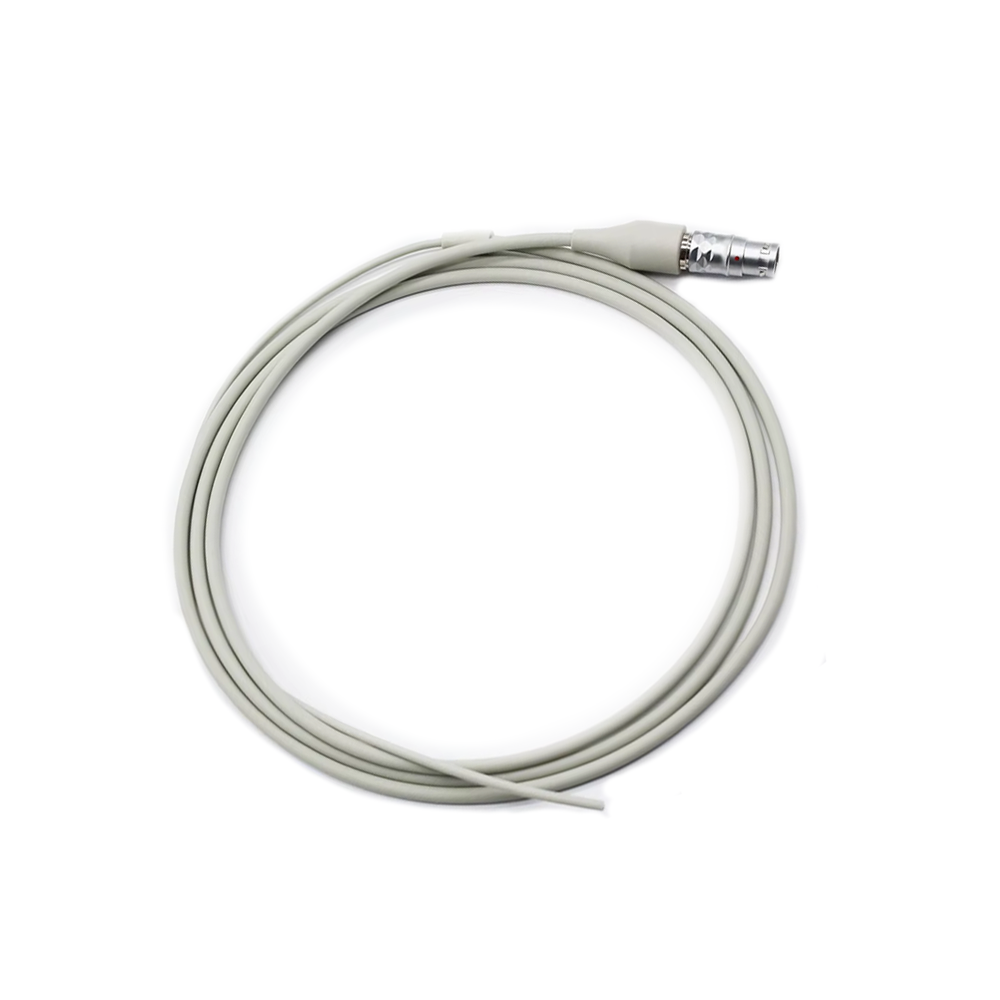
The shift to wireless power is changing how devices and machines operate. The fact that autonomous mobile robots (AMRs) to light electric vehicles can be charged without physical connectors gives the new dimensions of convenience and automation since the decision to never use physical connectors to charge the device becomes possible. Behind this seemingly simple wire free experience however is a network of power delivery that is intricate. These high-speed charging modules depend on Radio Frequency (RF) cables, and to a great extent they are not visible: the Radio Frequency cables are a carrier of high-frequency energy with a minimum loss between the source of the power and a transmitting coil. Hotten's precision RF cables are designed to this transmission of energy is effective, dependable and can face the demands of the coming generation autonomy.
Enabling High-Frequency Power Transfer
High-power wireless charging systems are increasingly adopting resonant technology beyond the inductive charging and in most cases resonant technology utilizes radio frequencies. With the frequency of 6.78 MHz, systems can work on the RF signals to enhance flexibility and efficiency since the leaders of the industry, like WiBotic, focus on the frequency. RF amplifier in these modules generates the power-generating signal that should be fed to the transmitting antenna coil. Here RF cables will be required. If the standard DC cables were to be used there, they would act much like an antenna, radiating and dissipating a good portion of the energy. RF cables made by Hotten, with their controlled impedance, and with their powerful shield, serve the critical function of containing and guiding these high-frequency signals in such a way that as much energy as possible can be delivered to the coil to be wirelessly sent over.
Maintaining Efficiency from Amplifier to Antenna
Efficiency is critical of wireless charging. Power loss results in heat, longer charging times, and increased operating costs. A normal wireless charging station has a sensitive point at the interface between the RF source of power and the transmitting coil. The industry observations show that such connection is often based on coaxial cables, with SMA cable assembly to maintain signal purity. Hotten RF cables are constructed to minimize the level of insertion loss and the voltage standing wave ratio (VSWR). We have high efficiencies (in excess of 95 percent on some advanced modules) to ensure that the RF waveform remains intact when passing through our cables, giving our systems the capability to support the high efficiencies required to make wireless power viable in the industrial applications and medical devices.
Ensuring Reliability in Autonomous Environments
The wireless charging modules tend to be applied in unattended harsh environments. The charging solutions should be robust against vibration, temperature, frequent mating (where the cable connections are located in the charger itself) in factories and drone vehicles on outdoor landing pads. The RF cables manufactured by Hotten are strong. They are well built and of high quality material that makes sure that they do not deteriorate even after thousands of working hours in terms of electrical performance. This is what ensures that whenever an autonomous robot stops to recharge, the power connection is plugged every time to allow the real 24/7 automation.
Flexible Design for Compact Integration
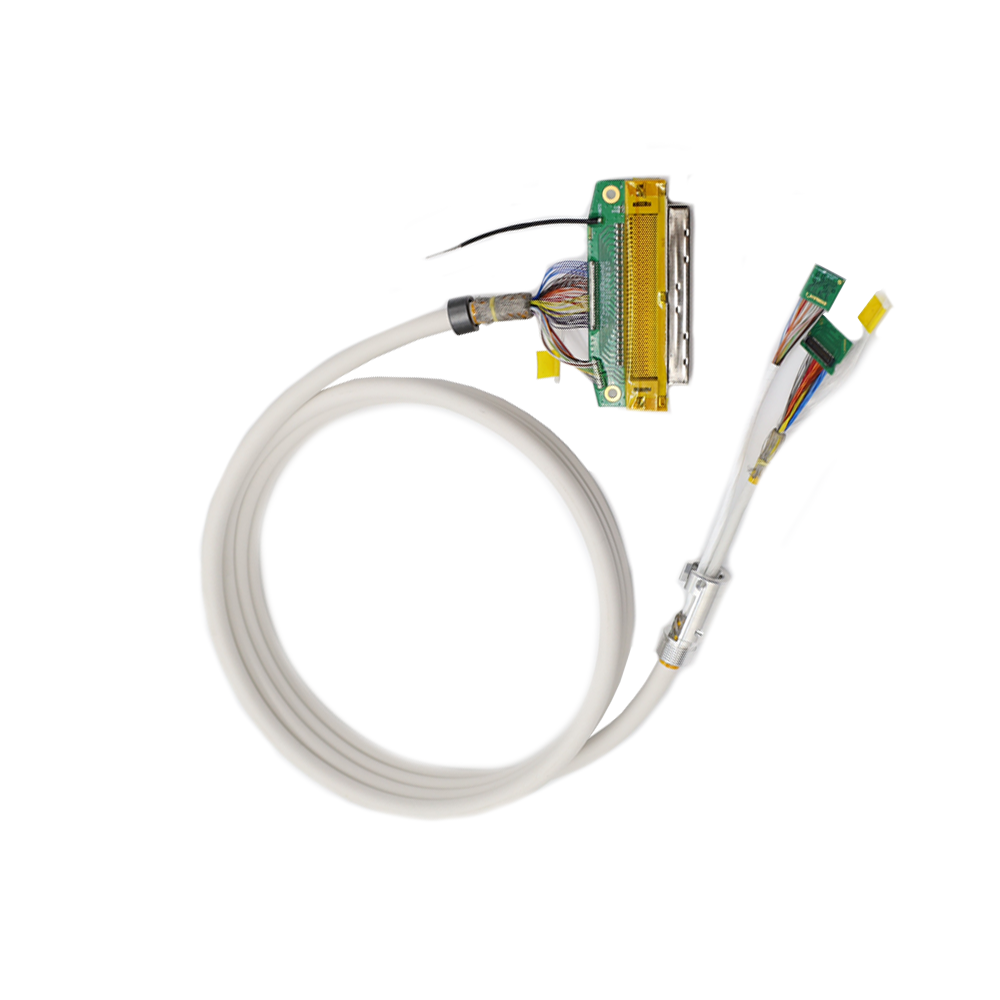
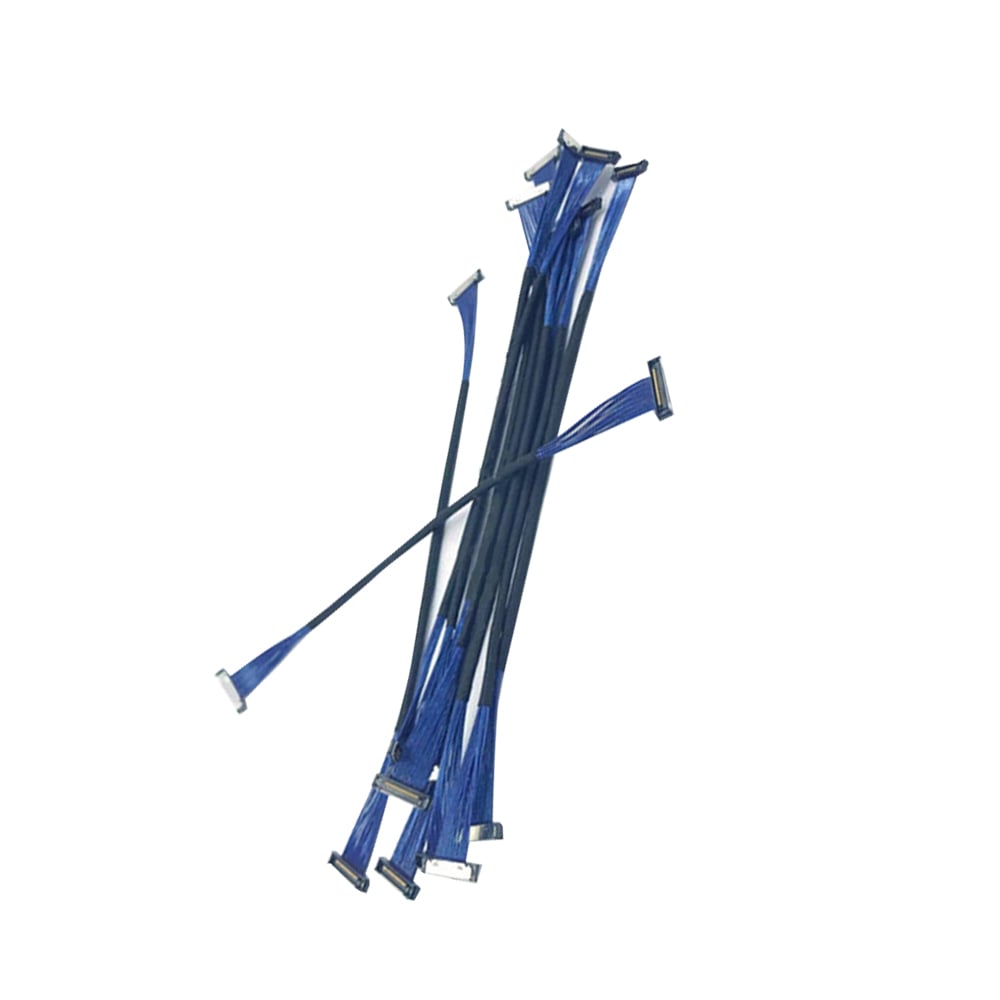
The modern wireless charging units feature the capacity as an additional feature. The designers have a challenge of making the amplifiers, control boards and cooling system fit in smaller enclosures. The cables should be pliable to transmit the high frequency signals through such narrow spaces and they should also be stable electrically. Hotten does have a wide range of RF cable products (e.g. micro-coax that is ultra-flexible and semi-rigid) with which the engineer can customize the internal design of their chargers. Our cable designs ensure that smaller, more effective wireless power systems can be made whether using a 500W industrial charger or a small, medical device dock.
As the wireless charging keeps on developing and gaining more power and self-sustainability, the factors, which are amalgamated to the generation and transmission process, will need to vary. The RF cables produced by Hotten provide a reliable connection and also make sure that the fast speed power comes out of the module in a highly clean and reliable way into the external world.
| RF Cable Design Factor | Engineering Role | System Benefit |
|---|---|---|
| Controlled Impedance | Maintains signal consistency | Reduces reflection and transmission loss |
| Shielding Structure | Limits electromagnetic interference | Improves signal reliability |
| Low Insertion Loss | Preserves transmitted energy | Supports higher system efficiency |
| Flexible Construction | Enables compact integration | Simplifies equipment design |
| Connector Compatibility | Ensures stable connections | Improves system reliability |
RF cables provide a controlled transmission path for high-frequency signals between the power source, RF amplifier and transmitting components. Proper cable design helps reduce transmission loss and maintain system efficiency.
Standard electrical wires are not optimized for controlled impedance and high-frequency performance. RF cables are designed with specific shielding and impedance characteristics to reduce signal loss and electromagnetic interference.
Important factors include characteristic impedance, insertion loss, shielding effectiveness, flexibility, connector compatibility and reliability under operating conditions.
Yes. RF cable assemblies can be customized based on frequency range, impedance requirements, cable length, connector type, mechanical space limitations and environmental conditions.
RF cables can be used in industrial wireless charging systems, autonomous robots, drones, medical equipment and other high-frequency electronic systems.
Shielding helps contain electromagnetic energy within the cable structure and reduces interference from external electromagnetic sources, supporting more stable high-frequency transmission.
 Hot News
2026-09-17
2026-09-04
2025-12-17
2025-12-11
2025-12-05