 EN
EN
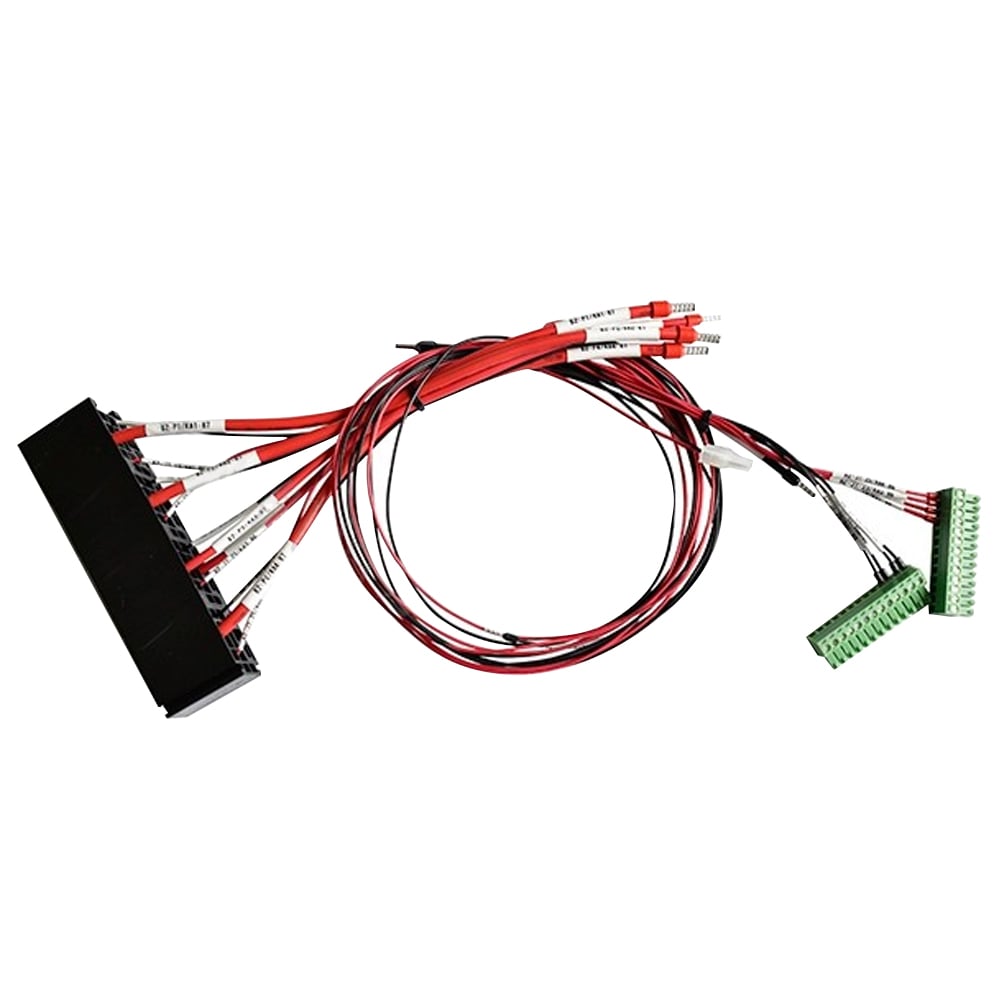
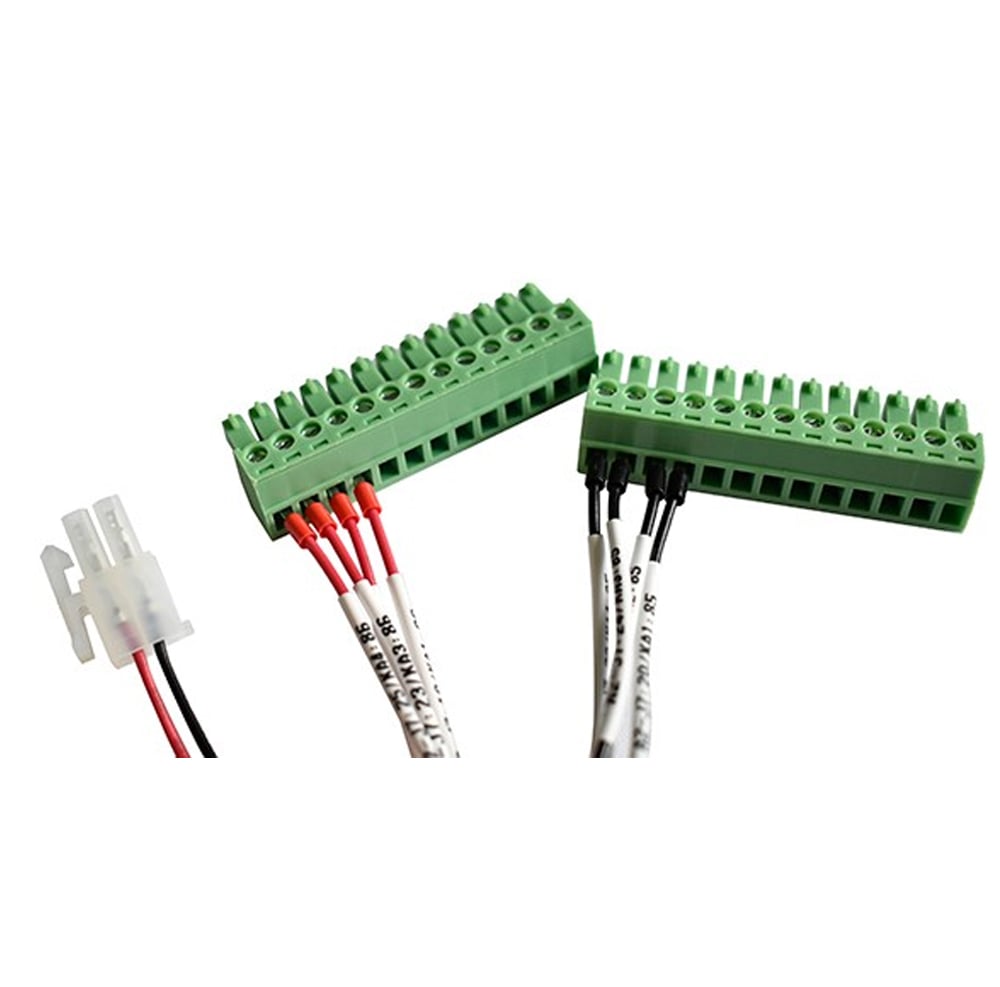
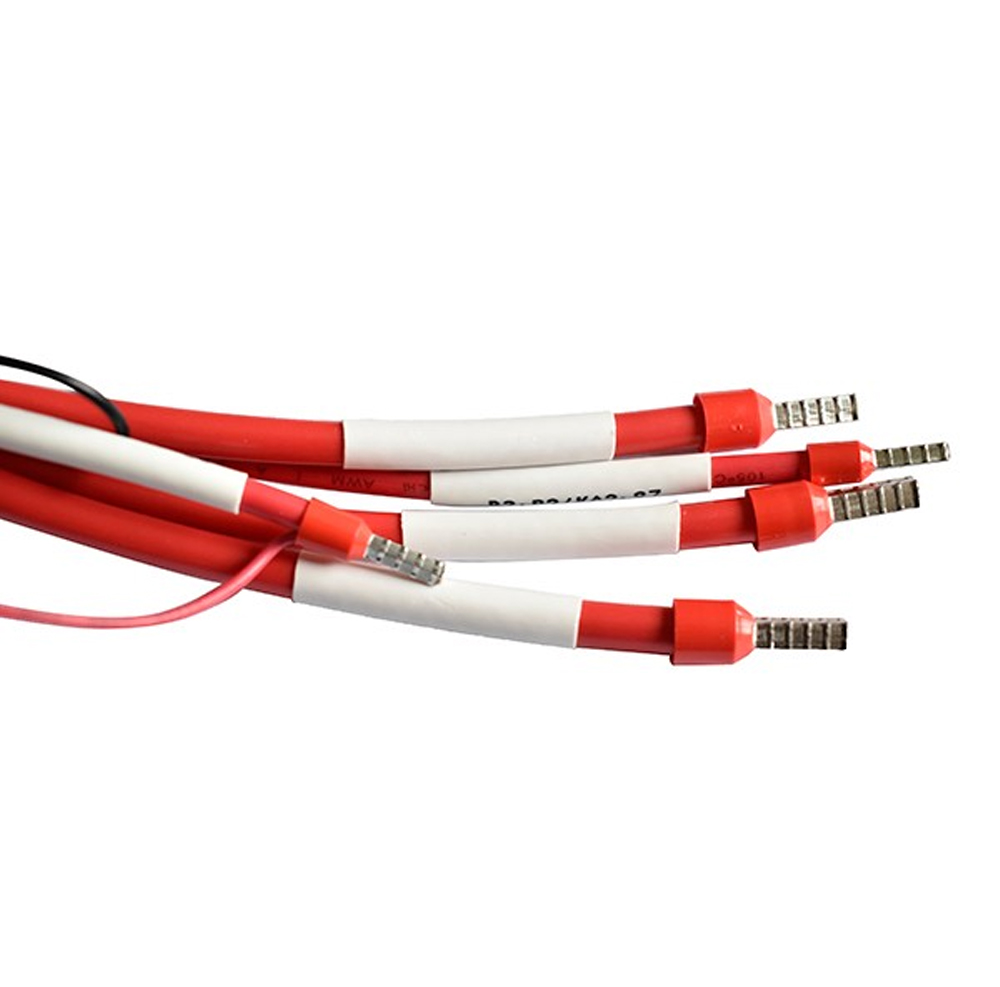
Extremely Fine Gauge Robotics Cable Harness
| Procurement Item | Recommended Information |
|---|---|
| Application | Robotics / Automation |
| Cable Type | Fine-Gauge Robotics Cable Harness |
| Core Count | Required configuration |
| Conductor Gauge | Required gauge or conductor size |
| Conductor Material | Required conductor material |
| Insulation | PTFE / ePTFE / FEP / PFA or specified material |
| Shielding | Required shielding structure |
| Sheath | PFA / FEP / PTFE or specified material |
| Jacket | PVC / TPU / TPE / Silicone / PFA / FEP |
| Cable Length | Required finished length |
| Cable OD | Maximum allowable cable diameter |
| Flexibility | Required bending and movement conditions |
| Connector | Connector manufacturer and part number |
| Pinout | Signal assignment |
| Termination | Required termination method |
| Exit Orientation | Required cable and connector orientation |
| Mechanical Clearance | Available routing space |
| Technical Documents | Drawing, BOM, sample, connector specification, pinout |
| Quantity | Prototype / sample / pilot / mass production |
| Name | Material |
| Conductor | Silver plated copper |
| Tinned copper | |
| Silver plated copper alloy | |
| Tinned copper alloy | |
| Insulation | Teflon:PTFE/ePTFE/FEP/PFA |
| Shield | Tinned copper/Silver plated copper |
| CU/PET、 AL/PET | |
| Sheath | PFA/FEP/PTFE |
| Jacket | PVC/TPU/TPE/Silicone/PFA/FEP |
- Overview
- Recommended Products
Compact cable routing
Fine-gauge conductors
Flexible cable construction
High-density wiring
Connector integration
Customized cable dimensions
Signal and control interconnection
Silver-plated copper
Tinned copper
Silver-plated copper alloy
Tinned copper alloy
PTFE
ePTFE
FEP
PFA
Tinned copper
Silver-plated copper
CU/PET
AL/PET
PFA
FEP
PTFE
PVC
TPU
TPE
Silicone
PFA
FEP
Robotic arms
Compact robotic joints
Machine vision systems
Robotic camera modules
Sensors and sensor interfaces
Motion-control systems
Automation equipment
Compact electronic assemblies
Internal robot interconnections
UAV and robotic equipment requiring miniature wiring
Signal transmission
Sensor connections
Control circuits
Power connections
Camera interfaces
Other electronic functions
Maximum cable diameter
Required cable length
Routing path
Exit orientation
Connector location
Available clearance
Bend direction
Movement range
Routing geometry
Expected motion
Fixation method
Connector strain relief
Shield type
Shield coverage
Grounding method
Connector termination
Signal type
Cable routing
Nearby electrical noise sources
Connector manufacturer
Connector part number
Mating connector
Pin count
Pinout
Contact orientation
Termination method
Cable exit direction
Flexibility
Mechanical movement
Temperature requirements
Electrical insulation
Shielding
Chemical or environmental exposure
Available installation space
C


Extremely Fine Gauge Robotics Cable Harness
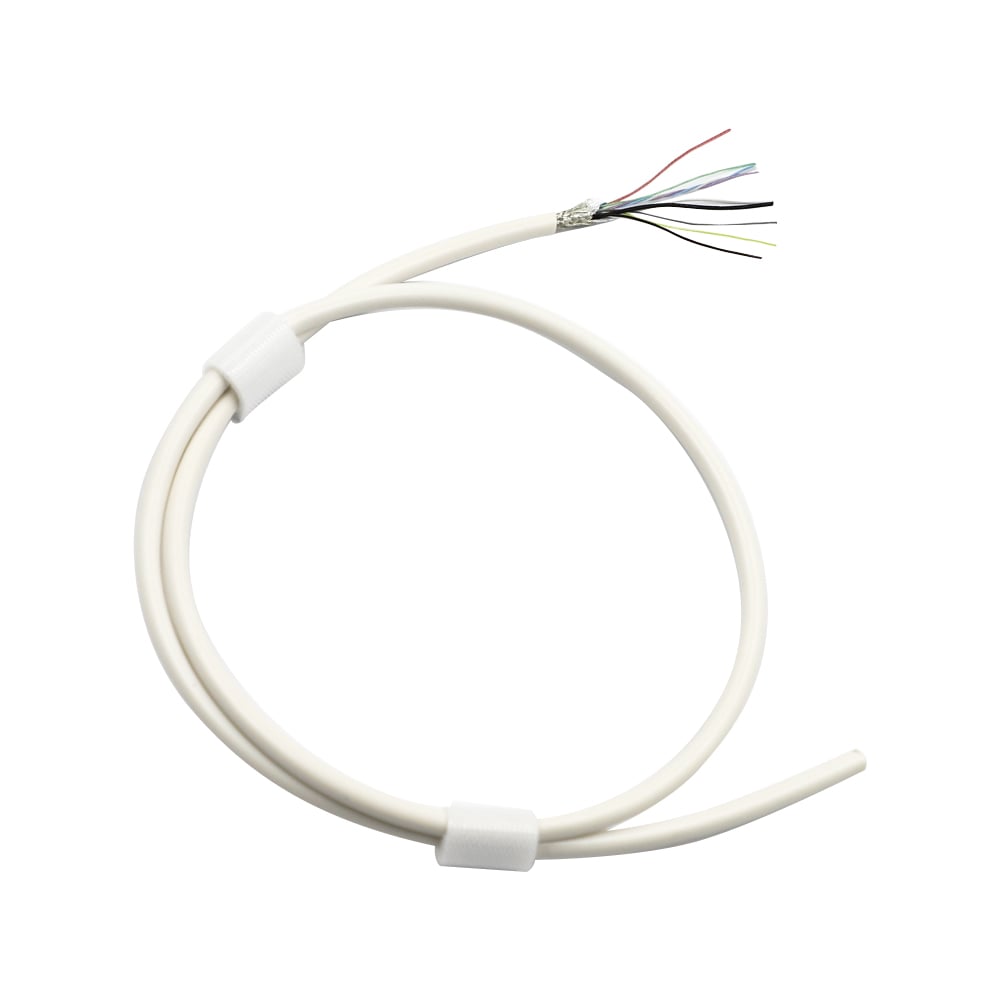
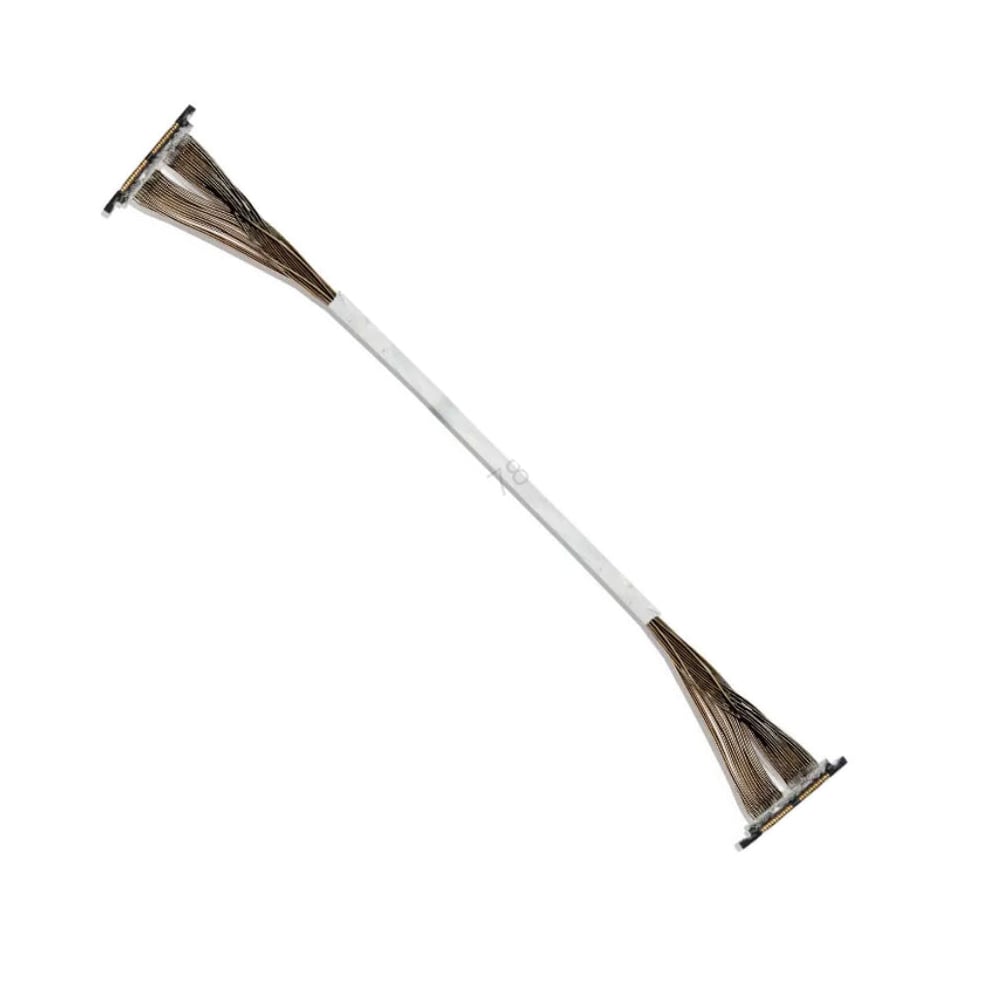
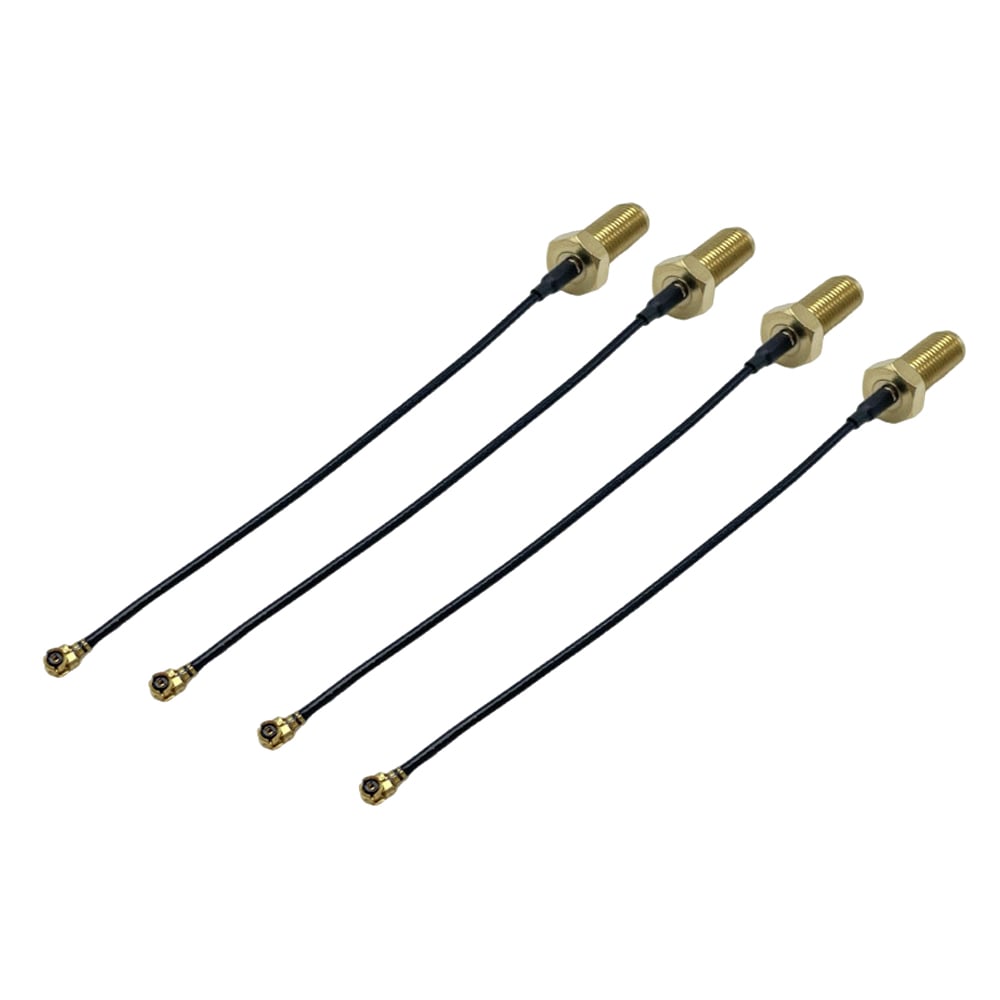
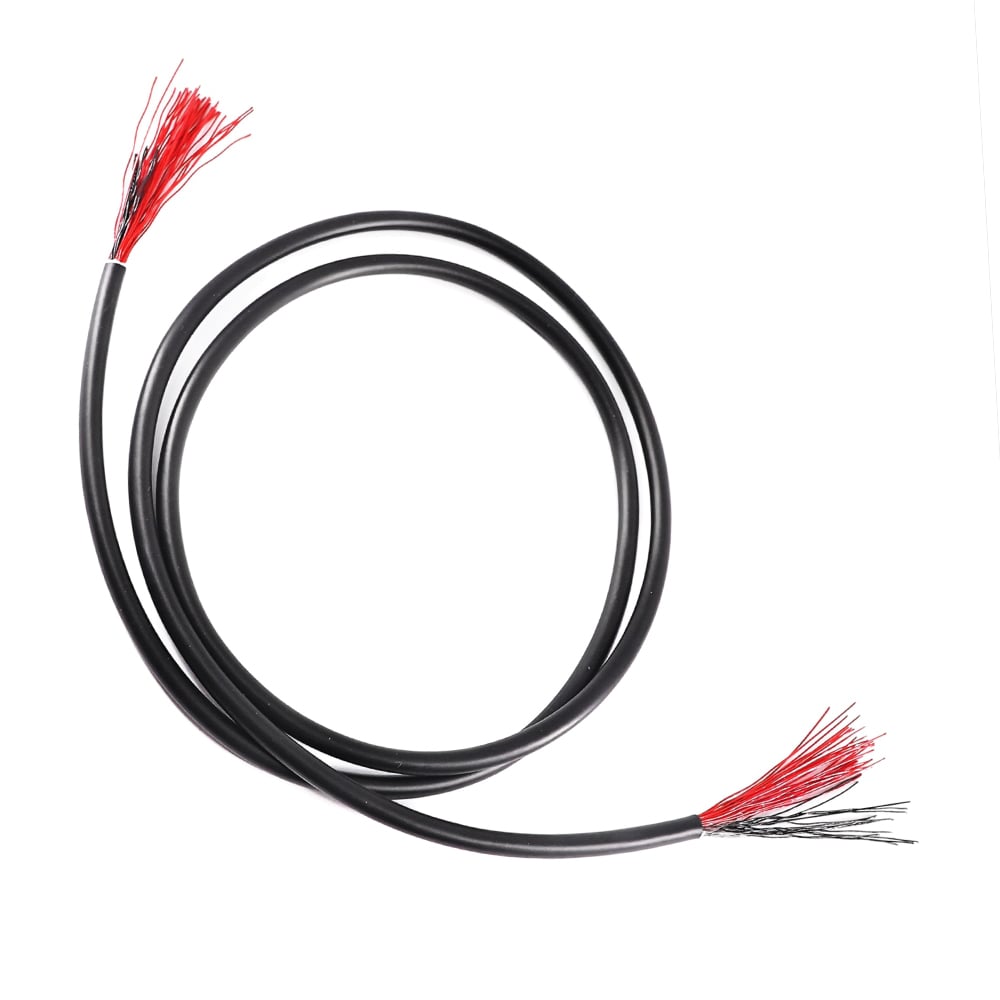
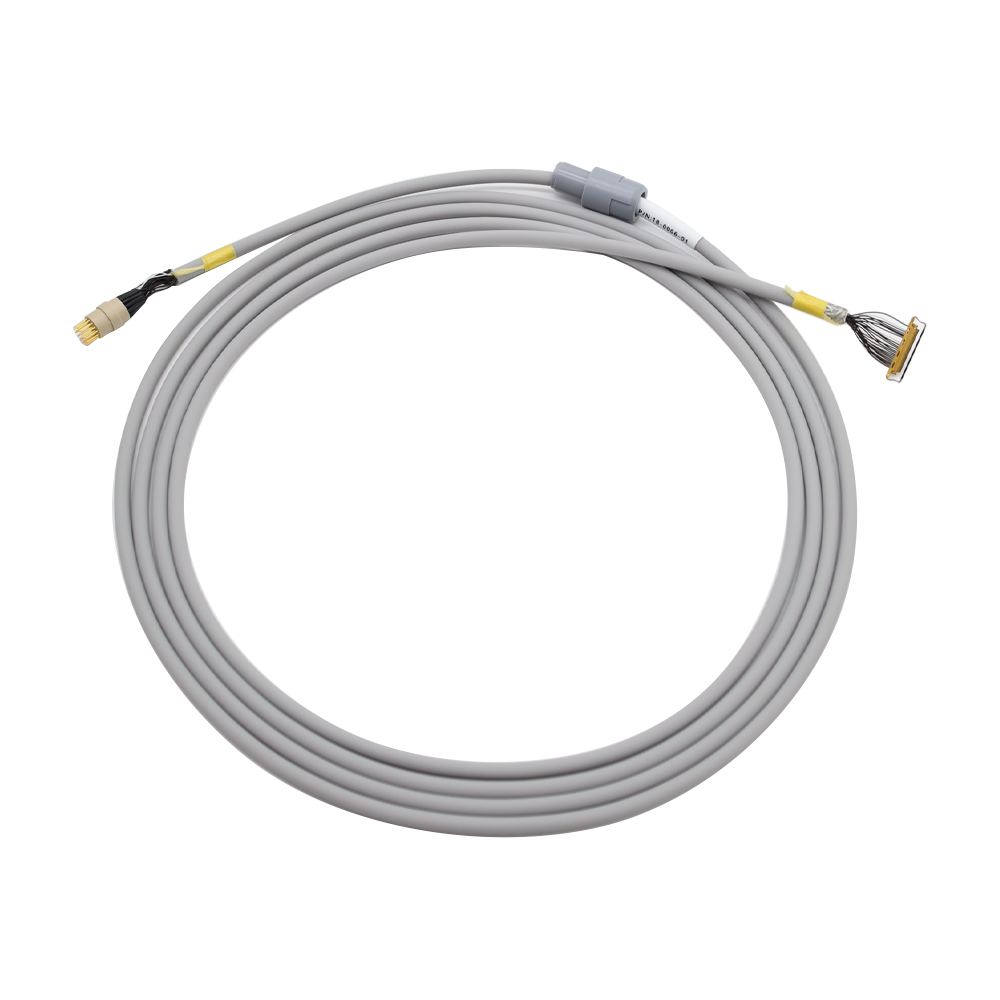
The Extremely Fine Gauge Robotics Cable Harness is a miniature interconnection solution for robotic systems that require compact wiring, flexible routing, and customized electrical integration.
Robotic equipment often combines motors, sensors, cameras, controllers, and other electronic modules within limited mechanical spaces. A fine-gauge cable harness can help organize these connections while supporting compact routing around moving and densely packaged components.
HOTTEN provides customized robotics cable harnesses with configurable conductor, insulation, shielding, sheath, and jacket constructions according to the requirements of the target robotic system.
Product Overview
The Extremely Fine Gauge Robotics Cable Harness is designed for applications where conventional cable harnesses may be too large, difficult to route, or unsuitable for compact robotic structures.
The cable construction can be configured with different conductor materials, insulation materials, shielding structures, sheaths, and jackets. This allows the harness to be adapted to different electrical, mechanical, and environmental requirements.
Typical robotic applications may require:
Key Features
Fine-Gauge Robotics Wiring
Fine-gauge cable construction is suitable for robotic systems where available routing space is limited. Conductor size can be selected according to the required electrical function and mechanical constraints.
Customizable Conductor Materials
HOTTEN supports conductor options including:
The appropriate conductor material can be selected according to the electrical and mechanical requirements of the application.
Multiple Insulation Options
Available insulation materials include:
Material selection can be evaluated according to flexibility, electrical insulation, temperature requirements, mechanical conditions, and application environment.
Flexible Shielding Configurations
Shielding options can include:
Shielding construction should be selected according to the signal environment, grounding requirements, and electromagnetic interference considerations of the robotic system.
Multiple Sheath and Jacket Materials
Available sheath materials include:
Available jacket options include:
The final cable construction can be selected according to mechanical flexibility, routing requirements, environmental conditions, and system integration.
Technical Specifications
| Item | Specification |
|---|---|
| Product Type | Robotics Cable Harness |
| Application | Robotics / Automation |
| Cable Configuration | Customized |
| Conductor Materials | Silver-plated copper, tinned copper, silver-plated copper alloy, tinned copper alloy |
| Insulation Materials | PTFE, ePTFE, FEP, PFA |
| Shield Materials | Tinned copper, silver-plated copper, CU/PET, AL/PET |
| Sheath Materials | PFA, FEP, PTFE |
| Jacket Materials | PVC, TPU, TPE, Silicone, PFA, FEP |
| Conductor Gauge | Customized according to application |
| Core Configuration | Customized |
| Cable Length | Customized |
| Cable Dimensions | Customized |
| Connector | Customized |
| Pinout | Customized |
| Termination | Customized |
Cable Construction Options
The robotics cable harness can be configured as a multi-layer structure consisting of conductors, insulation, shielding, sheath, and outer jacket.
Conductors
Depending on the electrical requirements, HOTTEN supports:
Silver-Plated Copper
Suitable for applications requiring a plated copper conductor construction.
Tinned Copper
Available for applications requiring tinned copper conductors.
Silver-Plated Copper Alloy
Available where the project requires an alloy conductor with silver plating.
Tinned Copper Alloy
Available for customized cable constructions requiring tinned alloy conductors.
Insulation
The insulation structure can be configured with:
PTFE / ePTFE / FEP / PFA
The final insulation material should be selected according to the application's electrical, mechanical, and environmental requirements.
Shielding
The shielding structure can be customized using:
Tinned Copper / Silver-Plated Copper / CU-PET / AL-PET
Shielding requirements should be defined according to the signal type, electromagnetic environment, grounding design, and connector termination.
Sheath and Jacket
HOTTEN supports different sheath and jacket materials to match different cable construction and mechanical requirements.
The available options include:
PFA / FEP / PTFE sheath
and
PVC / TPU / TPE / Silicone / PFA / FEP jacket
Typical Robotics Applications
Extremely Fine Gauge Robotics Cable Harnesses can be customized for:
Engineering & Procurement Considerations
Selecting a fine-gauge robotics cable harness requires consideration of the electrical architecture and mechanical structure of the robot together.
Conductor Gauge and Electrical Function
The conductor gauge should be selected according to the function of each circuit.
Different conductors may be used for:
The required conductor size and arrangement should therefore be defined from the system design rather than selected only by cable diameter.
Routing Space and Miniaturization
Robotic structures often contain limited internal space around joints, motors, sensors, PCBs, and moving components.
Engineers should define:
These mechanical parameters should be reviewed together with the electrical requirements.
Flexibility and Moving Structures
Robotic systems can contain repeated movement around joints and articulated mechanisms. Cable flexibility should therefore be evaluated according to:
The appropriate conductor, insulation, sheath, and jacket construction should be selected based on the actual movement conditions.
Shielding and EMC
Where a robotics harness carries sensitive sensor, camera, or control signals, shielding may be required.
Engineers should consider:
Shielding should be designed as part of the complete signal path rather than as an isolated cable feature.
Connector and Termination
The cable harness should be matched to the interfaces of the robot's sensors, cameras, controllers, actuators, and PCBs.
Procurement specifications should identify:
Material Selection
Material selection should be based on the real operating environment.
For example, engineers may need to evaluate:
HOTTEN can review the application requirements and help determine an appropriate cable construction.
Procurement Considerations
When sourcing an Extremely Fine Gauge Robotics Cable Harness, OEM buyers should provide the available engineering information:
| Procurement Item | Recommended Information |
|---|---|
| Application | Robotics / Automation |
| Cable Type | Fine-Gauge Robotics Cable Harness |
| Core Count | Required configuration |
| Conductor Gauge | Required gauge or conductor size |
| Conductor Material | Required conductor material |
| Insulation | PTFE / ePTFE / FEP / PFA or specified material |
| Shielding | Required shielding structure |
| Sheath | PFA / FEP / PTFE or specified material |
| Jacket | PVC / TPU / TPE / Silicone / PFA / FEP |
| Cable Length | Required finished length |
| Cable OD | Maximum allowable cable diameter |
| Flexibility | Required bending and movement conditions |
| Connector | Connector manufacturer and part number |
| Pinout | Signal assignment |
| Termination | Required termination method |
| Exit Orientation | Required cable and connector orientation |
| Mechanical Clearance | Available routing space |
| Technical Documents | Drawing, BOM, sample, connector specification, pinout |
| Quantity | Prototype / sample / pilot / mass production |
OEM Customization
HOTTEN supports customized robotics cable harnesses according to electrical, mechanical, and application requirements.
Customization can include: