 EN
EN
Quick Links

In the high-stakes electronics industry world of contemporary electronics, signals are under endless attack. Coming from the delicate biopotentials in an EEG top cable to the multi-gigabit data streams in a USB4 wire harness, electromagnetic interference (EMI) as well as radio-frequency interference (RFI) pose a ruthless risk to signal stability. For micro coaxial cables, the slim lifelines powering development in medical probes, robotics, as well as AR/VR systems, There is little room for error. Enhancing protection efficiency is certainly not simply a technological specification; it is an essential demand for reliable efficiency as well as security.
The Multi-Layered Defense: Understanding Shielding Types and Mechanisms
Effective shielding is a complex engineering challenge. It deals with two main concepts: reflection and absorption. For micro coax cables, this is really achieved along with a blend of degrees:
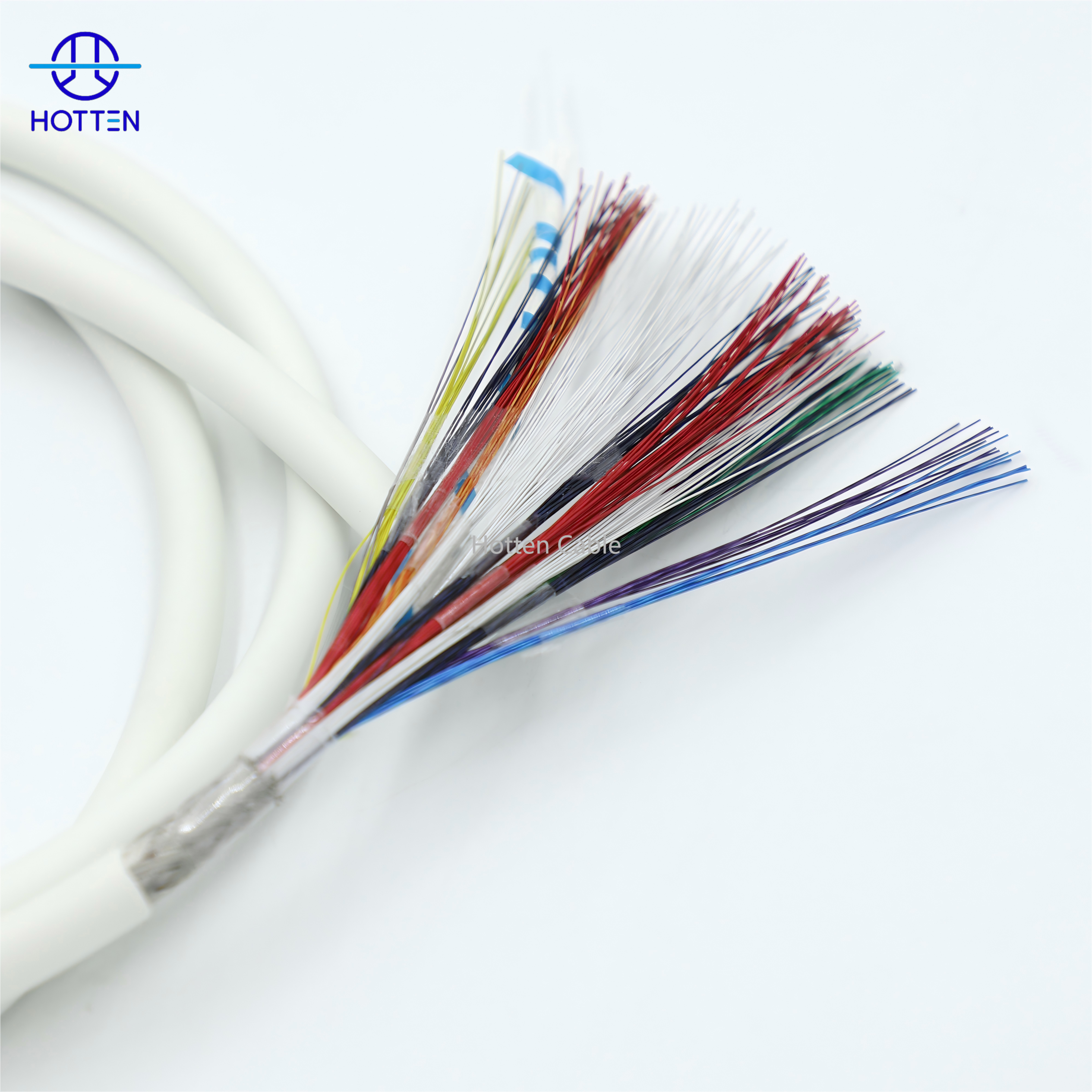
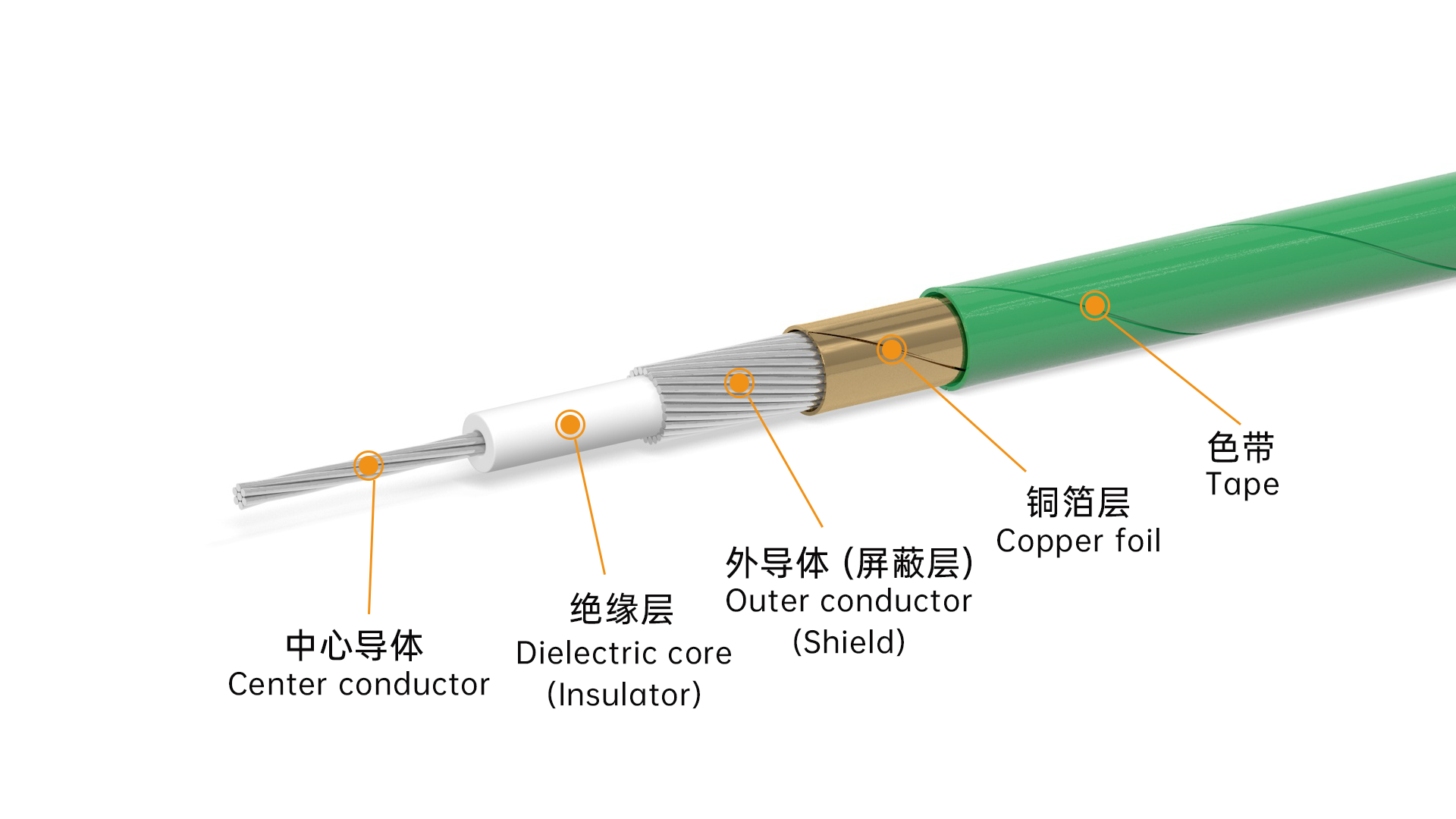
Braid Shields: Interweaved coming from fine strands (frequently tin- or even silver-plated copper), pigtails offer outstanding versatility as well as higher bodily resilience. Their coverage (generally 85%-95%) offers durable security versus mid-to-high regularity disturbance, creating all of them perfect for vibrant applications such as robotics cable harnesses and gimbal camera cable harnesses.
Foil Shields: A slim level of lightweight aluminum or even copper laminated to a polyester substrate. This provides 100% coverage at radio frequencies and is extremely efficient versus capacitive combining as well as low-frequency RFI. Nonetheless, foil alone doesn't have durability under repeated flexing.
Served Shields: Spiral wraps of cable that balance versatility along with great coverage. The tactical option, as well as a mix of these shields, such as a foil-braid composite, creates a collaborative coverage, obstructing disturbance throughout a wide range while preserving the cable's mechanical properties.
| Shield Type | Advantages | Limitations | Typical Applications |
|---|---|---|---|
| Braid Shield | Excellent flexibility and mechanical durability | Coverage gaps may reduce high-frequency shielding performance | Robotics, UAV, dynamic cable assemblies |
| Foil Shield | Provides near 100% coverage and strong EMI protection | Less flexible under repeated bending | High-frequency signal transmission, medical electronics |
| Spiral Shield | Good flexibility and moderate shielding performance | Lower coverage compared with braid or foil combinations | Flexible cable applications |
| Foil + Braid Shield | Combines high coverage, flexibility and broadband protection | Higher cost and more complex manufacturing | Medical imaging, RF systems, precision electronics |
The Critical Role of Coverage and Material in Signal Integrity
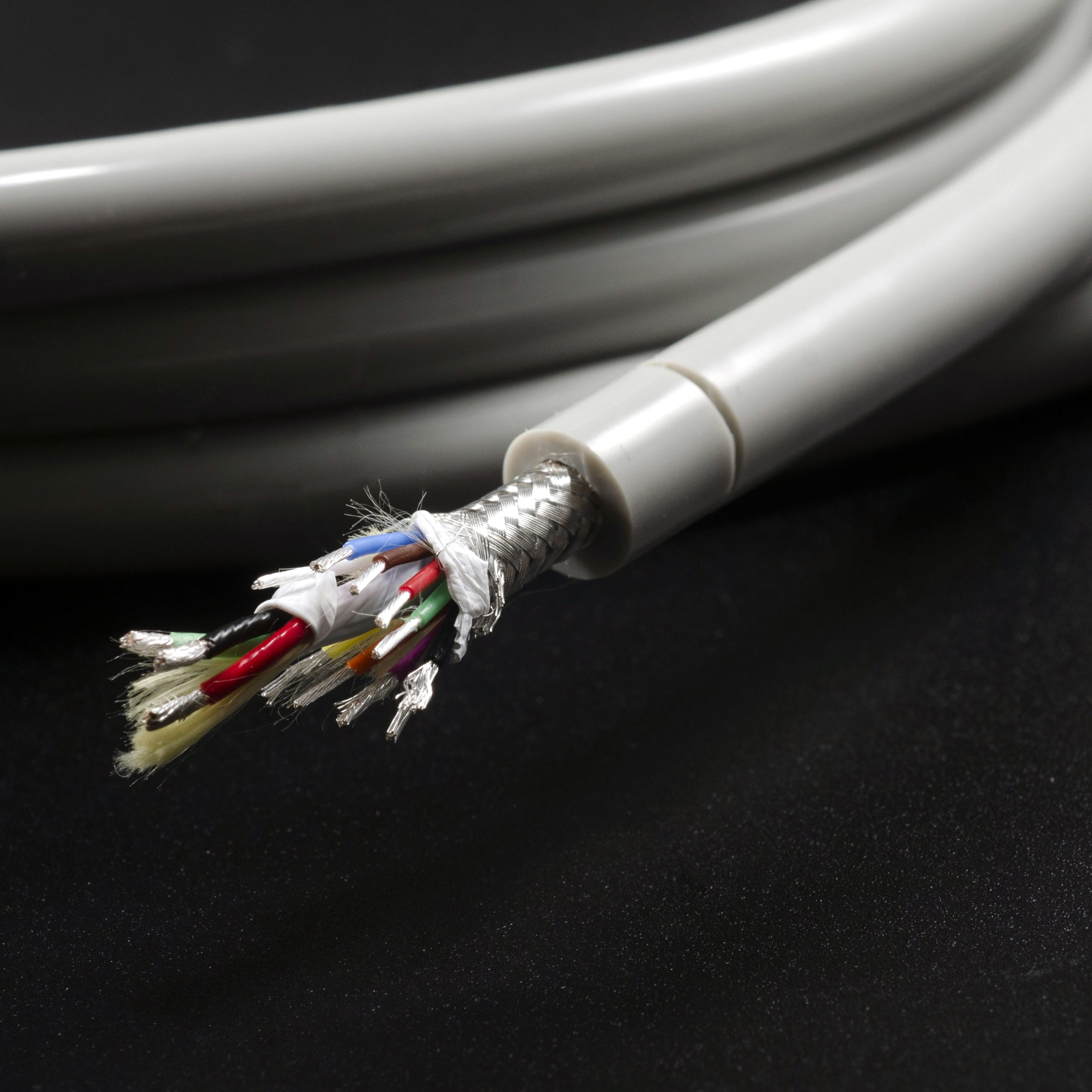
Shielding effectiveness is quantifiably determined in decibels (dB) of signal attenuation. The essential adjustable is coverage: the portion of the cable's area literally obstructed due to the guard. Greater coverage straight equates to higher security. For example, a high-density intertwine along with 95% coverage offers significantly greater attenuation compared to an 80% intertwine. Product option is similarly crucial. Silver layering on copper hairs improves conductivity at higher frequencies because of the skin effectt, offering exceptional efficiency for RF cables as well as LVDS cable harnesses utilized in high-resolution imaging systems. This guarantees the low-level signals coming from an ultrasound probe cable or even an endoscope cable stay beautiful in electrically loud medical atmospheres.
The Achilles' Heel: Termination and Continuity
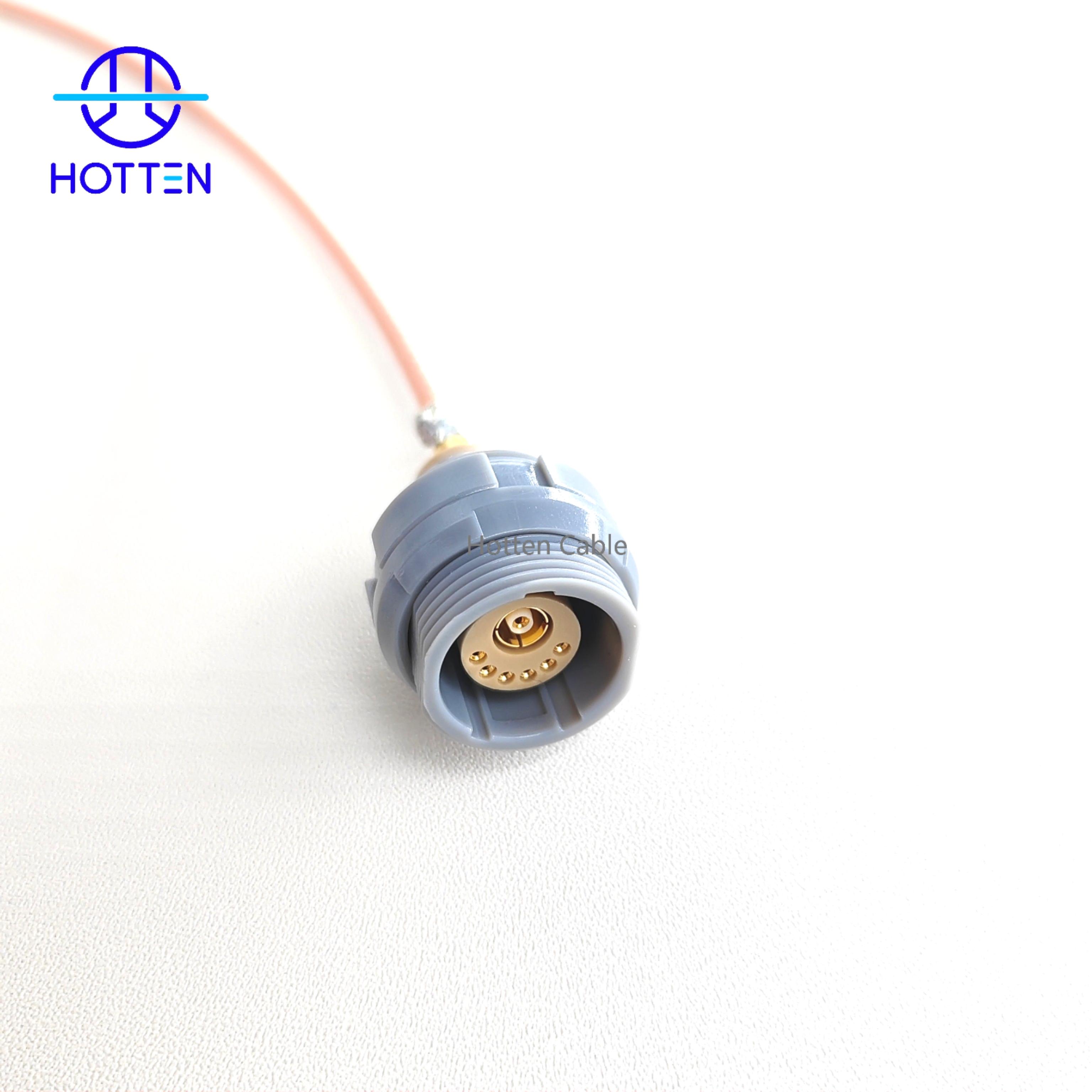
A guard is just comparable to its own link to the ground. An incorrectly ended guard produces a ground loop or even an aerial, unintentionally enhancing disturbance instead of reducing it. This is a typical factor of failing. Accomplishing a 360-degree circumferential background at the connector is non-negotiable. Methods like accuracy crimping of the guard to a conductive backshell, or even using specific conductive gaskets as well as ferrules, guarantee a low-resistance, constant course for disturbance to drain to ground. This precise discontinuation method is critical for electrosurgical cables as well as RF ablation cables, where any type of signal shadiness can easily affect procedural security as well as effectiveness.
Application-Specific Shielding Strategies
There's no one-size-fits-all solution. Ideal protection is determined due to the application's distinct electro-magnetic atmosphere as well as mechanical needs:
High-Flex, Dynamic Applications (Robotics, Drones): Right below, a mix of an offered guard for versatility, as well as a low-mass intertwine for resilience, is frequently utilized. It safeguards command signals coming from the EMI produced throughthe electric motor drives, as well as energy collections within the drone cable harness.
High-Frequency Data Transmission (USB4, AR/VR): These cables need guards along with remarkable high-frequency efficiency, frequently utilizing several levels of specifically tilted pigtails as well as low-smoke, zero-halogen coats to handle EMI whilemeeting conference security requirements for consumer and specialist electronics.
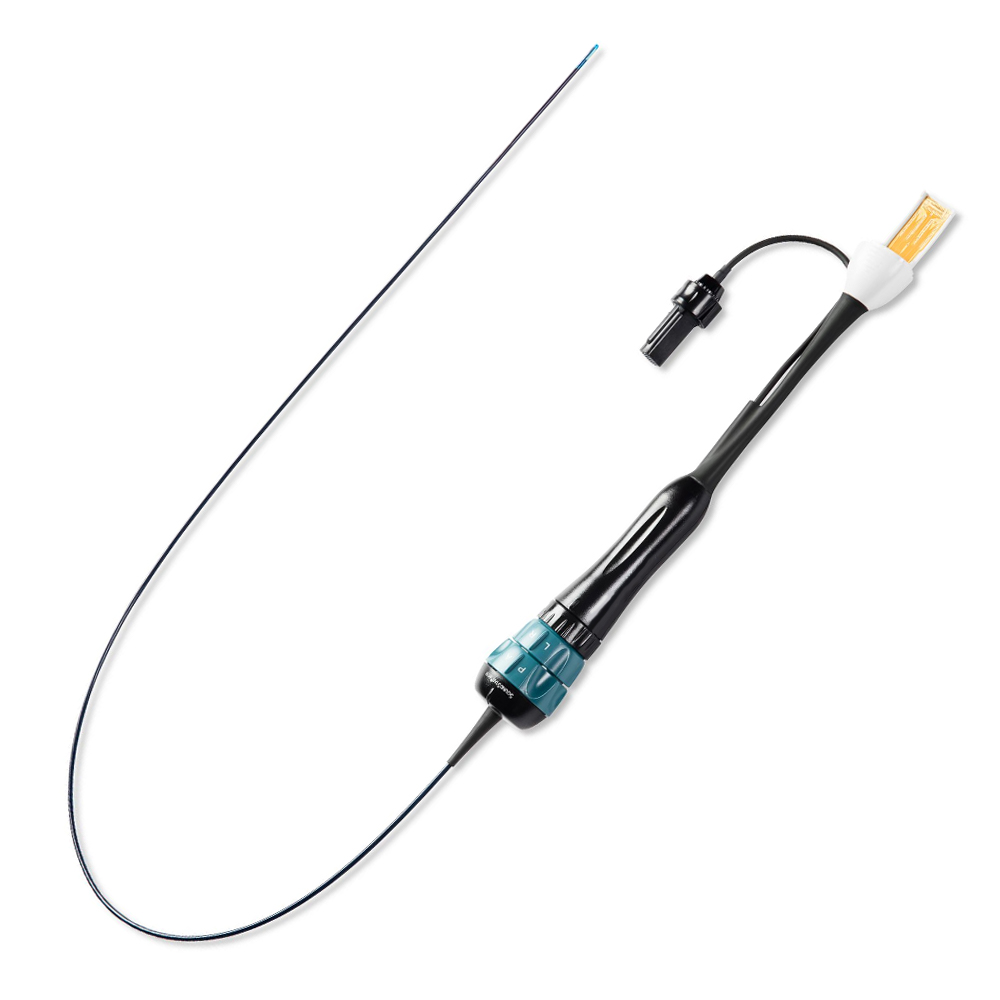
Sensitive Medical Diagnostics (ICE, IVUS, EEG): For these microvolt-level signals, protection should avoid each access of outside sound as well as egress of cable signals that might impact various other devices. A foil-braid compound, along with near-100% coverage as well as ideal discontinuity, is required, guaranteeing client security as well as analysis precision.
At Hotten Electronic Wire Technology, our team designer protecting as a system, certainly not an afterthought. Through evaluating the risk atmosphere, flex life design demands, as well as signal integrity requirements of each application, from dental sensing cables to complicated medical cable harnesses, we design and produce micro coax cables along with enhanced protection. Our objective is to provide not simply cables, but an ensured path for clean, reliable, and interference-free signal transmission.
A: Shielding effectiveness measures how well a cable prevents electromagnetic interference (EMI) from entering or leaving the cable assembly. Higher shielding effectiveness helps maintain signal integrity in sensitive electronic systems.
A: Micro coaxial cables are often used for high-frequency and low-level signal transmission. Effective shielding reduces EMI, RFI and crosstalk, helping maintain stable signal transmission in medical devices, robotics and advanced electronics.
A: The optimal shielding structure depends on the application requirements. Foil-braid composite shielding is commonly used when both high shielding performance and mechanical flexibility are required.
A: Higher shield coverage generally improves EMI protection, but overall performance also depends on shielding material, grounding design, connector termination and cable construction.
A: Poor shield termination can create discontinuities that reduce shielding performance. A proper 360-degree shield connection helps maintain a continuous low-impedance grounding path.
A: Yes. Shielding structures can be customized according to requirements such as EMI environment, frequency range, flexibility, bending cycles and application-specific performance requirements.
 Hot News
2026-09-17
2026-09-04
2025-12-17
2025-12-11
2025-12-05