 EN
EN
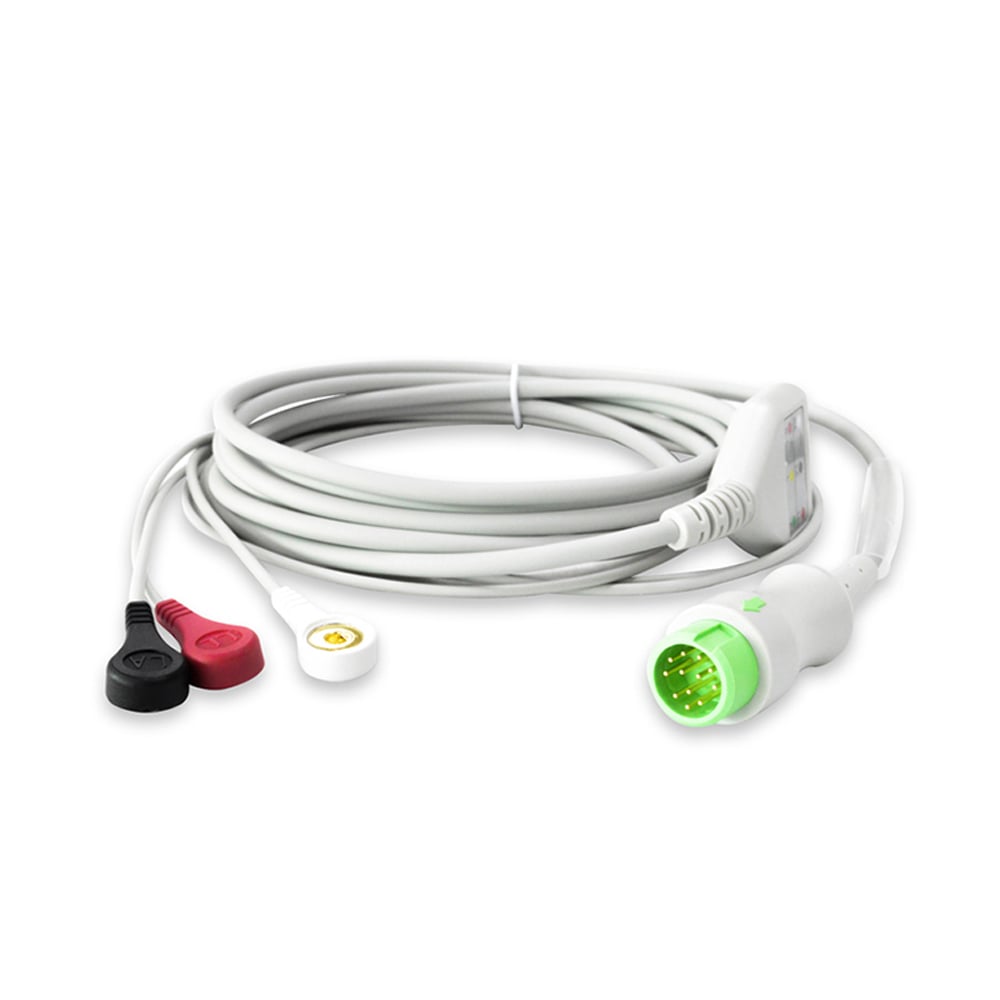
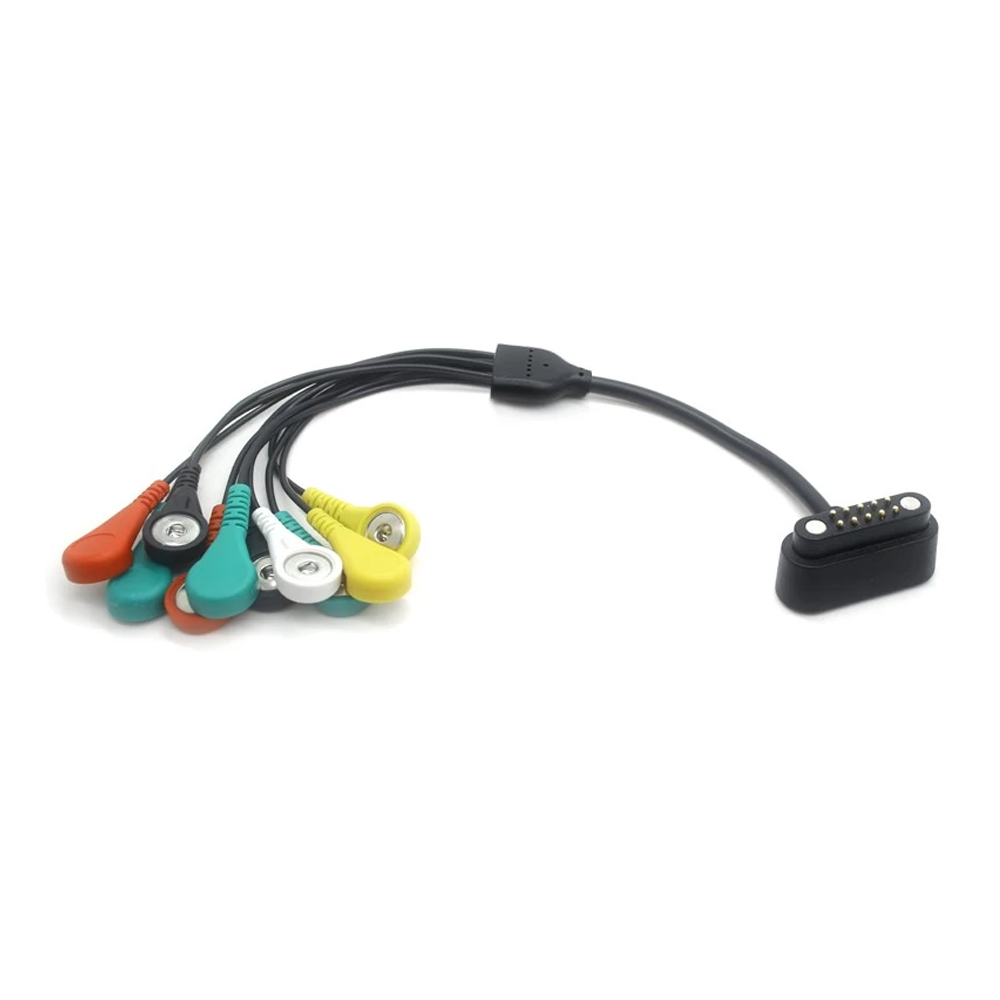
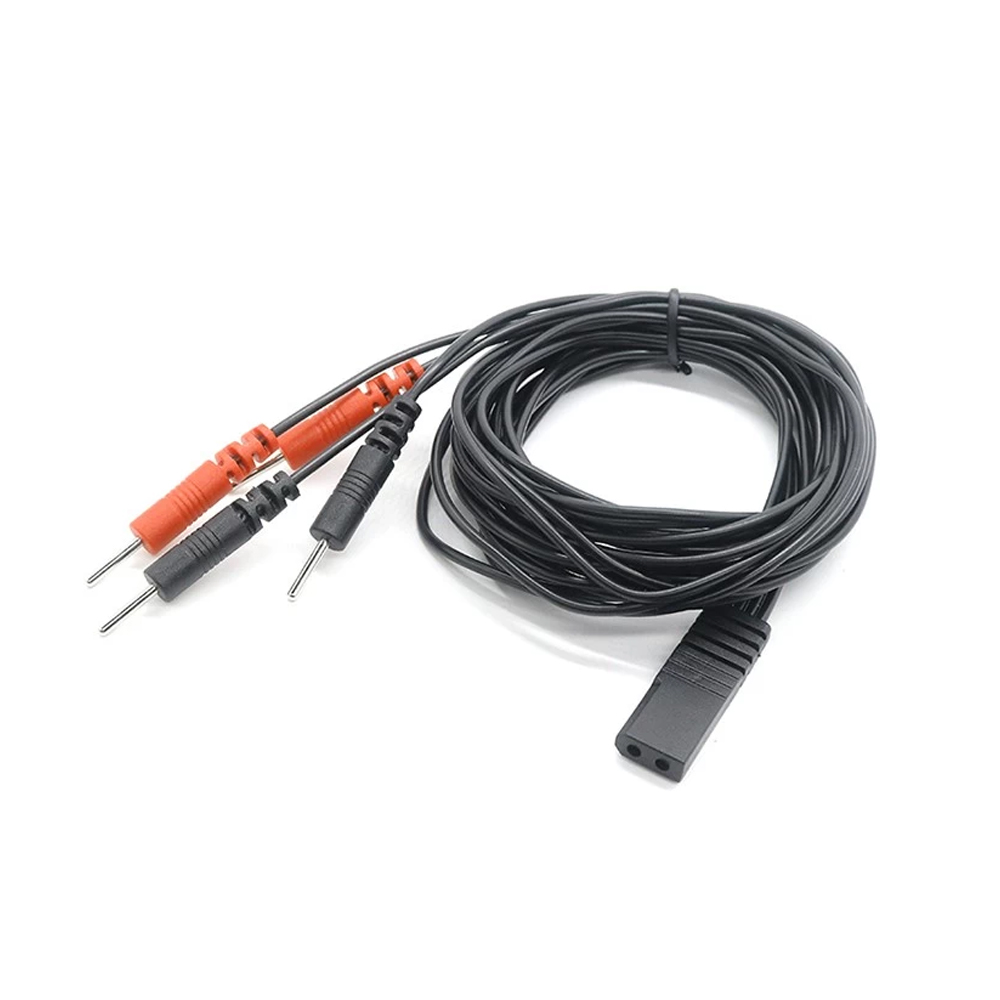
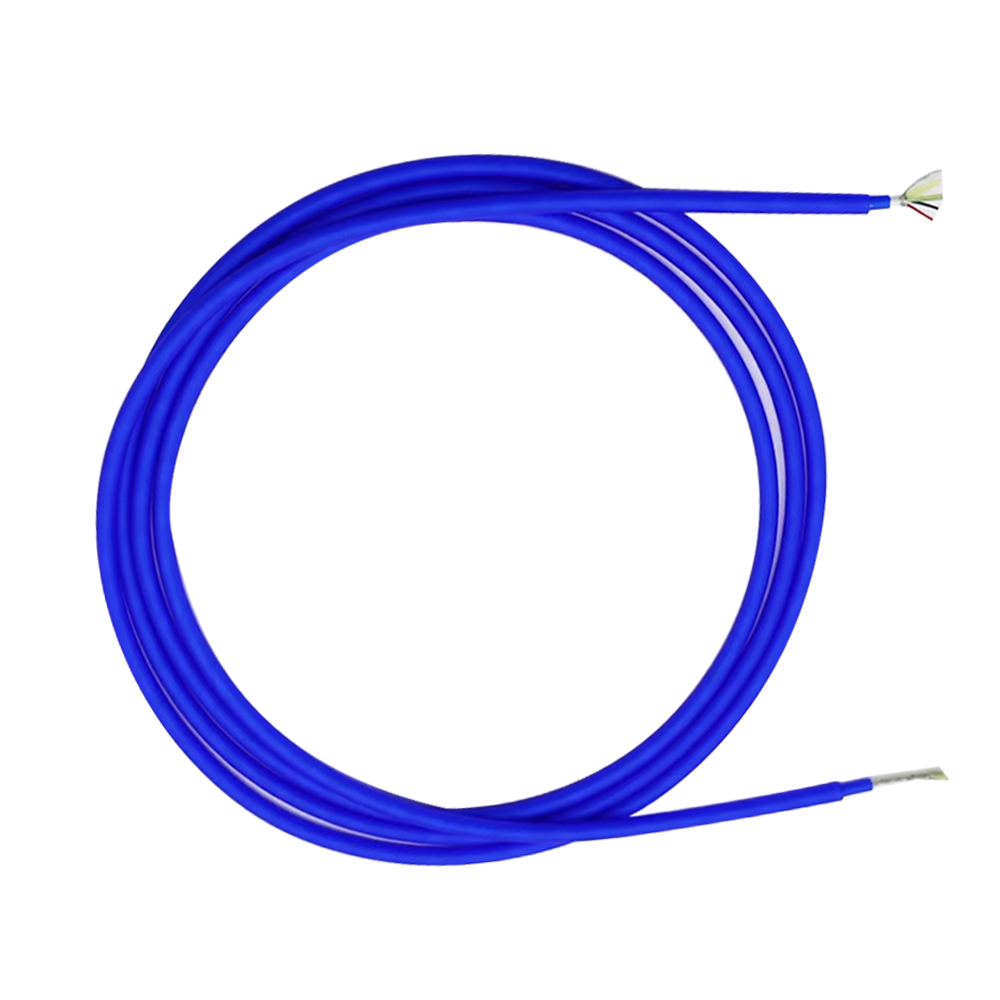
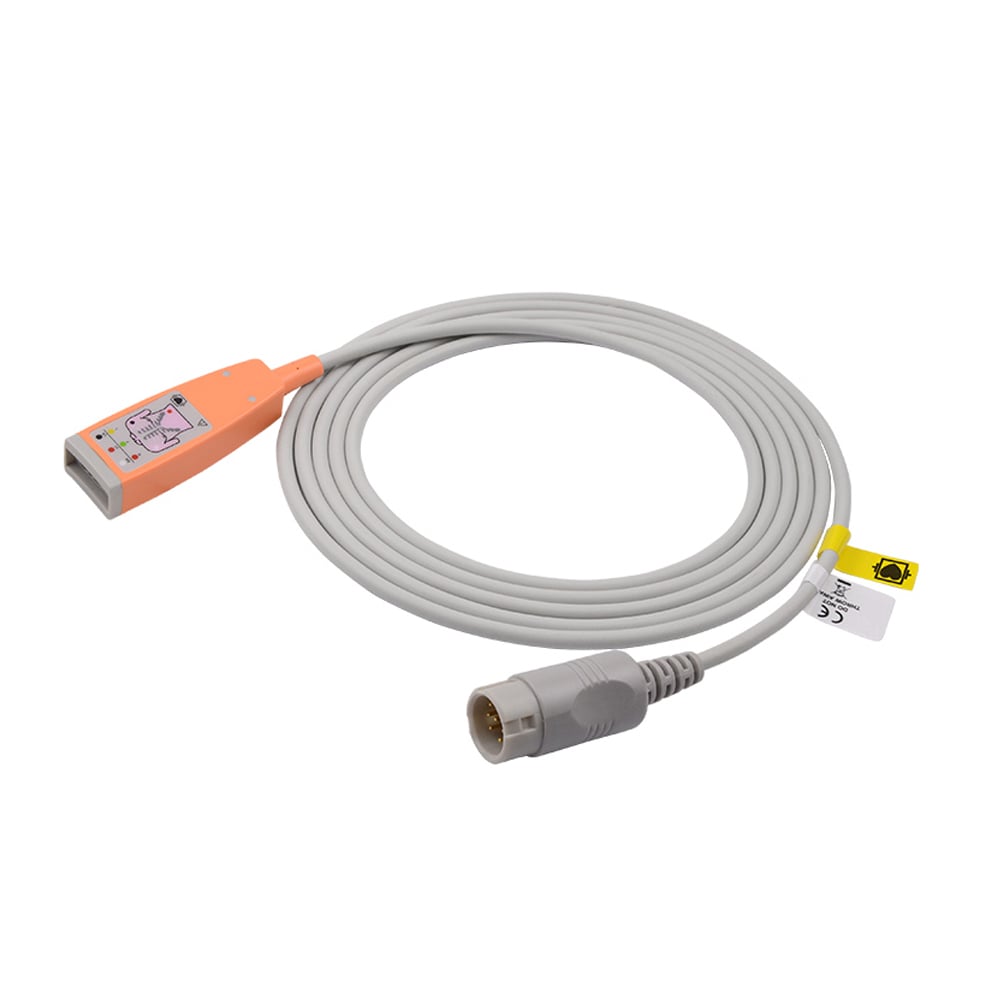
Easy Disinfection Medical-Grade EEG Patient Cable for ICU/EEG Monitoring
| Procurement Item | Recommended Information |
|---|---|
| Application | EEG monitoring, ICU patient monitoring or related neurological monitoring |
| Cable Type | EEG patient cable / medical monitoring cable |
| Core Configuration | Number of conductors and channel configuration |
| Conductor | Material and conductor size |
| Insulation | Required insulation material |
| Shielding | Shield structure and noise-control requirements |
| Cable Length | Required finished cable length |
| Flexibility | Required bending and routing characteristics |
| Outer Jacket | Required medical-grade jacket material |
| Disinfection | Cleaning and disinfection method or chemical exposure requirements |
| Connector | Electrode interface, equipment connector and termination requirements |
| Electrical Requirements | Continuity, insulation resistance and other applicable requirements |
| Mechanical Requirements | Bending, pulling, flexing or connection-cycle requirements |
| Prototype Quantity | Initial sample quantity |
| Production Volume | Expected recurring production volume |
| Drawing / BOM | Available engineering drawing and component information |
| Testing | Required electrical, dimensional and mechanical tests |
| Name | Material |
| Conductor | Silver plated copper |
| Tinned copper | |
| Silver plated copper alloy | |
| Tinned copper alloy | |
| Insulation | Teflon:PTFE/ePTFE/FEP/PFA |
| Shield | Tinned copper/Silver plated copper |
| CU/PET、 AL/PET | |
| Sheath | PFA/FEP/PTFE |
| Jacket | PVC/TPU/TPE/Silicone/PFA/FEP |
- Overview
- Recommended Products
- Silver plated copper
- Tinned copper
- Silver plated copper alloy
- Tin plated copper alloy
- PTFE
- ePTFE
- FEP
- PFA
- Tinned copper braid
- Silver plated copper braid
- CU/PET
- AL/PET
- PVC
- TPU
- TPE
- Silicone
- PFA
- FEP
Required cleaning frequency
Disinfection chemicals used by the customer
Exposure time during cleaning
Surface smoothness and contamination resistance
Flexibility after repeated cleaning
Long-term mechanical durability
Conductor configuration
Cable geometry
Shielding structure
Insulation characteristics
Cable length
Connector configuration
Routing near other electrical equipment
System-specific noise-control requirements
Conductor configuration
AWG selection
Cable length
Cable diameter
Insulation material
Shielding structure
Outer jacket material
Connector configuration
Termination method
Branch or multi-channel structure
Prototype samples
Mass-production configuration
EEG monitor model or application
Number of channels / conductors
Cable drawing
Required cable length
Conductor and AWG requirements
Shielding requirements
Jacket and insulation requirements
Connector part numbers or drawings
Patient-side electrode interface
Cleaning and disinfection method
Flexibility or bending requirements
Prototype quantity
Expected production volume
Required testing and inspection standards
- EEG Lead Wire
- Ultrasound Probe Cable
- Endoscope Cable
- Surgical Cable
- Medical Cable Assembly
- Cable design optimization
- Material selection
- Assembly requirements
- Production scaling
FAQ
What is an EEG patient cable?
An EEG patient cable connects electrodes placed on the patient to EEG monitoring equipment for brain electrical signal acquisition.
Why are shielding materials important for EEG cables?
EEG signals are very low-level signals. Proper shielding helps reduce electromagnetic interference and improves signal reliability.
Can HOTTEN customize EEG lead wires?
Yes. HOTTEN supports customized cable structures, shielding designs, materials and connector requirements.
Product Overview
Medical Grade EEG Patient Cable for ICU Monitoring
HOTTEN provides customized EEG patient cable solutions designed for ICU monitoring systems and medical diagnostic equipment.
This medical-grade EEG lead wire features reliable signal transmission, flexible cable construction and easy-to-clean materials for repeated use in healthcare environments.
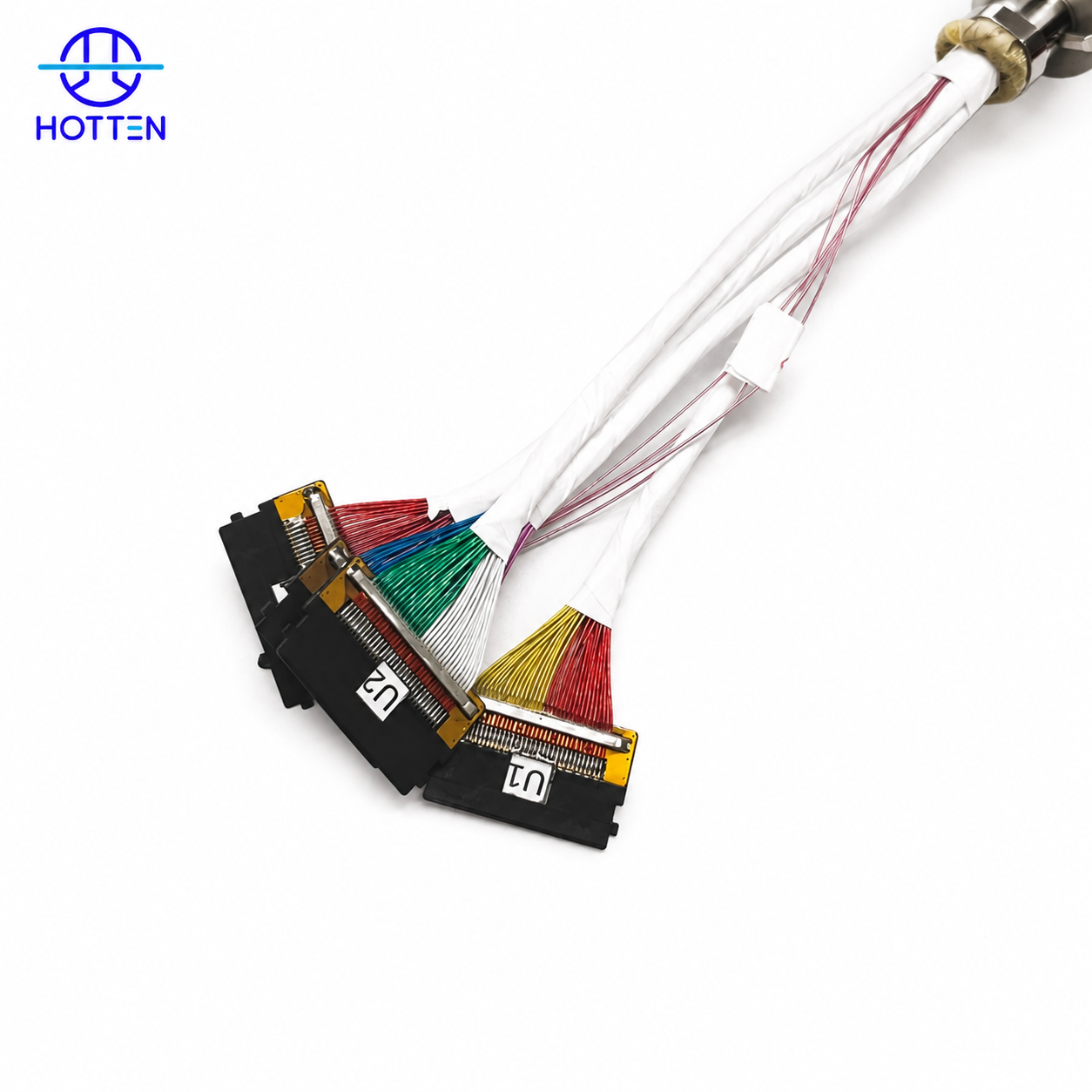
With professional cable manufacturing capabilities, HOTTEN supports customized EEG cable development including conductor selection, shielding design, jacket materials and cable configurations.
Key Features
Reliable EEG Monitoring Cable Solution
🔹 Easy Cleaning and Disinfection
Designed with medical-grade jacket materials suitable for regular cleaning procedures.
🔹 Stable Signal Transmission
Optimized shielding structure helps reduce interference during EEG signal monitoring.
🔹 Flexible Patient Cable Design
Provides comfortable handling and reliable operation in clinical environments.
🔹 Customized Structure
Supports different core counts, conductor materials and cable dimensions.
🔹 OEM Medical Cable Manufacturing
From prototype development to mass production.
Cable Structure
Customized EEG Lead Wire Configuration
Conductor
Options:
Insulation
Options:
Shielding
Options:
Jacket
Options:
(这些材料组合与你当前页面资料一致。)
Applications
EEG Monitoring Applications
Suitable for:
🧠 ICU Patient Monitoring
🏥 Neurological Monitoring Equipment
🔬 EEG Diagnostic Systems
⚕️ Clinical Patient Monitoring Devices
🏭 Medical Equipment OEM
Customization Options
OEM EEG Cable Solutions
HOTTEN supports:
✔ Cable length customization
✔ Electrode / connector integration
✔ Core configuration
✔ AWG selection
✔ Shielding design
✔ Jacket material selection
✔ Prototype samples
✔ Mass production
Quality Assurance
Medical Cable Reliability Testing
Testing capability:
✔ Electrical performance testing
✔ Withstand voltage testing
✔ Insulation testing
✔ Mechanical bending testing
✔ Tensile testing
Engineering & Procurement Considerations
What Engineers Should Consider When Selecting an EEG Patient Cable
An EEG patient cable is a medical cable used to connect EEG electrodes and patient-monitoring interfaces with an EEG monitoring system. For ICU and clinical monitoring environments, cable selection should consider signal integrity, patient-side usability, flexibility, cleaning and disinfection requirements, mechanical durability and connector compatibility.
For repeated clinical use, the cable construction should also be evaluated according to the cleaning process, routing conditions and interface requirements of the final EEG monitoring equipment.
Key Engineering Requirements
| Engineering Requirement | Key Considerations |
|---|---|
| Low-Level Signal Transmission | EEG signals are relatively low-level, so cable construction should be selected to support stable signal transmission and minimize unwanted electrical interference. |
| EMI / Noise Control | Shielding and cable construction should be considered according to the electromagnetic environment of the ICU or monitoring area. |
| Easy Disinfection | Outer materials and cable construction should be compatible with the customer's required cleaning and disinfection procedures. |
| Flexibility | The cable should remain easy to route around patients, beds and monitoring equipment without creating unnecessary mechanical stress. |
| Patient-Side Safety | Insulation, jacket construction and connector design should be selected according to the requirements of the finished medical device. |
| Mechanical Durability | Repeated bending, handling, cleaning and connection/disconnection cycles should be considered during cable selection. |
| Connector Compatibility | Patient-side and equipment-side termination should match the electrode interface and EEG monitor architecture. |
| Manufacturing Consistency | Electrical, dimensional and mechanical consistency is important for repeatable cable performance during production. |
Key Procurement Parameters
When sourcing an EEG patient cable for ICU or clinical monitoring applications, engineering and procurement teams should confirm:
| Procurement Item | Recommended Information |
|---|---|
| Application | EEG monitoring, ICU patient monitoring or related neurological monitoring |
| Cable Type | EEG patient cable / medical monitoring cable |
| Core Configuration | Number of conductors and channel configuration |
| Conductor | Material and conductor size |
| Insulation | Required insulation material |
| Shielding | Shield structure and noise-control requirements |
| Cable Length | Required finished cable length |
| Flexibility | Required bending and routing characteristics |
| Outer Jacket | Required medical-grade jacket material |
| Disinfection | Cleaning and disinfection method or chemical exposure requirements |
| Connector | Electrode interface, equipment connector and termination requirements |
| Electrical Requirements | Continuity, insulation resistance and other applicable requirements |
| Mechanical Requirements | Bending, pulling, flexing or connection-cycle requirements |
| Prototype Quantity | Initial sample quantity |
| Production Volume | Expected recurring production volume |
| Drawing / BOM | Available engineering drawing and component information |
| Testing | Required electrical, dimensional and mechanical tests |
Easy-Disinfection Design Considerations
For EEG cables used in ICU and clinical environments, cleanability and disinfection can be important procurement criteria.
The cable jacket and external construction should be evaluated according to:
The appropriate material should be confirmed against the customer's actual cleaning and disinfection process rather than selected solely based on the material name.
EEG Signal and Shielding Considerations
EEG monitoring involves the detection of small electrical signals. Cable construction therefore needs to be considered as part of the complete signal path.
Important parameters may include:
The final shielding and conductor construction should be determined from the customer's EEG equipment architecture and electrical specification.
OEM Customization
HOTTEN supports customized EEG patient cable development according to customer drawings, connector requirements and application conditions.
Customization may include:
For OEM projects, cable construction can be developed around the customer's EEG monitor and patient-interface requirements rather than using a generic standard cable.
EEG Patient Cable Supplier Evaluation Checklist
When evaluating an EEG cable supplier, procurement teams should consider:
① Signal Integrity Capability
Can the supplier produce cable constructions suitable for low-level EEG signal transmission?
② Medical-Grade Material Selection
Can the supplier provide appropriate insulation and jacket materials for medical monitoring applications?
③ Cleaning and Disinfection Compatibility
Can the supplier customize the cable according to the customer's actual disinfection process?
④ Connector and Termination Capability
Can the supplier manufacture the required patient-side and equipment-side termination?
⑤ Mechanical Reliability
Can the cable withstand repeated handling, bending, cleaning and connection cycles?
⑥ OEM Engineering Support
Can the supplier work from drawings, electrical specifications, BOMs and prototype requirements?
Recommended RFQ Information
For an accurate quotation and engineering review, customers are recommended to provide:
Providing these details helps the cable supplier evaluate the electrical, mechanical and cleaning requirements of the actual EEG monitoring system before selecting the final cable construction.
HOTTEN EEG Cable Engineering Support
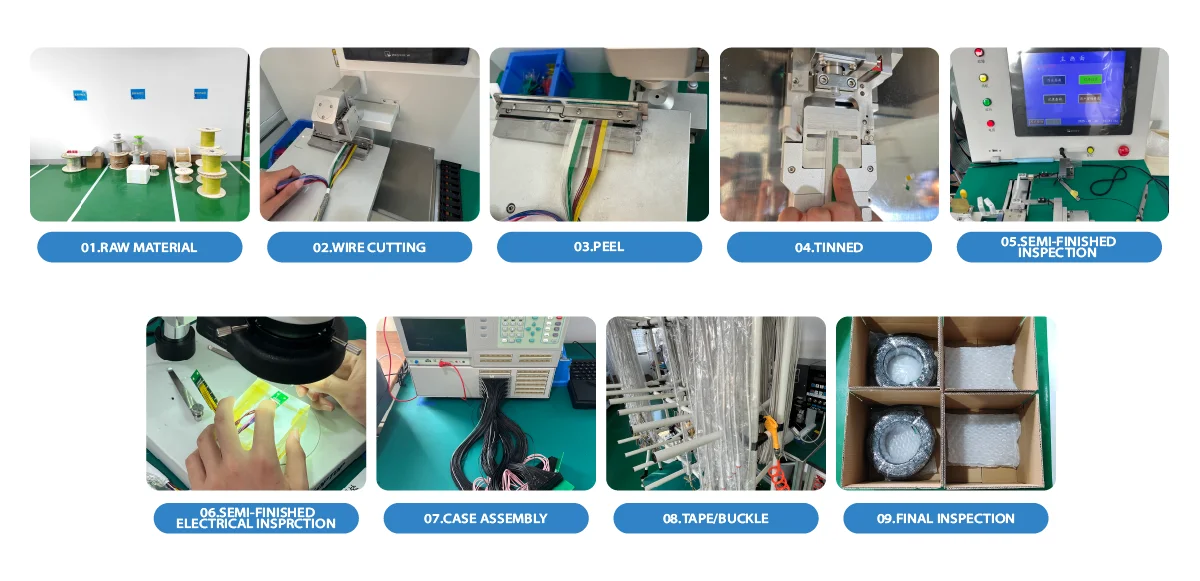
HOTTEN provides customized medical cable solutions for EEG monitoring, ICU patient monitoring and related medical equipment applications. For OEM projects, HOTTEN can support cable construction customization, connector termination, prototype development, testing and subsequent mass production according to customer requirements.



Why Choose HOTTEN
Professional EEG Cable Manufacturer
Precision Medical Cable Capability
HOTTEN manufactures:
Customized OEM Support
Support: