 EN
EN
Quick Links

Modern electronic devices are becoming smaller, smarter, and more powerful.
From medical imaging equipment and wearable devices to robotics, AI hardware, and advanced industrial systems, manufacturers are facing a common challenge: how to achieve reliable high-speed signal transmission within increasingly limited spaces.
Traditional cable solutions often cannot meet the requirements of modern electronic designs due to size limitations, signal loss, and electromagnetic interference.
This is where micro coaxial cable assemblies provide an advanced solution.
With their compact structure, excellent shielding performance, and high-frequency transmission capability, micro coaxial cables have become an important component in next-generation electronic systems.
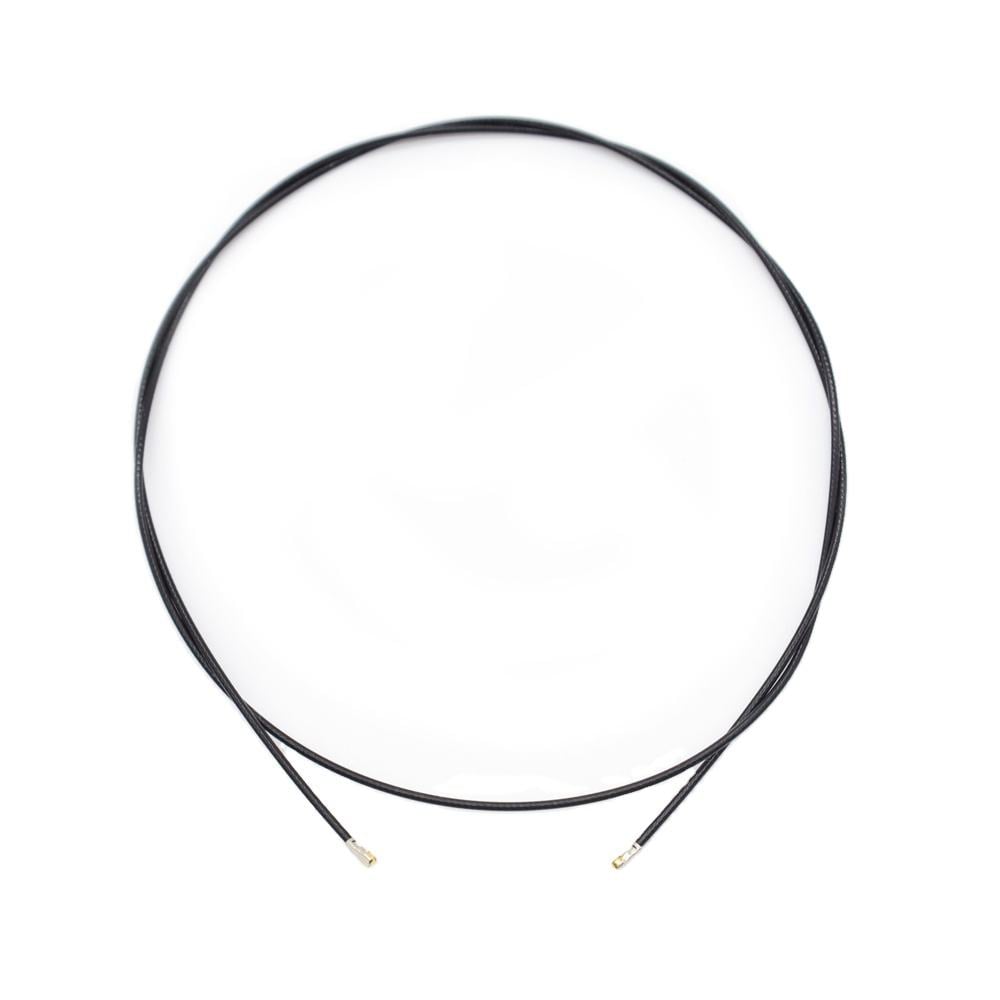
A micro coaxial cable is a miniature coaxial cable designed for applications that require high-performance signal transmission in a very limited space.
Like traditional coaxial cables, micro coaxial cables consist of:
However, micro coaxial cables are manufactured with much smaller dimensions while maintaining electrical performance.
This makes them suitable for applications where both size and signal quality are critical.
The trend toward smaller electronic products continues across many industries.
Examples include:
Engineers need cable solutions that can fit into smaller spaces without reducing performance.
Micro coaxial cable assemblies provide:
Modern devices process increasingly large amounts of data.
High-speed signals can be affected by:
Micro coaxial cables are designed to maintain signal integrity through:
This is especially important for applications requiring accurate and stable data transmission.
As electronic systems become more integrated, interference becomes a growing challenge.
Poor cable shielding may cause:
High-performance micro coaxial cable assemblies use advanced shielding designs to protect sensitive signals from external noise.
Medical devices require extremely reliable signal transmission.
Applications include:
Micro coaxial cables help medical manufacturers achieve:
Robotic systems require cables that can handle:
Micro coaxial cable solutions are used in:
Flexible cable designs help improve reliability in dynamic environments.
The development of artificial intelligence is driving demand for faster and more compact electronic systems.
AI-related hardware requires:
Micro coaxial cable assemblies can support advanced electronic architectures where performance and size are both critical.
Modern unmanned systems require lightweight and reliable components.
For applications such as drones and autonomous equipment, cable solutions must provide:
Micro coaxial cables provide an effective solution for compact electronic systems.
Selecting the right supplier is critical for advanced electronic applications.
Important factors include:
A professional supplier should provide:
Micro coaxial cable production requires strict control of:
Different applications require different cable structures.
A reliable manufacturer should support:
The demand for advanced cable solutions will continue growing with the development of:
Future cable technologies will require:
Micro coaxial cable assemblies will continue playing an important role in enabling next-generation electronic products.
As electronic devices continue becoming smaller and more intelligent, reliable signal transmission becomes increasingly important.
Micro coaxial cable assemblies provide the combination of compact design, high-frequency performance, and excellent shielding required by modern industries.
For companies developing medical equipment, robotics systems, AI hardware, and advanced electronic devices, choosing an experienced micro coaxial cable manufacturer is essential for achieving reliable product performance.
Hotten provides customized cable solutions designed to meet the demanding requirements of next-generation electronic applications.
Micro coaxial cables are used in applications requiring compact size and high-performance signal transmission, including medical devices, robotics, AI hardware, and advanced electronics.
The main advantages include small size, excellent shielding, high-frequency performance, and reliable signal transmission.
Common applications include medical equipment, robotics, automation systems, wearable devices, and advanced electronic products.
Companies should evaluate a supplier's engineering capability, manufacturing precision, customization ability, and experience with high-performance cable applications.
 Hot News
2026-09-17
2026-09-04
2025-12-17
2025-12-11
2025-12-05