 EN
EN
Quick Links

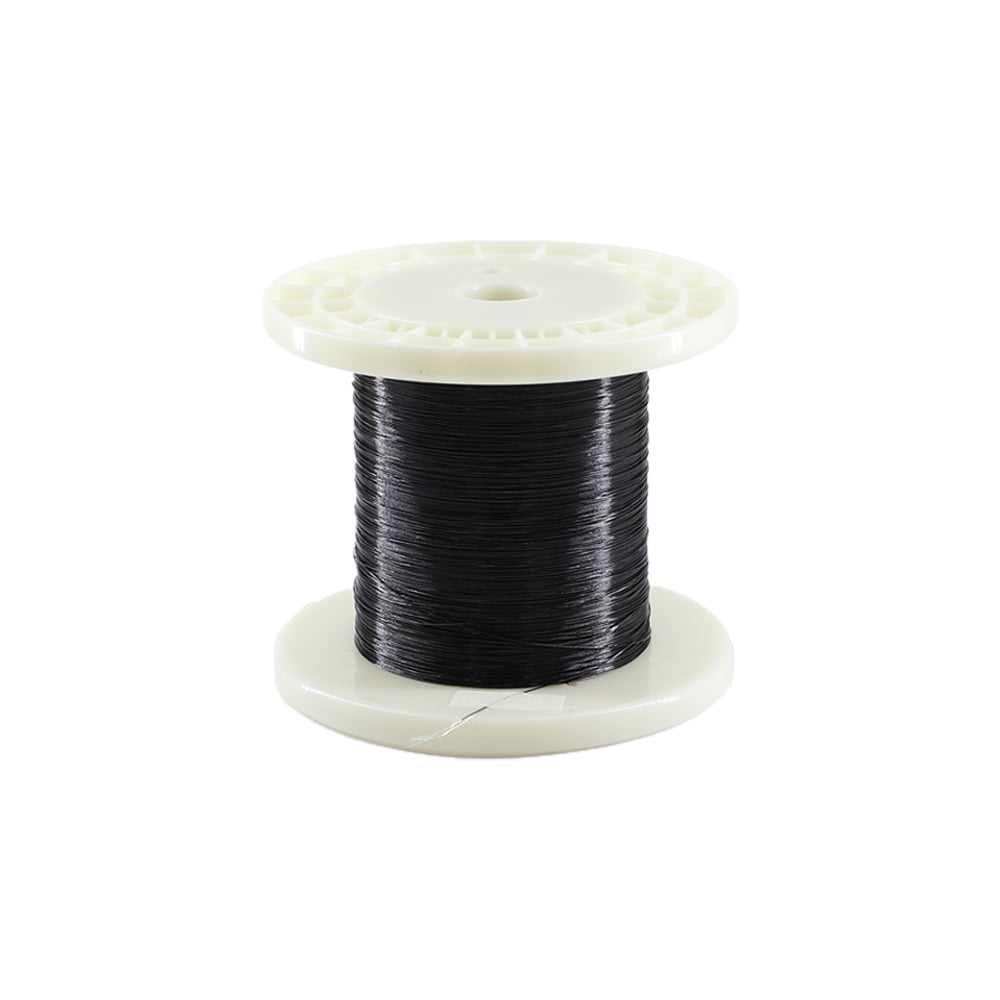
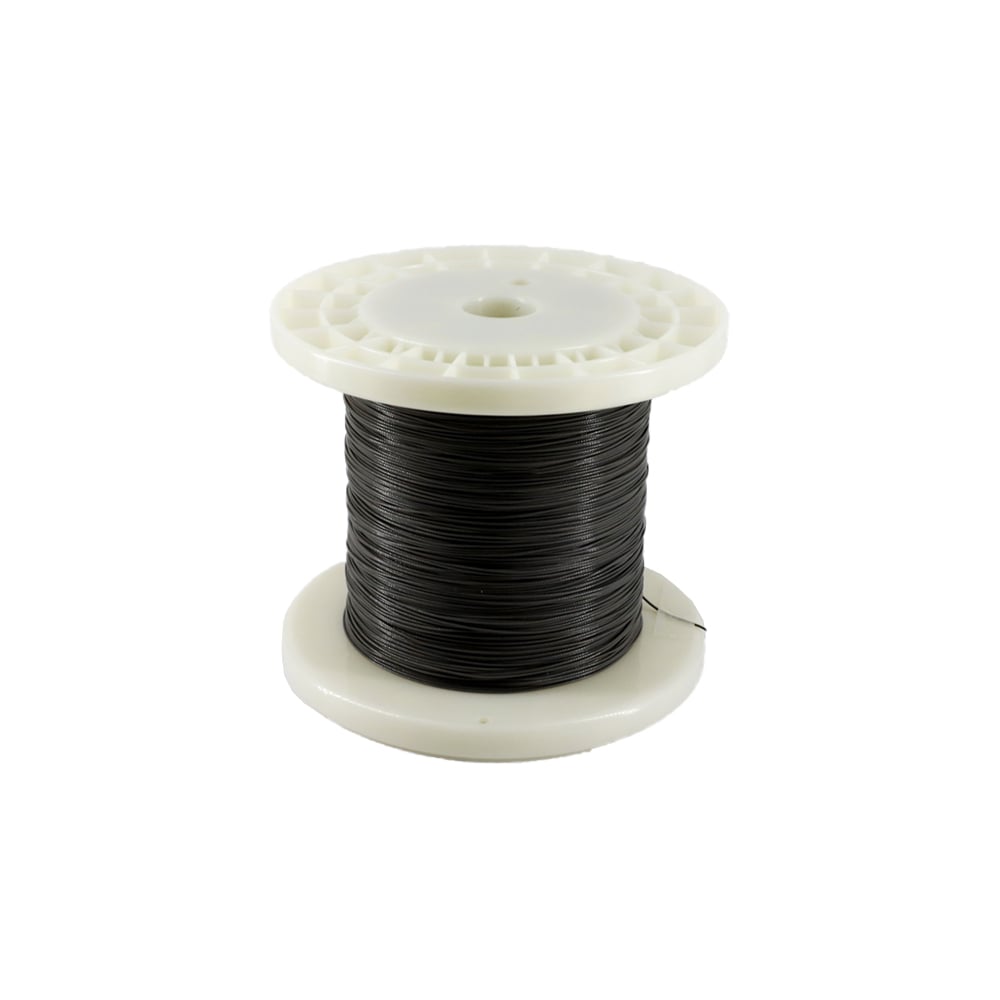
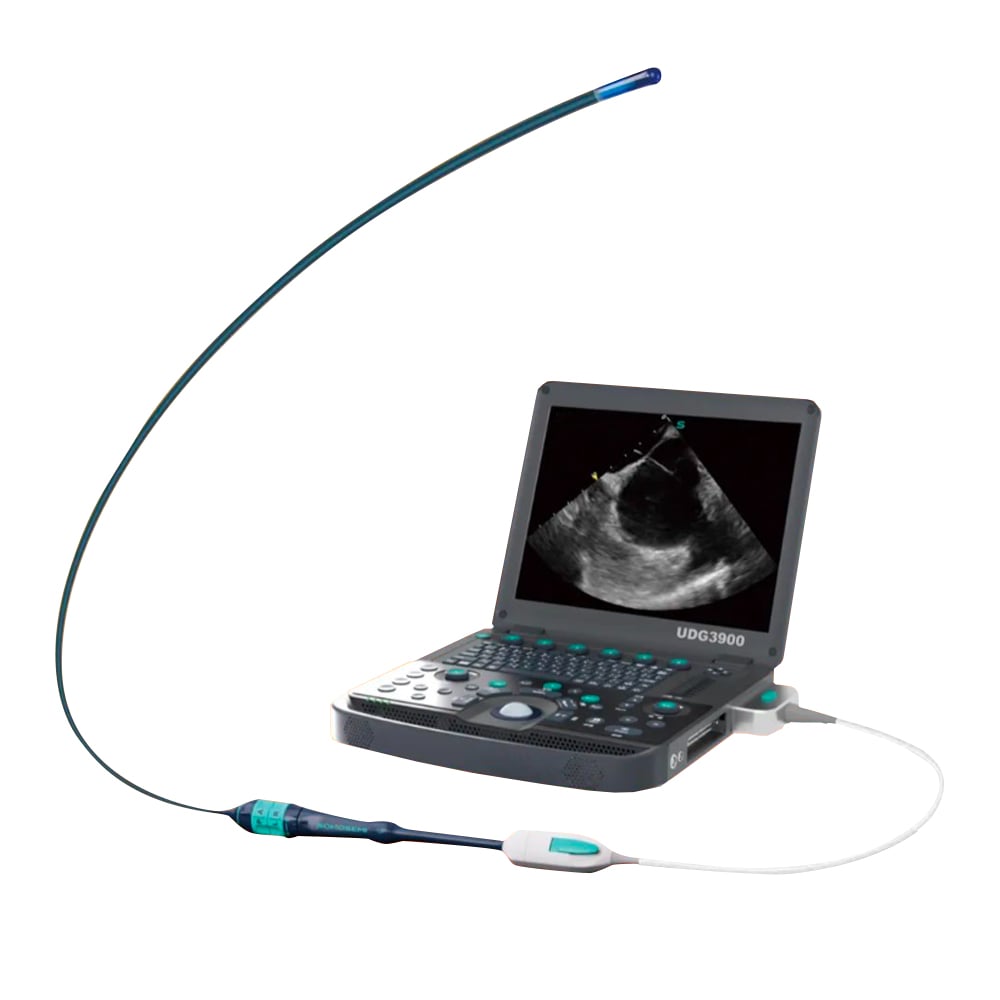
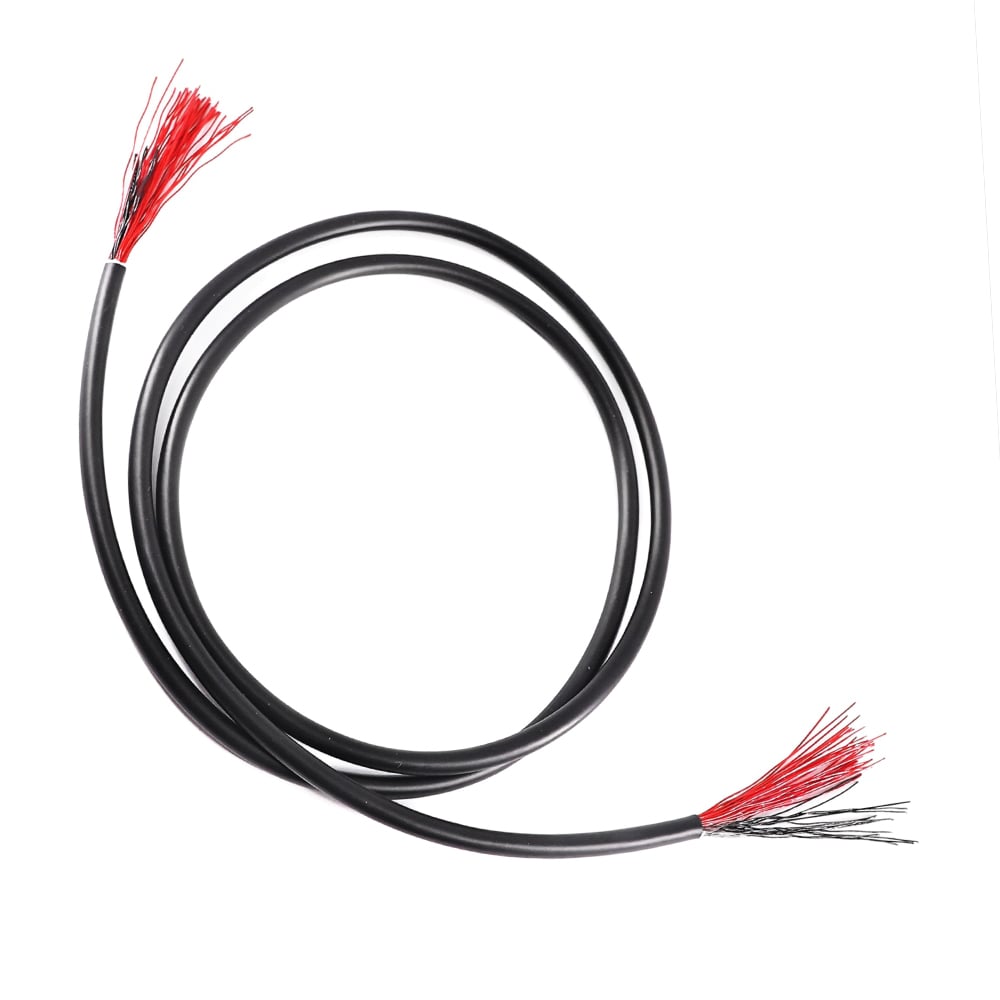
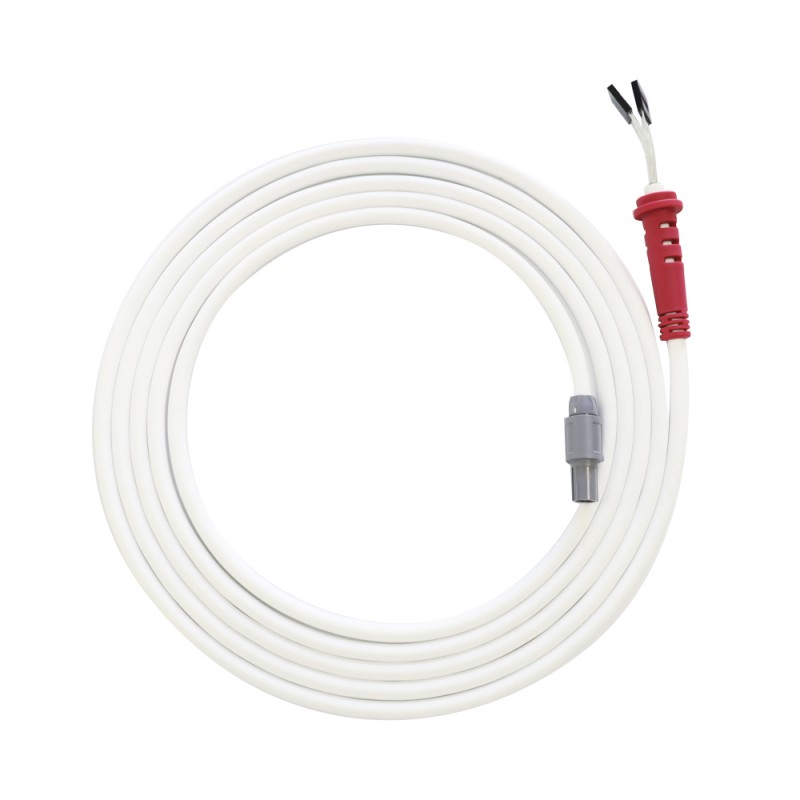
The ultrasound cable is a key component in any modern diagnostic medical imaging device, and its design can directly affect image quality, device reliability, and the clinical user experience. Purchasing an appropriate cable is by no means a commodity transaction,and is in fact a careful consideration of electrical, mechanical, regulatory, and supplier capabilities. Choosing the wrong cable could result in artifacts on the diagnostic image, premature failure of the probe or device, danger to the patient, and expensive device recalls. At Hotten, where we design more than 300 new cable specifications per year, and have a 10,000 m² facility devoted to precise manufacturing, we are adept at assisting medical OEMs with this decision. Below are the most important factors when specifying ultrasound probe cables.
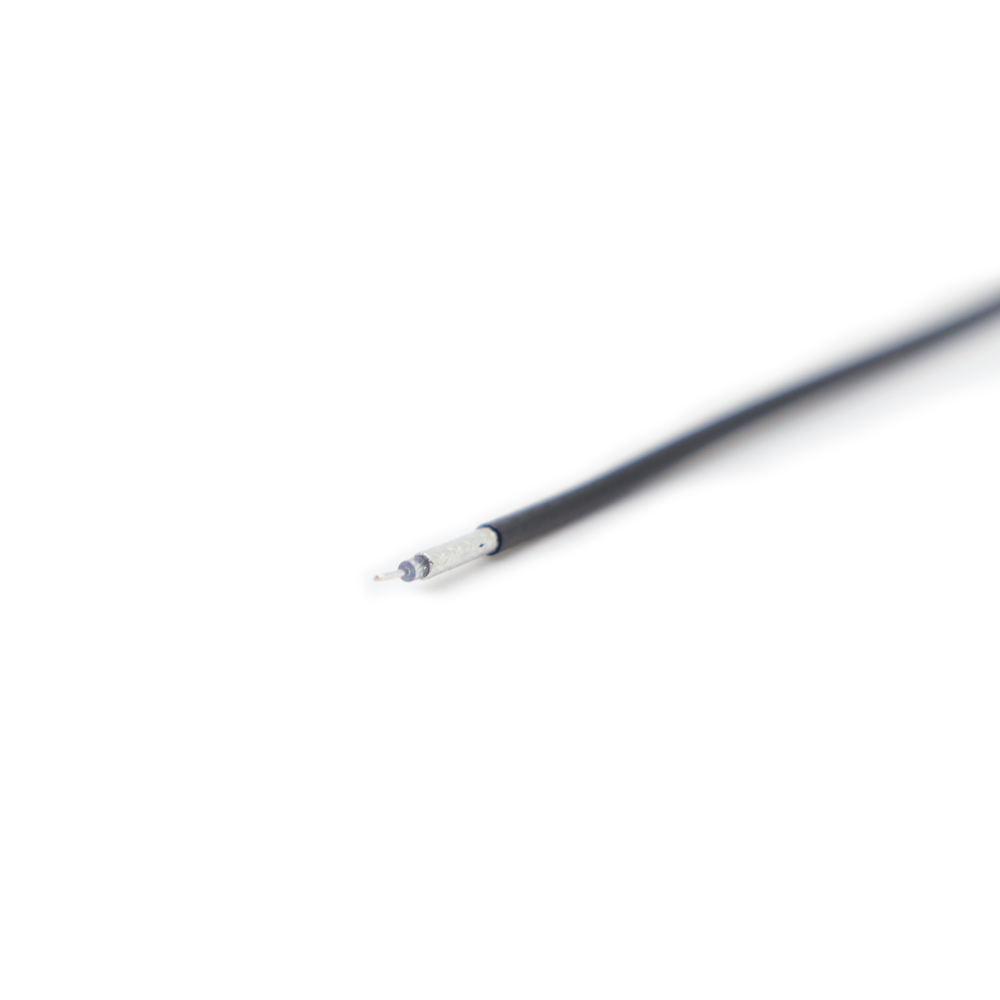
An ultrasound probe cable's primary function is to transmit echo signals from the transducer to the display console while maintaining signal integrity with minimal loss. Any degradation in signal integrity will appear on the diagnostic image and result in the inability to distinguish details that are critical to diagnosis.
Key features to specify for a cable supplier:
Precise impedance control (typically 50Ω or 75Ω): to avoid reflected signals.
Low attenuation: Minimizes signal loss over the cable length.
Excellent shielding effectiveness: Good shielding characteristics against external EMI (electromagnetic interference).
Low crosstalk between channels: Minimal crosstalk between individual signal wires.
Hotten ensures the electrical performance of ultrasound probe cables by using a highly trained R&D team to design each cable to the specific requirements of the probe and employ sophisticated test equipment to ensure the required specifications for signal integrity are met. The result is an ultrasound probe cable that produces clear images free of artifact for the clinician to analyze.
An ultrasound probe is a handheld device that is constantly rotated, angled, and maneuvered across patients’ bodies during examinations. As such, the ultrasound probe cable may be flexed hundreds of thousands of times over its life span. Inadequate flexibility can cause the cable conductors to fatigue, leading to intermittent signal loss or total device failure.
The following should be specified:
Quantified flex life ratings: The user of the ultrasound probe wants assurance that the cable will last as long as the probe itself.
Test methodology: Reciprocating (i.e., repeating back and forth), torsion, or rolling flex testing.
Construction details: Information about conductor stranded count, dielectric properties, and shield construction is indicative of flexibility and durability.
Hotten guarantees the lifespan of ultrasound probe cables by using innovative materials and performing thorough, application-specific flex testing to ensure maximum mechanical stability under the strains of an ultrasound examinations.
Direct patient contact, even through coupling gel or ultrasound transmission media, may expose the cable jacket to biological fluids, requiring all materials to be biocompatible. Most importantly, probes are cleaned between patients(at a minimum), and many undergo high level disinfection or even sterilization, so the cable jacket must be resistant to common disinfectants.
These standards include:
ISO 10993 compliance: For biocompatibility testing (cytotoxicity, irritation and sensitization).
Chemical resistance: resistance to the specific cleaning agents that the system uses.
Sterilization method compatibility: Some probes require high-level disinfection or sterilization.
The use of medical grade TPU, silicone, or fluoropolymers in Hotten’s cables, combined with precise design parameters, creates a biocompatible and chemically resistant product.
Long ultrasound examinations can fatigue sonographers, as bulky, stiff and hard-to-maneuver cables may lead to repetitive strain injuries. The optimal ultrasound probe cable should offer ease of use without sacrificing the mechanical requirements.
The factors to consider here are:
Bending force: How much effort is required to bend the cable?
Weight: Lighter cables reduce user fatigue.
Drag resistance: Low-friction jackets allow smooth movement across patients.
Hotten balances the need for maximum flex life and durability with a lighter weight and optimized jacket construction that offers minimal drag.
Ultrasound probes come in an enormous variety—including linear, convex, phased array, endocavitary, and 3D/4D probes—with greatly varying designs. Each probe type requires a cable that is customized to it specifically in terms of the number of conductors, cable length, and connector style. A “one size fits all” approach will not work.
Key considerations for each project:
Custom channel counts: From 64 to 256 or more elements.
Custom lengths: As short as 1m for portable systems or longer than 3m for cart-based systems.
Custom connector integration: Matching your probe and console interfaces.
Custom jacket colors, labeling, and keying: For easy identification in clinical settings.
The research and development team at Hotten designs over 300 new cable specifications annually, for just about every type of ultrasound probe application that is currently available on the market. We can readily design a cable for your unique application.
Because the cable is a component of a medical device, it must be manufactured under a quality management system that is registered with the applicable regulatory agencies. This is critical for obtaining FDA approval, CE marking, or comply with other regional medical device regulations.
Most critical are:
ISO 13485 certification: The quality standard for medical device manufacturing.
ISO 9001 certification: General quality management standard.
Regulatory support: Ability to provide technical files, biocompatibility reports, and other documentation for FDA, CE marking, or other submissions.
Hotten adheres to all quality management systems including ISO 13485 and ISO 9001 and fully supports the regulatory needs of its customers.
A well designed, well-manufactured ultrasound probe cable is critical to the reliability of your ultrasound system and the quality of the images it produces. At Hotten we combine deep industry experience, state of the art design and manufacturing capabilities to meet the highest standards of quality, reliability, and performance in the critical application of ultrasound probes. Please contact us to discuss your next ultrasound probe cable project.
 Hot News
2026-09-17
2026-09-04
2025-12-17
2025-12-11
2025-12-05