 EN
EN
Quick Links

There is an increased demand for reliability, safety, and performance in all medical equipment, as from the simplest of probes and cables up to complex diagnostic equipment like imaging machines and instruments like surgical robots, the cables interconnecting vital components must operate perfectly, with no room for error. The use of coaxial cables within the medical field is critical, where they are used to relay high frequency signals for functions such as ultrasound imaging, endoscopy, ablation and other various diagnostic and therapeutic procedures. This makes the medical coaxial cable different from its commercial equivalent and requires many new features to suit the needs of this environment. Hotten produces over 300 new cable specifications annually and in our new, state-of-the-art, 10,000 m² facility, manufacture and assemble our medical coaxial assemblies that our clients depend upon.
The most basic prerequisite for any medical cable intended to contact a patient is biocompatibility. Biocompatible materials will not induce an allergic response, tissue irritation, or toxicity. Cytotoxicity testing, sensitization testing, and irritation testing are performed on these materials.
The jackets and insulation of the Hotten medical coaxial cables are manufactured with biocompatibility approved according to the standard ISO 10993. Common jacketing and insulation materials are medical-grade TPU, silicone, and fluoropolymers such as FEP and ETFE. Cytotoxicity testing, sensitization testing, and irritation testing are performed with these materials. For applications like endoscope cables or ICE cables, where the cable is used inside the body, biocompatible construction is an absolute necessity. Hotten’s dedication to patient safety ensures all medical coaxial assemblies meet these important requirements.
Medical cables must be able to survive repeated sterilization. Sterilization can be performed by many methods including: autoclave (steam heat), EtO (ethylene oxide) gas, gamma sterilization and chemical sterilization. Different stresses are placed on cable assembly components by these various sterilization processes. Custom medical coaxial cables are designed to survive the particular method the device or use application requires. The insulation and jacket are often specified as high temperature resistant if autoclave sterilization is specified. Materials such as PTFE, FEP, and PFA are common choices for insulation and jacket if the sterilization method is autoclave. For EtO and chemical sterilization, the cable must be resistant to the medical sterilization chemicals without becoming swollen or brittle. Radiation stabilized polymers may be required for gamma sterilization to prevent materials from becoming brittle.
There is the necessity of an accurate transmission of high-frequency signals to image and diagnose medical conditions. Ultrasound probe cables transmit echo signals which then form an image for diagnostic purposes in the ultrasound probe. IVUS probes use cable assemblies which transmit the intravascular information used for medical procedures by physicians in emergency situations. Any loss of signal will cause errors or artifacts to appear on the image.
High precision design allows the medical coaxial cable to maintain signal integrity. Precisely controlling the overall assembly's characteristic impedance (usually 50Ω or 75Ω) allows the signal not to be reflected and attenuated. Use of low-loss dielectrics such as foamed polyethylene or fluoropolymers minimizes signal loss. Strongly shielded cable assemblies use a multi-layer foil and braid structure to suppress external electromagnetic interference (EMI) from other medical devices. Electrical specifications for all Hotten medical coaxial assemblies are meticulously controlled to assure that the signal reaching the receiving electronics is an exact replica of the signal which left the transmitting element.
Physicians are increasingly looking for less invasive procedures, which has increased the demand for smaller medical devices. The endoscopes, catheters and intravascular probes must have sufficient thinness to be inserted into a narrow anatomical space but also include the necessary amount of internal wiring channels.
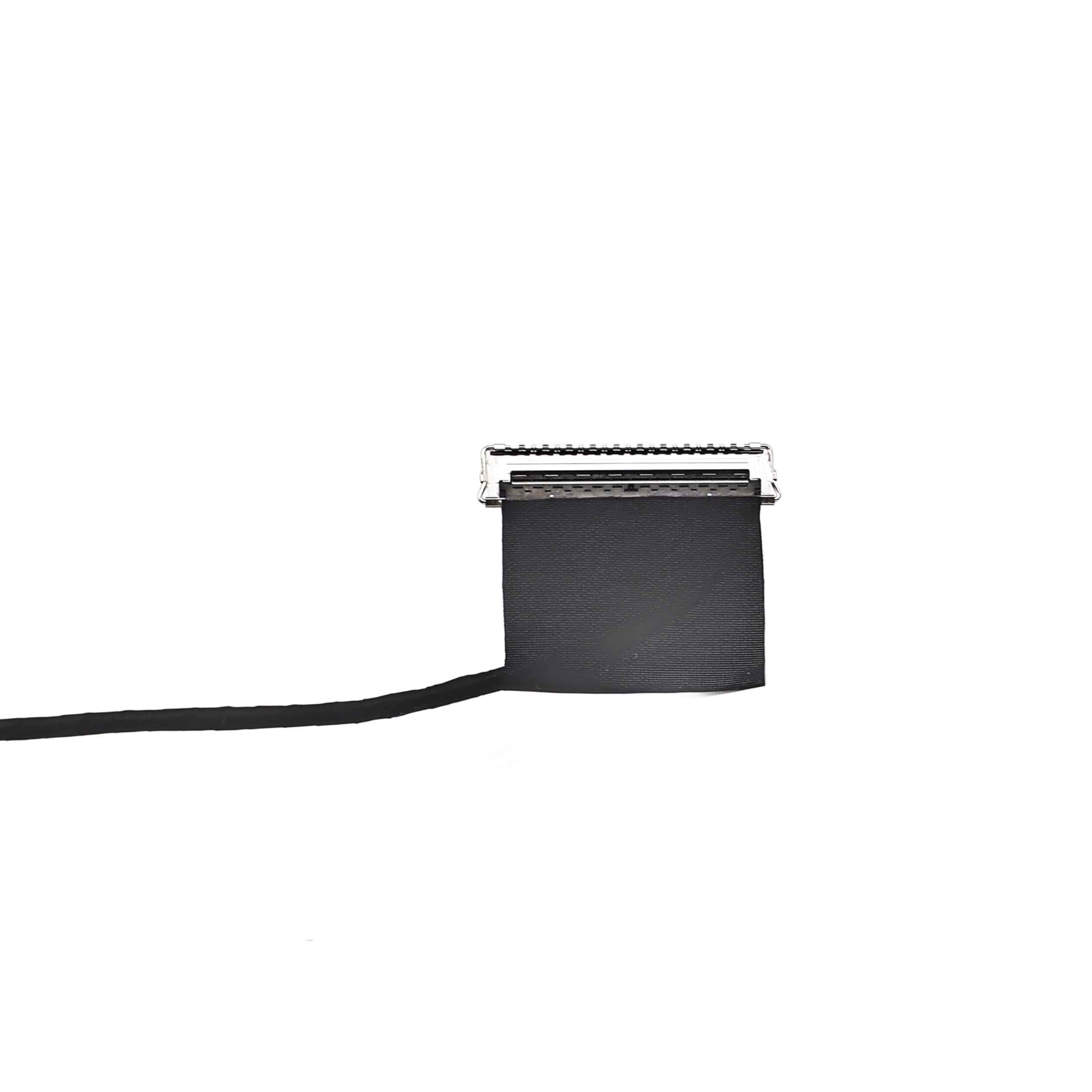
Hotten manufactures ultra-fine micro coaxial cables with outer diameters as small as 0.3 mm and conductor sizes down to 50AWG, and make this miniaturization a reality. A thin dielectric made of a fluoropolymer such as FEP or PTFE and an ultra-fine center conductor are surrounded by tightly-braided shield material to provide the electrical performance required in small diameters. Multi-element endoscope cables and ICE cables utilize micro coaxial technology to achieve the necessary channel count for a particular device while meeting demands for a slim profile that minimizes trauma to the patient.
Medical environments often subject cable assemblies to many types of fluids and chemicals. Saline, blood, bodily fluids, cleaning agents, and other chemical disinfectants will frequently come into contact with cables used in many medical procedures. Conventional jacket materials are vulnerable to these medical fluids and chemicals.
Materials selected for the jacket of medical coaxial cables offer superior resistance to chemicals. Fluoropolymers such as FEP, ETFE, and PTFE offer excellent resistance to nearly all medical fluids and chemicals. TPU provides excellent durability, chemicals resistance, flexibility, and abrasion resistance. All Hotten medical cable assembly solutions are designed to withstand the chemical environment prevalent in medical settings to assure consistent, long-lasting performance and patient safety for each assembly.
The connector required may not be commercially available or they may be custom, non-standard versions. It is important that whichever connector is used it is assembled so that the signal is not lost and the strain relief on the assembly is adequately protected.
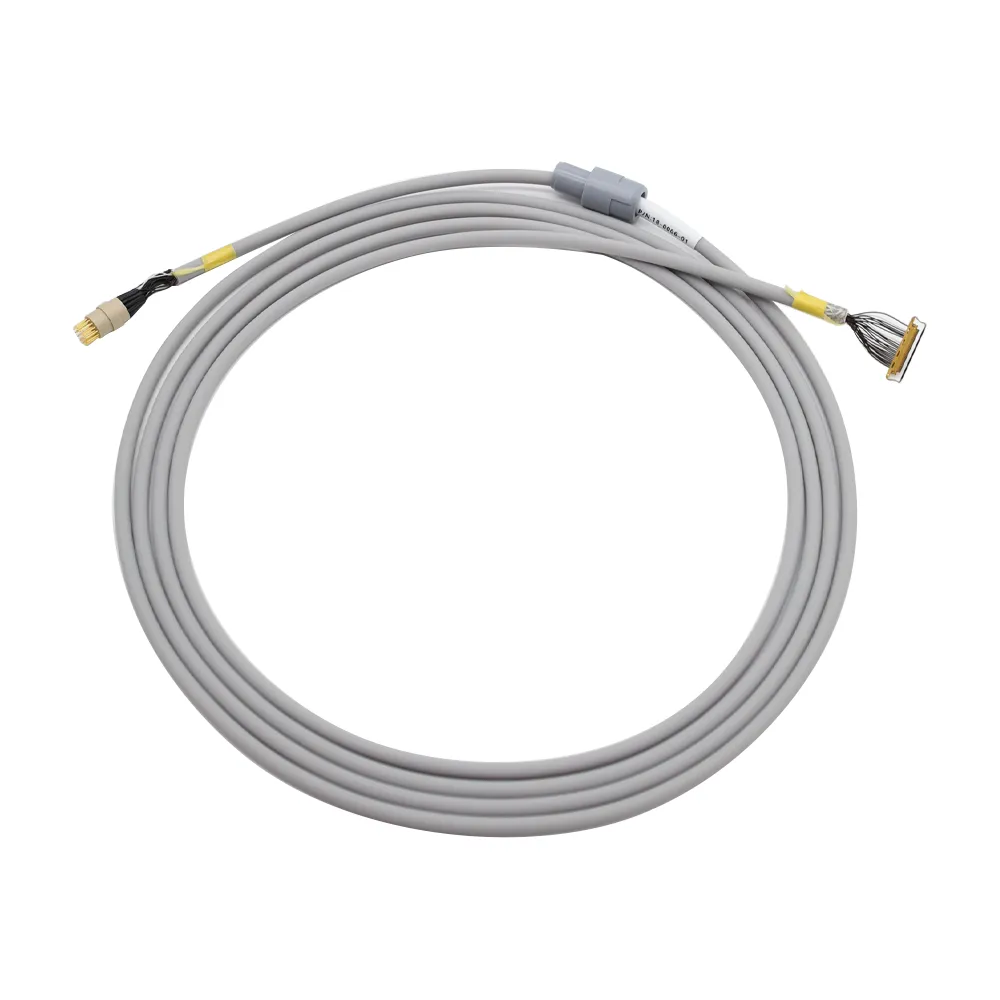
The medical coaxial cable assemblies designed and manufactured by Hotten are entirely customizable. They should include the most current connector technology, including readily available high-frequency RF connectors like SMA, SMB, MCX and MMCX, to specially molded and other unique connectors. Overmolding can reduce connector stress, improve environmental resistance, and yield an easy-to-clean surface. Keys and custom labeling prevent the possibility of connector misuse and protect the patient.
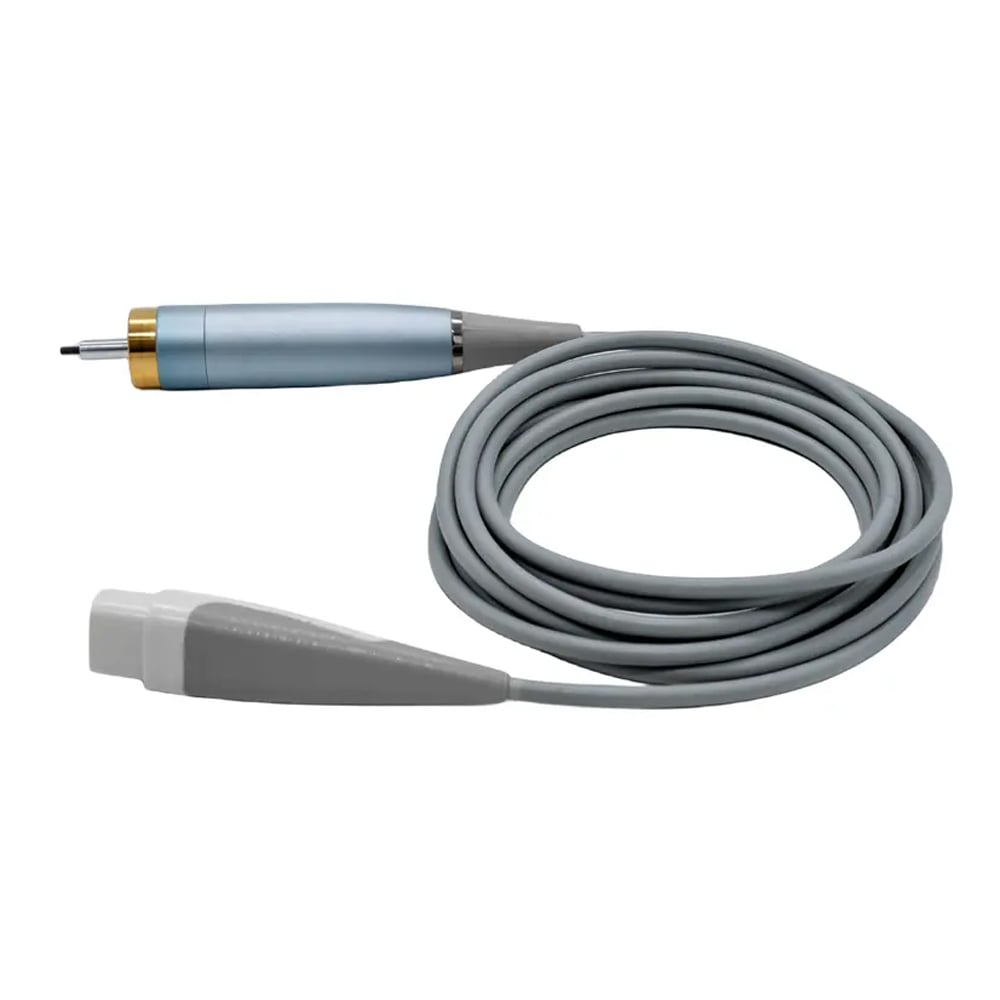
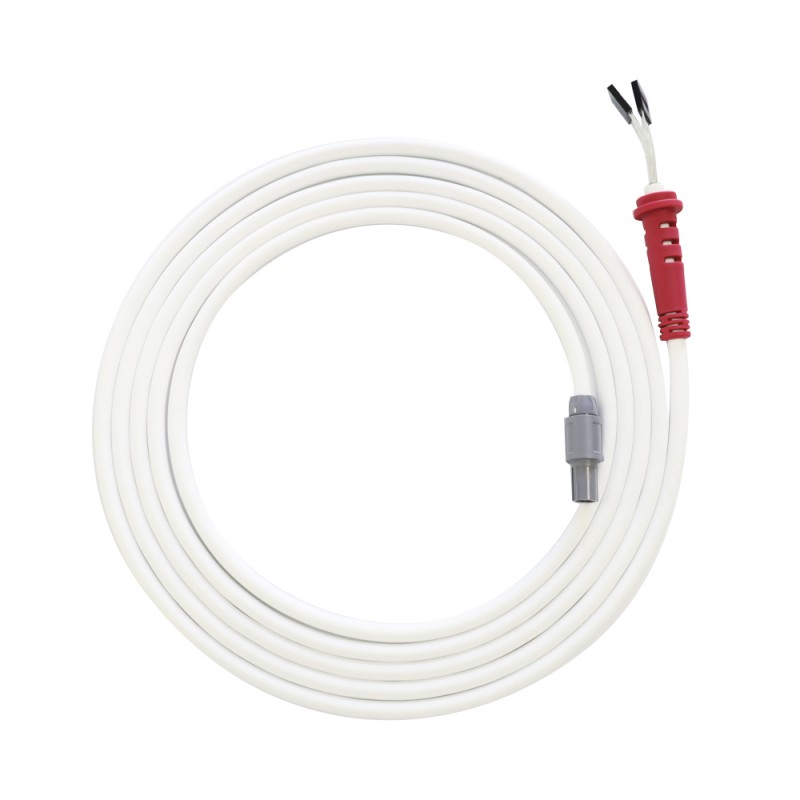
The capabilities listed above, along with a host of others — such as extremely fine cable diameters, ultra-fine stranded conductors, outstanding flexibility, robust shielding solutions and extensive use of the latest custom connectorization options, define Hotten’s medical coaxial cable assemblies. We have decades of experience with medical device designers, offering unparalleled R&D support and precision manufacturing expertise. Hotten offers medical coaxial cable solutions for applications including ultrasound probes, endoscopes, ICE cables, IVUS devices, RF ablation cables, and surgical knives-ensuring a fully-customized, safe, reliable, and high-performance product that meets the stringent demands of today’s advanced medical devices.
 Hot News
2026-09-17
2026-09-04
2025-12-17
2025-12-11
2025-12-05