 EN
EN
Quick Links

ORs, ICUs and diagnostic areas in hospitals are densely arranged monitoring equipment-ventilators, electrosurgical units, imaging devices and communication devices—all producing EM fields that can disrupt sensitive medical instrumentation. This EM interference can manifest itself as spurious signals and imaging artifacts on medical cable assemblies that are carrying critical information like echoes from an ultrasound scan, an EEG waveform, or ablation energy levels, in the worst-case scenario as completely disabling the instrument. Such interference needs to be eliminated.
Before any countermeasures can be implemented, the interfering signals of concern must first be identified. Some sources of interfering signals in the medical profession.
Electrosurgical units (ESUs): ESUs generate high-voltage, high-frequency energy to cut and cauterize tissues.
Magnetic resonance imaging (MRI) systems: These are strong sources of static and radio-frequency fields.
Wireless devices: WiFi routers, Bluetooth devices and cellular phones emit radio-frequency interference.
Motors and pumps: Ventilators, infusion pumps, and robotic surgical instruments contain motors that generate conducted and radiated interference.
Switching power supplies: These components are common in almost all medical electronics.
Medical cable assemblies are designed to not be affected by interference and not emit interference. Cables can act as transmitting antennas for high-frequency EMI.
The best defense against EMI in a medical cable assembly is effective shielding. Shielding serves to attenuate external electromagnetic fields from reaching the signal conductors. Also it contains the emissions from the cable conductors within the cable assembly.
Different shield constructions provide different levels of shielding effectiveness:
Foil shielding (aluminum/polyester tape): With 100% coverage, it provides great protection against EMI at high frequency, although, it has lower EMI shielding for low frequencies. This is lightweight and very flexible, but will likely fracture if subject to continuous bending.
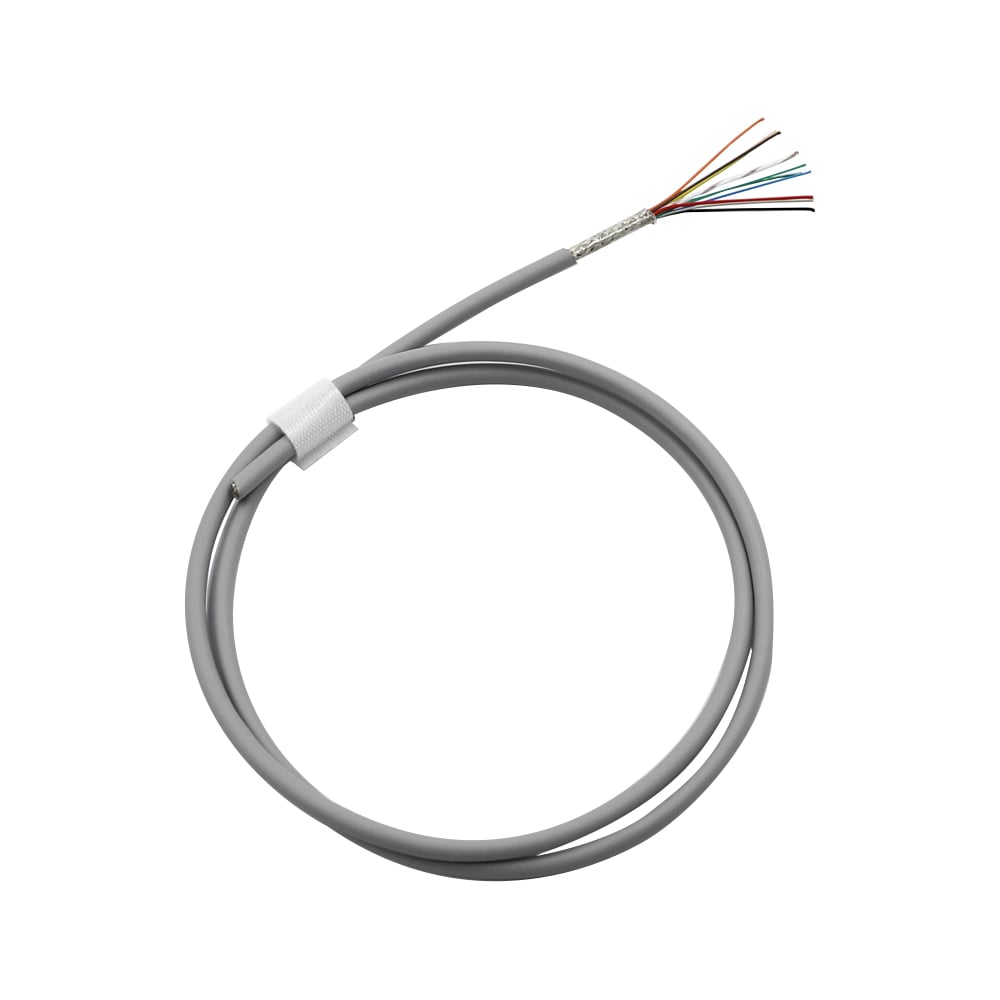
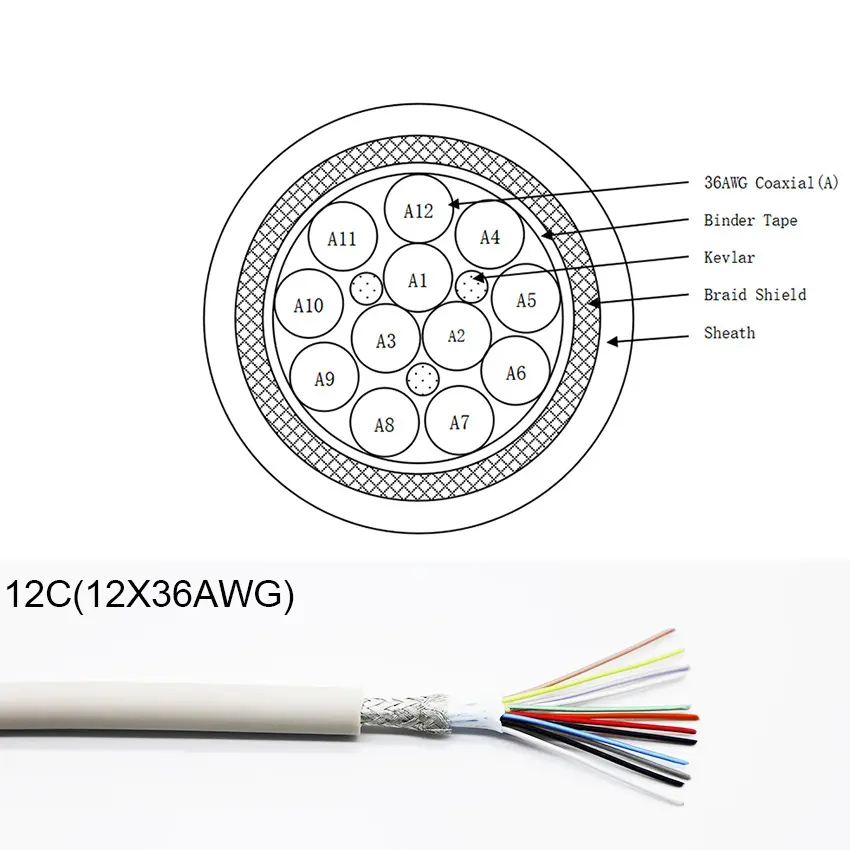
Braid shielding (copper wire): Generally used to give 70-95% coverage. Good at overcoming low-frequency interference. Is mechanically stronger than foil and more resilient to repeated flexing than foil. Heavier and less flexible than foil.
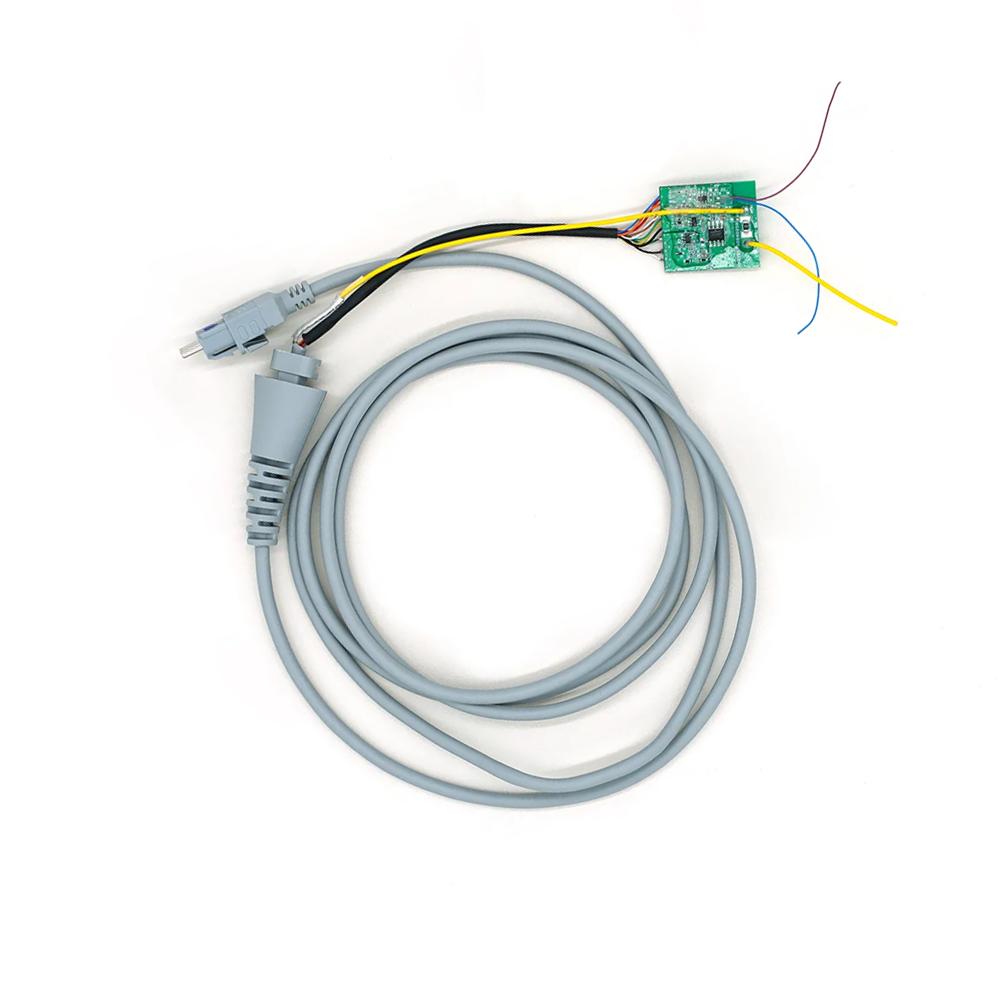
Combination shielding (foil + braid): Using a combination of foil and braid shielding, even higher level of shielding effectiveness could be achieved. It could be perfect choice for medical cable assemblies which are used in the dangerous EMI environment (such as operation room with the highest level of EMI). The medical cable assemblies from Hotten (such as Ultrasound probe cables and Endoscope cables) can design ideal shield for each application.
EMI immunity in twisted pair signals such as LVDS or certain sensor interfaces is inherent. Since EMI induces identical noise on both wires when two wires are twisted together, common—mode EMI cancels at the differential receiver and leaves only the signal. Key design parameters impacting twisted pair EMI performance:
Twist lay length: tighter twists will reduce common-mode interference but increase attenuation of the signal.
Pair shielding: Individual shields for each pair provide additional signal isolation.
Consistent geometry: A consistent twist along the length of the cable must be maintained.
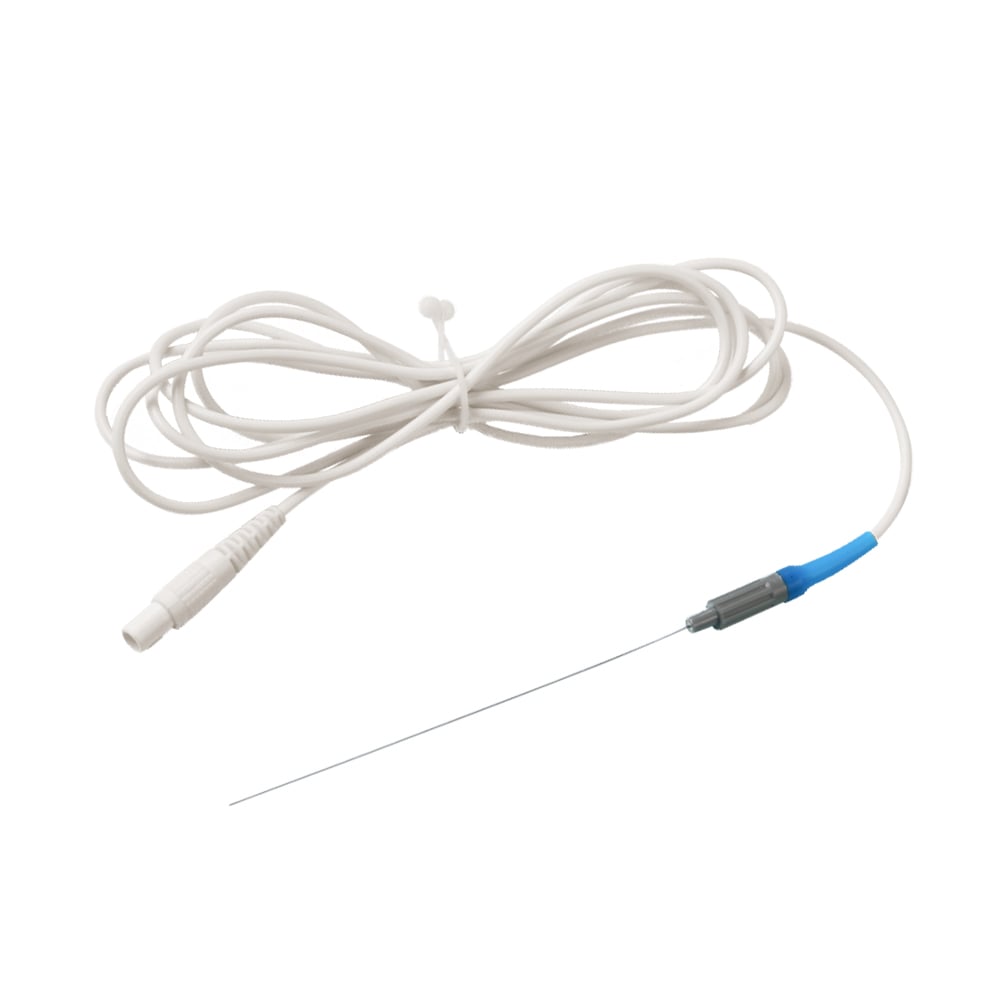
Our Hotten LVDS wire harnesses and EEG lead wires use twisted pair construction with outstanding interference rejection for electrically noisy medical environments.
The effectiveness of a cable assembly shield is highly dependent on how the shield is terminated. Poorly made ground connections can lead to ground loops (unwanted circuits carrying current), which can, in fact cause EMI to be picked up on the signal lines.
Correct methods to terminate shields are:
Drain wires: One drain wire should be in contact with the shield along the full cable length.
360-degree termination: The shield of the cable should be connected to the shell of the connector all around, instead of a single pigtail which has high impedance at high frequencies.
Grounding strategy: In most medical applications the shield is grounded at a single end, to prevent ground loops. Sometimes if lower frequency EMI is the main concern, it can be grounded at both ends. Hotten custom medical cable assemblies always design appropriate shield termination with connector for every application.
Cable assembly's performance in the EMI environment is strongly influenced by the layer construction of internal components. Signal conductors are separated from other noise sources with barriers.
Looking at the construction:
Separating signal and power: ensure that high current power lines do not come close to delicate signal lines.
Using fillers and tapes: used to maintain the shape of the cable and add an extra barrier to the entry of interference.
Overall shield over sub-assemblies: using an outer braid and foil ensures that the signal and power wires are surrounded with a multi-layered screen.
The Hotten robotics wire harnesses and surgical scalpels are designed using optimal layering to prevent interaction between the power and signal lines.
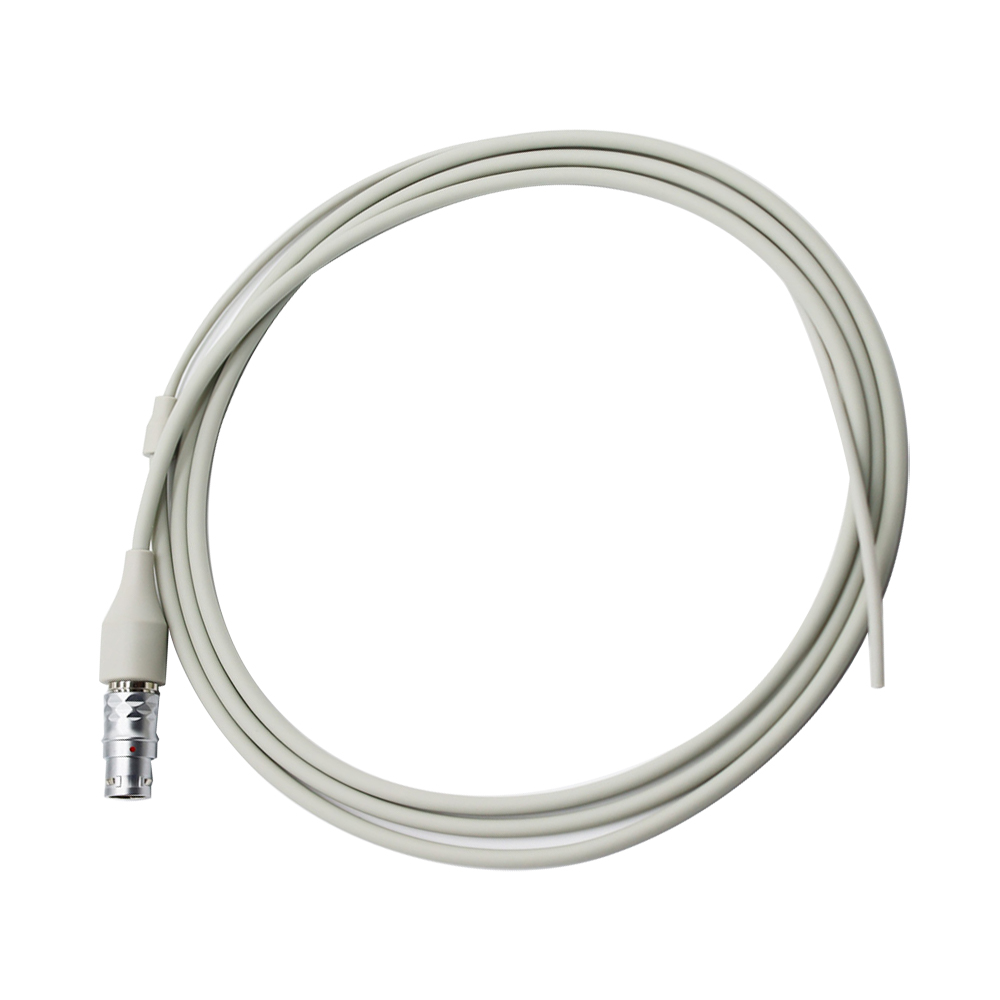
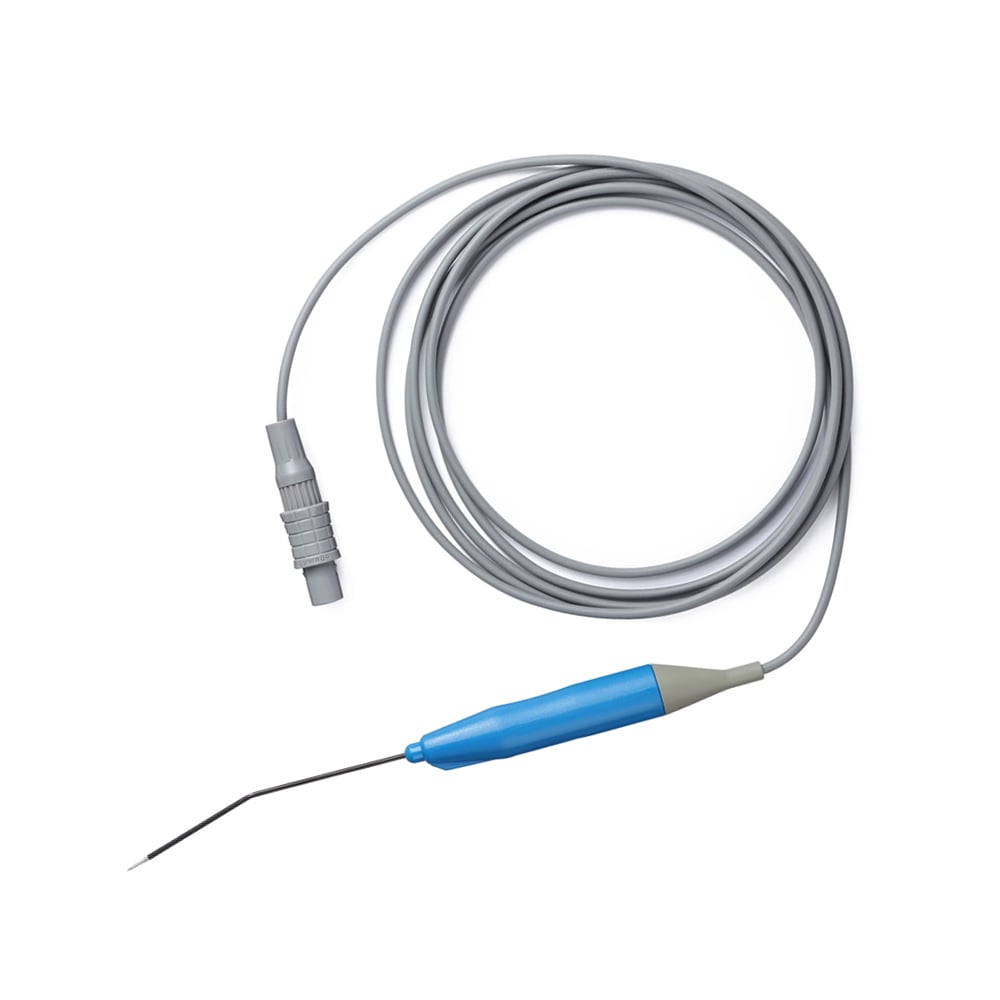
The strength of Hotten lies in its excellent team of engineers with wide knowledge of EMI, agile development process and the precision nature of their manufacturing enabling Hotten to deliver robust, reliable medical cable assemblies for extreme medical environments. A variety of cable assemblies are available from ultrasound probe cables to EEG lead wires to surgical scalpel cables and RF ablation cables.
 Hot News
2026-09-17
2026-09-04
2025-12-17
2025-12-11
2025-12-05