 EN
EN
Quick Links

High density, high frequency signal transmission is critical in compact devices—ranging from drone, VR/AR headset to IVUS and ICE catheters in medical imaging. Therefore, micro coaxial cable suppliers affects the performance, reliability and time-to-market. The following points are the criteria to make the decision.
A good supplier shouldn't only make standard cables but should be capable to develop with you the customized solution based on your electrical and mechanical requirements.
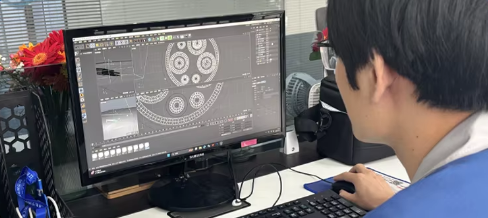
Custom Specification Design: High performance supplier should has a professional R&D team and have capacity to design over 300 new cable specifications yearly for customer (e.g., impedance as 50Ω or 75Ω, pitch as 0.3mm and special shield construction etc.).
Material Expertise: Micro coax requires precise dielectric material for the purpose of keeping signal integrity at high frequency, e.g. PTFE, FEP, or foamed PE, etc. You should confirm they have profound knowledge in material, and how to optimize the insertion loss, return loss and phase stability in cable structure.
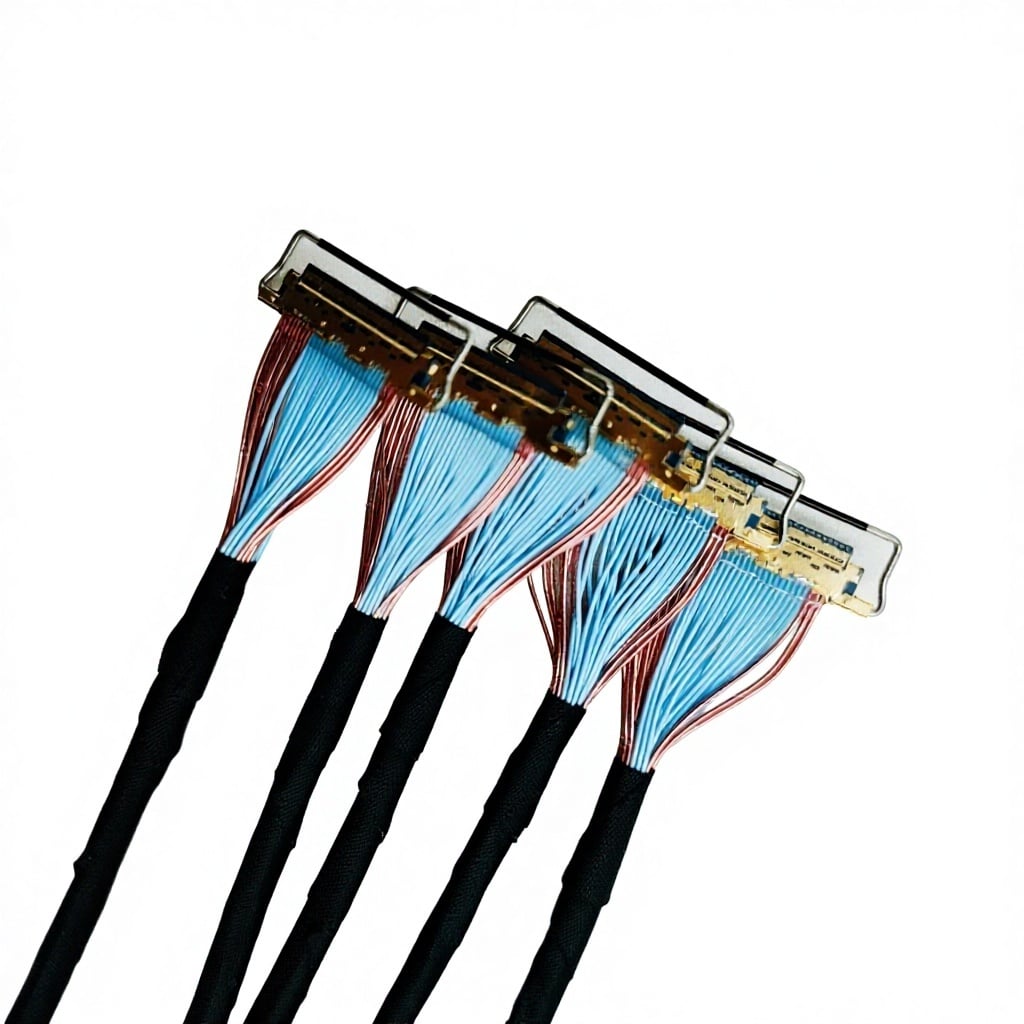
Application-Specific Knowledge: Whether for a flexible drone wire harness which always flex repeatedly or a low-loss RF cable applied in antenna, or a high-flex ultrasound probe cable, It requires field-proven solutions for the relevant application.
The right micro coaxial cable manufacturer should be evaluated on more than price or the ability to provide a sample.
For OEM projects, the key criteria are micro coaxial cable design capability, control of ultra-fine dimensions, dielectric and shielding expertise, precision termination, electrical testing, customization, quality consistency, and the ability to scale from prototype to production.
A capable supplier should be able to connect the entire engineering chain:
application requirements → cable construction → material selection → manufacturing → termination → testing → production control
| Evaluation area | What to verify | Why it matters |
|---|---|---|
| Technical capability | Experience with micro and ultra-fine coaxial structures | Determines whether the supplier can solve non-standard requirements |
| Electrical design | Impedance, capacitance, attenuation, shielding | Directly affects signal transmission |
| Precision manufacturing | Conductor, dielectric, OD and coaxial geometry control | Small dimensional variation can affect performance |
| Material expertise | Dielectric, conductor, shield and jacket options | Materials must match electrical and mechanical requirements |
| Termination | Fine-pitch connector and micro-coax termination capability | Critical for complete cable assembly performance |
| Testing | Electrical, dimensional and mechanical validation | Confirms the finished assembly meets requirements |
| Customization | Cable size, length, shielding, connector and construction | Allows integration with the actual device |
| Quality control | In-process monitoring and final inspection | Helps maintain repeatability |
| OEM support | Drawing review, prototypes, samples and engineering communication | Reduces development iterations |
| Production scalability | Ability to move from prototype to volume production | Supports long-term supply |
If the project requires ultra-fine conductors, high channel density, miniature connectors, or tight electrical tolerances, then the manufacturer's engineering and process capability should be reviewed before comparing unit prices, because micro coaxial cable performance depends heavily on manufacturing precision.
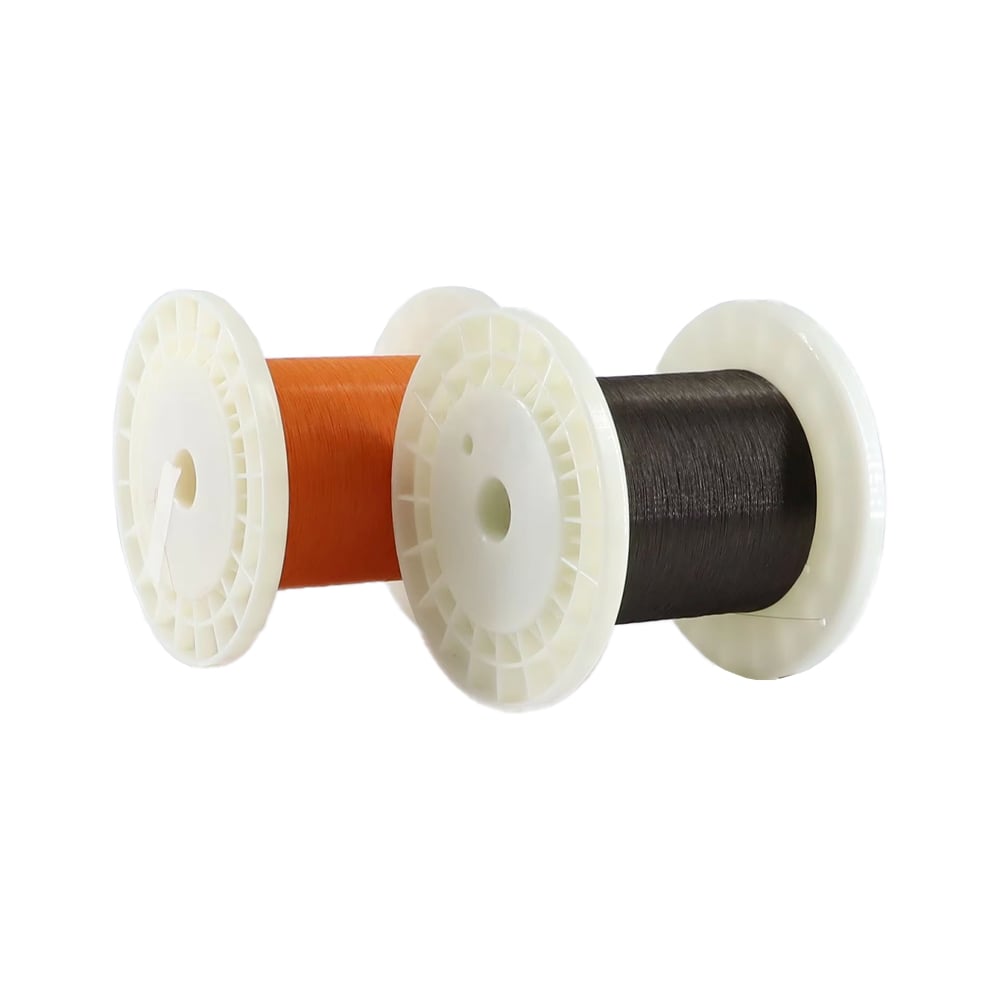
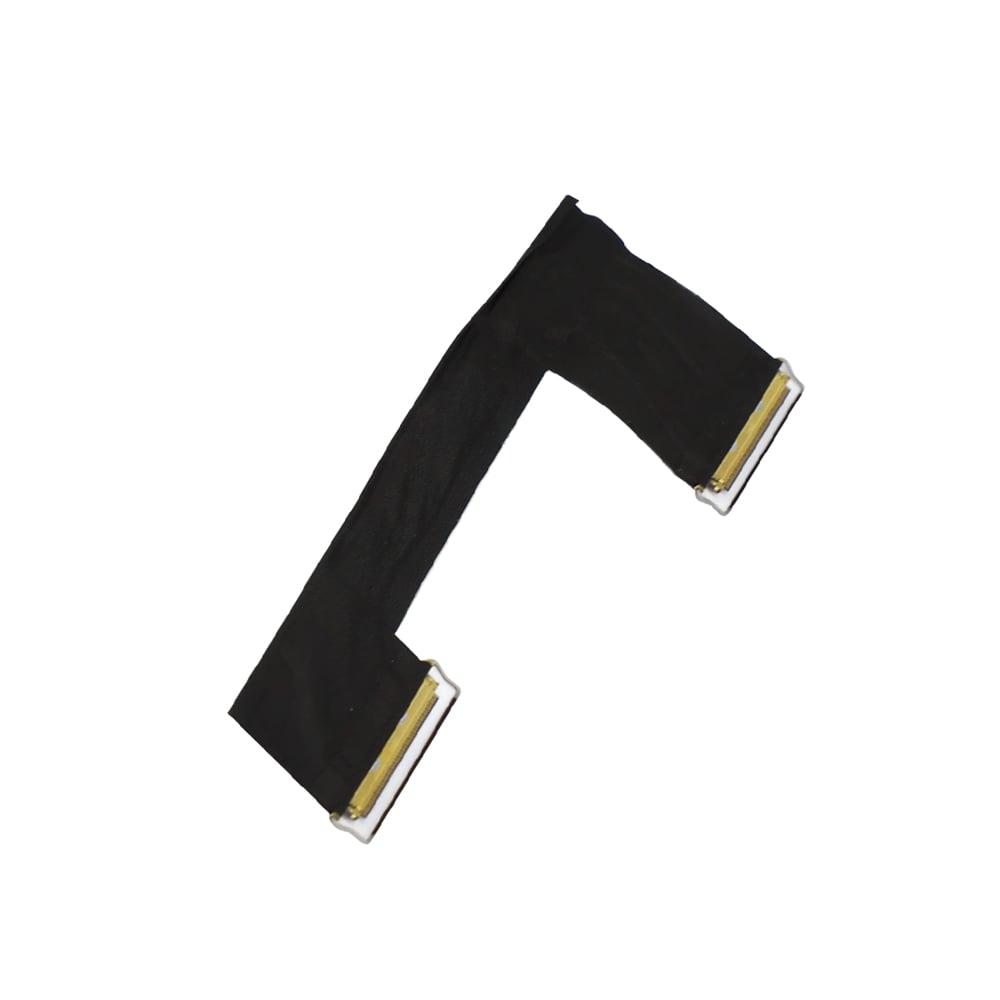
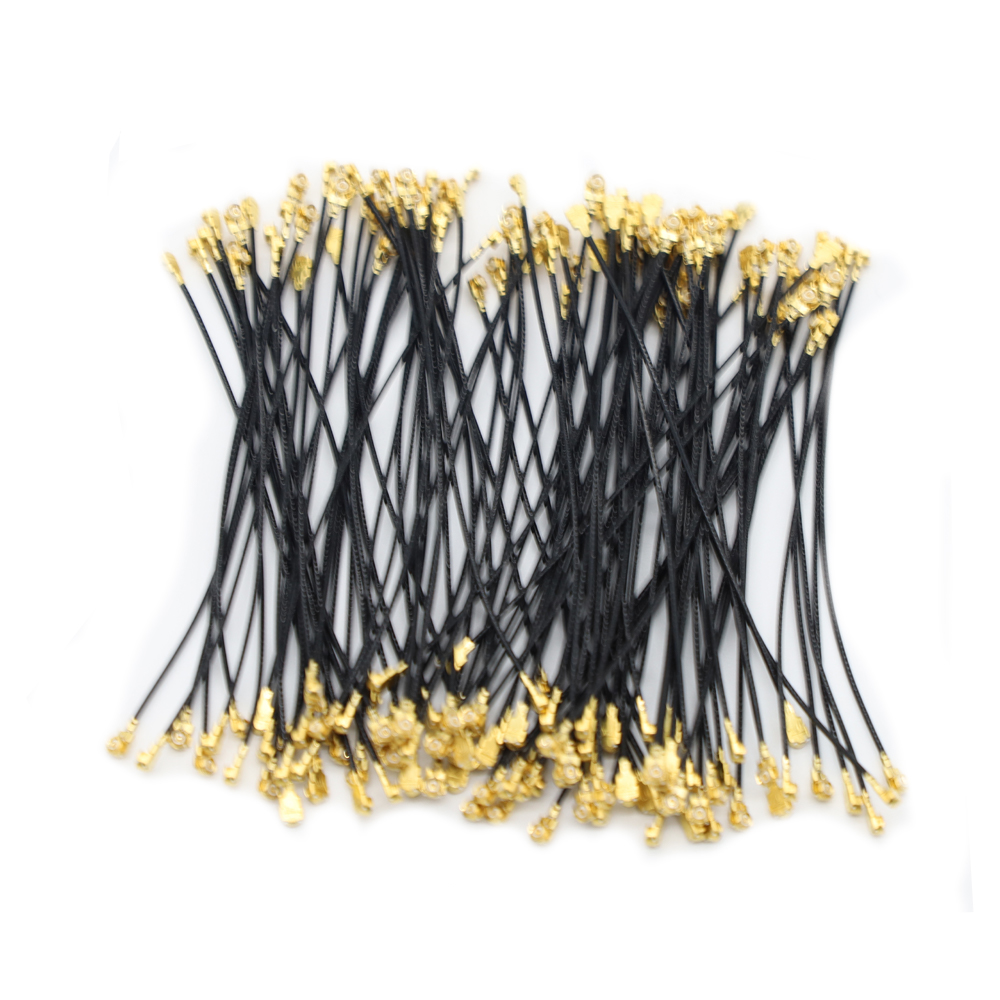
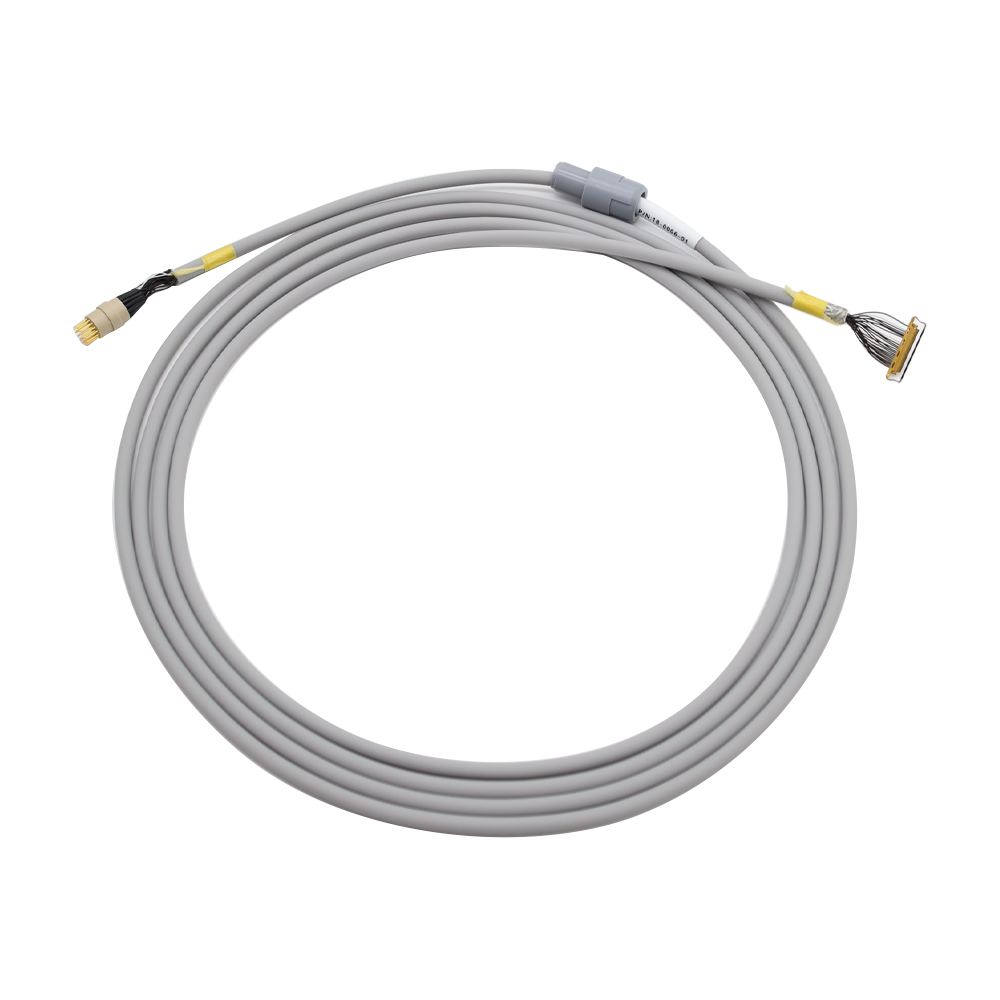
HOTTEN provides Micro Coaxial Cable and Micro Coaxial Cable Assembly solutions for compact, high-density electronic applications.
Exceptional consistency in micro coax cable is required since minor deviations may cause signal transmission failure. Scale and quality control systems are the best indicator of a manufacturer's maturity level.
Facility and Equipment: The substantial production capacity is a strong hint about process control in manufacturing. For example, more than 40 production lines operating within a 10,000㎡ workshop, capable of outputting more than 144 million meters per year with close tolerance.
In-Process Testing: Always make inquiry on how many online testing systems are used during manufacturing, e.g. Online spark testing, impedance and size monitoring by laser. What kind of inspection is carried out in the offline stage: e.g. Hi-Pot, continuity, insertion loss?
Traceability: All products from good manufacturers should have traceable serial numbers or batch numbers for inspection data per reel, which is a must have in medical and aviation field.
You need special constructions for you product — such as hybrid cables (micro coax plus power pairs), ultra-thin jacketing, or custom shielding structures. Therefore, it's important to know if the supplier is able to provide them.
Diverse Conductor and Shielding Options: Silver-plated copper offers the lowest loss at higher temperature while Tinned Copper can be more cost effective. The braid + foil shielding also can be applied for meeting EMI requirement with high density applied to robotic wire harness, LVDS harness, etc.
Jacket Material Choices: Flexible choices including PVC, silicone, abrasion resistance TPU and chemical/high-temp resistant materials like Fluoropolymers can cater different requirements.
Termination and Assembly Support: Many applications require wire harness integrated with micro connectors (e.g. USB4, RF connector). Having an integrated assembly capability will greatly streamline the production process.
Depending on your market, certain certifications are of paramount importance.
General Electronics: UL styles, AWM (Appliance Wiring Material), RoHS and REACH compliance should be standard.
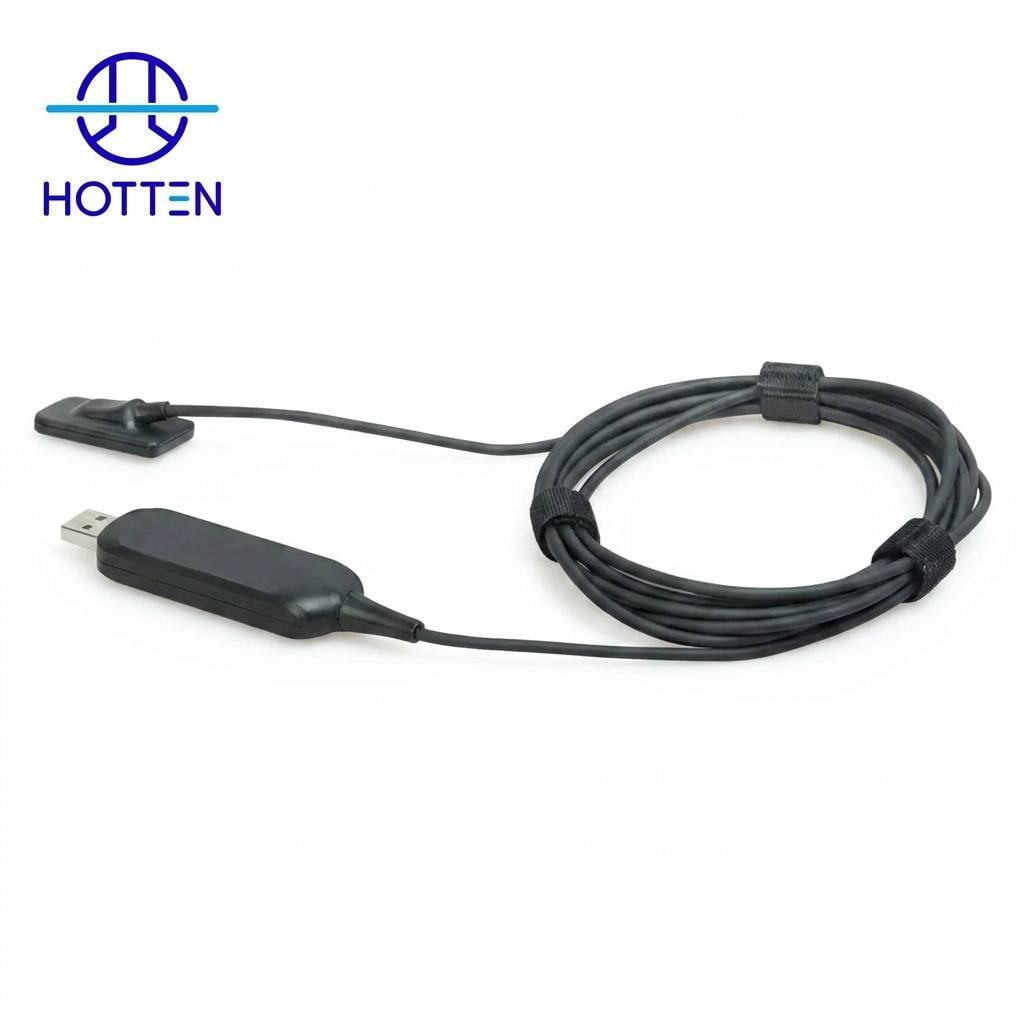
Medical Field: For use as endoscope cable, RF ablation cable, EEG lead wire and surgical scalpel cable, ISO 13485 (Quality Management System for medical devices) and applicable IEC 60601 series standards should exist. Their medical cable product range (e.g. Ultrasound probe cables, dental sensor cables) places high emphasis on patient safety and sterilizability.
Consumer Electronics: For drone, VR/AR, gimbal camera, and robotics wire harness, manufacturers must provide test reports on flex life, temperature cycling, and EMI shielding effectiveness.
The decision is not just about the price per unit. The long-term overall cost of ownership should be taken into consideration.
Rapid Prototyping: If the manufacturer can provide sample in 1-2 weeks, you will accelerate the design cycle.
Supply Stability: Having a significant production capacity like 144 million meters per year ensures the consistent supply for volume and can ramp up scale smoothly from pilot production to mass production.
After-Sales Technical Support: Excellent manufacturers always provide solutions for problems like cross-talk on LVDS harness and loss on RF cable for gimbal camera and others.
To select the right micro coaxial cable manufacturer, you need to weigh and balance R&D capabilities, production scale, customized configurations flexibility, certification and long-term partnership. High-performance manufacturers with proven experience in your application area — ranging from consumer electronics to medical devices will guarantee you the best product performance as well as the long-term stability of supply chain. Hotten embodies these traits by releasing hundreds of new specifications yearly, having a mass of production capacity and offering a complete line from drone harnesses to vital medical cables.
 Hot News
2026-09-17
2026-09-04
2025-12-17
2025-12-11
2025-12-05