 EN
EN
Quick Links

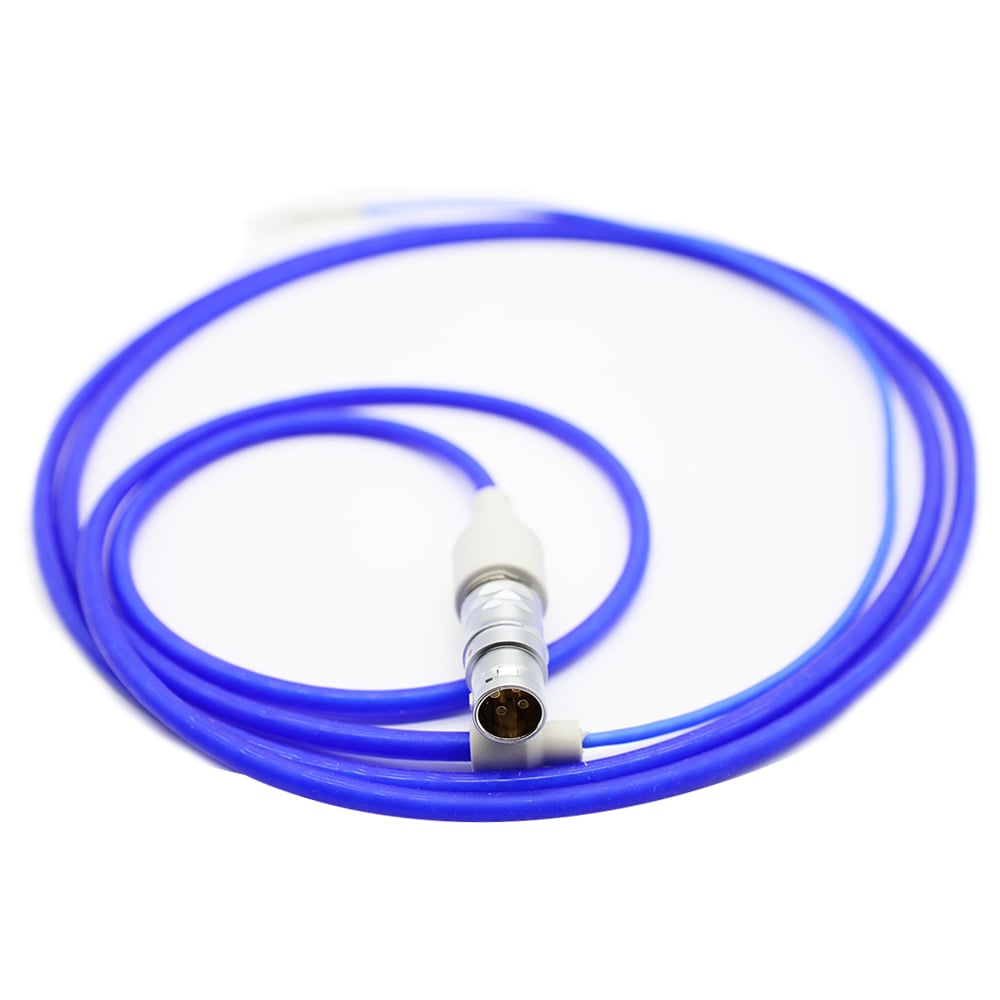
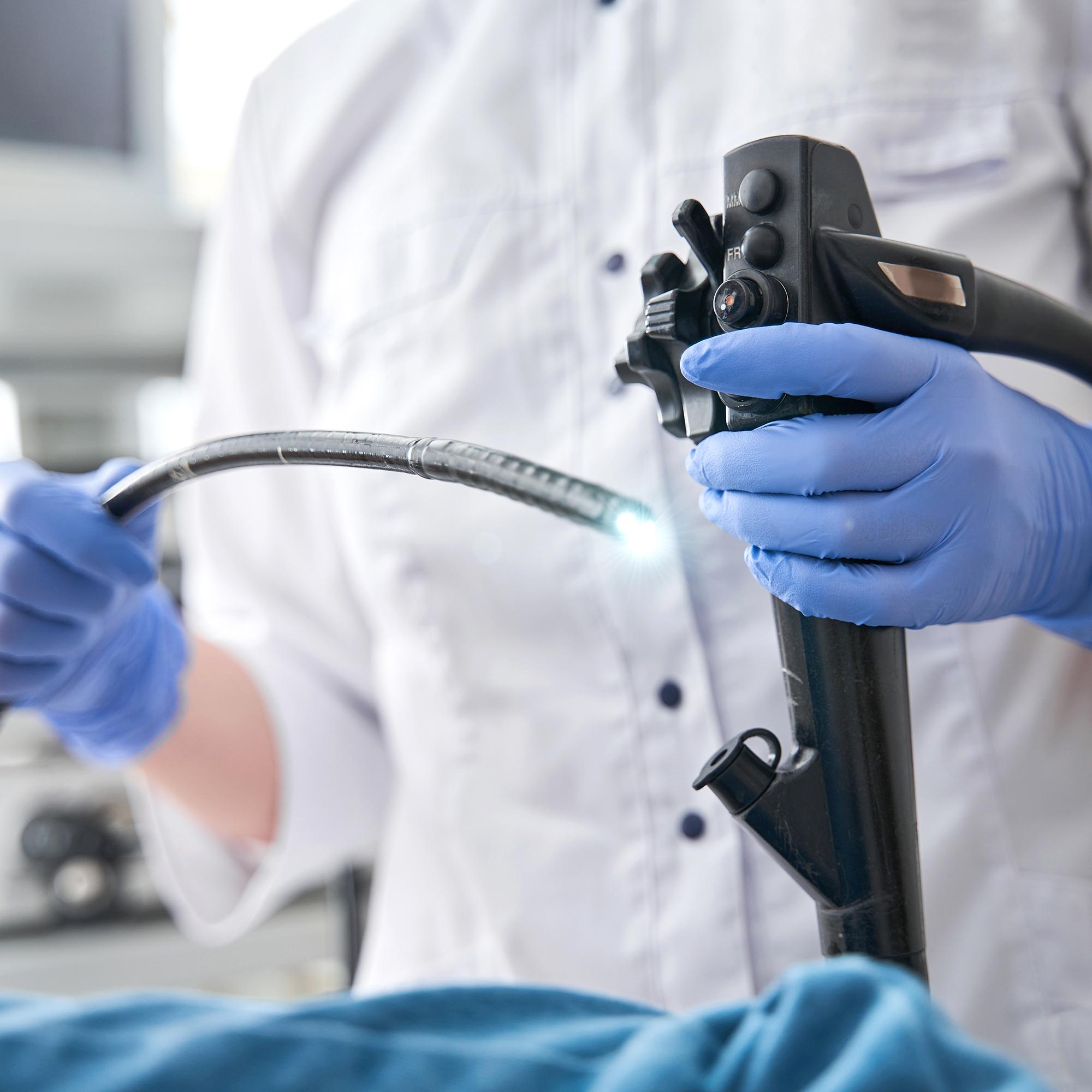
In today's competitive medical setting, medical devices are subjected to the daily stresses of wear and tear, as well as frequent and intensive sterilization cycles. Whether a custom designed, medical grade cable assembly can withstand sterilization is paramount for medical applications—such as ultrasonic probes, endoscopes, surgical scalpels, and RF ablation devices. Hotten's targeted R&D and modern manufacturing processes allow for the creation of medical grade cable assemblies which endure such harsh conditions. The performance of medical cable assemblies directly addresses this basic requirement.
There are three extreme sterilization methods in use:
Autoclaving (Steam Heat): Temperatures of 121–135°C and high-pressure steam can cause shrinkage, cracking, or melting of standard insulation.
Gamma/E-beam Radiation: High-energy radiation will break polymer chains on common insulation materials such as PVC or standard polyolefin, causing cables to become brittle.
Ethylene Oxide (EtO) & Chemical Sterilants: Aggressive gases and chemicals may leach plasticizers, corrode the conductors or compromise seal integrity.
Hotten's custom cables are designed and manufactured to prevent these things from occurring. This results in many years of performance in surgical suites, catheterization labs, diagnostics imaging centers, and medical offices.
The materials used in cable construction are directly related to how many sterilization cycles the cable can survive. In high stress applications, Hotten's R&D engineers have made the specialized choice of polymers and conductors suitable for such applications.
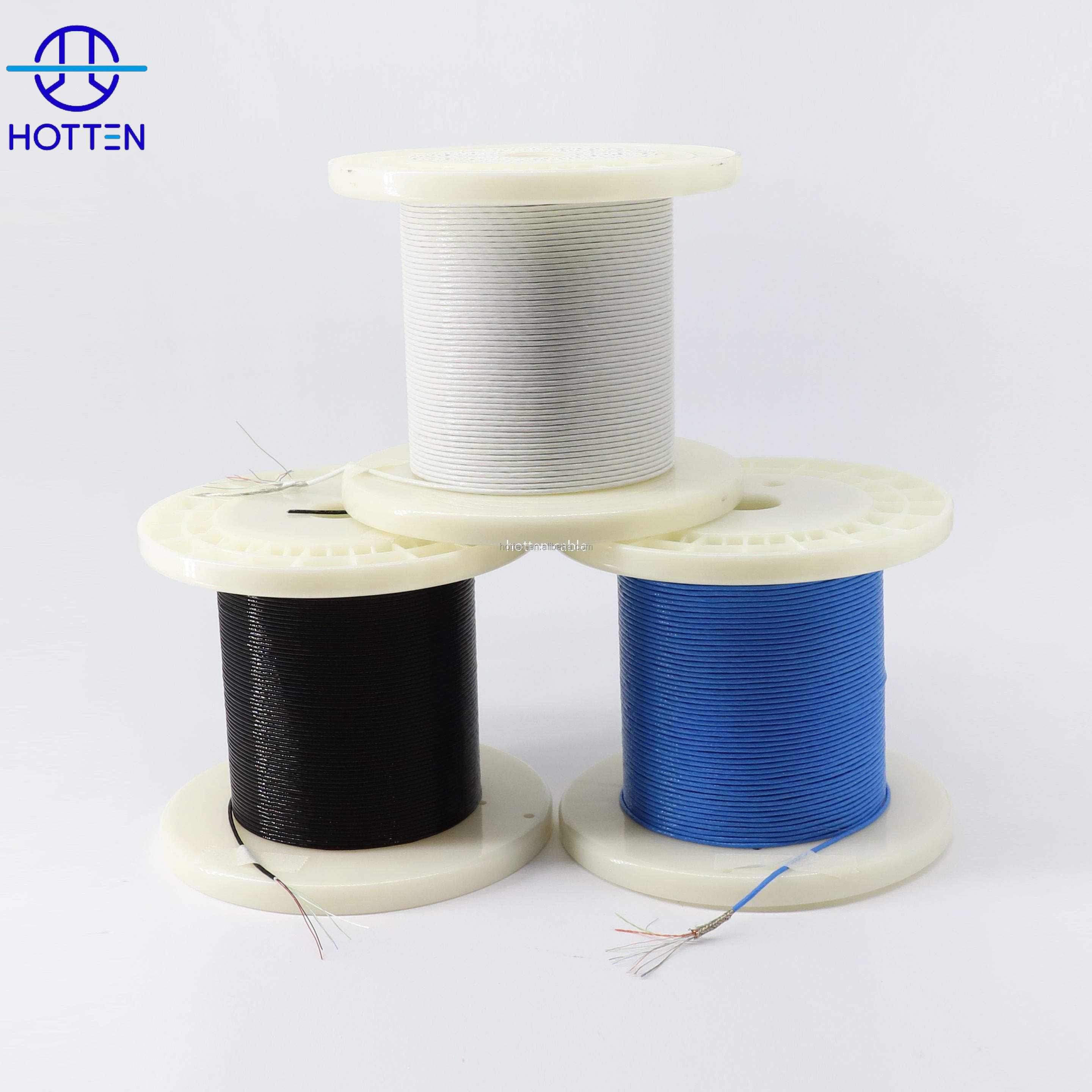
Insulation and Jacketing: Hotten typically applies high-performance thermoplastics such as ETFE (ethylene tetrafluoro ethylene), PFA (perfluoroalkoxy) or FEP (fluoro ethylene propylene) which can withstand a sustained temperature up to 150°C, without distortion. For radiation applications when the materials may become embrittled after repeated exposure, Hotten applies XLPE (cross linked polyethylene) and specific polyolefin blends. The chemical resistance and flexibility are achieved by ETFE, TPU or Silicone jackets.
Conductor Shielding: The presence of moisture or chemical ingress is a concern for medical sterilization processes. Hotten's cables provide a hermetically sealed construction and employ the combinations of foil-braid and full potting at the back shell to preclude fluid wicking up the conductor bundle.
Example Products: Hotten's endoscope and ultrasound probe cable use fluoropolymer-based insulation and withstand over 500 autoclave cycles with no loss of signal integrity.
Aside from the components used in smart cable design and construction processes make the entire system resistant to hundreds of sterilization procedures.
Moisture Barrier Construction: By implementing multi-layer extrusion and water-blocking tapes, steam and fluids are prevented from infiltrating the design of Hotten cables. For example, an ICE and IVUS cable design of Hotten utilized a solid PTFE dielectric, and a laser welded shield to prevent capillary wicking.
Strain Relief and Sealed Connectors: The all-over-molded strain relief, made of medical-grade silicone or TPE, ensures a seamless junction between the cable and connector, which have no crevices in which sterilants can accumulate. In Hotten's surgical scalpel and RF ablation cables, 100% leak-tested overmolding prevents fluid intrusion through multiple EtO or autoclave cycles.
Customizable for Sterilization Method: Hotten can custom design cables for specific sterilization cycles-whether for daily autoclave requirements (e.g., dental sensing cables) or for gamma radiation and chemical sterilization methods.
The medical reliability of Hotten products can be supported by in house tests simulating years of actual patient use. All custom medical cable assemblies undergo such tests as:
Autoclave cycling (500 cycles accelerated at 135 °C)
Gamma Radiation tests to ISO 11137
Immersion in standard EtO and normal chemical disinfectants
Pre-sterilization & post-sterilization electrical integrity tests (contact resistance, dielectric strength and impedance)
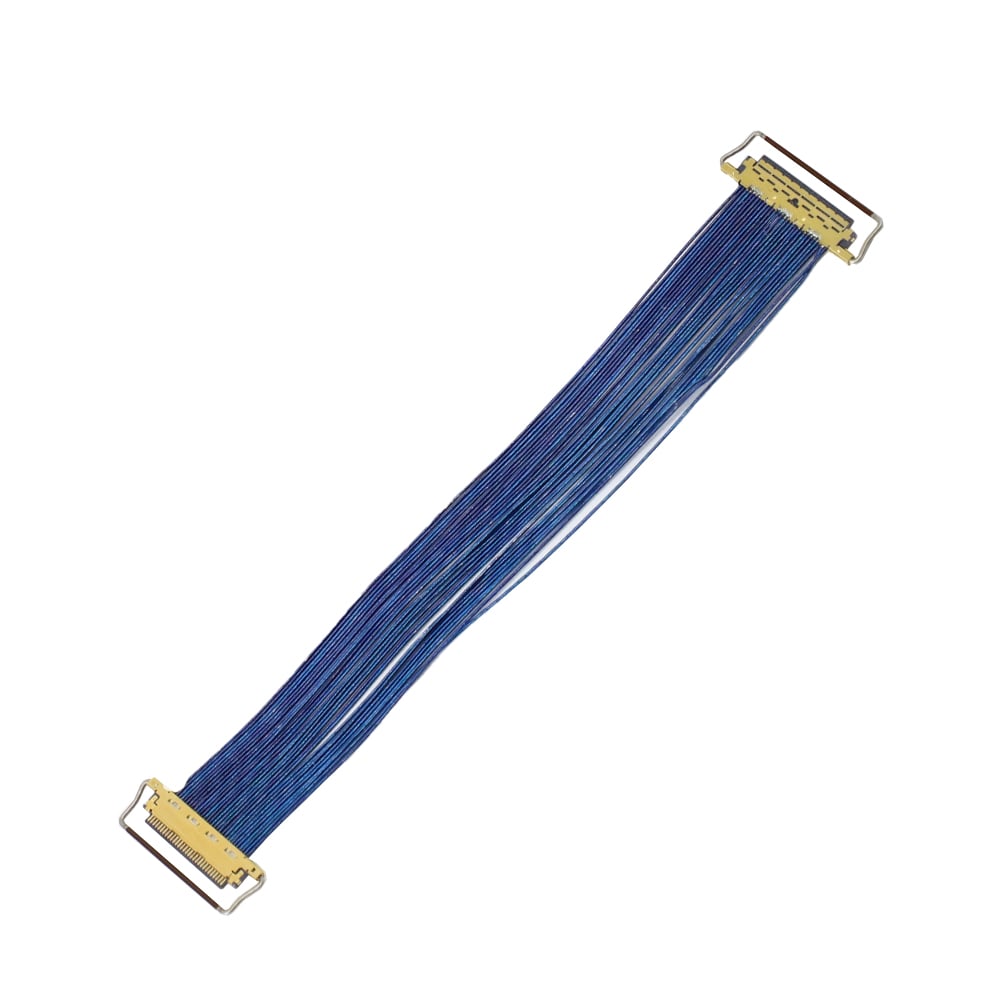
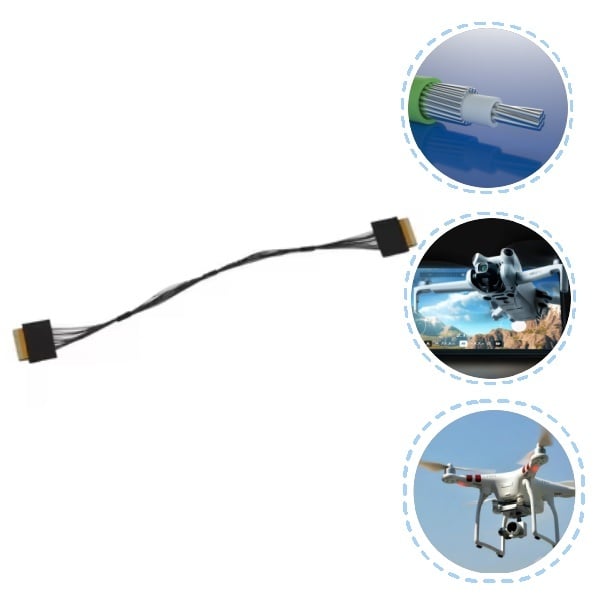
These tests ensure patient safety and integrity of signals for sensitive medical devices—such as LVDS wire harness, robotics wire harness and EEG lead wires that will endure rigorous reprocessing conditions.
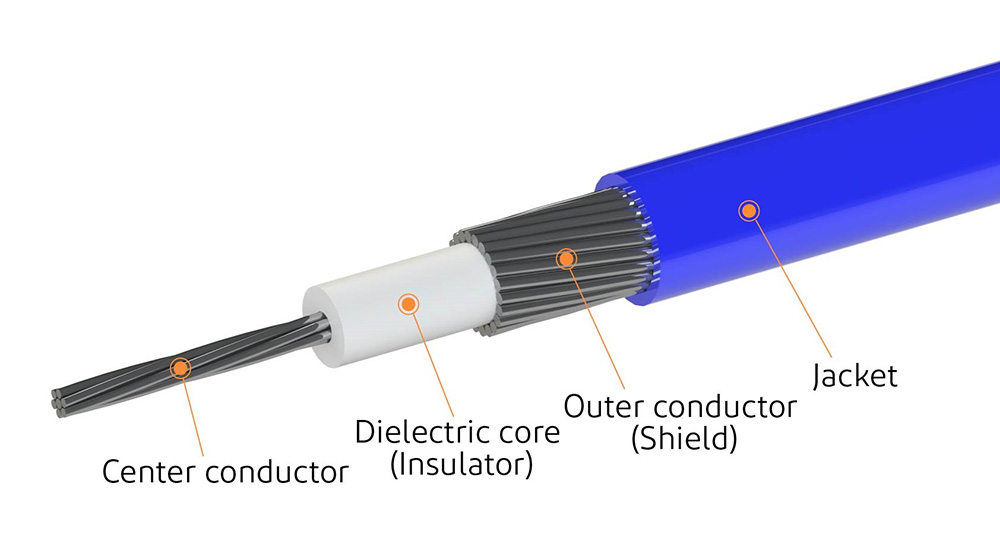
Sterilization is now a requirement, not an option, in medical engineering for any modern diagnostic or interventional device. With the use of the most advanced fluoropolymer materials and hermetically sealed constructions with tested and proven sterilization capabilities, custom cable assemblies by Hotten offer high performance in the most taxing medical applications. Hotten's wire and cable solutions ensure device functionality and patient safety, cycle after cycle, whether used for ultrasound, endoscopy, ablation, or robotic surgery.
 Hot News
2026-09-17
2026-09-04
2025-12-17
2025-12-11
2025-12-05