 EN
EN
Quick Links

The Augmented and Virtual Reality world (AR/VR) will bring the world to a new digital level. We are impressed by the beautiful images, theatrical settings, and flawless interactivity. When it comes to processors, displays, and optics, processors, displays, and optics justifiably take the headlines, yet there is another important element at work behind the scenes, the micro coaxial cable. At Hotten Electronic Wire, we know that the immersion of your AR/VR reality is determined by the functionality of these miniature high-tech conductors.
The Imaging Quality Bottleneck: Data, Speed, and Integrity
AR/VR at high resolution requires a huge and continuous stream of data. Contemporary headsets have displays with resolutions of more than 4K per eye, high frame rates (90Hz, 120Hz, and higher), and complicated tracking signals of several cameras and sensors. All this data needs to be passed on out of the processing unit (which can be a mobile chipset or a nearby computer) to the displays, which are only centimeters away in front of the eyes. Any failure in this data transmission will cause the immersion-breaking artifacts feared by users: image lag, motion blur, screen tearing, color inaccuracies, or low resolution.This is where the common wiring fails, and the special micro coaxial cables shine.For high-resolution AR/VR displays, signal degradation is often caused not by processors or panels, but by insufficient impedance control, excessive insertion loss, and poor EMI suppression in internal cabling. As data rates exceed multiple gigabits per second, conventional wiring quickly becomes the limiting factor.
| Cable Type | Advantages | Limitations | Typical Applications |
|---|---|---|---|
| Micro Coaxial Cable | High-speed signal transmission, excellent EMI shielding, stable impedance control and ultra-thin structure | Higher manufacturing precision requirements and customization complexity | AR/VR headsets, smart glasses, high-resolution imaging devices |
| FPC (Flexible Printed Circuit) | Extremely thin and lightweight, easy integration with compact electronics | High-frequency signal performance may decrease over longer transmission paths | Mobile devices, wearable electronics, display modules |
| Twisted Pair Cable | Low cost and widely used for general signal transmission | More vulnerable to EMI and crosstalk in high-density electronic systems | General communication and industrial electronics |
| Standard Coaxial Cable | Strong shielding and reliable RF performance | Larger diameter and less suitable for compact wearable devices | RF systems, traditional electronic equipment |
The Three Ways in Which Micro Coaxial Cables Elevate the Visual Experience
Relentless High-Speed Data Transmission: Micro coaxial cables are designed to be more high-frequency. They have an accurate central conductor, dielectric insulation, and shielding, which collectively reduce signal loss (attenuation) and maintain bandwidth with distance. In the case of AR/VR, it directly implies the support of the latest protocols such as USB4, DisplayPort, or LVDS, to the full potential. This, combined with the pixel-dense image data, allows the complex image data to be delivered to the display without being throttled by the cable itself, allowing clear, finely detailed images even in a fast-paced VR game or an intricate AR overlay. In practical AR/VR headset designs, micro coaxial cables typically operate in the 36–44 AWG range, with controlled impedance of 50Ω or 75Ω, ensuring stable signal transmission for high-speed interfaces such as eDP, MIPI DSI, DisplayPort, and LVDS. Proper dielectric selection and conductor geometry help minimize insertion loss and preserve signal integrity over short but critical distances.
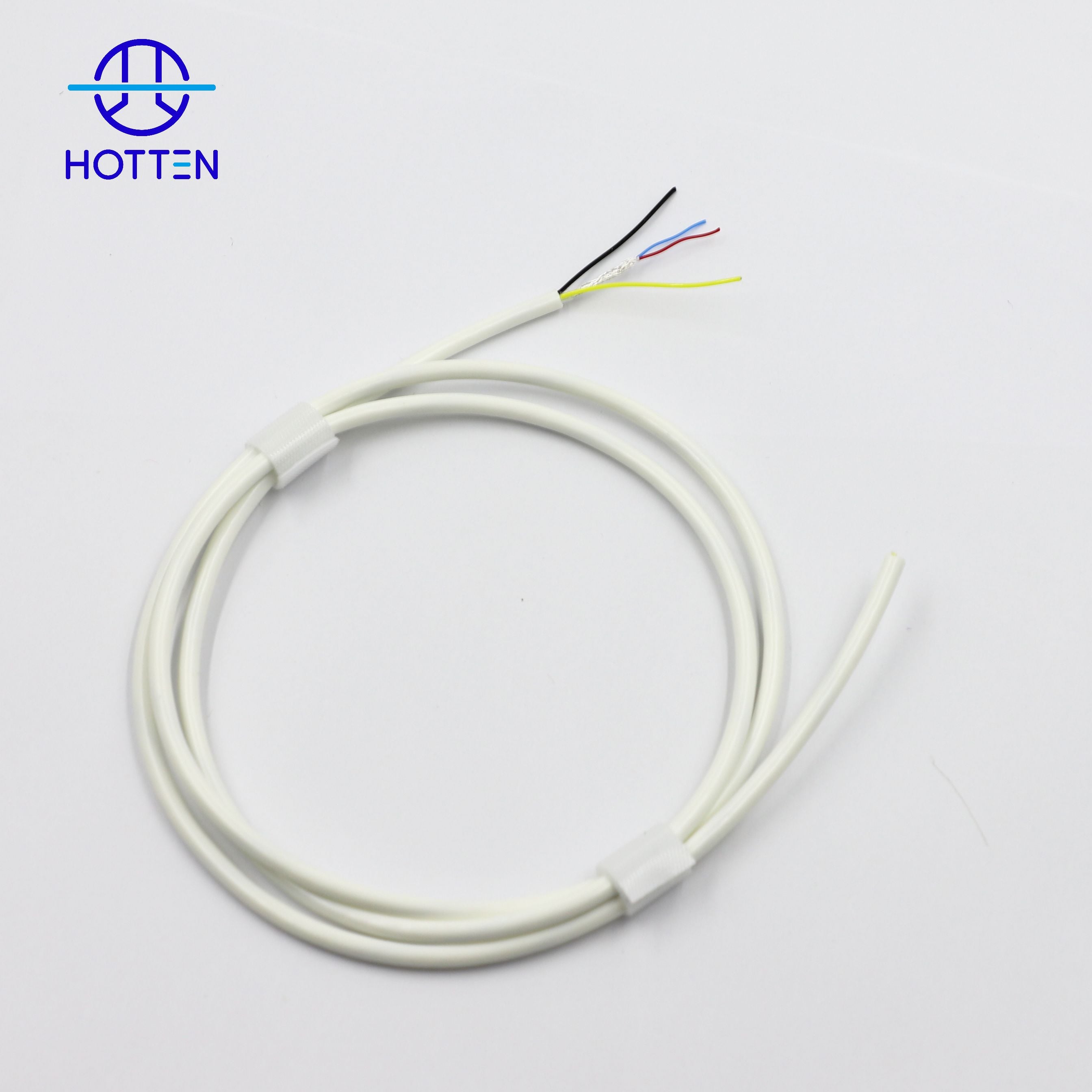
High Signal and EMI Shielding: Within an AR/VR headset is a place of electrically noisy environment. Electromagnetic interference (EMI) is produced by processors, power circuits, wireless modules, etc. Typical micro coaxial cable structures for AR/VR applications include a fine stranded or solid center conductor, precision dielectric insulation, and multi-layer shielding such as aluminum foil combined with high-coverage copper braiding. This structure effectively suppresses EMI while maintaining consistent impedance in compact assemblies. These micro coaxial cables are highly shielded with their strong multilayer (often a mixture of aluminum foil and braided wire) shield, which serves as a protective shield around the information of the fragile image. This shielding keeps external noise off the data and shields the signal inside the cable as well, preventing crosstalk with other internal components. What emerges is a clear and steady signal that removes visual snow, ghosting, or color jumps, which provides a clean and consistent image.
Resistance to wear and tear: AR/VR devices will be constructed to move. Headsets are continually put on and off and adjusted. The cables joining the displays and sensors are subjected to flexing, twisting, and small radius bends repeatedly. In AR/VR headsets, internal micro coaxial cables are often required to withstand tens of thousands of bending cycles, with small bending radii and limited installation space, while maintaining stable electrical performance throughout the product’s service life. The conductor of the micro coaxial cables developed by Hotten is of high strand count, and the jacketing material has been developed to offer high flex life and crush resistance. This mechanical reliability not only concerns the prevention of breakages, but it is also concerned with the ability of the electrical characteristics of the cable to be consistent through thousands of cycles of movement. A cable that is damaged whenever it is flexed would gradually cause the problem of signal problem, which would worsen the quality of images in due course. We design our cables to provide optimum services throughout the device's life.
Hotten's Focus: Enabling Next-Generation AR/VR
At Hotten Electronic Wire, founded in 2018, our core R&D focus is on the development of ultra-fine coaxial cable technology. Our annual cable volume exceeds 144 million meters, and we are also oriented towards solutions for hard work applications. Our AR/VR Cables and harnesses are designed uniquely to fit the special needs of head-mounted displays:
Ultra-Fine Gauge: Designed to fit the small, lightweight dimensions of the headsets that are used nowadays.
High Bandwidth: To enable 8K+ and high refresh rate video pipelines.
Excellent Shielding: To work perfectly in small, integrated machines.
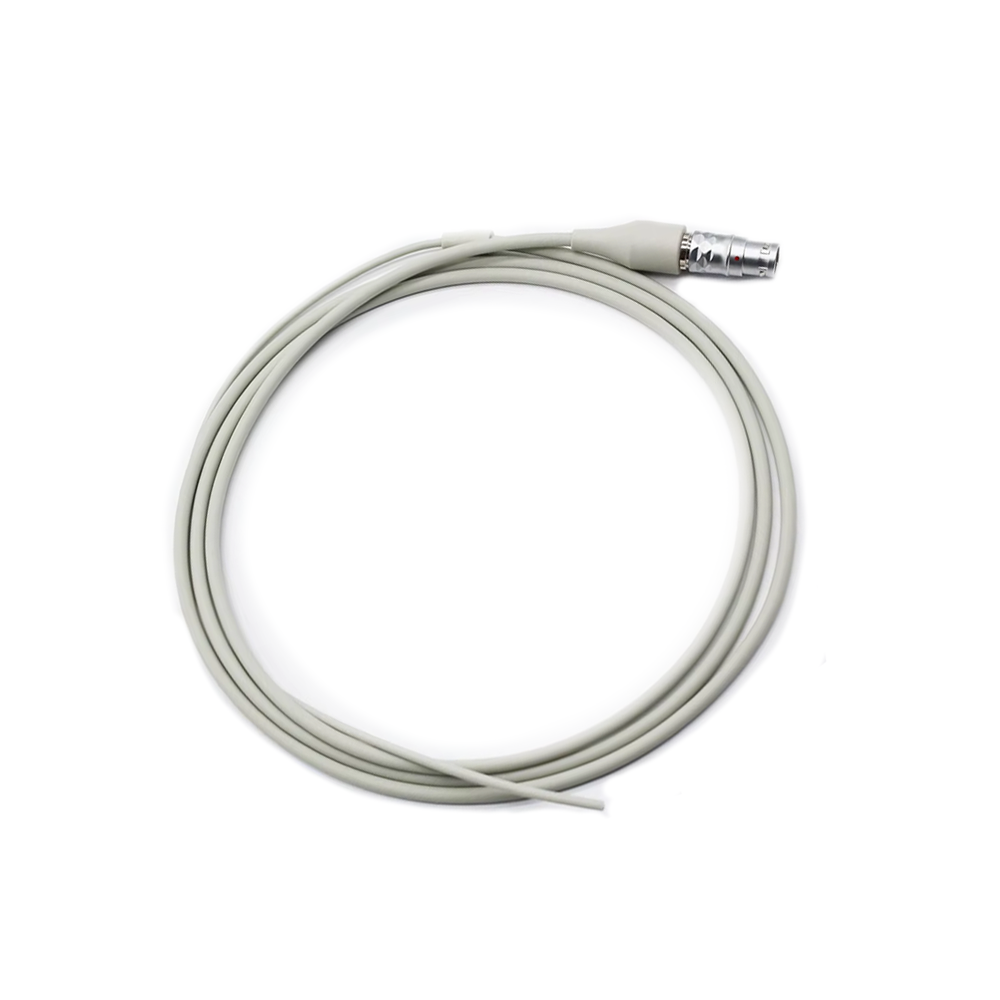
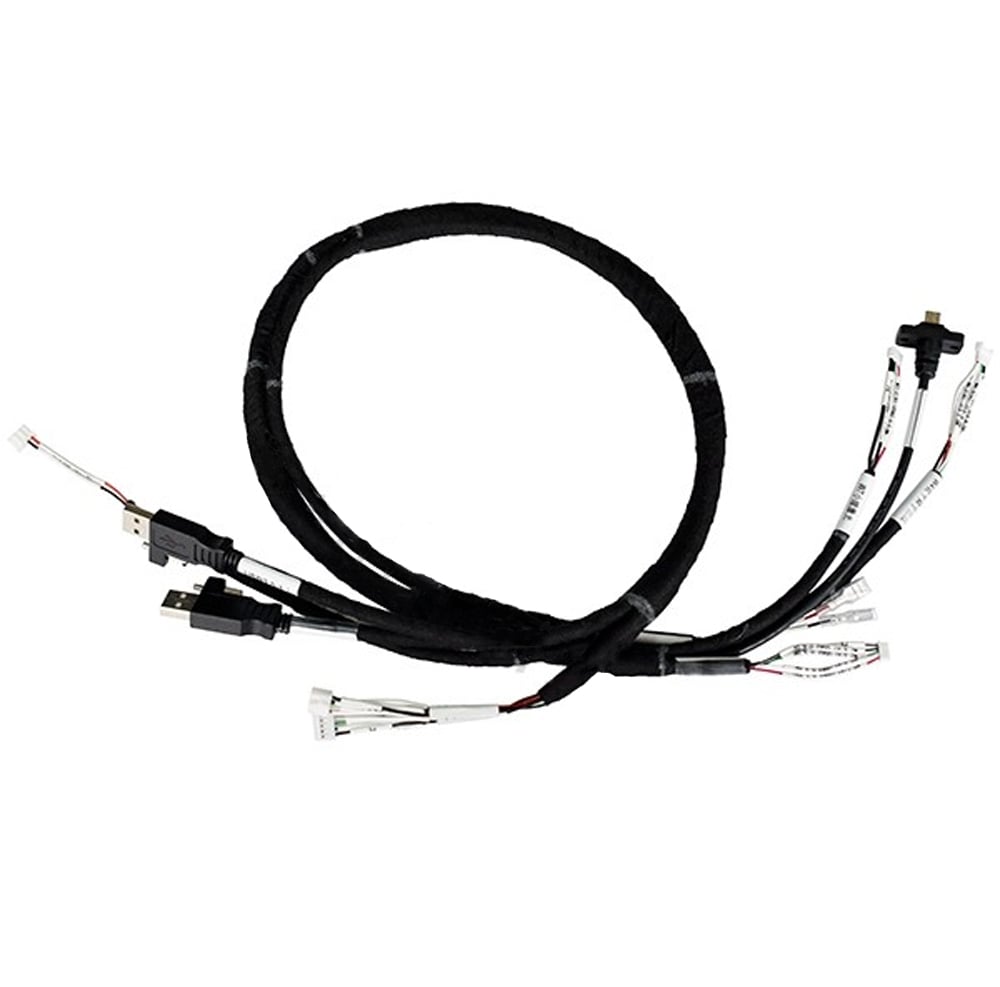
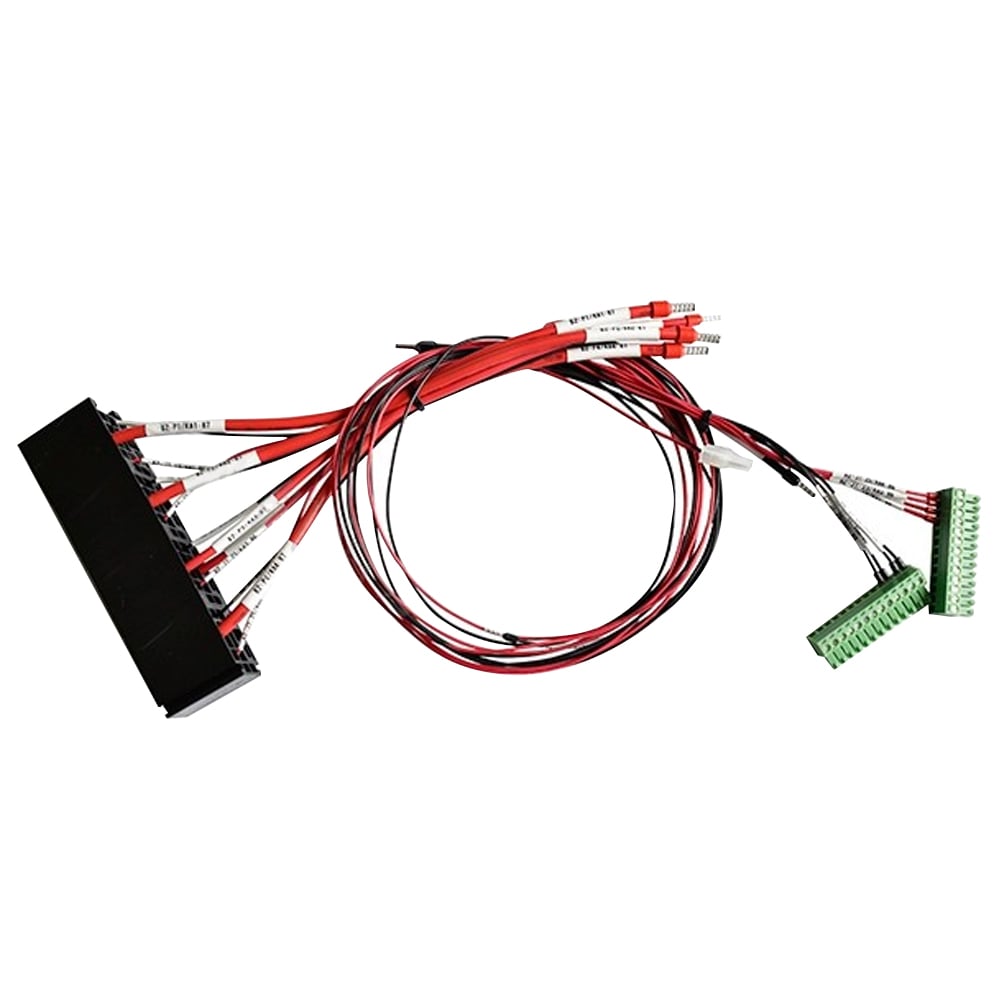
Custom Assembly: Custom assembly offers manufacturers comprehensive wire harness products combining power, data, and sensor cabling into high-quality bundles that are simple to install.
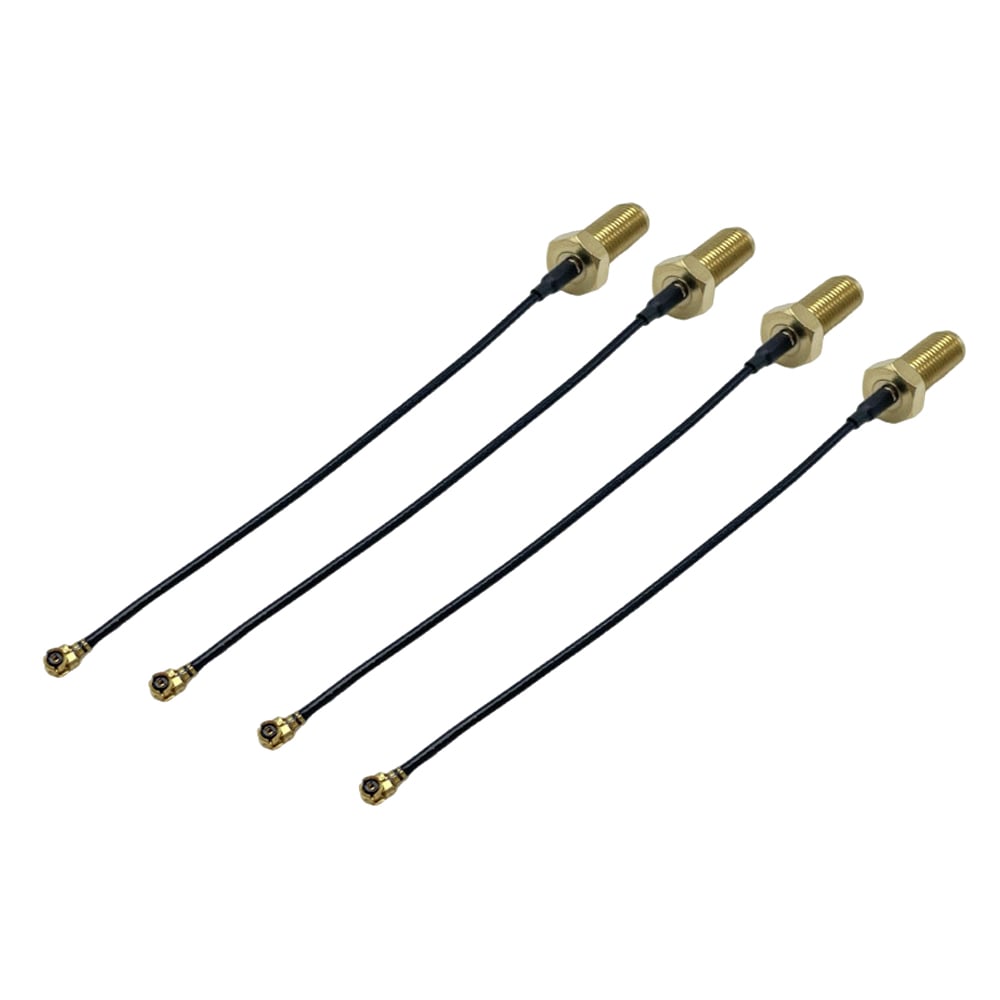
At Hotten Electronic Wire, our AR/VR micro coaxial cable solutions are developed with a focus on ultra-fine conductor processing, stable impedance control, and high-reliability shielding structures. Our manufacturing capabilities cover ultra-fine gauge coaxial cables, precision extrusion, and customized harness assemblies, supporting applications in AR/VR, medical imaging, and other high-density electronic systems.
The Clear Conclusion
To be immersed actually in AR/VR, all the elements must work perfectly. The micro coaxial cable is what makes the difference and transfers the digital world to your eyes. These advanced cables are silent in nature by guaranteeing high-speed, high-integrity, and high-reliability in signal transmission to remove any visual artifacts, as well as enable the hardware potential. With AR/VR technology moving towards photorealistic imagery and ubiquitous applications, the new micro coaxial cabling technology advocated by such industry leaders as Hotten Electronic Wire will remain the cornerstone in creating those flawless virtual images.
Typical Technical Capabilities (Reference)
Ultra-fine gauge: 36–44 AWG
Impedance options: 50Ω / 75Ω
Shielding: Foil + braid
Applications: AR/VR headsets, medical imaging, compact electronics
A: Micro coaxial cables are important for AR/VR devices because they provide high-speed signal transmission, excellent EMI protection and compact dimensions required for high-resolution displays and imaging systems.
A: Micro coaxial cables help maintain image quality by reducing signal loss, minimizing electromagnetic interference and preserving stable high-frequency data transmission between cameras, processors and display modules.
A: Yes. Micro coaxial cables are designed for high-bandwidth applications and can support advanced AR/VR systems requiring high-resolution video, fast refresh rates and real-time image processing.
A: Micro coaxial cables provide excellent signal integrity and individual shielding, making them suitable for high-frequency data transmission where EMI control and stable performance are critical.
A: Engineers need to balance high-speed transmission, compact size, flexibility, weight reduction and mechanical durability while maintaining reliable signal performance.
A: Yes. Micro coaxial cable assemblies can be customized with different cable diameters, shielding structures, connector types, lengths and mechanical designs according to AR/VR device requirements.
 Hot News
2026-09-17
2026-09-04
2025-12-17
2025-12-11
2025-12-05