 EN
EN
Quick Links

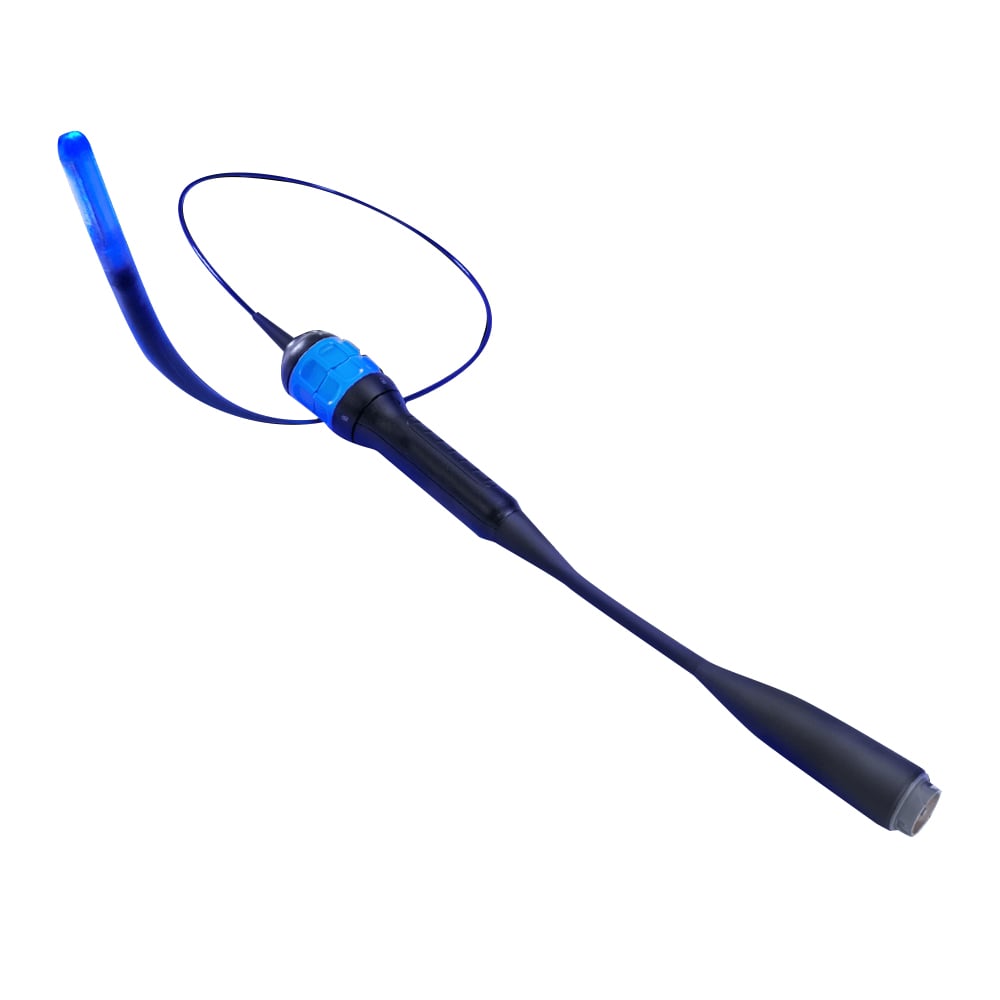
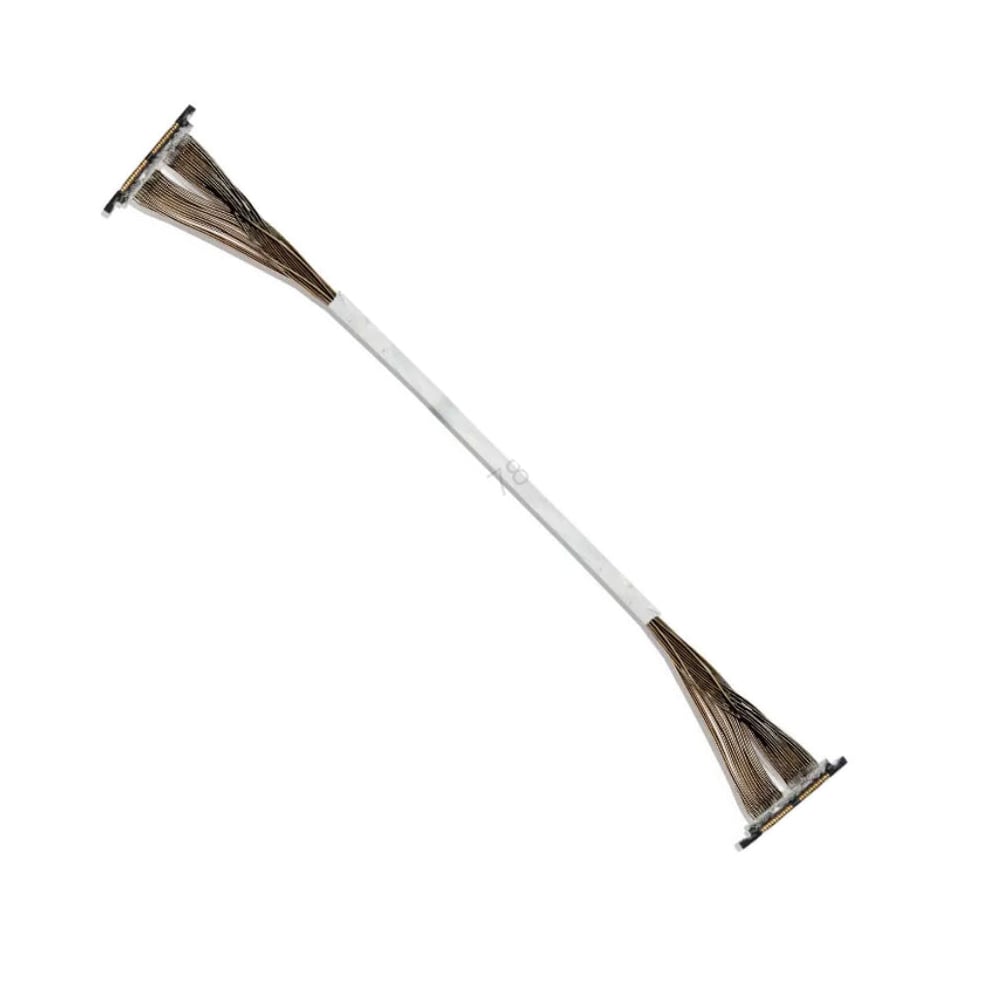
Ultrasound transducers, endoscopes, and IVU'S cables are the medical probes that are subjected to repetitive and unfavorable working conditions in a minimum invasive procedure. They need in-house lifeline; micro-coaxial assembly which might accommodate hundreds and even thousands of flex cycles. We are a medical cable manufacturer, as an expert manufacturer of medical cables, we know that the flexibility of the cable that will be measured in terms of the number of bends survived without any electrical and mechanical failures is not an accident. Nothing but careful design and planning have gone into these; the fields of material science, mechanical engineering, and precision manufacture touch on this. These are the most technical matters with respect to OEMs as concerns patient safety and long-term efficacy of the devices.
| Factor | Impact on Flex Life |
|---|---|
| Conductor Structure | Fine-stranded conductors improve flexibility and reduce conductor fatigue during repeated bending |
| Insulation Material | Flexible dielectric materials help maintain electrical performance during mechanical movement |
| Shield Design | Proper shielding structure balances EMI protection and bending durability |
| Cable Diameter | Smaller diameter improves flexibility but requires precise manufacturing control |
| Bend Radius | Excessive bending beyond the designed radius can accelerate mechanical failure |
| Assembly Process | Proper termination and strain relief design prevent stress concentration at connection points |
| Material Selection | Jacket materials influence abrasion resistance, chemical resistance and long-term reliability |
The Midway: Conductor Putting and Stranding.
The design of central conductor is the first determinant of flexibilities. Although solid core wire is characterized by stable electrical properties, it is very likely to work-harden and fail in repetitive bending. Thus, large conductors of high-flex, fine-stranded are required. As a large OEM supplier, we are very particular to the quantity of strands used, the gauge of each strand of wire as well as the direction in which the wires are laid (the twist pitch). We are using high count, ultra-fine stranding and synergistic, and optimized bend-lay. The design distributes the mechanical loads among various points so that the conductor becomes more of a flexible rope; the bending forces are relieved without any stress load and flex life of our micro-coaxial connector assemblies in our cable assembly shop is increased significantly.
Insulation and Shielding: The type of Material is important.
The covers which cover the conductor must be highly flexible, in addition, electrically sound. The dielectric insulation must have low elastic modulus in order to be capable of bending without establishing and micro-cracking. High-level polymers are chosen in that position. Even though the shields made of braid are highly structurally strong, it might be too stiff when applied with dynamic probes. In high flex assembly type in the medical sector our cable assembly factory typically adopts high density spiral shield or a foil that is installed with high accuracy with a drain wire. These designs offer RF shielding of high grade and also a substantial decrease of friction and abrasion of the interior of twisting which are significant to the service life of endoscope cables and robotic wire harnesses.
Lay: Art of Cable Designing Geometry.
Cable is also another important element of the entire construction. Coaxial lines can only be bundled to result in uneven stress distribution in the rotation as well as the bending. Our superior designs of supplier OEM designs utilizes a regulated helical design where the smaller coaxial cables are twisted around a core. This artificial fabric gives a neutral bending axis, which permits the complete probe to flex, but does not subject individual conductors to unreasonable compression or strain. It is under this principle, which, in the instances of a few essays upon gimbal cameras and wire-harnesses of robots, is merely extended to the highly-refined ICE and IVUS cables, so that they will be able to withstand the agonies of the nasty routes through the vasculature.
Strain relieving and jacketing: Ground preparation.
The jacket used on the outside must also be tough and yet be able to resist abrasion and chemicals (body fluids and sterilizers) and also be easy to manipulate. Thermoplastic elastomers (TPEs) or polyurethanes of special medical grade fill this trade-off. At termination points, flex life is critical and we are the professional manufacturer, and therefore we will ensure that we have inbuilt strain relief at all points. We offer a variable stiffness gradient on each assembly to retain the cable, and eliminate acute radii of bend at the connector junction, normal locations of surgical scalpel cable or EEG lead wire failure.
The case of OEMs involves avoiding the risk by defining a high-performance medical probe cable. Hotten Electronic wire technology is a technology whereby the reliability is incorporated at every single layer. Conductor, material selection, geometrical selection, as well as our protective jacketing designs Micro-coaxial assembly solutions using our conductor provide unprecedented signal integrity in ultrasound imaging, endoscopic visualization or ablation energy delivery. Through the cooperation with a competent manufacturer of cable assembly, you are also provided with a medical instrument which a clinician can count upon, procedure after procedure, and flex after flex.
A: The flex life of micro coaxial cable assemblies depends on conductor structure, insulation materials, shielding design, cable diameter, bend radius and assembly quality. A balanced design is required to achieve both flexibility and long-term electrical stability.
A: Medical probe cables are frequently bent, twisted and moved during operation. A cable with insufficient flex durability may experience conductor fatigue, signal attenuation or mechanical failure over time.
A: Fine-stranded conductors can withstand repeated mechanical movement better than solid conductors because stress is distributed across multiple strands, improving fatigue resistance.
A: Not necessarily. Smaller diameters improve space efficiency, but ultra-fine cables require precise material selection and manufacturing control to maintain mechanical reliability.
A: Manufacturers improve flex life through optimized conductor design, flexible insulation materials, controlled shielding structures, proper strain relief and repeated bending validation testing.
A: Yes. Micro coaxial assemblies can be customized based on required bend radius, bending cycles, cable diameter, application environment and medical device design requirements.
 Hot News
2026-09-17
2026-09-04
2025-12-17
2025-12-11
2025-12-05