
Home > News > Company news
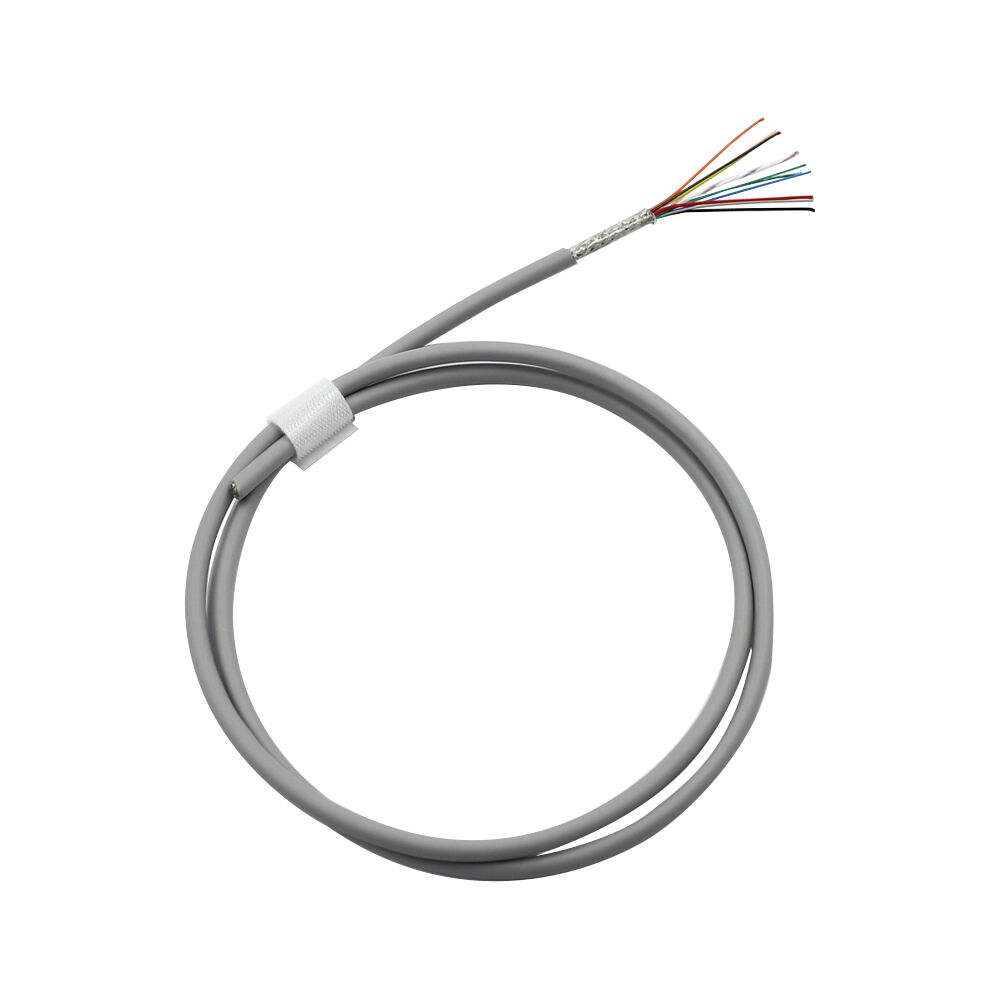
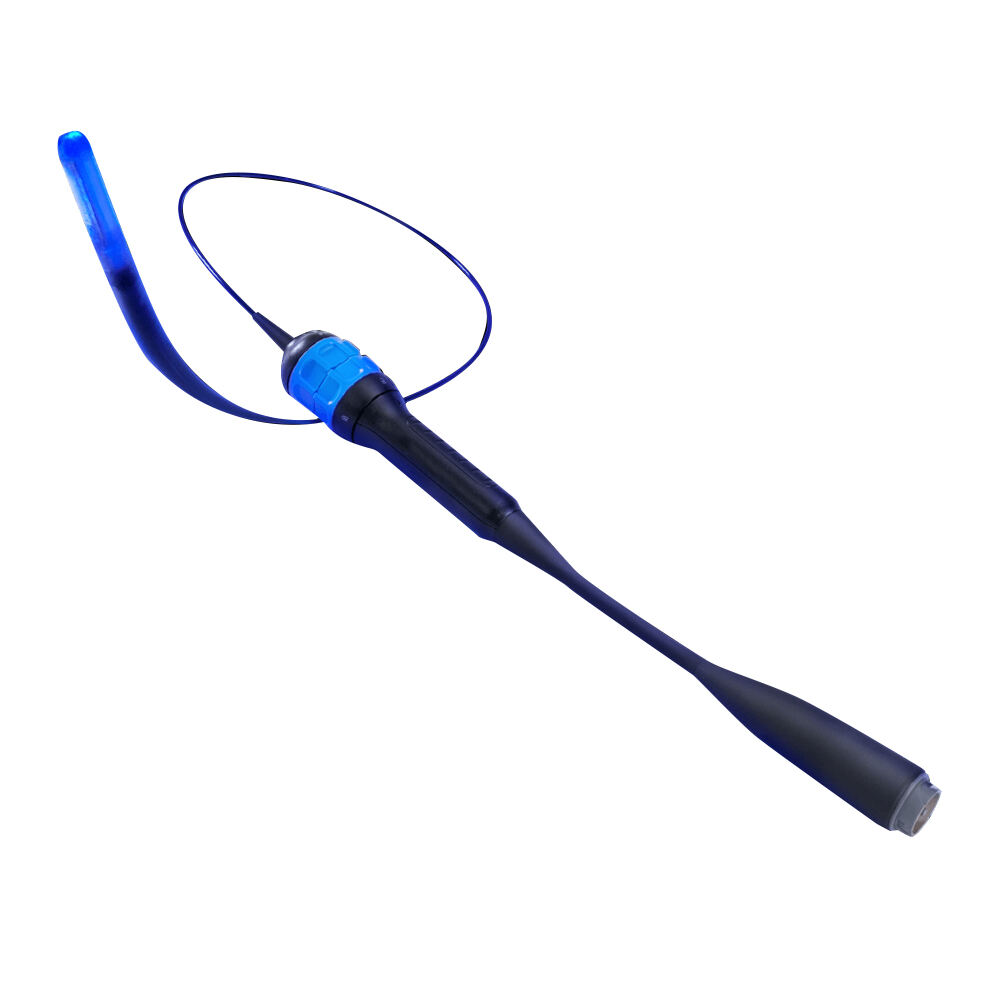
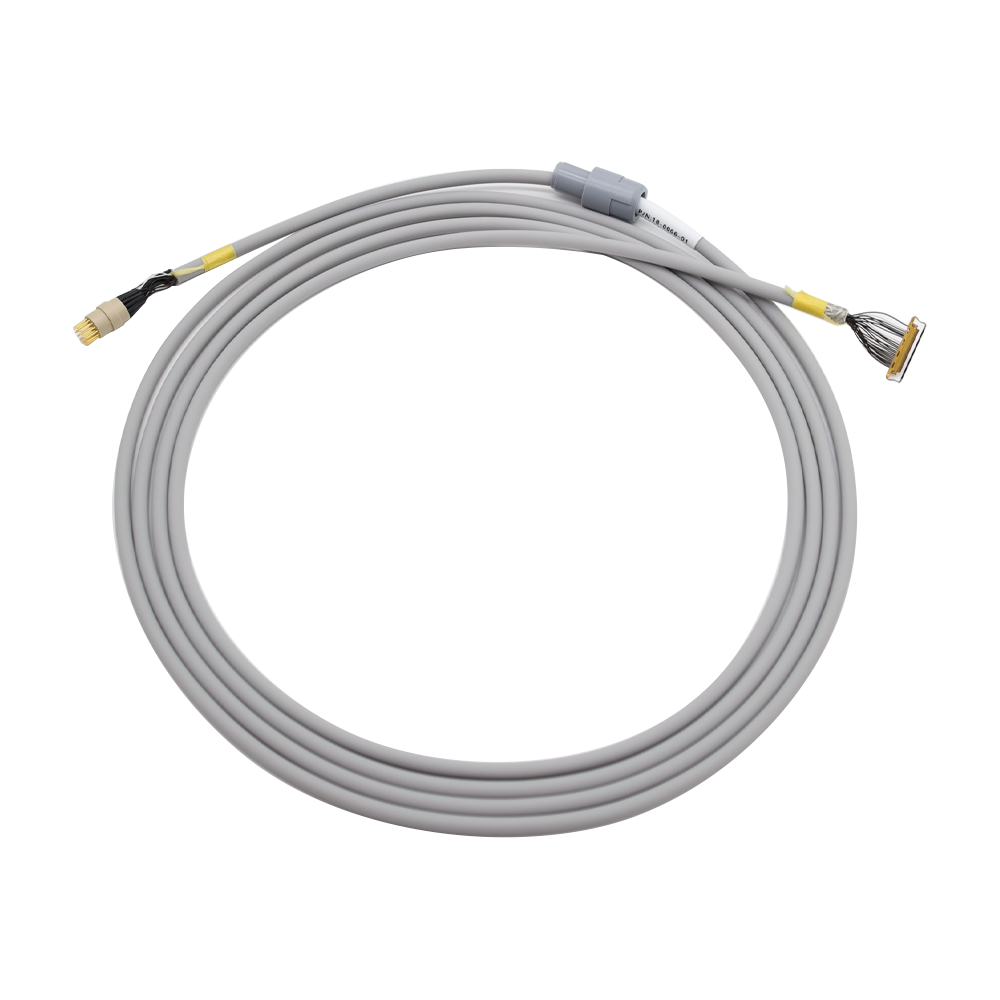
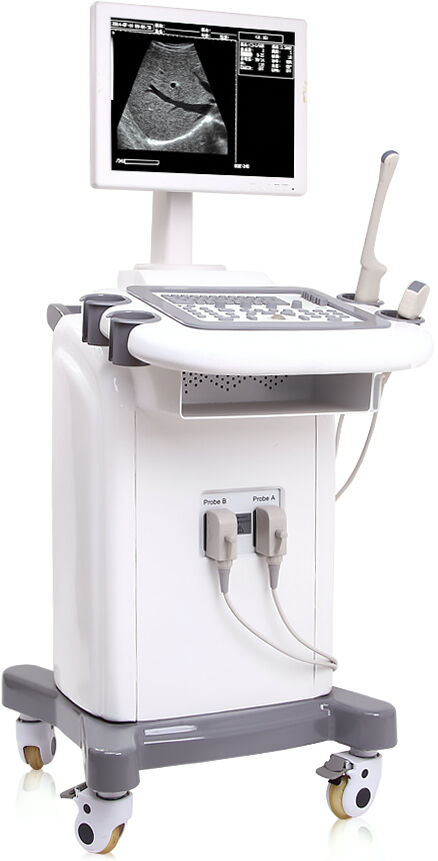
In the field of medical imaging, the cable of an ultrasound probe is often referred to as the “neural transmission line” of the system. Due to the extremely weak nature of ultrasonic signals and their high sensitivity to delay and attenuation, every layer of the cable structure directly impacts image quality and device durability.
Below is a technical breakdown of high-performance medical ultrasound cables.
The core insulation is the heart of the cable and a critical factor in determining signal transmission performance. To achieve high-definition ultrasound imaging, advanced foamed insulation technology is applied.
Foamed materials such as foamed PFA contain uniformly distributed micro air cells, resulting in a dielectric constant of approximately 1.3–1.6, significantly lower than that of solid insulation (~2.1). This effectively reduces capacitance between conductors, minimizing signal attenuation and distortion during high-frequency transmission.
Lower signal loss allows the original echo signals captured by the probe to be transmitted more completely and rapidly to the system. This translates into improved signal-to-noise ratio (SNR), clearer imaging, enhanced stability, and reduced artifacts—providing clinicians with more accurate diagnostic information.
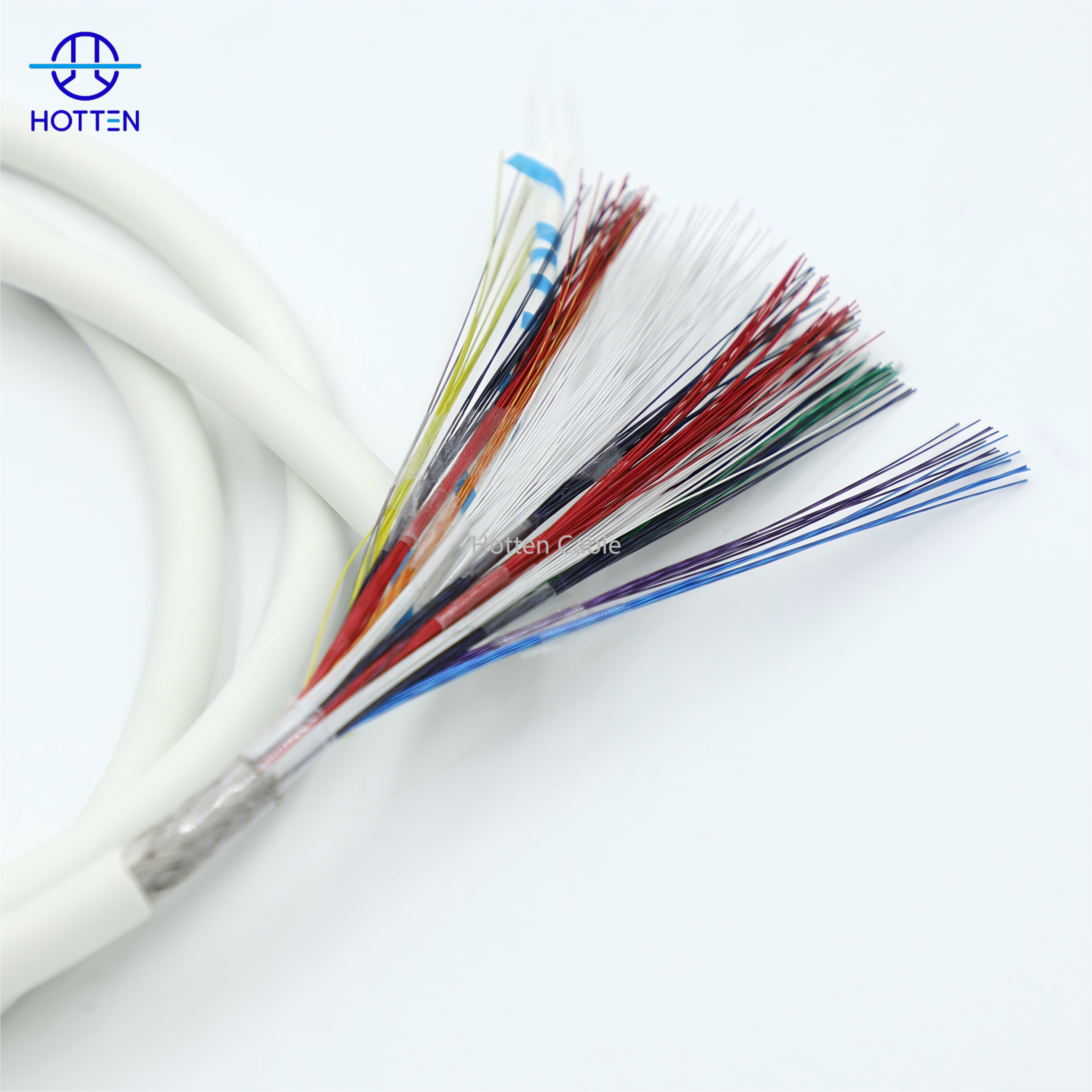
Ultrasound probes are frequently moved, bent, and twisted during clinical use. Therefore, conductor selection and cabling structure are crucial for maintaining long-term signal stability.
Unlike traditional solid copper conductors, high-performance tinsel wire is used. This structure consists of ultra-thin copper foil wrapped around a fiber core, offering exceptional flexibility and mechanical durability. It can withstand over 300,000 bending cycles without breakage.
Both the conductor and shielding layers utilize high-strength copper alloys combined with optimized stranding and loose braiding techniques. This ensures stable impedance and consistent signal performance even under long-term dynamic use, significantly extending the service life of the probe.
The outer jacket of the cable serves not only as physical protection but also as a key factor in medical compliance. Medical-grade materials such as PVC, TPU, or silicone are selected to meet stringent clinical requirements.
All materials comply with standards such as ISO 10993, ensuring safety in patient-contact environments without risks of toxicity or allergic reactions.
The jacket demonstrates excellent resistance to disinfectants, cleaning agents, and ultrasound gels commonly used in clinical environments. It maintains flexibility without cracking or hardening over time.
Additionally, all materials comply with RoHS and REACH regulations, ensuring both medical safety and environmental responsibility.
High-performance medical ultrasound cables are far more than simple conductors—they are the result of advanced integration between material science and precision engineering.
· Foamed insulation creates a low-loss signal transmission pathway, ensuring high-fidelity imaging
· Tinsel wire conductors and flexible braiding deliver exceptional mechanical durability
· Medical-grade jacket materials provide safe, reliable protection in demanding clinical environments
From core to outer layer, every design detail is optimized to overcome physical limitations in signal transmission, ensuring accuracy and stability in every ultrasound examination.
Ultimately, these cables form a critical foundation for high-quality medical imaging and precision diagnostics.
If you require detailed specifications or customized cable solutions for specific applications (such as abdominal probes vs. cardiac probes), feel free to contact our engineering team for further support.
 Hot News
2025-12-17
2025-12-11
2025-12-05
2025-04-29





 EN
EN