 EN
EN
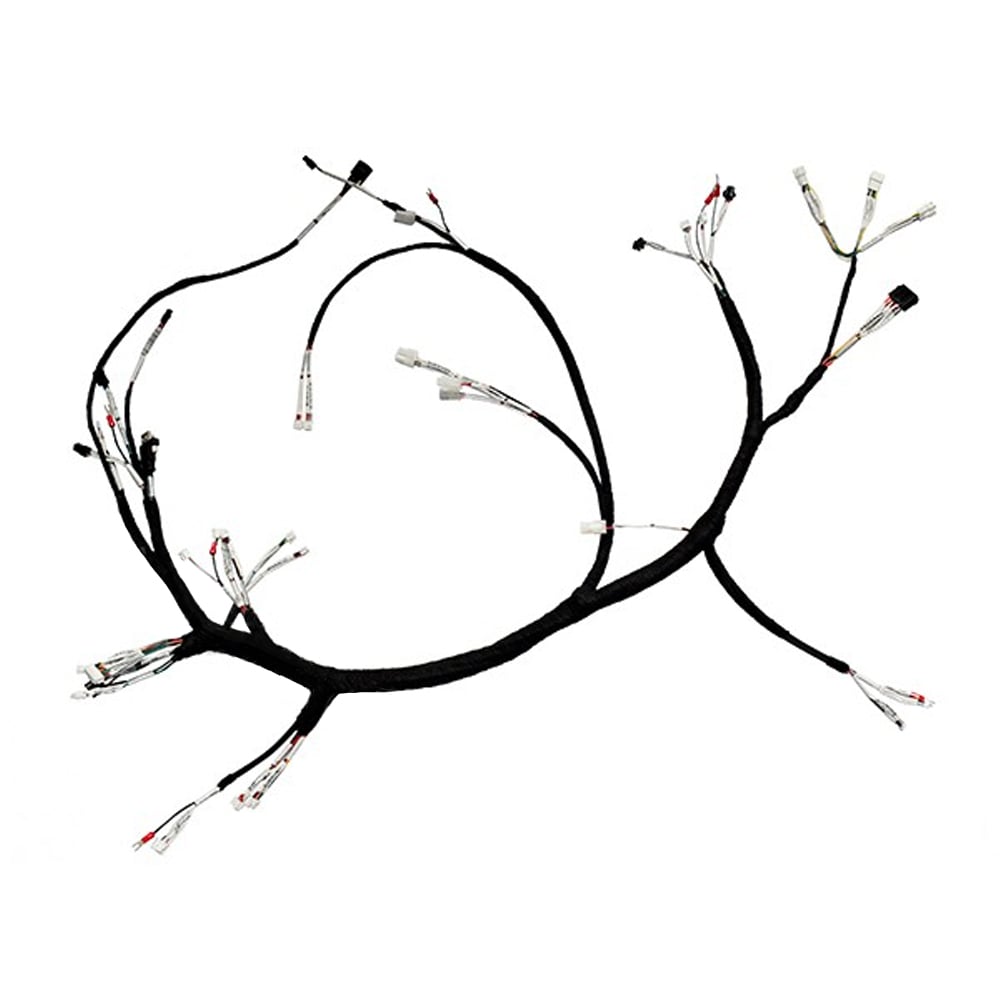
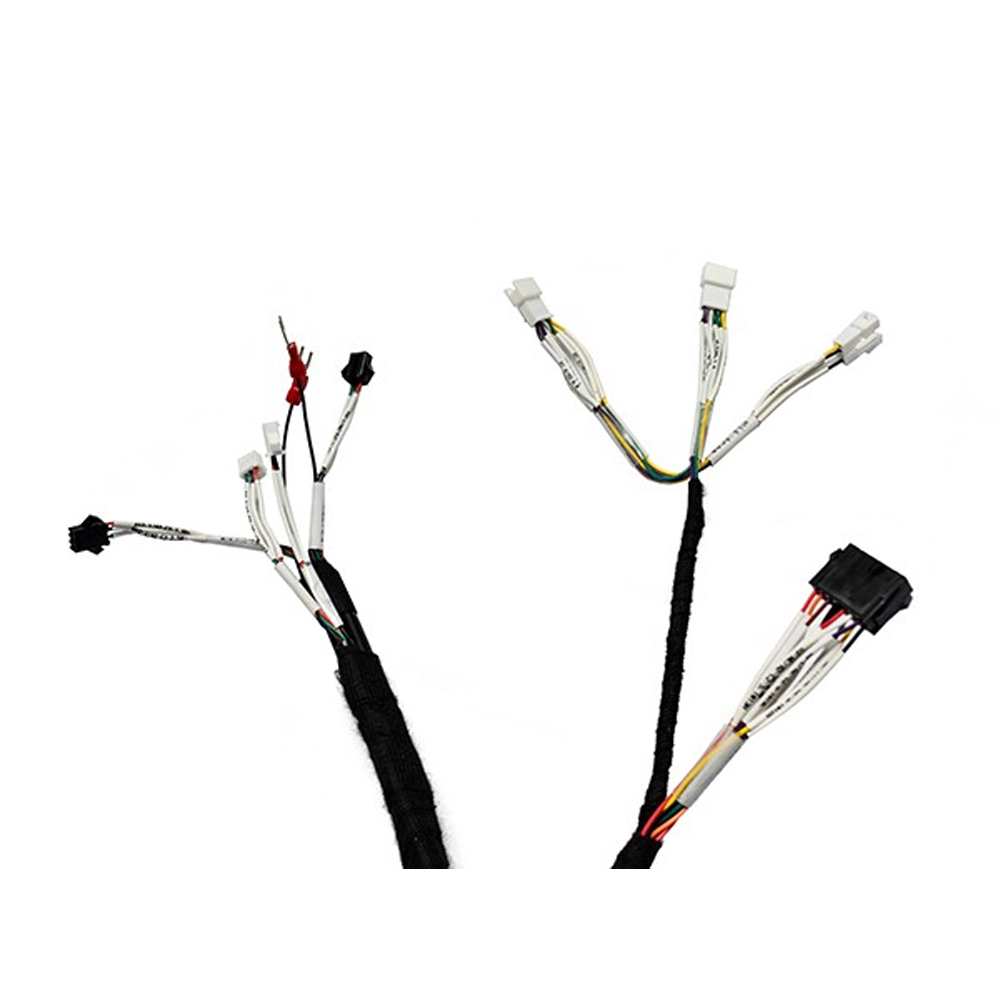
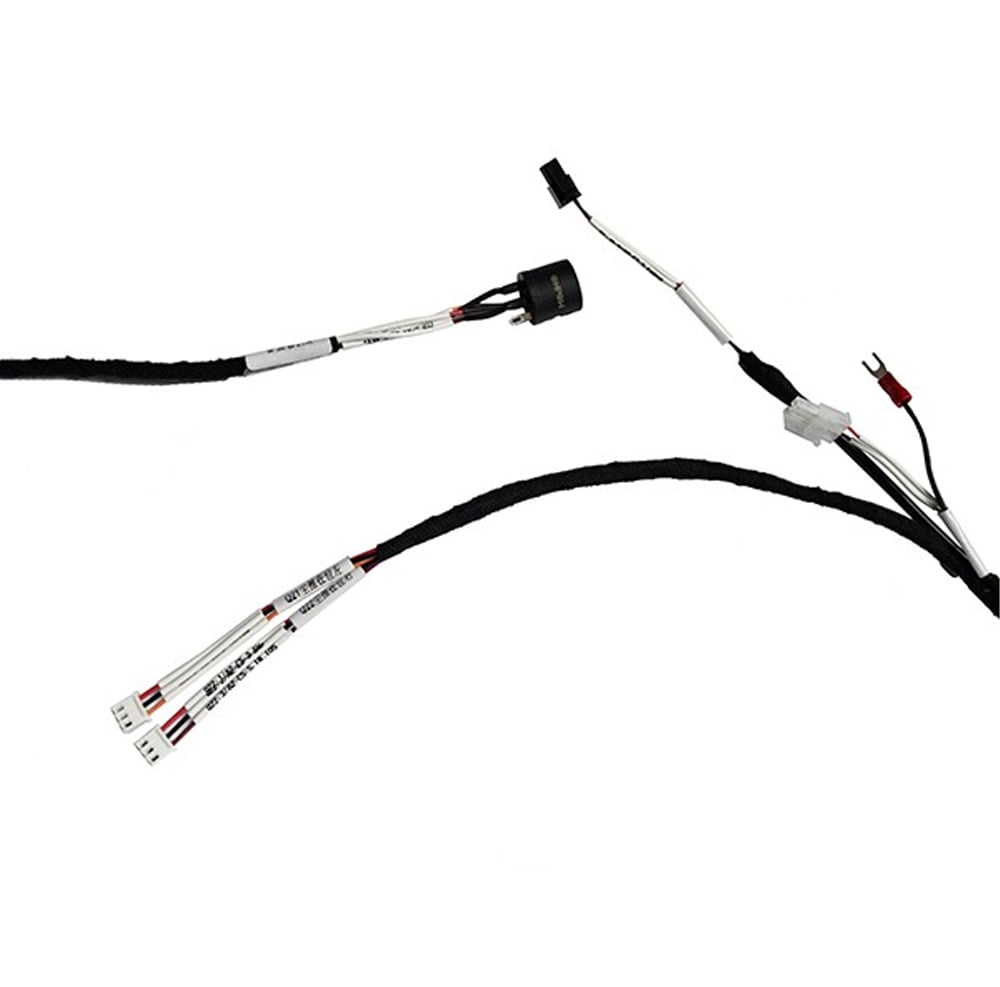
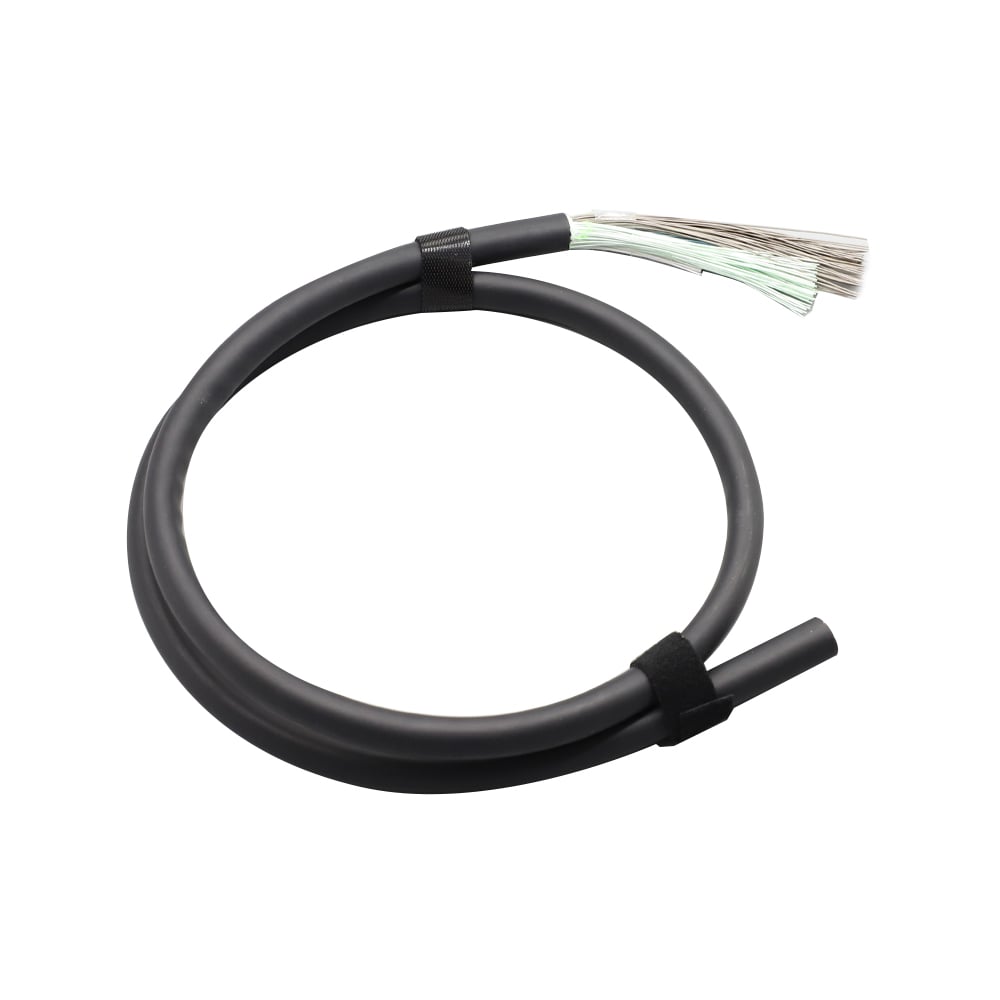
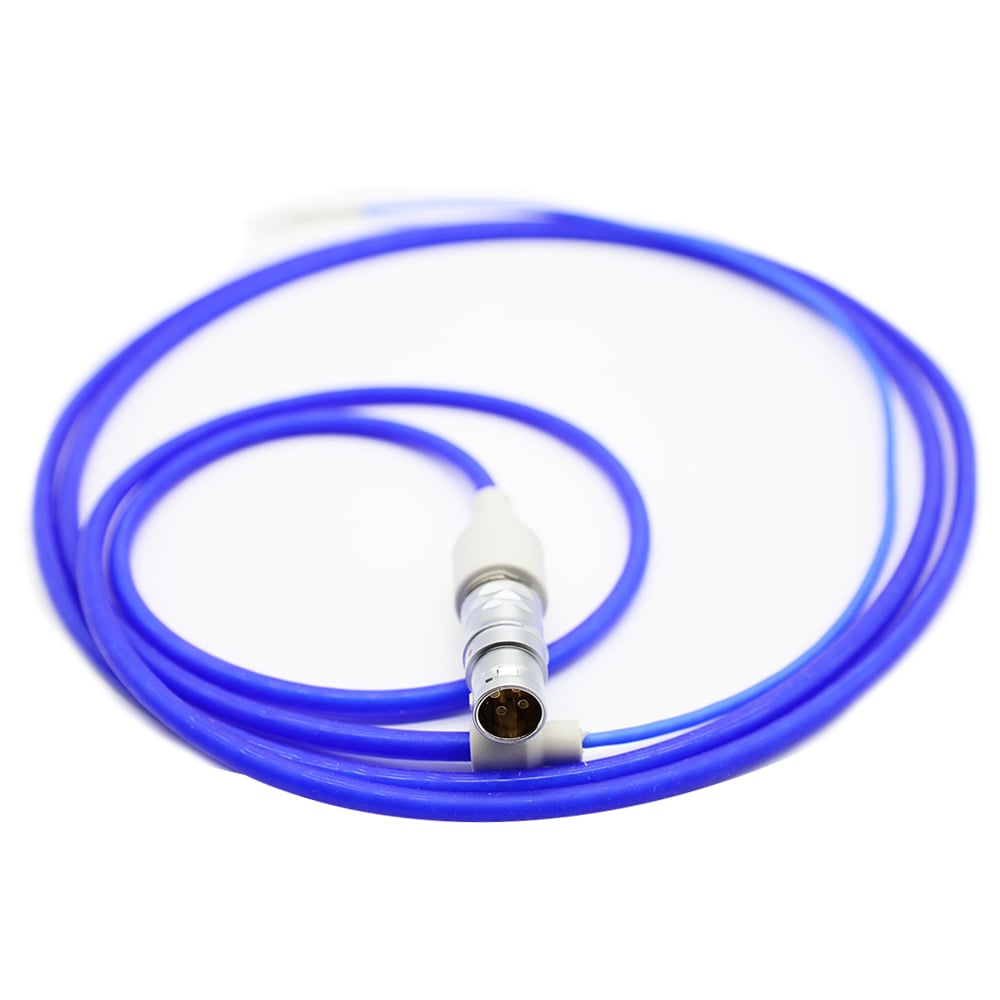
Premium Ultra-Thin Robotics Wire Harness
| Procurement Item | Recommended Information |
|---|---|
| Cable Type | Ultra-Thin Robotics Wire Harness |
| Application | Robotics / Automation System |
| Core Count | Required conductor configuration |
| Conductor Gauge | Required AWG or conductor size |
| Cable / Harness OD | Maximum allowable dimensions |
| Cable Length | Required finished length |
| Conductor Function | Signal / power / sensor / control assignment |
| Insulation | Required insulation material |
| Shielding | Required shielding structure and grounding method |
| Flexibility | Required bending and movement conditions |
| Connector | Connector series and exact part number |
| Mating Interface | Sensor, PCB, camera, actuator, or controller interface |
| Pinout | Signal assignment and termination requirements |
| Routing | Required installation path and movement range |
| Mechanical Clearance | Available installation space |
| Weight Requirement | Maximum harness weight, if specified |
| Technical Documents | Drawing, BOM, sample, connector specification, or pinout |
| Quantity | Prototype / sample / pilot / mass production |
| Name | Material |
| Conductor | Silver plated copper |
| Tinned copper | |
| Silver plated copper alloy | |
| Tinned copper alloy | |
| Insulation | Teflon:PTFE/ePTFE/FEP/PFA |
| Shield | Tinned copper/Silver plated copper |
| CU/PET、 AL/PET | |
| Sheath | PFA/FEP/PTFE |
| Jacket | PVC/TPU/TPE/Silicone/PFA/FEP |
- Overview
- Recommended Products
- Sensors
- Cameras
- Controllers
- Motion modules
- Cable diameter
- Wire gauge
- Connector selection
- Length
- Shielding structure
- Jacket materials
- Silver plated copper
- Tinned copper
- Silver plated copper alloy
- PTFE
- FEP
- PFA
- Silicone
- Copper braid
- Aluminum foil
- Copper foil
- TPU
- PVC
- TPE
- Silicone
- Robotics Wire Harness
- Drone Wire Harness
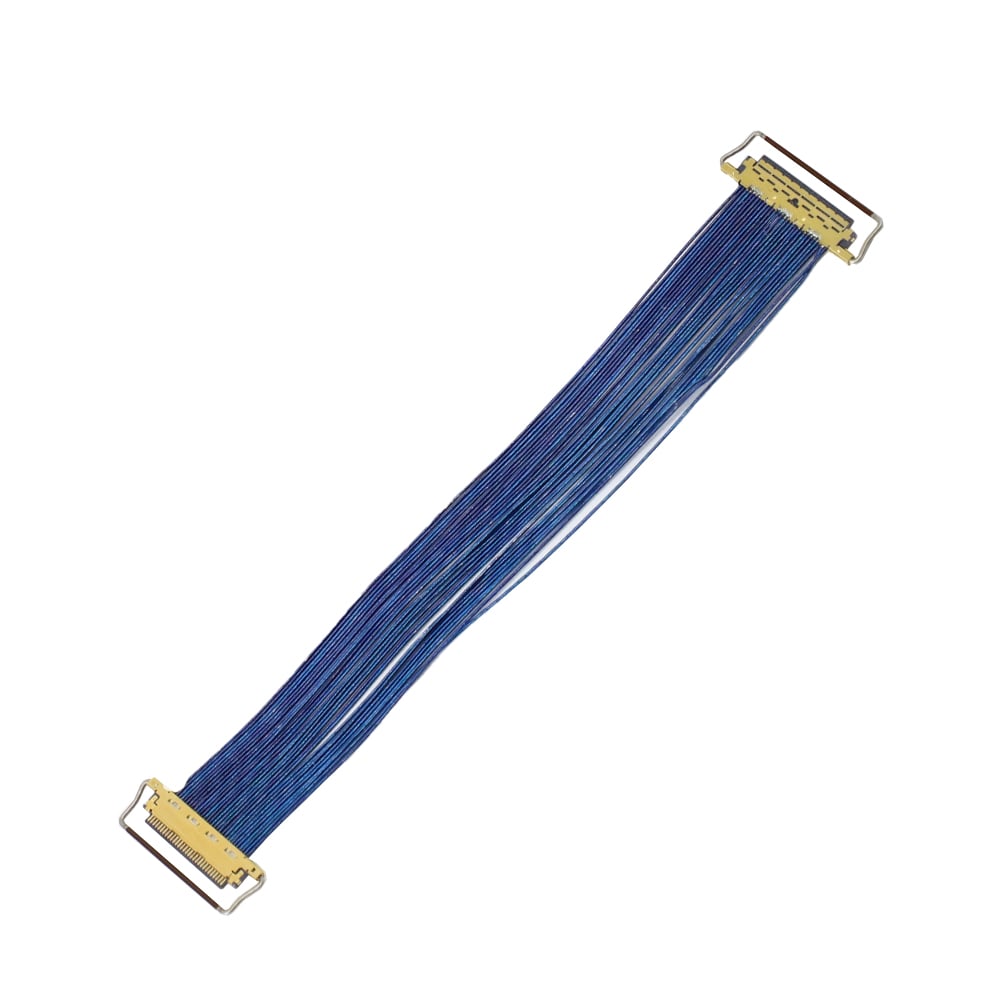
- Micro Coaxial Cable Assembly
- LVDS Cable Assembly
FAQ
What is a robotics wire harness?
A robotics wire harness is a customized cable assembly designed to connect electrical components inside robotic systems while maintaining flexibility and reliability.
Can HOTTEN customize ultra thin robot cables?
Yes. HOTTEN provides customized robotics wire harness solutions including cable structure, connector configuration, shielding and material selection.
What applications use robotics wire harnesses?
Robotics wire harnesses are commonly used in industrial robots, robotic arms, automation systems, AGV robots and intelligent equipment.
Product Overview
Ultra Thin Robotics Wire Harness for Precision Robotic Systems
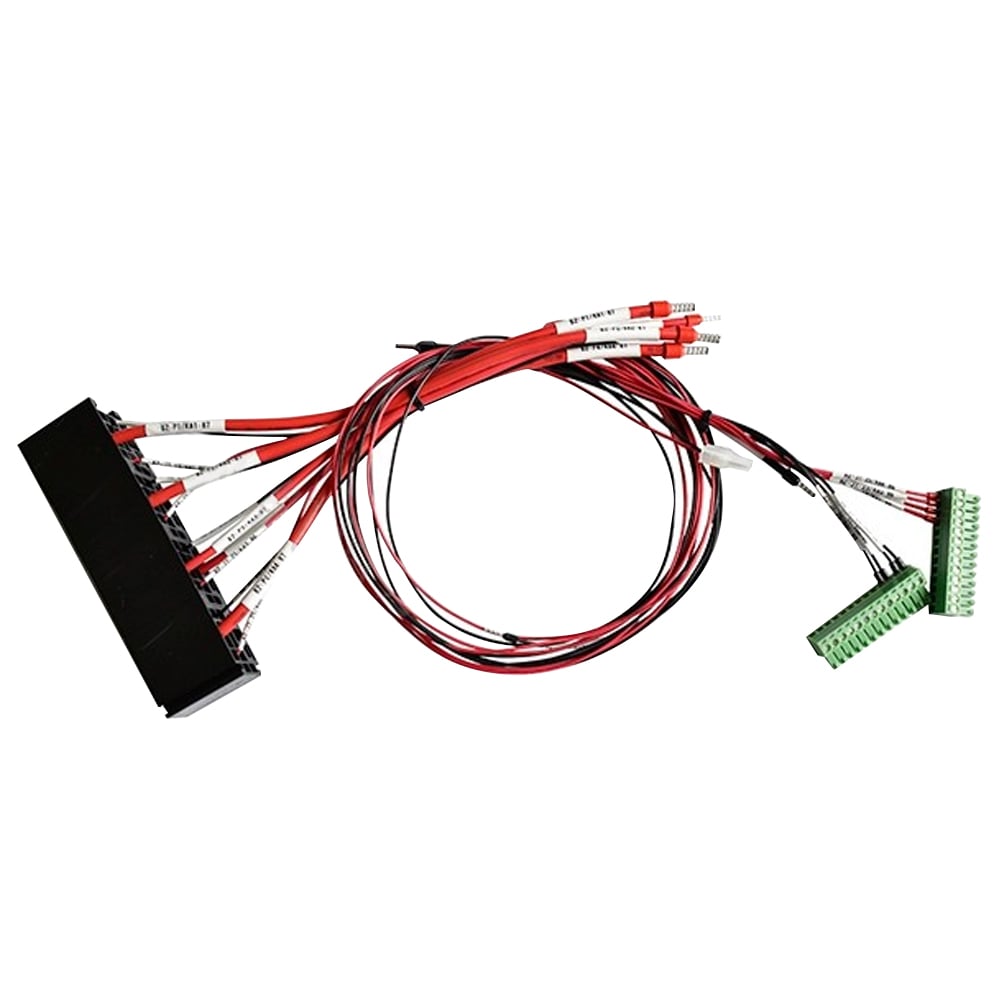
HOTTEN manufactures premium ultra thin robotics wire harness solutions designed for robotic systems requiring compact structures, flexible installation and reliable electrical performance.
Our customized robotic cable harnesses combine advanced conductor technology, shielding solutions and high-performance insulation materials to meet demanding applications in robotics, automation equipment and intelligent devices.
With OEM customization capabilities, HOTTEN supports customers from prototype development to mass production.
Key Features
High Performance Robotics Cable Harness
Ultra Thin and Lightweight Design
Designed for applications where space optimization and weight reduction are critical.
High Flexibility
Suitable for robotic systems requiring repeated movement and flexible cable routing.
Stable Signal Transmission
Supports reliable transmission for:
EMI Shielding Options
Provides shielding solutions for sensitive signal applications.
Customized OEM Solutions
Supports:
Cable Structure
Customized Robotics Wire Harness Construction
Conductor
Options:
Insulation
Options:
Shielding
Options:
Jacket
Options:
Applications
Robotics Cable Harness Applications
适用于:
🤖 Industrial Robots
🦾 Robotic Arms
🏭 Automation Equipment
📷 Robot Vision Systems
🚗 AGV / AMR Robots
🔬 Precision Equipment
Customization Options
OEM Robotics Cable Assembly Service
HOTTEN supports:
✔ Ultra thin cable design
✔ Flexible cable routing
✔ Multi-core configuration
✔ Connector assembly
✔ Shielding optimization
✔ Custom length
✔ Prototype samples
✔ Mass production
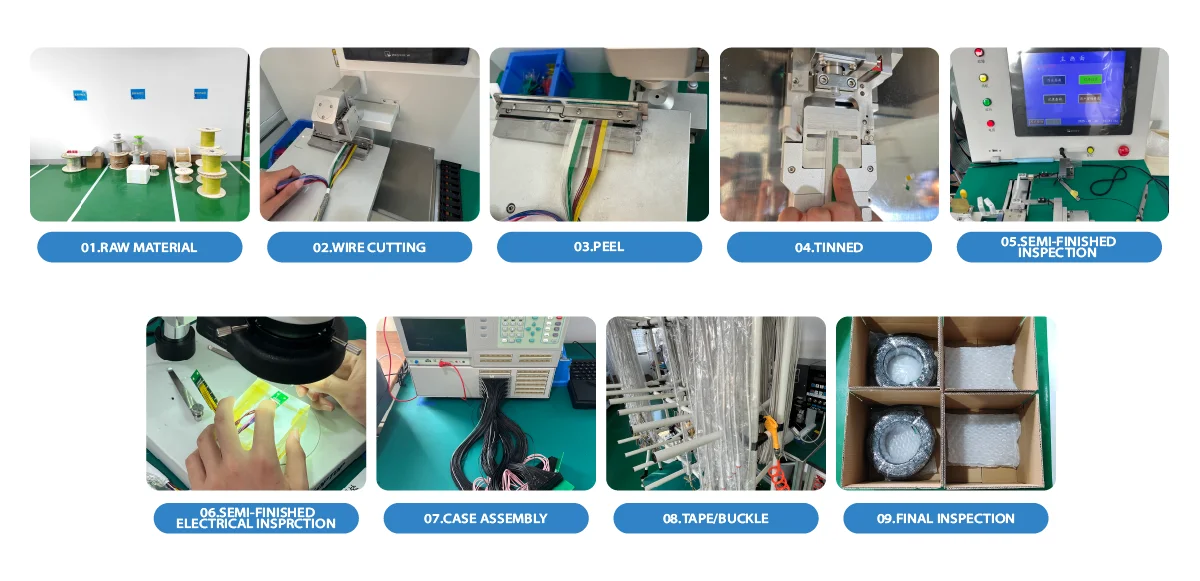
Quality Assurance
Robotics Harness Testing
包括:
✔ Continuity test
✔ Insulation resistance test
✔ Pull force test
✔ Connector reliability test
✔ Flexibility test



Engineering & Procurement Considerations
A Premium Ultra-Thin Robotics Wire Harness is a compact interconnection solution for robotic systems where limited installation space, flexible routing, and reliable electrical integration are important. The wire harness should be designed according to the robot structure, conductor requirements, cable dimensions, routing conditions, and connector interfaces.
Engineering Considerations
Ultra-Thin Cable Construction
An ultra-thin wire harness is intended for robotic assemblies where installation space is restricted. Engineers should consider the required cable or wire diameter together with conductor configuration, insulation, connector dimensions, and available mechanical clearance.
Compact Robotic Routing
Robotic systems may contain motors, joints, sensors, cameras, control boards, and other components within confined spaces. The harness routing should be planned around these components to avoid interference and excessive mechanical stress.
Flexibility and Repeated Movement
Robotic applications can involve repeated movement around joints and moving mechanisms. Cable construction should therefore be evaluated according to the required bending path, movement range, routing direction, fixation method, and expected mechanical conditions.
Conductor Configuration
The number, size, and function of conductors should match the electrical architecture of the robotic system. Engineers should define signal, power, control, sensor, or other conductor requirements before finalizing the harness configuration.
Connector and Termination Compatibility
The harness should match the interfaces of the connected sensors, actuators, PCBs, cameras, or control modules. Connector manufacturer, exact part number, mating interface, pinout, contact orientation, and termination method should be confirmed during engineering review.
Signal and EMC Requirements
Where the harness carries sensitive sensor, camera, or control signals, shielding and grounding requirements should be considered together with conductor arrangement, cable routing, connector termination, and the surrounding electrical environment.
Space and Weight Considerations
For compact robotic assemblies, minimizing the harness footprint can simplify routing and mechanical integration. Engineers should balance size and weight requirements with the electrical and mechanical performance required by the application.
Procurement Considerations
When sourcing a Premium Ultra-Thin Robotics Wire Harness, OEM buyers should provide the available technical information:
| Procurement Item | Recommended Information |
|---|---|
| Cable Type | Ultra-Thin Robotics Wire Harness |
| Application | Robotics / Automation System |
| Core Count | Required conductor configuration |
| Conductor Gauge | Required AWG or conductor size |
| Cable / Harness OD | Maximum allowable dimensions |
| Cable Length | Required finished length |
| Conductor Function | Signal / power / sensor / control assignment |
| Insulation | Required insulation material |
| Shielding | Required shielding structure and grounding method |
| Flexibility | Required bending and movement conditions |
| Connector | Connector series and exact part number |
| Mating Interface | Sensor, PCB, camera, actuator, or controller interface |
| Pinout | Signal assignment and termination requirements |
| Routing | Required installation path and movement range |
| Mechanical Clearance | Available installation space |
| Weight Requirement | Maximum harness weight, if specified |
| Technical Documents | Drawing, BOM, sample, connector specification, or pinout |
| Quantity | Prototype / sample / pilot / mass production |
OEM Customization
HOTTEN supports customized ultra-thin robotic wire harnesses based on conductor configuration, conductor gauge, cable dimensions, flexibility, connector interface, pinout, shielding, cable length, drawings, samples, and application conditions.
For ultra-thin robotics wire harness projects, customers can provide the robot structure or routing requirements, connector part numbers, conductor assignment, cable dimensions, drawings, and expected production quantity for engineering evaluation and prototype-to-production sourcing.
Why Choose HOTTEN
Professional Robotics Wire Harness Manufacturer
HOTTEN specializes in: