 EN
EN
Quick Links

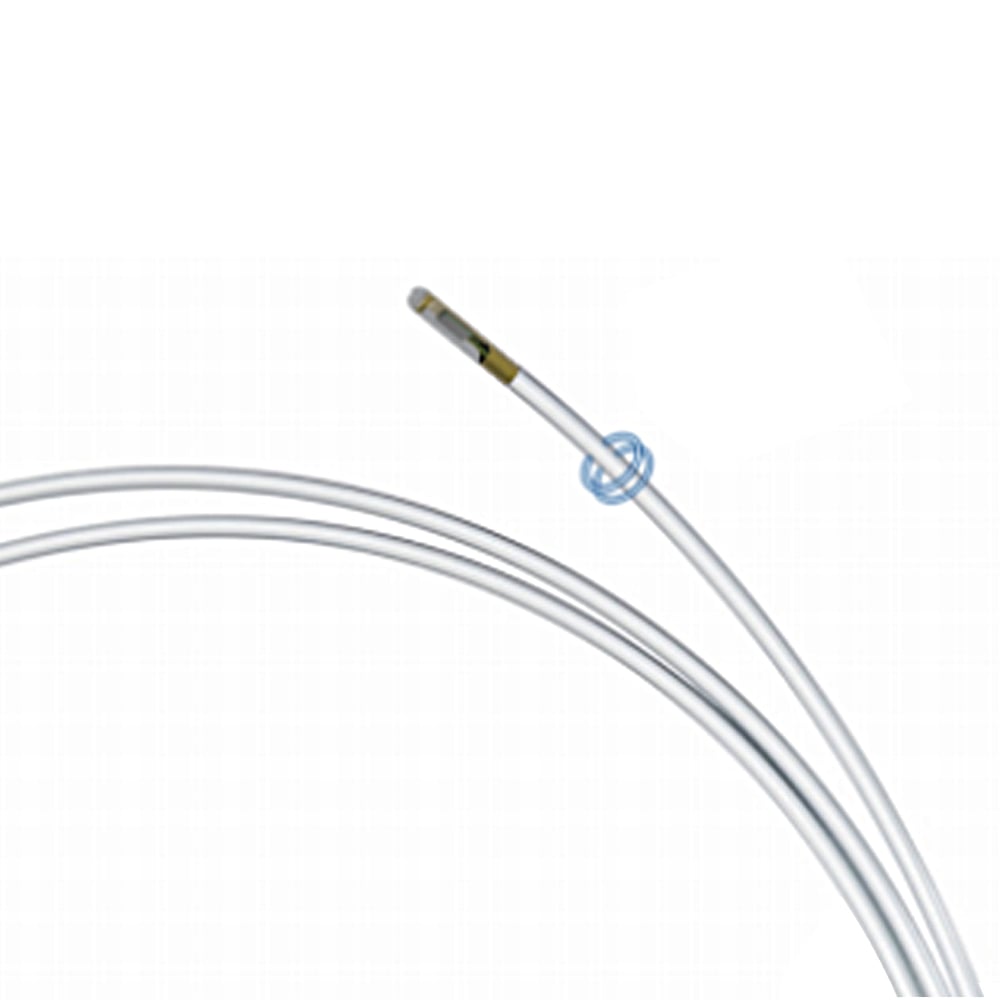
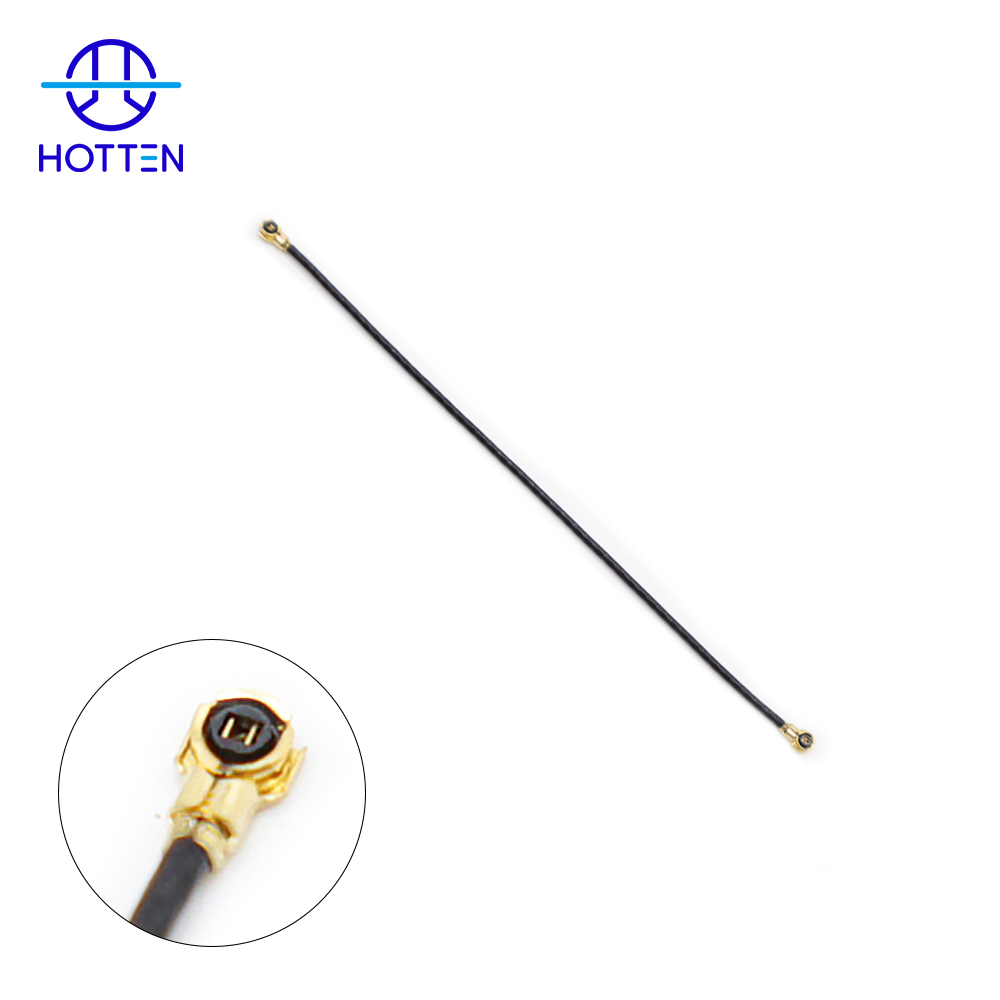
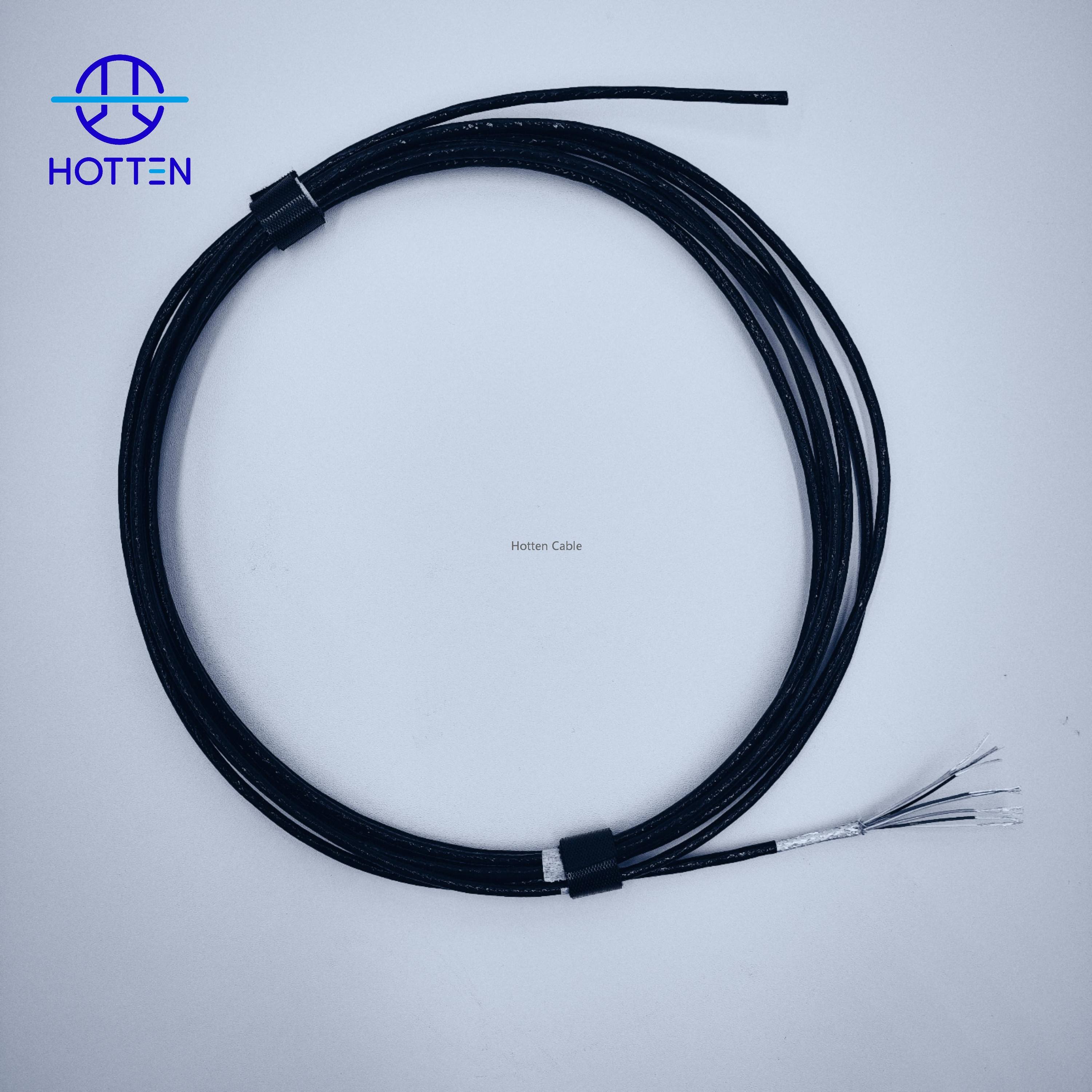
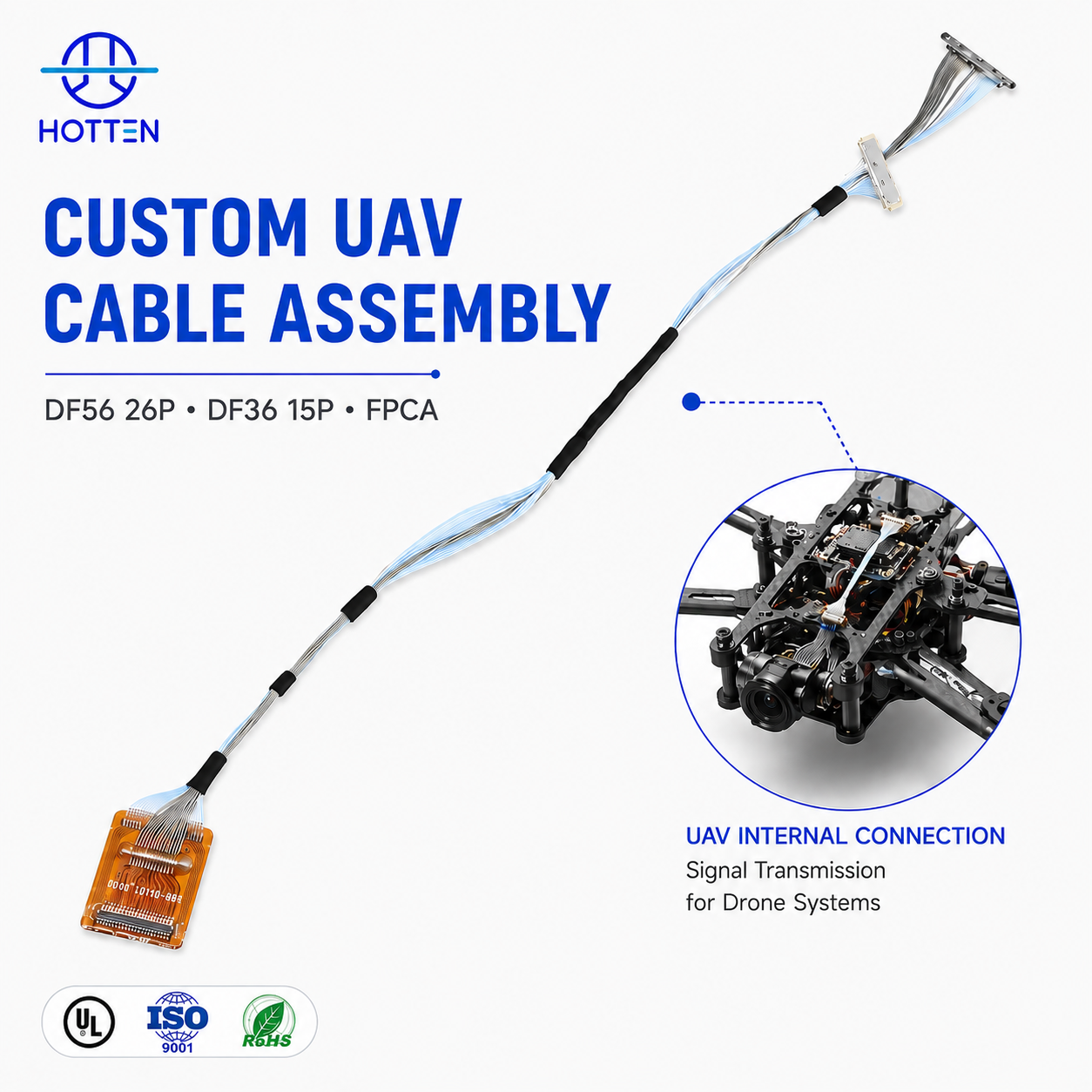
In today’s fast-changing medical and industrial fields, the need for smaller, more reliable, and higher-efficiency parts is essential. We can see it in the high demand use of ultra-fine coaxial cable solutions. Cables are an important component in OEMs making medical endoscopes, ultrasound probes, industrial drones, and other high-precision systems, that’s directly affect a device’s performance, size, and long-term reliability.
1. Miniaturization Without Performance Trade-Offs
As devices get smaller, the space inside becomes very limited. An ultra-fine coaxial cable is as small as 38–46 AWG, which allows engineers to design thinner and lighter equipment while still keeping its strong signal quality. But, in medical endoscopes and ultrasound probes, smaller cables improve patient comfort and give doctors better control. While in industrial drones, needed lighter cable weight is needed to make movement easier.
2. Superior Signal Integrity in Demanding Environments
Whether it’s for precise electronic control during surgery or high-definition video on an industrial drone, a stable signal quality is essential. That’s why ultra-fine coaxial cables provide strong EMI shielding, which keeps the signals clear.
3. Durability Where It Matters Most
A cable must be thin and strong. At Hotten, we design our ultra-fine coaxial cables using high-performance polymers like PEEK to give them excellent strength, resistance, and stability. This will also help the cable perform reliably through unnecessary conditions, like extreme temperatures.
4. Supporting Next-Generation High-Bandwidth Applications
Modern technologies require fast and stable data transmission.
That’s why ultra-fine coaxial cables support higher frequencies and bandwidths, which allows OEMs to stay aligned in product upgrades.
5. A Proven, Scalable Supply Chain Behind Every Cable
At Hotten, we are now operating a large factory with many production lines that can produce hundreds of new cable types. We’re focusing more on quality and safety to make sure that we’re meeting the strict standards of compliance.
| Comparison Factor | Ultra-Fine Coaxial Cable | Traditional Cable Solutions |
|---|---|---|
| Miniaturization Capability | Extremely small diameter suitable for compact and high-density devices | Larger structure with more space requirements |
| Signal Performance | Stable impedance control, low signal loss and excellent EMI protection for high-frequency signals | Performance may decrease in high-density and high-frequency applications |
| Flexibility | Designed for repeated bending, movement and dynamic applications | Limited flexibility depending on cable structure |
| Shielding Performance | Individual shielding structure reduces EMI and crosstalk between channels | Shared shielding may provide lower protection in sensitive systems |
| Design Integration | Enables smaller medical devices, robots, drones and portable electronics | More difficult to integrate into highly compact designs |
| Manufacturing Requirements | Requires advanced precision manufacturing and process control | Mature production process with lower technical requirements |
Conclusion
Ultra-fine coaxial cables are becoming essential across many industries. For OEMs, in creating smaller and reliable devices, you’ll need to choose the right cable partner. With strong R&D, reliable production, and experience in high-performance applications, Hotten can help bring your next product to life.
A: OEMs are adopting ultra-fine coaxial cables because modern devices require smaller designs, higher data transmission rates, stronger EMI protection and better mechanical flexibility.
A: Ultra-fine coaxial cables are widely used in medical devices, industrial robotics, UAV systems, AR/VR equipment, imaging systems and other compact electronic applications.
A: Ultra-fine coaxial cables help solve challenges including limited installation space, high-frequency signal transmission, electromagnetic interference, repeated bending and complex internal routing.
A: Standard cables often cannot provide the combination of small diameter, high flexibility, shielding performance and signal integrity required by modern precision equipment.
A: No. Miniaturization is only one advantage. Ultra-fine coaxial cables also improve signal reliability, mechanical durability and system-level performance in demanding applications.
A: Yes. OEM customers can customize cable structures according to requirements such as AWG size, impedance, shielding design, connector configuration, bending performance and application environment.
 Hot News
2026-09-17
2026-09-04
2025-12-17
2025-12-11
2025-12-05