 EN
EN
Quick Links

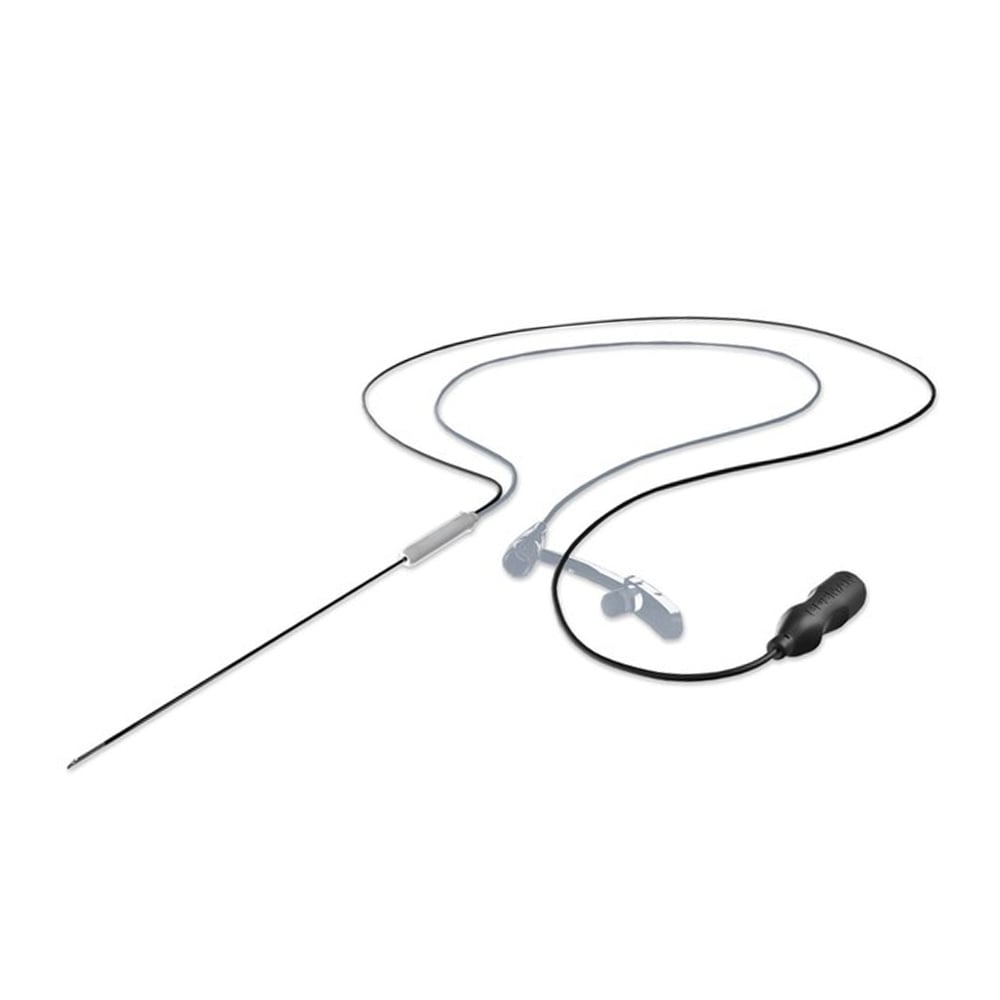
Medical imaging systems are the eyes of diagnosis in modern healthcare, ranging from ultrasound to endoscopy, ICE (Intracardiac Echocardiography) to IVUS (Intravascular Ultrasound). The medical cable is perhaps the unsung hero in the world of sensors, processors, and displays, as it plays a crucial role in keeping signals crisp, patients safe, and the system reliable. We know at Hotten that a cable isn't a dull and ineffective piece of kit, but is instead an essential and critical component of the imaging chain. Cables can affect image quality, procedures and patient safety if they are not designed properly. Let's look at why precise engineering of medical cables is more important than ever.
Signal Integrity: The Foundation of Diagnostic Clarity
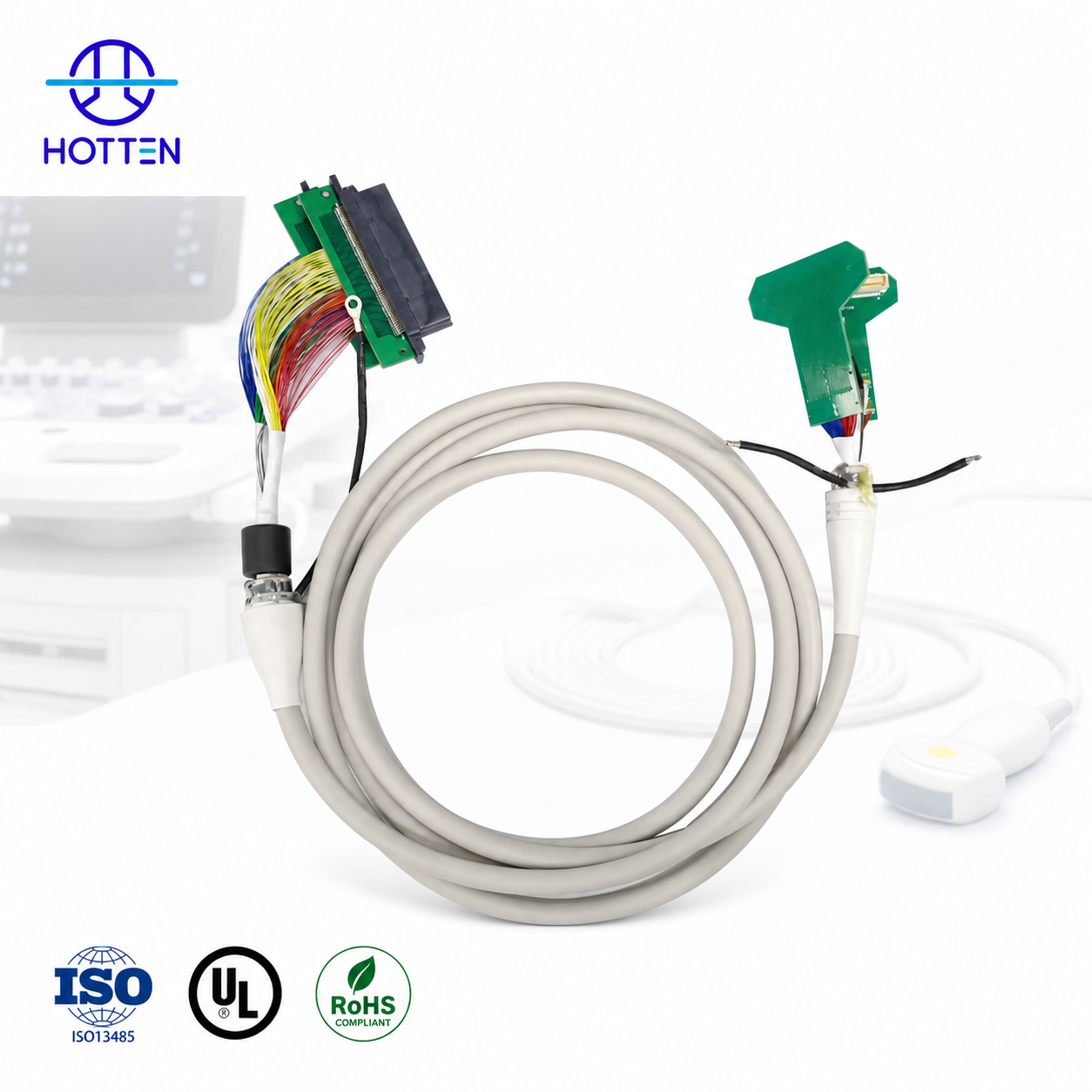
Medical imaging systems transmit very low-amplitude, high-frequency analog signals. Noise can be caused by any attenuation, mismatch of impedances or electromagnetic interference (EMI) and will appear as graininess, artifacts or ghosting in the final image. When it comes to products such as Ultrasound Probe Cables or ICE Cables, we can't compromise on maintaining characteristic impedance throughout the length of the cable. Thanks to Hotten's R&D team, the signal received by the processing unit remains a faithful reproduction of the transducer's echo. Our cable design greatly reduces crosstalk between power and data lines and keeps subtle plaque boundaries visible in advanced systems such as IVUS Cables, where rotational and electrical signals are required to work together. A well-designed cable will allow the physician to make accurate, life-saving decisions.
Durability and Flex Life: Withstanding Clinical Repetition
Imaging system cables are not a static component of life – they bend, twist and pull thousands of times over their life. Cables are pulled around tables, over patients, and coiled around over and over again in a setting such as an operating room or cath lab. When a cable fails due to conductor fatigue or jacket cracking, the resulting downtime and replacement costs can be substantial. Hotten's Medical cable assemblies used in imaging systems may need to withstand repeated bending, twisting and handling throughout their intended service life. The required flex-life performance should be defined according to the application's actual movement profile and validated through appropriate testing. In the field of surgical navigation, our Robotics Wire Harnesses are even more torsionally resistant. Optimized stranding geometry and the use of thermoplastic elastomers help maintain specified electrical and mechanical performance over the intended service life of cables long after competing products have become worn, lowering the total cost of ownership for healthcare providers.
Biocompatibility and Sterilization Resistance
When semi and invasive imaging devices are in touch with body fluids or sterile fields, materials must be non-toxic, non-sensitizing and withstand harsh sterilization methods. Common sterilization methods—including ethylene oxide (EtO), steam autoclaving, and gamma irradiation—can embrittle conventional polymers and degrade insulation. Our Dental Sensing Cables and EEG Lead Wires are made of medical-grade polyurethane and silicone jackets, which are hydrolytic degradation-resistant and flexible after multiple sterilizations. In high voltage environments, such as those near tissue in single-use devices like our RF Ablation Cables, the cable's insulation should also be biocompatible and resistant to dielectric breakdown. For components that have patient-contact or other application-specific biological requirements, material selection and applicable biocompatibility evaluation should be considered as part of the medical device qualification process, ensuring they are not only reliable but also help keep patients safe.
Electrical Safety and Noise Immunity
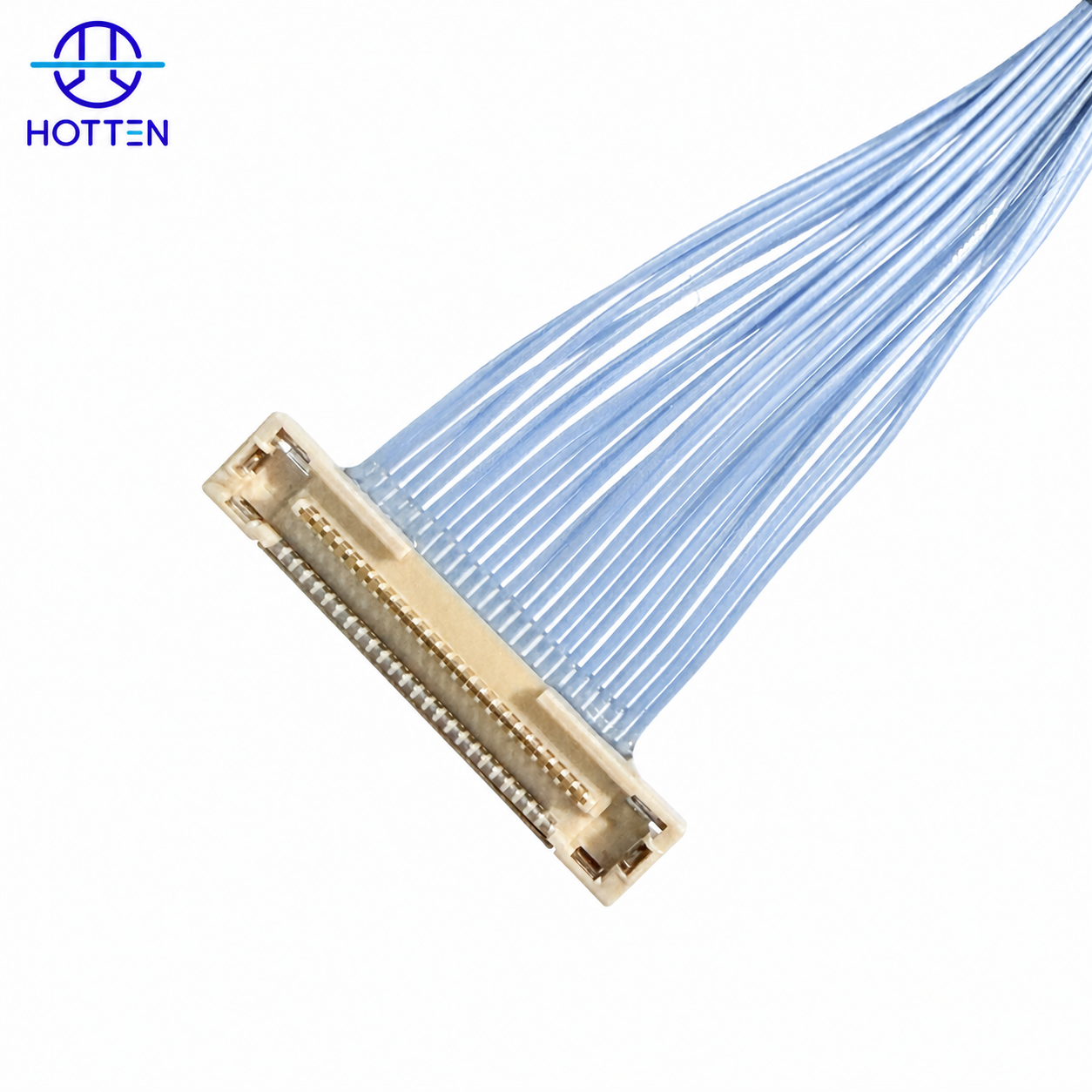
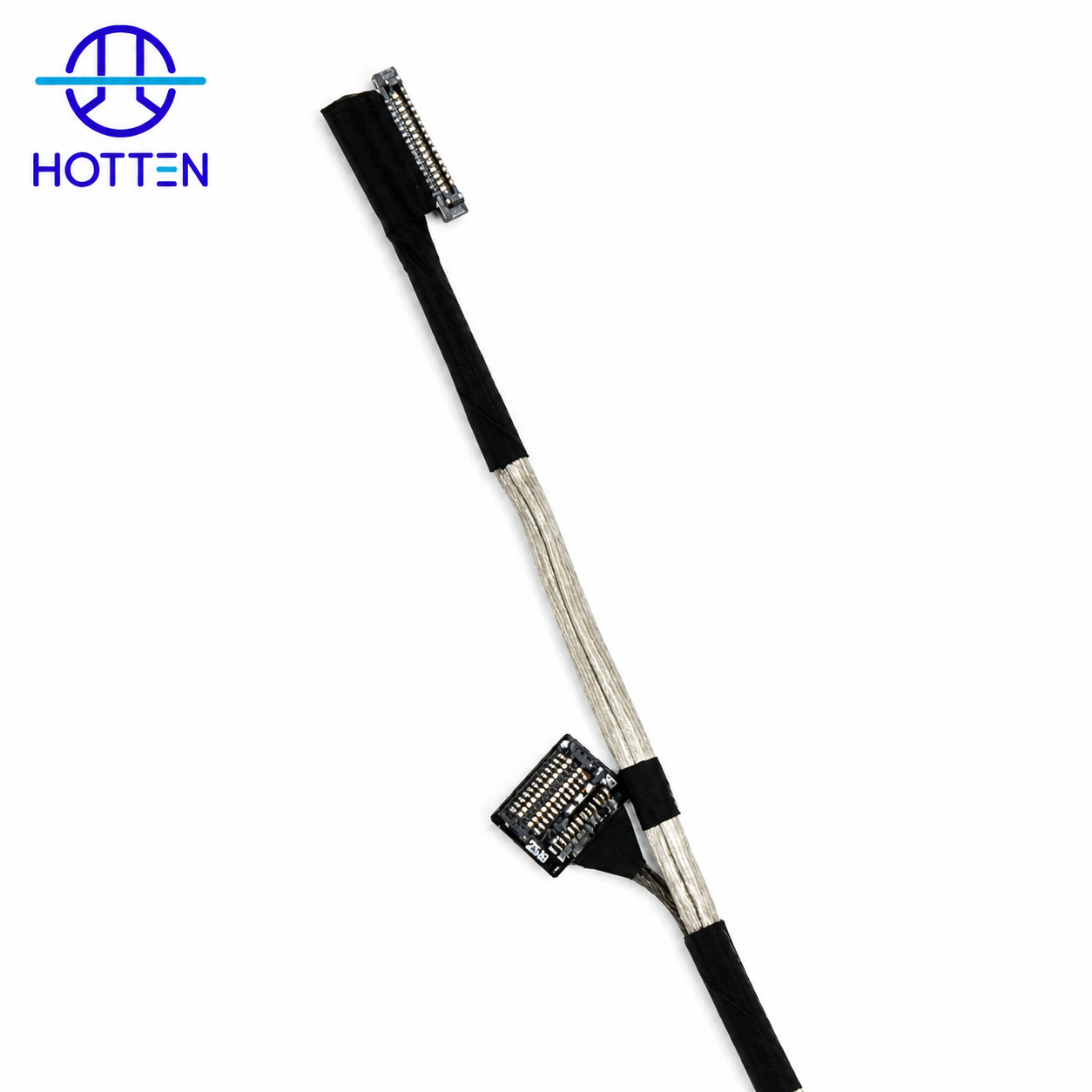
Medical imaging occurs in very noisy electric environments with diathermy units, ventilators and monitors. If the cables are not properly shielded and grounded it is possible for stray currents to couple into the cables, posing safety risks and fouling the data. Our LVDS Wire Harnesses and AR/VR Cables feature multi-layer shielding (foil + braid), achieving over 95% shielding effectiveness while remaining highly flexible. Our design features reinforced insulation and creepages to prevent unwanted tissue burns in high voltage applications such as our RF Ablation Cables. In addition, Hotten's Gimbal Camera Cables for endoscopic cameras incorporate drain wires that provide low impedance path to ground, helping suppress common mode noise. We work closely with our customers from the design stage to ensure that our products meet rigorous medical electrical safety standards such as IEC 60601, passed efficiently.
Conclusion
A medical imaging system is only as strong as its weakest link. Each millimeter of the wire is an instrument of precision. We are striving for signal purity, mechanical strength, biological safety and electrical strength throughout the design of our cables, whether in micro-coaxial in an ICE Cable or high-voltage in an RF Ablation Cable. As we continue to innovate technology every day, Hotten is able to deliver cable solutions that not only match, but exceed the changing requirements of medical imaging—when a doctor looks at a screen, he or she deserves the truth, undisturbed.
 Hot News
2026-09-17
2026-09-04
2025-12-17
2025-12-11
2025-12-05