 EN
EN
Quick Links

In the contemporary electronics, miniaturization has never been more in demand. The equipment is becoming smaller, but its capabilities, processing speed, image quality, and data rate are getting larger. This paradox imposes enormous requirements on internal elements especially on the cables of high-frequency signals between the boards, sensors, displays, and processors.
Enter micro coaxial cable. Micro coax is neither a smaller version of standard RF coax nor a niche laboratory experiment, but rather an indispensable transmission medium across dozens of industries. But what is it and where does it find its application?
Defining Micro Coaxial Cable
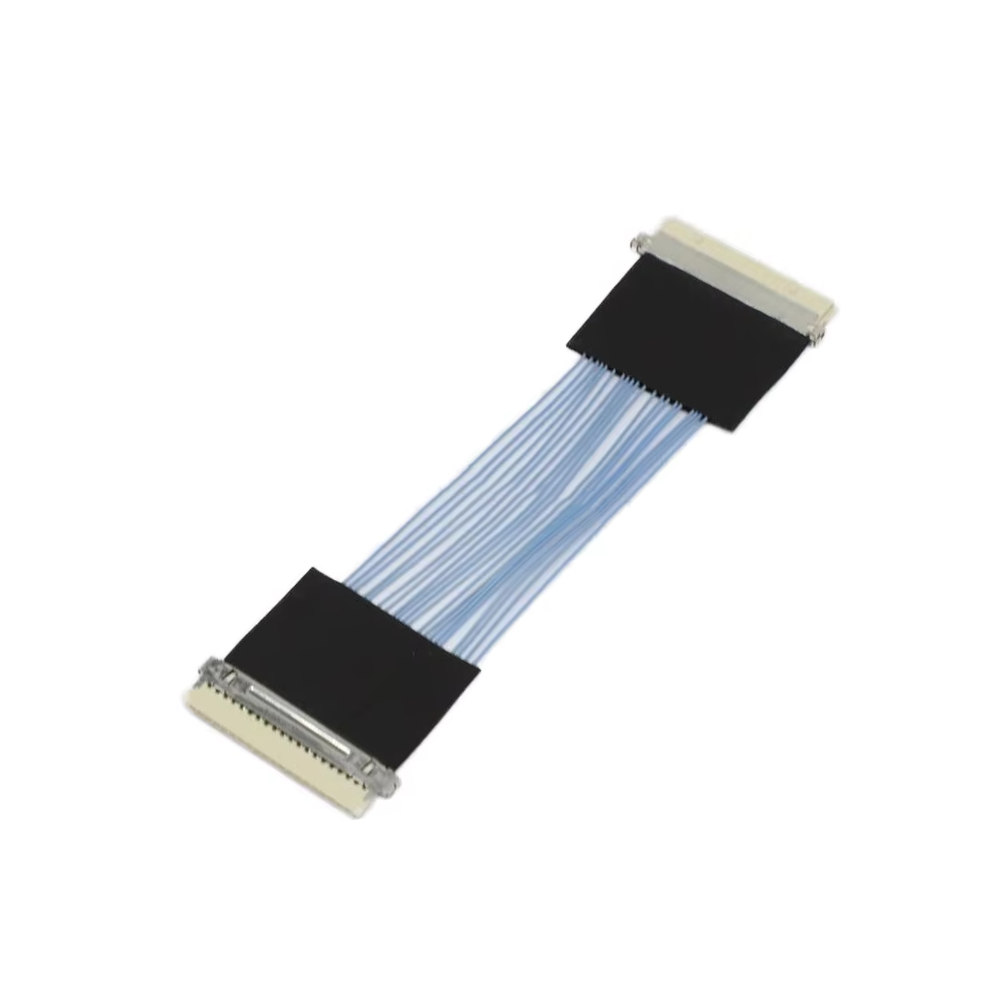
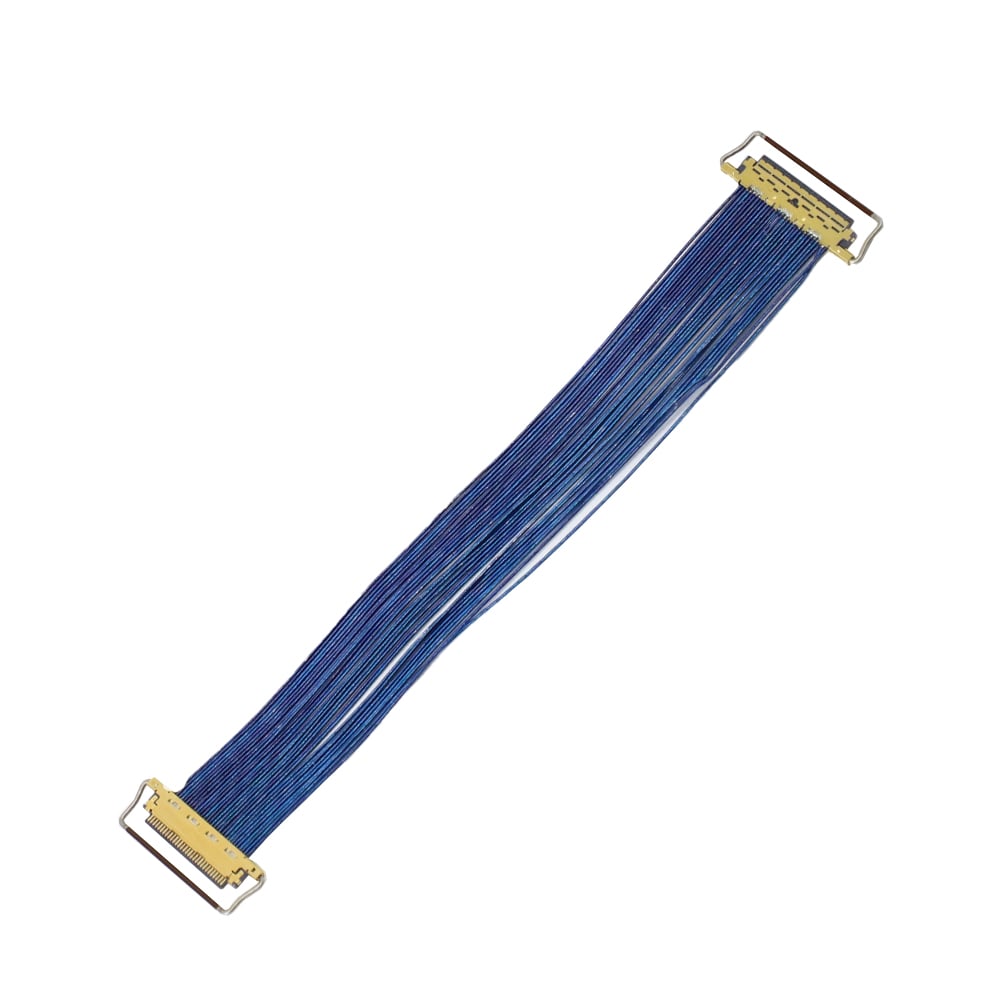
Micro coaxial cable is a signal transmission line with high accuracy that is defined by an outer diameter that is usually less than 1.0 mm, and in many cases, less than 0.28mm. Similar to normal coax, it has four concentric layers:
Center conductor: Solid or micro-stranded, copper or copper alloy.
Dielectric insulator: foamed polymers, FEP, or PTFE which ensures accurate conductor separation.
Shielding:Conductors that are foiled, braided, or spiral wrapped conductors with EMI protection.
Outer jacket:Resistant to abrasion polymer which fits the environment of application.
As opposed to standard coax, however, micro coax can be produced to micron tolerances, is terminated by laser or micro-welding methods, and is tested to work when subjected to extreme mechanical and environmental conditions.
At Hotten Electronic Wire, the micro coaxial cable technology is the heart of the R and D engine. Featuring an astonishing number of new cable specifications coming out each and every year, we design these micro-lines to address the issues that cannot be dealt with using conventional wiring.
Where Micro Coaxial Cable Is Used
1. Medical Devices: Visualization and Diagnosis
Micro coax is widely used in medical devices operating inside the human body. Modern endoscopes, bronchoscopes and arthroscopes have chip-on-tip cameras that need high bandwidth video transmission over instrument channels in millimeters.
An example of a flexible ureteroscope has a number of working channels, in addition to imaging and light bundles. Micro coaxial cables down to 0.32mm OD can convey uncompressed HD or 4K video at the farthest end, to the processor, - all through 180 spins, and autoclave sterilized.
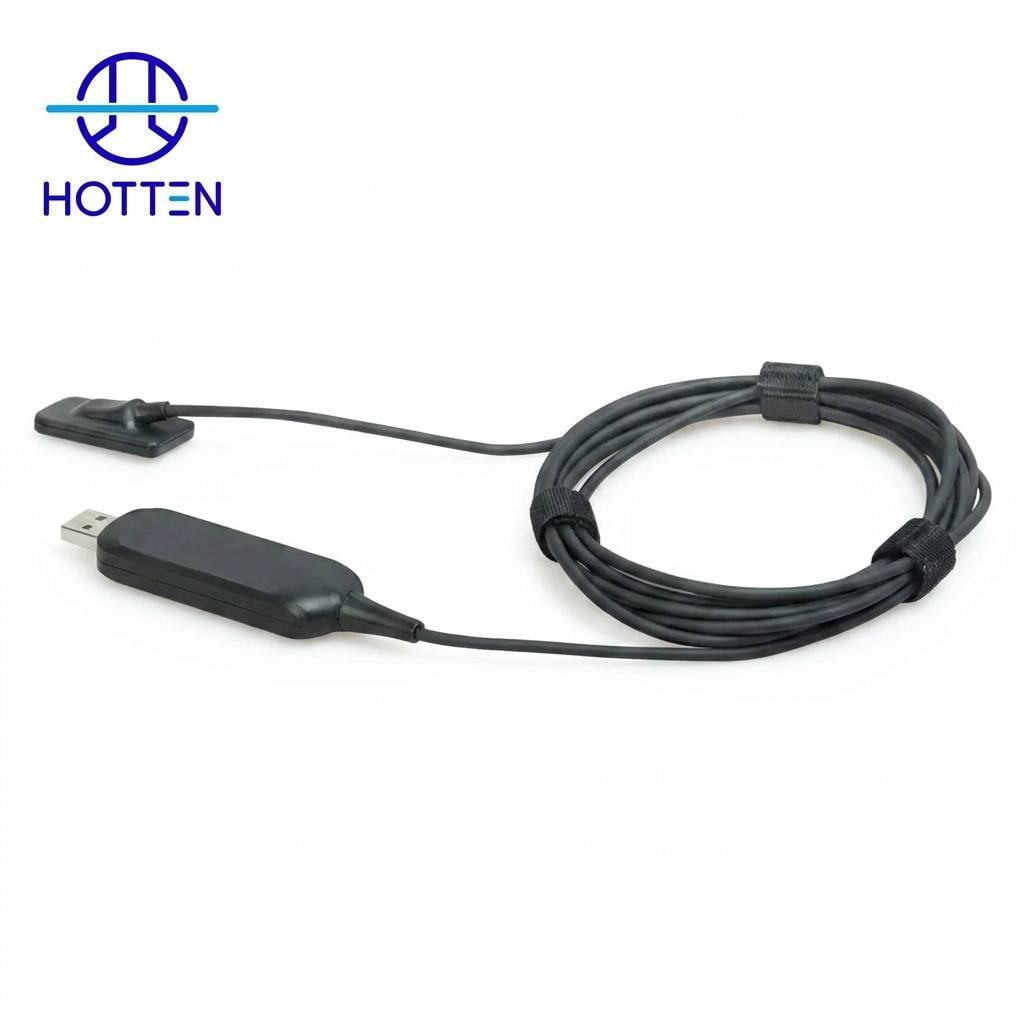
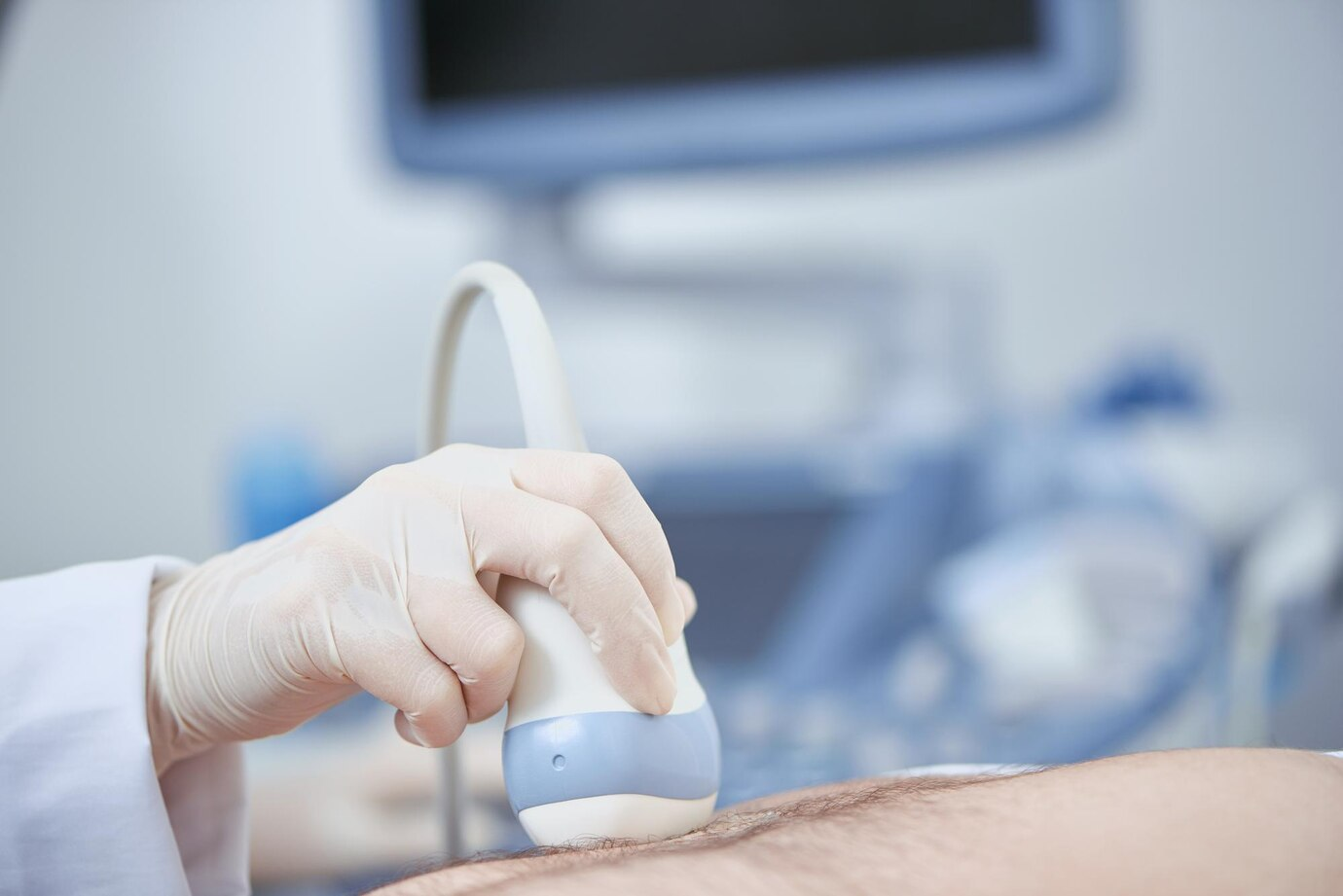
Similarly, ultrasound transducers have phased-array piezoelectric elements that are each requiring independent signal paths. Micro coax harnesses substitute large and cumbersome twisted-pair bundles, making the handle of the probes much lighter and more ergonomic to sonographers.
2. Consumer Electronics: AR/VR and Wearables
AR and VR headsets require extremely high-resolution screens that are sold within millimeters of the eyes of the user. This demands huge data transmission across harsh space restrictions.
In foldable optical assemblies, display drivers are connected to OLED or micro-LED panels using micro coaxial cables that flex with the development of headband assembly and can be articulated many times. Their shielding properties prevent electromagnetic interference to corrupt the head-tracking sensors or introduce any image artifact.
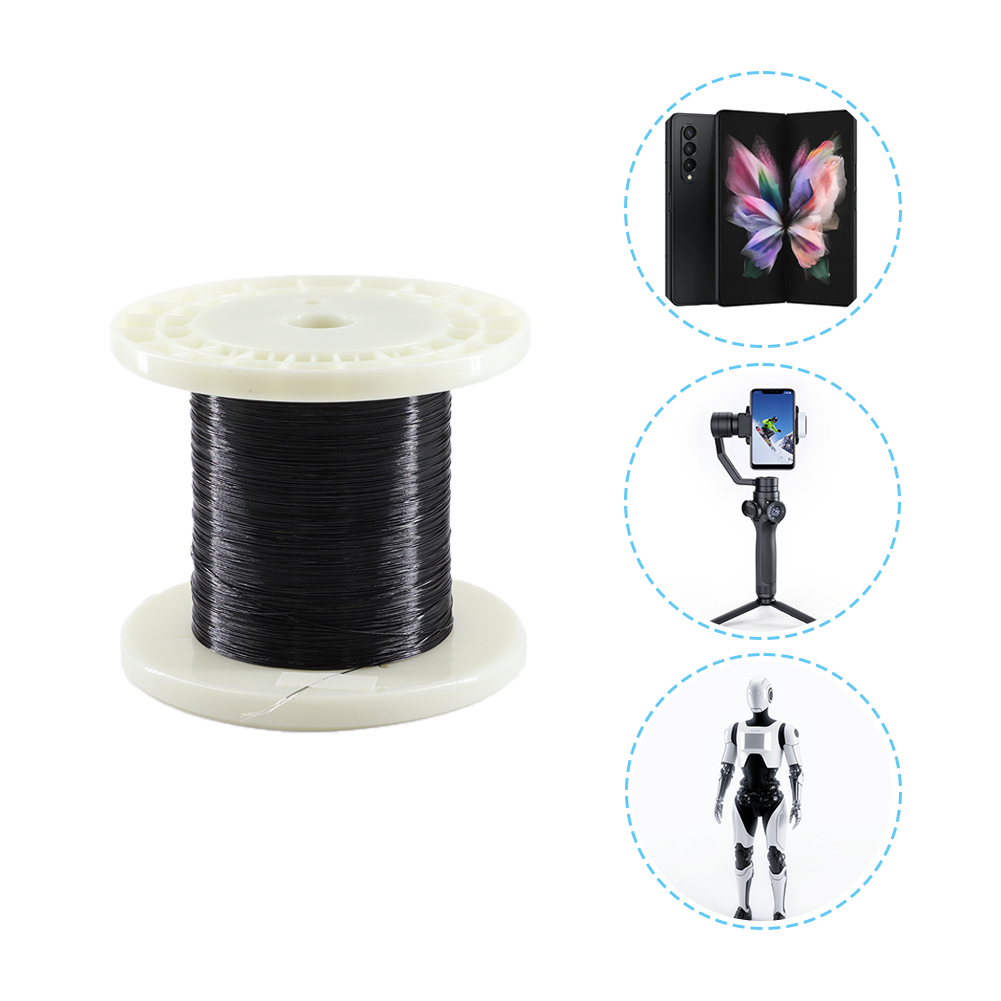
Action cameras of high quality, smartphones using a periscope zoom modules, and compact drones are also built on micro coax to connect signals to mechanical hinges and gimbal systems.
3. Industrial Robotics and Automation
Industrial robots, especially collaborative robots (also known as cobots), robots that work with humans, need to be constantly fed with signals transmitted via joints rotating millions of times. Under such conditions the standard cables overheat and become ineffective.
Micro coax and micro-strand conductors, with shield geometry optimization, ensures signal integrity that is maintained by 10 million+ flex cycles. Its use has been found in robotic arm vision systems, automated inspection cameras and precision positioning feedback loops.
4. Aerospace and Defense
Drones, also known as unmanned aerial vehicles (UAVs), are centimeter-sized airframes that carry high-resolution gimbaled cameras, thermal cameras, and LIDAR systems. Weight loss is not discretionary rather it is a mission critical issue.
The bandwidth needed to support downlink real-time video is supported by micro coaxial cable assemblies that have minimal payload capacity. Their small radius bend allow them to pass through a gimbal system and through folding arms on the drone.
5. Test and Measurement
Automated test equipment (ATE), high-frequency spectrum analyzers, and high-frequency oscilloscopes all demand low-loss signal paths between measurement instruments and the device under test. Micro coax maintains signal integrity in probe interfaces with high population density as well as in high density backplane connections.
Why Standard Cables Fail in These Applications
Traditional discrete wires, planar flex cable and even ordinary RG-type coax are not up to the shrinking requirements of new electronics:
Space efficiency: Coax dimensions of 2mm+ and above take up precious space internally of hand held devices and instruments.
Flex life Solid conductors break when repeatedly bent; micro-stranded coax can withstand millions of cycles.
Signal integrity: Unshielded wires are affected by EMI corruption; micro coax has complete circumferential shield.
Weight: Each gram counts in drones and wearable devices; micro coax is 70%+ lighter than the typical options.
The Hotten Advantage
At Hotten Electronic wire, we are not just making micro coaxial cable but we are also designing it. Our 10,000-square-meter facility is dedicated to 40 specialized production units for micro-coax extrusion, stranding, shielding, and termination. A high annual production of over 144 million meters does not imply a large production capacity, but it gives it a high level of consistency: all meters are produced to identical high-quality electrical and material standards.
More to the point, our R&D team works directly with the OEM customers to create a solution, specific to the application. When a given cable specification fails to meet a new device need, we develop more than 300 new cable designs each year.
| Feature | Micro Coaxial Cable | Standard Coaxial Cable |
|---|---|---|
| Diameter | Usually below 1.0 mm | Several millimeters |
| Main Advantage | Miniaturization and flexibility | Long-distance transmission |
| Signal Performance | High-frequency signal integrity | General RF transmission |
| Shielding | Micro braid/foil shielding | Standard braid shielding |
| Applications | Medical devices, UAV, robotics, cameras | Telecom, antennas, RF systems |
Micro coaxial cables are mainly used for high-speed signal transmission in compact electronic devices, including medical equipment, cameras, UAV systems, robotics and wearable devices.
Micro coaxial cables can have extremely small diameters, with some designs below 0.3 mm depending on conductor size, insulation material and shielding requirements.
Micro coaxial cables provide high signal integrity, EMI shielding and flexibility, making them suitable for ultrasound probes, endoscopes and surgical equipment.
Yes. Manufacturers can customize conductor size, impedance, shielding structure, jacket materials, length and connector assemblies according to application requirements.
Common applications include medical devices, AI hardware, UAVs, robotics, industrial cameras and consumer electronics.
Conclusion: Small Cable, Big Impact
Micro coaxial cable is not visible to the consumer and it is concealed within handpieces, headsets, robots arms, and probes used in diagnosing.However, it would be impossible without it, along with the high-resolution imaging, real-time sensing, and dependable transmission of data that characterize the contemporary electronics.
Micro coax will not be just relevant but will be necessary as devices continue to become smaller and more intelligent. We are proud to furnish at Hotten the unseen support of this technological revolution--one micron at a time.
Micro Coaxial cable is probably a component of your design whether you are building a next-generation surgical robot or a lightweight reconnaissance drone or an immersive VR headset. And we would be pleased to be in your supply chain.
 Hot News
2026-09-17
2026-09-04
2025-12-17
2025-12-11
2025-12-05