 EN
EN
Quick Links

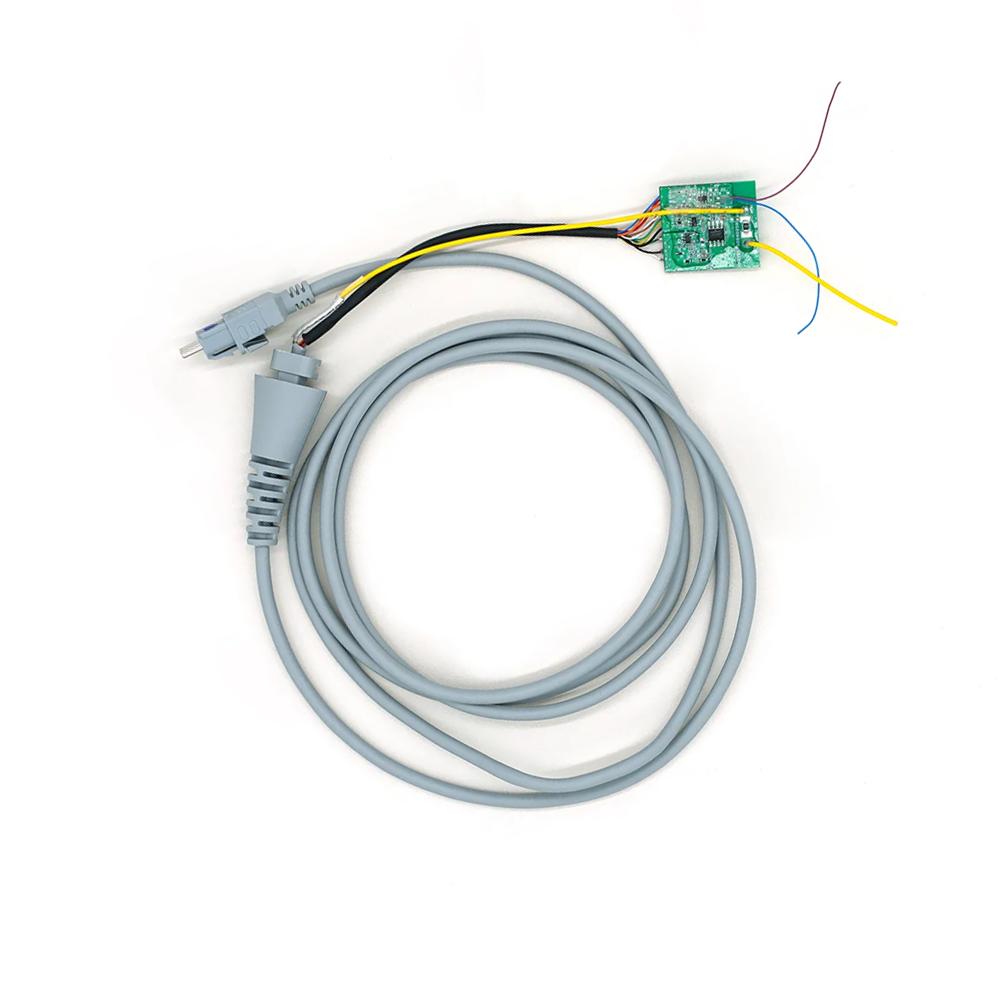
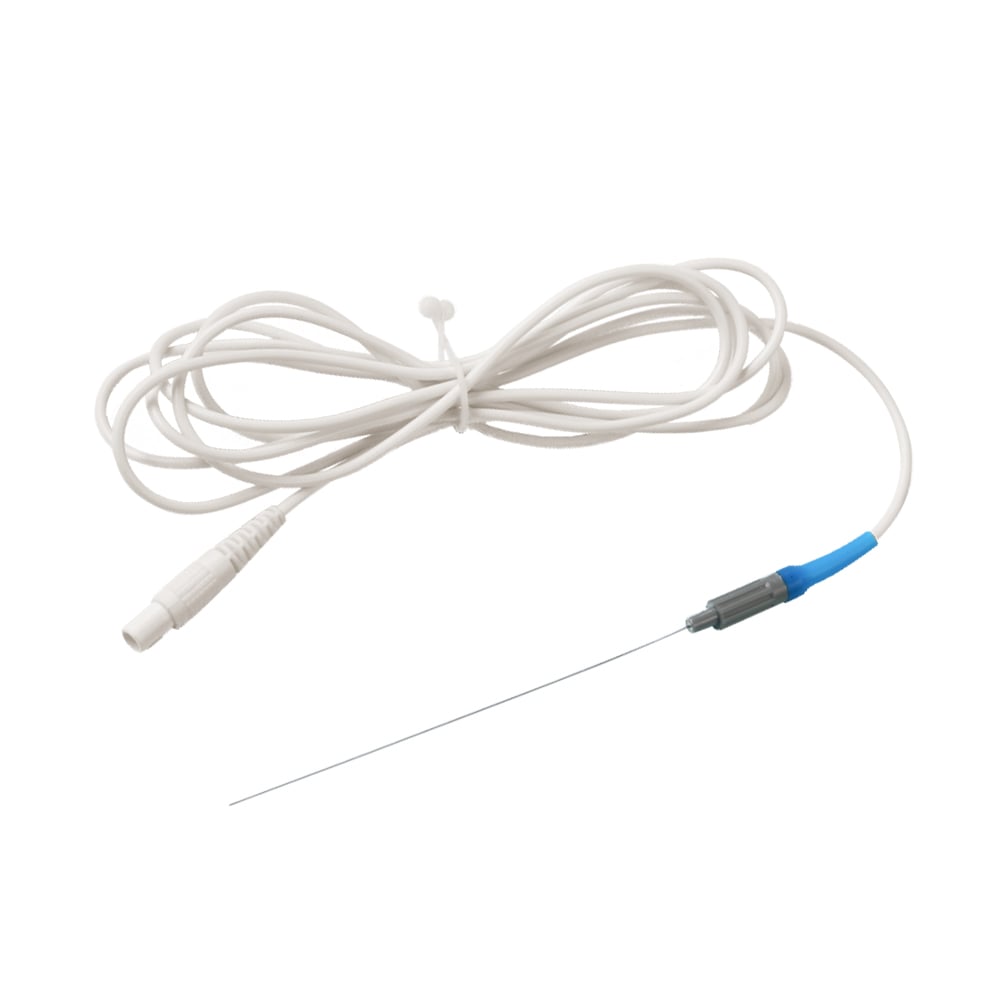
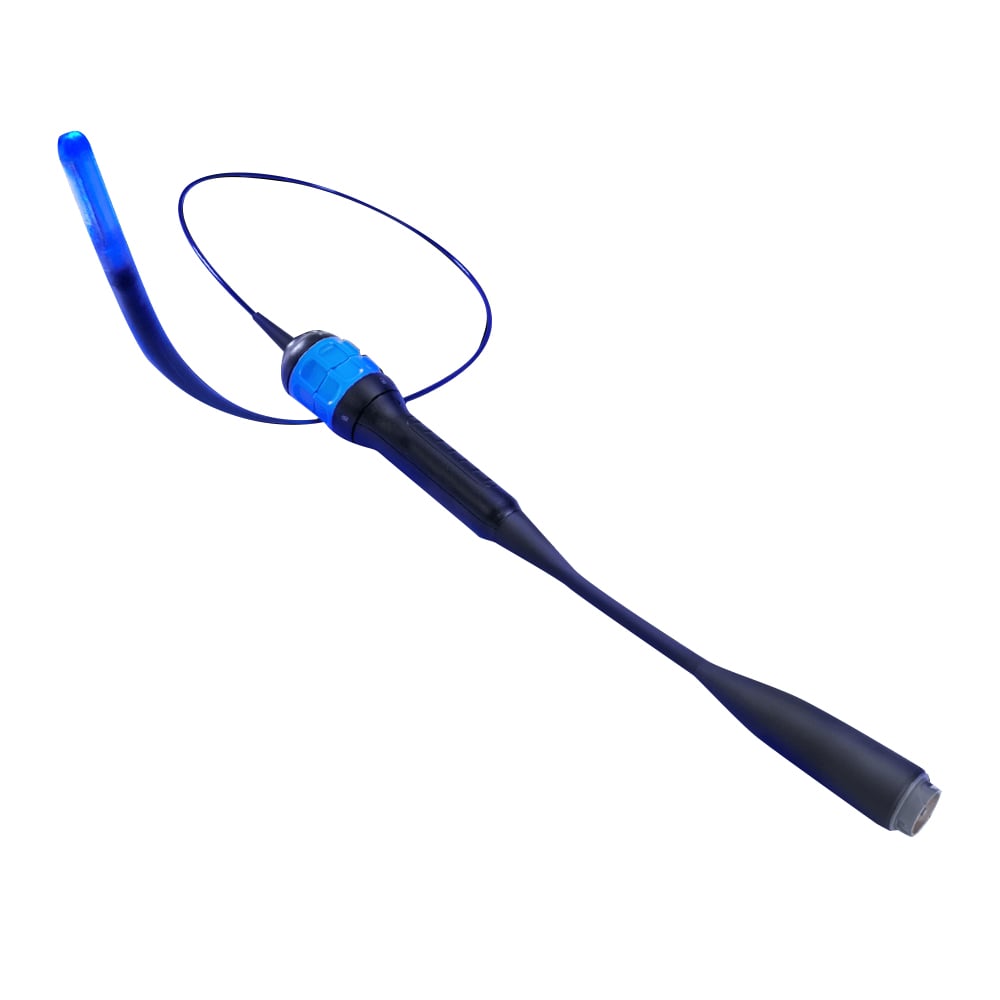
In the clinical environment, ultrasound probes are some of the most physically abused cables on the market today. During a single exam, a cable may be bent, flexed, coiled, twisted, and pulled hundreds of times. Over its lifetime, it can undergo hundreds of thousands of flex cycles. Despite this abuse, the cable has to maintain a clean, high frequency signal without any loss of connectivity. A reliable, flexible ultrasound cable assembly isn't a happy accident—but a science. Hotten designs its ultrasound probe cables and full Medical cable assembly solutions using principles of physics, and maintains exceptional flexibility for years of heavy use.
The conductor of any cable is the most critical component for achieving maximum flex life, especially when building a durable ultrasound cable assembly. Traditional conductors such as solid-core wires or those with low strand counts rapidly suffer from work hardening and metal fatigue.
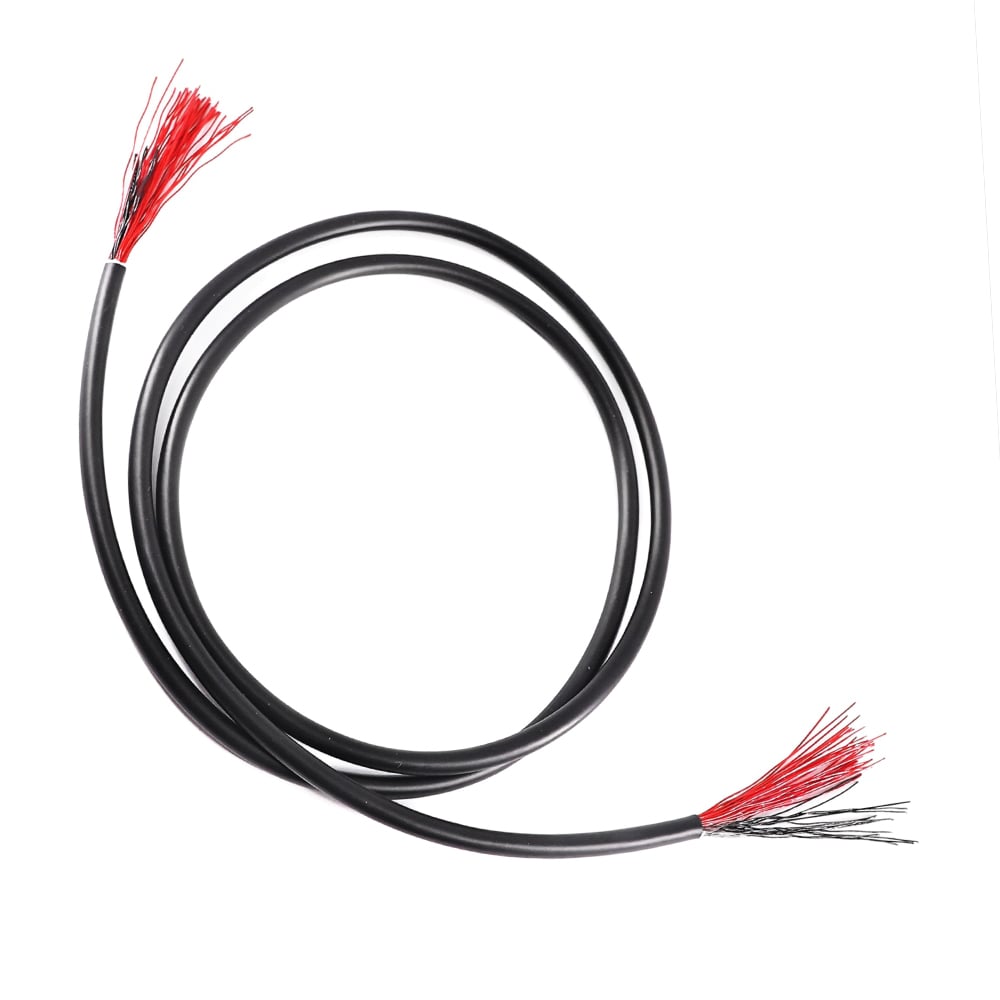
Custom ultrasound probe cables utilize high-strand count conductors that comprise many fine strands of copper twisted together. This distributes bending stress evenly among numerous micro-fine strands, drastically lowering the risk of individual strand fracture. Hotten uses strands as fine as 40–48 AWG for ultra-flex cables, along with specialized work-hardening-resistant alloys. Stranding lay length (the cable length required for one full twist of a single strand) governs both cable flexibility and the conductor’s impedance stability. Shorter lay lengths deliver superior pliability, whereas longer lay lengths improve electrical impedance uniformity. Our engineering team develops over 300 custom cable designs annually, balancing these performance characteristics according to the motion patterns of each ultrasound probe during clinical examinations, and tailoring every Medical cable assembly to match unique clinical motion demands.
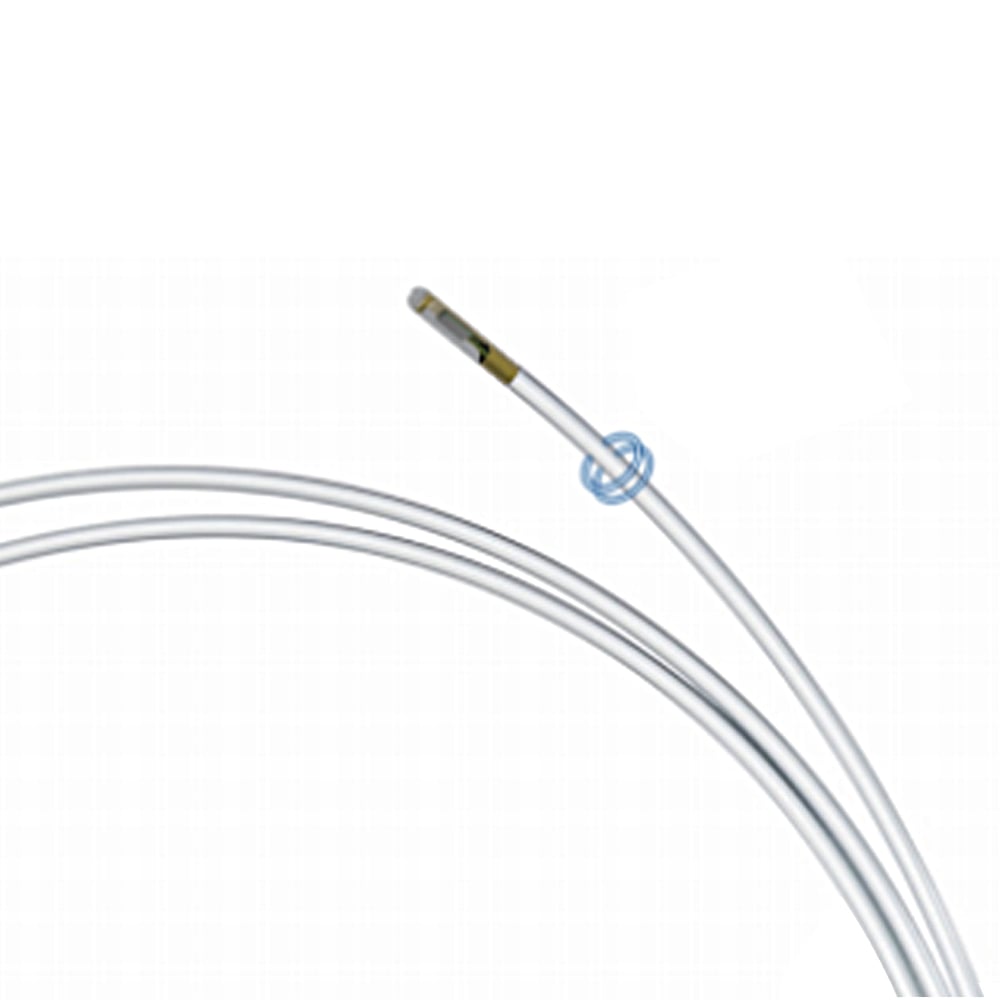
Hotten carefully selects insulation based on the requirements of electrical performance and the application, but many standard high-flexity ultrasound cables will utilize TPU and TPE which can have good flexibility along with abrasion resistance. Silicone rubber insulation is adopted for applications requiring extreme flex endurance. This material delivers superior pliability and shape retention, albeit requiring increased insulation wall thickness to meet standard electrical dielectric specifications. Miniature probes including ICE (Intracardiac Echocardiography) and IVUS (Intravascular Ultrasound) typically adopt thin-wall specialty fluoropolymers like FEP and ETFE. These materials deliver required electrical performance while minimizing overall cable diameter and rigidity, a core advantage for compact, minimally invasive ultrasound cable assembly products.
A good cable will always require a good shield. However, traditional shielding such as solid foil wrap or high-density braided shielding adds substantial rigidity to the cable, and solid shielding layers are prone to cracking under repeated bending. High-flex shielding structures must comply with mechanical kinematics, enabling synchronous deformation with the cable instead of generating internal friction—an essential design target for every robust Medical cable assembly.
Most high-performance ultrasound probes will have a high density copper braid with carefully designed pick counts and strand thicknesses chosen to be most suitable for flexed use. Certain cables adopt spiral shielding, featuring outstanding flex endurance and 90%–95% coverage ratio. However, the combination shield provides an excellent mix of coverage and flex life. It is typically composed of foil for full frequency coverage and a braid for rejection of lower frequencies and to give it good flexibility. To mitigate internal friction within multi-layer shielding constructions, one or more low-friction inner jackets or adhesive tapes are integrated to enable free relative sliding between shielding layers, extending the total bending lifespan of the finished ultrasound cable assembly.
Verifying real-world cable performance through standardized testing is critical for product validation of any finished Medical cable assembly. All bending modes undergo rigorous testing combining electrical signal testing and mechanical durability measurement. Some of the standard tests include reciprocating flex, torsion testing and rolling flex.
At Hotten, over 40 pieces of production equipment are solely dedicated to this type of testing. Qualified technicians conduct long-duration cyclic flex testing, continuously monitoring impedance, electrical continuity and signal stability over thousands of operating hours and hundreds of thousands of bending cycles. Only cables surpassing performance benchmarks pass strict qualification standards and proceed to mass production as certified ultrasound cable assembly units.
Not all probes require ultra-high flex performance. Over-engineered ultra-flex structures not only introduce unnecessary performance tradeoffs but also raise redundant material costs for your Medical cable assembly. Analysis of probe movement trajectories enables engineers to customize cable structures for optimal application-specific performance.
General radiography probes can utilize standard-medium flex. Endocavitary probes will need to be both very flexible and be relatively narrow for the clinician. Interventional probes such as those for ICE and IVUS require extreme cable pliability, allowing physicians to manipulate them with minimal force and enabling smooth movement within other catheters without resistance. Conductors and insulation types, shielding structures, and stress-relief designs vary depending on how the cable and probe will move, so each custom ultrasound cable assembly is engineered to match its exact clinical operating environment.
Whether for diagnostic ultrasound probes, interventional imaging systems or custom medical devices, selecting the right ultrasound cable assembly and reliable Medical cable assembly supplier is essential for achieving long-term reliability, superior flexibility and stable signal transmission.
Frequently Asked Questions
 Hot News
2026-09-17
2026-09-04
2025-12-17
2025-12-11
2025-12-05