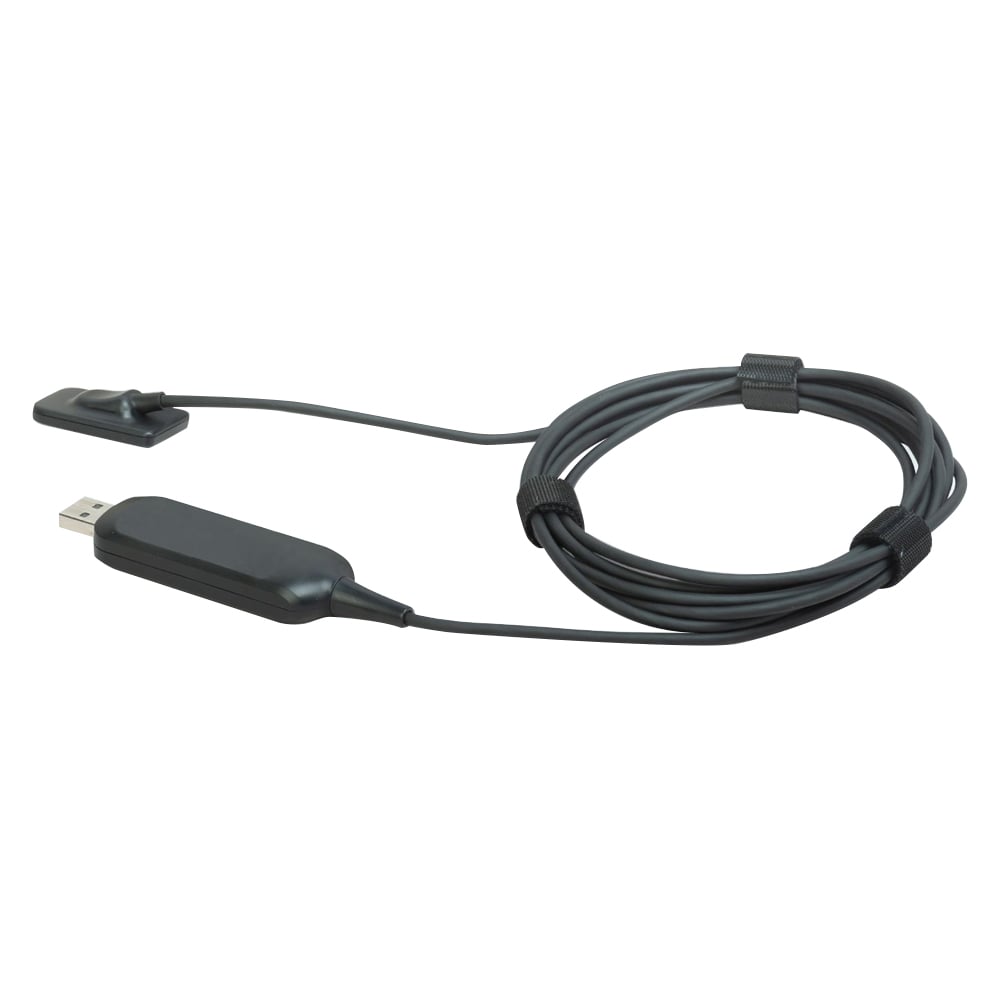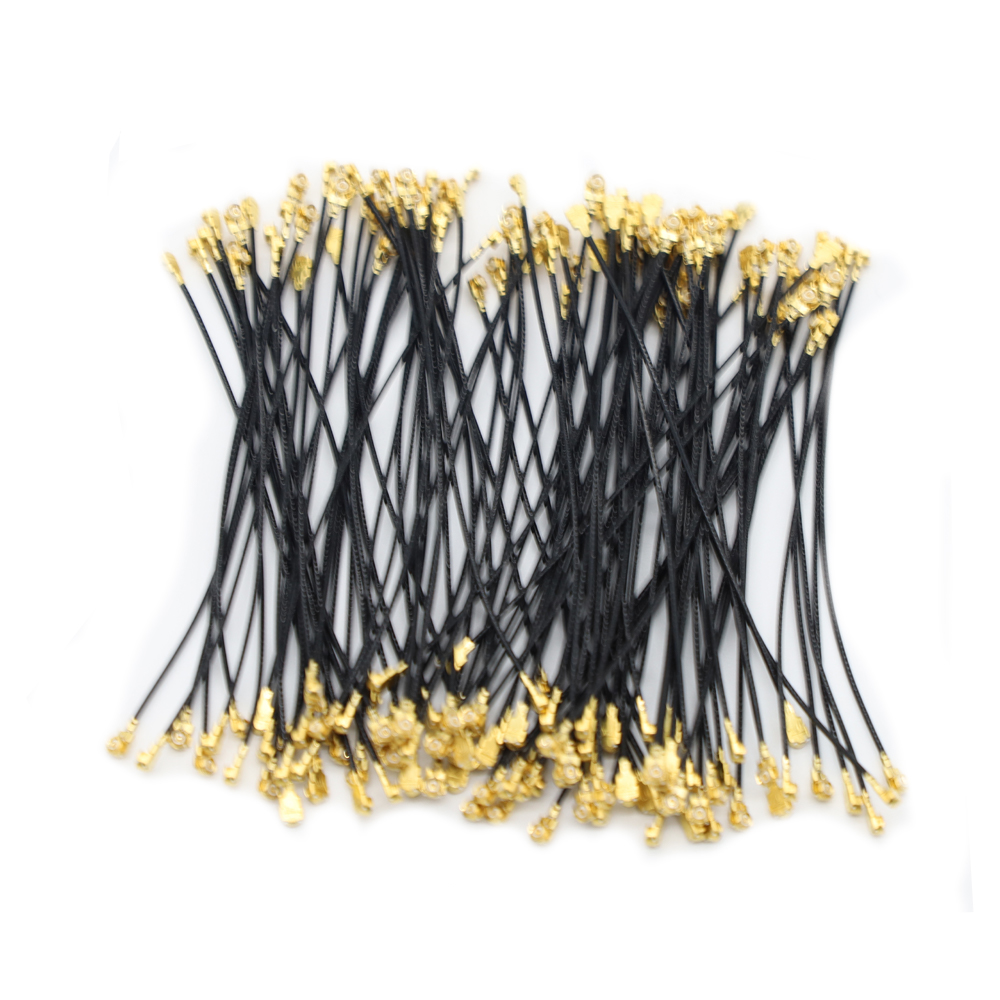

အဆင့်မြင့် ဆေးဘက်ဆိုင်ရာနှင့် စားသုံးသူလျှပ်စစ်ပစ္စည်းများတွင် ရိုဘော့ခ်ဆေးဘက်ဆိုင်ရာလက်ဖက်များမှ သေးငယ်သော ဟက်ဒ်စက်များအထိ နေရာများသည် အလွန်အရေးကြီးပါသည်။ AR/VR ဒီဇိုင်နာများသည် ဤသို့သော ပြင်ပေါ်တွင် ပြည့်နေသော နှင့် လှုပ်ရှားမှုများရှိသော စနစ်များအတွင်းတွင် မြန်မြန် ဒေတာများနှင့် စွမ်းအင်များကို လွှဲပေးရန်အတွက် တဖြည်းဖြည်းချင်း အားကိုးလာကြသည်။ အလွန်သေးငယ်သော ကိုအက်စီယယ်ကြိုးများ ဤသို့သော အသေးစား အလုပ်လုပ်သော ကိရိယာများအတွက် အရေးကြီးသော သို့သော အသိအမှတ်ပြုမှုများထဲတွင် အနည်းဆုံး ကွေးချိုးနိုင်သော အကွေးအား ဖြစ်ပါသည်။ ဤကန့်သတ်ချက်ကို ကျော်လွန်လျှင် အချက်ပေးမှု ပျက်ယွင်းမှုများ ဖြစ်ပေါ်လာနိုင်ပါသည်။ သို့သော် ဤအရေးကြီးသော အသိအမှတ်ပြုမှုကို သတ်မှတ်ပေးသည့် အရာမှာ အဖြစ်မှန်သော တစ်ခုတည်းသော တန်ဖိုးမှာ မဟုတ်ပါ၊ အစား ရူပဗေဒ၊ ပစ္စည်းများနှင့် နည်းပညာဆိုင်ရာ ဒီဇိုင်းများ၏ ရှုပ်ထွေးသော အပ်နှက်မှုဖြစ်ပါသည်။
အဓိက ပြဿနာ – ပစ္စည်းများပေါ်တွင် ဖြစ်ပေါ်သည့် ဖိအားနှင့် ပုံပေါ်မှု
အရေးကြီးဆုံး ကန့်သတ်ချက်များသည် ထုတ်ကုန် သိပ္ပံ (product science) ဖြင့် စီမံထားပါသည်။ အထူးသဖြင့် ဖိအား (stress) နှင့် စိတ်ဖိစီးမှု (strain) တို့ဖြစ်ပါသည်။ ကြိုးတစ်ချောင်းကို ကွေးလိုက်သည့်အခါ ၎င်း၏ အပြင်ဘက်မျက်နှာပြင်သည် ကျုံ့သွားပါသည် (tension)၊ အတွင်းဘက်မျက်နှာပြင်များမှာ ဖိစီးမှုကို ခံရပါသည်။ အဓိက ပိုမိုမှုန်းသော ပိုမိုမှုန်းသော ကြေးနီ (copper) သို့မဟုတ် ငွေဖုံးထားသော ကြေးနီဖြင့် ပုံဖော်ထားသည့် ပိုမိုမှုန်းသော ပိုမိုမှုန်းသော ပိုမိုမှုန်းသော ပိုမိုမှုန်းသော ပိုမိုမှုန်းသော ပိုမိုမှုန်းသော ပိုမိုမှုန်းသော ပိုမိုမှုန်းသော ပိုမိုမှုန်းသော ပိုမိုမှုန်းသော ပိုမိုမှုန်းသော ပိုမိုမှုန်းသော ပိုမိုမှုန်းသော ပိုမိုမှုန်းသော ပိုမိုမှုန်းသော ပိုမိုမှုန်းသော ပိုမိုမှုန်းသော ပိုမိုမှုန်းသော ပိုမိုမှုန်းသော ပိုမိုမှုန်းသော ပိုမိုမ......
အလွန်သေးငယ်သေးငယ်၏ ကြိုးများ၏ အနိမ့်ဆုံး ကွေးချိုးနိုင်သည့် အကွေးအတိုင်းအတာကို အောက်ပါအတိုင်း ဆုံးဖြတ်ပါသည်။ ကြိုးအမျှင်၏ ဖွဲ့စည်းပုံ၊ ဒိုင်အီလက်ထရစ်၊ ကာကွယ်ရေးအလွှာ၊ အပေါ်ယံအကာ၊ ကြိုးအထူ၊ ကြိုးဖွဲ့စည်းမှုနည်းလမ်း၊ ကြိုးကို စေ့စပ်သော ကွေးချိုးမှု (static bending) သို့မဟုတ် လှုပ်ရှားသော ကွေးချိုးမှု (dynamic bending) တွင် အသုံးပြုမည် ဖြစ်သည် ဆိုသည့် အချက် .
ကြိုးအရွယ်အစား သေးငယ်ခြင်းသည် ကွေးချိုးနိုင်သည့် အကွေးအတိုင်းအတာ ပိုမိုကွေးနိုင်သည်ဟု အလိုအလျောက် မဆိုလိုပါ။ ကြိုးသည် လိုအပ်သည့် လမ်းကြောင်းတွင် ဖောက်သွေးချိုးခြင်း ပြုလုပ်ရာတွင် လျှပ်စစ်နှင့် ယန္တရားဆိုင်ရာ ဖွဲ့စည်းပုံများကို ထိန်းသိမ်းထားရန် လိုအပ်ပါသည်။
OEM အသုံးပြုမှုများအတွက် လက်တွေ့ကွေးချိုးနိုင်သည့် အကွေးအတိုင်းအတာ အကန့်အသတ်ကို အောက်ပါအတိုင်း အတူတက် စိစိမ်စွာ စိစ်ထုတ်ရန် လိုအပ်ပါသည်။
ကြိုးအထူ + ကြိုးအမျှင်၏ ဖွဲ့စည်းပုံ + ကာကွယ်ရေးအလွှာ + အပေါ်ယံအကာ + ကွေးချိုးမှု လမ်းကြောင်း + ကွေးချိုးမှု အကြိမ်ရေ + တပ်ဆင်မှုနည်းလမ်း
| အကြောင်းရင်း | ကွေးချိုးနိုင်သည့် အကွေးအတိုင်းအတာအပေါ် သက်ရောက်မှု |
|---|---|
| ကြိုးအတွင်းရှိ ပိုက်လိုင်းဖွဲ့စည်းပုံ | ကွေးချိုးမှုကို ထပ်ခါထပ်ခါ ပြုလုပ်ရာတွင် ဖောက်ပြားမှုနှင့် ခံနိုင်ရည်ကို သက်ရောက်မှု |
| ကေဘီလ် OD | ရုပ်ပိုင်းဆိုင်ရာ ကွေးခြင်း ဂျီဩမေတြီကို အကျိုးသက်ရောက်စေသည် |
| ဒီယေလက်ထစ် | ၎င်း၏ နေရာနှင့် လျှပ်စစ် အရည်အသွေးများကို ထိန်းသိမ်းထားရန် လိုအပ်သည် |
| အင်မြစ်ကန်များမှ ထိခိုက်မှု ကန့်သတ်ခြင်း | လျှပ်ကူးမှုကို ကန့်သတ်နိုင်ပြီး ထပ်ခါထပ်ခါ ရှုပ်ထွေးမှုများကို ခံနိုင်ရည်ရှိရန် လိုအပ်သည် |
| အင်္ကျီ | စုစုပေါင်း မာကြမ်းမှုနှင့် မျက်နှာပုံ ခံနိုင်ရည်ကို အကျိုးသက်ရောက်စေသည် |
| ပြီးပြီးဆုံးမှု | ကွန်နက်တာအနီးတွင် မာကြမ်းသော အပေါင်းအစောင်းကို ဖန်တီးပေးသည် |
| ကွေးခြင်း လမ်းကြောင်း | အရှုပ်ထွေးမှုများ၏ မတူညီသော ပုံစံများသည် မတူညီသော ဖိအားများကို ဖန်တီးပေးသည် |
| စောင်းနေသော အသုံးပြုမှုနှင့် လှုပ်ရှားနေသော အသုံးပြုမှု | လှုပ်ရှားနေသော ကွေးခြင်းအတွက် မတူညီသော အတည်ပြုခြင်းများ လိုအပ်သည် |
| ကွေးခြင်း စက်ဘီလ် အရေအတွက် | ထပ်ခါထပ်ခါ လှုပ်ရှားမှုများသည် ပင်ပန်းမှုကို ဖော်ပေးနိုင်သည် |
| အပူချိန် | ပစ္စည်း၏ ပုံစံကို ပြောင်းလဲနိုင်သည် |
| ကြိုးလိုင်းခွဲခြားခြင်း | အလွန်တင်းကြပ်စွာ တပ်ဆင်ခြင်းဖြင့် ဒေသခံဖိအားများ ဖြစ်ပေါ်စေနိုင်သည် |
If အလွန်အဆင်းငယ်သော ကိုအက်စီရေးယားကြိုးကို သေးငယ်သော လှုပ်ရှားနေသော စက်မှုပိုင်းဆိုင်ရာ အစိတ်အပိုင်းတွင် ဖောက်သွင်းရမည် ထို့နောက် အနိမ့်ဆုံး ကွေးခြင်းအချင်းကို ကြိုး၏ အချင်းမှသာမက အမှန်တကယ် အလုပ်လုပ်နေသည့် အခြေအနေမှလည်း သတ်မှတ်ရမည် အဘယ်ကြောင့် ထပ်ခါထပ်ခါ ကွေးခြင်းဖြင့် ကြိုး၏ ဖွဲ့စည်းပုံနှင့် လျှပ်စစ်ဆိုင်ရာ စွမ်းဆောင်ရည်နှစ်မျိုးလုံးကို ထိခိုက်စေနိုင်သည်
အထူးပြုထားသော အသုံးပြုမှုများအတွက် HOTTEN ၏ အချက်အလက်များကို ကြည့်ပါ Micro Coaxial Cable နှင့် မြှင့်တန်းကော်ကျူအလိုင်းအစုံ ဖြေရှင်းချက်များ။
ဒိုင်အီလက်ထရစ် ပဟေဠိ - ဖိစီးမှုအခံနိုင်ရည်နှင့် လျှပ်စစ်တည်ငြိမ်မှု
ကြေးနီပိုင်းကို ဝန်းရံထားသည့်အရာမှာ ဒိုင်အီလက်ထရစ်ကာကွယ်မှုဖြစ်သည်။ ဤထုတ်ကုန်သည် အများအားဖြင့် အသုံးဝင်မှုရှိရုံသာမက ခံနိုင်ရည်ရှိရန်လည်း လိုအပ်သည်။ အလွန်အမင့် ကွေးညွှတ်လျှင် ချောမွေ့သော ဒိုင်အီလက်ထရစ်များသည် ရှည်လျားသောကာလအတွင်း ကွေးညွှတ်မှု (ခြုံငုံသော ဖိအား) ကို လွယ်ကူစွာ ခံနိုင်ပါသည်။ ထိုသို့သော ကွေးညွှတ်မှုသည် ကြေးနီပိုင်း၏ ပုံသဏ္ဍာန်ကို ပြောင်းလဲစေသည့် အားနည်းသော အချက်ဖြစ်သည်။ ထိုကွေးညွှတ်မှုသည် စနစ်တကျ ထိန်းသော အကွာအဝေးကို ပြောင်းလဲစေပြီး USB4 ကြိုးများ သို့မဟုတ် အဆုံးသတ်တွင် ၄K အိုင်ဒီအိုစကုပ်များတွင် အချက်အလက်အမှန်အကန်ကို အလွန်အမင့် ထိခိုက်စေနိုင်သည်။ LVDS ကြိုး စုစည်းမှုများ ကွေးညွှတ်မှုအချင်းသည် ဒိုင်အီလက်ထရစ်များ မူလပုံစံသို့ ပြန်လည်ရောက်ရှိရန် လုံလောက်သော အရွယ်အစားရှိရန် လိုအပ်ပါသည်။ ထိုသို့ဖြင့် ကွေးညွှတ်မှုအကြိမ်ပေါင်းများစွာ ပြုလုပ်ပါကလည်း စဥ်ဆက်မပြတ် တည်ငြိမ်သော လျှပ်စစ်အမှန်အကန်ကို ထိန်းသောင်နိုင်မည်ဖြစ်သည်။
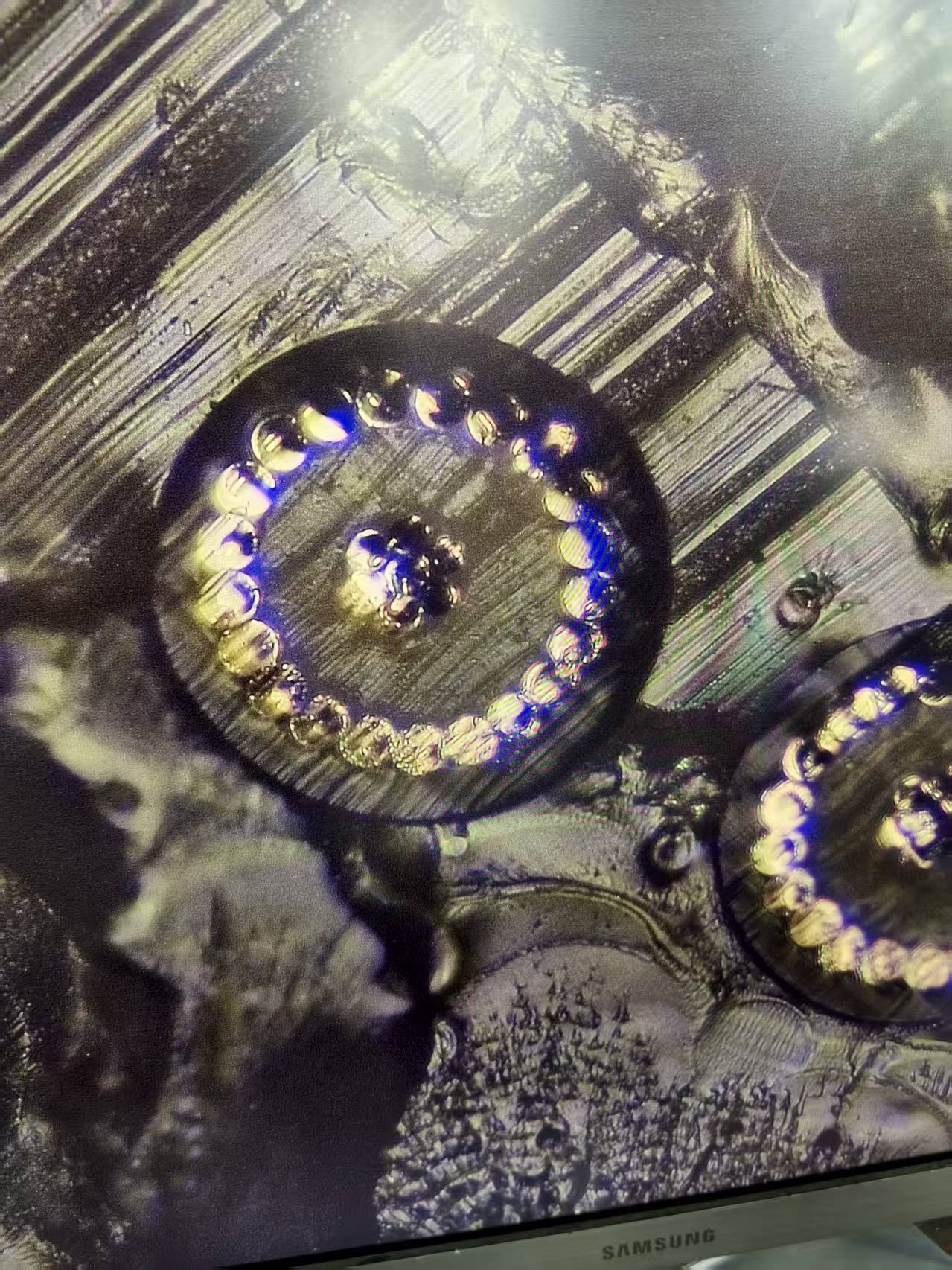
အကာအကွယ်အလွှာသည် ခေါင်းစဉ်တွင် အထိခိုက်မှုအများဆုံးဖြစ်နိုင်သော အစိတ်အပိုင်းတစ်ခုဖြစ်သည်။ ဖိုင်လ်အကာအကွယ်သည် အလွယ်တကူ ကျိုးပဲ့နိုင်ပြီး အခြားအကာအကွယ်များလည်း အလွယ်တကူ ကျိုးပဲ့နိုင်သည်။ အကာအကွယ်များသည် အကြိမ်ရောက်သော အကွေးမှုများအောက်တွင် ပုံစံပြောင်းလဲမှုများကြောင့် ပုံမှန်အတိုင်း အလုပ်မလုပ်နိုင်တော့ပြီး လျှပ်စစ်အကာအကွယ်မှုကို အားနည်းစေသည်။ အကာအကွယ်မှု အားနည်းခြင်းသည် စိတ်လှုပ်ရှားမှုအားဖော်ပေးသော အချက်များကို အနှောင့်အယှက်ဖေးပေးနိုင်ပြီး EEG အမျှင်များတွင် အသံများကို အနှောင့်အယှက်ဖေးပေးနိုင်သည်။ RF အပိုင်းဖြတ်ခြင်းကြောင့် ဖော်ပေးသော လျှပ်စစ်အားများသည် အခြားသော ကိရိယာများကို အနှောင့်အယှက်ဖေးပေးနိုင်သည်။ အနိမ့်ဆုံးအကွေးမှုအချင်းသည် အကာအကွယ်မှုဒီဇိုင်း၏ အရည်အသွေး ကျဆင်းမှုအချိန်ကို ဖော်ပြသည်။ ထိုအချိန်တွင် အကာအကွယ်မှုသည် ၁၀၀ ရှိသော အကာအကွယ်မှုကို ဆုံးရှုံးပြီး နောက်ခံအားဖော်ပေးမှုကိုလည်း ဆုံးရှုံးသည်။ ထိုအချက်သည် အာမ်ဆေးစမ်းသပ်မှုကို အသုံးပြုသော ကြိုးများအတွက် အရေးကြီးသော အချက်ဖြစ်သည်။ အင်ဒိုစကိုပ် ကြေးနီချိတ်ဆက်မှုများ .
စောင်းမှု (သို့) လှုပ်မှု
စနစ်၏ ပေါင်းစပ်မှု - အပိုင်းအစများ၊ အမျှတ်အမျှတ်နှင့် အသုံးပြုမှုအလိုက် လိုအပ်ချက်များ
| အကွေးမှုအခြေအနေ | အများအားဖြင့် လိုအပ်သော အချက်များ | အရေးကြီးသော စဥ်းစားရမည့်အချက် |
|---|---|---|
| စောင်းမှု | ကြိုးသည် တစ်နေရာတည်းတွင် အမှုန်မှုန်အတိုင်း ရှိနေသည် | တပ်ဆင်မှုဖိအား |
| အခါအခါ အကွေးမှု | အကွေးမှုအနည်းငယ်သာ | ယူနီကိုင်တီဖြစ်သော ပုံစံပျက်စီးမှု |
| အကြိမ်ကြိမ် လှုပ်ရှားမှုဖြင့် ခေါက်ခြင်း | အဆက်မပါသော လှုပ်ရှားမှုများ | ကွန်ဒက်တာနှင့် ရက်ခြင်းအစိတ်အပိုင်းများ၏ ပုံစံပျက်စီးမှု |
| အဆက်မပါသော ခေါက်ခြင်း | ရိုဘော့အ်စနစ်များ သို့မဟုတ် လှုပ်ရှားနိုင်သော စနစ်များ | ရှည်လျားသော အသက်တာကြောင့် ဖြစ်ပေါ်လာသော စက်မှုအသက်တာ |
ပထမဦးဆုံးမေးခွန်းမှာ ကြိုးသည် မည်သို့ လှုပ်ရှားသည် ဖြစ်သည်
တစ်ကြိမ်တည်း တပ်ဆင်ပြီး နေရာတွင် ထားခဲ့သည့် ကြိုးသည် ပုံမှန်အလုပ်လုပ်စဉ်တွင် ထောင်ပေါင်းများစွာ ကွေးခြင်းကို ခံရသည့် ကြိုးနှင့် လိုအပ်ချက်များ မတူညီပါ
| အသုံးပြုချက်အခြေအနေ | အဓေကလိုအပ်ချက်များ |
|---|---|
| လမ်းညွှန်ချက်အမြဲတမ်း | ကြိုးသည် ထိခိုက်မှုမရှိဘဲ တပ်ဆင်ရာတွင် အကွေးပေးနိုင်သည် |
| တစ်ခါတစ်ရံ ရွေ့ပြောင်းသွားခြင်း | အကွေးပေးခြင်းကို အကောင်အထည်ဖော်ရာတွင် ကန့်သတ်ချက်ရှိသည် |
| အဆက်မပါသော လှုပ်ရှားမှုများ | လှုပ်ရှားနေသော အကွေးပေးနိုင်မှု သက်တမ်း |
| အကွေးပေးခြင်း + လှည့်ခြင်း | အကွေးပေးခြင်းနှင့် လှည့်ခြင်း နှစ်မျိုးလုံးပါဝင်သော အသုံးပုံ |
| ရိုဘော့စ် လှုပ်ရှားမှု | ထိန်းချုပ်ထားသော လှုပ်ရှားမှုကို ထပ်ခါထပ်ခါ အသုံးပြုခြင်း |
| ပရိုဗ် / အင်ဒိုစကော့ပ် | အကွေးပေးခြင်းနှင့် ကိုင်တွယ်ခြင်းကို မကြာခဏ ပြုလုပ်ခြင်း |
If ကြိုးသည် တပ်ဆင်ပြီးနောက် နေရာမှ ရွေ့လျားမှုမရှိဘဲ တည်ငြိမ်စွာ ရှိနေသည် ထို့နောက် အရေးကြီးဆုံးစိုးရိမ်မှုမှာ အလွန်အကျွံသော တပ်ဆင်မှုဖိအားကို ရှောင်ရှားရေးဖဲ့ ဖြစ်ပါသည်။ အဘယ်ကြောင့် ကြိုးသည် အဆက်မပုတ်သော စက်ဝိုင်းဖုန်းခေါ်မှုများကို မခံစားရပါ။
If ကြိုးသည် လုပ်ဆောင်မှုအတွင်း ထပ်ခါထပ်ခါ ကွေးသွားပါသည်။ ထို့နောက် ဖွေးလှုပ်မှုအတွက် အတည်ပြုခြင်းကို သတ်မှတ်ထားသော ကွေးမှုအချင်းအကွေး (bend radius) တွင် ပြုလုပ်ရပါမည်။ အဘယ်ကြောင့် စတေးတစ်ခ် (static) တပ်ဆင်မှုစွမ်းဆောင်ရည်သည် ဒိုင်နမစ် (dynamic) ခံနိုင်ရည်ကို မပြသပါ။
အင်ဂျင်နီယာများသည် ကြိုးအချင်းကို အသုံးပြု၍ ကွေးမှုအချင်းကို ခန့်မှန်းလေ့ရှိသော်လည်း OD သည် ကြိုး၏ ကွေးနိုင်မှုကို သီးသန့်သတ်မှတ်ပေးခြင်းမရှိပါ။
အလားတူ OD ရှိသော ကြိုးနှစ်ချောင်းသည် အောက်ပါအချက်များတွင် ကွဲပြားမှုများကြောင့် ကွဲပြားသော အပြုအမှုများကို ပြသနိုင်ပါသည်။
If မိုက်ခရိုကော်ဇီရော (micro coaxial) ကြိုးနှစ်ချောင်းသည် အပြင်ဘက်အချင်း (OD) အလားတူဖြစ်သော်လည်း အတွင်းပိုင်း တည်ဆောက်မှုများတွင် ကွဲပြားမှုများရှိပါသည်။ ထို့နောက် ထို့ကြောင့် ၎င်းတို့၏ အနိမ့်ဆုံးကွေးမှုအချင်းများသည် ကွဲပြားနေနိုင်ပါသည်။ အဘယ်ကြောင့် အကောင်းဆုံး ဖလက်စီဘီလီတီသည် အဆောက်အဦးအပုံစံ အားလုံးပေါ်တွင် မှီခိုပါသည်။
ထို့ကြောင့် အိုအီးအမ် အသုံးပြုသည့် အထူးသတ်မှတ်ချက်များသည် လိုအပ်သည့် ကြိုးအဆောက်အဦးနှင့် ခေါက်ချိုးမှု စွမ်းရည်ကို အချင်းအရှည်သာမက အချင်းအပိုင်းကိုလည်း သတ်မှတ်ရမည်ဖြစ်သည်။
ကြိုးသည် ခေါက်ချိုးမှုအတွင်း ယန္တရားဆိုင်ရာ ဖိအားကို ခံနိုင်ရမည်ဖြစ်သည်။
သက်ဆိုင်ရာ ဒီဇိုင်းအရေးကြီးသော အရာများတွင် အောက်ပါတို့ ပါဝင်သည်။
If ကြိုးကို အကြိမ်ပေါင်းများစွာ ခေါက်ချိုးသည့် အသုံးပြုမှုတွင် အသုံးပြုသည်။ ထို့နောက် ကြေးနီခေါင်းစဉ် တည်ဆောက်မှုကို အကွေးဖောက်နိုင်သည့် အကွေးအနက်နှင့် တစ်ပါတည်း ရွေးချယ်ရမည်။ အဘယ်ကြောင့် ဗဟိုကြေးနီခေါင်းစဉ်သည် လုပ်ဆောင်နေစဉ် ပုံမှန်အားဖြင့် ယန္တရားမှ ဖိအားပေးမှုကို ထပ်ခါထပ်ခါ ခံရသည်။
ကြေးနီခေါင်းစဉ်၏ အရွယ်အစား သေးငယ်လာပြီး ကြေးနီခေါင်းစဉ်ကို သေးငယ်သည့် ရှုပ်ထွေးသည့် အစိတ်အပိုင်းများအတွင်း ဖောက်သွင်းရသည့်အခါ ဤအချက်သည် အထူးအရေးကြီးလာသည်။
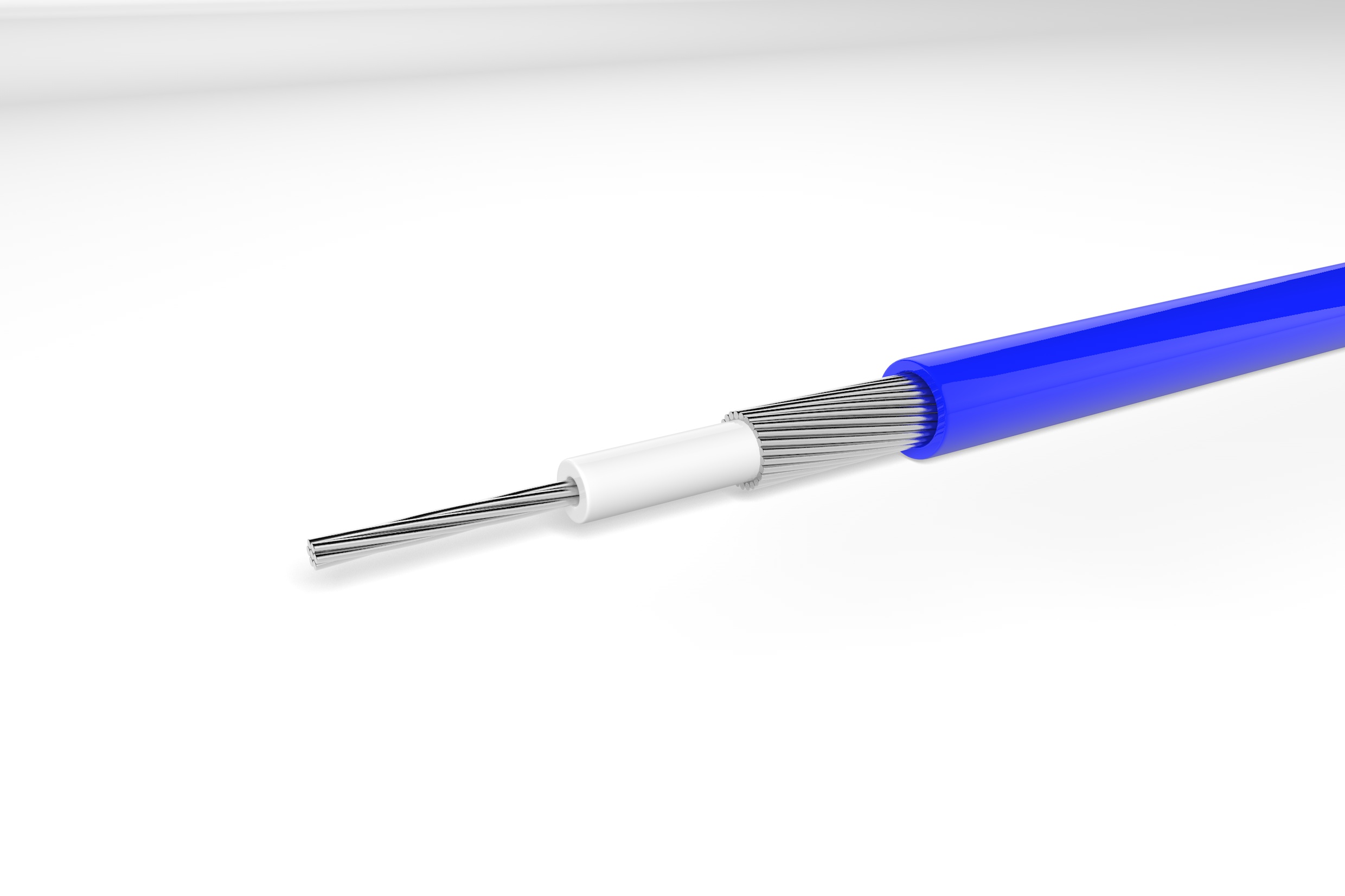
ကိုအက်စီယယ် ကြေးနီခေါင်းစဉ်တွင် ဒိုင်အီလက်ထရစ်သည် ဗဟိုကြေးနီခေါင်းစဉ်နှင့် အကာအကွယ်အစိတ်အပိုင်းကြား လျှပ်စစ်ဖွဲ့စည်းမှု၏ အစိတ်အပိုင်းဖြစ်သည်။
အကွေးဖောက်ခြင်းအတွင်း အတွင်းပိုင်း အသွင်အပြင် ပြောင်းလဲသည်။
ထို့ကြောင့် ဒိုင်အီလက်ထရစ်၏ နေရာချထားမှုနှင့် အသွင်အပြင်ကို လက်ခံနိုင်သည့် အဆင့်တွင် ထိန်းသိမ်းရမည်။
If အကွေးဖောက်ခြင်းအတွင်း ဒိုင်အီလက်ထရစ်သည် အများအားဖြင့် နေရာရွှေ့သည်။ ထို့နောက် ကြေးနီခေါင်းစဉ်၏ လျှပ်စစ်ဂုဏ်သတ္တိများ ပြောင်းလဲသွားနိုင်သည်။ အဘယ်ကြောင့် ကိုအက်ရှယ် ဂျီအိုမေတြီသည် အင်ပီးဒန့်နှင့် ကပ်ပါစီတန့် ဆက်နွယ်မှု၏ အစိတ်အပိုင်းတစ်ခုဖြစ်သည်။
မှိန်းနှုန်းမြင့် အသုံးချမှုများအတွက် ဤအရာသည် ကွေးခြင်းအချင်းဝက် ရွေးချယ်မှုတွင် လျှပ်စစ်စွမ်းဆောင်ရည်နှင့် ယန္တရား ခံနိုင်ရည် နှစ်ခုစလုံးကို ထည့်သွင်းစဉ်းစားသင့်ကြောင်း ဆိုလိုသည်။
ကာကွယ်မှုသည် လျှပ်စစ်ကာကွယ်မှုကို ပေးသည်၊ သို့သော် ၎င်း၏ ဖွဲ့စည်းပုံသည် ကွေးခြင်း အပြုအမူကိုလည်း သက်ရောက်မှုရှိသည်။
ဖြစ်နိုင်သော ဖွဲ့စည်းပုံများမှာ -
ဖွဲ့စည်းပုံများ ကွဲပြားလျှင် ယန္တရား အပြုအမူများလည်း ကွဲပြားသည်။
If အသုံးချမှုသည် ထပ်ခါထပ်ခါ ကွေးခြင်းကို လိုအပ်သည်၊ ထို့နောက် ကာကွယ်မှု ဖွဲ့စည်းပုံကို ပင်ပန်းမှုနှင့် ပျော့ပျောင်းမှုအတွက် အကဲဖြတ်သင့်သည်၊ အဘယ်ကြောင့် eMI ကာကွယ်မှု အားကောင်းသော ကာကွယ်မှုသည် လိုအပ်သော လှုပ်ရှားမှုအတွက် မာကျောလွန်းနိုင်သေးသည်။
ဤအရာသည် အထူထူ မိုက်ခရို ကိုအက်ရှယ် အစုအစည်းများ အသုံးပြုသည့်:
အပြင်ဘက်ဂျက်သည် ကြိုးကို ကာကွယ်ပေးသော်လည်း ၎င်း၏ မှုန်းမှုနှင့် ထူထောင်မှုတို့သည် အပြီးသတ်ကြိုး၏ ခေါက်ချိုးမှုအပ behaviour ကို အကူအညီပေးသည်။
အရေးကြီးသော ဂျက်ပါရာမီတာများတွင် အောက်ပါတို့ ပါဝင်သည်။
| ပါရာမီတာ | အင်ဂျင်နီယာ စဉ်းစားမှုများ |
|---|---|
| ပစ္စည်း | ခေါက်ချိုးနိုင်မှုနှင့် ပတ်ဝန်းကျင်နှင့် သဟဇာတဖြစ်မှု |
| ထူး | ယန္တရားဆိုင်ရာ မှုန်းမှုကို ထည့်သွင်းပေးပြီး OD ကို အကူအညီပေးသည်။ |
| ချောမွေ့မှု | ခေါက်ချိုးမှုကို ခုခံမှုကို သက်ရောက်စေသည်။ |
| မျက်နှာပုံ၏ ပွန်းစားမှု | လိုအပ်သော နေရာသို့ ကြိုးကို ထည့်သွင်းခြင်းနှင့် ကိုင်တွယ်ခြင်းကို သက်ရောက်စေနိုင်သည်။ |
| ဆုတ်ယုတ်မှု ခံနိုင်ရည် | ထပ်ခါထပ်ခါ ရှုပ်ထွေးမှုအတွက် အရေးကြီးသည်။ |
If ခေါက်ချိုးနိုင်သော အသုံးပြုမှုတွင် အနောက်ဘက်ခေါက်ချိုးနှုန်းနှင့် ခံနိုင်ရည်ရှိသော မျက်နှာပြင်ကာကွယ်မှု နှစ်များလုံး လိုအပ်သည်။ ထို့နောက် ဂျက်ပစ္စည်းနှင့် ထူထောင်မှုကို တစ်ပါတည်း အကောင်မော်ဒယ်လ်လုပ်ရမည်။ အဘယ်ကြောင့် အပြင်ဘက်အလွန်မှုန်းသော အလွှာသည် အတွင်းပိုင်းကြိုးသည် ခေါက်ချိုးနိုင်သည်ဖြစ်စေကာမျှ အကန့်အသတ်ဖြစ်လာနိုင်သည်။
ကြိုးသည် ပျော့ပြောင်းသော်လည်း ကွန်နက်တာနှင့် အဆုံးသတ်ခြင်းတို့မှာ ပို၍ မာကျောပါသည်။
ဤသည်မှာ အပေါင်းတစ်ခုကို ဖန်တီးပါသည်။
ပျော့ပြောင်းသော ကြိုး → ဖိအားလျှော့ချကိရိယာ → အဆုံးသတ်ကိရိယာ → ကွန်နက်တာ
ကွန်နက်တာ၏ ချက်ချင်းနောက်တွင် ကြိုးကို အကွေးပေးရန် အတင်းအကျပ်ပြုလုပ်ပါက ကူးပြောင်းနေရာသည် စုစည်းထားသော ဖိအားကို ခံစားရနိုင်သည်။
If ကွန်နက်တာနှင့် နီးကပ်စွာ ကြိုးကို အကွေးပေးရမည်၊ ထို့နောက် ကွန်နက်တာ ဦးတည်ရာနှင့် ဖိအားလျှော့ချကိရိယာကို အကွေးအကွေး အချင်းဝက်နှင့် တစ်ပူးတည်း ဒီဇိုင်းထုတ်သင့်သည်၊ အဘယ်ကြောင့် မာကျောသော အဆုံးသတ်နေရာသည် အားနည်းဆုံး ယန္တရား အမှတ်အသား ဖြစ်လာနိုင်သည်။
OEM ကြိုး စုစည်းမှုများအတွက် ဆောင်းပုံတွင် ကြိုးထွက်ရာ ဦးတည်ရာနှင့် ကွန်နက်တာ ဝန်းကျင်တွင် အကွေးရန် နေရာ လွတ်လပ်စွာရှိမှုကို သတ်မှတ်ဖော်ပြသင့်သည်။
ပို၍ ကျဉ်းမြောင်းစွာ အကွေးခြင်းသည် ကြိုး ဖွဲ့စည်းပုံ ခံစားရသော ယန္တရား ပုံပျက်မှုကို တိုးပွားစေသည်။
ခေါက်ခေါက်မှု ပိုမိုကြမ်းထန်လာသည့်အတွင်း ဖြစ်နိုင်သော အန္တရာယ်များတွင် အောက်ပါတို့ ပါဝင်သည်။
If လိုအပ်သော တပ်ဆင်မှုတွင် ကြိုး၏ ရုပ်ပိုင်းဆိုင်ရာ ကန့်သတ်ချက်နှင့် နီးစပ်သော ခေါက်ခေါက်မှု အကွာအဝေးကို အသုံးပြုသည်။ ထို့နောက် ကိုယ်စားပေးသော ယန္တရားဆိုင်ရာ စမ်းသပ်မှုများ ပြုလုပ်သင့်သည်။ အဘယ်ကြောင့် တစ်ကြိမ်သာ စိတ်ခေါက်မှုကို ခံနိုင်ရည်ရှိသော ကြိုးသည် ထပ်ခါထပ်ခါ ရွေ့လျားမှုကို မခံနိုင်နိုင်သေးသည်။
အသုံးဝင်သော အရှိန်လျော့ချမှု သက်တမ်း သတ်မှတ်ချက်သည် အောက်ပါတို့ထက် ပိုမိုများပြားစေရမည်။
“ခေါက်ခေါက်မှု ၁၀၀၀၀ ကြိမ်”
စမ်းသပ်မှုတွင် အောက်ပါတို့ကိုလည်း သတ်မှတ်ရမည်။
| စမ်းသပ်မှု ပါရာမီတာ | ဘာကို သတ်မှတ်ရမည်နည်း |
|---|---|
| ကူးလွှားခြင်း အချင်းအဝေး | စမ်းသပ်မှု အကွင်းအကွင်းအကွာအဝေး |
| လှည့်ပတ်မှု | ခေါက်ခေါက်နေရာ သို့မဟုတ် လမ်းကြောင်း |
| အမြန်နှုန်း | ထပ်ခါထပ်ခါ လှည့်ပတ်မှု အကြိမ်ရေ |
| ခရီး | ရှေးနေသော အကွာအဝေး |
| ပိတ်ဆို့မှု | ကြိုး အလေးချိန် |
| ပုံမှန် ထုတ်ကုန် | လှည့်ပတ်မှု ပါဝင်မပါဝင် |
| အပူချိန် | စမ်းသပ်မှု ပတ်ဝန်းကျင် |
| စက်ဝန်းအရေအတွက် | လိုအပ်သော လှည့်ပတ်မှု အကြိမ်ရေ |
| ပျက်စီးမှု စံနှုန်း | လျှပ်စစ် သို့မဟုတ် ယန္တရားဆိုင်ရာ လက်ခံမှု |
If oEM တစ်ခုသည် စမ်းသပ်မှု အခြေအနေများ မပေးဘဲ လှည့်ပတ်မှု အကြိမ်ရေသာ သတ်မှတ်ပေးခြင်းဖြစ်သည်။ ထို့နောက် လုပ်သက်များအကြား လိုအပ်ချက်များကို နှိုင်းယှဉ်ရန် ခက်ခဲနိုင်သည်။ အဘယ်ကြောင့် ဖလက်စ်-လိုက်ဖ် ရလဒ်များသည် စမ်းသပ်မှု စနစ်ပေါ်တွင် အများကြီး မှီခိုနေသည်။
ယန္တရားဆိုင်ရာ အသက်ရှင်မှုသည် ကြိုးသည် လျှပ်စစ်အရ အသုံးဝင်မှုကို သက်သေပြခြင်းမဟုတ်ပါ။
ထပ်ခါထပ်ခါ ခေါက်ချိုးပြီးနောက် အိုအီးအမ်များသည် အောက်ပါတို့ကို စစ်ဆေးရန် လိုအပ်နိုင်သည်။
If ကြိုးသည် အထူးအားဖြင့် မြင့်မားသော ကြိမ်နှုန်း (သို့) မြင့်မားသော အမြန်နှုန်း အချက်ပေးမှုများကို ပို့ဆောင်သည်။ ထို့နောက် သက်ရောက်မှုရှိသည့်နေရာများတွင် ဖလက်စ်အပြီး လျှပ်စစ်စမ်းသပ်မှုများကို ထည့်သွင်းရမည်။ အဘယ်ကြောင့် ယန္တရားဆိုင်ရာ ပုံပေါ်မှုများသည် ပြည့်စုံသော ဖွင့်ထားခြင်း (သို့) ပေါင်းစပ်ထားခြင်း ဖြစ်ပေါ်မှုမရှိသေးသည့်အထိ လျှပ်စစ်ဂုဏ်သတ္တိများကို ထိခိုက်စေနိုင်သည်။
မြင့်မားသော ဖရီးကွင်စီ အသုံးချမှုများအတွက် HOTTEN ကို ကြည့်ပါ။ Rf coaxial cable assembly .
ကြိုးတစ်ခုသည် အထူးသဖြင့် လှည့်ခြင်းမရှိဘဲ ခေါက်ချိုးနိုင်သော်လည်း အသုံးပြုမှုအများအပြားတွင် နှစ်များပါ တစ်ပါတည်း ဖော်ပေးထားသည်။
ဥပမါများမှာ –
If ကြိုးသည် ခေါက်ခါးခြင်းနှင့် လှည့်ပတ်ခြင်း နှစ်များပါ ဖြစ်ပေါ်စေသည်။ ထို့နောက် အတည်ပြုခြင်းတွင် လှည့်ခြင်းနှင့် ပတ်သက်သော လိုအပ်ချက်များ ထည့်သွင်းရမည်။ အဘယ်ကြောင့် သန့်စင်သော ခေါက်ခါးမှုအောက်တွင် ကောင်းစွာ အလုပ်လုပ်သည့် ကြိုးသည် လှည့်ခြင်းကို ထည့်သွင်းပေးလျှင် ကွဲပြားသော အပြုအမှုများ ပြသနိုင်သည်။
ကြိုးပစ္စည်းများသည် အပိုင်းအမှုန်းများတွင် ကွဲပြားသော အပြုအမှုများ ပြသနိုင်သည်။
အပိုင်းအမှုန်းပြောင်းလဲမှုများသည် အောက်ပါတို့ကို သက်ရောက်မှုရှိနိုင်သည်။
If ကြိုးသည် အပူခါးမှု အတွင်း ကောင်းစွာ အလုပ်လုပ်နိုင်သည်။ ထို့နောက် ကြိုး၏ ကွေးခြင်း စွမ်းရည်ကို အသုံးပြုမှု အပူခါးမှုများတွင် စမ်းသပ်သင့်သည်။ အဘယ်ကြောင့် အခန်းအပူခါးမှုတွင် ကွေးနိုင်သည့် ကြိုးသည် အပူခါးမှု အနိမ့်ဆုံးနှင့် အမြင့်ဆုံးတွင် အလားတူ မဟုတ်နိုင်ပါ။
ဤအချက်သည် ဆေးဘက်ဆိုင်ရာ၊ UAV၊ အပြင်ဘက်နှင့် စက်မှု ပုံရိပ်ဖမ်းယူမှု အသုံးပြုမှုများအတွက် အထူးအရေးကြီးသည်။
လက်တွေ့ကျသည့် OEM အသုံးပြုမှု အချက်များတွင် အောက်ပါတို့ကို ခွဲခြားဖော်ပြရမည်။
ထည့်သွင်းတပ်ဆင်မှု အကွေးအား
မှ
အလုပ်လုပ်နေစဉ် ကွေးနိုင်သည့် အနိမ့်ဆုံးအချင်း
ထို့အပြင် သက်ဆိုင်ရာရှိပါက
အလုပ်လုပ်နေစဉ် ကွေးစမ်းသပ်မှုအချင်း
ဥပမာ -
| အသိုင်းအဝိုင်း | အသေးစိတ်ဖော်ပြချက် |
|---|---|
| တပ်ဆင်မှု | တပ်ဆင်မှုအတွင်း ယာယီအဖုံဖုံကွေးနိုင်သည့် အများဆုံးအချင်း |
| စေ့စပ်စွာ အလုပ်လုပ်နေခြင်း | အမြဲတမ်း လိုက်နာရမည့် အနိမ့်ဆုံး လမ်းကြောင်းသတ်မှတ်အချင်း |
| လှုပ်ရှားမှုပါသော လုပ်ဆောင်မှု | ထပ်ခါထပ်ခါ ရွေ့လျားနေစဉ် အနိမ့်ဆုံးအချင်း |
| အကွေးအထောက် စမ်းသပ်မှုများ | သတ်မှတ်ထားသည့် စမ်းသပ်မှုအချင်းနှင့် စက်ဘီလ်အရေအတွက် |
| ကွန်နက်တာနေရာ | အပိုင်းအစ ကွေးနေမှုအချင်းအတွက် သီးခြားလိုအပ်ချက် |
If ကြိုးသည် ရှုပ်ထွေးသော စက်မှု အစီအစဉ်အတွင်းတွင် လည်ပတ်ပါသည်။ ထို့နောက် လှုပ်ရှားနေသော ခေါက်ချိုးအကွာအဝေးကို စနစ်လိုအပ်ချက်အဖြစ် သတ်မှတ်ရမည်။ အဘယ်ကြောင့် ကြိုး၏ လှုပ်ရှားမှု လမ်းကြောင်းသည် နောက်ဆုံး ယန္တရား ဒီဇိုင်း၏ အစိတ်အပိုင်းတစ်ခုဖြစ်သည်။
အသုံးချမှုများသည် ခေါက်ချိုးအကွာအဝေး ဦးစားပေးမှုများကို ကွဲပြားစေသည်။
| အသုံးပြုမှု | အဓိက ခေါက်ချိုးဆိုင်ရာ စိုးရိမ်မှု |
|---|---|
| အိုင်းလီtrasound ပရိုဗာ | ထပ်ခါထပ်ခါ ခေါက်ချိုးခြင်းနှင့် လှည့်ခြင်း |
| အောက်ခြေလှမ်းဆိပ် | အလွန်သေးငယ်သော အကွာအဝေးဖြင့် ထပ်ခါထပ်ခါ ခေါက်ချိုးခြင်း |
| ရိုဘော့ မြင်ကွင်း | ဆက်သွယ်မှုများအတွင်း လှုပ်ရှားမှု အများကြီး |
| ဂင်ဘယ် ကမ်ပာ | ထပ်ခါထပ်ခါ ခေါက်ချိုးခြင်းနှင့် လှည့်ခြင်း |
| UAV ကင်မရာ | ချုံ့ထားသော လမ်းကြောင်းသုံးခြင်းနှင့် အုန်းခြင်း |
| ဆေးဘက်ဆိုင်ရာပုံရိပ် | ချုံ့ထားသော လမ်းကြောင်းသုံးခြင်းအပိုမှုအဖြစ် စိတ်ကူးစွမ်းရည် အာရုံစိုက်မှု |
| သေးငယ်သော RF ပစ္စည်းများ | တပ်ဆင်မှုအတွက် ကွေးခြင်းနှင့် ကော်နက်တာ အပေါ်သို့ ကူးပေါ်ခြင်း |
If ကြိုးသည် ရှုပ်ထွေးသော ကင်မရာ သို့မဟုတ် ရိုဘော့စ် စနစ်တွင် အသုံးပြုသည်။ ထို့နောက် စိတ်ကူးစွမ်းရည် အာရုံစိုက်မှုသည် စတေးတစ် အာရုံစိုက်မှုထက် ပိုမိုအရေးကြီးသည်။ အဘယ်ကြောင့် အသုံးပြုမှု ကာလသည် ထပ်ခါထပ်ခါ ရှုပ်ထွေးမှုအပေါ် မှီခိုသည်။
UAV နှင့် ရိုဘော့စ် အသုံးပြုမှုများအတွက် ကြည့်ပါ ယူအေဗီ နှင့် ရိုဘော့စ် .
အလွန်ပေါ့ပါးသော ကော်အက်စီယယ် ကြိုးအစုအဖွဲ့အတွက် ကုန်စုပ်စာ တောင်းခံရန်မှီအထိ ပေးပေးရမည် -
| RFQ အများအားဖြင့် ပါဝင်သော အချက်များ | အကြံပေးထားသော အချက်အလက်များ |
|---|---|
| အသုံးပြုမှု | ဆေးဘက်ဆိုင်ရာ၊ UAV၊ ရိုဘော့စ်၊ ကင်မရာ၊ RF စသည်တို့အတွက် |
| ကေဘီလ် OD | လိုအပ်သော အများဆုံးတန်ဖိုး |
| ကူးလွှားခြင်း အချင်းအဝေး | တပ်ဆင်မှု / အလုပ်လုပ်မှု / အရွေ့လုပ်မှု |
| ဖလက်စ် စက်ကြိမ်နှုန်းများ | လိုအပ်သည့် စက်ဝိုင်းအရေအတွက် |
| လှည့်ပတ်မှု | ခေါက်ချိုးခြင်း၊ လှည့်စုံခြင်း သို့မဟုတ် နှစ်များစုံပေါင်းစပ်ခြင်း |
| အမြန်နှုန်း | လိုအပ်သော စက်ဝိုင်းအမြန်နှုန်း |
| မောင်းသူ | AWG နှင့်ပစ္စည်း |
| ကြိုးဖွဲ့စည်းမှု | မိုက်ခရိုကော့စ်ရေးယယ် တည်ဆောက်ပုံ |
| အင်မြစ်ကန်များမှ ထိခိုက်မှု ကန့်သတ်ခြင်း | လိုအပ်သော ဖွဲ့စည်းပုံ |
| အင်္ကျီ | ပစ္စည်း / ပတ်ဝန်းကျင်ဆိုင်ရာ လိုအပ်ချက်များ |
| ကြိုးအလျား | ပြီးစီးသော အရှည် |
| ချိတ်ဆက်မှု | ထုတ်လုပ်သူနှင့် ပုဒ်မ နံပါတ် |
| ဖိအားလျော့ချမှု | လိုအပ်သော ပုံပန်းသဏ္ဍာန် |
| ပတ်ဝန်းကျင် | အပူချိန်၊ ကြွေခြင်း၊ ဓာတုပစ္စည်းများ |
| စမ်းသပ်ခြင်း | ယန္တရားဆိုင်ရာနှင့် လျှပ်စစ်ဆိုင်ရာ လိုအပ်ချက်များ |
| ရေအမျိုးအစား | ပရိုတိုကော့စ် ၊ ပိုိုက်လော့စ် ၊ ထုတ်လုပ်မှုအများအပြား |
If oEM မှ အမှန်တကယ်သုံးသော လမ်းကြောင်းပေါ်တွင် သို့မဟုတ် ၃ မျှော်မှန်းထားသော ယန္တရားဆိုင်ရာ အကွက်အတွင်း ပေးပေးပါသည်။ ထို့နောက် ထောက်ပံ့သူမှ ကြိုးကို အမှန်တကယ်တပ်ဆင်သည့် အခြေအနေများနှင့် နှိုင်းယှဉ်စုံစမ်းနိုင်ပါသည်။ အဘယ်ကြောင့် ကြိုးကို တပ်ဆင်ပြီး ရွှေ့ပေးသည့် နည်းလမ်းပေါ်တွင် အလွန်မှ မှီခိုနေသည့် အကွေးအမှုန်း လိုအပ်ချက်များ
မိုက်ခရိုကော့စ်ကြိုးကို ထုတ်လုပ်ရန် အတည်ပြုမှုမှီ စစ်ဆေးရန် -
| စစ်ဆေးမှု အချက် | အရေးကြီးသောမေးခွန်း |
|---|---|
| ကြိုးတပ်ဆင်မှု | အတွင်းပိုင်းဖွဲ့စည်းမှုသည် အကွေးပေးရန် သင့်လျော်ပါသလား။ |
| OD | ကြိုးသည် လမ်းကြောင်းသတ်မှတ်ခြင်း အကွာအဝေးတွင် ကိုက်ညီပါသလား။ |
| စောင်းမှု | တပ်ဆင်မှုနှင့် သတ်မှတ်ထားသည့် လမ်းကြောင်းသို့ ရောက်ရှိမှုကို ခံနိုင်ရည်ရှိပါသလား။ |
| အမှုန်းပြောင်းလဲမှု | ထပ်ခါထပ်ခါ ရွှေ့ပေးမှုကို ခံနိုင်ရည်ရှိပါသလား။ |
| ပုံမှန် ထုတ်ကုန် | လိုအပ်သည့်နေရာများတွင် လှည့်ပေးမှုကို ထည့်သွင်းထားပါသလား။ |
| အင်မြစ်ကန်များမှ ထိခိုက်မှု ကန့်သတ်ခြင်း | အကွေးပေးပြီးနောက် ရှေးလ်ဒ်သည် ၎င်း၏ လုပ်ဆောင်ချက်ကို ထိန်းသိမ်းနိုင်မှုရှိပါသလား။ |
| ပြီးပြီးဆုံးမှု | ကွန်နက်တာ ပြောင်းလဲမှုကို လုံလောက်စွာ ကာကွယ်ထားပါသလား။ |
| ပတ်ဝန်းကျင် | အပူခါးကို ထည့်သွင်းစဉ်းစားခဲ့ပါသလား။ |
| လျှပ်စစ် | ချောင်းချိုးပြီးနောက် သို့မဟုတ် မှီခိုချိုးမှုမှီ စွမ်းဆောင်ရည်ကို စစ်ဆေးခဲ့ပါသလား။ |
| Production | လိုအပ်သော တည်ဆောက်မှုကို အမြဲတမ်း ထပ်တလေး ပုံစံတူ ထုတ်လုပ်နိုင်ပါသလား။ |
လက်တွေ့အသုံးချမှု၏ ရည်မှန်းချက်မှာ အလွန်သေးငယ်သော ချောင်းချိုးနေရာအနက် အသေးငယ်ဆုံးကို သတ်မှတ်ရုံသာမက အသေးငယ်ဆုံး ချောင်းချိုးနေရာ .
အောက်ပါအတိုင်း အနိမ့်ဆုံး ချောင်းချိုးနေရာကို ဖော်ထုတ်ရေးသည် ကိရိယာ၏ အမှန်တကယ်သော အသုံးပုံအခြေအနေများအောက်တွင် ကြိုးစုပ်အစီအစဥ်တစ်ခုလုံးသည် ၎င်း၏ ယေဘုယျ စွမ်းအားနှင့် လိုအပ်သော လျှပ်စစ်စွမ်းဆောင်ရည်ကို ထိန်းသိမ်းနိုင်သည့် အနိမ့်ဆုံး ချောင်းချိုးနေရာ .
ချောင်းချိုးနိုင်သော၊ အလွန်သေးငယ်သော အပေါင်းအသွင်းများ လိုအပ်သည့် OEM အသုံးပြုမှုများအတွက် HOTTEN ၏ Micro Coaxial Cable ,မြှင့်တန်းကော်ကျူအလိုင်းအစုံ , နှင့် ဆေးပညာရေးကော်ကျူအစုံ ဖြေရှင်းချက်များ။
A:အနိမ့်ဆုံး ခေါက်ခြင်းအချင်းသည် ကွန်ဒက်တာ၏ ဖွဲ့စည်းပုံ၊ ဒိုင်အီလက်ထရစ် ပစ္စည်း၊ ရက်ခြင်းဖွဲ့စည်းပုံ၊ ဂျက်ကက်ပစ္စည်းနှင့် ကြိုးကို စာတီက် ခေါက်ခြင်း (static bending) သို့မဟုတ် ဒိုင်နမစ် ခေါက်ခြင်း (dynamic bending) တွင် အသုံးပြုမှုအပေါ်တွင် မှီခိုပါသည်။ အလွန်ပေါ့ပါးသော ကိုအက်စီယယ်ကြိုးအားလုံးအတွက် အသုံးပြုနိုင်သော အနိမ့်ဆုံး ခေါက်ခြင်းအချင်းတစ်ခုသာ ရှိခြင်းမရှိပါ။
A:အလွန်အမင်း ခေါက်ခြင်းဖြင့် ကွန်ဒက်တာ၊ ဒိုင်အီလက်ထရစ်နှင့် ရက်ခြင်းအစိတ်အပိုင်းများ ပုံစံပျက်စီးမှုဖြစ်ပါသည်။ ထိုသို့သော ပုံစံပျက်စီးမှုများသည် အချင်းကားအား (impedance) ပြောင်းလဲမှု၊ အချက်အလက်ဆုံးရှုံးမှု၊ EMI အား အားနည်းမှုနှင့် စောစောပေါ်ပေါက်သော စက်မှုပျက်စီးမှုများကို ဖော်ပေးနိုင်ပါသည်။
A:ဟုတ်ပါသည်။ အဆက်မပြတ် ရှုပ်ထွေးမှုများအတွက် အသုံးပြုသည့် ကြိုးများသည် ထောင်ချောက်တွင် တစ်ကြိမ်သာ ကွေးချိုးရသည့် ကြိုးများထက် ကွေးချိုးမှုအတွက် အခြားသော အသုံးပြုမှုအခြေအနေများနှင့် ပုံစံအားဖြင့် ကွဲပါသည်။
A:ဟုတ်ပါသည်။ ကြိုး၏ အမျှင်အစိတ်အပိုင်းများ၊ ဒိုင်အီလက်ထရစ်ပစ္စည်းများ၊ အကာအရံများ၊ အပေါ်ယံအကာများနှင့် ကြိုး၏ အထောက်အထောက်ပုံစံများကို လိုအပ်သည့် ကွေးချိုးနိုင်သည့် အကွေးအထောက်၊ ရှုပ်ထွေးမှုပုံစံနှင့် လျှပ်စစ်အသုံးပြုမှုအခြေအနေများအရ အထူးပြုပြုလုပ်နိုင်ပါသည်။
A:ဆေးဘက်ဆိုင်ရာ ပုံရှုပ်ထွေးမှုပစ္စည်းများ၊ ရိုဘော့စနစ်များ၊ ဂီမ်ဘယ်ကင်မရာများ၊ အင်ဒိုစကော့ပ်များ၊ AR/VR ပစ္စည်းများနှင့် အခြားသေးငယ်သည့် လျှပ်စစ်ပစ္စည်းများတွင် အလွန်ပေါ့ပါးသည့် ကြိုးများကို အသုံးပြုရန် လိုအပ်ပါသည်။
နောက်ဆုံးအနေဖြင့် ကေဘယ်လ်၏ အပြီးသတ်ပုံစံအရ ကေဘယ်လ်ကို မည်မျှထောင်လေးစွာ ခေါက်နိုင်မည်ကို သတ်မှတ်ပေးထားပါသည်။ ခေါင်းထုံးမှုကို ကူညီပေးနိုင်သည့် မာက်န်သော အထုပ်အားဖြင့် ဖန်တီးထားသည့် ထုတ်ကုန်များသည် ဖိအားကို အလွယ်တကူ ဖြန့်ဖြူးပေးနိုင်သော်လည်း အလွန်မာက်န်လေးမှုကြောင့် လှုပ်ရှားမှုကို ကန့်သတ်ပေးနိုင်ပါသည်။ ပိုမိုအရေးကြီးသည်မှာ ICE ကေဘယ်လ်များ (သို့) IVUS ကေဘယ်လ်များတွင် အများအားဖြင့် တွေ့ရသည့် စုစည်းထားသည့် ကေဘယ်လ်များ (multi-conductor assembly) တွင် အတွင်းပိုင်း လေးထောင်ခြင်း ပုံစံ (interior lay geometry) သည် အလွန်အရေးကြီးပါသည်။ ထိန်းချုပ်ထားသည့် ဟီလီကယ် (helical) လေးထောင်ခြင်းပုံစံသည် ကေဘယ်လ်များကို ခေါက်သည့်အခါ တစ်ခုနှင့်တစ်ခု လှုပ်ရှားနိုင်စေပြီး ကေဘယ်လ်အတွင်းရှိ ကေဘယ်လ်များအားလုံးပေါ်တွင် ဖိအားမှုကို လျှော့ချပေးနိုင်သည့် အားများ မှုန်းညှိခြင်းအား (neutral axis) ကို ဖန်တီးပေးပါသည်။ အကောင်းဆုံး ကန့်သတ်ချက်များကို အခက်ခဲဆုံး ပြဿနာအရ ဆုံးဖြတ်ပါသည်။ ထိုကေဘယ်လ်သည် တစ်ကြိမ်သာ ခေါက်သည့် အသုံးပြုမှုဖြစ်ပါသလား၊ သို့မဟုတ် အကြိမ်ပေါင်းများစွာ ခေါက်သည့် အရှိန်အဝါးမှု (vibrant bending pattern) ဖြစ်ပါသလား။ အသုံးပြုမှုအတွက် သတ်မှတ်ထားသည့် ကေဘယ်လ်အတွက် အသုံးပြုမှုအတွက် သတ်မှတ်ထားသည့် ခေါက်နိုင်သည့် အနေအထား (fixed oral noticing cable) အတွက် အသုံးပြုမှုအတွက် သတ်မှတ်ထားသည့် အနေအထား (radius) သည် ဆက်လက် လှုပ်ရှားမှုကို လုပ်ဆောင်ရှိသည့် ဆေးဘက်ဆိုင်ရာ ရိုဘော့စ် (medical robotic harness) အတွက် အသုံးပြုမှုအတွက် သတ်မှတ်ထားသည့် အနေအထား (radius) ထက် သ significantly သေးငယ်ပါမည်။
ဟော့တန် အီလက်ထရွန်နစ် ဝိုင်ယာ နည်းပညာတွင် အနည်းဆုံး ခေါက်ခေါက်နိုင်သည့် အကွေးအမှုန်း (minimum bending radius) ကို ကြိုးအမျှင် ဒီဇိုင်း၊ ဒိုင်အီလက်ထရစ် ရွေးချယ်မှု၊ အကာအကွယ် ဖွဲ့စည်းပုံနှင့် အသုံးပြုမှုအလုပ်လုပ်မှု စမ်းသပ်မှုများဖြင့် သတ်မှတ်ပေးပါသည်။ ကြိုးအမျှင်များ၏ အတိအကျရှိသည့် စုစည်းမှုပုံစံ၊ ဒိုင်အီလက်ထရစ် ပေါ်လီမာများ၊ ကာကွယ်ရေး ဒီဇိုင်းနှင့် ယေဘုယျ စုစည်းမှု ပုံစံများကို တိကျစွာ ရွေးချယ်ခြင်းဖြင့် ကျွန်ုပ်တို့၏ အဖွဲ့သည် ကြာရှည်စွာ ယုံကြည်စိတ်ချရမှုနှင့် စိတ်ခေါ်မှုများကို အောင်မြင်စွာ ဖြေရှင်းပေးနိုင်သည့် ခေါက်ခေါက်နိုင်သည့် အကွေးအမှုန်းများကို သတ်မှတ်ပေးပါသည်။ ဆေးဘက်ဆိုင်ရာနှင့် ခေတ်မီဈေးကွက်များတွင် ကျွန်ုပ်တို့၏ ဖောက်သည်များအတွက် ဤအချက်သည် ၎င်းတို့၏ ထုတ်ကုန်အမျိုးအစားနှင့် ကိုက်ညီသည့် ကြိုးဝန်ဆောင်မှုကို ပေးစေပါသည်။ ထို့အပေါ် ထုတ်ကုန်၏ အောင်မြင်မှုကို သတ်မှတ်ပေးသည့် အောင်လွန်စွမ်းရည်ကို စိတ်ခေါ်မှုများဖြင့် ထိခိုက်စေခြင်းမှ ကာကွယ်ပေးပါသည်။
 အရေးကြီးသော သတင်းများ
2026-09-17
2026-09-04
2025-12-17
2025-12-11
2025-12-05





 EN
EN