 EN
EN
Quick Links

Micro coax cable assemblies for medical devices must meet strict electrical, mechanical, and regulatory requirements.
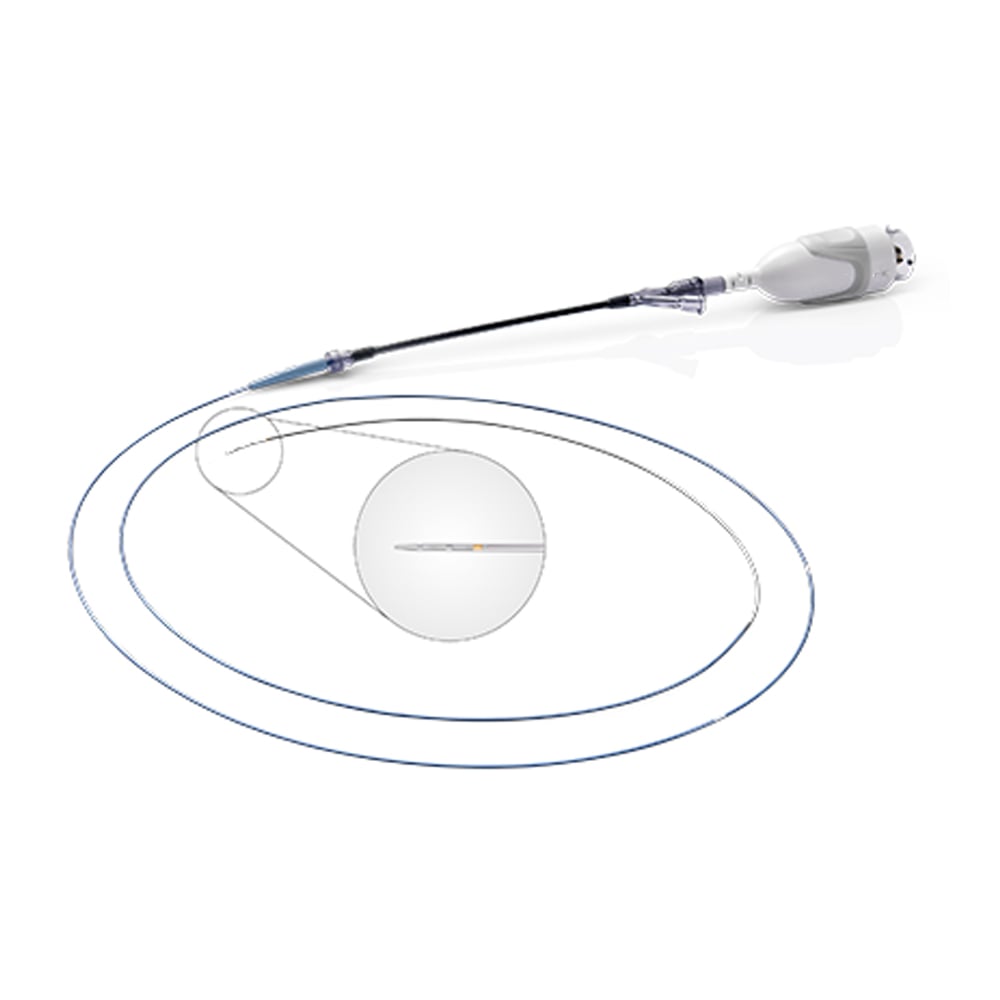
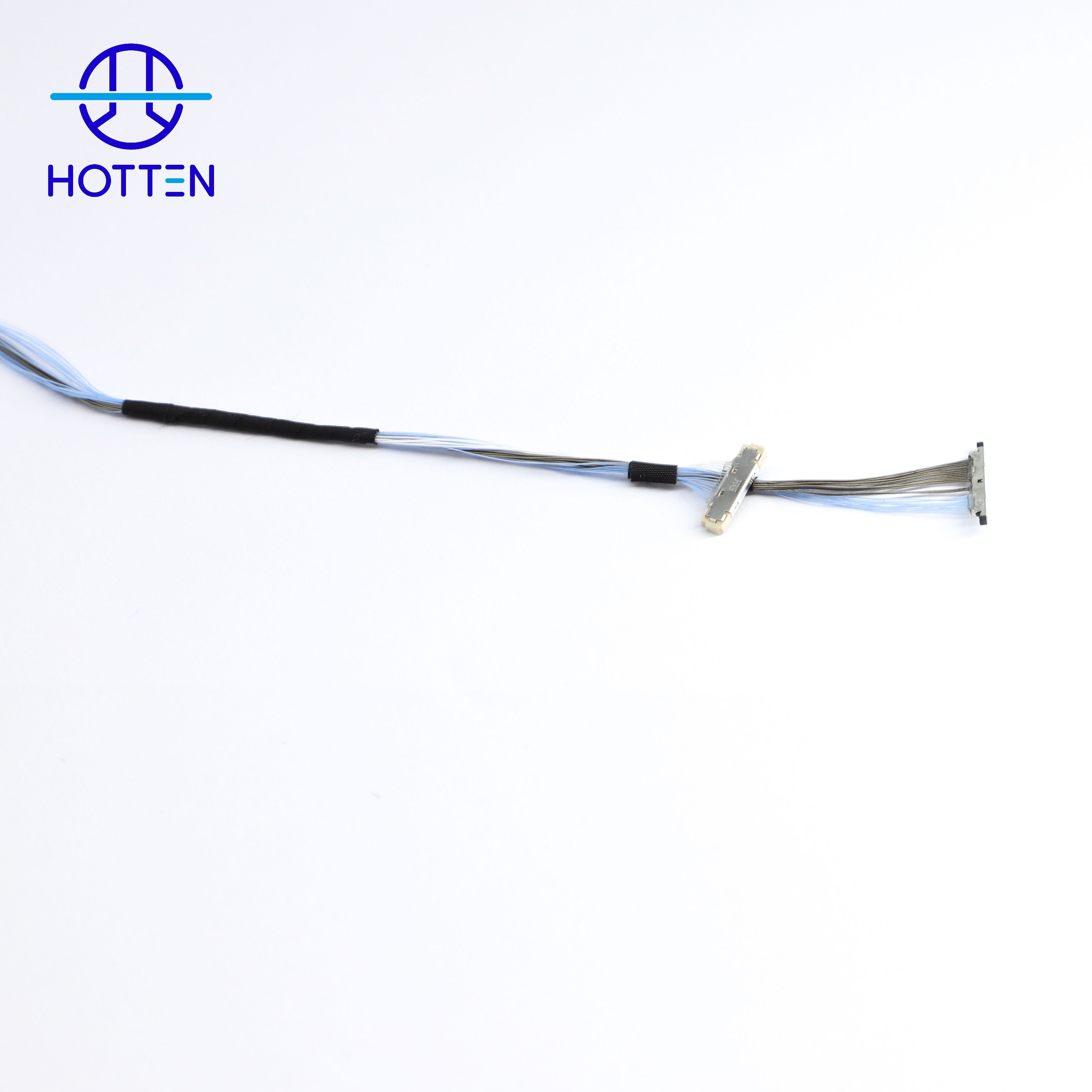
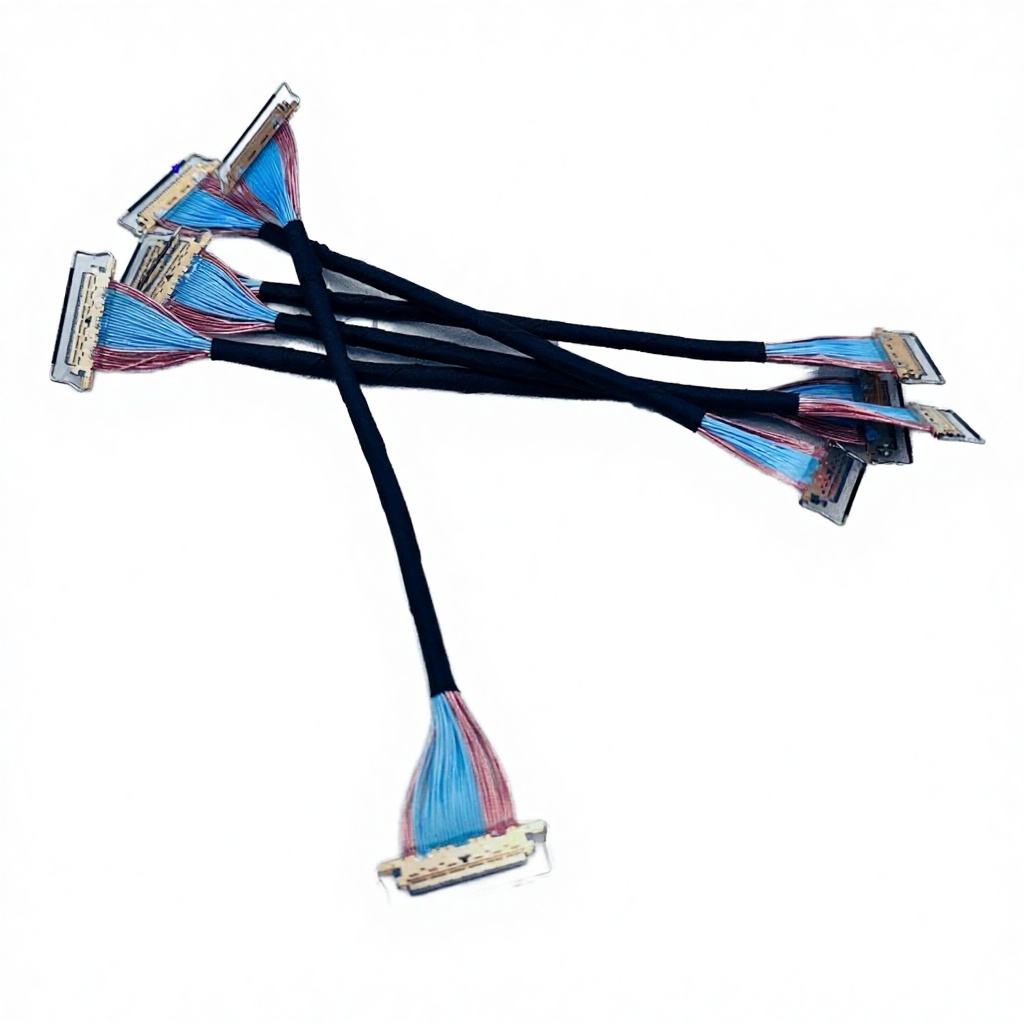
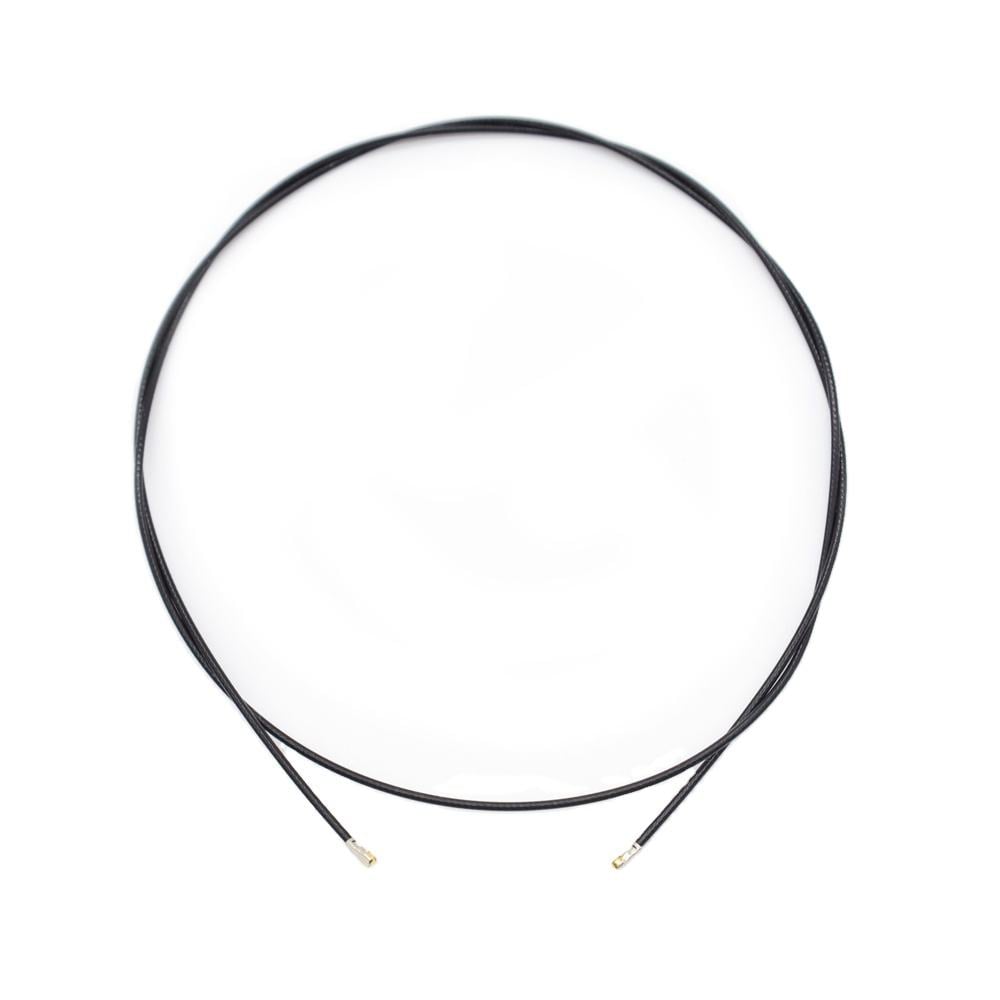
One of the most important choices during medical device development is to choose the right micro coax cable assembly. The interconnect solution does have a direct effect on the quality of imaging, maneuverability of the device, and patient safety, regardless of whether it is an Ultrasound Probe Cable, an Endoscope Cable, an IVUS Catheter, or a Surgical Scalpel Cable. There are millions of medical device engineers that have worked with us at Hotten to guide them through the difficult specification process. The following is a feasible set of guidelines to the specification of micro coax cables, which fulfill the technical specification and regulatory standards.
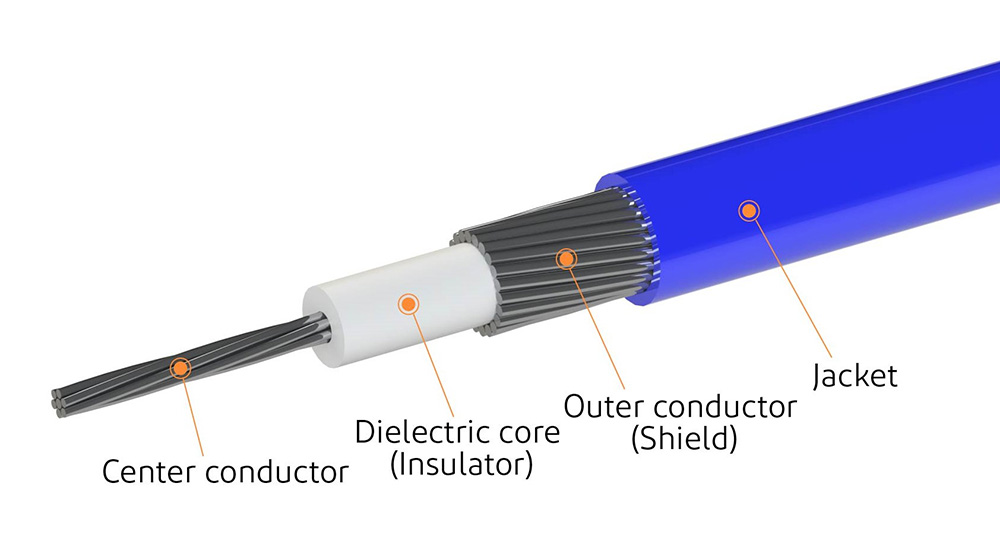
Define Electrical Performance Requirements
Specification begins by knowing what you want to do with your application. Signal integrity is of the utmost importance in the case of high-speed imaging such as ICE Cables and Ultrasound Probe Cables. Begin by determining:
Impedance Requirements: 50Ω or 75Ω characteristic impedance is common to most medical imaging systems. Indicate the tolerance (±3-5Ω is typical) in order to have a consistent operation.
Bandwidth and attenuation: Increased frequencies demand increasing conductor diameters or special dielectrics. In the case of RF Ablation Cables operating at several MHz, attenuation directly impacts procedural success.
Capacitance and signal rise times: These two parameters influence timing accuracy measurements of devices such as EEG Lead Wires and Dental Sensing Cables.
Sharing these specifications with your cable partner ensures the core design will enable the device to perform its diagnostic or therapeutic function effectively from the start.
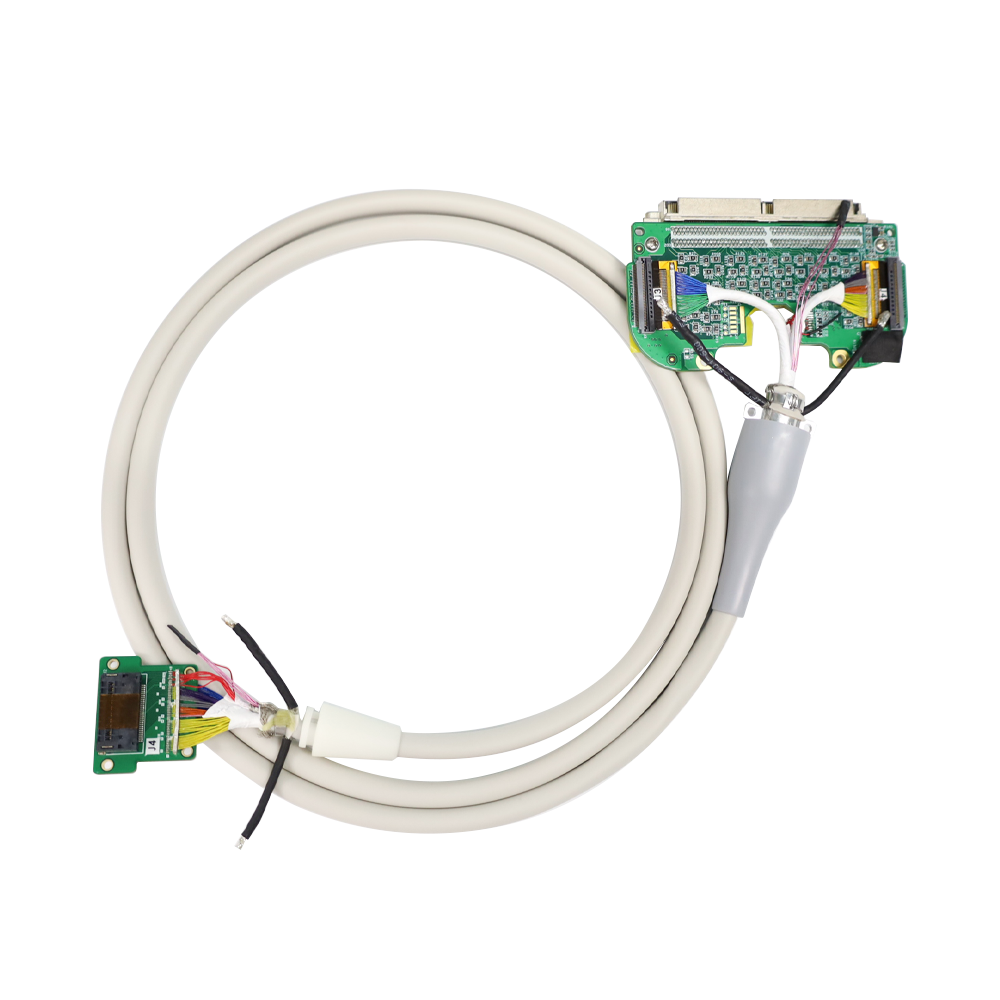
Determine Mechanical and Dimensional Constraints
Medical devices especially the minimally invasive devices work in very narrow spaces. The size of your micro coax assembly, physically speaking, is often the determining factor of what can be done clinically. When specifying:
Overall diameter: In the case of Endoscope Cables and IVUS Catheters, each 0.1mm counts. Multiple imaging channels are possible in a 2-3mm working channel using ultra-fine coax as small as 30-46 AWG.
Flex life requirements: Flexible devices are required in beating heart or joint movement. State the amount of flex cycles to be expected and the radius of rounding-tight radii need special constructions of strands.
Tensile strength and crush resistance: Surgical Scalpel Cables and Robotics Wire Harnesses can face considerable pull forces during surgery. It would be good to introduce strength members such as Kevlar or stainless steel braids in the assembly.
Be honest on what you want out of your mechanical requirements; specify too much or you will have to pay more but specify too little and your machine will serve out its purpose too soon.
Specify Biocompatibility and Sterilization Compatibility
This is the highest requirement of any medical device cable. The contact with patients requires materials that are already tested and able to withstand the repeated sterilization. Specify in your specification document:
Reference ISO 10993 standards explicitly: Have all patient-contacting materials described, including the necessary biological evaluation tests (cytotoxicity, sensitization, intracutaneous reactivity).
Define sterilization methods: Will you use autoclave (steam), ETO gas, gamma radiation or E-beam sterilization? These methods have various material demands. In the case of reusable Ultrasound Probe Cables, the material should be able to endure 100 or more autoclave cycles without wearing out.
Require material documentation:Require your supplier provide full material declarations, biocompatibility certificates and reports of sterilization validation.
These specifications to Hotten are not paperwork but the foundation of patient safety in each RF Ablation Cable and Dental Sensing Cable that we make.
| Requirement | Key Parameters to Define |
|---|---|
| Electrical Performance | Impedance, bandwidth, attenuation, capacitance |
| Cable Size | Outer diameter, conductor AWG, bend radius |
| Mechanical Requirements | Flex cycles, tensile strength, crush resistance |
| Shielding | EMI protection, signal integrity requirements |
| Materials | Jacket material, dielectric, biocompatibility |
| Sterilization | Autoclave, EtO, Gamma, E-beam compatibility |
| Assembly | Connector type, strain relief, overmolding |
Engineers should define electrical requirements, mechanical constraints, environmental conditions, sterilization requirements and connector specifications before selecting a cable assembly.
50Ω and 75Ω impedance are commonly used depending on the medical imaging or signal transmission application.
Medical devices such as ultrasound probes and endoscopes require repeated bending and movement. Flexible cable designs help maintain signal performance and extend service life.
Yes. Manufacturers can customize conductor size, shielding structure, jacket materials, connectors and assembly configurations according to device requirements.
Reusable medical cables may need compatibility with sterilization methods such as autoclave steam, EtO gas, gamma radiation or electron beam treatment.
Evaluate Environmental and Application-Specific Factors
In addition to the fundamental electrical and mechanical characteristics, think of the special conditions in which your device will be used:
Chemical exposure: Does the cable touch cleaning agents, body fluids or surgical lubricants? Indicate chemical resistance needs, especially of Surgical Scalpel Cables and Endoscope Cables which are subject to harsh disinfectants.
Temperature range: Autoclave sterilization requires materials to work at 135°C+ and cryoablation may need very low temperatures.
Connector integration: Select the options of either pre-terminated connectors, overmolded strain reliefs or custom backshells. The connector-cable interface is usually the weakest part--design it well.
Last, but definitely not least, collaborate with a manufacturer that has knowledge on medical uses. At Hotten, our collaboration with your engineering team is to implement the needs of the clinical into manufacturable, reliable cable assemblies. With clear and full specifications, you can be sure your medical device will be introduced to the market with an interconnect solution that will provide uncompromising performance, safety and life.
 Hot News
2026-09-17
2026-09-04
2025-12-17
2025-12-11
2025-12-05