 EN
EN
Quick Links

High-resolution imaging systems require more than advanced sensors and processors.
The cable assembly connecting imaging modules must maintain stable signal transmission, low interference and mechanical reliability within extremely limited spaces.
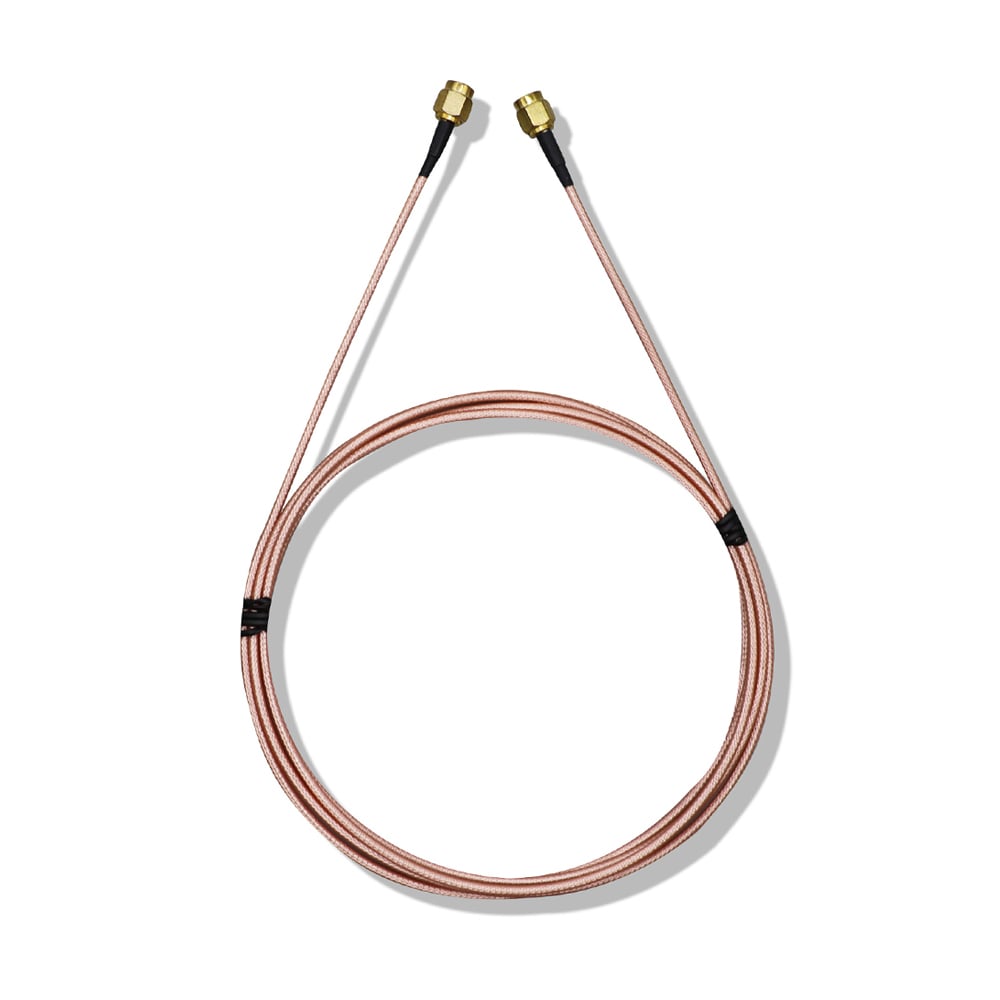
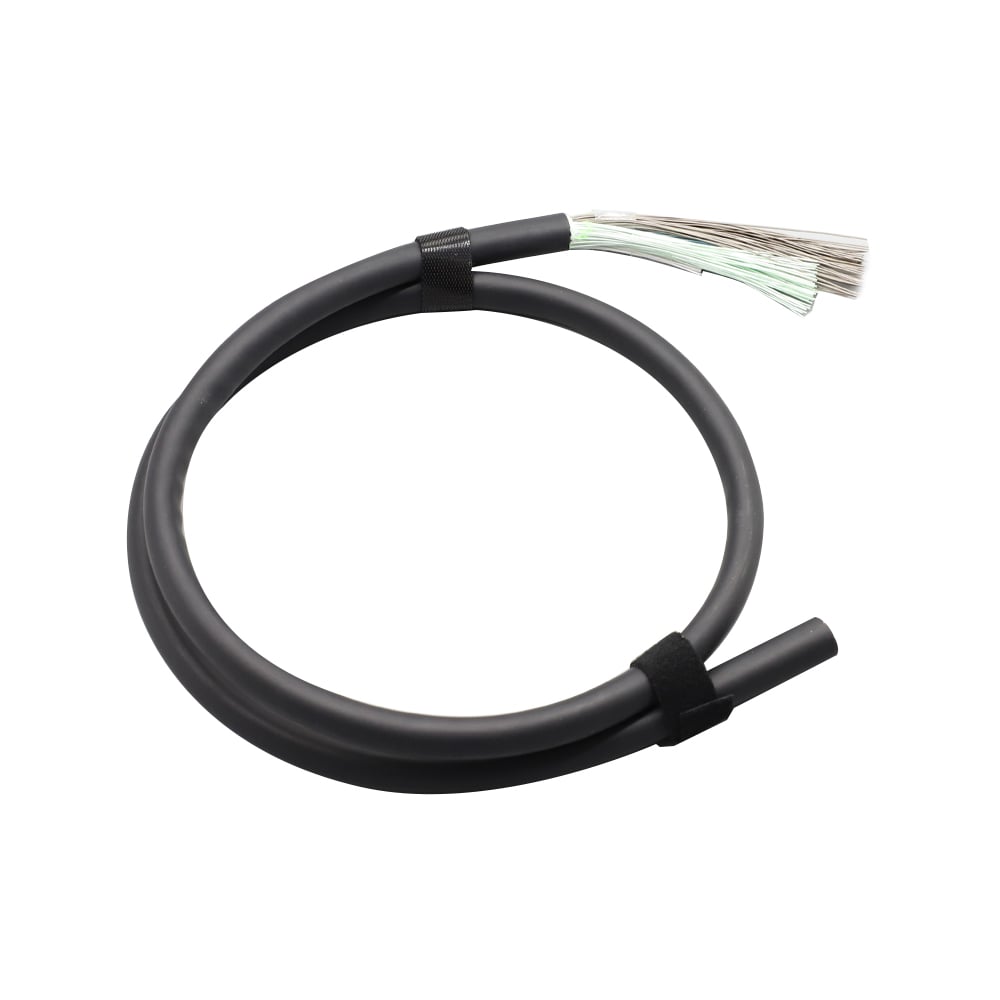
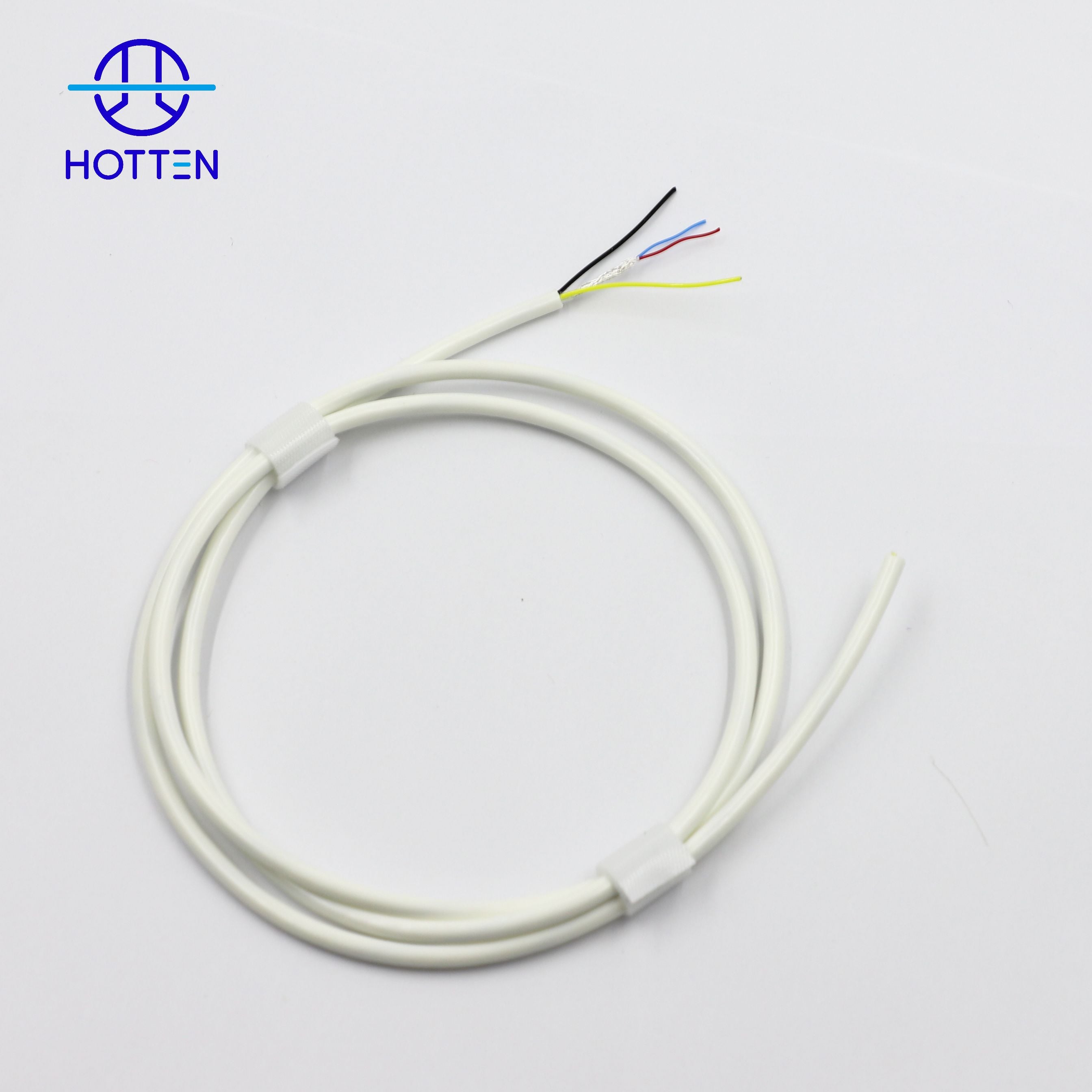
Micro coaxial cables have become a critical interconnect solution for medical imaging devices, industrial cameras and precision electronic systems.
The Technical Foundation: Why Micro Coaxial Cable is the Ideal Choice for High-Resolution Imaging
Peek beneath the surface, and you’ll find a cleverly layered teammate built for precision.
Structure and Design
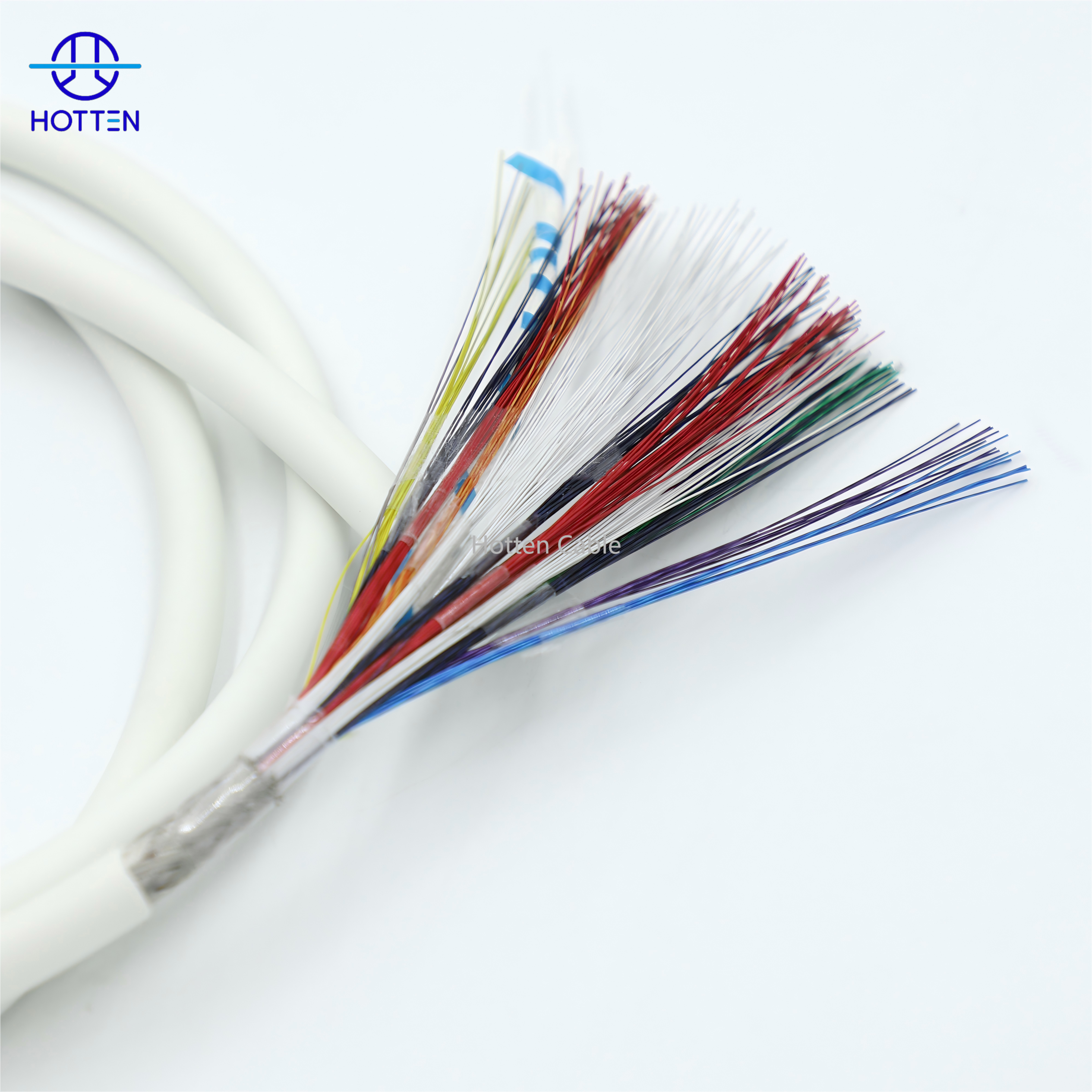
Think of a micro coaxial cable as a well-drilled squad:
And despite packing all this grit, it slips neatly into today’s slimmest devices without breaking a sweat.
Micro Coaxial Cable vs Traditional Cable for Imaging Applications
| Feature | Micro Coaxial Cable | Traditional Cable |
|---|---|---|
| Diameter | Ultra-small | Larger |
| Signal Integrity | Excellent high-frequency performance | Higher signal loss |
| EMI Protection | Individual shielding | Limited protection |
| Flexibility | High bending capability | Lower |
| Application | Medical imaging, cameras, robotics | General electronics |
Why It Shines
Core Applications: Micro Coaxial Cable in Action
1. Medical Endoscopy and Catheter Imaging Systems
In surgery, clarity saves lives. Here, micro coaxial cables link the camera tip to the display, delivering real-time HD visuals surgeons depend on. They stay slim for easy navigation, preserve true-to-life detail, and laugh off repeated sterilization. Hotten Electronic Wire Technology (Jiangsu) Co., Ltd. provides customized micro coaxial cable assemblies for medical imaging applications.
2. Industrial Vision Inspection and Machine Vision
On the production line, these cables connect high-speed cameras to processors, powering tasks like spotting microscopic flaws or measuring parts mid-motion. Their shielding cuts through electrical chaos, so inspections stay pinpoint accurate—even amid humming machinery.
3. Scientific Imaging and High-End Surveillance
From lab microscopes to observatory cameras, micro coaxial cables ferry raw, uncompressed data without compromise. Whether capturing cellular details or monitoring critical sites, they ensure what you see is exactly what’s there. These cable solutions are widely used in demanding imaging environments.
Micro coaxial cables are used for high-frequency signal transmission in medical imaging devices, cameras, robotics and compact electronic systems.
Because they provide stable impedance, EMI shielding, low attenuation and compact dimensions.
Yes. Properly designed micro coaxial assemblies can support high-speed video and imaging transmission requirements.
Medical equipment, industrial cameras, UAV systems, robotics and consumer electronics.
Picking Your Perfect Cable: A Quick Reality Check
Ask yourself:
Real-World Hurdles? We’ve Got Answers
All cable assemblies for medical applications are manufactured according to customer specifications and applicable regulatory requirements. Final device compliance remains the responsibility of the medical device manufacturer.
What’s Next?
Imaging’s racing toward 8K, 3D, and lightning-fast frame rates. Cables will keep slimming down while boosting bandwidth and resilience. Smarter materials—next-gen shielding, advanced dielectrics—will keep signals cleaner than ever. The quiet evolution continues.
Wrapping It Up
Don’t let its size fool you: the micro coaxial cable is the steady backbone of high-res imaging everywhere. Out of sight, never out of mind—it delivers speed, clarity, and confidence when it counts.
At Hotten Electronic Wire Technology (Jiangsu) Co., Ltd., we pour that same care into every custom micro coaxial cable we build—for endoscopes that glide, vision systems that catch every flaw, and labs chasing discovery. Reliability. Flexibility. Performance. That’s the promise.
Got a project in mind? Please contact our engineering team for technical evaluation and customization support.
Curious? Explore our ultra-thin, high-flex cables or dive into our white papers on keeping signals pristine where it matters most.
 Hot News
2026-09-17
2026-09-04
2025-12-17
2025-12-11
2025-12-05