 EN
EN
Quick Links

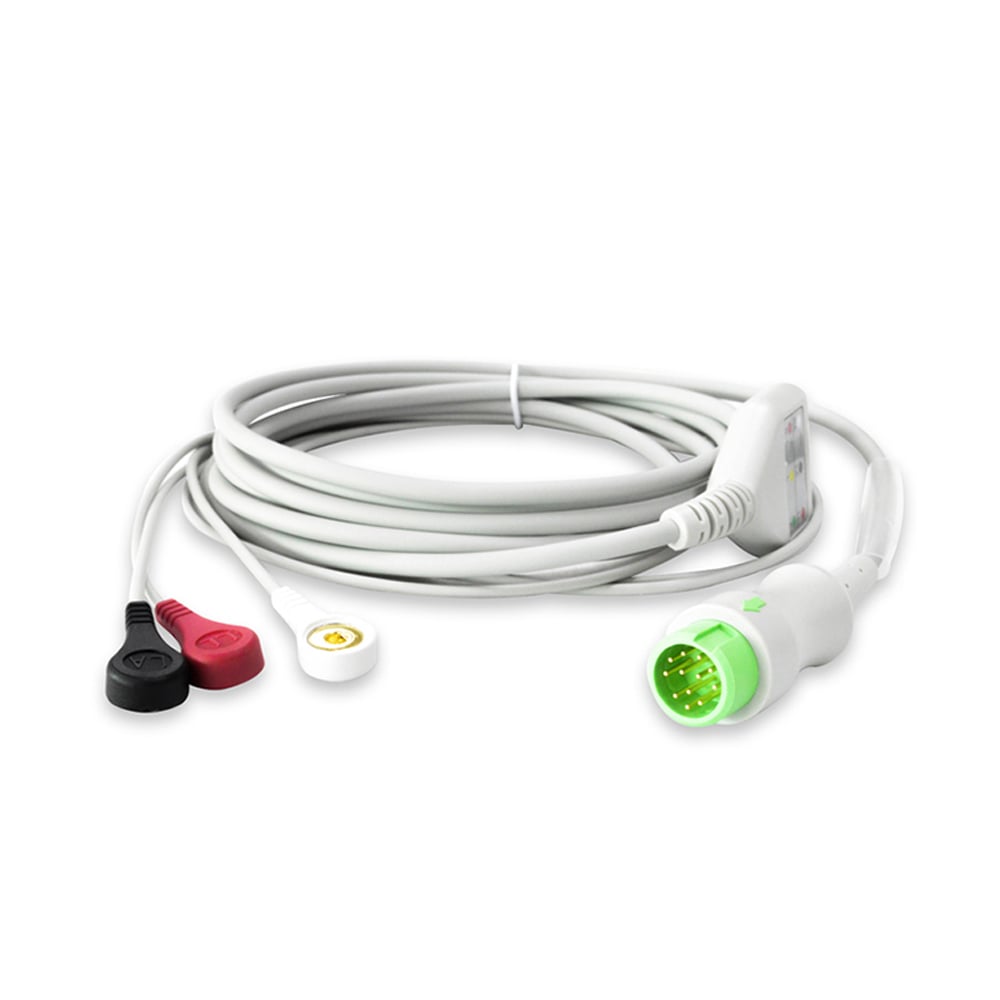
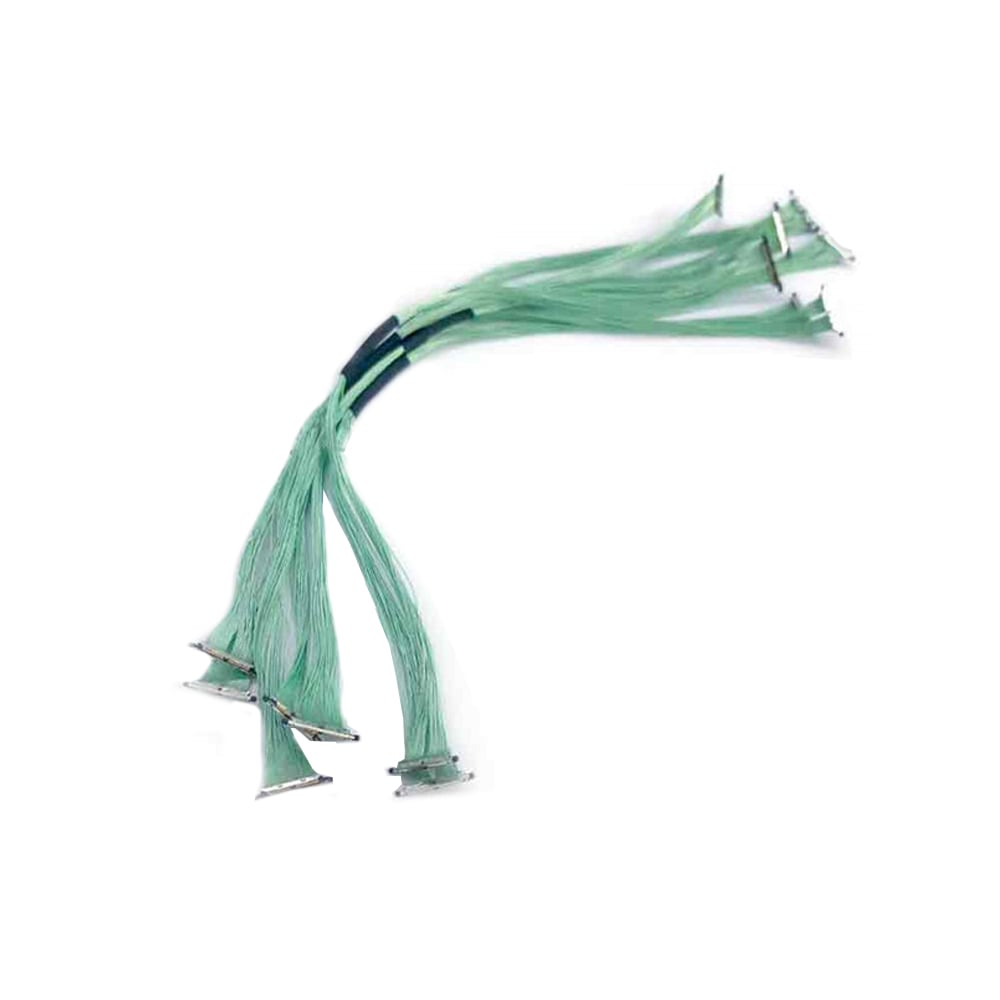
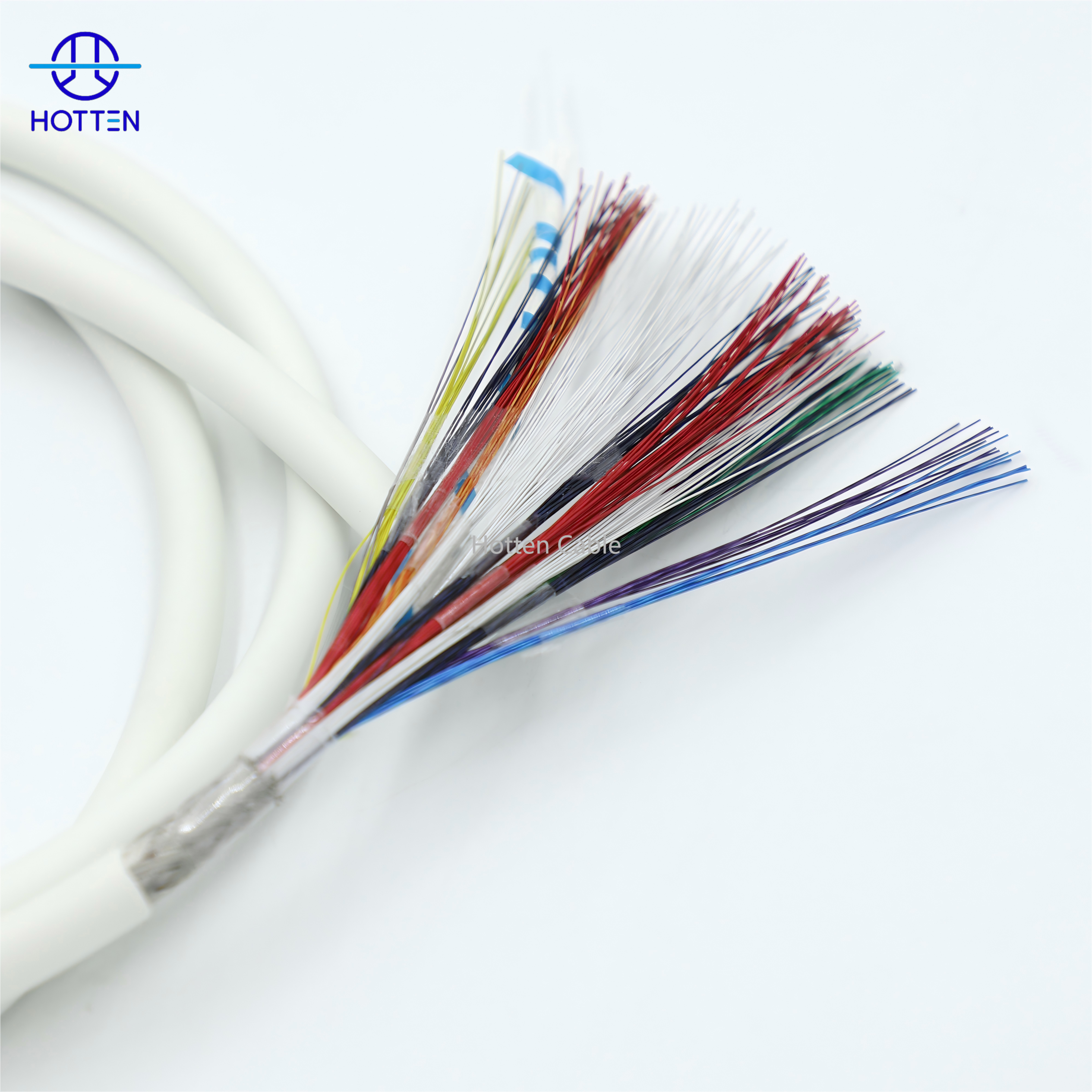
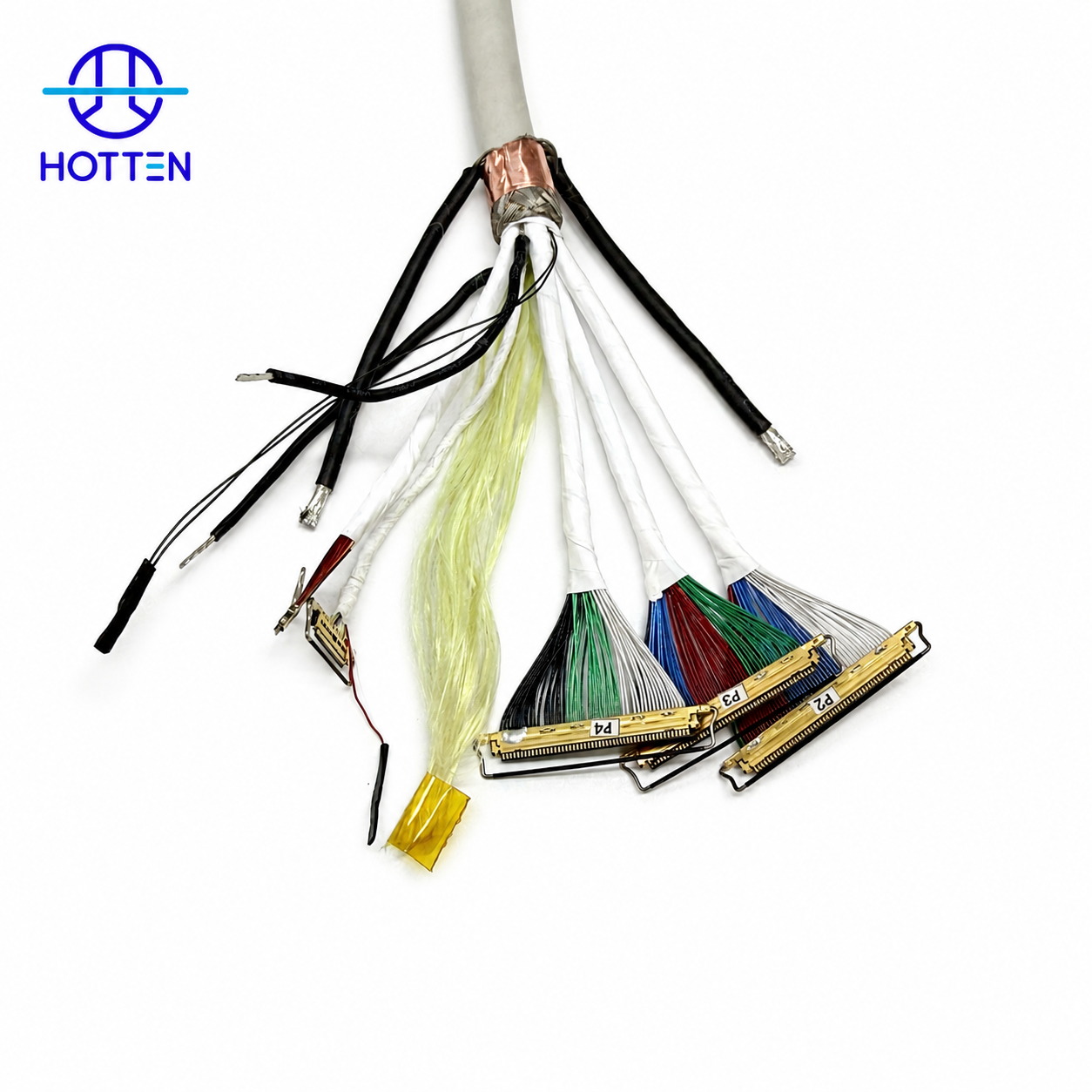
In the rapidly establishing areas of clinical gadgets, drones, robotics, in addition to customer electronics, the need for high-performance, miniaturized interconnect solutions is more than ever. At Hotten Electronic Wire Technology, our group concentrate on precision-engineered cable assemblies such as Ultrasound Probe Cables, Endoscope Cables, Robotics Wire Harnesses, in addition to Drone Wire Harnesses. Each application subjects these micro-coaxial cables to significant mechanical stress, including repeated bending, torsion, in addition to tensile loads. Guaranteeing long-term mechanical reliability is not an afterthought, it is an important need considered from the initial design stage. This blog discusses four essential design techniques to accomplish durable as well as dependable mini coax cable assemblies.
Strategic Material Selection for Core Components
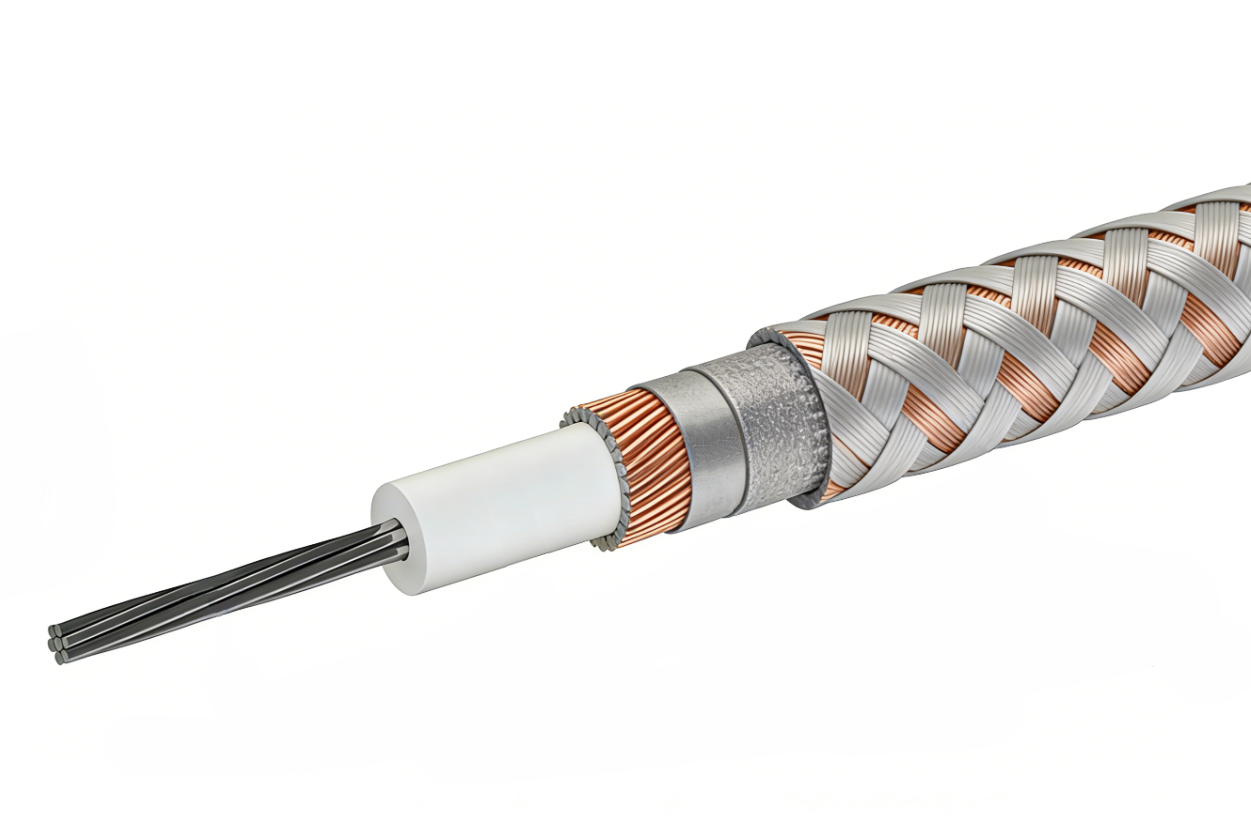
The structure of mechanical reliability depends upon the products selected for the cable's core aspects. For the main conductor, a blend of high-strength copper alloy and even silver-plated copper-clad steel provides acceptable conductivity while enhancing tensile strength. The dielectric material should balance signal stability together with versatility, foamed and even low-density polyethylene is often played favorites. For essential, high-bend applications such as Robotic Wire Harnesses and even Gimbal Camera Cables, the outside coat product is critical. Our group use advanced thermoplastic elastomers (TPE), polyurethane (PUR), and even specialized PVC blends that deal remarkable abrasion protection, ecological durability, in addition to greater cyclic bend life without damaging. The guard braid, typically comprised of high-density tin-plated and even silver-plated copper, should be crafted to protect protection in addition to structural stability under continuous motion.
Optimized Mechanical Strain Relief Design
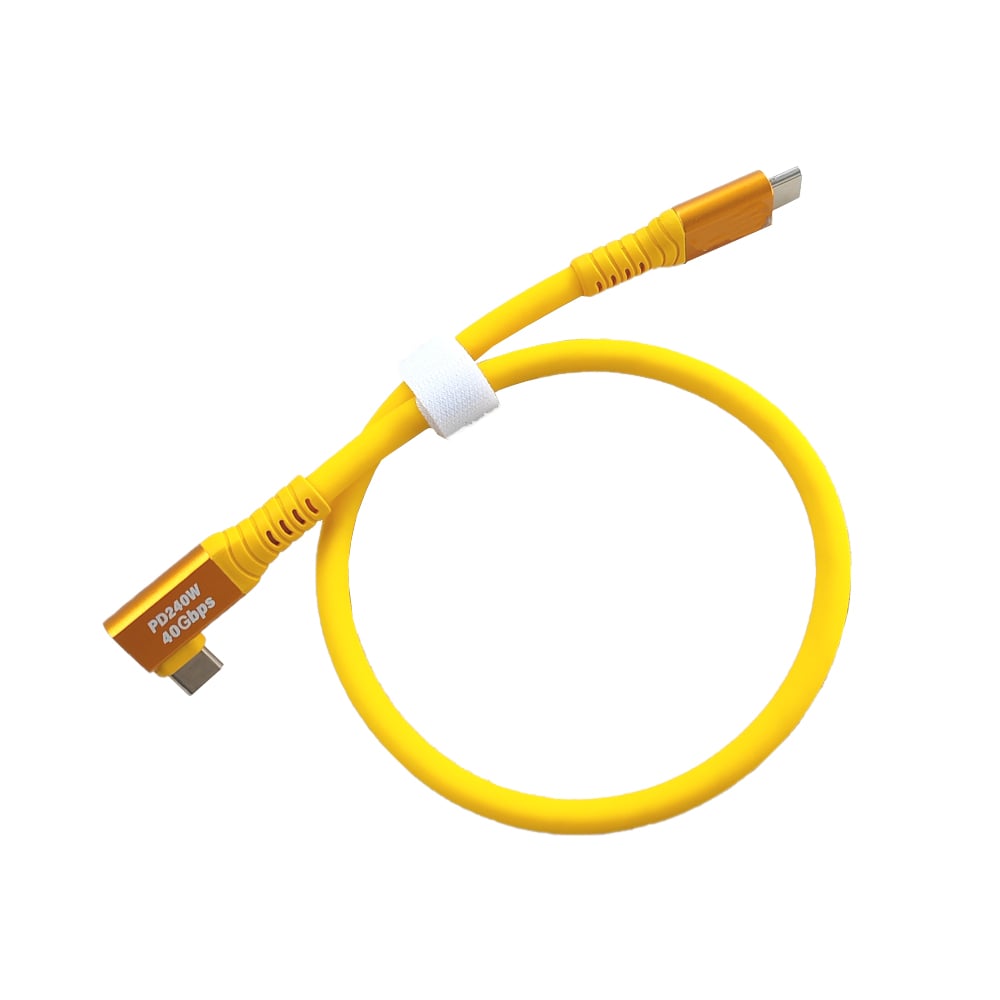
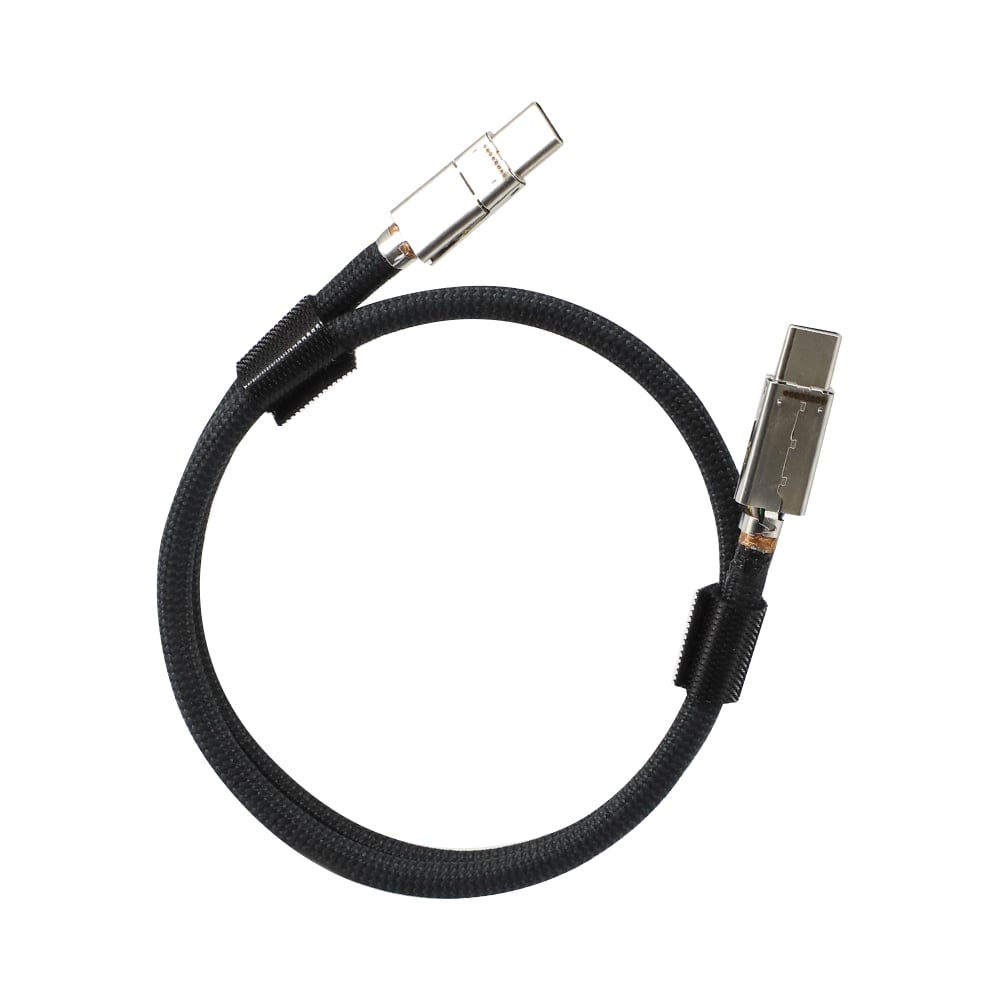
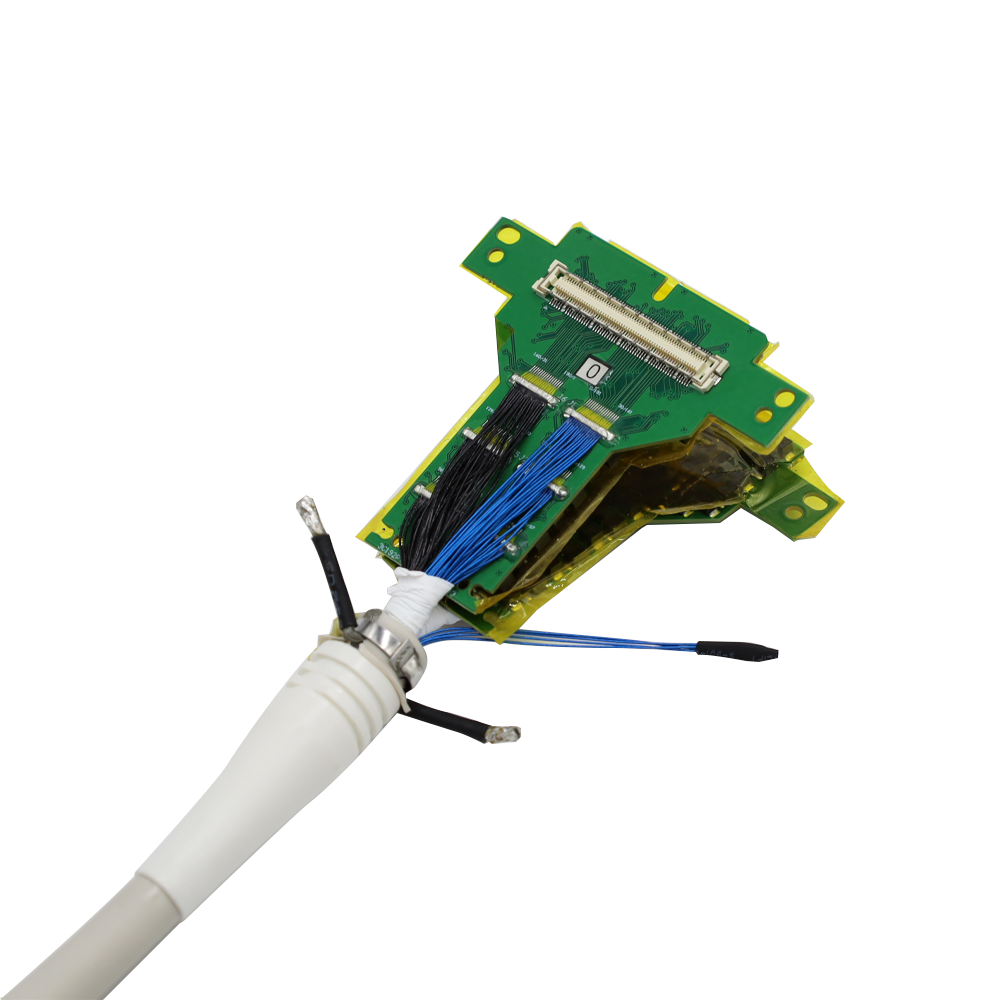
A main factor of failure in any type of cable assembly is the transition between the bendable cable in addition to the stiff connector. An effective, custom-engineered strain relief is necessary to dissipate mechanical stress in addition to prevent conductor problems. For our LVDS in addition to USB4 Wire Harnesses, our group design multi-stage stress reliefs using overmolding techniques. This consists of molding a bendable product directly right into the cable-connector joint, creating a smooth, completed change that overviews bending stress much coming from the delicate solder joints. The geometry, durometer (hardness), in addition to dimension of the stress relief, are completely identified based on the application's bend radius, pull radius, as well as twist demands, guaranteeing resilience in among the absolute most needing atmospheres.
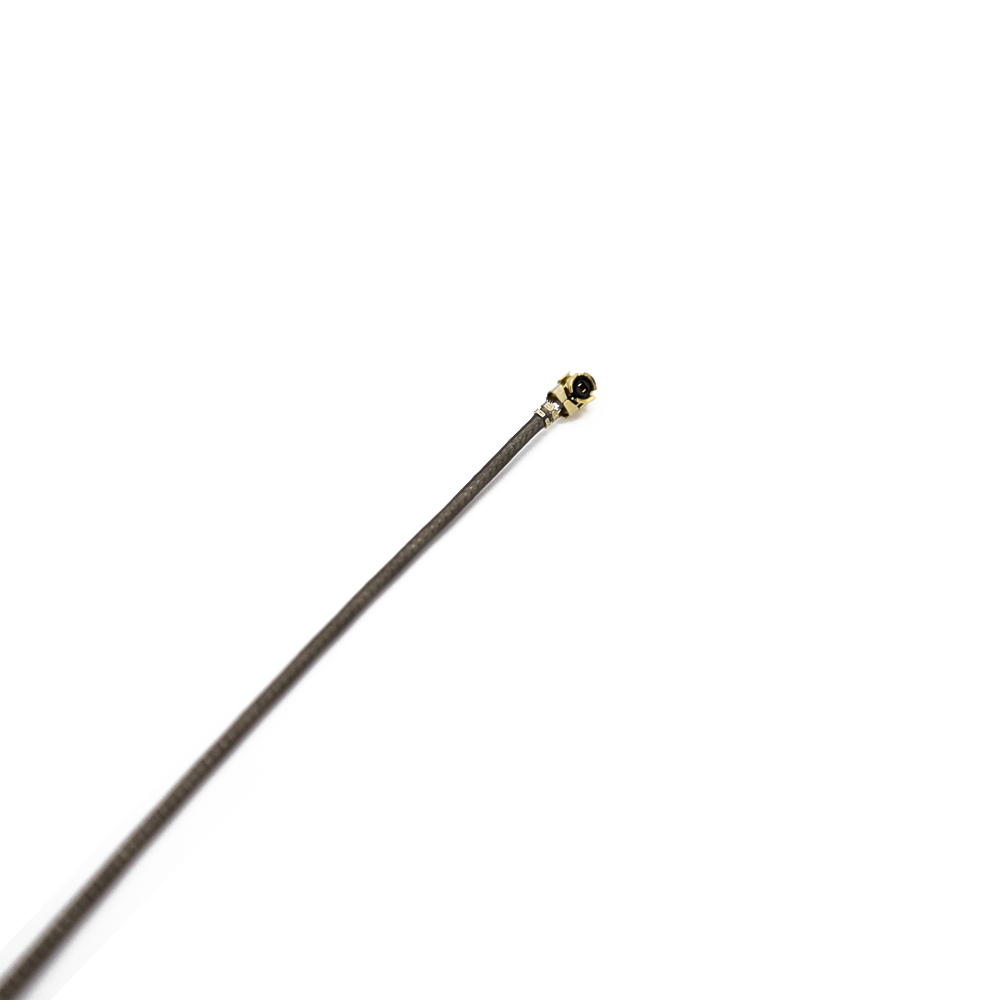
| Requirement | Purpose | Typical Considerations |
|---|---|---|
| Biocompatibility | Ensure safe contact with patients or medical environments | Material selection, ISO 10993 compliance |
| Sterilization Resistance | Maintain performance after repeated sterilization cycles | Heat resistance, chemical resistance |
| Signal Integrity | Preserve accurate medical imaging signals | Low attenuation, controlled impedance |
| Mechanical Durability | Support repeated bending and movement | Flex life, bending radius |
| Cleanability | Prevent contamination risks | Surface materials and jacket design |
Precision in Connector Interface and failure
The reliability of the signal program is equally as strong as its own very personal weakest link, the termination. Precision in the crimping, soldering, and even welding of micro-coaxial conductors to connectors is non-negotiable. Our group utilize automated, high-precision termination devices to ensure continuous in addition to repeatable links for products such as RF Cables in addition to ICE Cables. For ultra-fine cables utilized in Clinical Sensing and even AR/VR applications, laser welding provides a neat, strong, in addition to dependable bond without severe warm impacting fragile aspects. Likewise, selecting connectors together with secure locking instruments (such as screw-on, push-pull, and even bayonet styles) prevents unintended disturbance due to vibration or cable strain, a common problem in Drone in addition to Surgical Scalpel Cable applications.
Rigorous Application-Specific Testing and Validation
The final, essential suggestion is acknowledgment along with extensive, application-specific testing. Prototype assemblies should undergo testing that imitates real-world issues a lot surpassing requirement specifications. This consists of:
Flex Life Testing: Modeling the continuous motion found in Robotic and even Gimbal assemblies.
Torsion and Twist Testing: Essential for Endoscope Cables in addition to IVUS Cables utilized in minimally undesirable medical treatment.
Pull and Crush Testing: Protecting durability for cables that may be pinched and even attracted in limited setups.
Environmental Testing: Subjecting assemblies to liquids, temperature level extremes, in addition to sterilization processes (as applicable) suitable for clinical gadgets such as Ultrasound Probe Cables in addition to RF Ablation Cables.
With integrating these four columns, product scientific research, stress relief design, precision termination, in addition to comprehensive screening, right into every design, our group ensure that our micro-coaxial cable assemblies offer not simply amazing electrical effectiveness but also the mechanical reliability needed with our clients' mission-critical applications. At Hotten, reliability is crafted in originating from the very initial sketch.
A: Medical coaxial cables require high signal integrity, reliable mechanical performance, biocompatible materials and resistance to sterilization processes.
A: Biocompatible materials help reduce safety risks when cables are used in medical devices that may contact patients or operate in sensitive environments.
A: Yes. Medical grade ultra fine coaxial cables can be designed with materials and structures that withstand specific sterilization methods, including chemical, thermal or repeated cleaning processes.
A: Common jacket materials include silicone, TPU, PFA and other medical-grade polymers selected according to flexibility, durability and sterilization requirements.
A: Yes. OEM medical cable assemblies can be customized for diameter, shielding structure, connector design, flexibility and application-specific requirements.
 Hot News
2026-09-17
2026-09-04
2025-12-17
2025-12-11
2025-12-05