 EN
EN
Quick Links

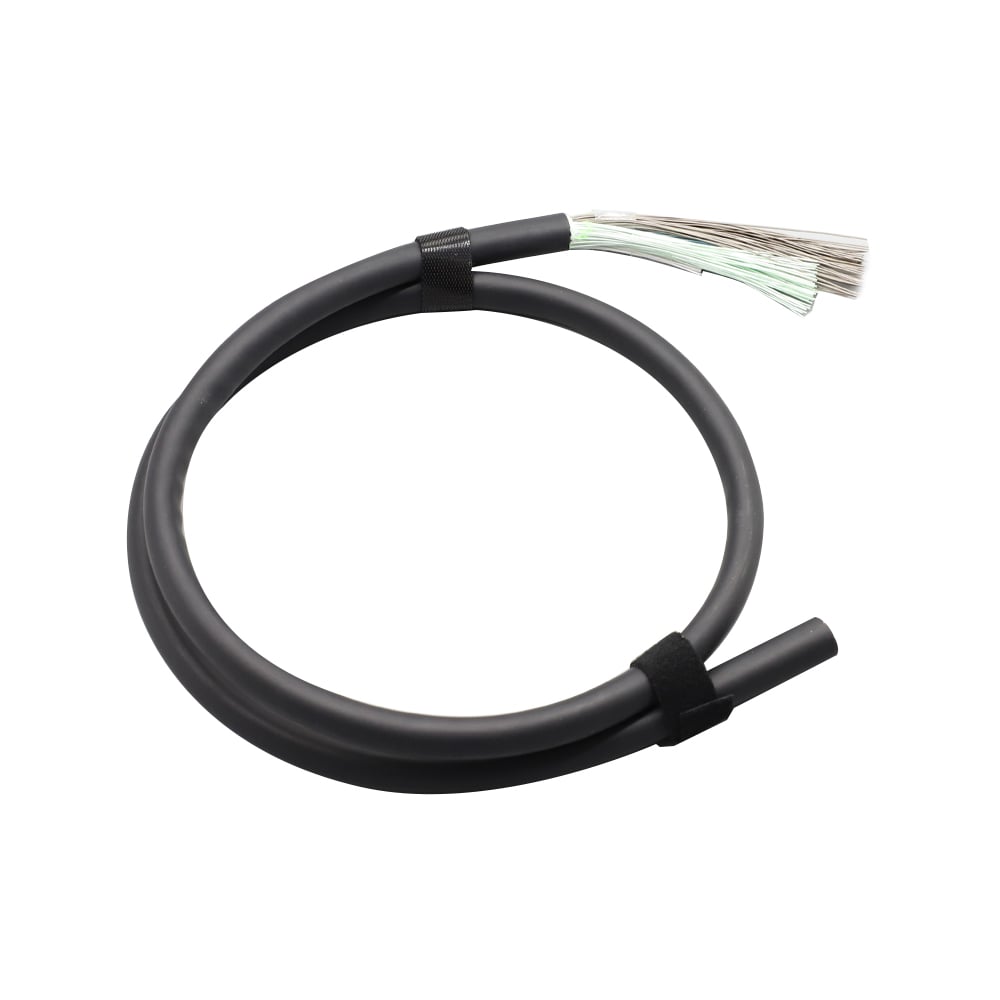
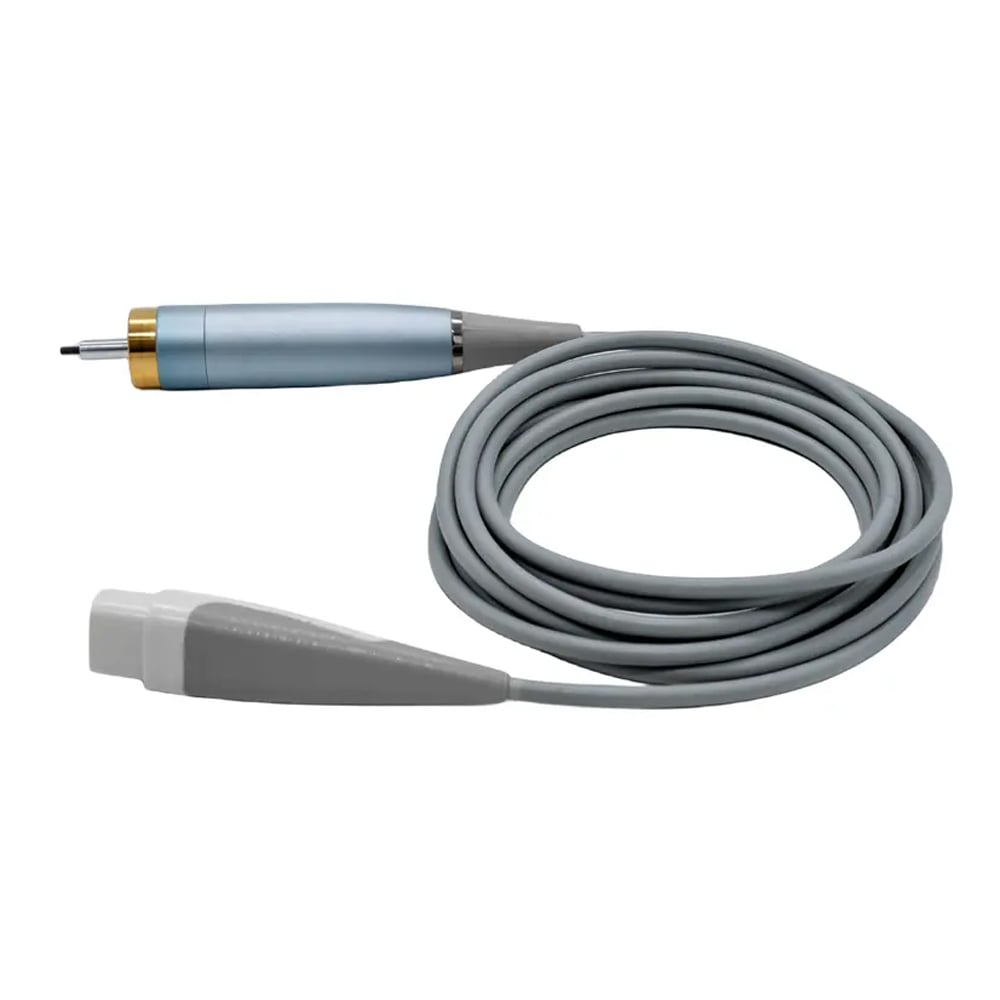
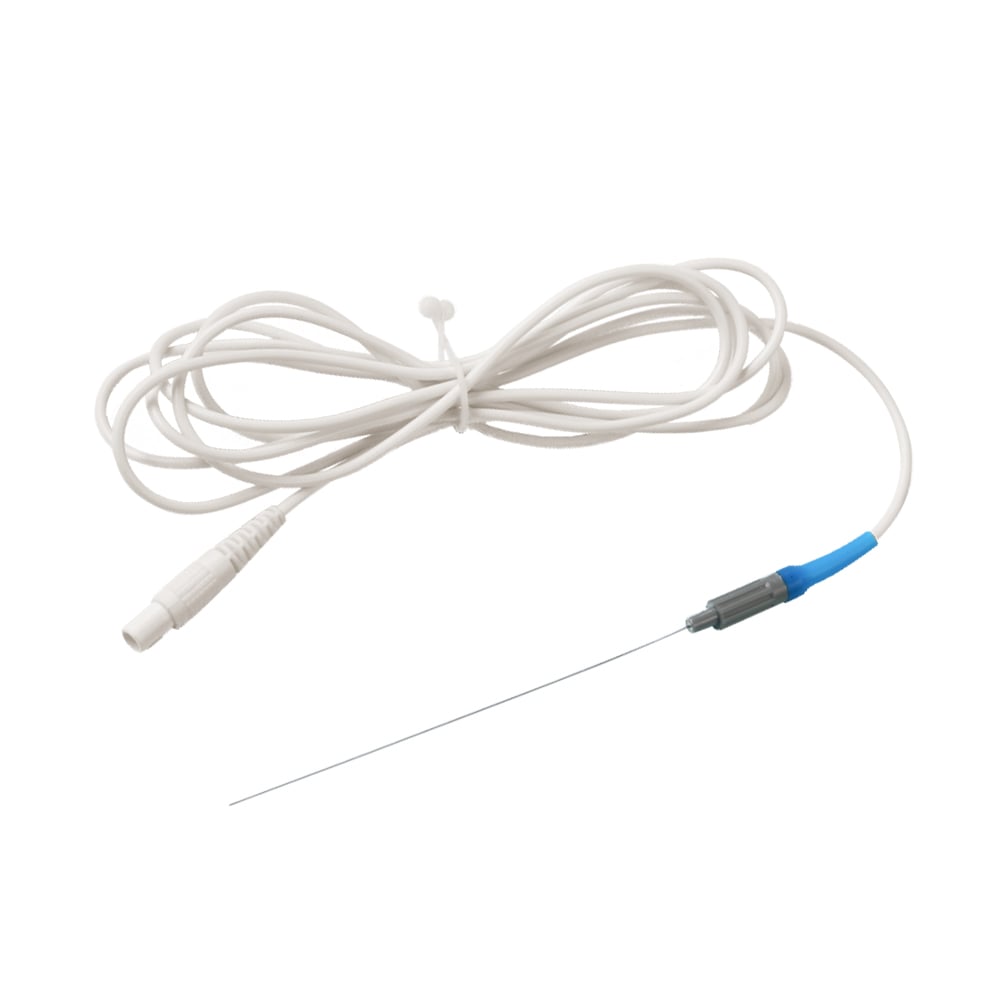
Medical technology is evolving at an unprecedented rate, with diagnostic and therapeutic systems relying on highly specialized components that most patients never see but that are indispensable for operation. These are medical cables. As medical devices become more complex, requiring higher accuracy, smaller size, and stricter safety standards than previously, general-purpose off-the-shelf cables will often prove insufficient. For these next-generation medical devices custom medical cables have become a standard industry requirement. With an R&D department that produces more than 300 new cable designs annually and a advanced manufacturing facility that prioritizes quality above all else, Hotten partners with medical device manufacturers and produces custom medical cables for applications from ultrasound probes and endoscopes to ICE catheters and surgical scalpels.
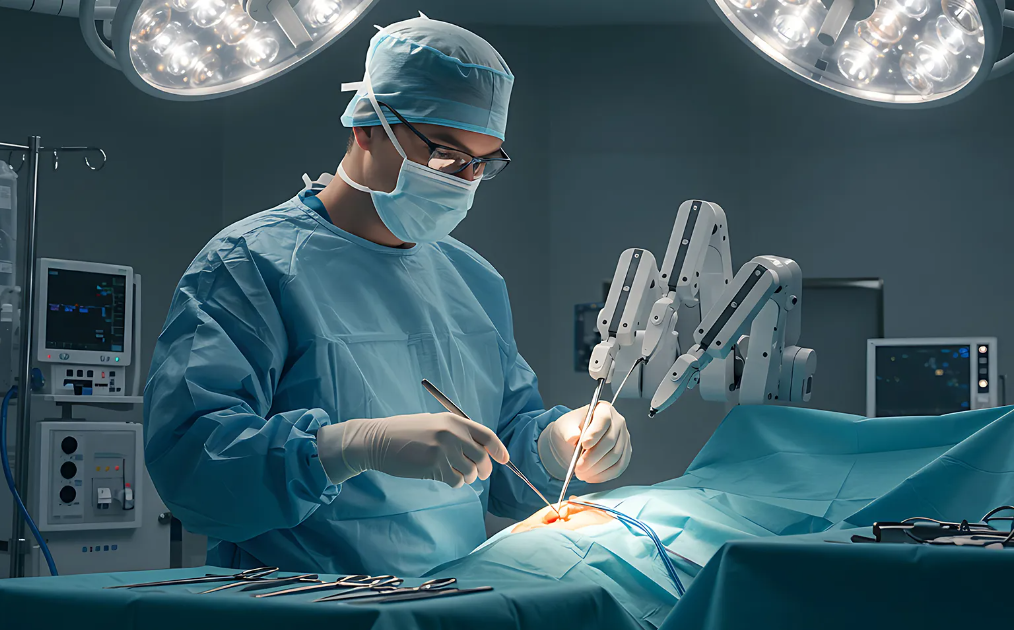
Patient safety, above all other considerations, dictates the need for custom medical cables. Patient contact with a medical device, whether direct or indirect, will require materials that are both biocompatible, sterilization-safe, and non-toxic, a specification not found in typical cables.
Custom medical cables give device manufacturers the flexibility to select biocompatible materials meeting the ISO 10993 standard which are safe for both skin contact and implantation inside the human body. Also, cables designed for sterile environments(e.g., surgical scalpel cables and endoscope cables) must withstand repeated sterilization throughout the cable's lifetime whether by autoclaving, EtO, gamma radiation, or other methods. To endure such procedures, medical cables typically employ jacketing materials (Silicone, TPU, fluoropolymer) which will not degrade upon multiple sterilization cycles. These types of requirements are precisely what the cables Hotten develops satisfy.
Many of the new medical devices rely on high-frequency signal transmission to provide clear images of the body and accurate information for treatments. Ultrasound probes, ICE catheters, IVUS cables are all examples of this need for very high-frequency signals. Signal integrity must be maintained over the entirety of the cable run as inaccurate signal transmission can result in the wrong diagnosis and in ineffective or dangerous treatment, RF ablation cables require controlled energy delivery and EEG lead wires require capture of weak bioelectrical signals to display correct information.
Custom medical cables are designed in ways which provide reliable electrical performance to a given application, with specific impedance control and designed shielding that preserves the integrity of signal along the length of the cable. The design will ensure that the cable transmits electrical signals exactly as required for each application while minimizing signal degradation.
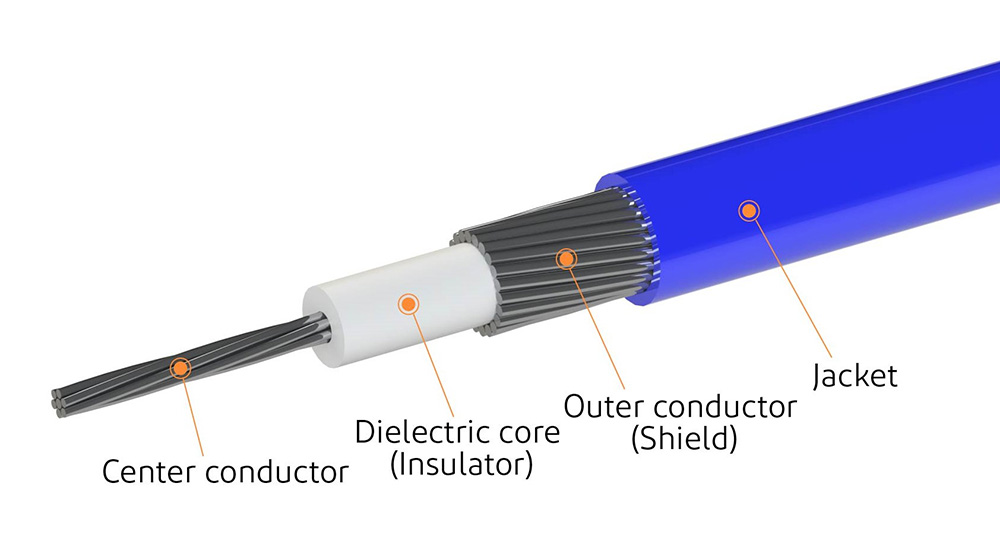
As minimally invasive treatments increase in popularity, the devices used are becoming more and more miniaturized, requiring increasingly compact, flexible medical cables. Catheters and endoscopes can require upwards of thirty electrical pathways and also irrigation/suction lumens while trying to achieve the smallest possible outer dimension.
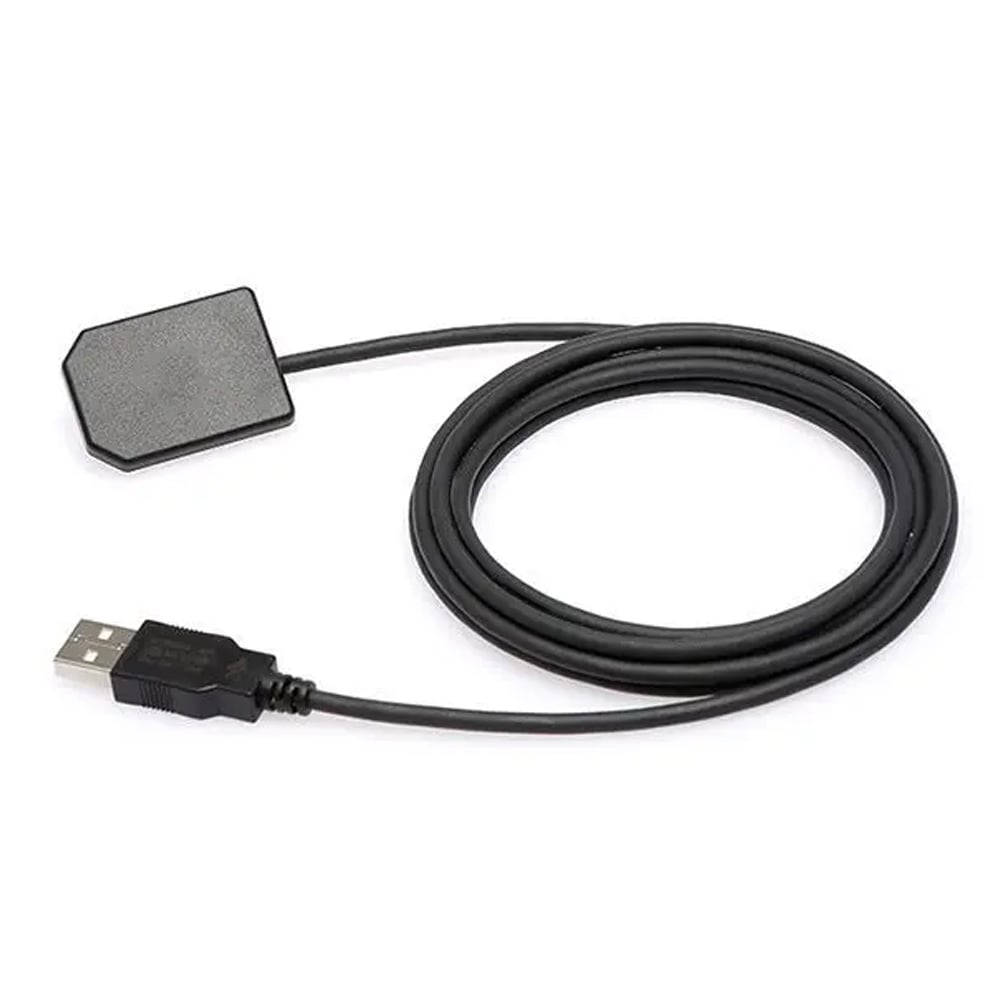
Custom medical cables, with their specialized ultra-fine conductors and unique outer profiles, give the manufacturer the ability to fit many more channels in a small, flexible package than a standard cable. With designs like Hotten’s ICE/IVUS cables, which can house many high-frequency channels in a small outer dimension, many of the newer, smaller devices will benefit greatly from a custom cable. Other medical devices which can use this technology would be endoscope cables, dental sensor cables, and surgical scalpel cables.
Standard, general purpose cables are not typically designed to be used, and reused many thousands of times through flexing, dragging, and repeated sterilization without failure. The failure of a cable within a medical device will result in the need to repair or replace the device, increasing medical costs and potential hazards, and reducing availability for the medical professional.
Custom cables will incorporate such features as a high flex-life, kink-resistant jacket, strain relief, and an abrasion-resistant jacket to cope with the extreme environment of a medical cable application, such as an ultrasound probe cable which may be flexed tens of thousands of times throughout its lifetime, or a surgical scalpel cable or RF ablation cable. This dramatically increases the lifespan of the cable and, consequently, the device it is integrated into, thereby lowering the total lifetime cost of the medical device. With 40+ units of cables making equipment and a team committed to quality, Hotten develops and manufactures robust and reliable cable for your demanding applications.
As more devices can achieve greater function it will be increasingly common to find a medical cable performing multiple duties at once (power, signal transmission, sensing etc.) when each is performed with its own discrete cable, the overall bulk, cost and unreliability of the medical device increases.
With a custom cable, the integration of many of these functions can be accomplished into a single cable assembly, allowing the manufacturer to use the necessary conductor types (coax for imaging, twisted pair for signal, etc) and create the required channels, reducing complexity, bulk, and increasing reliability. For example, a combination IVU cable may require many data channels with the addition of power and/or imaging components into the same jacket assembly. Such tasks can be achieved effectively with a specially manufactured cable made by a company such as Hotten which helps to create brand new, sleek looking, next-generation medical devices.
The indispensability of custom medical cables is evident with their ever increasing presence within most modern medical equipment today. Custom cables are the right choice for any task that off the shelf parts can't solve, enabling high signal integrity and patient safety, permitting small size devices as well as improving long-term durability and reliability. Using their vast technological knowledge, rapid research and development, customer orientated approach and attention to detail, Hotten can produce custom medical cables enabling such high tech medical devices across applications ranging from ultrasound imaging to electrophysiology and other areas to achieve life-saving and accurate diagnosis.
Medical devices often have unique requirements for size, flexibility, signal performance and environmental resistance. Standard cables may not meet these specific requirements, so OEM manufacturers use customized cable solutions to achieve reliable performance.
Custom medical cable assemblies can provide:
Important design factors include:
Yes. OEM medical device manufacturers often require customized cables because each device has different electrical, mechanical and regulatory requirements. Cable suppliers work with engineering teams to develop application-specific solutions.
Custom medical cables are widely used in:
A professional medical cable manufacturer supports OEM customers through:
 Hot News
2026-09-17
2026-09-04
2025-12-17
2025-12-11
2025-12-05