 EN
EN
Quick Links

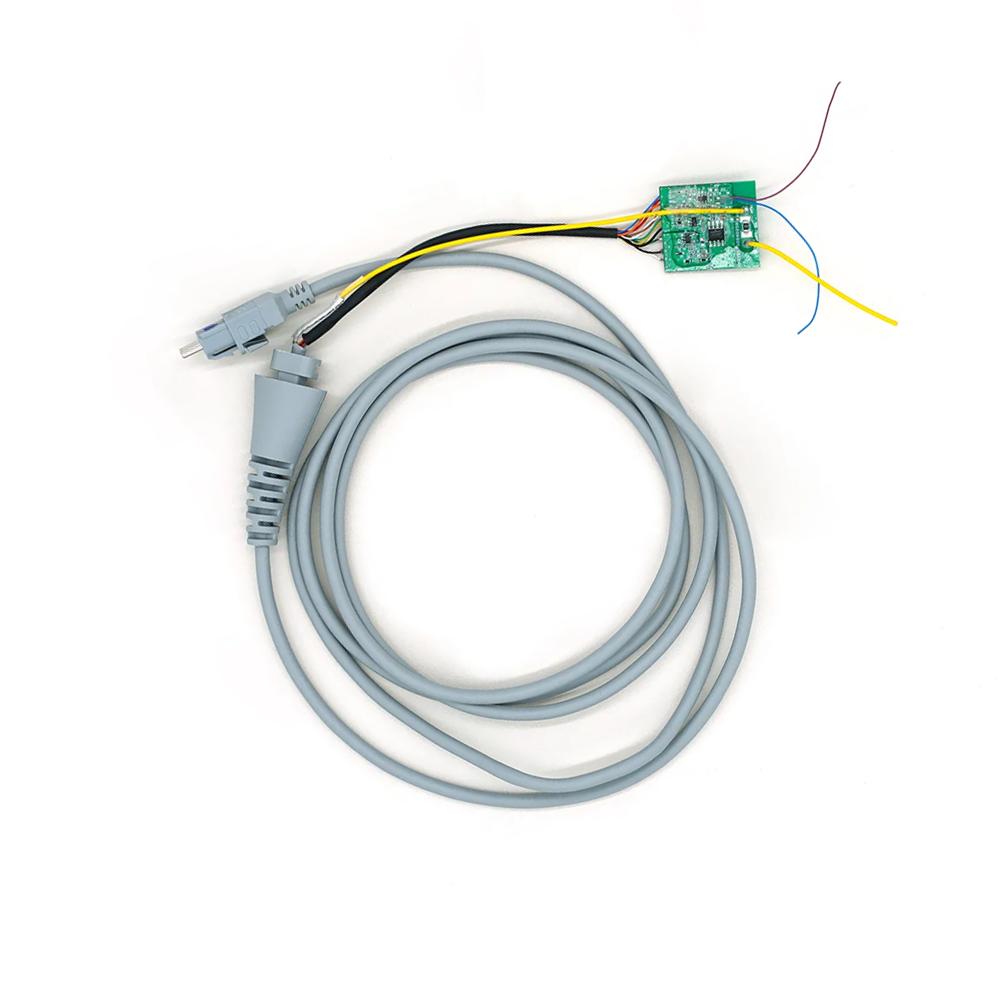
Electronics OEMs in the consumer, robotics, and medical sectors face increasingly demanding connectivity challenges. As applications become smaller, more power-efficient, and faster, demand for higher data speeds and operating frequencies grows—while the available space for connectivity continues to shrink and design cycles become shorter. As a result, the low-loss high-frequency coaxial cable assembly, In many OEM systems, the coaxial cable assembly is no longer treated as a simple interconnect. Its loss, impedance, flexibility, and mechanical reliability can directly affect overall system performance.
These cable assemblies enable applications such as crystal-clear 4K video transmission in drones, nanosecond-level command precision in robotic arms, and sub-millimeter imaging resolution in ultrasound systems.
The Physics of Loss: Why Low Attenuation Matters at High Frequencies
Our OEM approach at Hotten Electronic Wire Technology focuses on ensuring each cable is a seamless extension of your host system. When choosing a low-loss coaxial assembly, keep these key factors in mind. After about 1 GHz, most signal attenuation is driven by conductor losses (caused by skin effect) and dielectric losses (due to polarization hysteresis). For 40 Gbps USB4 Wire Harnesses or high-frequency 5G RF cables on drones, an extra adds expensive repeater circuits.
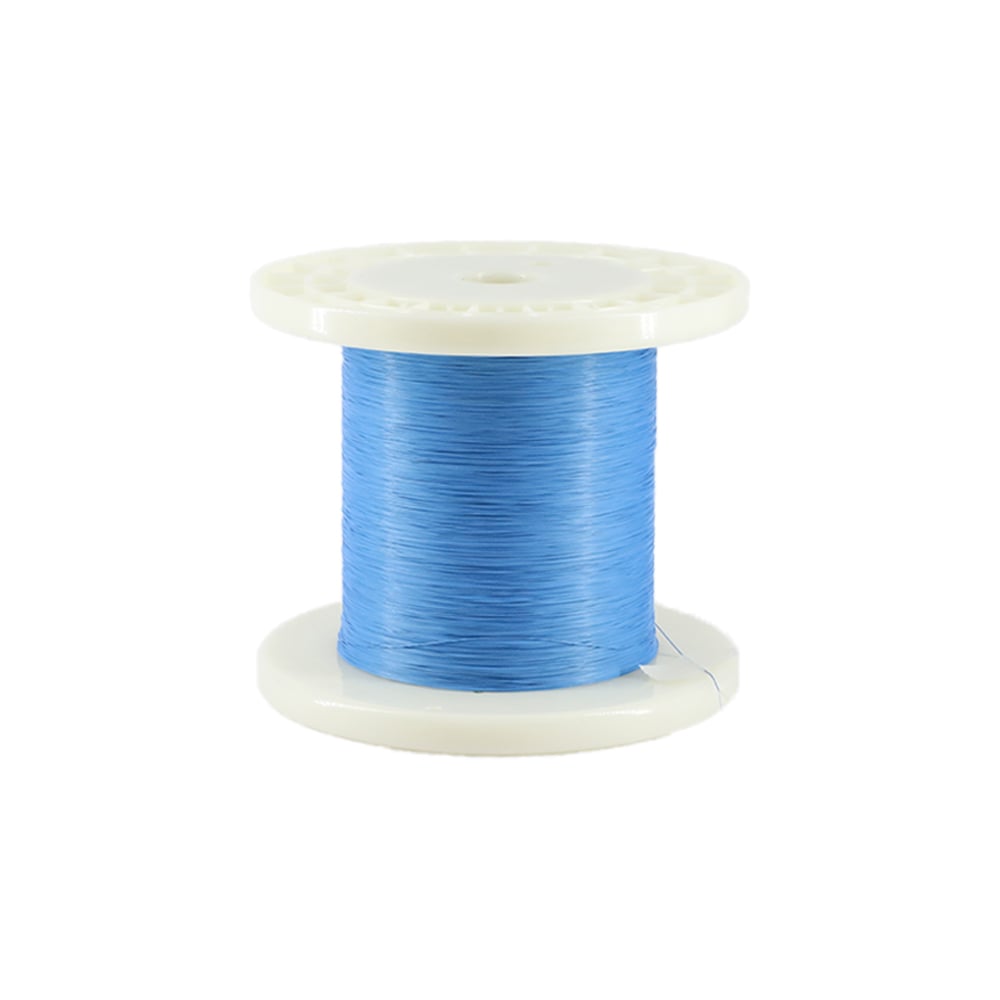
To overcome these losses, Hotten uses high-strand, silver-plated copper conductors – which combine lower resistance and better flex – and low-loss FPE (foamed polyethylene) and microporous PTFE dielectrics, both with loss tangents below 0.0008.
Custom Impedance Matching and Phase Stability for Synchronized Systems
Hotten engineers your LVDS and robotics wire harnesses with controlled differential impedance (100 Ω ±3%) and matched electrical length to ensure ultra-tight phase matching between channels. In phased-array radar and multi-axis gimbal systems where accurate phase matching between channels is critical, phase-stable coaxial cable assemblies are made with expanded PTFE dielectric and spiral-wrapped, non-elongating shielding to ensure phase drift less than 2° over a wide -40°C to +85°C temperature range. Our engineers also work closely with PCB designers to ensure signal continuity throughout the system, from the chip through the connector to the transducer, and the transition, impedance and grounding plans seamlessly manage impedance to the chip package or transducer.
Ruggedization for Demanding OEM Environments
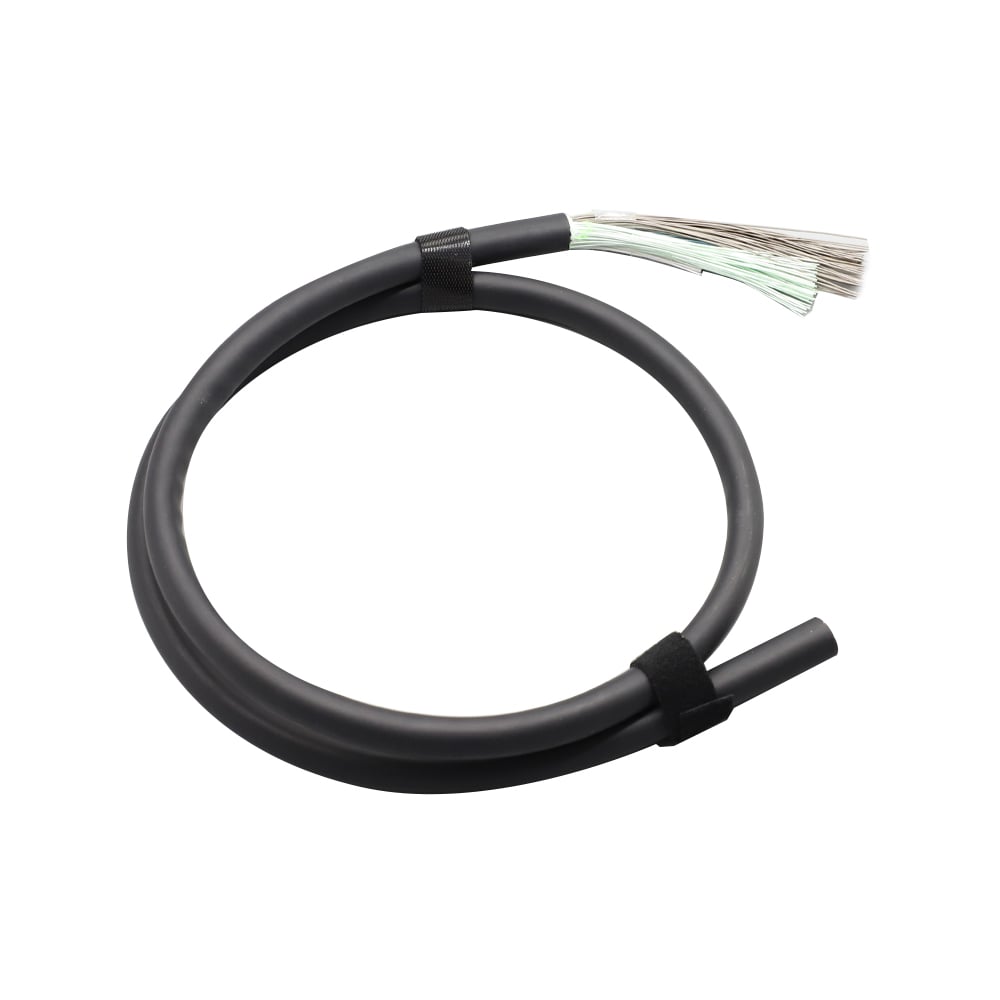
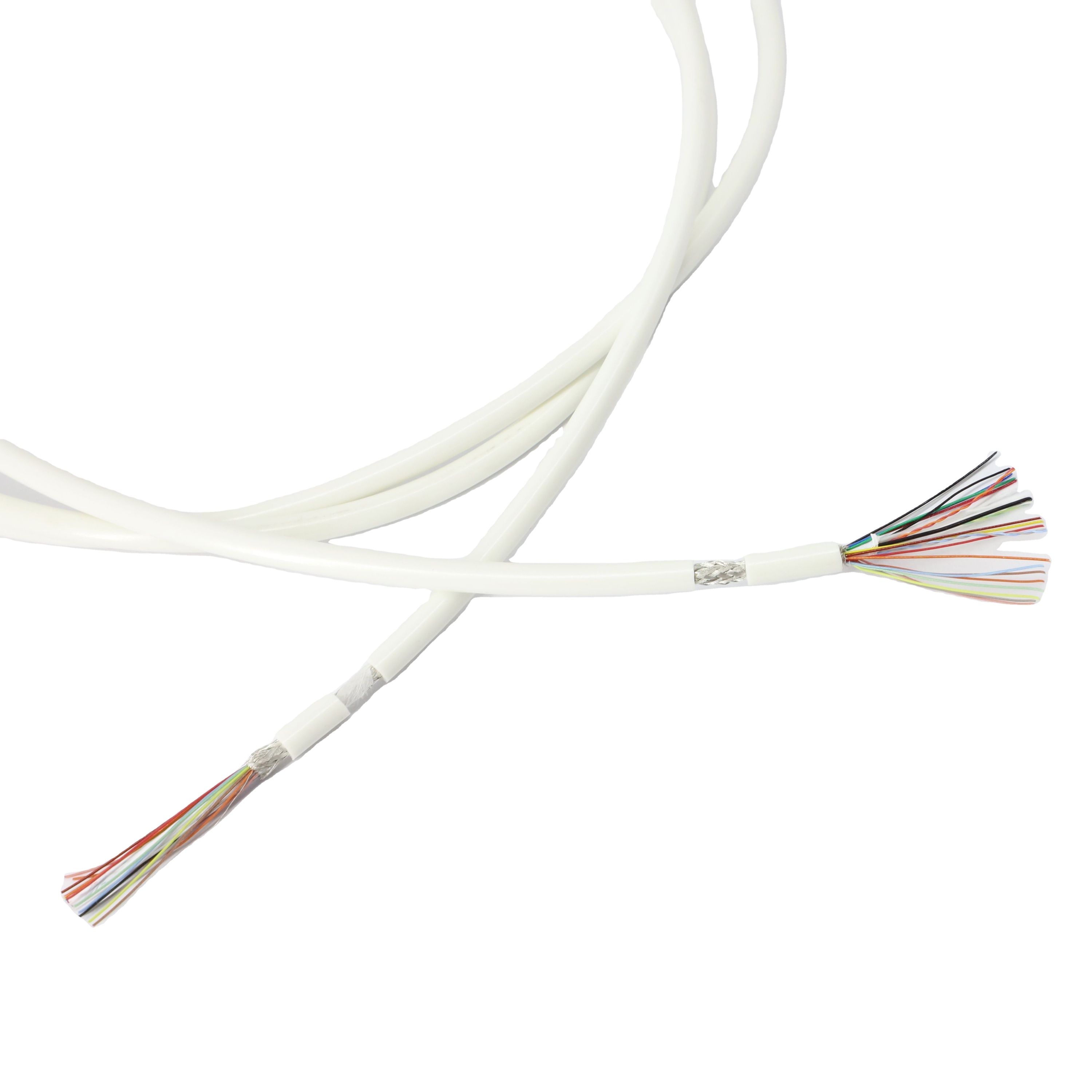
Perhaps the cable on your drone will need to stand up to decades of continuous UV, moisture, and vibration. Perhaps the cable on your ultrasound device needs multiple sterilization cycles through an autoclave, or the cables on your robot must endure thousands of cycles under torsional stress. If your coaxial cable cannot withstand its operating environment, what good is low-loss, high-speed signal performance? Multilayer construction including an anti-corona semiconductive layer, silver or tinned copper braid for 95% EMI shielding and improved flexibility, and an abrasion- and chemical-resistant outer jacket made of TPU or FEP provide reliable service even in extreme environments.
Hotten’s cable assemblies, such as our 180° bend-tested, 20,000+ cycle Gimbal Camera Wire Harness and the Endoscope Cable with a pull-force rating exceeding 100 N, are tested well beyond standard industry specifications.
Scalable Production with OEM-Focused Quality Assurance
Strain relief overmolds and integrated ferrite EMI filters can further enhance durability and reduce in-field issues for a critical interconnect. At Hotten, we ensure a smooth transition from prototyping to volume production. With over 40 braid and extrusion lines, we consistently produce cables at volumes ranging from dozens to millions of meters per year with unwavering quality.
Inline capacitance testing, AOI inspection of braid coverage and 100% TDR measurement to verify impedance integrity and detect even the slightest anomalies contribute to superior cable assemblies. Every OEM project receives a customized quality plan—including First Article Inspection (FAI), Cpk analysis (target ≥1.67), and lot-to-lot reports. Your dedicated account manager coordinates everything, including materials certification (RoHS, REACH, UL) and international shipping.
 Hot News
2026-09-17
2026-09-04
2025-12-17
2025-12-11
2025-12-05