 EN
EN
Quick Links

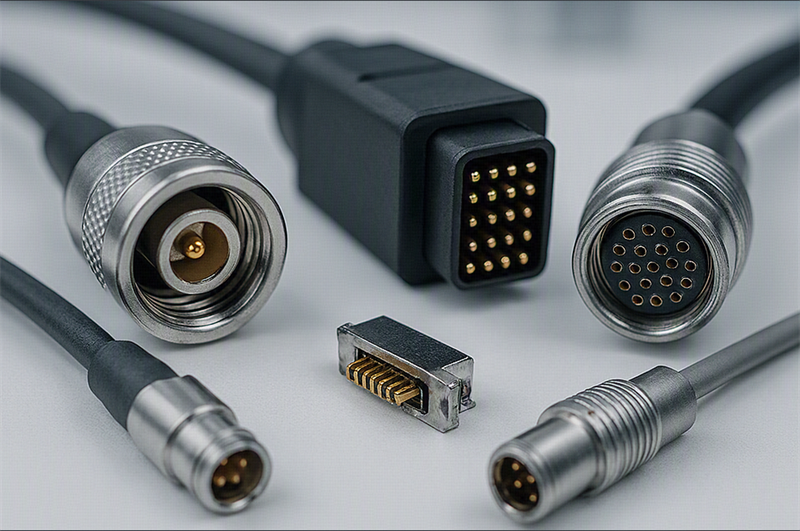
Precision connectors are only one part of a reliable electronic connection system.
For OEM electronic applications, the cable assembly connecting the components also needs to provide:
◆ Precise Assembly
◆ Reliable Electrical Connection
◆ Consistent Manufacturing Quality
◆ Stable Connector Integration
◆ Production Repeatability
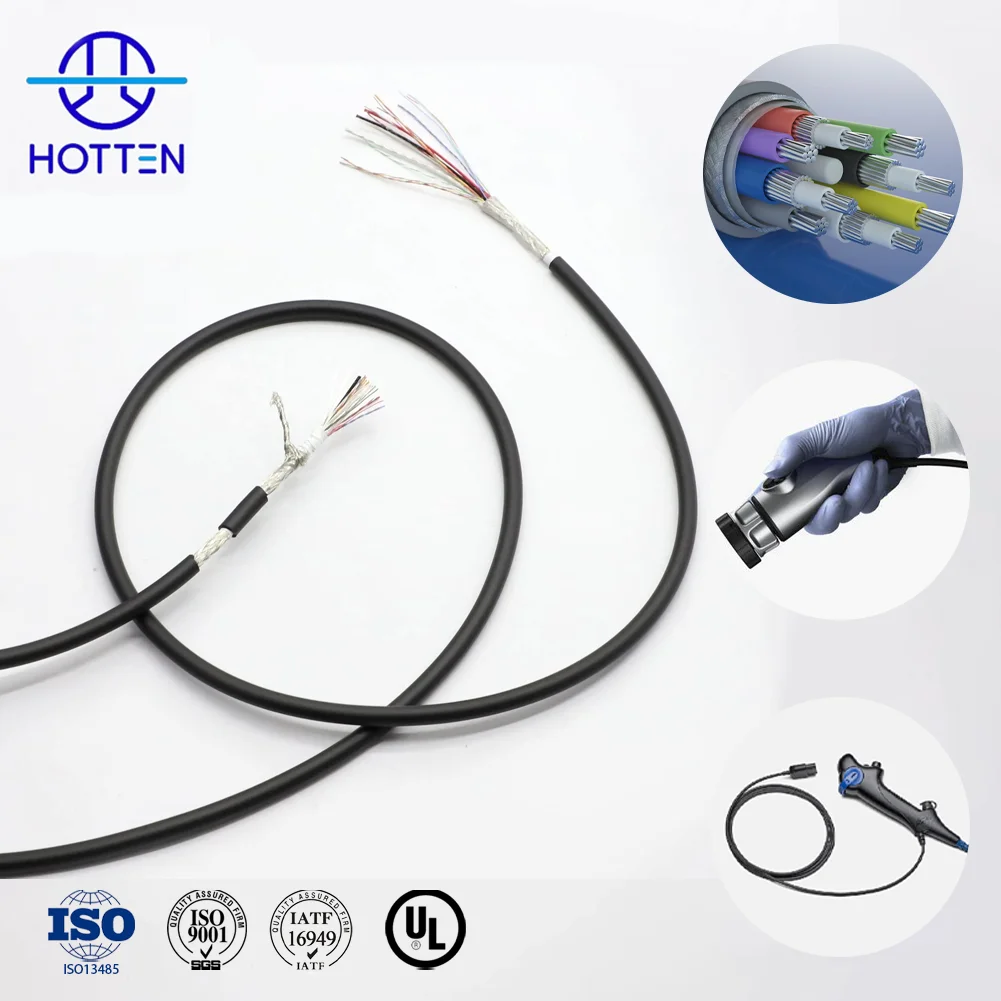
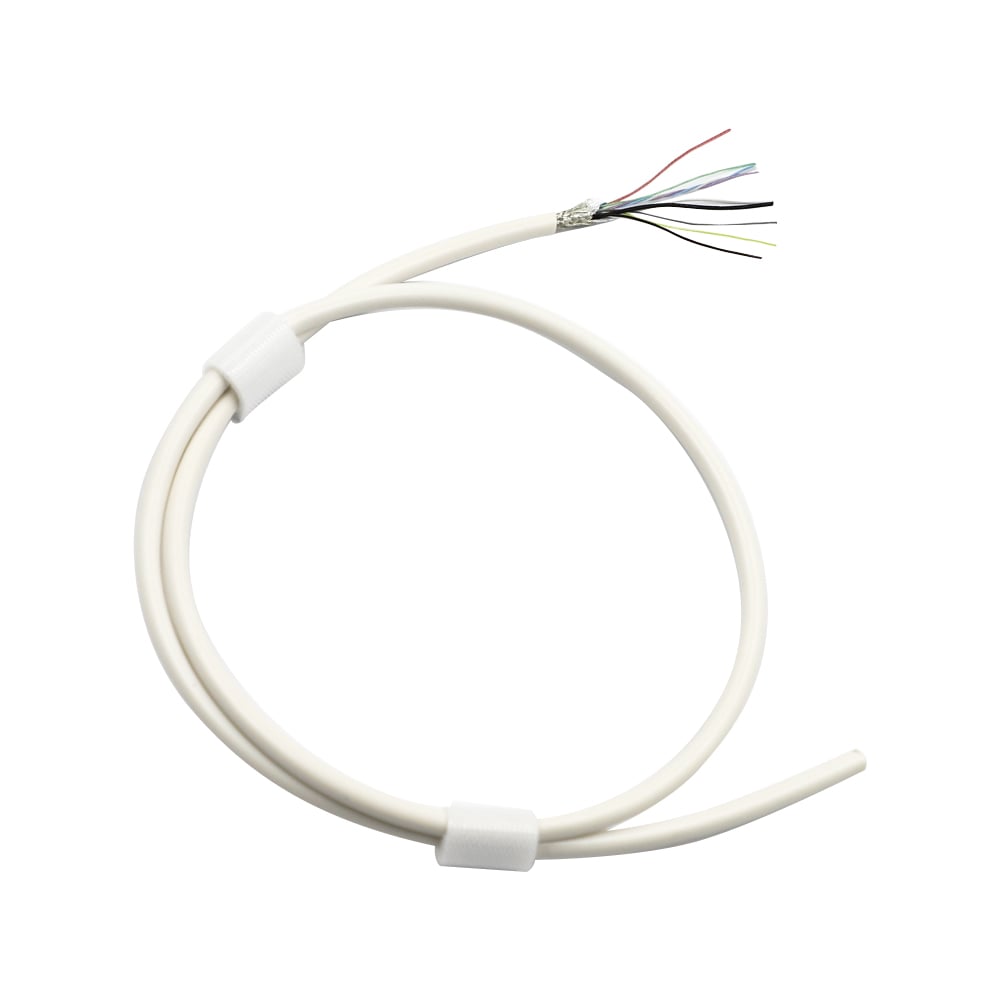
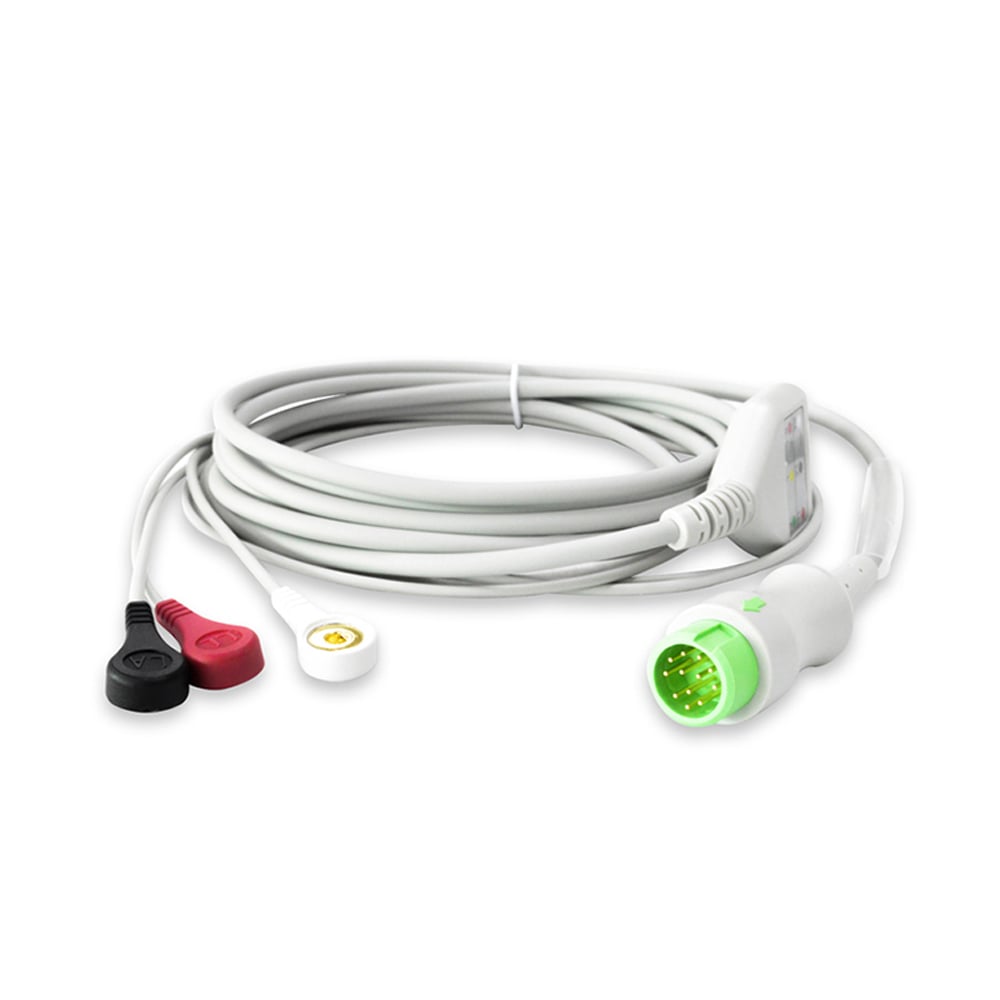
In this project, HOTTEN worked with A Company, a global connector manufacturer, to develop a customized precision cable assembly for electronic applications.
The project focused on combining custom cable design, connector integration, precision manufacturing, electrical testing, and quality verification into a production-ready cable assembly solution.
A Company required a customized cable solution to support its electronic connection products and improve connection performance.
The project required more than simply connecting a standard cable to a connector.
The cable assembly needed to provide:
Precision → Electrical Reliability → Manufacturing Consistency → Long-Term Supply
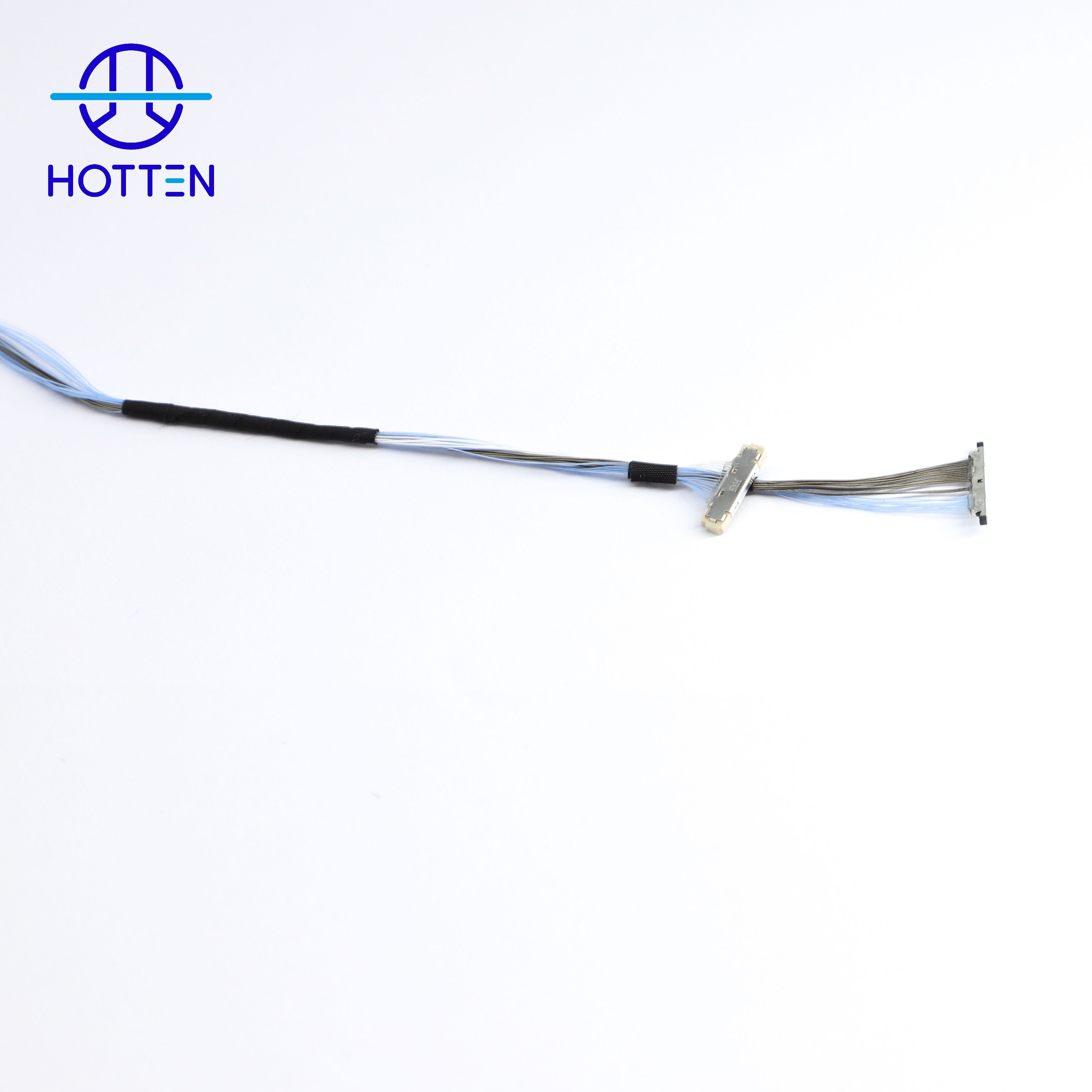
HOTTEN developed the customized cable assembly according to the customer's requirements and integrated the cable and connector into a complete assembly solution.
Precision Connectors · Electronic Components · OEM Applications
Custom Precision Cable Assembly
High-precision cable assembly
Reliable connection performance
Customized cable and connector integration
Electrical performance verification
Stable manufacturing quality
Long-term production capability
The customer required a cable assembly capable of supporting its precision electronic connection applications.
The main requirements were:
The cable and connector needed to be integrated accurately to meet the customer's assembly requirements.
The finished assembly needed to provide reliable electrical connections when integrated into the customer's electronic system.
For a connector manufacturer, a cable assembly is not only a prototype component.
The manufacturing process needs to provide consistent quality when moving from development into mass production.
The customer also required a supplier capable of supporting long-term production rather than only providing engineering samples.
A precision cable assembly involves multiple components and processes.
The cable structure, connector, termination, assembly process, and inspection procedure all influence the final connection quality.
Therefore:
Cable + Connector + Assembly Process
must be treated as one integrated engineering system.
A cable assembly is ultimately part of the customer's electrical system.
Poor termination or inconsistent assembly can affect connection reliability even when the individual cable and connector components meet their specifications.
HOTTEN therefore incorporated electrical performance testing and quality verification into the development process.
Precision is particularly important when a customized cable assembly moves from prototype development to recurring production.
The engineering challenge is therefore not simply:
“Can we make one sample?”
but:
“Can we manufacture the same cable assembly consistently?”
This requires controlled assembly processes, inspection procedures, and quality verification.
Custom cable assemblies need to satisfy the customer's specific requirements while remaining practical for manufacturing.
The cable design and assembly process therefore need to consider:
Customer Specification → Cable Design → Connector Integration → Manufacturing Process → Quality Control
HOTTEN developed a customized cable assembly according to A Company's requirements.
The solution included four key engineering areas.
The cable structure was developed according to the customer's application and assembly requirements.
Instead of treating the cable as a generic component, HOTTEN considered the cable as part of the customer's complete connection system.
The design process focused on:
◆ Cable Configuration
◆ Assembly Requirements
◆ Connector Compatibility
◆ Electrical Performance
◆ Manufacturing Feasibility
The cable was integrated with the required connector configuration to create a complete cable assembly.
Connector integration is an important part of custom cable assembly because the final product must function as a complete electrical and mechanical interface.
The engineering process therefore considered:
Cable → Termination → Connector → Finished Assembly
rather than treating the connector as an independent component.
Precision cable assemblies require consistent manufacturing processes.
HOTTEN applied process control during cable assembly to improve manufacturing consistency and reduce variation between assemblies.
The objective was:
Prototype Accuracy → Process Stability → Production Consistency
This is particularly important for OEM customers requiring recurring production.
HOTTEN incorporated electrical performance testing and quality verification into the cable assembly development process.
Testing and inspection provide an additional verification step between manufacturing and customer delivery.
The overall quality process can be represented as:
Assembly → Inspection → Electrical Testing → Quality Verification → Shipment
The development process was not limited to cable assembly.
The customized solution was evaluated through engineering and quality verification before being applied to long-term production.
The finished assembly can be checked for:
Cable configuration
Connector installation
Assembly condition
Overall manufacturing quality
The connector integration is checked to ensure that the finished cable assembly meets the required connection configuration.
Electrical testing was incorporated into the solution to verify the relevant electrical performance of the completed cable assembly.
The manufacturing process was also controlled to support consistent quality during mass production.
The customized cable solution helped A Company achieve several project objectives.
The customized cable and connector integration provided a more application-specific connection solution.
Precision manufacturing and quality verification helped improve consistency between cable assemblies.
The project was developed with recurring production in mind, allowing the cable assembly to support long-term cooperation and supply requirements.
| Item | Result |
|---|---|
| Application | Precision Connectors / Electronic Components |
| Customer Type | Global Connector Manufacturer |
| Solution | Custom Precision Cable Assembly |
| Cable Design | Customized |
| Connector Integration | Customized |
| Manufacturing | Precision Process Control |
| Testing | Electrical Performance Testing |
| Quality | Quality Verification |
| Production Objective | Stable Long-Term Supply |
| Result | Improved Connection Reliability & Product Consistency |
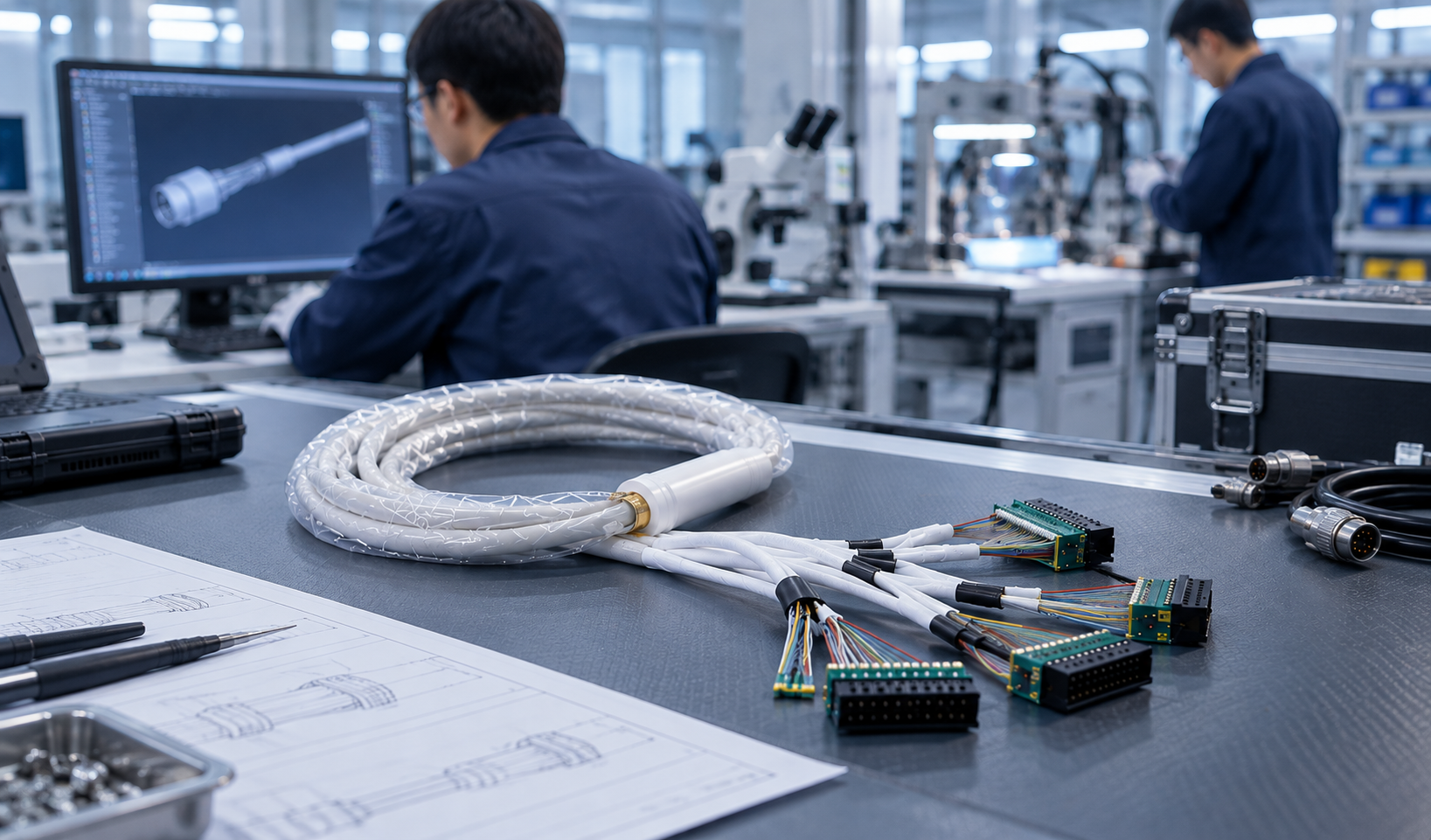 🏭 Engineering & Procurement Considerations
When purchasing a custom cable assembly, the lowest component price is not necessarily the most important factor.
For precision electronic applications, buyers should evaluate the supplier's ability to control the complete assembly process.
A qualified custom cable assembly supplier should be able to work with the required connector configuration and develop the cable assembly around the customer's application.
The connector and cable form a complete electrical interface.
A suitable cable combined with inconsistent termination or assembly can still create reliability problems.
Therefore, connector integration should be considered together with cable design and manufacturing.
A cable supplier may primarily provide cable as a standalone component.
A cable assembly manufacturer additionally handles processes such as:
Cable Preparation → Termination → Connector Integration → Inspection → Testing → Finished Assembly
For OEM customers, this can simplify procurement and reduce the number of suppliers involved in the connection system.
A prototype can demonstrate that a design works.
Mass production requires something different:
Repeatable Manufacturing Quality.
The supplier must be able to reproduce the cable structure, connector assembly, termination, and inspection results consistently across production batches.
Useful engineering information includes:
◆ Cable Drawing
◆ Connector Model
◆ Cable Length
◆ Conductor Specification
◆ AWG
◆ Electrical Requirements
◆ Pin Configuration
◆ Assembly Drawing
◆ Required Quantity
◆ Testing Requirements
If a complete drawing is not available, a physical sample or existing cable assembly can also help the engineering team understand the required configuration.
HOTTEN's precision cable assembly capability covers the complete development and manufacturing process:
Customer Requirement
↓
Cable Design
↓
Connector Selection / Integration
↓
Precision Assembly
↓
Electrical Testing
↓
Quality Verification
↓
Production Control
↓
Long-Term Supply
This approach allows HOTTEN to support customers that require more than a standard cable.
The objective is to provide a complete, application-specific cable assembly that can be integrated directly into the customer's electronic product.
HOTTEN's custom cable assembly capability can support applications involving:
◆ Precision Connectors
◆ Electronic Components
◆ OEM Electronics
◆ High-Density Electronic Systems
◆ Medical Electronics
◆ Consumer Electronics
◆ UAV Electronics
◆ Imaging Systems
◆ Micro Coaxial Cable Assemblies
◆ Fine Electronic Wire Assemblies
For compact electronic applications, HOTTEN can also combine fine electronic wires and micro coaxial cables into customized cable assemblies according to the system requirements.
Cable structures and assembly configurations can be developed around customer requirements.
HOTTEN can integrate the required connector configuration into the finished cable assembly.
Process control is applied to support consistent cable assembly quality.
Electrical performance testing is incorporated into the quality verification process.
The engineering process is designed to support the transition from prototype development to recurring production.
A precision cable assembly is a finished cable system manufactured to specific electrical, mechanical, dimensional, and connector requirements.
It normally includes the cable, termination, connector, and associated assembly processes.
Connector integration means combining the cable and specified connector into a finished assembly that can be directly installed into the customer's electronic system.
A standard cable may not match the customer's connector, length, routing, electrical, dimensional, or assembly requirements.
A custom cable assembly allows these requirements to be considered together.
Important factors include:
Precision Manufacturing · Connector Integration · Electrical Testing · Quality Control · Prototype Development · Production Capability
Yes. HOTTEN's cable assembly development process covers customized cable design, connector integration, precision manufacturing, electrical testing, and quality verification for production applications.
If your electronic product requires a custom cable assembly, connector integration, precision manufacturing, or production-ready cable solution, HOTTEN can work with your engineering and procurement teams.
You can provide:
Drawing · Sample · Connector Specification · Cable Requirements · Assembly Requirements · Electrical Requirements
HOTTEN can support the project from:
Prototype → Engineering Validation → Production → Long-Term Supply
Contact HOTTEN to discuss your custom cable assembly requirements.