 EN
EN
Quick Links

Home > News > Company news
In advanced 4K endoscopy systems, surgical robots, and highly mobile ultrasound platforms, the role of a medical cable assembly extends far beyond signal transmission. It directly impacts system stability, EMI performance, mechanical reliability, and overall device lifespan.
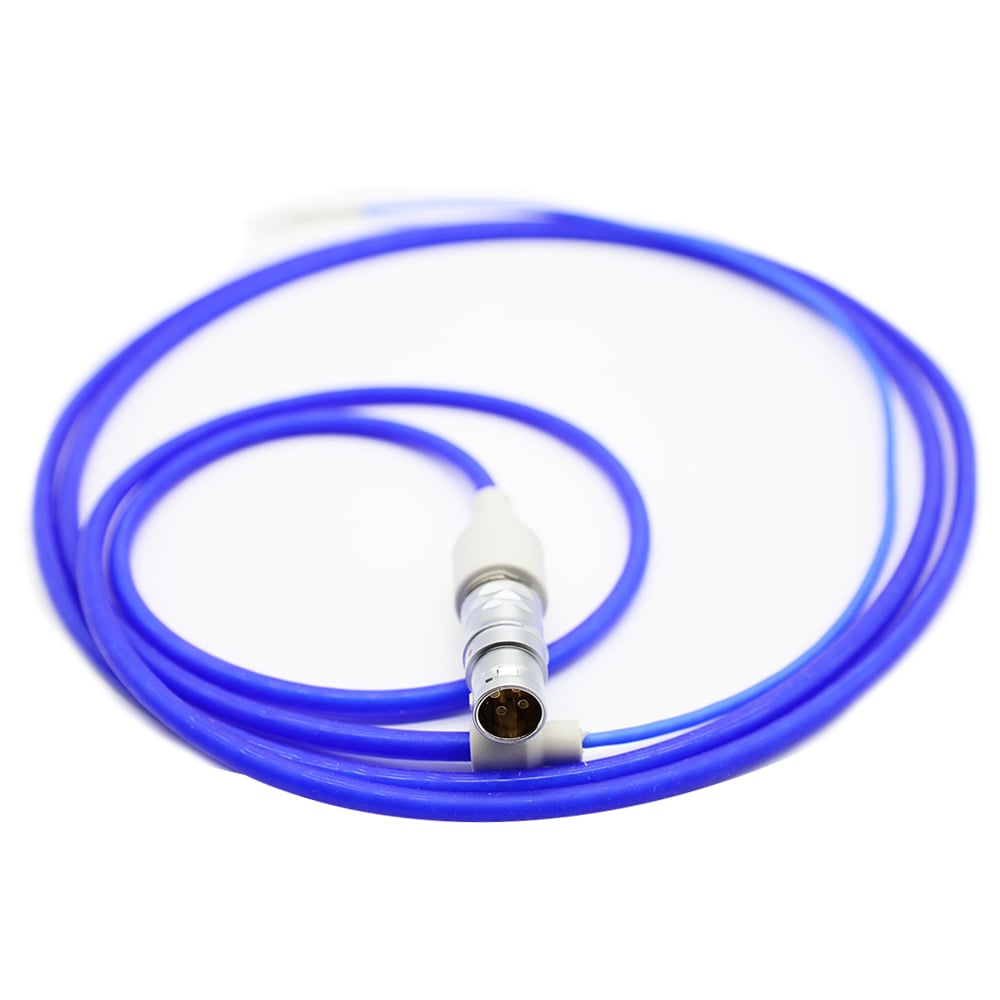
For high-end reusable medical cable systems, jacket material selection has become a critical engineering consideration. Compared with TPU, PVC, or standard TPE materials, more medical device OEMs are increasingly adopting medical-grade silicone structures to meet the demanding requirements of long-term reliability and high-flex applications.
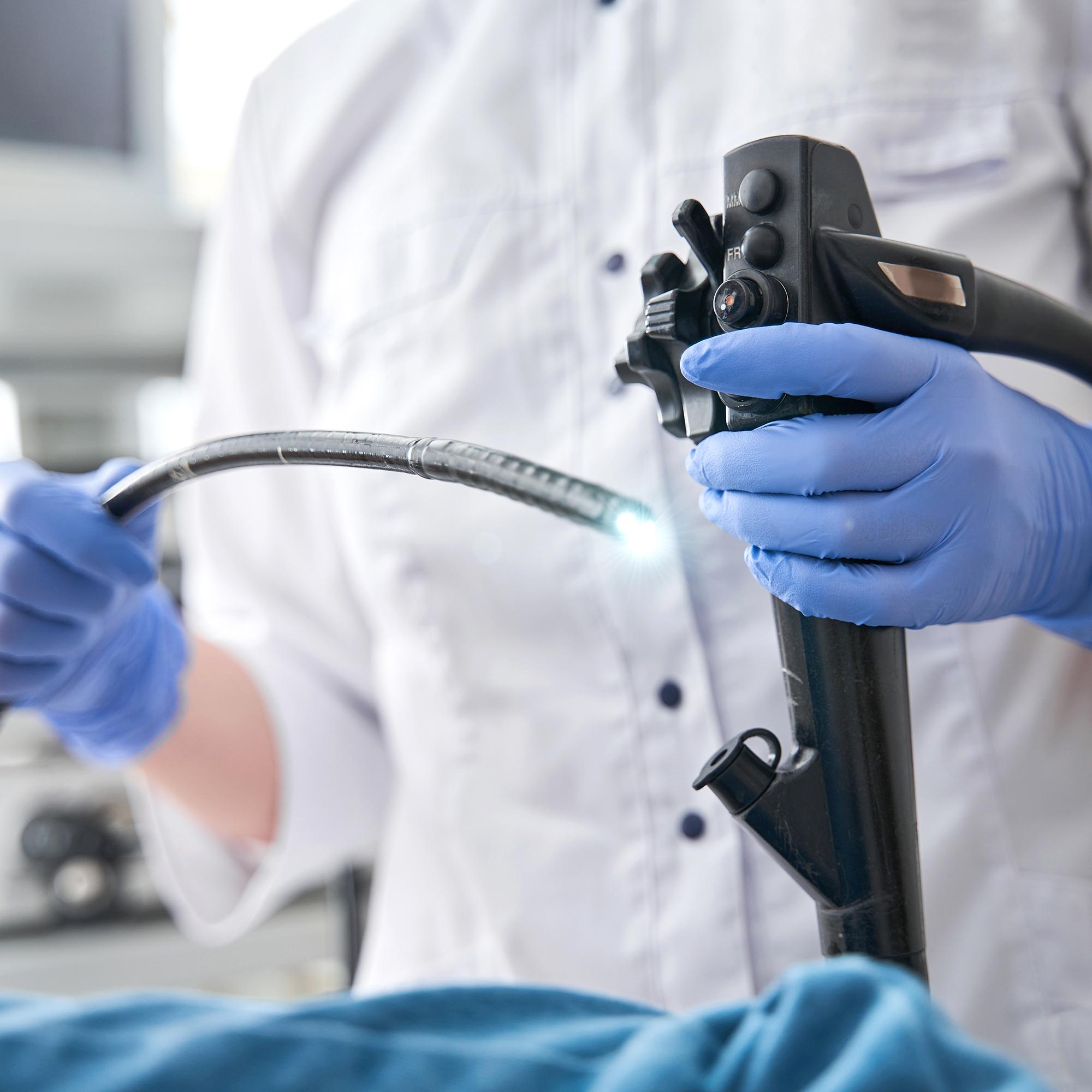
Modern 4K medical imaging cables are typically required to withstand multiple challenging operating conditions simultaneously, including:
Continuous dynamic flexing in drag-chain environments
Material stability under autoclave sterilization and chemical disinfection
Excellent flexibility and mechanical reliability within compact cable structures
As a result, the outer jacket material no longer affects only mechanical performance — it also directly influences overall system service life.
Medical-Grade Silicone vs TPU, PVC, and TPE
Material Property |
Medical-Grade Silicone |
TPU |
PVC |
TPE |
Flexibility |
Excellent |
Moderate |
Poor |
Moderate |
Long-Term Flex Life |
Extremely High |
High |
Low |
Moderate |
Autoclave Resistance |
Excellent |
Poor |
Unsuitable |
Moderate |
Chemical Disinfection Resistance |
Excellent |
Moderate |
Moderate |
Moderate |
Long-Term Aging Stability |
Excellent |
Moderate |
Poor |
Moderate |
Biocompatibility |
Excellent |
Depends on Grade |
Limited |
Depends on Grade |
Temperature Stability |
Extremely High |
Moderate |
Low |
Moderate |
Surface Handling Feel |
Smooth & Soft |
Slightly Sticky |
Standard |
Standard |
Unlike TPU or PVC, which are thermoplastic materials, medical-grade silicone is a highly cross-linked thermoset elastomer. This structure makes it far less susceptible to permanent deformation, hardening, or micro-cracking during prolonged flexing and thermal cycling.
In robotic-assisted surgical systems and ceiling-mounted arm platforms, cables are continuously exposed to multi-axis bending and drag-chain motion. Compared with conventional TPU materials, which may gradually exhibit stress whitening, hardening, or reduced flexibility over time, medical-grade silicone maintains more stable mechanical properties throughout repeated motion cycles.
Although TPU offers good abrasion resistance, it can still experience material aging, surface tackiness, and flexibility degradation after long-term exposure to repeated sterilization cycles and continuous bending stress.
PVC relies heavily on plasticizers to maintain softness. After repeated autoclave sterilization, the material may become brittle, harden over time, and lose long-term mechanical reliability. As a result, PVC is more commonly used in disposable or lower-end medical devices rather than premium reusable medical imaging systems.
For high-end medical imaging platforms designed for long service life, long-term durability is often more important than initial material cost.
Reusable medical cables are typically subjected to repeated exposure to:
Autoclave sterilization
VHP low-temperature plasma sterilization
Chemical disinfectants and cleaning agents
These processes continuously impose thermal and chemical stress on cable jacket materials.
Medical-grade silicone can maintain stable mechanical and insulation properties across a wide temperature range. Even after extensive sterilization cycles, it retains excellent flexibility and surface integrity, making it one of the preferred materials for premium medical devices.
Inside the operating room, cable usability is just as important as reliability.
Compared with TPU, which often has a higher surface tackiness, modified medical-grade silicone can achieve a lower coefficient of friction, making it better suited for multi-cable drag-chain systems and high-frequency movement environments.
Its lower bending modulus also helps reduce cable rebound and twisting, allowing smoother and more stable cable movement in complex medical equipment systems.
In high-end 4K endoscopy systems, high-speed micro-coaxial structures often utilize FEP or ePTFE insulation to minimize high-frequency signal loss. These are combined with high-coverage shielding layers and medical-grade silicone jackets to simultaneously achieve:
High-speed data transmission
EMI control
Long-term flexibility
Repeated sterilization reliability
Similar cable structures are widely used in:
Surgical robots
Medical imaging camera systems
High-mobility ultrasound platforms
Ceiling-mounted suspension systems
Advanced medical imaging equipment
For high-end reusable medical imaging systems, material selection is fundamentally part of long-term reliability engineering.
Compared with TPU or PVC, medical-grade silicone provides significant advantages in flexibility retention, sterilization resistance, and overall system lifespan. As a result, it is rapidly becoming a preferred material solution for premium medical imaging cable assemblies.
Are your medical imaging cables experiencing jacket aging, reduced flexibility, or long-term flex failure issues?
Hotten’s engineering team is ready to support your custom medical cable assembly projects with optimized material selection, shielding structures, and sterilization-compatible design solutions tailored for high-end medical devices.
Q1: Why is silicone preferred for reusable medical cable assemblies?
Medical-grade silicone provides excellent flexibility, sterilization resistance and long-term mechanical stability, making it suitable for reusable medical devices requiring repeated bending and cleaning cycles.
Q2: Is TPU better than silicone for medical cables?
TPU provides good abrasion resistance, but silicone generally offers better flexibility retention and tactile performance for high-flex medical applications.
Q3: What material is commonly used for sterilizable medical cables?
High-performance medical cables often combine materials such as PFA/FEP insulation with silicone outer jackets depending on electrical and mechanical requirements.
 Hot News
2026-09-17
2026-09-04
2025-12-17
2025-12-11
2025-12-05