 EN
EN
NOPEA LINKIT

Tekninen analyysi OEM-insinööreille, joka kattaa kaapelirakenteen, suojauksen, impedanssien hallinnan, materiaalivalinnat ja luotettavuuden validoinnin korkean suorituskyvyn sovelluksissa kaapelin kokoonpano sovellukset.
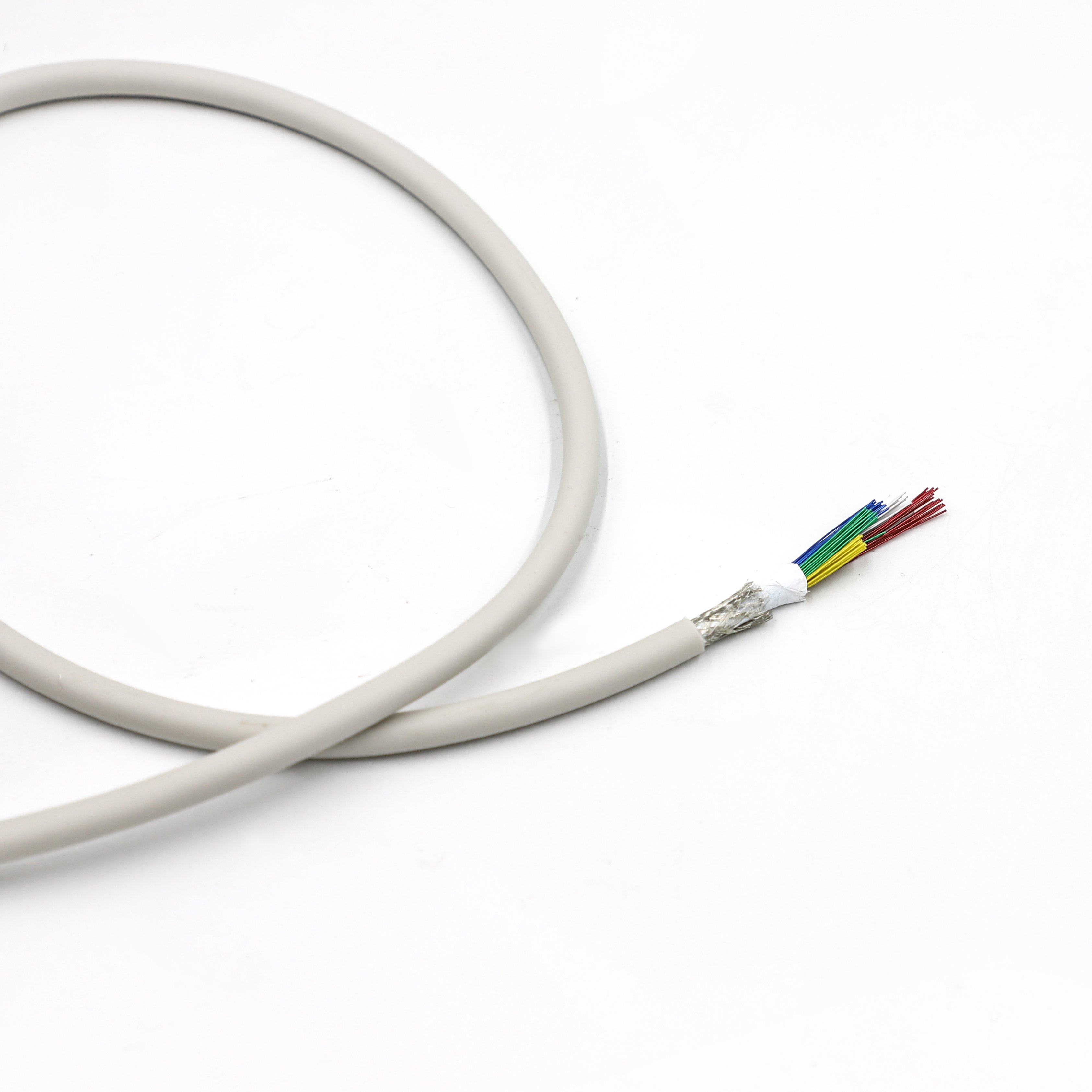
Pieni kapasitanssi on tärkeä ulträänitutkakablin suunnittelussa, koska kablo muodostaa osan sähkökuormasta, joka näkyy tutkan signaalipolulla. Korkean kanavamäärän järjestelmissä liiallinen jakautunut kapasitanssi voi lisätä kapasitiivista kuormitusta ja vaikuttaa signaalinsiirtoon, joten kablin kapasitanssia tulisi harkita yhdessä impedanssin, vaimennuksen, eristemateriaalin rakenteen, kanavamäärän ja kablin pituuden kanssa.
Jos ulträänitutkassa on useita signaalikanavia ja se toimii korkeataajuuskuvaussignaalien kanssa → arvioi kablin kapasitanssia yhdessä impedanssin, vaimennuksen, kablin pituuden ja kanava-kanava-vaihtelun kanssa → valitse sitten kablokonstruktio, joka täyttää kaikki signaali vaatimukset.
Jos pieni kapasitanssi vaaditaan erinäisen pienen anturirakenteen sisällä → arvioi yhdessä johtimen koko, eristeen materiaali, eristeen paksuus, kaapelin geometria ja kaapelin ulkohalkaisija → koska kapasitanssin alentaminen ei voi olla erotettavissa kaapelin fyysisestä rakenteesta.
Eristerakennetta on erityisen tärkeä ottaa huomioon, koska kapasitanssiin vaikuttavat sekä koaksiaalirakenteen geometria että eristeen sähköiset ominaisuudet. Liittyviä eristeeseen liittyviä harkintoja käsitellään kohdassa Kolmen korkeataajuuskabelfoamaukseteknologian vertailu .
Johtimen koko on toinen osa kokonaissuunnittelua. Jos kaapelin mittojen pienentämiseksi valitaan hienompi AWG-luokitus → tuloksena syntyvät sähköiset ja mekaaniset ominaisuudet on edelleen varmistettava → koska AWG-luokitus yksinään ei määritä kapasitanssia, impedanssia, vaimennusta tai taipuisuutta. Katso Miten AWG vaikuttaa mikrokoaksiaalikaapelin suorituskykyyn? .
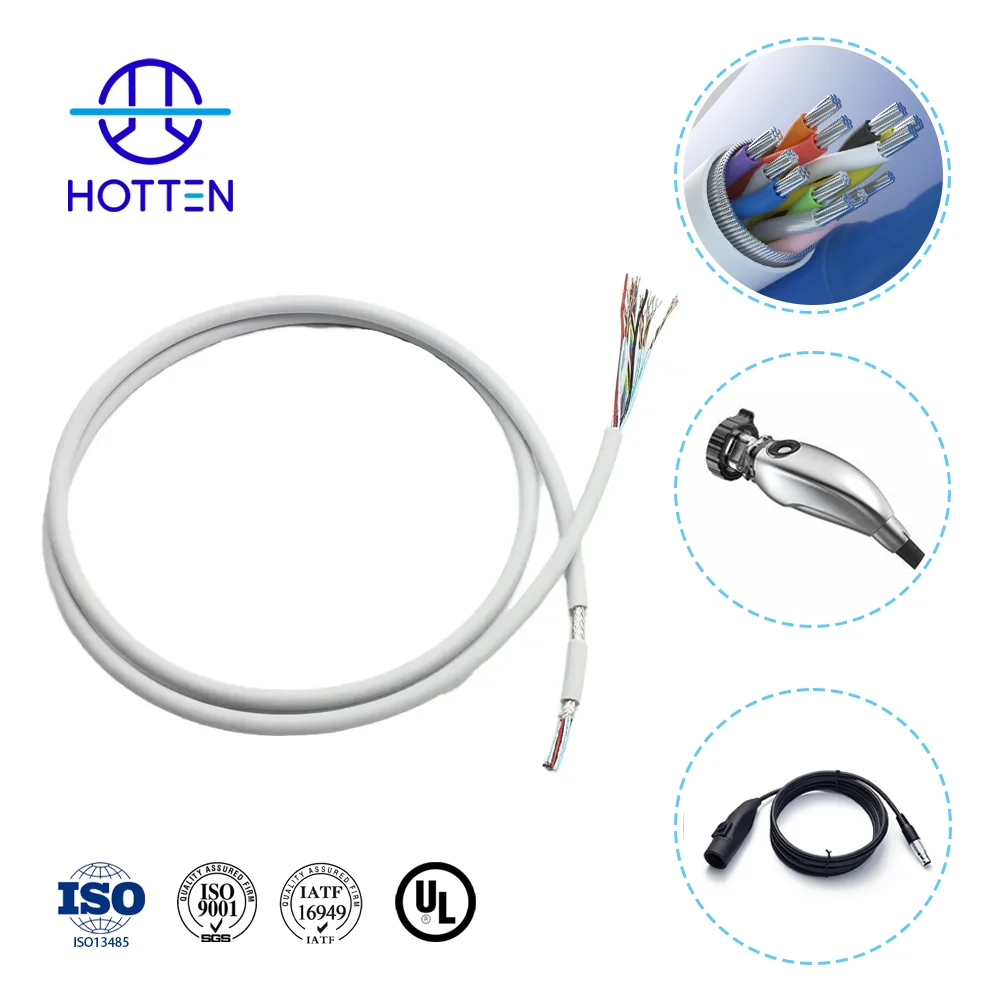
Mukautettuja korkean tiukkuuden ultraääniliitäntöjä varten katso HOTTENin Älykabeli ja Mikrokoaksiaalikabeli-assy ratkaisuja.
Edistyneissä ultraäänikuvantamisjärjestelmissä yhdistämisverkko on suoraan kytketty korkean impedanssin, mikrovoltitasoisille pietsosähköisille muuntimille. Nämä etupäässä sijaitsevat komponentit ovat erittäin herkkiä signaalihäviölle ja sähköiselle kohinalle. Kun signaalit kulkevat tiukkojen 64-, 128-, 160-, 192- ja 256-kanavaisissa tasoissa, ultraäänitutkakaapelin jakautunut kapasitanssi toimii häiritsevänä alapasuodattimena. Liiallinen kaapelinkapasitanssi heikentää suoraan signaalia ennen kuin se saavuttaa sädemuodostusjärjestelmän. Siksi kapasitanssin minimoiminen koko mukautettu kabeliainestys on välttämätöntä signaalin ja kohinan suhteen (SNR) säilyttämiseksi ja alle millimetrin aksiaalisen ja sivusuuntaisen paikallisresoluution saavuttamiseksi.
Kapasitanssi määrittyy suoraan eristysjärjestelmän fyysisen geometrian ja dielektristen ominaisuuksien perusteella. Koaksiaalikaapelirakenteissa kapasitanssi on suoraan verrannollinen eristävän materiaalin suhteelliseen dielekrisyyteen (εr). Tyypilliset kiinteät fluoropolymeerit, kuten FEP ja PFA, ovat yleensä dielekrisyydeltään noin 2,1. Kun mikrosoluista kaasu-injektio-kuivausmenetelmää käytetään muodostamaan kuplautettua PFA- tai FEP-eristettä, ilmakuopat (εr = 1,0) tuodaan dielektriseen rakenteeseen, mikä alentaa kokonaissuhteellista dielekrisyyttä noin 1,4–1,6:een. Tämä lähestymistapa mahdollistaa erinomaisen hienon mikrokoaksiaalikabeli rakenteen, joka vaihtelee 40 AWG:sta 48 AWG:iin, saavuttamaan tavoiteltavan kapasitanssiarvon jopa 50 pF/m.
Tyypillinen jakautunut kapasitanssivertailu:
Monikanavaiset tutkajärjestelmät vaativat erinomaisen tasaisia impedanssiohjattuja kaapelirakenteita kanavien vinoutumisen ja vaihevirheen poistamiseksi. Jo pienet poikkeamat keskitetyydestä tai kuplan tiukkuudesta voivat heikentää sähköistä tasaisuutta ja aiheuttaa tuhoavia vaihevirheitä. Samalla mikrokoaksiaalikaapelien tiukka järjestely edellyttää edistyneitä EMI-suojauksen strategioita. Palveluslangan suojauksen yhdistäminen kokonaissuojarakenteisiin tarjoaa tarvittavan erottelun ulkoisen sähkömagneettisen häferenceen ja sisäisen vuotovirran vähentämiseksi, mikä säilyttää signaalin eheyden.
Pieni kapasitanssi on tärkeä sähköinen kohde, mutta sitä ei tulisi optimoida itsenäisesti. Ultraäänitutkassa kaapelin on myös täytettävä vaatimukset signaalin eheystä, kanavatiukkuutta, taipuvuutta, suojattavuutta, mittojen tarkkuutta, päätöksiä ja pitkäaikaista mekaanista luotettavuutta kohtaan.
Jos tutkassa on erittäin rajattu sisäinen reititystila → arvioi kapasitanssia, kaapelin ulkohalkaisijaa, johtimen kokoa, eristeen paksuutta ja kaapelin geometriaa yhdessä → tarkista sen jälkeen, täyttääkö kokonaisrakenne vaaditut sähköiset ja mitalliset tavoitteet.
Kaapelin koon pienentäminen voi auttaa lisäämään reititystiukkuutta, mutta lopullinen kapasitanssi riippuu kokonaisesta koaksiaalisesta rakenteesta eikä pelkästään johtimen koosta.
Johtimen koonsa suhteen katso Miten AWG vaikuttaa mikrokoaksiaalikaapelin suorituskykyyn? .
Jos pieni kapasitanssi on tärkein sähköinen vaatimus → arvioi dielektrisen vakion, eristeen paksuuden, johtimen geometrian ja valmistustarkkuuden yhteisvaikutus → ja varmista lopullisen kaapelin toiminta.
Eristysjärjestelmä on siis keskeinen osa kapasitanssia suunniteltaessa. Käytettäessä sovelluksessa vaadittavaa alhaisempaa dielektristä kuormitusta voidaan harkita kuplautettuja dielektrisiä rakenteita, mutta valitun rakenteen on täytettävä myös mekaaniset, mitalliset ja valmistukseen liittyvät vaatimukset.
Liittyviä dielektrisiä ja kuplausrakenteiden teknisiä näkökohtia käsitellään kohdassa Kolmen korkeataajuuskabelfoamaukseteknologian vertailu .
Jos ultraäänitutkinta vaatii toistuvaa taivuttelua, kiertämistä tai käyttäjän liikuttelua → arvioi kapasitanssia yhdessä taivutussäteen, taivutuskiertojen, suojauksen, venymänvaimennuksen ja kaapelin jäykkyyden kanssa → ja varmista sähköisten ominaisuuksien toiminta mekaanisen testauksen jälkeen.
Pienempi kapasitanssirakenne ei ole automaattisesti parempi, jos tuloksena syntyvä kaapeli muuttuu liian jäykäksi tarkoitettuun tutkapäätyyn. Lopullisen suunnittelun tulee siksi tasapainottaa sähköisiä tavoitteita ja todellisia mekaanisia vaatimuksia.
Laajemmat ultraäänikaapelivalintakriteerit löydät kohdasta Mikrokoaksiaalikaapelin valinta ultraäänitutkakäyttöihin .
Jos tutkapääty on herkkä signaalimuutoksille useilla kanavilla → arvioi kapasitanssin yhtenäisyyttä yhdessä impedanssin, vaimennuksen, suojauksen ja kaapelin pituuden kanssa → ja varmista sitten koko monikanavaisen kaapelikokoonpanon toimivuus.
Nimellinen kapasitanssiarvo ei kuvaudu täysin korkean kanavamäärän tutkapäädyn suorituskykyä. Kanavien välinen ja kaapelin pituussuuntainen yhtenäisyys voivat myös olla merkityksellisiä, koska sähköisten ominaisuuksien erot voivat vaikuttaa kokonaisuudessaan signaalipolkuun.
Liittyviä impedanssinsäädön näkökohtia käsitellään kohdassa Impedanssin yhtenäisyyden merkitys (50 Ω / 75 Ω) erinomaisen hienojen AWG-mikrokoaksiaalikaapelien yhteydessä .
Jos projekti määrittelee erinomaisen pieniä kapasitanssiarvoja ja tiukkoja mitallisia toleransseja → arvioi, kykeneekö toimittaja tuottamaan kaapelirakenteen yhdenmukaisesti sarjatuotannossa → tarkista sitten prototyypin suorituskyky ja sarjatuotannon toistettavuus erikseen.
Tekninen eritelmä pitääkin sisältää sekä tavoitearvon että varmistusmenetelmän.
Käytännöllinen OEM-tarkastus pitäisi vahvistaa:
| Vaatimus | Vahvistettavat parametrit |
|---|---|
| Kapasiteetti | Tavoite pF/m, kanava-kanava-vaihtelu |
| Impedanssi | Nimellisimpedanssi ja sallittu toleranssi |
| Signaali | Taajuus, vaimennus, siirtopituus |
| Ohjaaja | AWG, materiaali, johtimen geometria |
| Dielektrinen | Materiaali, dielektrinen rakenne, eristeen paksuus |
| Mitat | Kaapelin ulkohalkaisija, askel, asennustila |
| Suojaaminen | Suojarakenteen ja -kattavuuden määrittely |
| Mekaaninen | Taivutussäde, taivutuskierrat, kiertomomentti |
| Käyttöliittymä | Liittimen osanumero, napaväli, pinninjärjestely ja päätös |
| Validointi | Kapasitanssi, TDR, eristyskestävyys ja mekaaniset testit |
| Tuotanto | Prototyyppimäärä, vuosittainen tuotantomäärä ja prosessin vakaus |
Eri tutkamallit voivat painottaa eri yhdistelmiä sähköisiä ja mekaanisia ominaisuuksia.
Jos tutka painottaa alhaista kapasitanssia ja suurta kanavamäärää vaativaa signaalisuorituskykyä → keskity dielektriseen rakenteeseen, kapasitanssin tasaisuuteen, impedanssiin, vaimennukseen ja kaapelingeometriaan → sen jälkeen varmista koko kaapelikokoonpanon toimivuus.
Jos tutka painottaa kompaktia kokoa → keskity kaapelin ulkohalkaisijaan, johtimen kokoan, eristerakenteeseen ja kanavajärjestelyyn → sen jälkeen tarkista kapasitanssi ja signaalisuorituskyky saatavilla olevassa tilassa.
Jos tutkapää painottaa toistuvaa taivuttelua ja käyttäjän käsittelyä → painota joustavuutta, taivutuskestävyyttä, suojauksen vakautta ja venymänvapautusta → tarkista sitten, että vaadittu kapasitanssi ja signaalikarakteristikat pysyvät määritettyjen rajojen sisällä.
Mukautettuja ultraäänikaapeliratkaisuja varten katso HOTTEN:n Älykabeli .
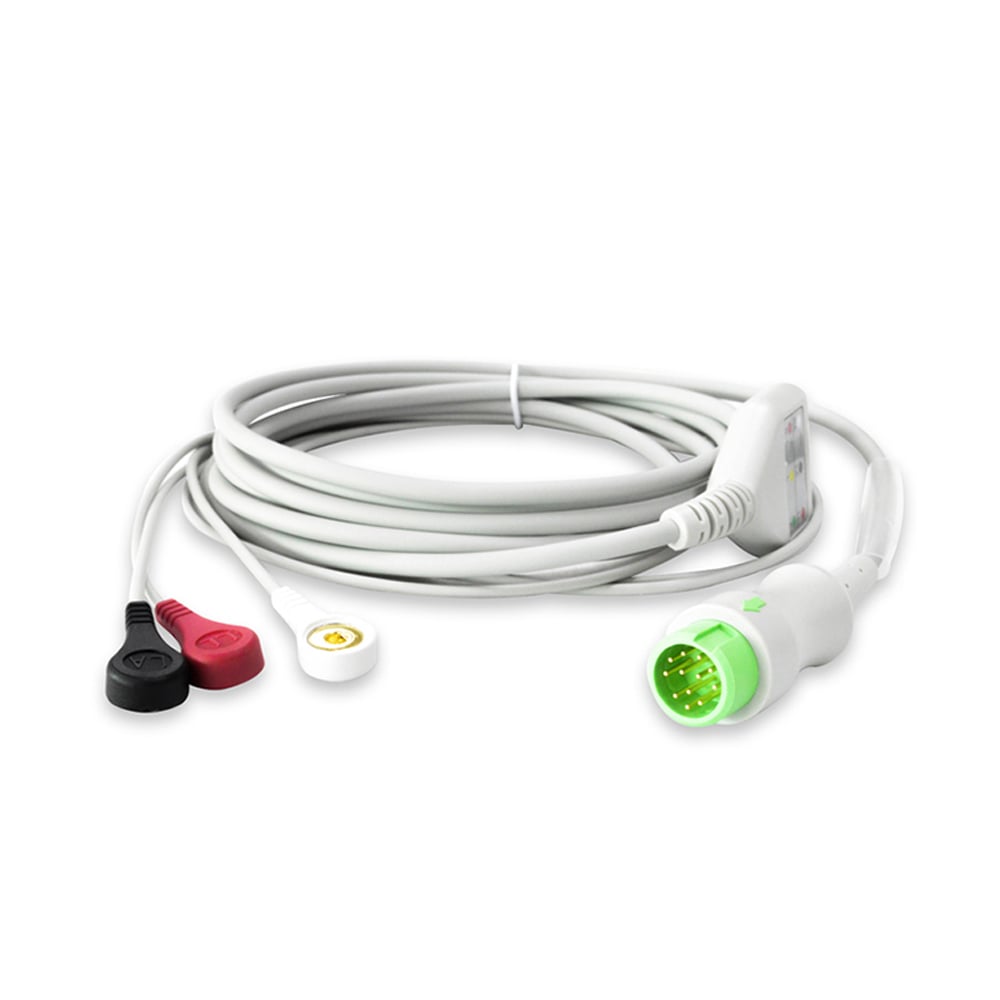
Laajempiin lääkinnällisiin laitteisiin soveltuvia ratkaisuja varten katso Lääketieteellinen laitteisto .
Käytännöllinen alhaisen kapasitanssin ultraäänikaapelin kehitysprosessi voidaan tiivistää seuraavasti:
Tutkapään rakenne → kanavamäärä → signaali vaatimukset → kapasitanssitavoite → eristeen ja johtimen rakenne → suojaus → mekaaniset vaatimukset → liitin → validointi → tuotanto
Siksi insinöörintavoitteena ei ole pelkästään saavuttaa mahdollisimman alhaista kapasitanssia. Tavoitteena on saavuttaa vaadittu kapasitanssi ja signaalisuorituskyky samalla kun säilytetään koko ultraäänitutkapääkaapelikokoonpanon mitalliset, mekaaniset, liitännät ja valmistusvaatimukset .
Katso liittyviä korkean tiukkuuden ultraäänikaapelikonfiguraatioita Älykabeli ja Mikrokoaksiaalikabeli-assy .
Lääketieteellisiin kuvantamissovelluksiin tarvitaan korkean joustavuuden kaapeleita, jotka kestävät kliinisessä käytössä esiintyviä tuhansia taivutus- ja kiertokytkentäkierroksia. Kuitenkin kapasitanssin vähentäminen paksentamalla eristekerroksia tai suurentamalla suojauksen luotettavuutta lisää väistämättä kaapelin jäykkyyttä ja kokonaishalkaisijaa. Tämän teknisen kompromissin tasapainottamiseksi määritellään yleensä korkean lujuuden hopealla pinnoitetut kupari-seoksista valmistetut johtimet ja erinomaisen joustavat ulkokotelointimateriaalit. Niiden suorituskyky on varmistettava tiukalla moniakselisella joustavuus- ja taivutusluotettavuustestauksella.
Mikrokoaksiaalikaapeliryhmän ja järjestelmän PCB:n välinen päätösliitos on yleinen impedanssijatkuvuuden katkeamisen syy. Ultraohuiden johtimien, kuten 48 AWG -kokoisten, päätöksen vaatii korkean tiukkuuden suorasoldaustekniikoita tai mikrokoaksiaaliliittimiä, joiden napaväli voi olla jopa 0,3 mm. Näissä liitoksissa esiintyvät äkilliset geometriset siirtymät voivat aiheuttaa signaalien heijastumisia, jotka heikentävät kuvantamisen yhtenäisyyttä kanavien välillä.
Korkean hyötysuhteen lääketieteellisten kaapelikokoonpanojen tuotanto edellyttää tiukkaa valvontaa langan vetoprosessissa, fluoropolymeeripurskeiden kuplautumisessa ja moniakselisessa planeetta-kiertokelausprosessissa, jotta varmistetaan tasainen jännitysjakauma ilman kiertyvän jännityksen aiheuttamista. Valmistus on suoritettava ISO 13485 -sertifioiduissa tiloissa. Laajanlaajuiseen laadunvarmistukseen kuuluu 100 % kapasiteettitestaus, jolla kartoitetaan impedanssiprofiilia jokaisen kanavan osalta ja varmistetaan paikallisesti syntyneiden valmistuspoikkeamien puuttuminen.
128-kanavaisessa korkeataajuuslineaarikuvantamiseen tarkoitetussa pinnalliselle verkkokuvantamiselle suunnitellussa tutkapäässä standardin mukaisen kiinteän eristeen kaapeliryhmän korvaaminen räätälöidyllä 50 pF/m:n vaahtoeristeisellä kokoonpanolla voi merkittävästi vähentää korkeataajuista läpäisyhäviötä 2 metrin pituisella kaapelilla. Kapasitiivisen kuorman vähentäminen parantaa suoraan Doppler-herkkyyttä ja kliinisen kuvan yleistä selkeyttä.
Edistyneiden ultraäänitutkapäiden optimointi edellyttää jakautuneen kapasitanssin säätämistä noin 50 pF/m:n tavoitearvoon tarkkaa vaahtoteknologiaa ja tiukasti valvottuja valmistustoleransseja käyttäen. OEM-insinööriteamien kannalta interkonnektoripartnerin valinta, jolla on erikoistunut mikrokoaksiaaliextruusiokyky ja ISO 13485 -standardin mukainen valmistusinfrastruktuuri, varmistaa, että teoreettiset signaalintasapainon edut muuttuvat toistettaviksi, käytännön kliinisiksi suorituskyvyiksi.
 Uusimmat uutiset
2026-09-17
2026-09-04
2025-12-17
2025-12-11
2025-12-05