 EN
EN
Quick Links

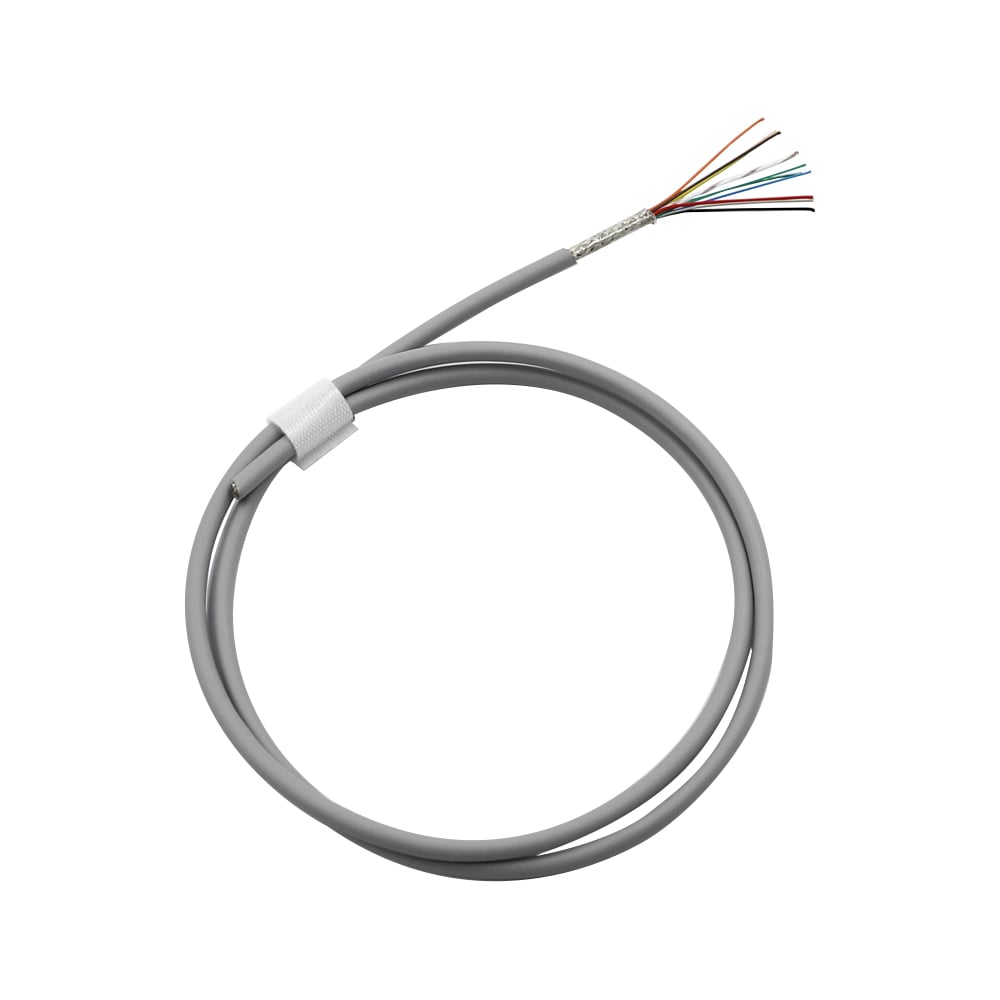
In critical healthcare environments, every item of equipment is relied upon for uninterrupted use. Whether in operating rooms, ICUs, imaging suites, or outpatient clinics, medical devices operate continuously under demanding conditions. Among the many factors affecting medical equipment reliability, medical cables play a foundational role and are often subjected to the highest levels of physical stress. Medical cable durability is not merely a convenience but a requirement that affects patient safety, workflow efficiency and healthcare economics. Hotten leverages its expertise in precision wire technology and focus on quality to design and manufacture medical cables to meet the challenges.
It's not an exaggeration that healthcare environments stress equipment to the extreme. Medical devices are used day in and day out under immense physical pressure—pulled, twisted, coiled, repeatedly straightened, dragged across floors, wrapped around carts, and bent in tight procedural spaces. The ability for cables used within this environment to withstand such stresses is essential for workflow and critically for the safety of the patients. Lost signal within an ultrasound probe during a procedural scan, an intermittent lead connection in a patient monitoring device, or a frayed cable within a surgical scalpel can, depending on the circumstances, create serious patient risk.
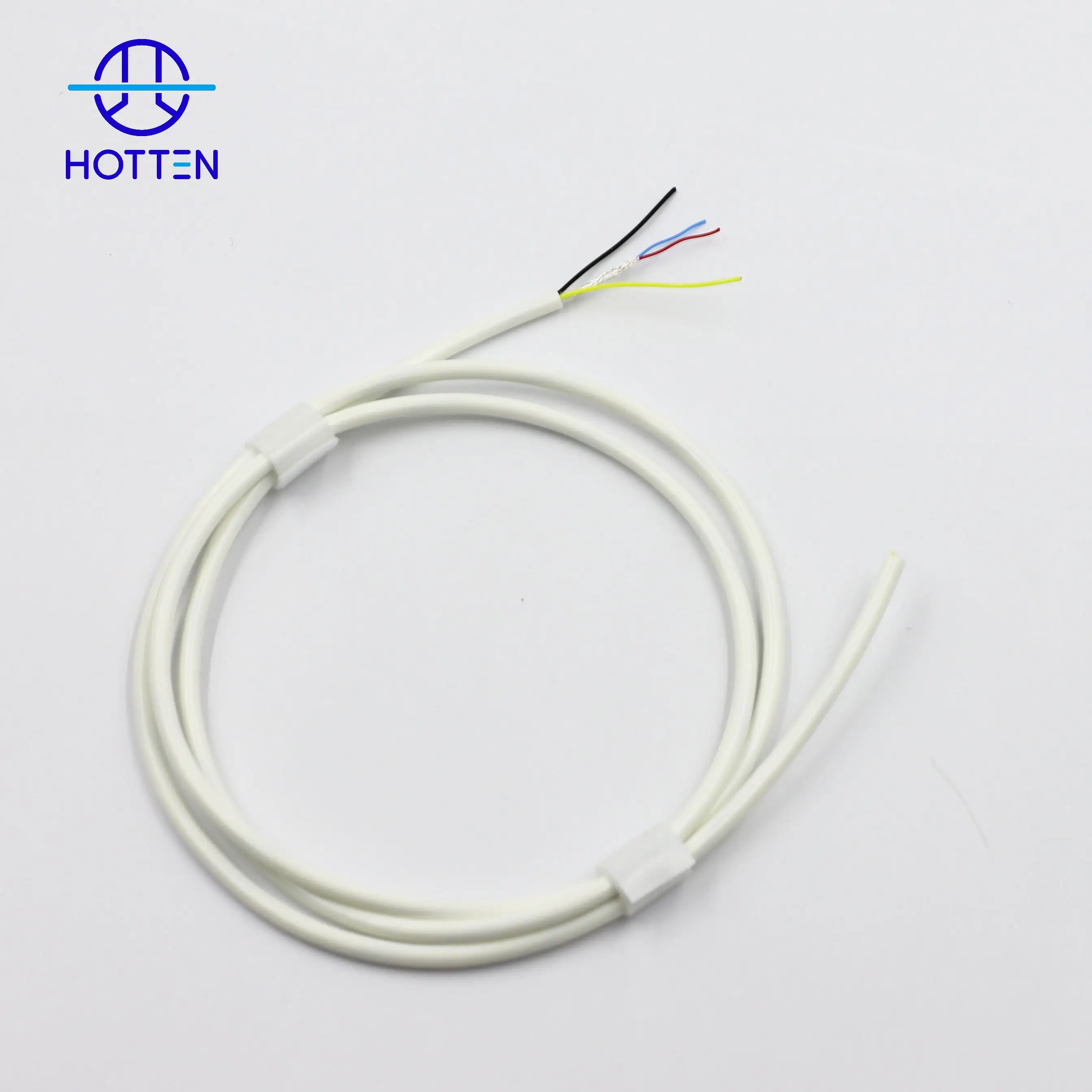
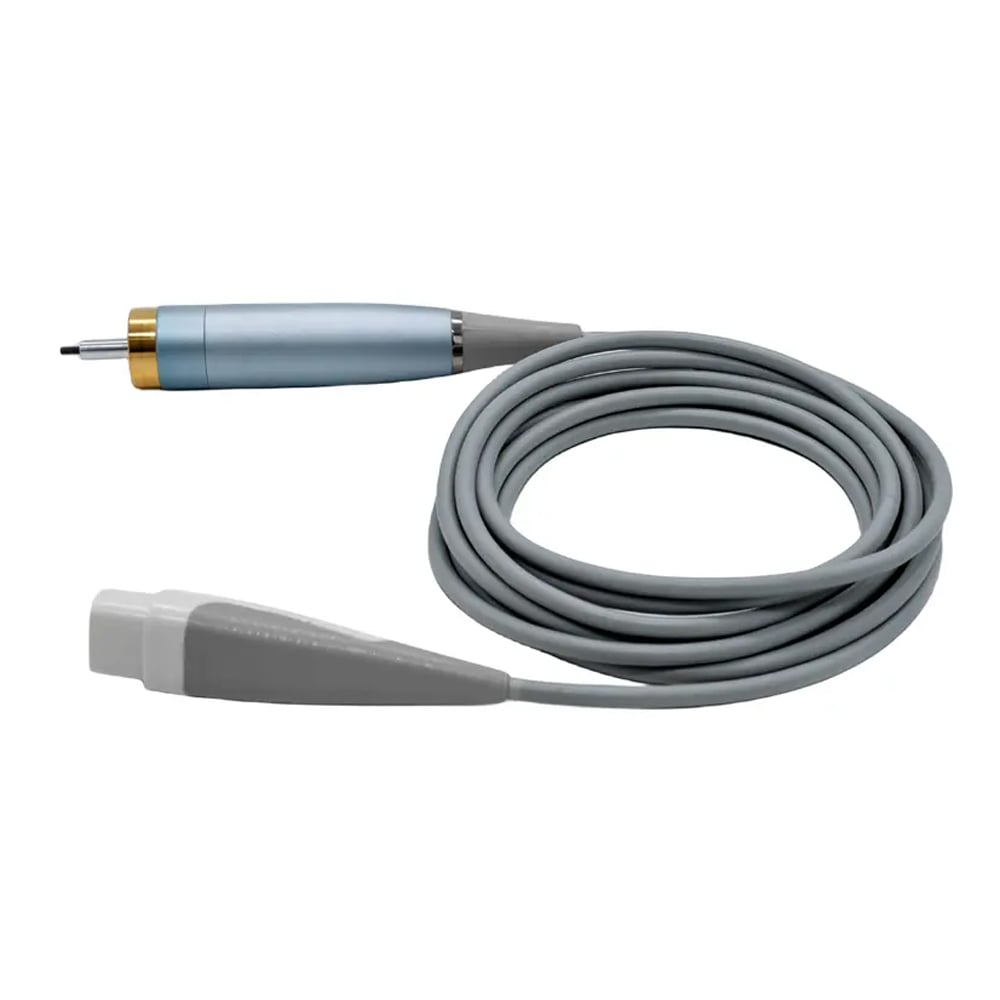
The daily wear and tear endured by medical cables far exceeds what one might find within commercial electronics. Ultrasound probe cables, for example, are typically flexed millions of times during their operational lifetime as they are manipulated by the technician during patient scans. Repeated flexing of cables used in endoscopic systems requires exceptional mechanical durability. Lead wires connecting a patient to an EEG monitor are frequently handled and connected and disconnected from the patient. These daily occurrences must be accommodated by robust cable construction. At Hotten, we study usage patterns, provide strain relief at interfaces, use flexible conductors, abrasion resistant jackets, and tailor the cable design and material to the specific needs of the application. Each year, R&D teams produce over 300 custom cable specification documents, illustrating the diverse and exacting nature of these requirements.
Another challenging requirement of medical cable performance is the ability to withstand repeated sterilization cycles. This varies from product-to-product application; steam sterilization (autoclaving), the application of EtO gas sterilization, gamma radiation or the use of detergents. Each sterilization technique employs either high temperatures, chemical processes or the application of ionizing radiation, and each can severely degrade inferior quality insulation. Cables that can't perform under these conditions can be the cause of electrical safety issues (degraded insulation can result in shorting or arcing) or the compromise of sterility through a breach in the jacket (embrittled jackets can crack over time). Hotten focuses on material performance during the repeated sterilization cycle for all applicable medical products, from surgical probe cables to endoscope cables, thereby assuring signal performance throughout the products' entire usable lifetime.
Cables are also exposed to various cleaning solutions, disinfectants and bodily fluids on a regular basis. Some cleaners can chemically corrode certain types of insulation or cause swelling of the material. bodily fluids may penetrate compromised cable jackets and can carry disease-carrying agents. At Hotten, medical cables are built using a variety of advanced jacketing materials chosen specifically for their resistance to various chemicals, as well as robust construction and connector designs that will not allow for the infiltration of liquids into the cable assembly.
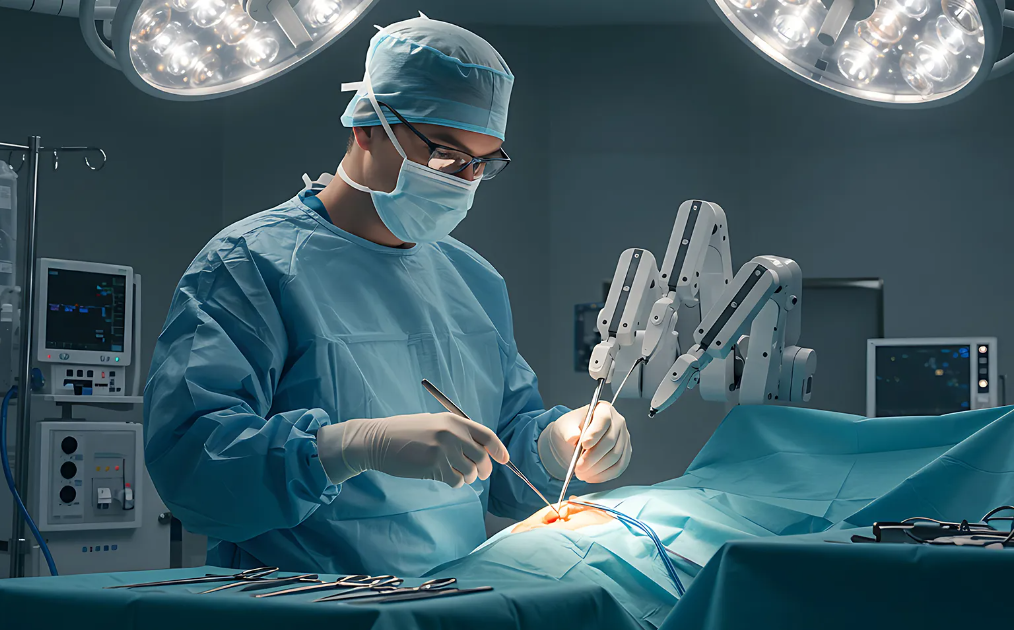
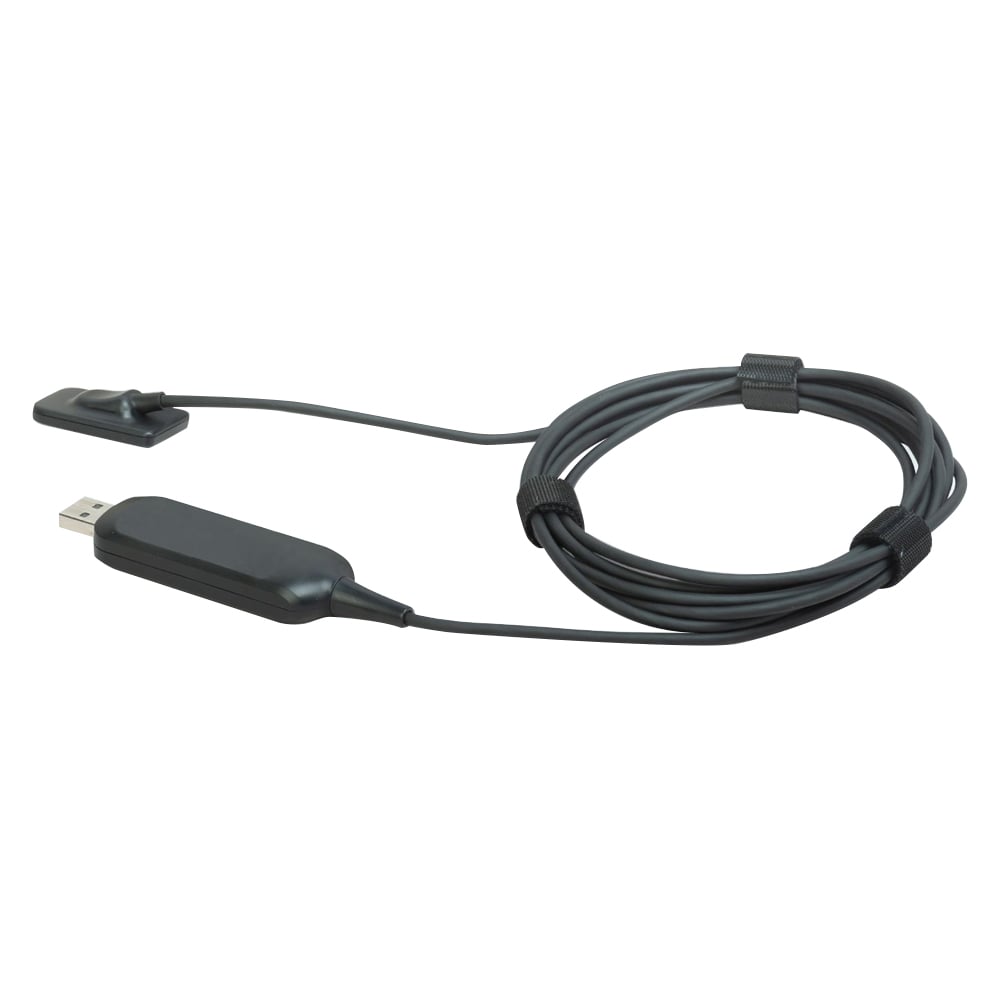
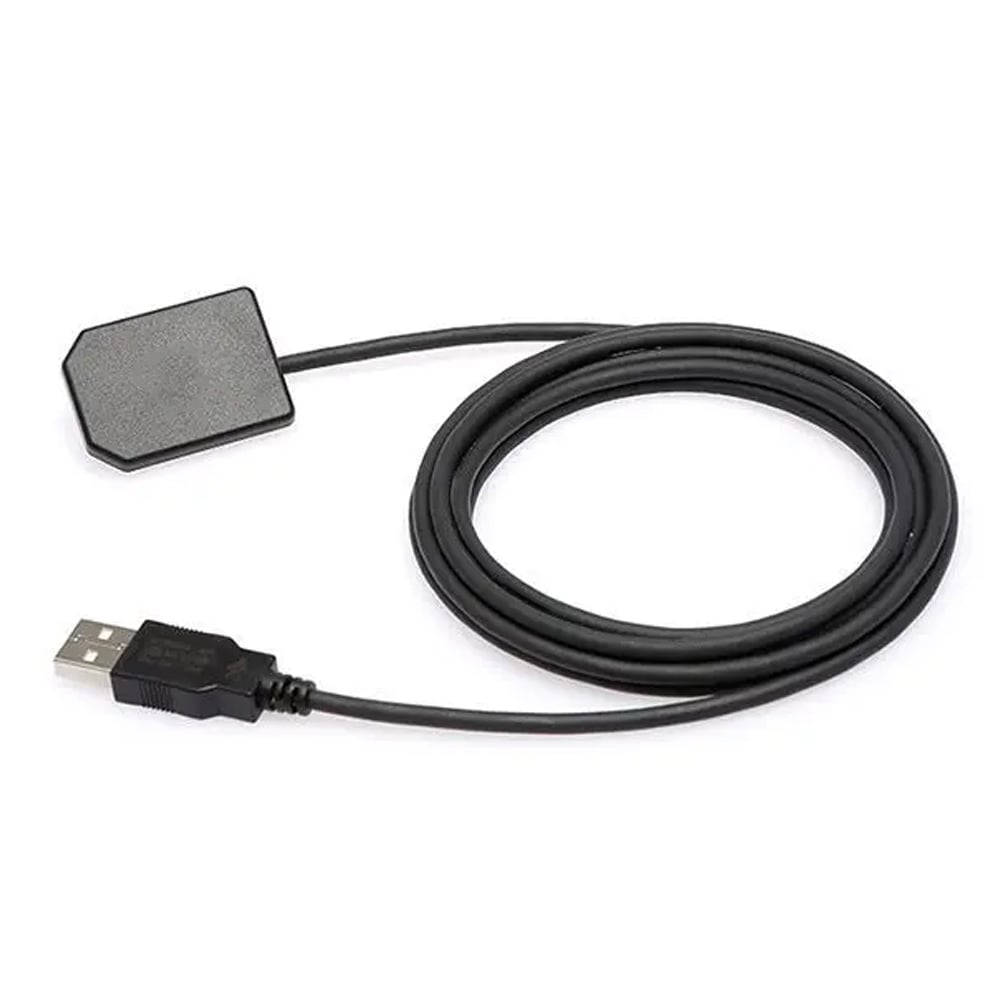
The application for which a medical cable will be used varies drastically and each has unique challenges. Ultrasound probe cables need to maintain flexibility under hundreds of millions of flex cycles and resist the effects of coupling gels. RF ablation cables are exposed to high-frequency electrical energy under constant manipulation of the physician or surgeon. Dental sensor wires must be able to flex repeatedly without the jacket being torn. Lead wires connecting to EEG monitors need to maintain high tensile strength without increasing weight and stiffness. Hotten's product line encompasses cables meeting such needs. We will work with the customer to design a cable specific to their unique medical equipment application needs.
Medical cable durability in critical healthcare environments is not merely a secondary consideration; it is a critical performance requirement. for reliable and safe patient care. The constant battle against mechanical stress and chemical and electrical degradation associated with usage, repeated sterilization cycles and routine environmental exposure demands durable medical cable designs. Hotten is a leader in addressing such demands by engineering robust medical cable solutions that will provide reliability under any critical use environment.
Selecting the right medical cable supplier is essential for ensuring long-term device reliability. HOTTEN provides customized medical cable assemblies designed for demanding healthcare applications, including ultrasound systems, surgical instruments, endoscopy equipment and medical sensing devices.
With expertise in precision wire manufacturing, micro coaxial cable technology and application-specific customization, HOTTEN works with medical device manufacturers to develop reliable cable solutions that meet mechanical, electrical and environmental requirements.
Contact HOTTEN to discuss your custom medical cable requirements.
Medical cables are frequently exposed to bending, twisting, sterilization cycles, cleaning chemicals and daily handling. Poor durability may lead to signal interruption, equipment downtime and increased maintenance costs.
The main factors include:
A reliable medical cable manufacturer evaluates these factors based on the specific application requirements.
Medical cables require carefully selected jacket materials and protective structures to resist heat, chemicals and repeated cleaning processes. Materials such as medical-grade silicone, TPU and specialized polymers are commonly used depending on the sterilization method.
Manufacturers improve durability through:
Yes. Medical cable assemblies are usually customized according to device requirements, including:
High durability is especially important for:
 Hot News
2026-09-17
2026-09-04
2025-12-17
2025-12-11
2025-12-05