 EN
EN
Quick Links

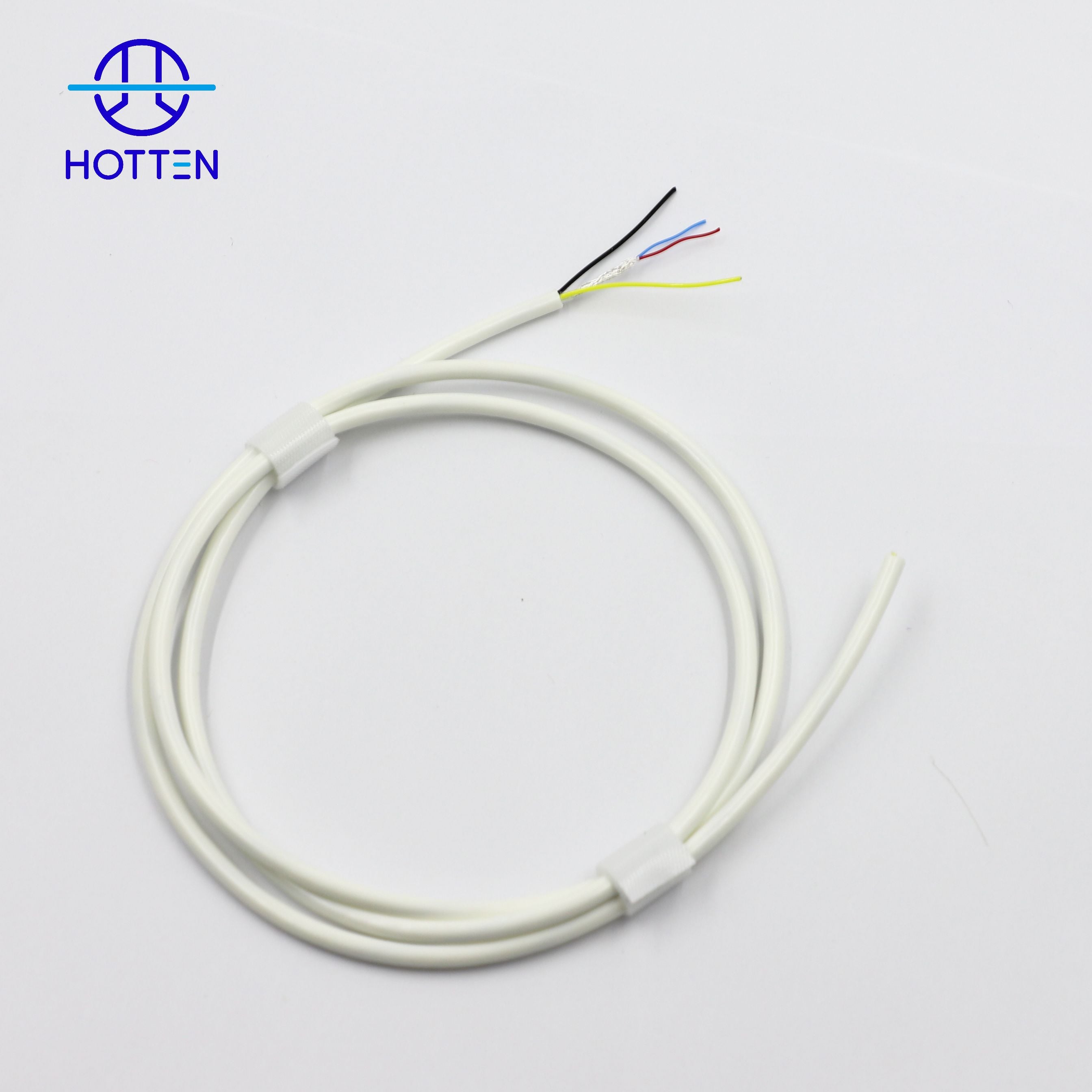
For OEM as well as ODM electronic devices producers, choosing the appropriate ultra-fine coax cable is actually a crucial choice that affects product efficiency, dependability, as well as manufacturability. These small conduits for high-frequency indicators are actually the lifelines of contemporary small electronic devices. Selecting improperly can easily result in indicator deterioration, setup difficulties, as well as item failure. This direct describes the essential technological as well as industrial elements you ought to think about to create a notified option.
| Selection Factor | Key Considerations | Impact on Performance | Typical Requirements |
|---|---|---|---|
| Electrical Performance | Impedance, frequency range, attenuation, insertion loss | Determines signal integrity and transmission reliability | 50Ω / 75Ω impedance, low loss, high-frequency transmission |
| Cable Structure | Conductor size, dielectric material, shielding design | Affects electrical stability and mechanical properties | Ultra-fine diameter, controlled impedance, optimized shielding |
| Flexibility & Durability | Bend radius, flex cycles, tensile strength | Determines service life in dynamic applications | Robotics, UAV gimbals, medical probes |
| Shielding Performance | Braid, foil or composite shielding structure | Reduces EMI, RFI and signal interference | Medical imaging, RF modules, precision sensors |
| Connector Compatibility | Connector type, termination quality, assembly precision | Ensures reliable system integration | MMCX, SMP, custom connectors |
| Supplier Capability | R&D ability, customization, production consistency | Reduces development risk and supply chain issues | OEM/ODM customized cable solutions |
1. Define Your Core Electrical Requirements
Begin with your signal's essential requirements. Impedance (generally 50Ω or even 75Ω) should suit your body elements to avoid reflections. Operating Frequency determines the cable's required data transfer as well as will certainly affect the needed attenuation degree (insertion loss). For fast electronic indicators or even high-frequency analog, reduced attenuation is actually critical. Plainly specify your optimum appropriate reduction over the cable's functional size.
2. Prioritize Mechanical & Environmental Specifications
The cable's bodily development should make it through its own running lifestyle. Think about:
Diameter & Flexibility: Exactly how limited are the flex radii in your style? Ultra-fine as well as extremely versatile Cables are actually important for vibrant requests (such as drone gimbals, robotic arms) or even restricted areas (such as endoscopes).
Durability: Assess the needed bend lifestyle (cycles), crush protection, as well as tensile strength. Will Cable certainly remain in continuous movement or even deal with periodic squeeze factors?
Environmental Stressors: Define direct visibility towards chemicals, wetness, temperature level extremes, or even duplicated sterilization (autoclaving, gamma radiation). Products such as fluoropolymers provide exceptional chemical as well as thermal protection.
3. Select the Appropriate Shielding and Construction
Indicator stability in loud atmospheres is actually non-negotiable. The protective kind is actually your main protection against Electromagnetic Interference (EMI).
Braid Shields deal outstanding versatility as well as great protection for general-purpose utilize.
Foil Shields offer 100% protection against high-frequency disturbances; however can easily decrease versatility.
Combination Shields (Braid + Foil) provide optimum security for delicate requests such as clinical imaging or even high-precision noticing.
Guarantee the protection as well as port background offer a constant, low-resistance course.
4. Specify Connector and Termination Requirements
Cable is actually just comparable to its own link. Specify:
Connector Type & Series: Select industry-standard (such as MMCX, SMP) or even a customized user interface.
Plating Material: Gold layering provides exceptional conductivity as well as rust protection for crucial indicators.
Assembly Precision: For mini coaxial, discontinuity needs specific tooling as well as proficiency towards preserving resistance stability appropriate as much as the get in touch with factor. Inconsistent discontinuities are actually a significant source of failure.
5. Partner with a Capable, Quality-Focused Supplier
Lastly, your Cable belongs to your supply chain. Your selected companion ought to show:
Deep R&D & Customization Capability: Looking for a provider whose core competency is actually progressing Cable innovation as well as that can easily establish bespoke services, certainly not simply deal a brochure. A companion presenting numerous brand-new specs yearly has the dexterity to satisfy distinct OEM/ODM needs.
Proven Manufacturing Scale & Consistency: Evaluate their manufacturing impact as well as quality assurance bodies. High-volume capability (such as 144+ million meters yearly) along with strict procedure command guarantees you obtain the exact same high-performance cable in every set.
Industry-Specific Expertise: A provider that comprehends the extensive high top premium as well as security imperatives of areas such as clinical diagnostics or even commercial automation will certainly be a much more important, risk-mitigating companion.
Full Solution Offering: A companion that offers dependable, evaluated cable assembly solutions, not simply raw cable, simplifies your logistics, decreases setup mistakes, as well as speeds up time-to-market.
Summary
Choosing a ultra-fine coax cable is actually a diverse design choice. Through methodically assessing electric, technical, as well as ecological requirements, as well as through partnering with an ingenious, scale-ready producer, OEM as well as ODM developers can easily protect a crucial element that guarantees their product's efficiency as well as dependability.
At Hotten Electronic Wire, our team has actually developed to become this companion. Established on R&D in ultra-fine coaxial innovation as well as supported through considerable manufacturing capability, our team focuses on the high-end premium as well as security that commercial as well as clinical requests need. Our team's objective towards offer certainly not simply Cable, but the dependable, high-performance cable assembly solutions that equip your next-generation electronic devices.
A: OEM manufacturers should evaluate electrical requirements, mechanical conditions, environmental factors, connector compatibility and supplier customization capability before selecting a micro coaxial cable.
A: Important specifications include impedance, operating frequency, attenuation, cable diameter, shielding structure, flexibility, temperature resistance and connector requirements.
A: Proper impedance matching reduces signal reflection and transmission loss, helping maintain signal integrity in high-frequency applications.
A: Shielding structure directly affects EMI protection, signal stability and flexibility. Foil shielding provides high coverage, while braid shielding improves mechanical flexibility. Combined shielding can provide both advantages.
A: Standard cables may work for general applications, but customized micro coaxial cables are often preferred for OEM products requiring specific dimensions, connectors, performance parameters or assembly requirements.
A: OEM customers should evaluate supplier capabilities including R&D experience, customization ability, manufacturing consistency, quality control systems and ability to provide complete cable assembly solutions.
 Hot News
2026-09-17
2026-09-04
2025-12-17
2025-12-11
2025-12-05