 EN
Quick Links

Product Knowledge Base Article | Hotten Precision Processing
In drone and remote controller systems, extensive signal and power transmission is required among cameras, gimbals, antennas, sensors, and mainboards. Due to tight internal spatial constraints and strict lightweight demands, micro-coaxial cables, RF coaxial cables, and customized wire harnesses serve as critical interconnection carriers to ensure stable communication and power delivery across modules.
1. Camera to Mainboard Connection
• Location: Connects the onboard camera module to the flight controller or main control board.
• Function: Handles the high-speed, stable transmission of high-definition video data and control signals.
• Selection Considerations: Focus on cable length, electromagnetic shielding performance, connector reliability, and specific signal integrity requirements.
2. Gimbal Interconnections
• Location: Connects moving components such as gimbal motors, control boards, and cameras.
• Function: Simultaneously delivers signal transmission, control command interaction, and system power supply.
• Selection Considerations: Since the gimbal rotates frequently, pay close attention to routing layouts within confined spaces, as well as the cable's mechanical bending and torsional adaptability during dynamic movement.
3. Drone Body and Remote Controller Antenna Connections
• Location: Connects internal RF wireless modules to external antennas within the drone frame or remote controller.
• Function: Acts as RF coaxial feeder lines to achieve efficient transmission and reception of video transmission and RC signals.
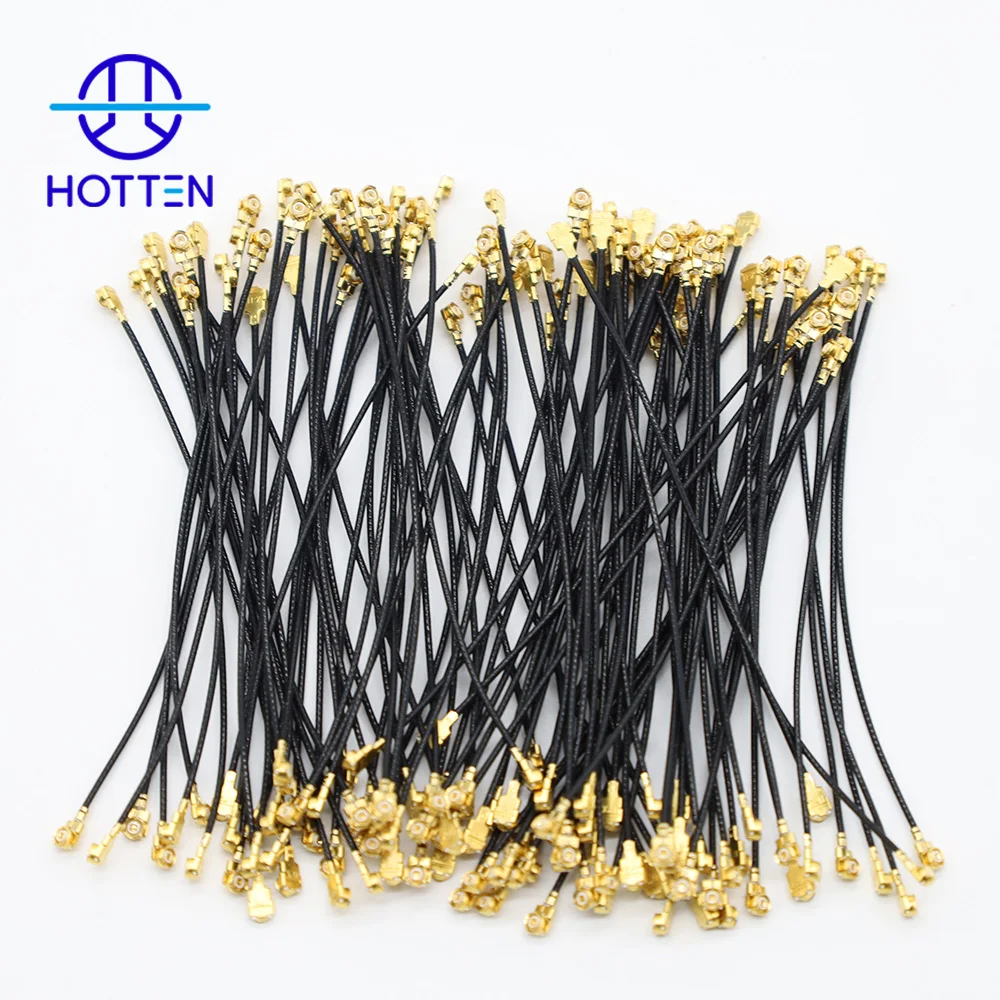
• Selection Considerations: Strictly match characteristic impedance (e.g., 50 ohms), operating frequency bands, insertion loss, and high-frequency RF connector models.
4. Remote Controller Display and Sensor Connections
• Location: Connects the mainboard of the remote controller to the display screen or various onboard/handle sensors.
• Function: Transmits display graphics and sensor telemetry data.
• Selection Considerations: Choose appropriate connection methods based on actual hardware interfaces. Note that some modern structural designs directly utilize FPCs (Flexible Printed Circuits) or board-to-board connectors; traditional wire harnesses are not required in all such scenarios.
Leveraging Hotten’s existing product lineup and manufacturing capabilities, we provide the following precision cable processing services:
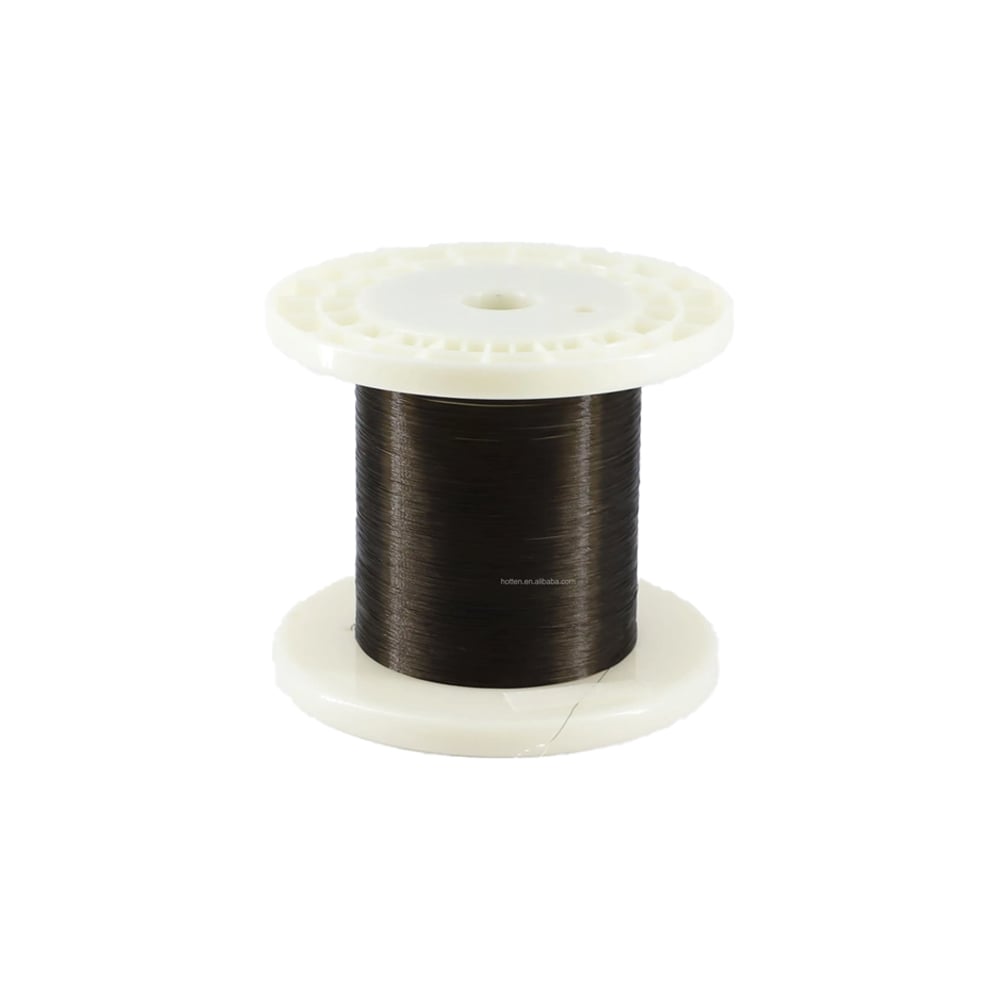
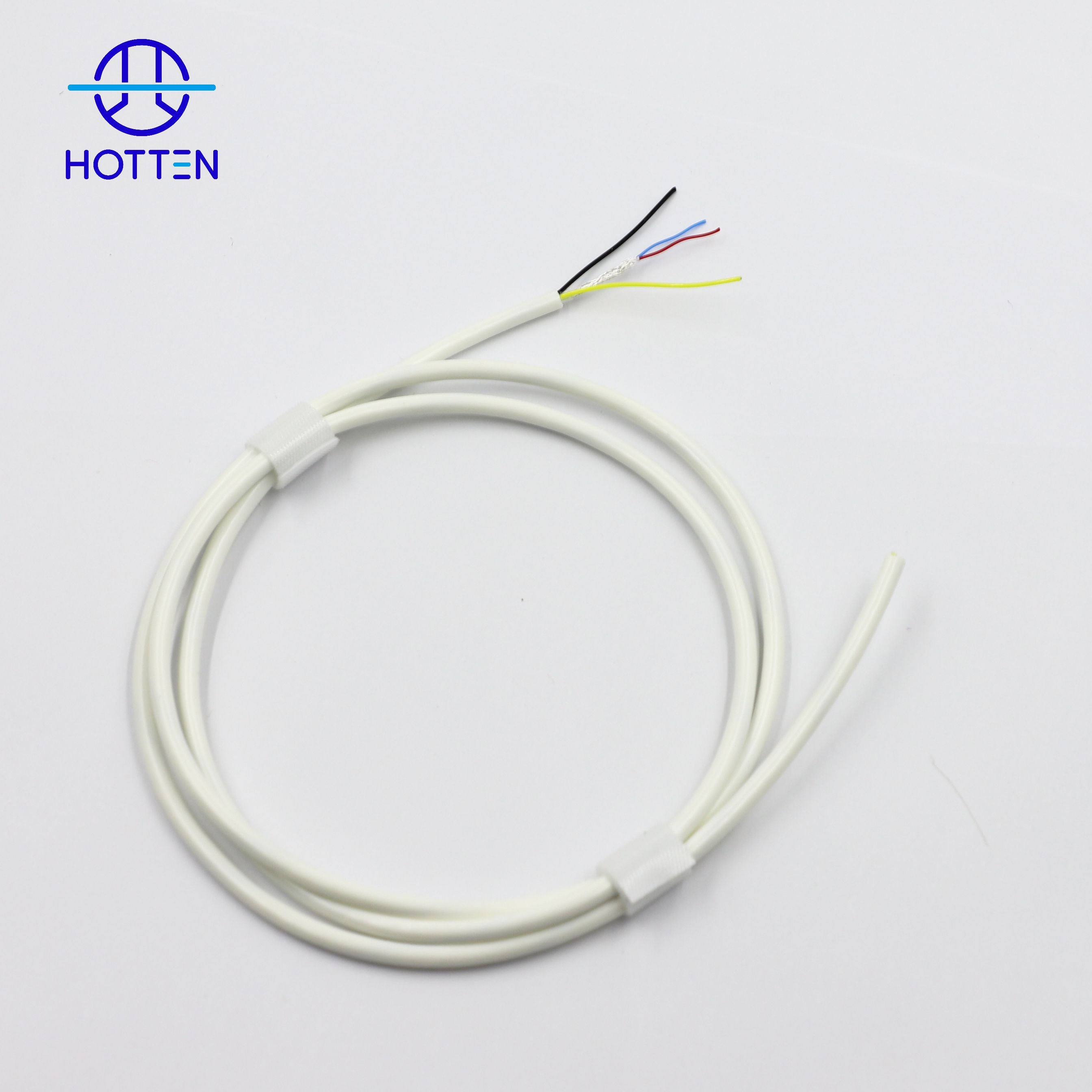
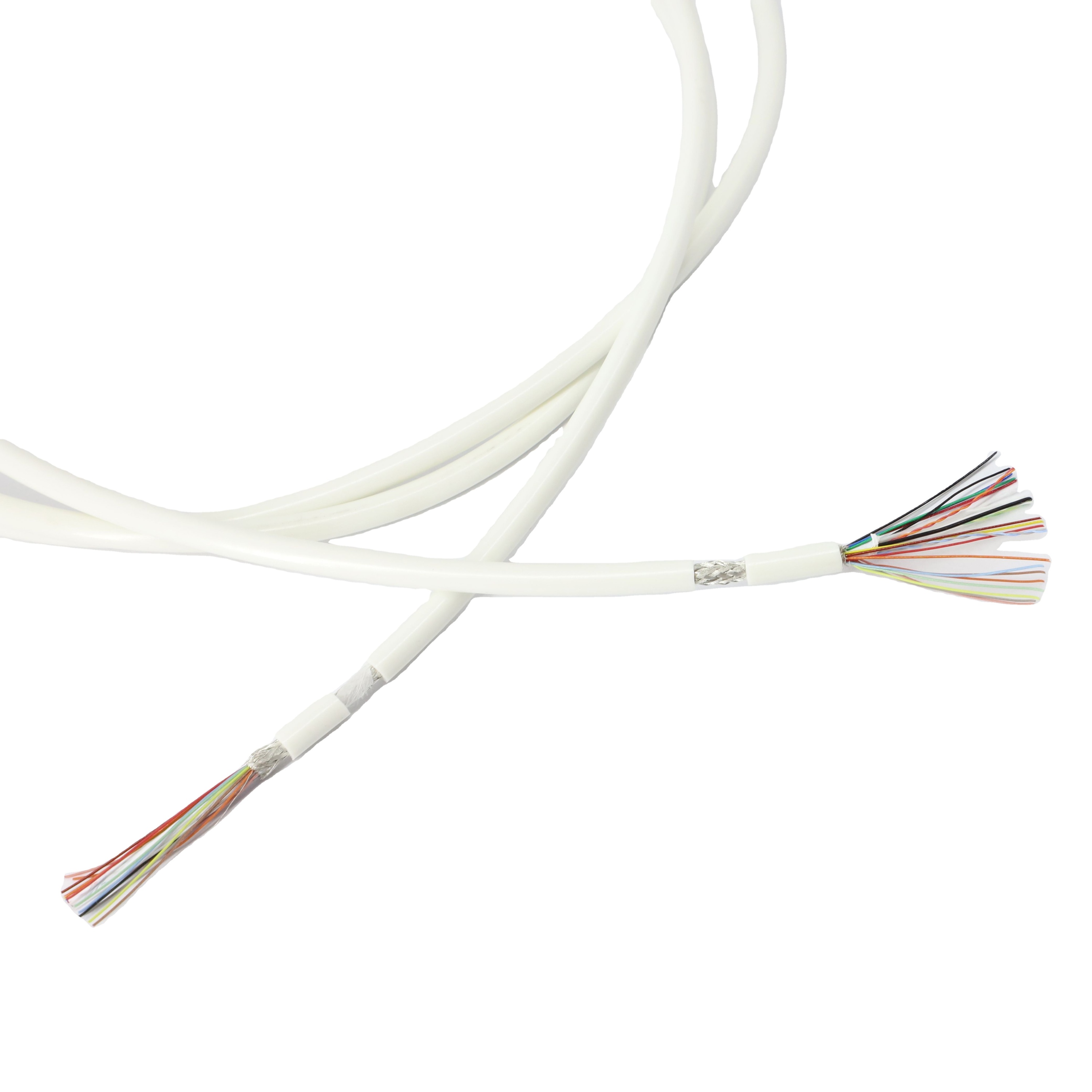
• Micro-coaxial Cables & Multi-branch Signal Harnesses: Designed for multi-channel signal transmission in space-constrained environments.
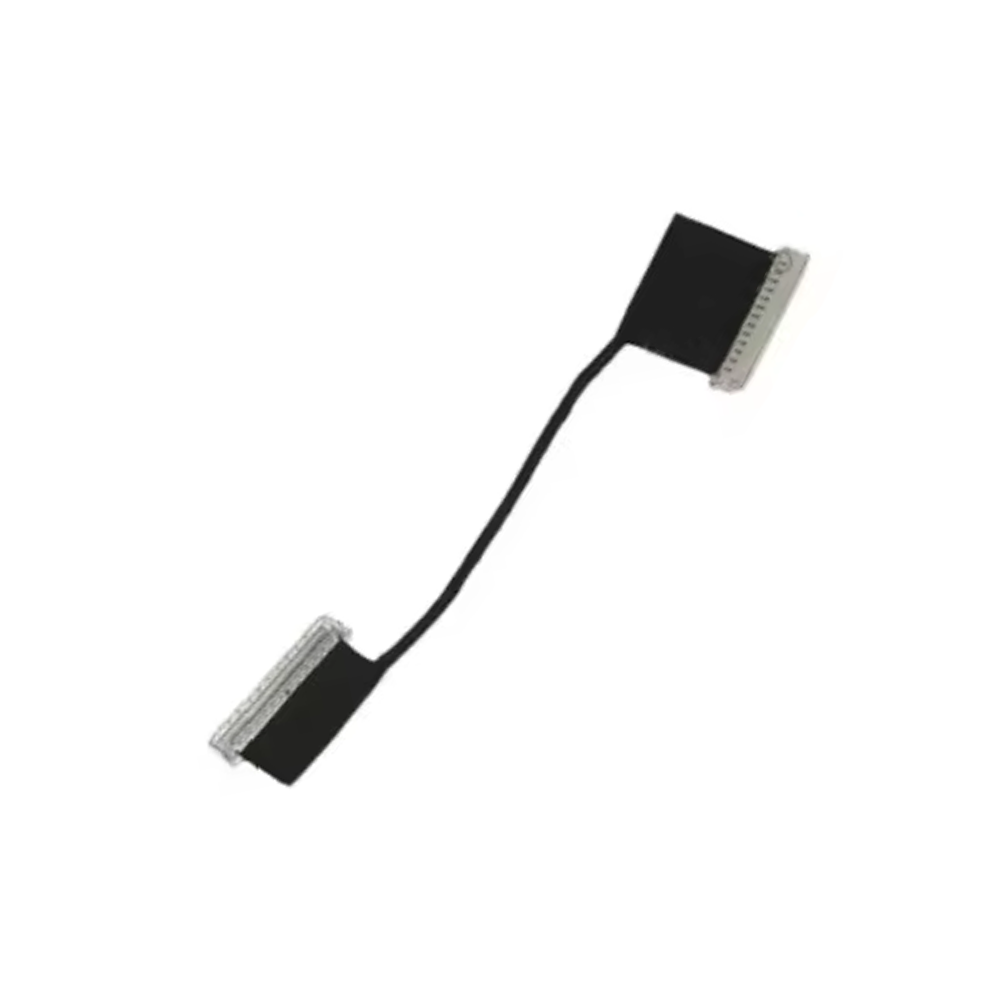
• Micro-connector Harnesses (e.g., DF36, DF56): Designed for high-density interconnections between miniature circuit boards.
• MHF1 RF Coaxial Cable Assemblies: Compatible with antenna connections for various wireless communication modules.
• Display Connection Harnesses & Precision PCB Terminations: Suitable for multimedia and control interface connectivity.
Hotten supports drawing-based technical evaluations and offers flexible customization regarding cable length, wire gauge, connector combinations, pinouts, branching structures, and termination methods. Specific application suitability requires technical verification, and our scope of business focuses specifically on wire and harness processing.
To ensure precise execution of the cable solution, clients are advised to provide complete project documentation (such as engineering drawings, samples, or clear assembly photos) and confirm the following key parameters prior to customization:
Customization Requirement Checklist
1. Complete connector part numbers and pin counts
2. Pinout definitions and wiring sequences
3. Cable length and available installation space dimensions
4. Signal interface types and power supply current requirements
5. Whether the harness passes through articulating or moving parts
Drone cable selection requires a balanced consideration of electrical performance, mechanical structures, and practical assembly requirements. Hotten possesses specialized processing and manufacturing capabilities, ready to evaluate and provide reliable cable assembly solutions tailored to your project documentation and technical specifications.
 Hot News
2026-09-17
2026-09-04
2025-12-17
2025-12-11
2025-12-05