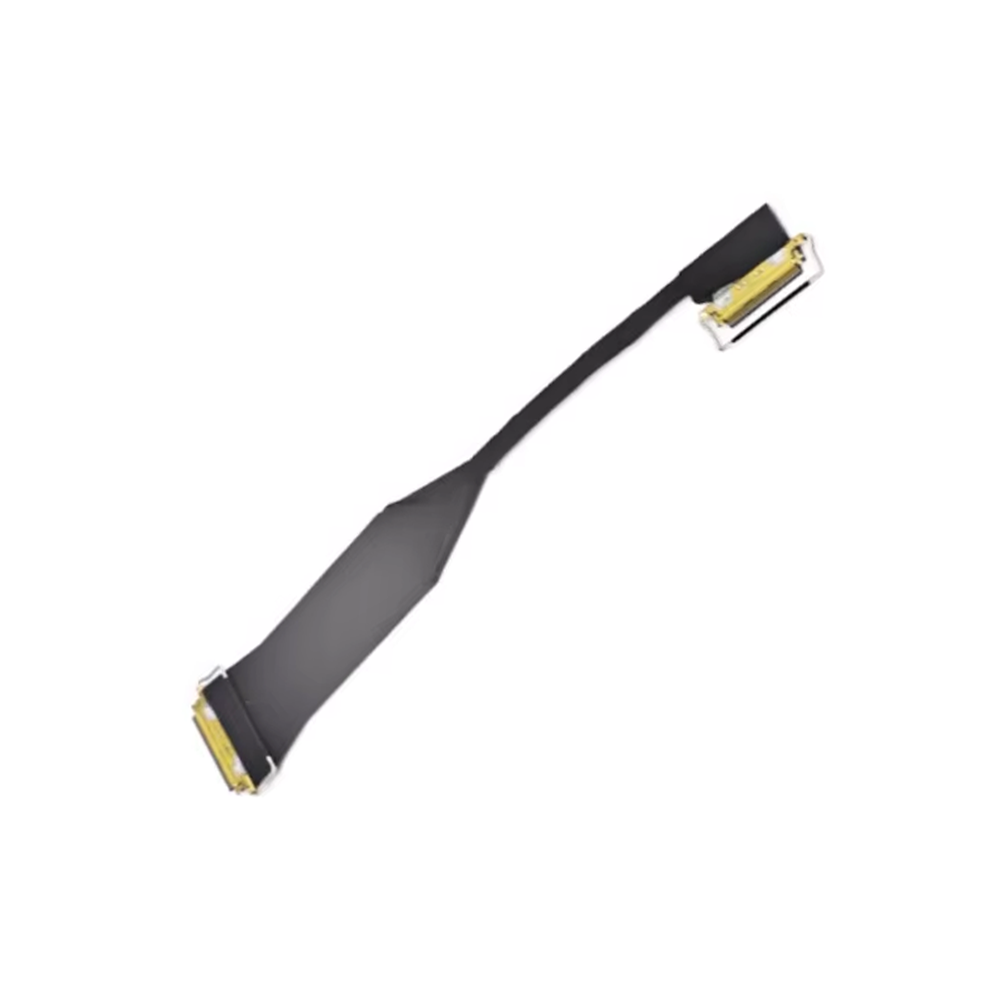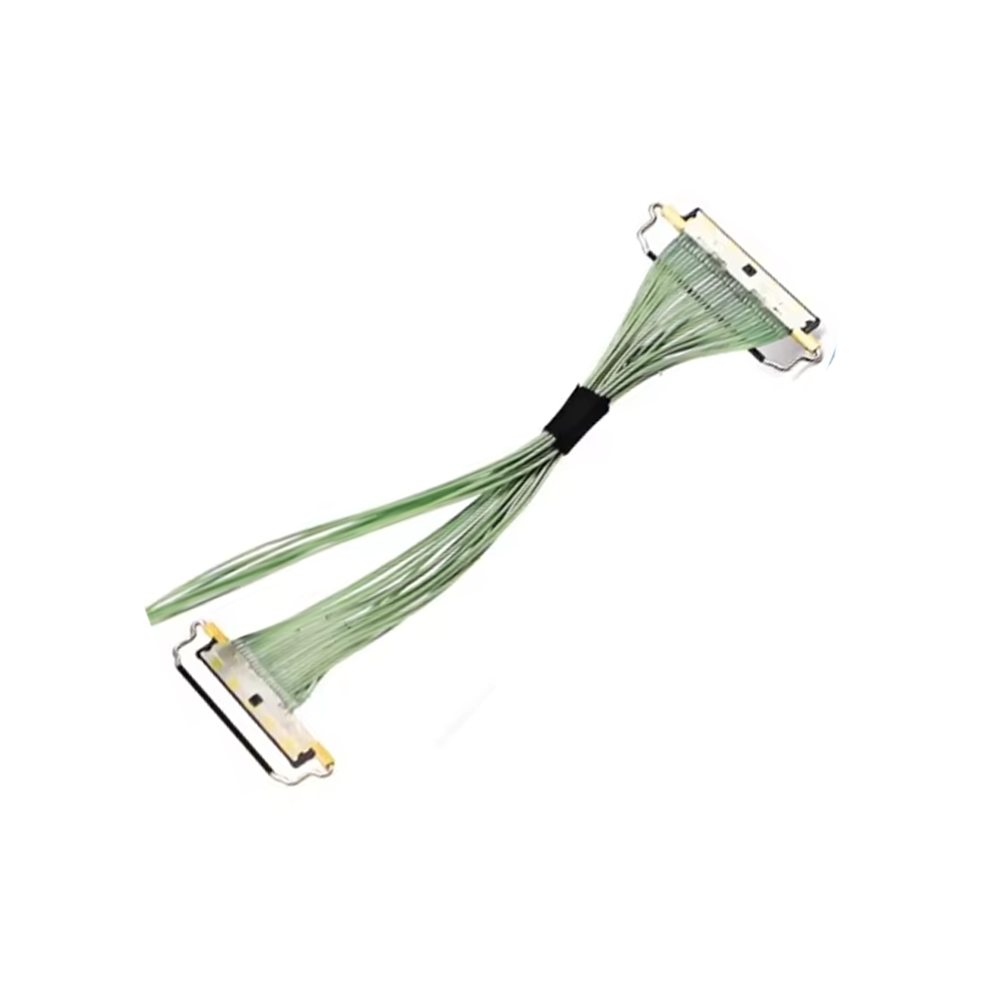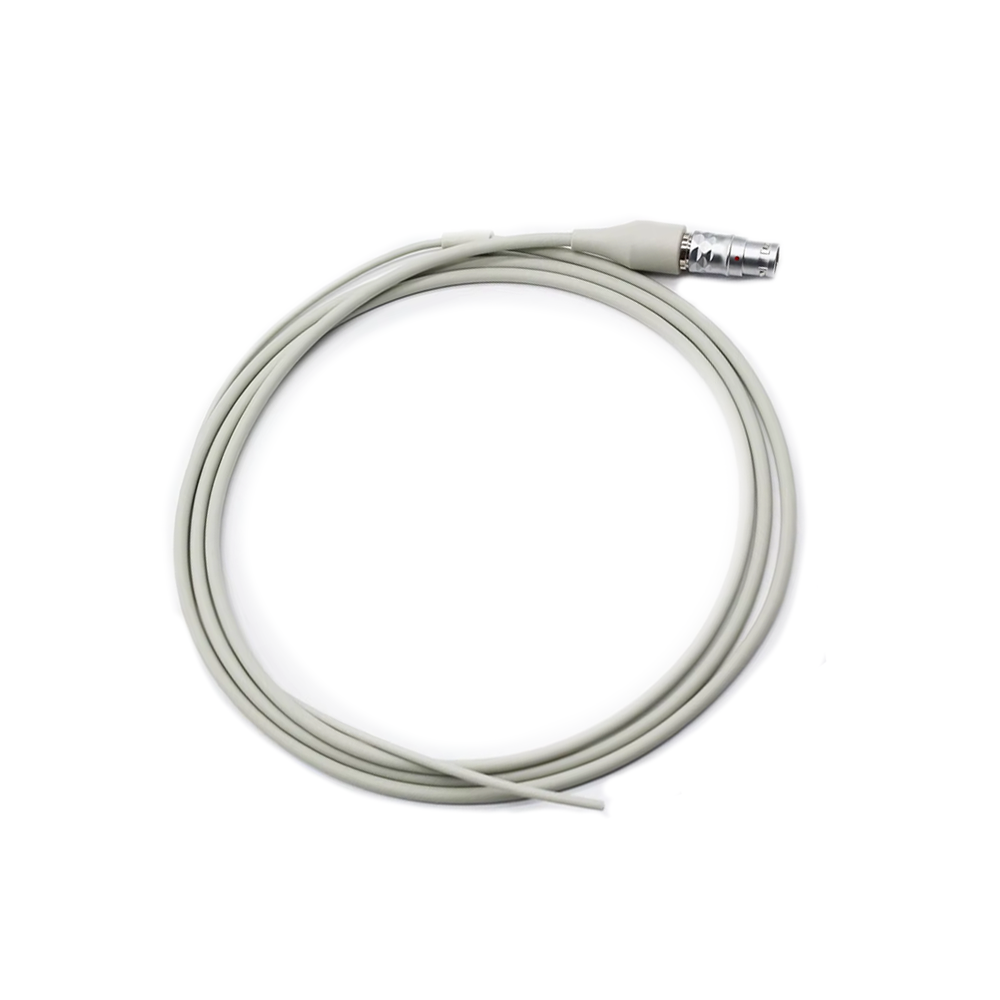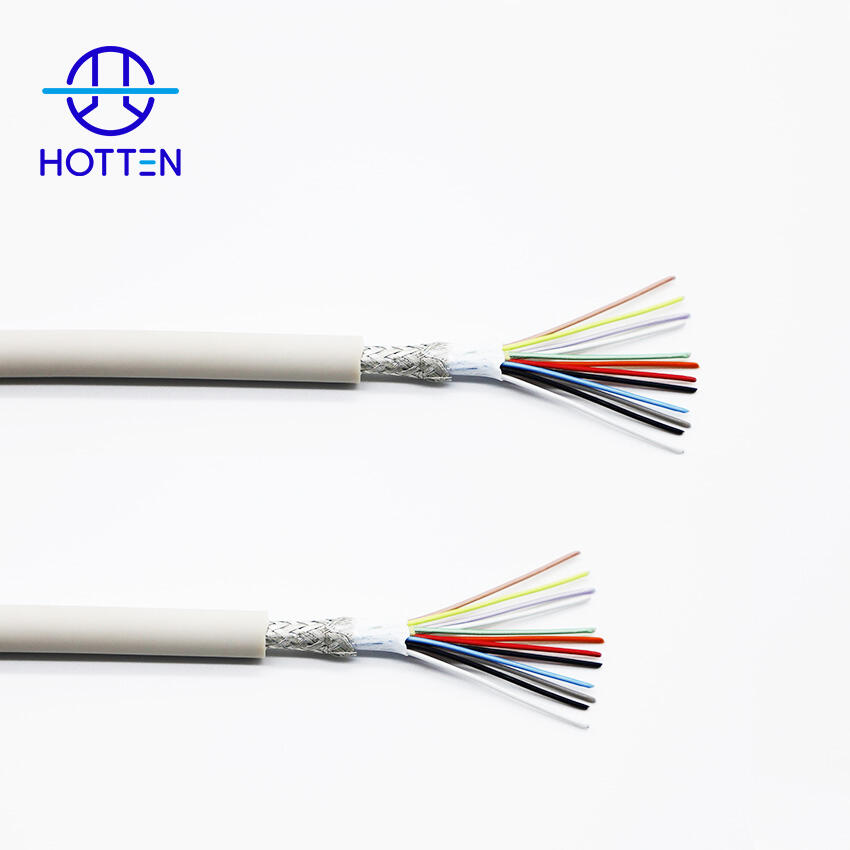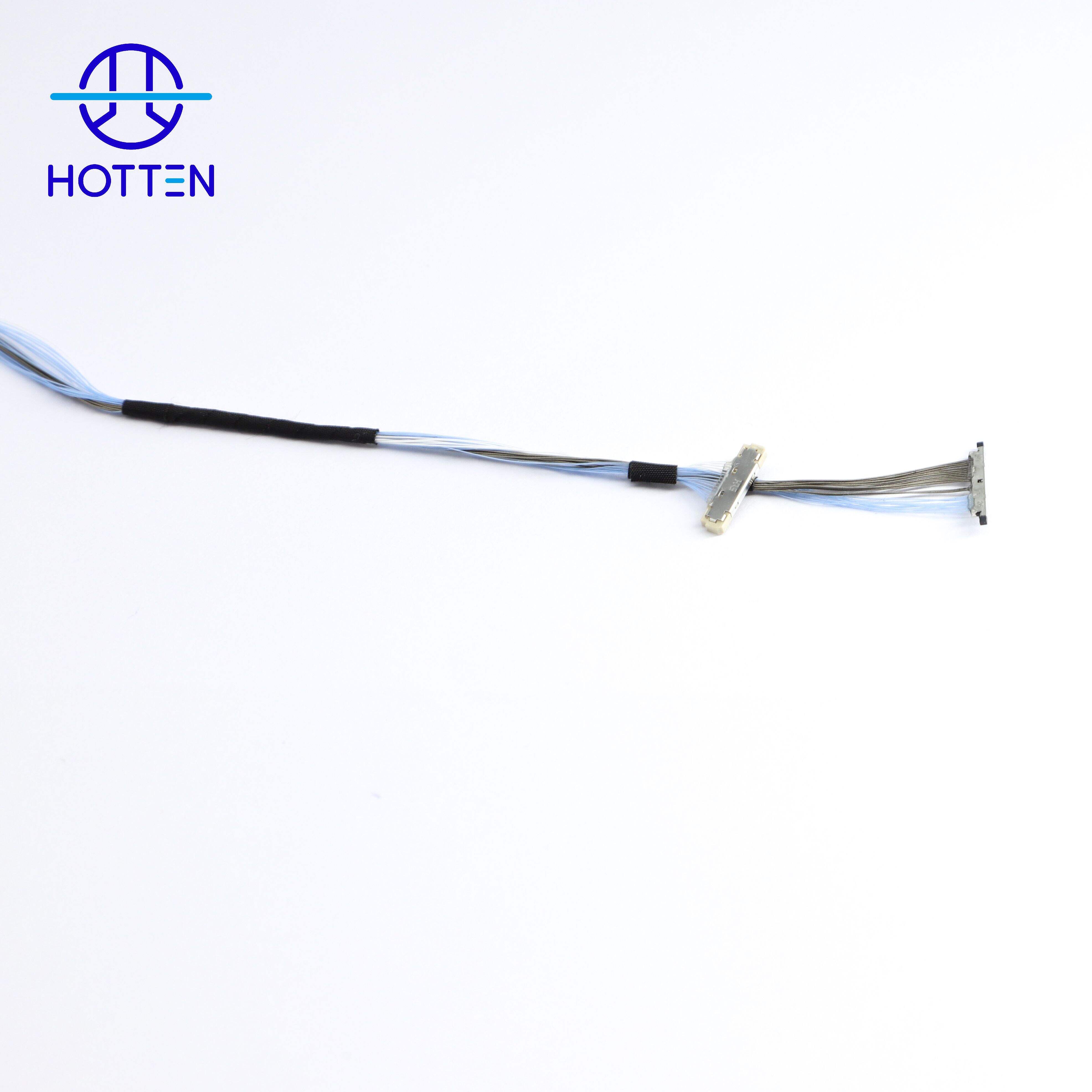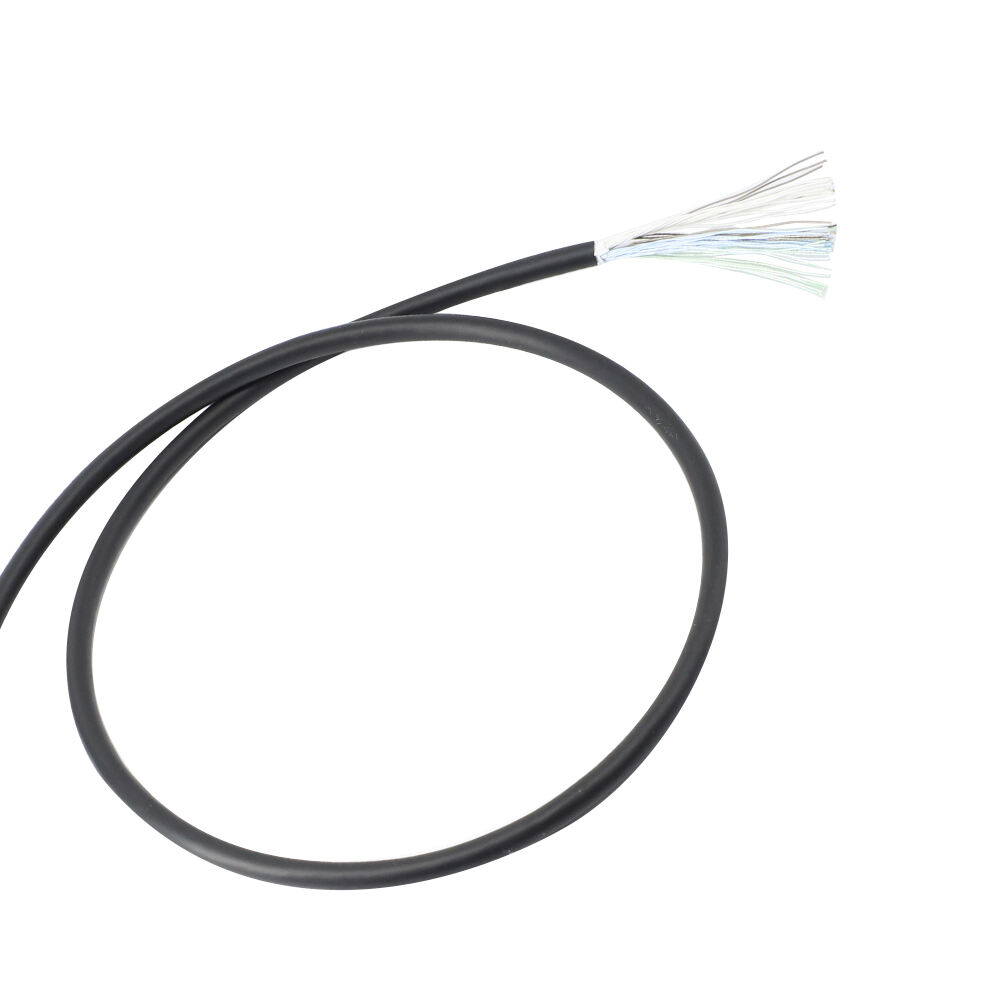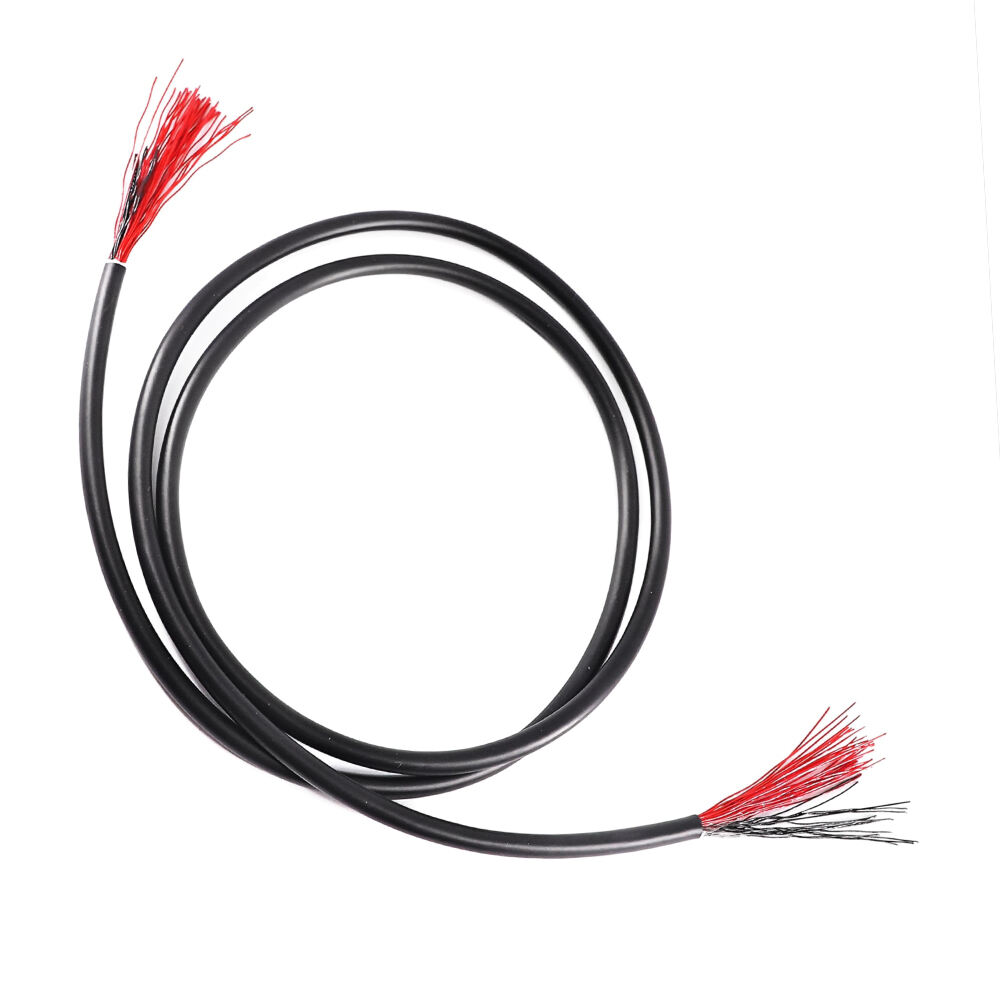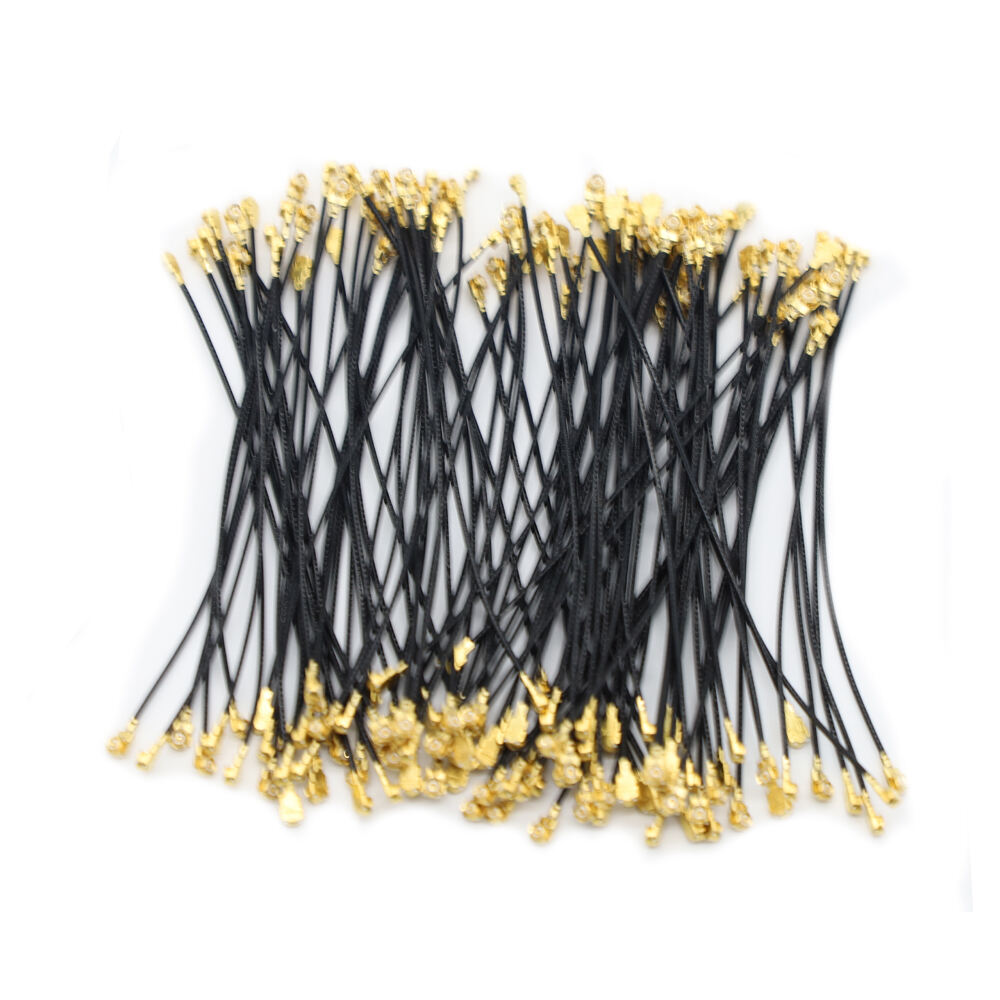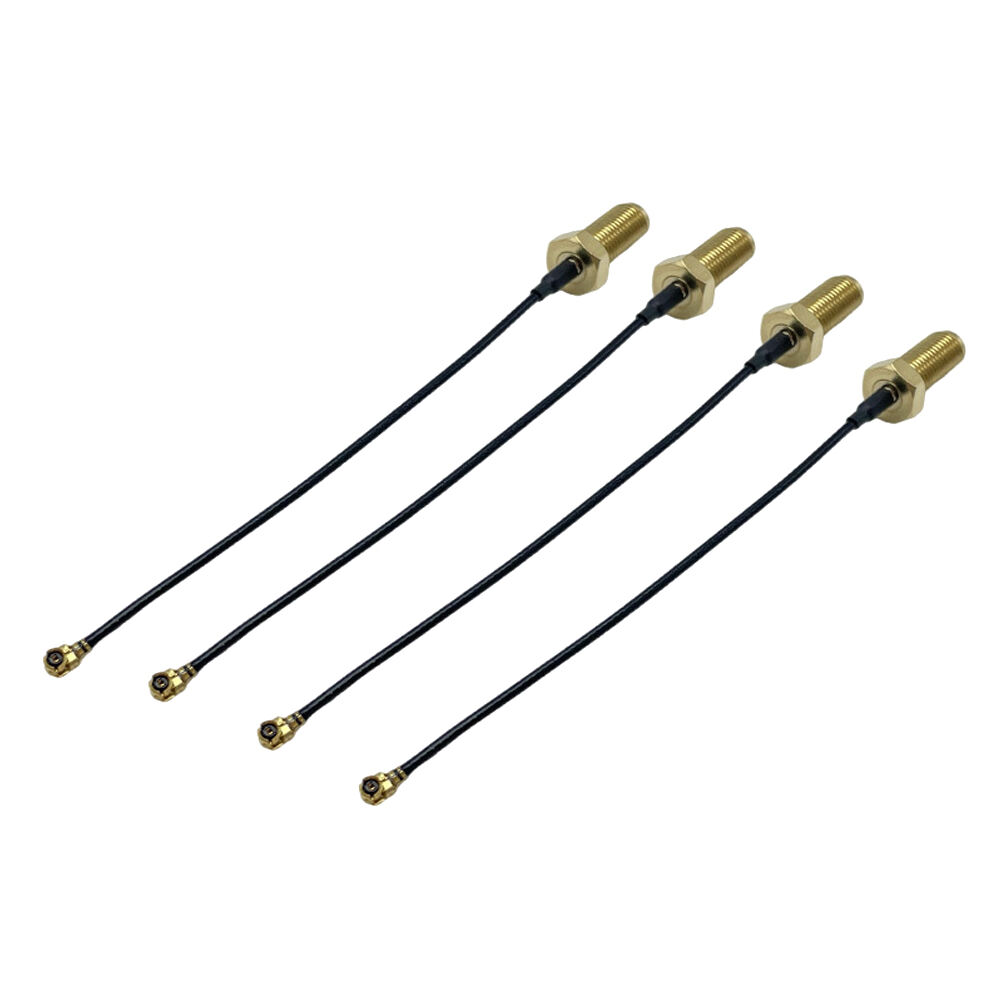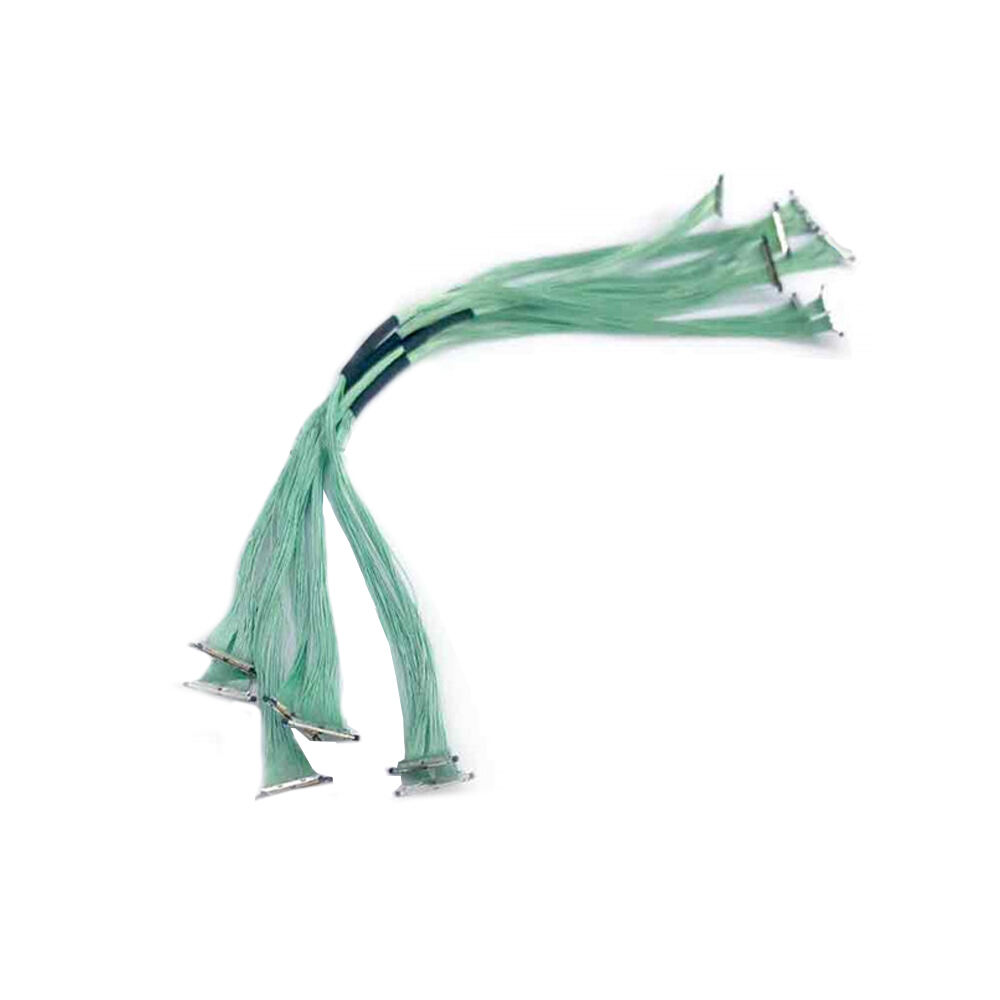
Semi-rigid coaxial cable are a special type of cable use for sending signals, specially in radio frequency (RF) and microwave uses. It got a solid outer layer that's strong and protect the inner wires. Inner wire carry the signal, and outer layer keep things safe from other signals interference. HOTTEN make good semi-rigid coaxial cables that fit for many jobs. These coaxial cable popular because they handle high frequency and is very dependable, so they needed in lots industries.
Picking the right semi-rigid coaxial cable can be tricky, but its important for good work. First, think on the frequency of signals you will send. Cables work better at some frequency than others. Also consider cable length. Long cables lose signal strength, so choose right length is key. We give various lengths to help. Last, material affect how it work. We use good materials so cables last long and perform well.
Semi-rigid coaxial cables great for RF and microwave because several reasons. First, strong outer layer protect inner conductor from damage and interference. This important in busy places like labs. Because they built for high frequency, they send clear signals with little loss. Our cables design to cut signal loss, so equipment work right. Some places get hot or cold, and these long coaxial cable handle it without problem. That's why reliable in telecom and aerospace. Also, design allow precise bending, so fit in tight spots easy. Whether antennas or transmitters, HOTTEN semi-rigid cables smart pick. They give durability, dependability and good work for tech needs.
Semi-rigid coaxial cables special for sending signals like TV or radio. They differ from other coax because more solid and hold shape after bend. Other like flexible ones bend but don't hold shape good. This cause issues in tight spaces. Semi-rigid often metal, send signals clear without much noise. Flexible usually plastic and let interference in sometimes.
When compare to flexible, semi-rigid better for high-frequency signals. Important for cell phones, satellites where clear signal matter. But flexible easier to use and for moving around. They lighter for small devices, semi-rigid heavier for big systems. HOTTEN semi-rigid give best work for strong connections.
In summary, semi-rigid good when need strong signal and okay with less flex. Perfect for pro use where quality signals key. But for light and easy move, flexible better. So choose ultra thin coaxial cable based on needs.
Semi-rigid coaxial cables got advantages, but some problems to know. Main one, hard to install because stiff and not bend easy. Bend too much and they break. That's why plan install ahead, have space so not damage.
 EN
EN