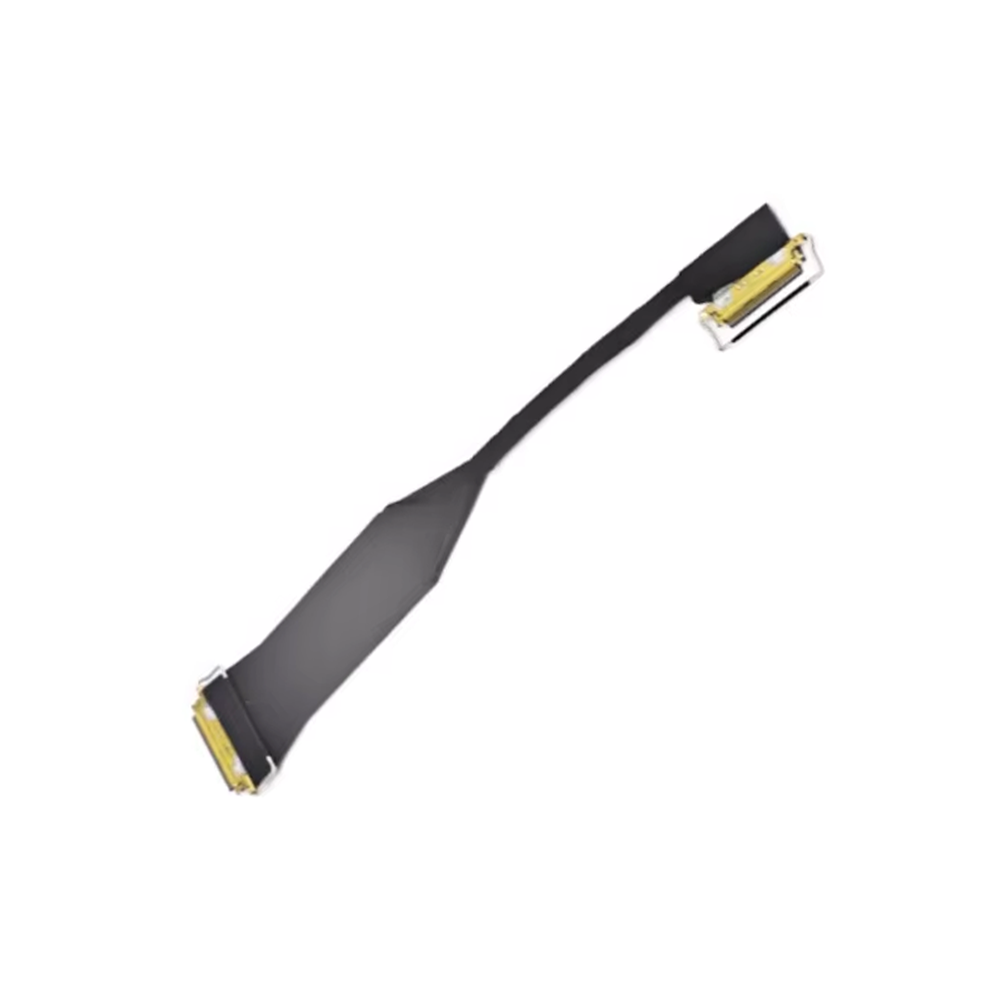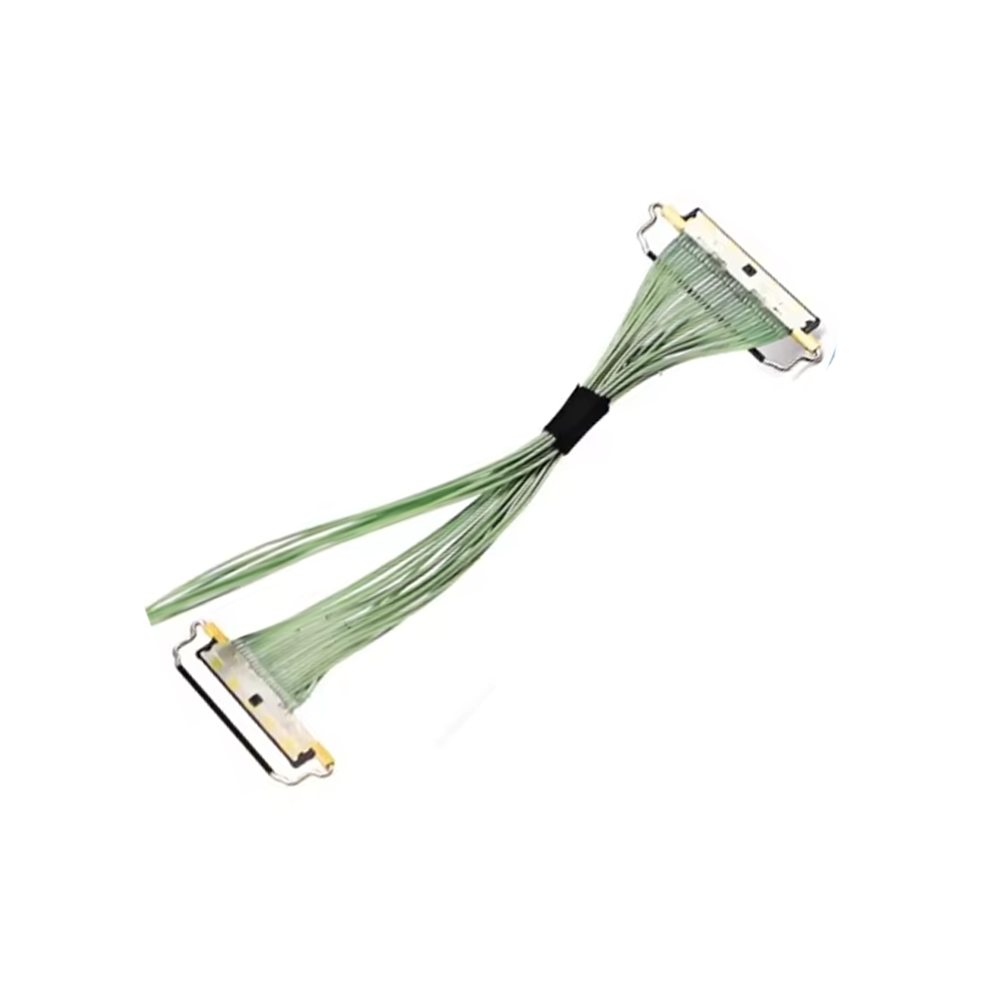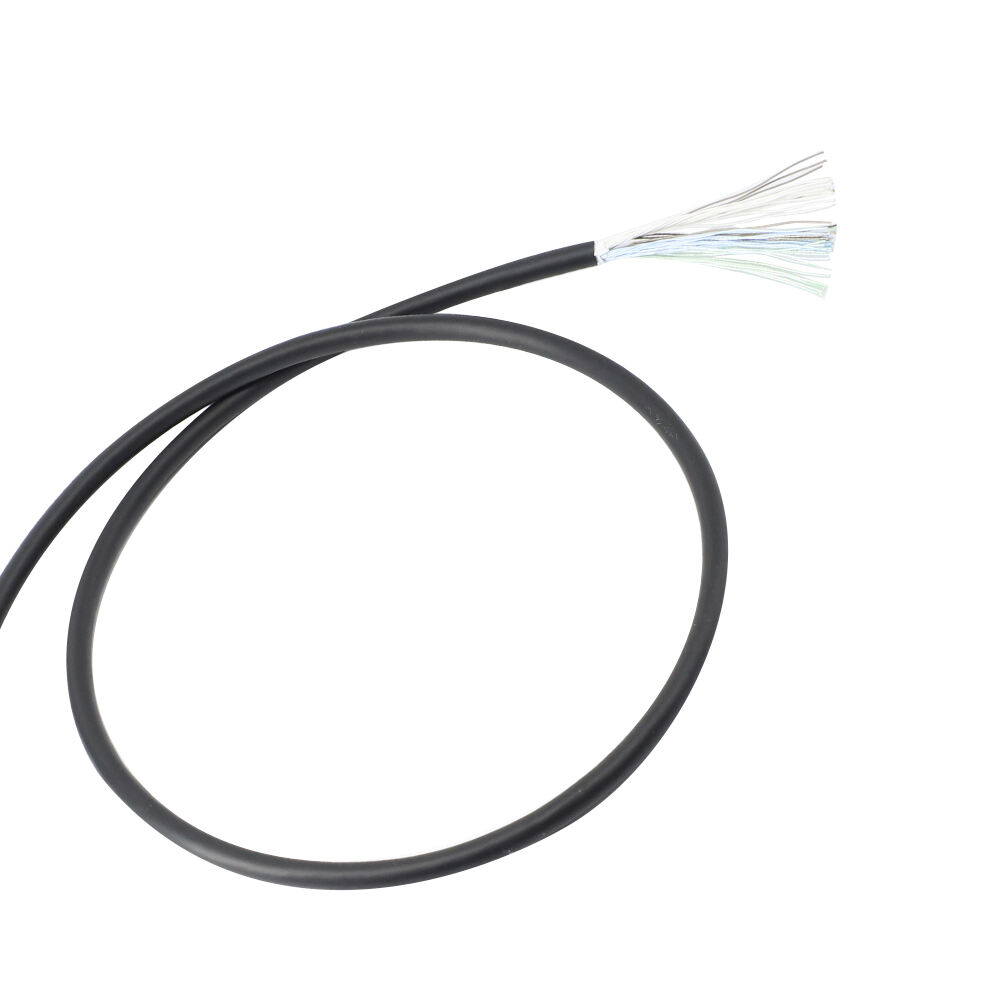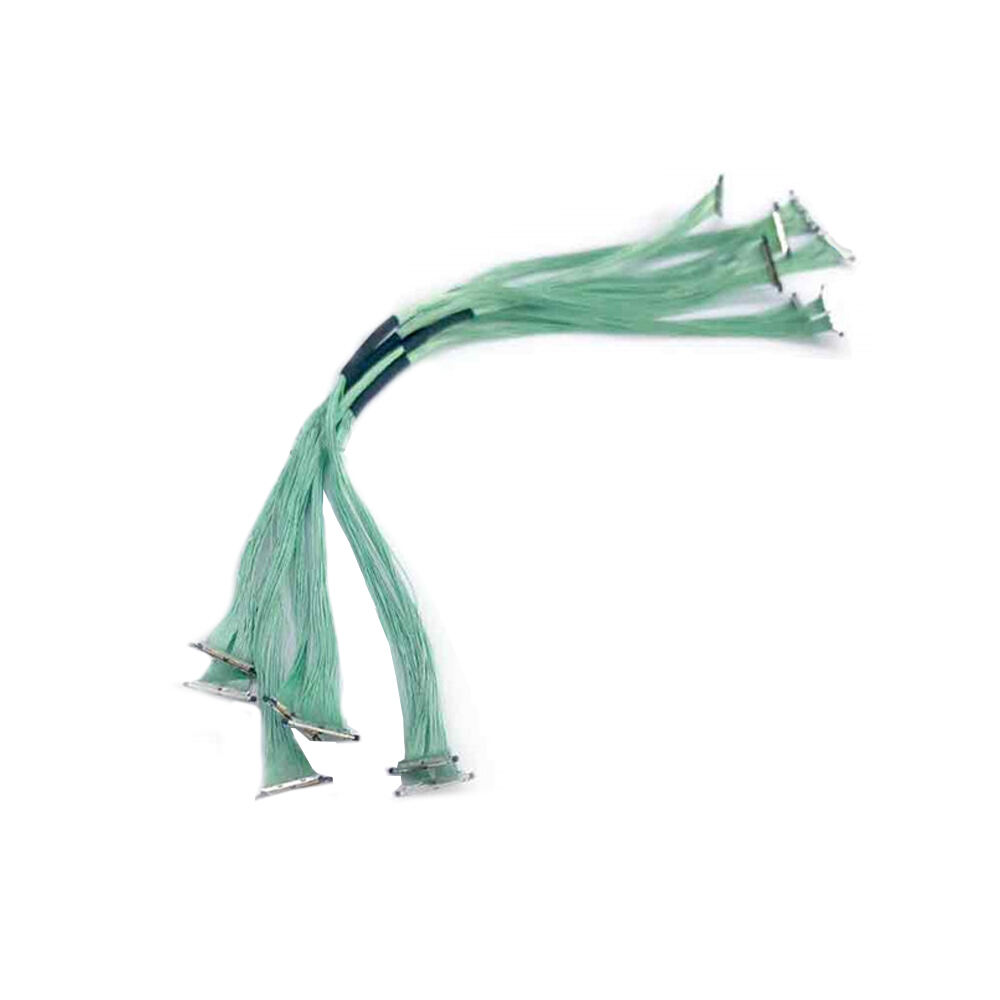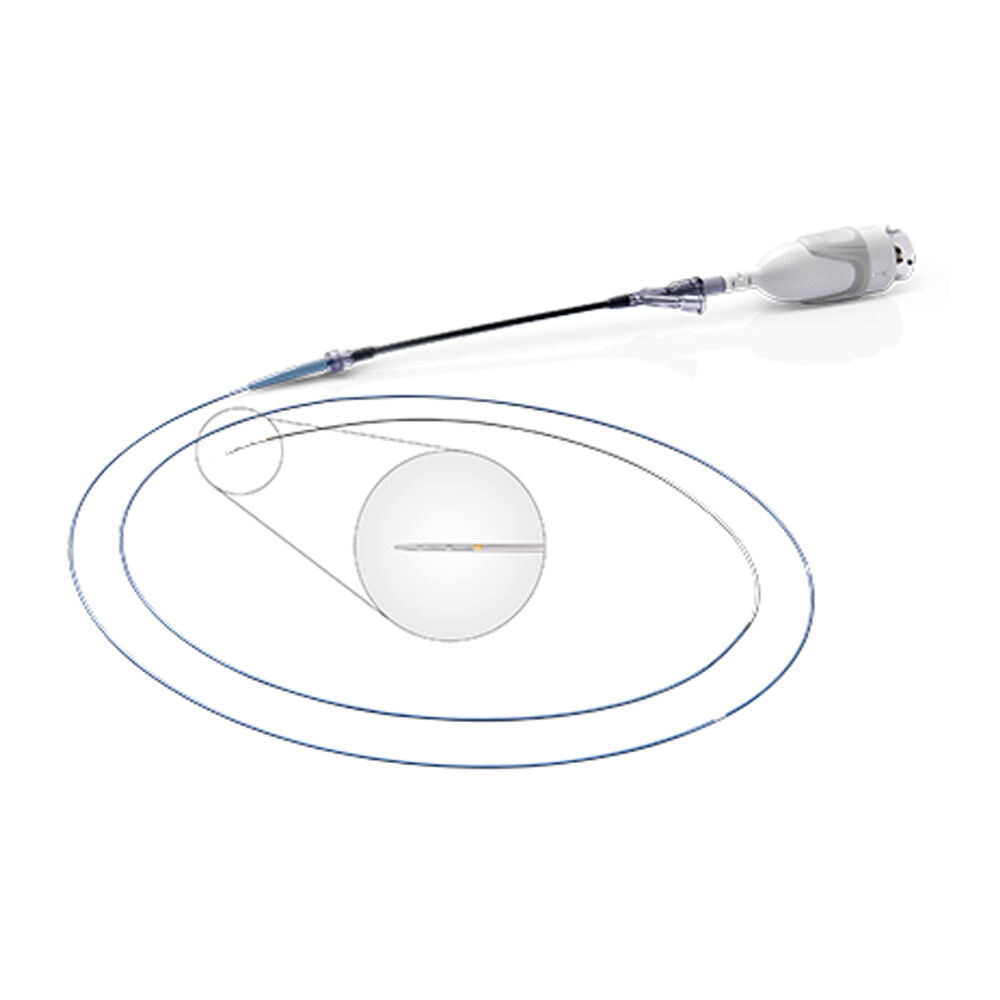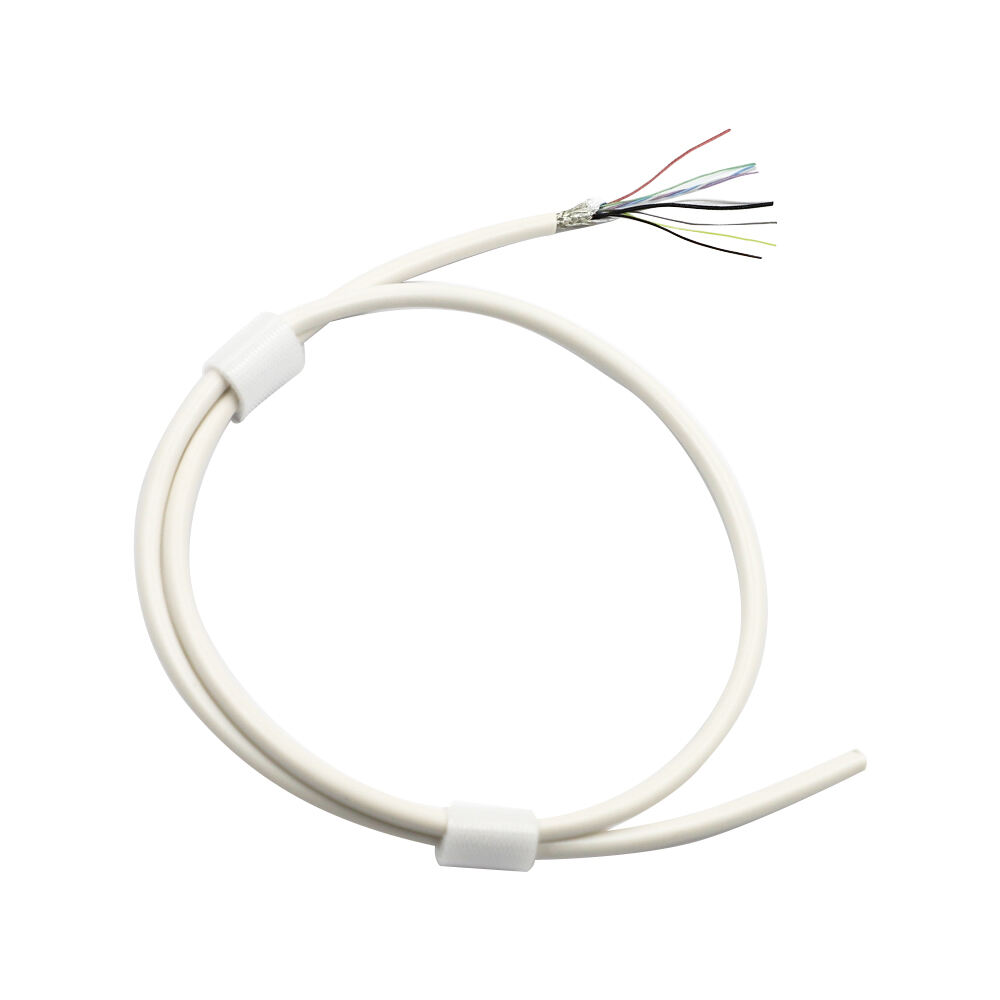
Are you looking for explanation of the Coaxial cable assembly? The four parts of a coaxial cable are center conductor, insulator, shielding, and outer jacket. All these pieces help protect the data as it moves through the cable.
So it is very essential that coaxial cable be assembled correctly. This keeps the information accurate and reliable. If the assembly of these parts is not done correctly the signal may become weak or even be lost. This, in turn, can result in fuzzy TV screens or slow internet, and nobody wants that!
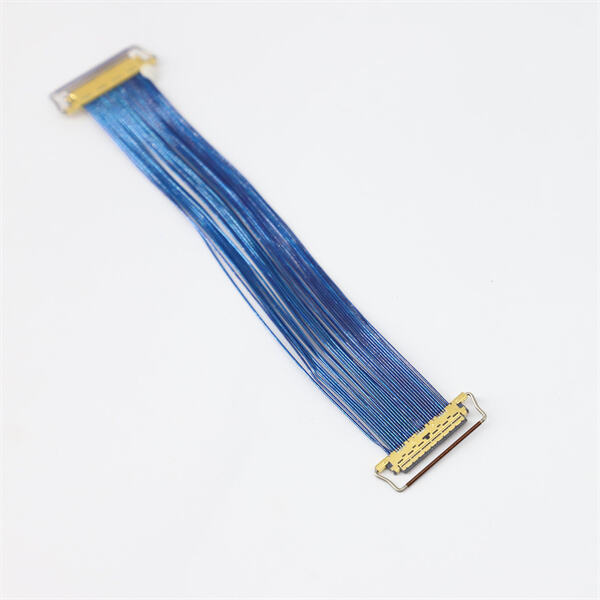
Each part of a coaxial cable must be securely connected, in the correct order, to work as it is supposed to. Begin by removing the outer jacket and shielding around the cable, making sure not to damage any of the internal components. And then connect the center conductor to the device you want information sent to. Finally, replace the shield and outer jacket. And finally, it’s important to wield the right tools and materials in order to form a strong bond.
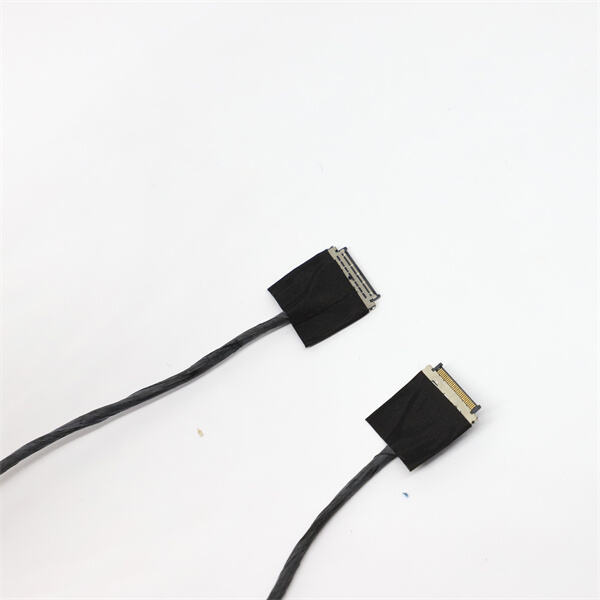
But, even when you've done everything correctly, signal issues can still crop up. One frequent problem is the presence of other electronic devices that can interrupt the broadcast. To remedy this, back the cable off from other devices or use shielding. A loose connection could be another problem, and all you have to do is check to make sure all connectors are properly tightened.
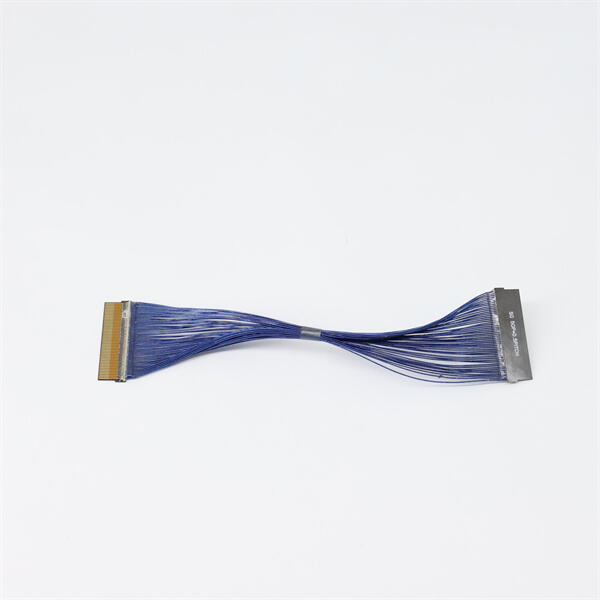
The micro coaxial cable is suitable for high-frequency applications as it produces better signal quality and less high-frequency interference. This is key for transmitting critical data, as in for medical devices or in military gear. Coaxial cables are also durable and can reach for a long distance, which is why they are often well-suited for critical applications.
 EN
EN