 EN
EN
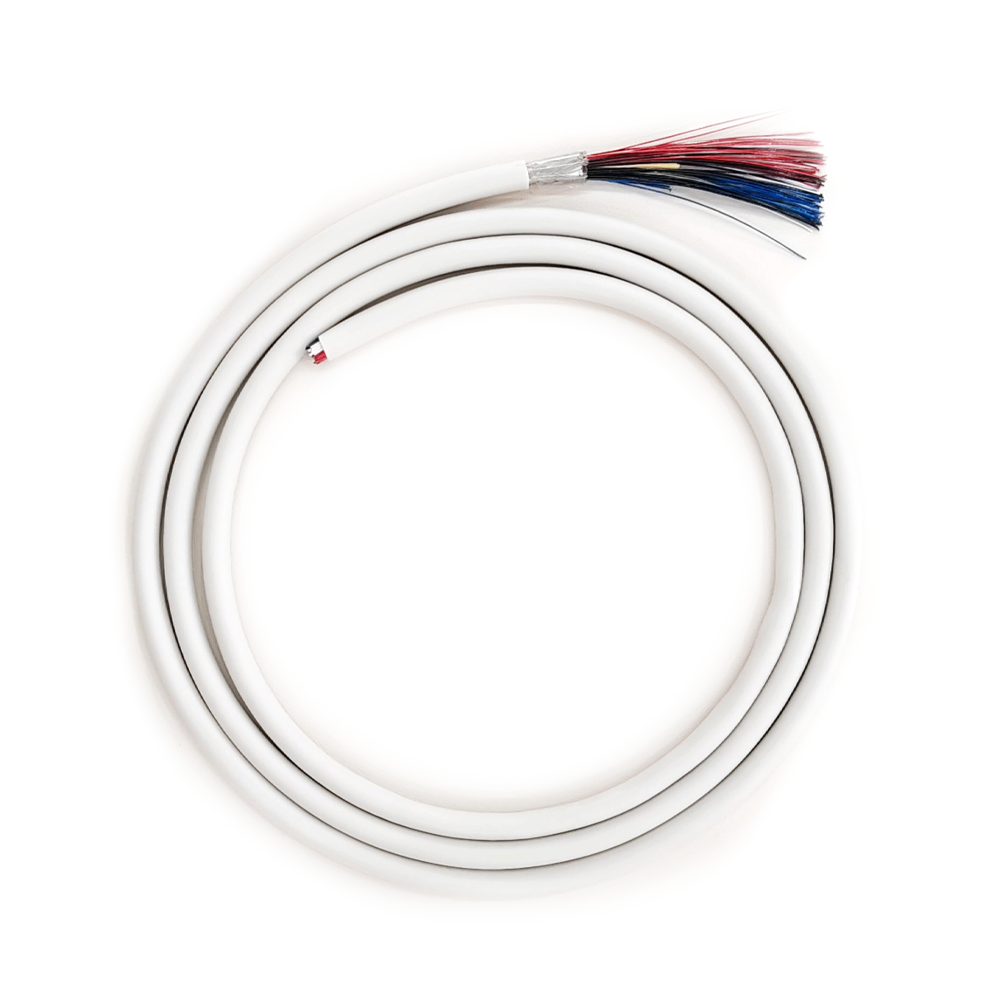
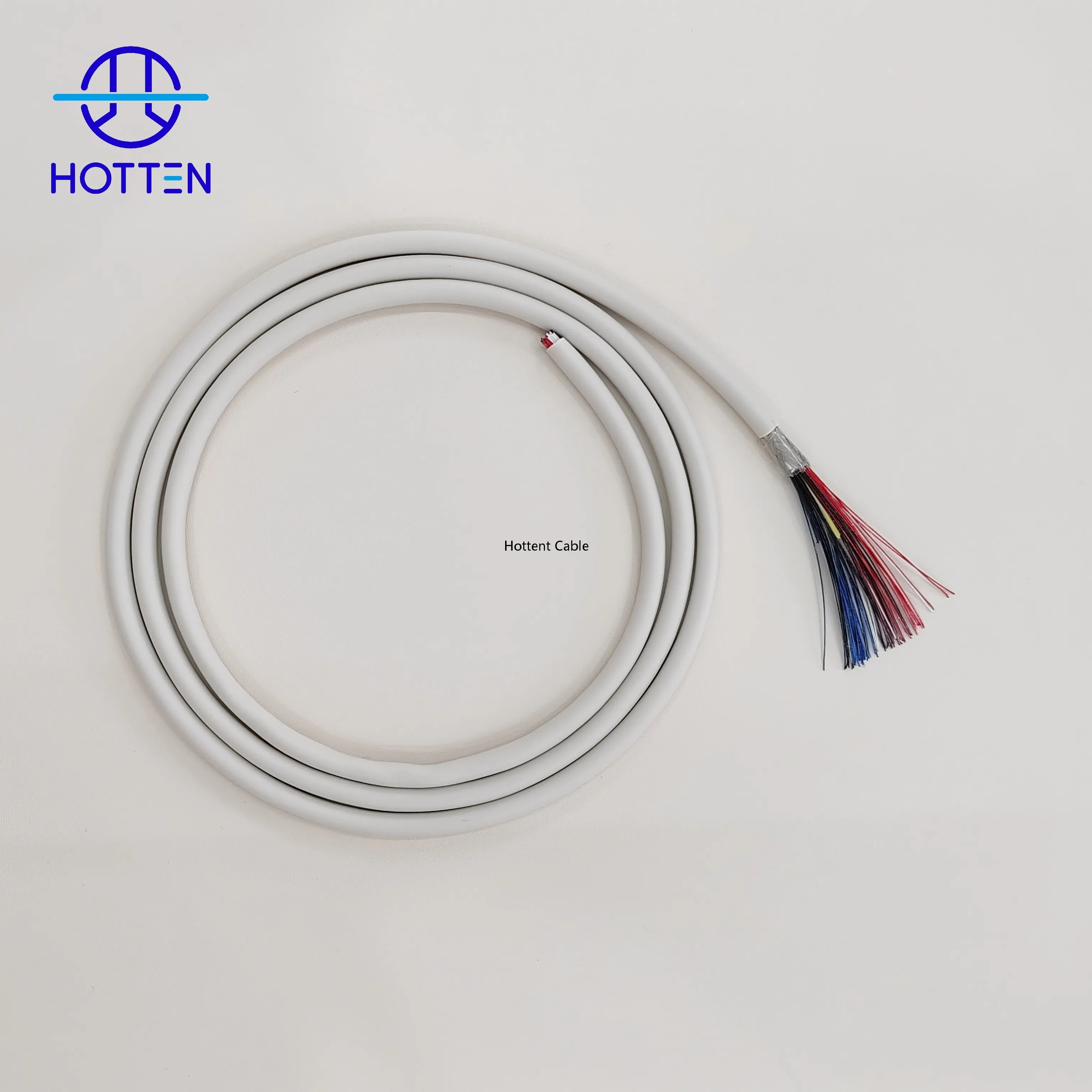
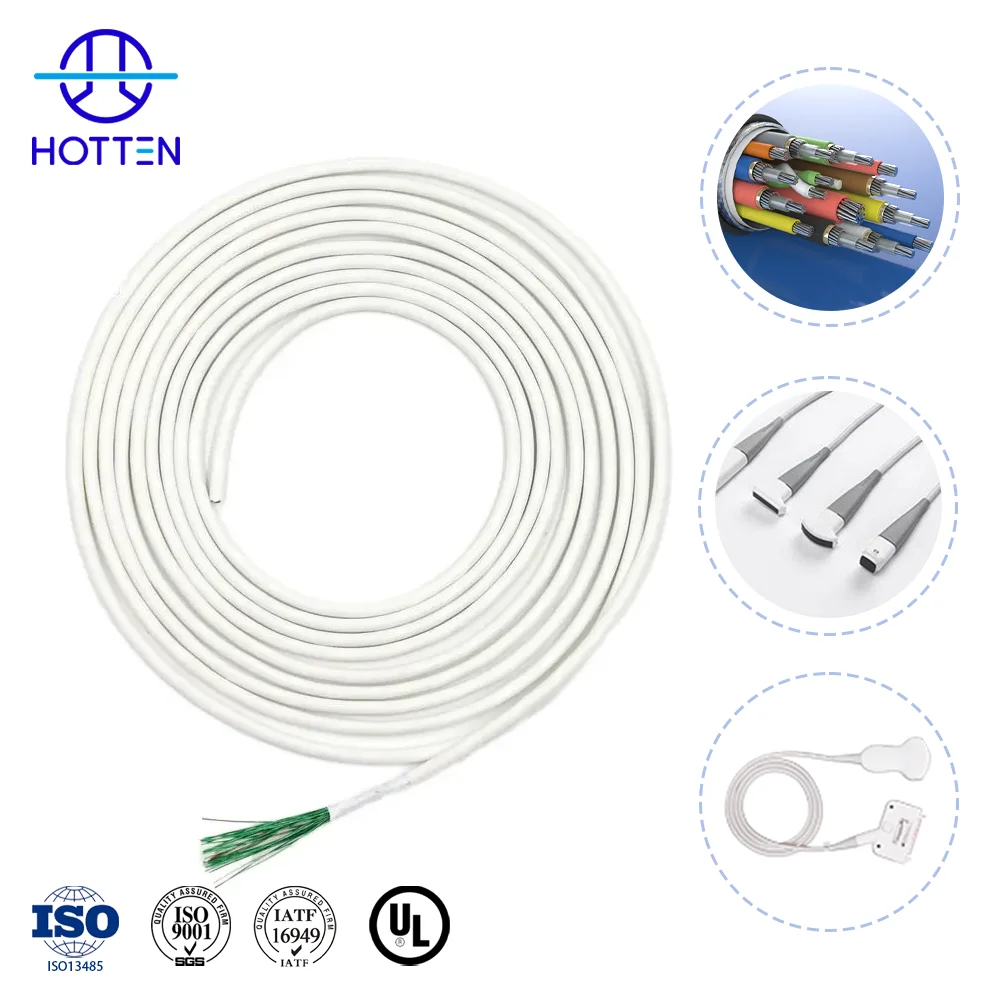
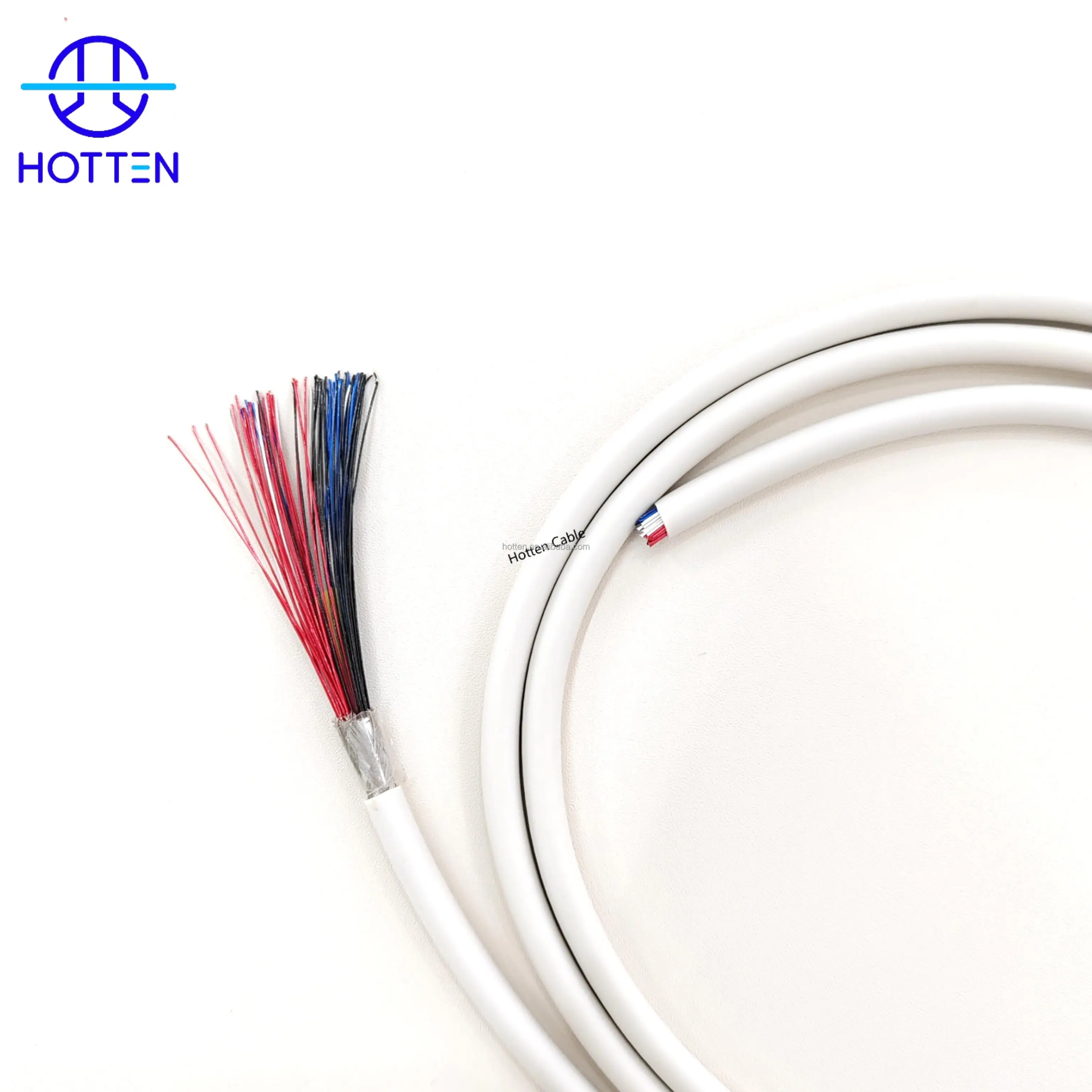


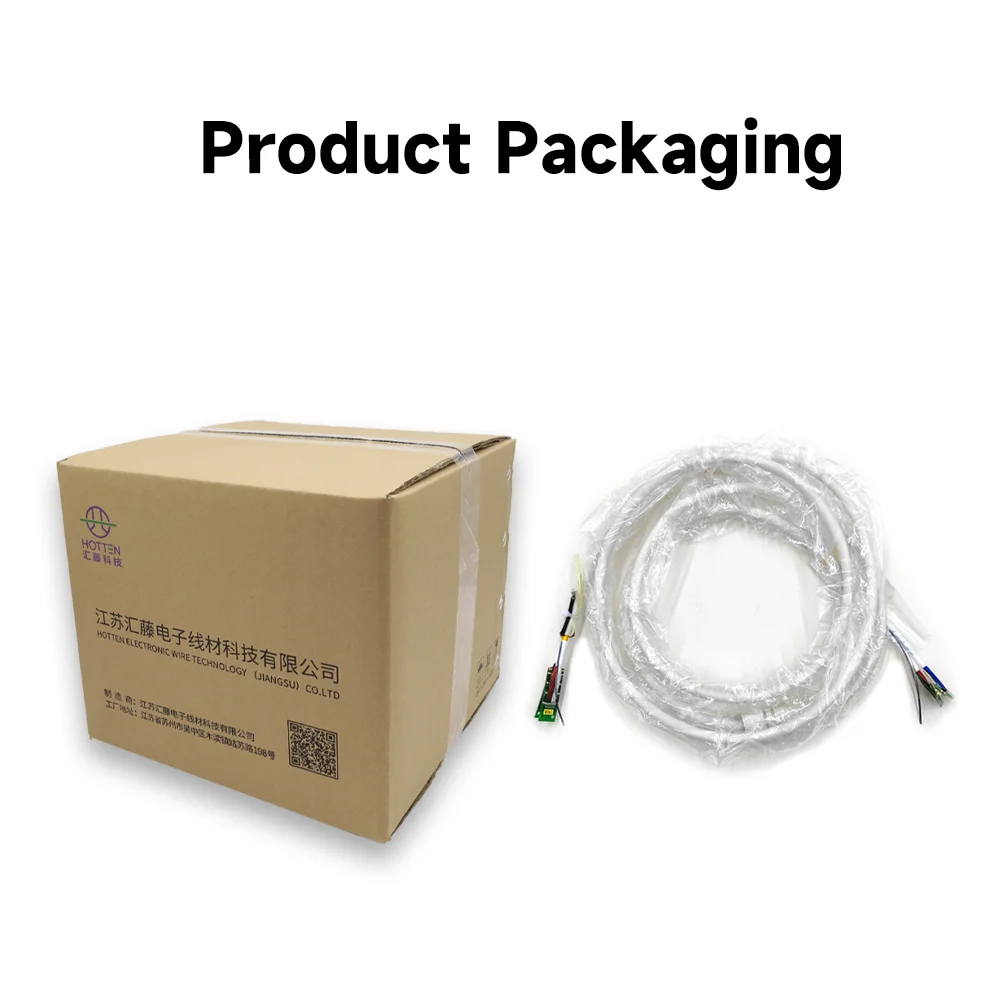
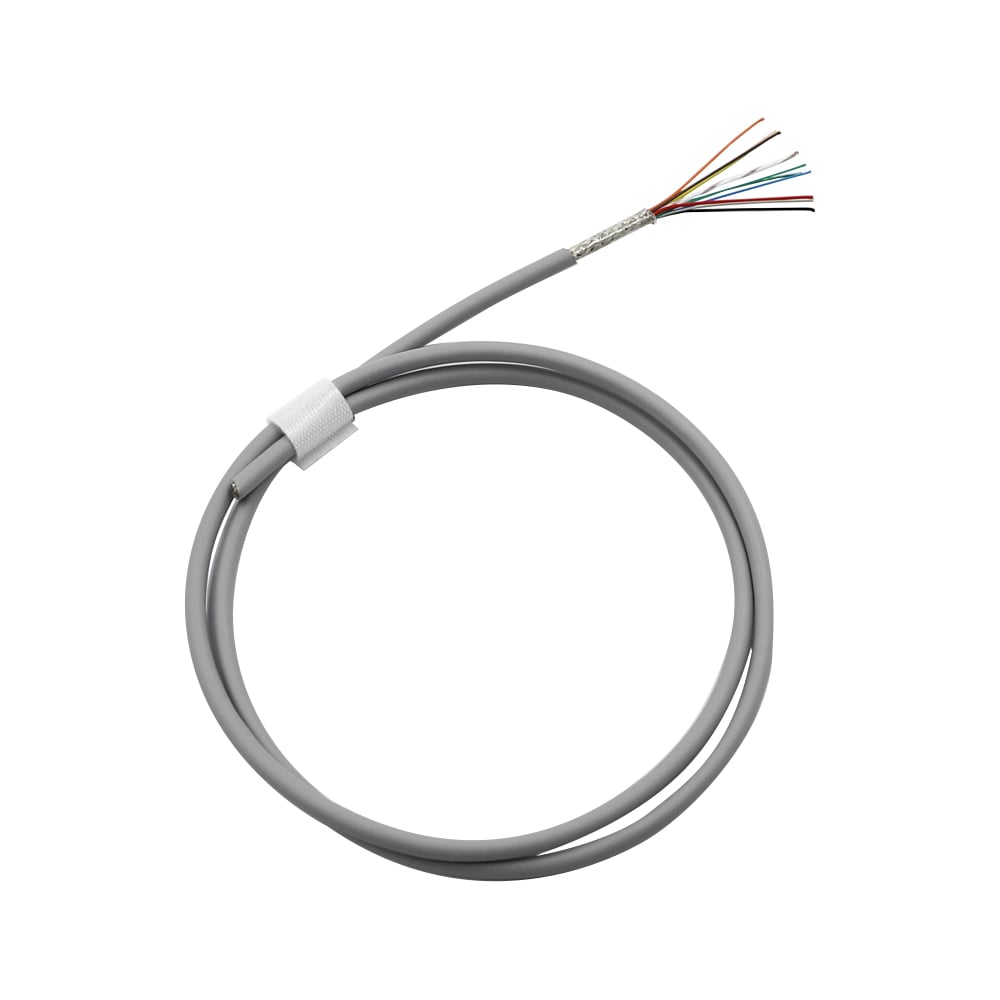
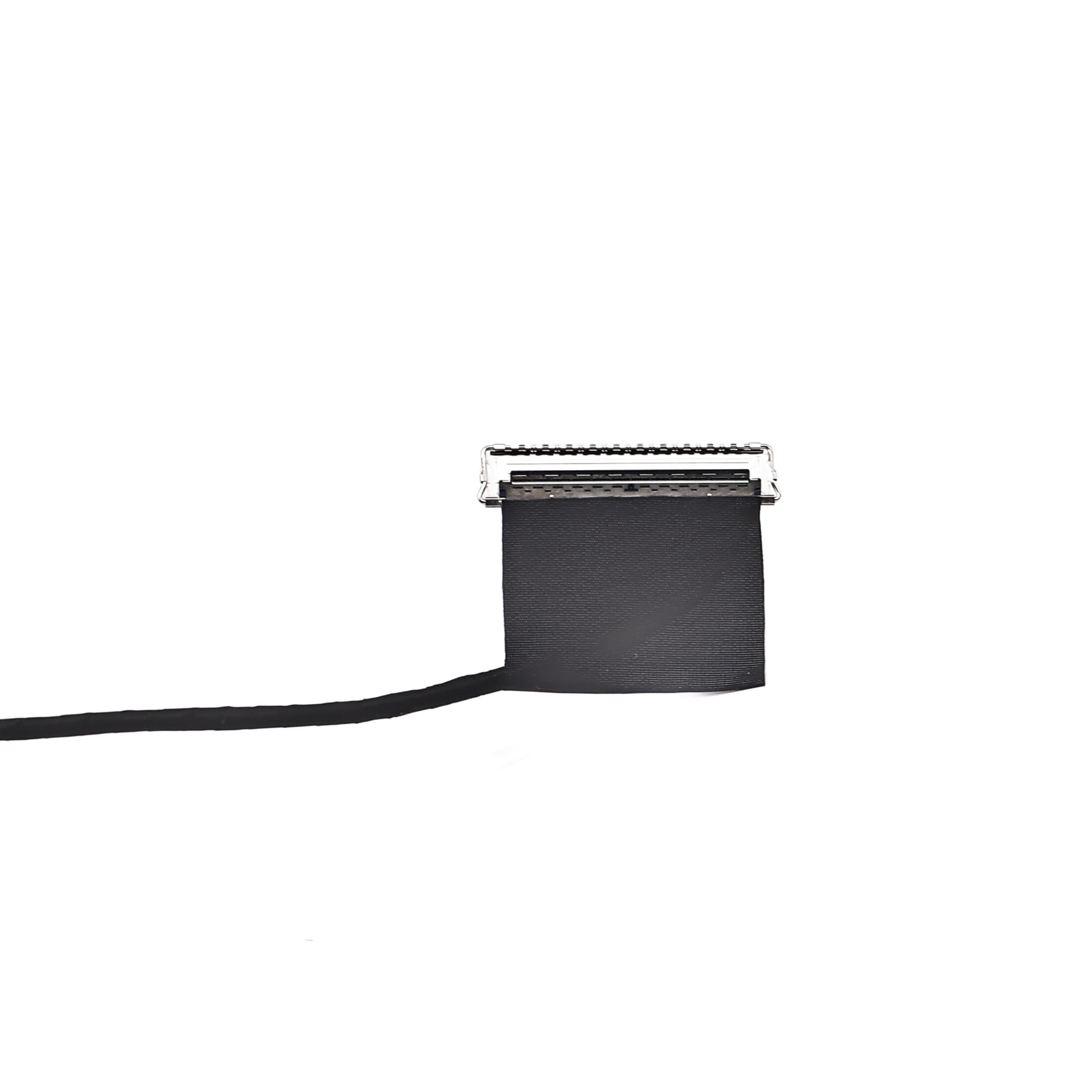
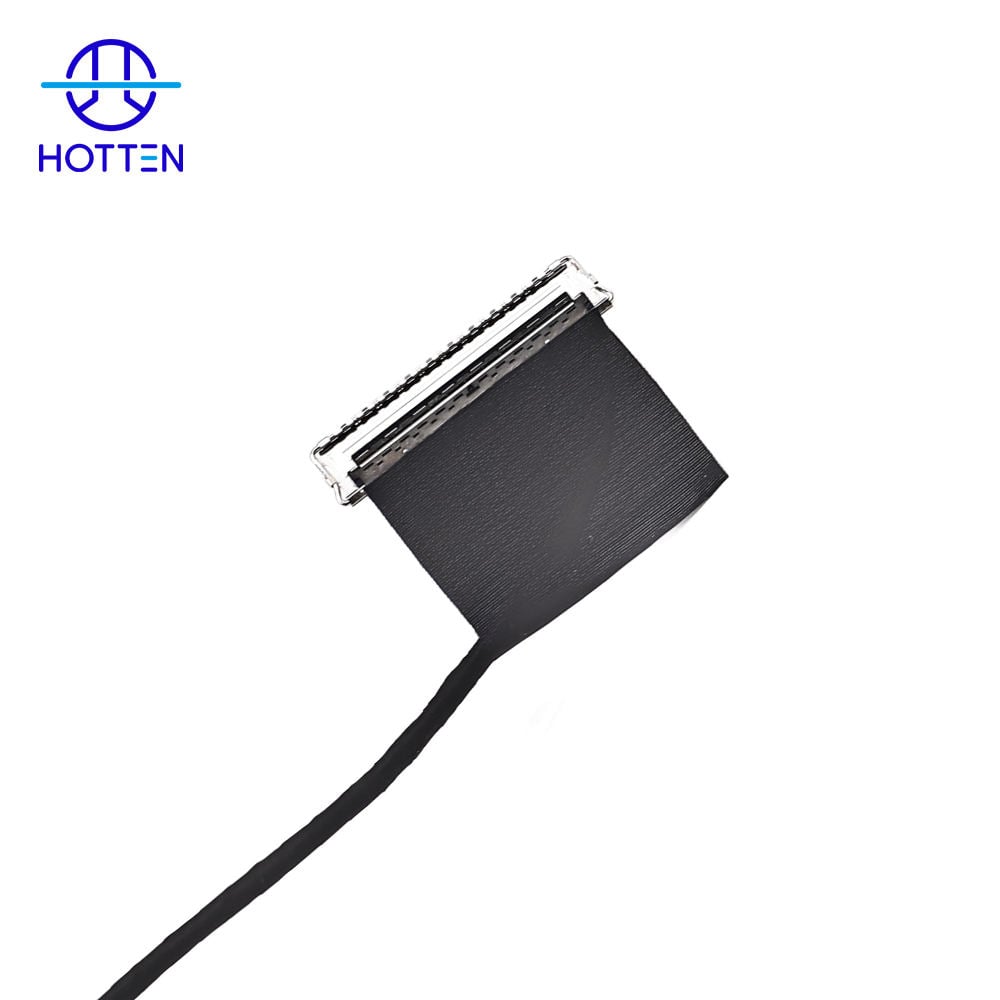
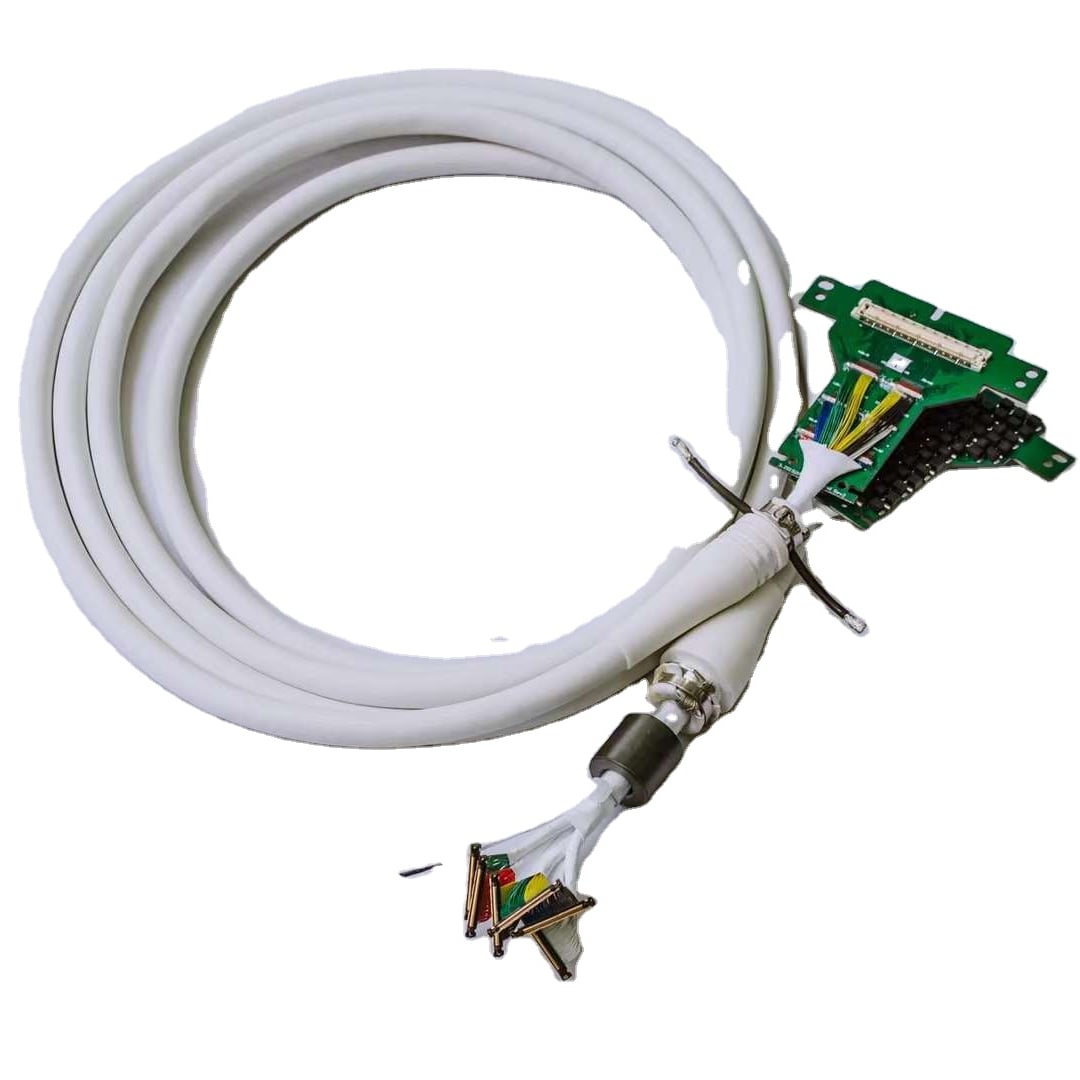
Micro Coaxial Cable 40X40AWG OD=6.2mm PVC Sheath Medical B Ultrasound Probe Cable Transducer Cable
|
Type
|
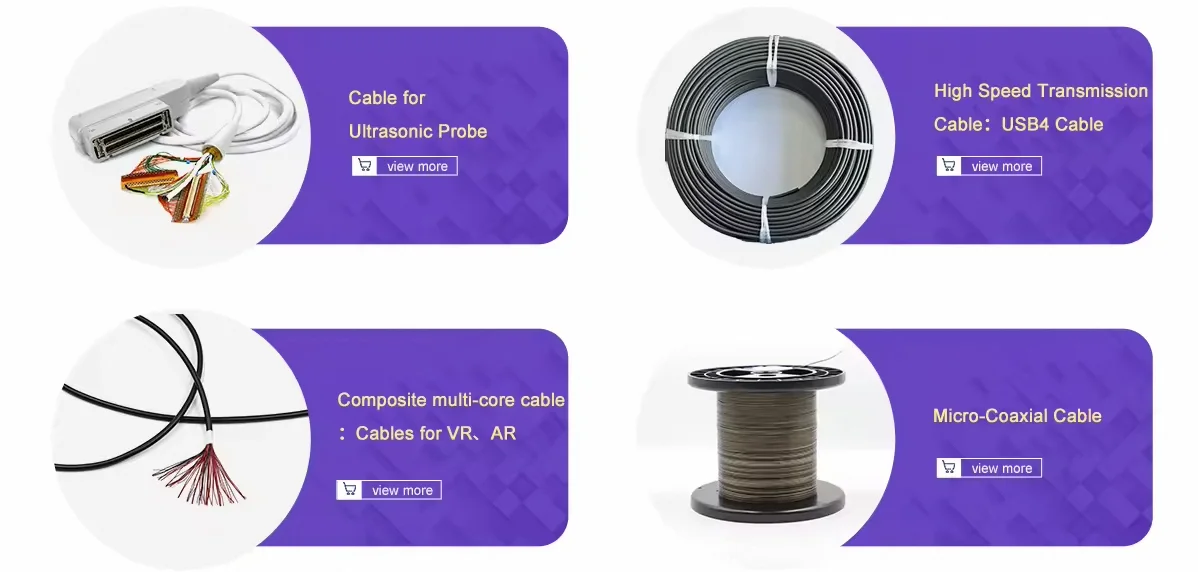
Medical Ultrasonic Probe Cable
|
|
Place of Origin
|
China,Jiangsu
|
|
Brand Name
|
Hotten Cable
|
|
Pins/cores(Customizable)
|
40C/68C/70C/130C/132C/160C/192C/198C/208C/210C/242C/256C
|
|
Application
|
Medical Endoscopic Ultrasound Transducer Equipment
|
|
Jacket
|
PVC/TPE/Silicone
|
|
Color
|
White/Ivory/Black(Other Customizable)
|
|
Length
|
Customized Length
|
|
Certification
|
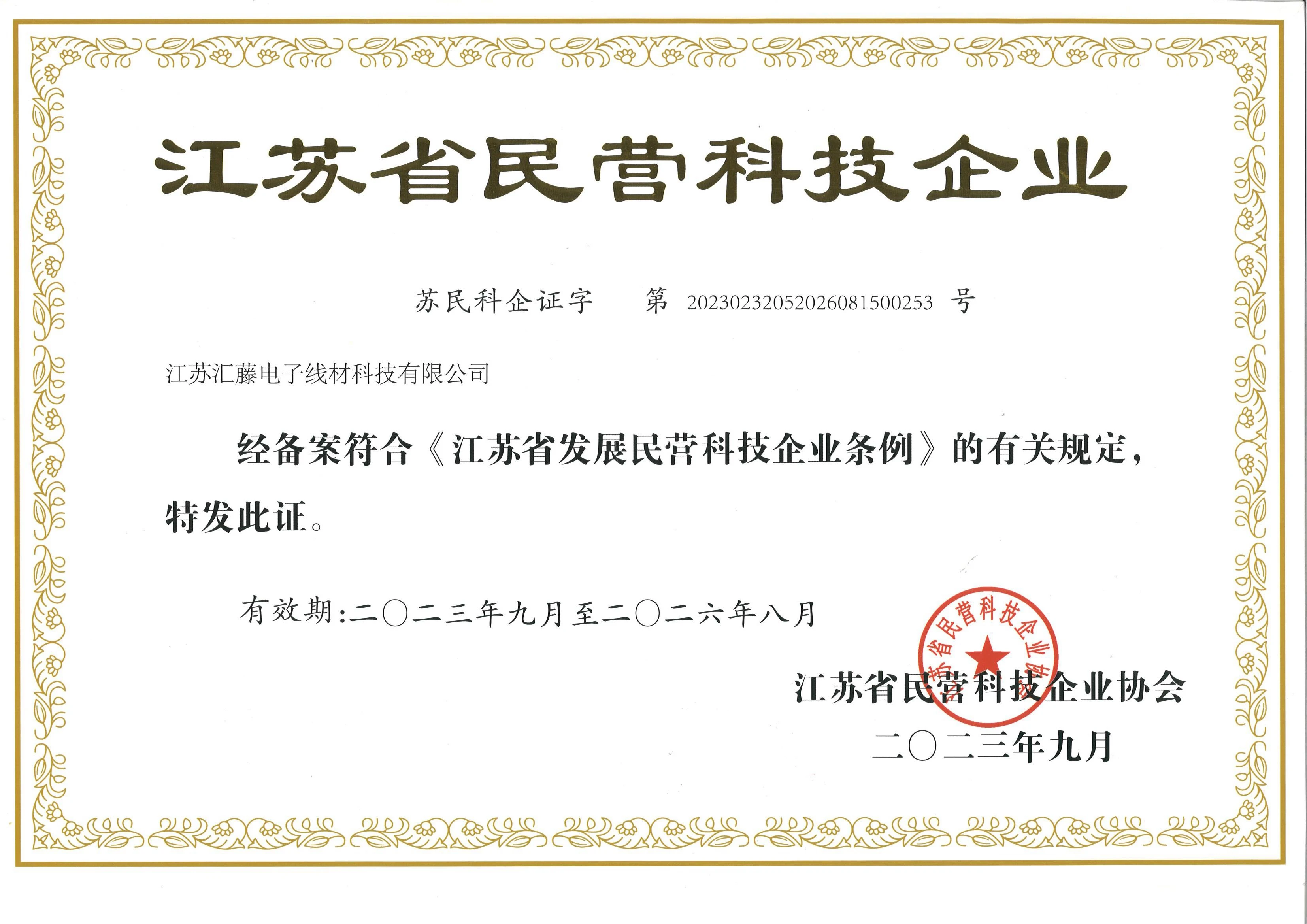
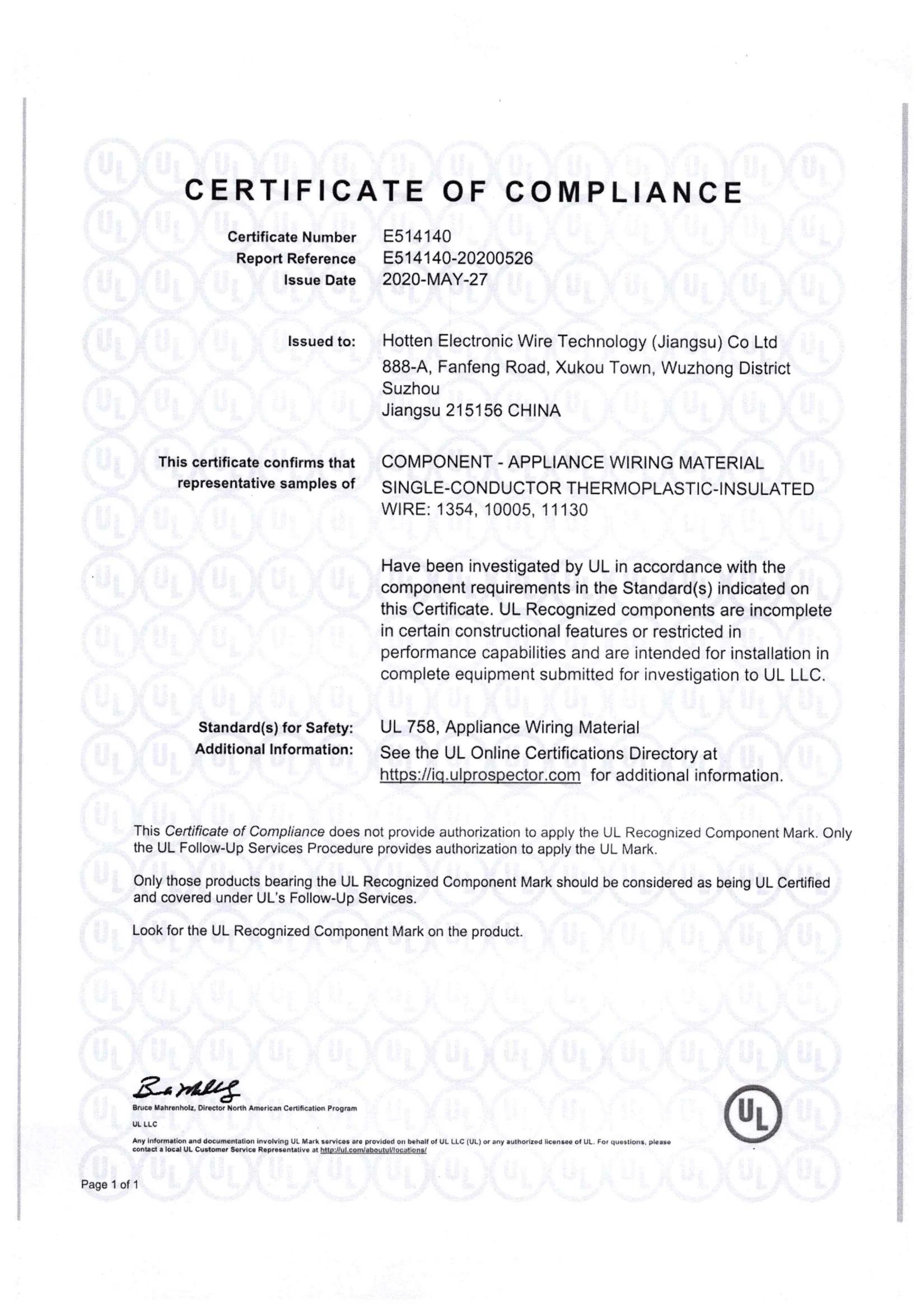
ISO13485、UL、ISO9001
|
|
Sample
|
Avaiable
|
- Overview
- Recommended Products
- Channel Number: 40C
- Conductor Size: 40AWG
- PVC
- TPE
- Silicone
Number of coaxial channels
Conductor size
Individual coaxial geometry
Dielectric structure
Shielding construction
Overall cable OD
Cable length
Probe-side termination
Equipment-side termination
Whether all 40 channels have the same conductor size
Individual coaxial construction requirements
Conductor material
Shielding material
Insulation material
Required channel assignment
Ground / return requirements
Connector pinout
Target outer diameter
OD tolerance
Maximum allowable OD
Probe-side routing clearance
Connector entry dimensions
Minimum bending radius
Strain-relief requirements
Conductor geometry
Characteristic impedance, where specified
Capacitance
Cable length
Shielding
Channel-to-channel isolation
Connector termination
Internal routing
Grounding configuration
Individual coaxial shield structure
Shield material
Drain / ground configuration
Overall shielding requirements
Shield termination
Connector-side shield continuity
Required bending radius
Repeated flexing conditions
Probe movement
Cable routing
Handle or probe strain relief
Cable entry direction
Connector weight and dimensions
PVC formulation or required grade, where applicable
Flexibility requirements
Surface requirements
Cleaning conditions
Temperature environment
Mechanical handling
Color
Cable diameter tolerance
Number of coaxial channels
AWG
Conductor material
Coaxial geometry
Dielectric material
Shielding structure
Overall cable diameter
PVC or other jacket material
Cable length
Connector assembly
Channel assignment
Termination configuration
Prototype samples
Mass-production configuration
Ultrasound probe / transducer application
Required coaxial channel count
40AWG or required conductor size
Conductor material
Coaxial drawing
Shielding requirements
Dielectric requirements
Target OD and tolerance
PVC or other sheath requirement
Cable length
Flexibility requirements
Impedance / capacitance requirements
Connector part numbers
Pinout / channel assignment
Prototype quantity
Expected production volume
Required testing
Applicable quality or compliance requirements
Product Overview
40X40AWG Micro Coaxial Ultrasound Probe Cable
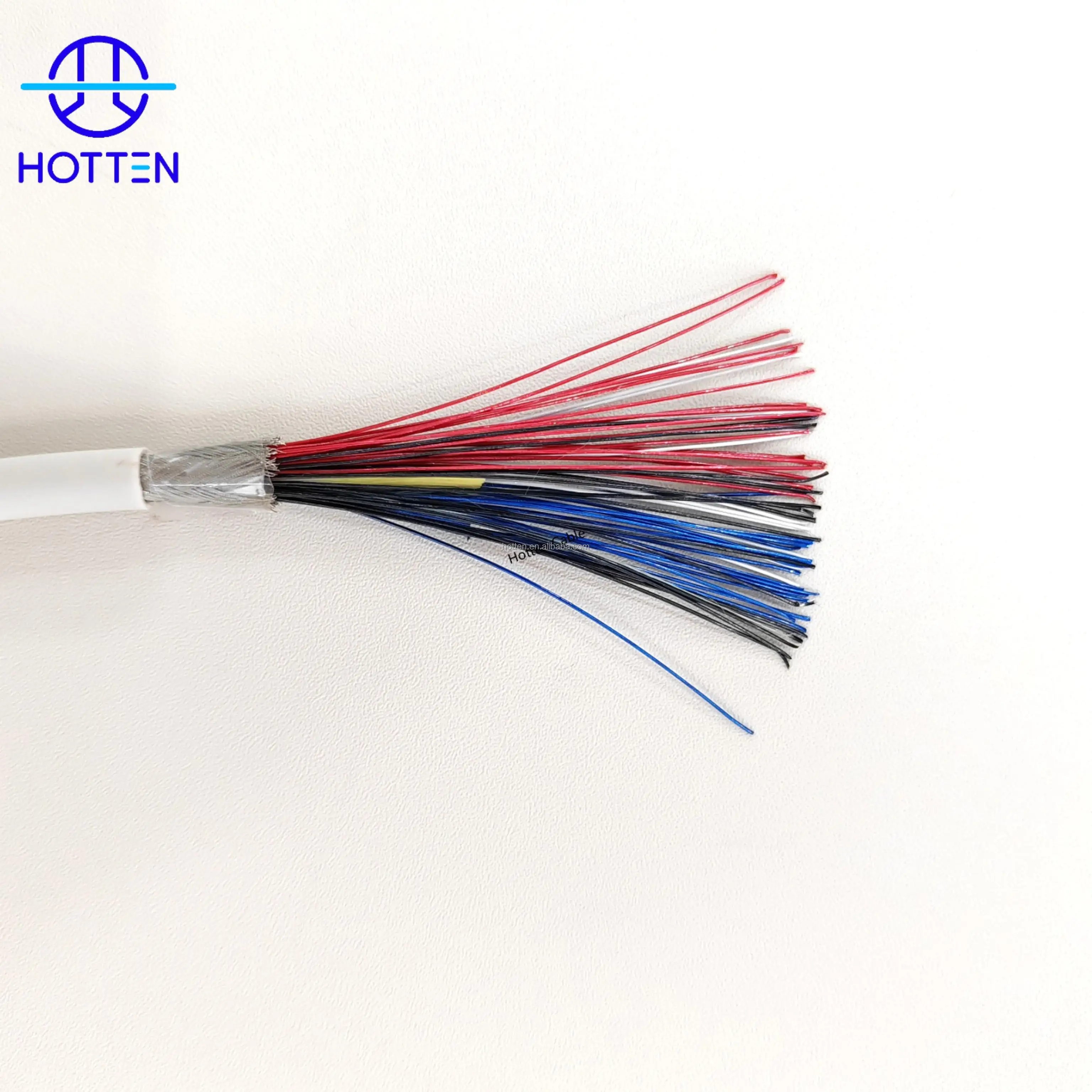
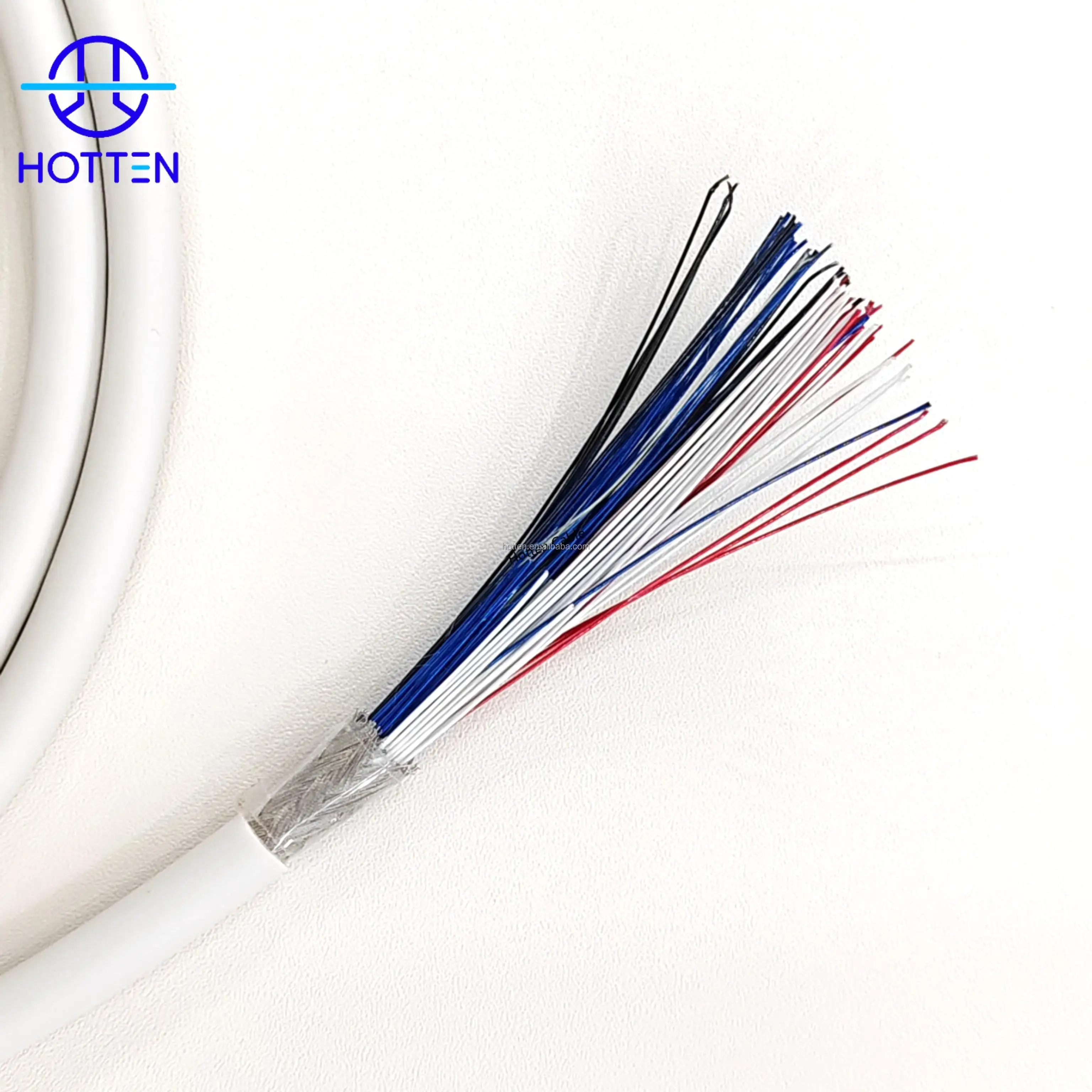
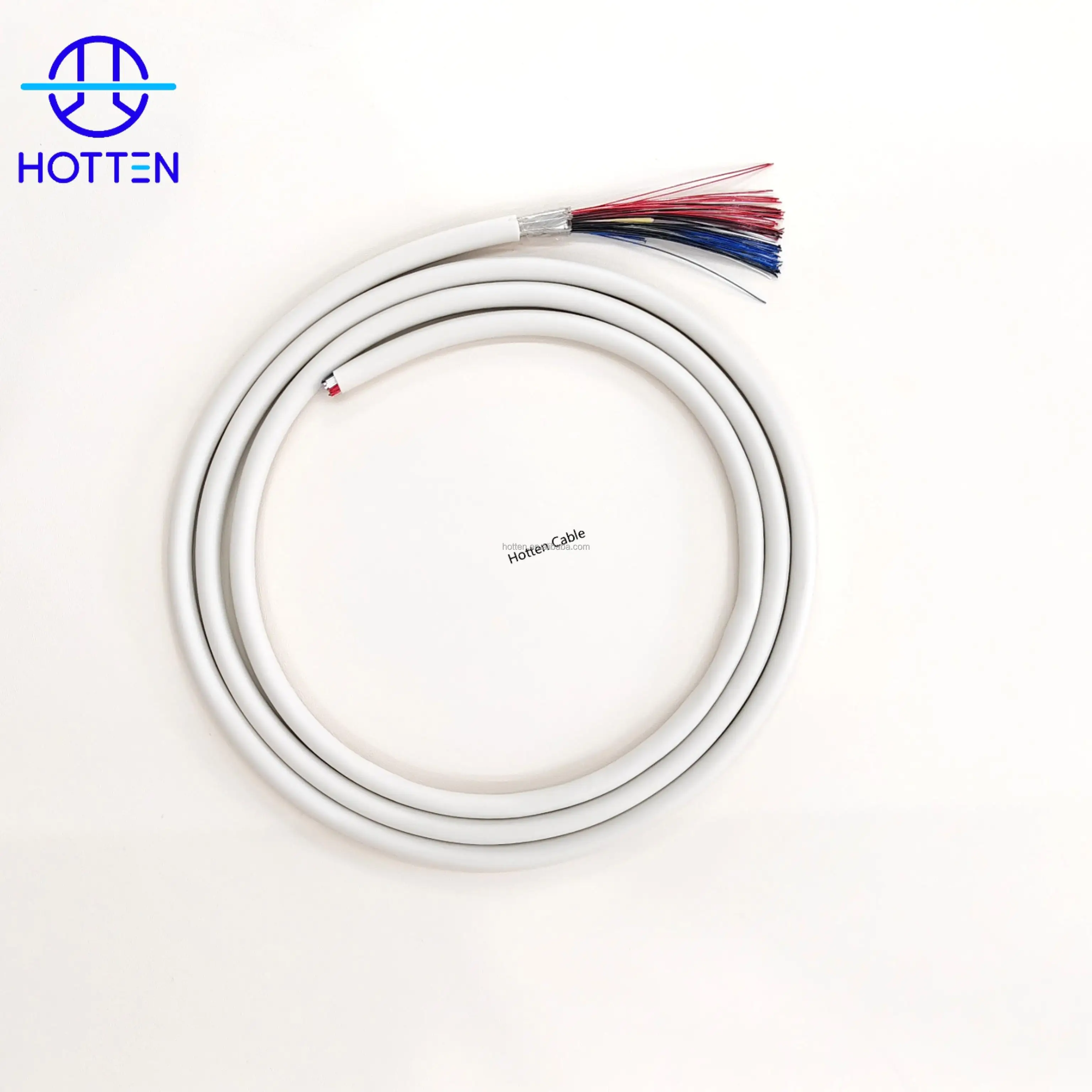
HOTTEN 40X40AWG Micro Coaxial Ultrasound Probe Cable is designed for medical ultrasound transducer systems requiring compact structure, stable signal transmission and customized cable performance.
Using multiple micro coaxial units combined into one cable structure, this solution provides reliable electrical performance while maintaining flexibility and space efficiency for advanced ultrasound equipment.
HOTTEN supports customized ultrasound cable development including conductor size, channel number, shielding structure, outer diameter, jacket material and cable assembly according to customer requirements.
Key Features
High-Density Micro Coaxial Design for Ultrasound Applications
🔹 40-channel micro coaxial cable structure
🔹 40AWG fine wire design for compact applications
🔹 Stable signal transmission for ultrasound systems
🔹 Flexible cable construction for medical equipment integration
🔹 Customized channel numbers available
🔹 Supports OEM medical device development
Cable Structure
Precision Micro Coaxial Construction
Typical specification:
Micro Coaxial Units
Outer Jacket
Material options:
Customized Options
Available:
✔ 40C
✔ 68C
✔ 70C
✔ 130C
✔ 192C
✔ 256C
Applications
Medical Ultrasound & Imaging Equipment
Suitable for:
🏥 Ultrasound Probe Systems
🏥 Medical Transducer Equipment
🏥 Diagnostic Imaging Devices
🏥 Medical Testing Instruments
🏥 High-Density Signal Transmission Applications
Customization Options
HOTTEN provides customized ultrasound cable solutions:
✔ Channel Number
✔ AWG Size
✔ Cable Diameter
✔ Jacket Material
✔ Shielding Structure
✔ Cable Length
✔ Connector Assembly






Engineering & Procurement Considerations
What Engineers Should Consider When Selecting a Micro Coaxial B Ultrasound Probe Cable
A medical B ultrasound probe cable connects the ultrasound transducer or probe assembly with the supporting diagnostic equipment. When a micro coaxial multi-channel construction is used, cable selection needs to balance high-density signal transmission, compact diameter, shielding, flexibility, electrical consistency and probe integration.
This configuration is particularly defined by its 40 × 40AWG micro coaxial structure and 6.2mm outer diameter, making the conductor count, cable geometry and overall dimensional control important engineering considerations.
Key Engineering Requirements
| Engineering Requirement | Key Considerations |
|---|---|
| Micro Coaxial Construction | Individual coaxial signal paths can provide controlled signal transmission and shielding for multi-channel ultrasound applications. |
| 40-Core Configuration | The number of micro coaxial elements should correspond to the channel requirements of the ultrasound probe. |
| 40AWG Fine-Gauge Conductors | Fine-gauge conductors support dense cable construction where space is limited. |
| 6.2mm Outer Diameter | Overall cable OD should remain within the mechanical envelope of the probe and equipment routing path. |
| Signal Integrity | Conductor geometry, dielectric material, shielding and cable length should be considered together. |
| Channel Isolation | The micro coaxial structure can help separate individual signal paths within a multi-channel cable assembly. |
| Flexibility | Cable construction should support probe movement, equipment routing and repeated handling. |
| Manufacturing Consistency | Core count, OD, conductor dimensions and coaxial construction should remain consistent across production. |
Published Product Configuration
The product title and current HOTTEN listing identify the following configuration:
| Item | Specification |
|---|---|
| Product Type | Micro Coaxial Medical B Ultrasound Probe Cable |
| Application | B Ultrasound / Ultrasound Probe / Transducer |
| Cable Construction | Micro Coaxial |
| Configuration | 40 × 40AWG |
| Core / Coaxial Count | 40 |
| Outer Diameter | 6.2mm |
| Jacket / Sheath | PVC |
| Cable Length | Customized |
| Connector / Termination | Customized |
The specific 40 × 40AWG configuration, 6.2mm OD and PVC sheath should be retained as the factual product parameters where stated in the source listing.
Micro Coaxial Structure Considerations
Compared with a conventional multi-core cable, a micro coaxial construction uses individually shielded signal paths.
For ultrasound probe applications, engineers should consider:
The exact construction should be defined according to the transducer channel architecture and electrical specification.
40 × 40AWG Configuration Considerations
The 40 × 40AWG configuration is one of the strongest technical entities on this product page.
For procurement, customers should clarify:
For complex ultrasound probes, a detailed cable drawing or wiring diagram is recommended to ensure that the individual coaxial channels and termination positions are correctly controlled.
6.2mm Outer Diameter Considerations
The published product configuration specifies an OD of 6.2mm.
For production, customers should define:
The final OD should be considered together with the 40-channel micro coaxial construction because shielding and jacket construction directly affect the finished cable dimensions.
Signal Integrity and Channel Separation
Ultrasound transducer cables carry multiple signal paths, so signal integrity should be considered at the complete cable-assembly level.
Important parameters may include:
The final electrical specification should come from the customer's ultrasound transducer and system architecture.
Shielding and EMI Considerations
The micro coaxial construction provides a basis for separating individual signal paths and controlling electromagnetic interference.
Engineers should define:
The appropriate shielding design should be matched to the ultrasound system's electrical requirements rather than selected independently from the conductor and dielectric construction.
Flexibility and Probe Integration
Ultrasound probe cables are frequently handled and routed around the probe and diagnostic equipment.
Engineering teams should therefore evaluate:
Channel Count + Cable OD + Shielding + Flexibility + Bending Requirements
Important mechanical inputs may include:
The cable should maintain its electrical construction while meeting the required mechanical routing conditions.
PVC Sheath Considerations
The listed configuration uses a PVC sheath.
Customers should specify:
PVC selection should be evaluated against the actual operating and cleaning environment of the ultrasound probe and equipment.
Key Procurement Parameters
When sourcing a 40-channel micro coaxial ultrasound probe cable, procurement teams should confirm:
| Procurement Item | Recommended Information |
|---|---|
| Application | B Ultrasound Probe / Ultrasound Transducer |
| Cable Type | Micro Coaxial Probe Cable |
| Coaxial Count | 40 |
| Conductor Size | 40AWG |
| Conductor Material | Required material / plating |
| Coaxial Construction | Individual coaxial channel structure |
| Shielding | Shield material and construction |
| Insulation | Required dielectric material |
| Outer Diameter | 6.2mm or specified OD |
| OD Tolerance | Required dimensional tolerance |
| Jacket / Sheath | PVC or specified material |
| Cable Length | Required finished length |
| Flexibility | Bending and routing requirements |
| Electrical Requirements | Impedance, capacitance, continuity and applicable signal parameters |
| Connector | Probe-side and equipment-side connector |
| Pinout | Channel and contact assignment |
| Drawing | Cable / probe assembly drawing |
| Prototype Quantity | Engineering sample quantity |
| Production Volume | Expected recurring quantity |
| Testing | Electrical, dimensional, mechanical and signal tests |
OEM Customization
HOTTEN can customize the micro coaxial ultrasound probe cable according to customer drawings and application requirements.
Customization may include:
This allows the cable to be developed around the actual ultrasound transducer and diagnostic-system architecture.
Supplier Evaluation Checklist
When evaluating a supplier for a multi-channel micro coaxial ultrasound probe cable, procurement teams should consider:
① Micro Coaxial Manufacturing Capability
Can the supplier consistently produce the required number of fine-gauge coaxial channels?
② Fine-Gauge Processing
Can the supplier maintain stable 40AWG conductor and insulation dimensions?
③ High-Density Cable Assembly
Can the supplier control channel order, pin assignment and termination accurately?
④ Dimensional Control
Can the supplier maintain the specified 6.2mm OD and required tolerance?
⑤ Signal and Shielding Capability
Can the supplier control shielding, continuity and signal-related requirements?
⑥ Prototype-to-Mass-Production Support
Can the supplier support engineering samples and recurring production?
Recommended RFQ Information
For accurate quotation and engineering evaluation, customers are recommended to provide:
For a 40-channel micro coaxial cable, providing the probe drawing, connector part number and channel pinout is especially useful because these parameters directly affect the final cable assembly.
HOTTEN Micro Coaxial Ultrasound Cable Engineering Support
HOTTEN provides customized micro coaxial medical ultrasound probe and transducer cables for multi-channel ultrasound applications. The selected configuration is based on a 40 × 40AWG micro coaxial construction, 6.2mm outer diameter and PVC sheath, with cable dimensions, length and termination configurable according to customer requirements.
For OEM development, customers can provide the transducer specification, cable drawing and connector information for engineering evaluation and customized production.
Engineering & Procurement Considerations
Why are micro coaxial cables used in medical B-ultrasound probe applications?
Micro coaxial cable can provide individually structured signal paths within a compact cable assembly, making it suitable for medical B-ultrasound probes where signal transmission, cable size, flexibility, and internal routing must be considered together. The cable structure can be customized according to the requirements of the ultrasound probe and imaging system.
What are the advantages of using 40AWG micro coaxial cable for an ultrasound probe?
40AWG is a fine conductor size that can help support a compact, high-density cable structure. In ultrasound probe applications, engineers need to balance conductor size with electrical performance, mechanical flexibility, cable diameter, insulation, shielding, and the requirements of the connected imaging equipment.
How does micro coaxial cable construction affect ultrasound signal transmission?
The construction of a micro coaxial cable affects how individual signal paths are separated and routed through the cable assembly. Conductor arrangement, insulation, shielding, cable geometry, and termination can all influence the electrical characteristics and signal transmission performance of an ultrasound probe cable.
When should engineers consider micro coaxial cable for a B-ultrasound probe?
Micro coaxial construction should be considered when the probe requires a compact cable structure with multiple individually controlled signal paths and specific mechanical or electrical requirements. The appropriate construction depends on the probe architecture, available internal space, signal requirements, bending conditions, and connector interface.
What specifications should be provided when sourcing a 40×40AWG ultrasound probe cable?
Engineers and buyers should define the cable structure, conductor size, number of signal paths, target cable diameter, cable length, insulation material, shielding requirements, connector type, pin assignment, flexibility or bending requirements, and the electrical characteristics required by the ultrasound system. Clear specifications allow the manufacturer to evaluate the appropriate customized cable construction.
What should buyers evaluate when selecting a micro coaxial ultrasound cable manufacturer?
Buyers should evaluate the supplier's ability to manufacture fine-wire and micro coaxial structures, maintain consistent cable dimensions and electrical characteristics, customize connectors and pin assignments, develop samples, and support stable production. For medical ultrasound applications, engineering capability, manufacturing consistency, quality management, and customization support should be evaluated alongside price.
Why Choose HOTTEN
Professional Micro Coaxial Cable Manufacturer
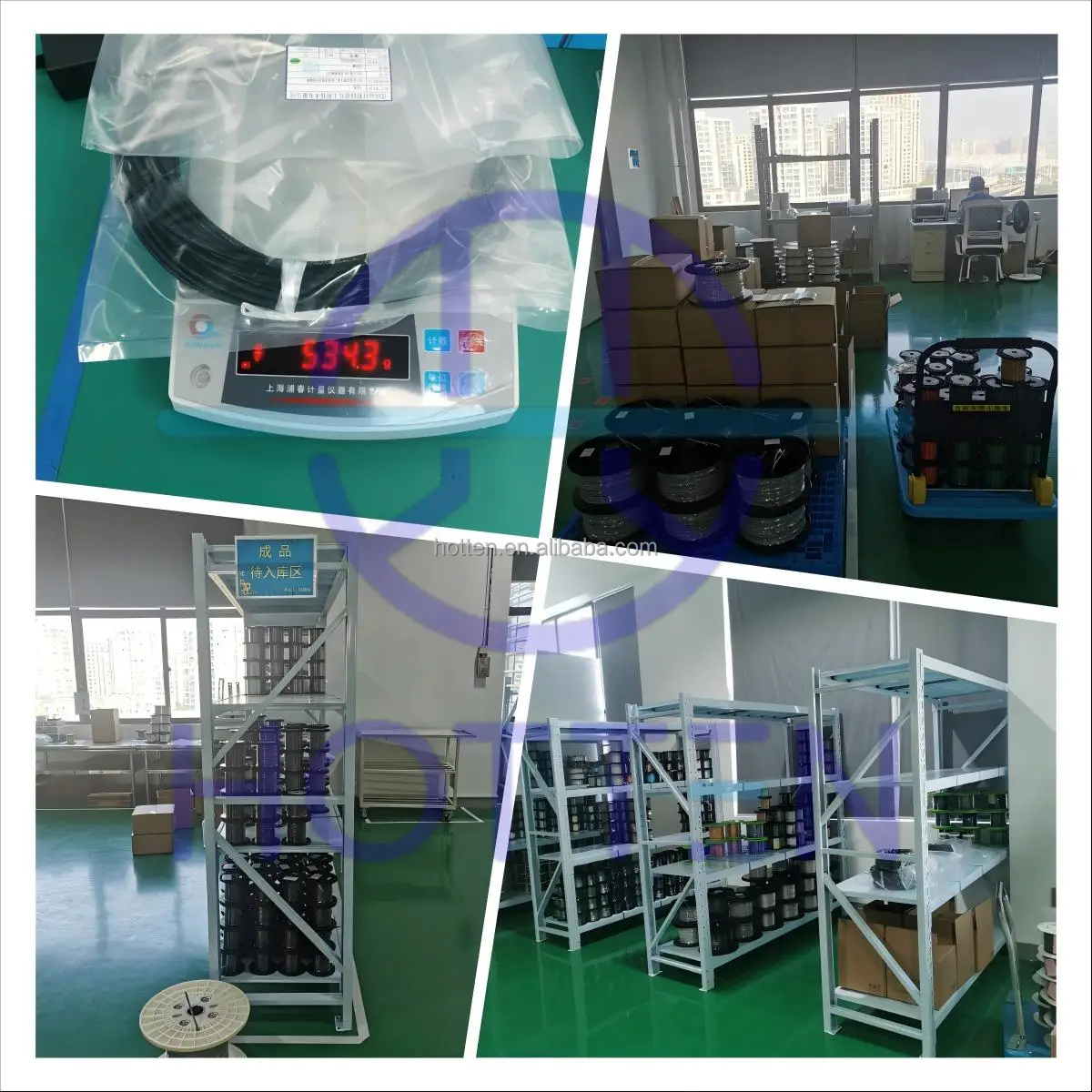
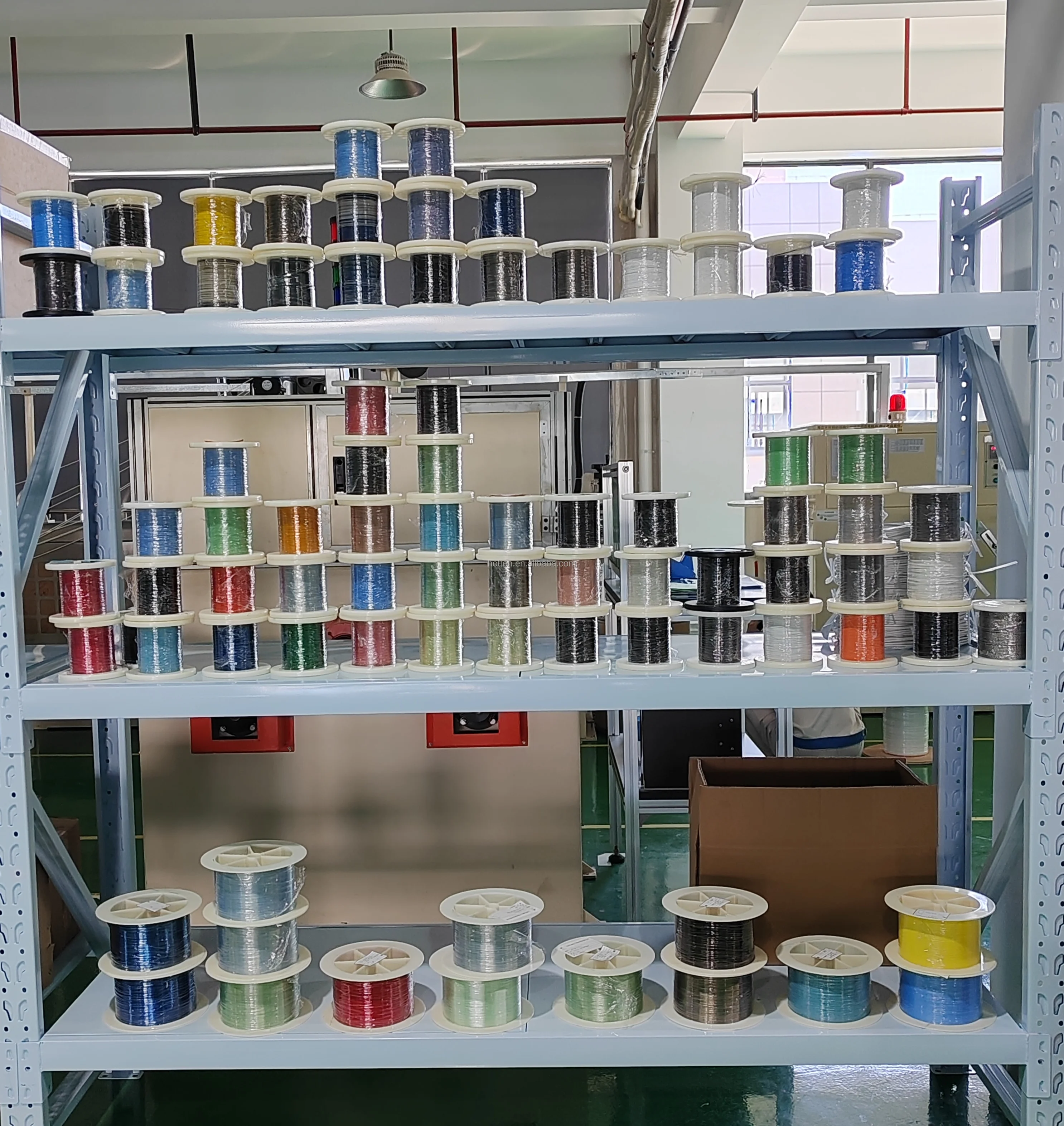
Micro Cable Manufacturing Capability
HOTTEN specializes in micro coaxial cables and precision electronic wires for medical and advanced electronic applications.
Customized Development Support
From cable structure design and prototype samples to mass production, HOTTEN supports complete cable development.
Medical Application Experience
Supporting ultrasound probe, endoscope and other medical equipment cable solutions.
FAQ
Q1: Can HOTTEN customize ultrasound probe cables with different channel numbers?
Yes. HOTTEN supports customized channel configurations including 40C, 68C, 130C, 192C and other structures.
Q2: What AWG sizes are available for ultrasound cables?
HOTTEN supports fine wire solutions including 40AWG, 42AWG and other customized specifications.
Q3: What jacket materials can be used?
Common options include PVC, TPE and silicone depending on flexibility and application requirements.
Q4: Does HOTTEN provide ultrasound cable assemblies?
Yes. HOTTEN can provide customized cable assemblies according to customer drawings and requirements.