 EN
EN
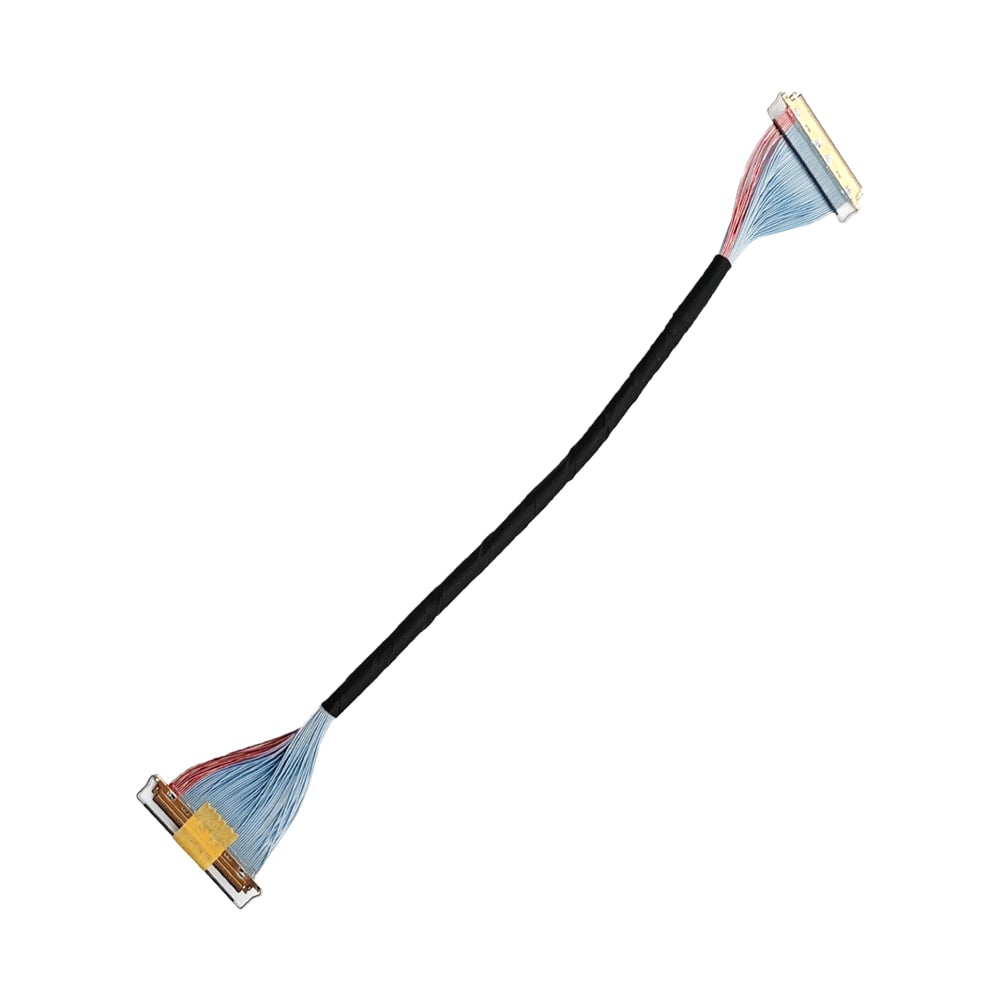
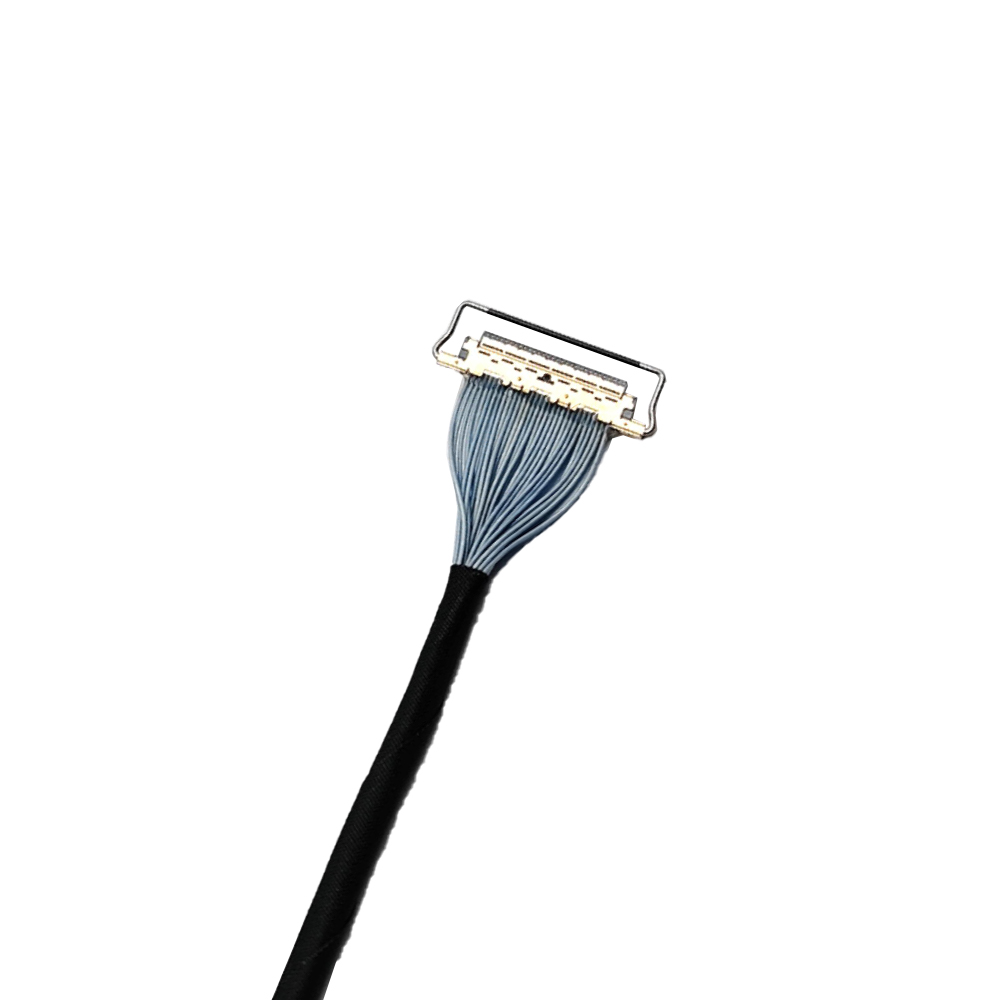
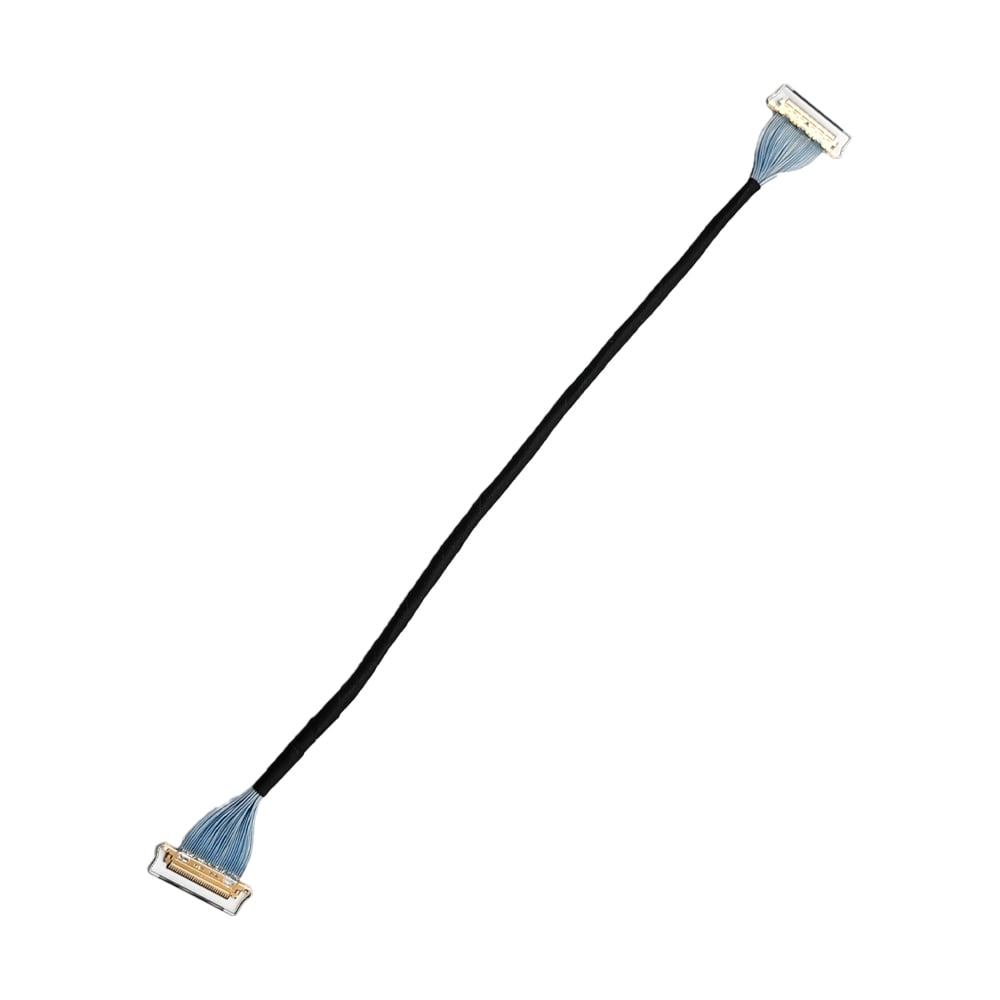
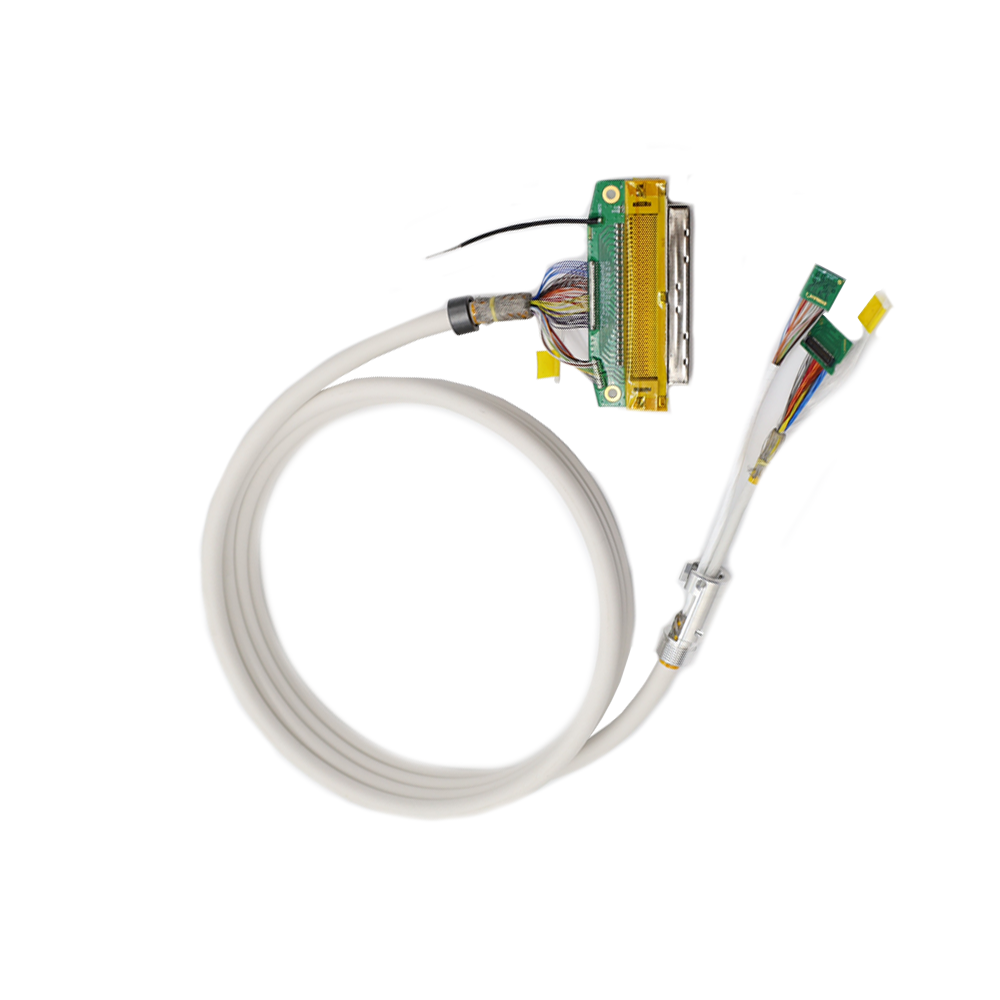
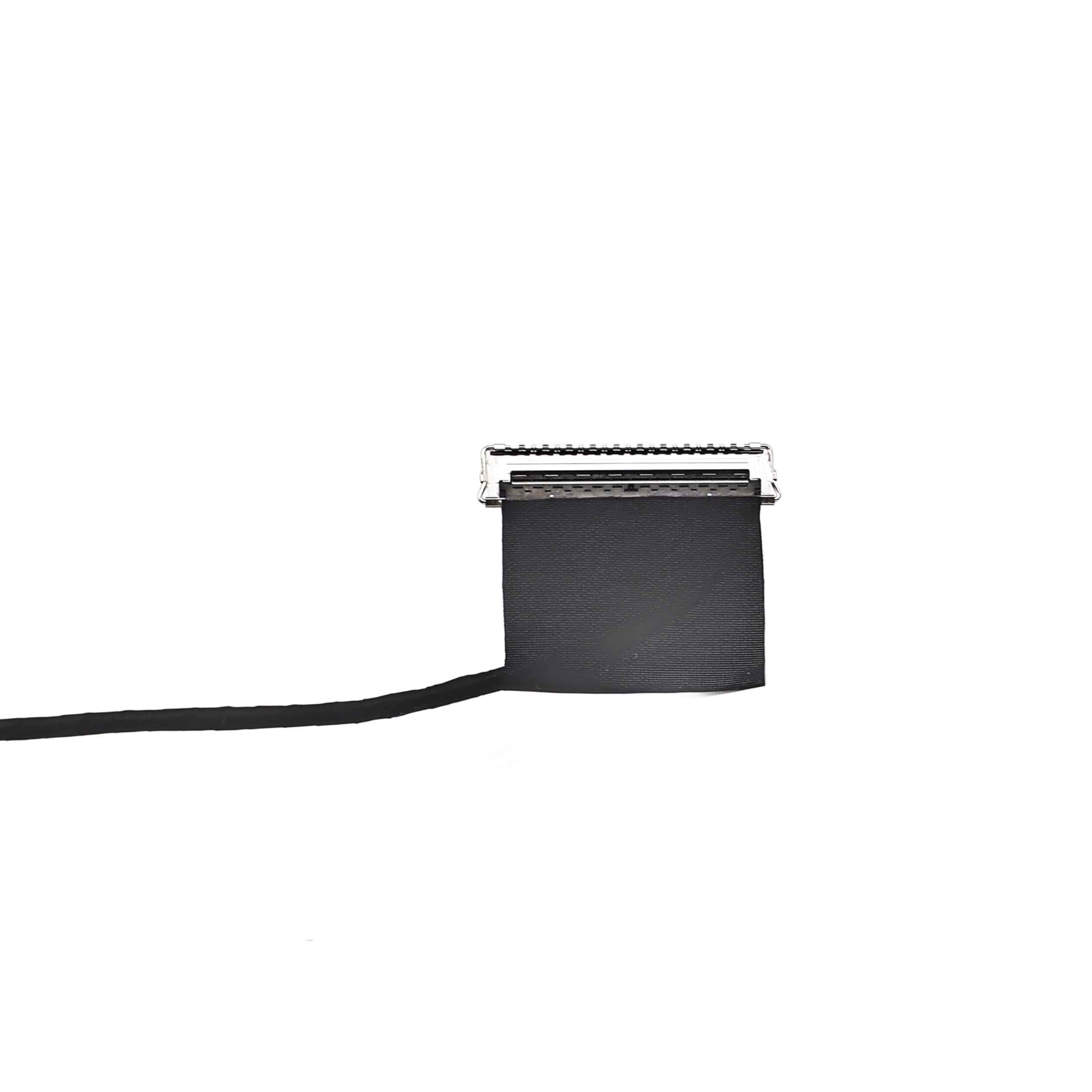
Micro Coaxial Cable Assembly Drone Cable 40 Pin Lvds Cable Wire Harnesses Assembly
| Procurement Item | Recommended Information |
|---|---|
| Cable Type | Micro Coaxial LVDS Drone Cable Assembly |
| Application | Drone / UAV Electronic System |
| Signal Type | LVDS / Differential Signal |
| Pin Count | 40 Pin |
| Cable Length | Required finished length |
| Cable Structure | Micro Coaxial Configuration |
| Cable OD | Maximum allowable outer diameter |
| Conductor Configuration | Required signal and conductor arrangement |
| Shielding | Required shielding structure |
| Connector | Connector manufacturer and exact part number |
| Mating Interface | Camera / PCB / Display / Processing Module |
| Pinout | Signal assignment and termination requirements |
| Exit Orientation | Required connector and cable exit direction |
| Routing | Required installation path and bend direction |
| Mechanical Clearance | Available installation space |
| Flexibility | Required bending and movement conditions |
| Weight Requirement | Maximum assembly weight, if specified |
| Technical Documents | Drawing, BOM, sample, connector specification, or pinout |
| Quantity | Prototype / sample / pilot / mass production |
| Name | Material |
| Conductor | Silver plated copper |
| Tinned copper | |
| Silver plated copper alloy | |
| Tinned copper alloy | |
| Insulation | Teflon:PTFE/ePTFE/FEP/PFA |
| Shield | Tinned copper/Silver plated copper |
| CU/PET、 AL/PET | |
| Sheath | PFA/FEP/PTFE |
| Jacket | PVC/TPU/TPE/Silicone/PFA/FEP |
- Overview
- Recommended Products
- Pin count
- Cable length
- AWG size
- Connector type
- Shielding structure
- Jacket material
- Silver plated copper
- Tinned copper
- Silver plated copper alloy
- Tinned copper alloy
- PTFE
- ePTFE
- FEP
- PFA
- Tinned copper
- Silver plated copper
- CU/PET
- AL/PET
- PVC
- TPU
- TPE
- Silicone
- PFA
- FEP
Cable type and micro-coaxial structure
LVDS interface or signal application
Number of signal paths
Connector type and connector brand
Connector model and pin count
Connector pitch
Pin assignment
Cable length
Cable diameter or available installation space
Required electrical characteristics
Shielding requirements
Bending or routing requirements
Operating environment
Required sample quantity
Expected production quantity
- Micro Coaxial Cable Assembly
- LVDS Cable Assembly
- Drone Wire Harness
- Gimbal Camera Cable
- Medical Cable Assembly
FAQ
What is a micro coaxial cable assembly?
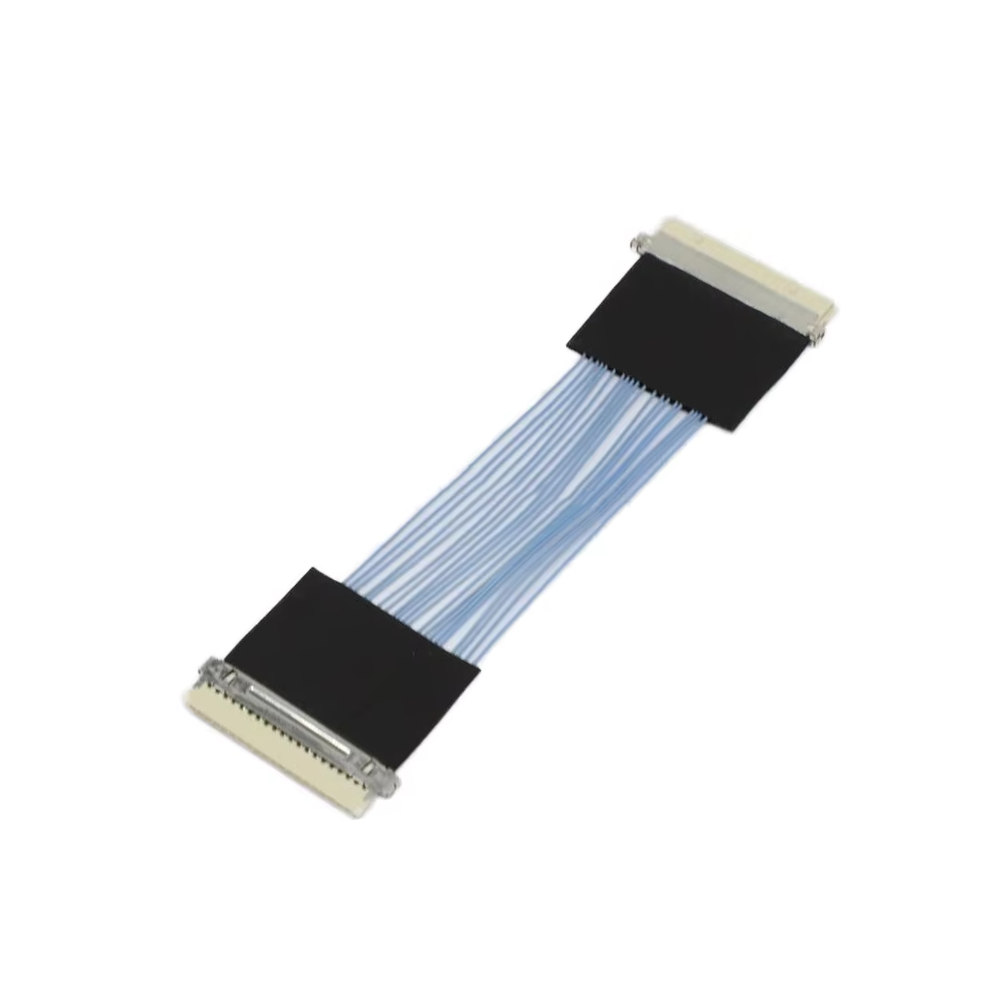
A micro coaxial cable assembly is a high-density cable solution using miniature coaxial wires for high-speed signal transmission in compact electronic devices.
Can HOTTEN customize 40 pin LVDS cable assemblies?
Yes. HOTTEN supports customized pin configurations, connectors, cable structures and production requirements.
What applications use LVDS micro coaxial cable assemblies?
They are commonly used in drones, displays, cameras, robotics and other high-speed electronic systems.
Product Overview
40 Pin Micro Coaxial Cable Assembly for Drone and LVDS Applications
HOTTEN provides customized 40 pin micro coaxial cable assembly solutions designed for drones, display systems and high-speed electronic applications.
This LVDS cable harness integrates ultra-fine coaxial cable technology with high-density connectors to support reliable signal transmission in compact electronic devices.
With professional OEM manufacturing capabilities, HOTTEN supports customized cable structures, connector solutions and mass production.
Key Features
High Performance Micro Coaxial Cable Assembly
High-Speed Signal Transmission
Designed for LVDS and high-frequency signal applications requiring stable data transmission.
Compact 40 Pin Configuration
Suitable for high-density electronic systems with limited installation space.
Excellent EMI Shielding
Shielding structures help reduce interference and maintain signal integrity.
Flexible Cable Design
Supports complex routing requirements in compact drone and electronic devices.
OEM Customization
Available customization:
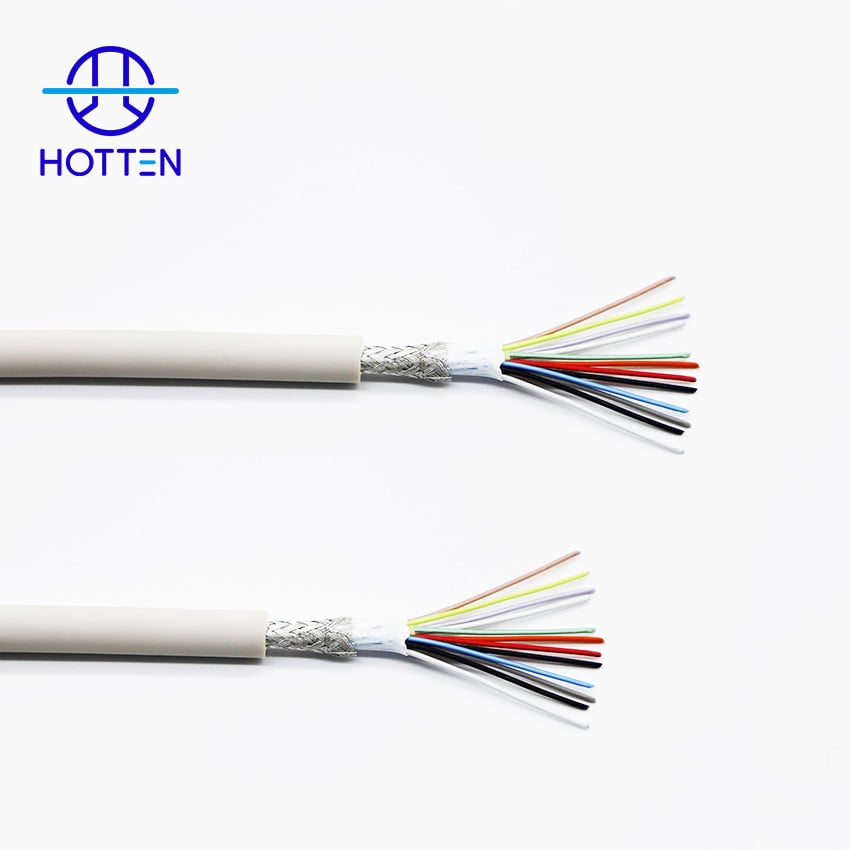
Cable Structure
根据页面资料:
Conductor:
Insulation:
Shield:
Jacket:
Applications
Drone and High-Speed Electronics Applications
适用于:
🚁 UAV Drone Systems
📷 Gimbal Camera Systems
🖥 LVDS Display Connection
💻 Notebook / Display Modules
🤖 Robotics Equipment
📡 High-Speed Signal Devices
Customization Options
OEM Micro Coaxial Cable Assembly Service
HOTTEN supports:
✔ 20/30/40/50 pin customization
✔ LVDS/eDP cable design
✔ Connector assembly
✔ Micro coaxial cable selection
✔ Shielding optimization
✔ Cable length customization
✔ Prototype samples
✔ Mass production
Quality Assurance
Cable Assembly Testing
包括:
✔ Continuity test
✔ Insulation resistance test
✔ Withstand voltage test
✔ Pull force test
✔ Connector reliability test
✔ Signal integrity testing



Engineering & Procurement Considerations
A 40-Pin LVDS Drone Micro Coaxial Cable Assembly is a compact cable harness designed for UAV and drone electronic systems that require high-density signal interconnection within limited installation space. The combination of Micro Coaxial Cable + 40-Pin LVDS Interface + Drone Wire Harness makes interface compatibility, signal requirements, cable dimensions, and mechanical routing important considerations during engineering design.
Engineering Considerations
40-Pin High-Density Configuration
The 40-pin configuration should match the signal architecture of the target drone electronics. Engineers should confirm the pin count, signal assignment, pinout, and termination requirements before production.
LVDS Signal Transmission
For LVDS applications, cable construction, conductor arrangement, shielding, connector termination, and cable length should be evaluated together as part of the complete differential signal path.
Micro Coaxial Cable Construction
Micro coaxial construction provides a compact interconnect option for densely packaged UAV electronics. The cable structure should be selected according to the required electrical characteristics, cable dimensions, shielding requirements, and flexibility.
Drone Space Constraints
UAV electronics are commonly packaged within restricted spaces around cameras, control boards, processors, and other modules. Engineers should consider cable OD, finished length, connector position, exit orientation, and available routing clearance.
Camera and Electronic Module Integration
A 40-pin LVDS cable may connect camera, display, processing, or other electronic modules depending on the UAV architecture. The exact interface and application should be confirmed so that the cable configuration matches the connected equipment.
Shielding and Signal Integrity
Sensitive high-speed signals may require an appropriate shielding structure. Shielding, grounding, connector termination, cable length, and routing should be evaluated together according to the actual signal environment.
Flexibility and Routing
The cable harness should follow the intended internal UAV routing path without creating excessive mechanical stress. Required bend direction, connector exit orientation, fixation method, and movement conditions should be defined during engineering review.
Procurement Considerations
When sourcing a 40-Pin LVDS Drone Micro Coaxial Cable Assembly, OEM buyers should provide the available technical information:
| Procurement Item | Recommended Information |
|---|---|
| Cable Type | Micro Coaxial LVDS Drone Cable Assembly |
| Application | Drone / UAV Electronic System |
| Signal Type | LVDS / Differential Signal |
| Pin Count | 40 Pin |
| Cable Length | Required finished length |
| Cable Structure | Micro Coaxial Configuration |
| Cable OD | Maximum allowable outer diameter |
| Conductor Configuration | Required signal and conductor arrangement |
| Shielding | Required shielding structure |
| Connector | Connector manufacturer and exact part number |
| Mating Interface | Camera / PCB / Display / Processing Module |
| Pinout | Signal assignment and termination requirements |
| Exit Orientation | Required connector and cable exit direction |
| Routing | Required installation path and bend direction |
| Mechanical Clearance | Available installation space |
| Flexibility | Required bending and movement conditions |
| Weight Requirement | Maximum assembly weight, if specified |
| Technical Documents | Drawing, BOM, sample, connector specification, or pinout |
| Quantity | Prototype / sample / pilot / mass production |
OEM Customization
HOTTEN supports customized Micro Coaxial LVDS cable assemblies for drone and UAV electronic systems based on pin count, cable construction, conductor configuration, connector interface, pinout, cable length, shielding, mechanical dimensions, routing requirements, drawings, and samples.
For 40-pin LVDS drone cable assembly projects, customers can provide the target connector part number, mating interface, pinout, cable length, cable dimensions, signal requirements, and UAV routing conditions for engineering evaluation and prototype-to-production sourcing.
Engineering & Procurement Considerations for 40-Pin LVDS Drone Micro-Coaxial Cable Assemblies
Why are micro-coaxial cables used for LVDS signal transmission in drones?
Micro-coaxial cables can provide compact, individually structured signal paths for high-density electronic systems. In drone applications, this can be useful when LVDS signals need to be routed between cameras, displays, processors, flight-control electronics, or other compact modules within limited installation space.
Compared with a conventional larger cable structure, a micro-coaxial assembly can help engineers manage high-density signal routing where cable size, shielding, connector configuration, and routing space are important design considerations.
What should engineers consider when using a 40-pin connector for an LVDS drone cable?
A 40-pin configuration requires careful coordination between the cable structure and connector pin assignment. Engineers should define which contacts are used for LVDS differential pairs and how the remaining contacts are configured according to the actual system interface.
Connector pitch, mating configuration, pin assignment, cable termination, and available installation space should be considered together. The connector should not be selected independently from the cable and system interface.
How does micro-coaxial cable construction affect LVDS signal integrity?
LVDS performance depends on maintaining suitable electrical characteristics throughout the signal path. Cable construction, conductor dimensions, insulation, shielding, pair or coaxial configuration, connector termination, and cable length can all affect the behavior of high-speed signals.
For a custom LVDS cable assembly, engineers should therefore evaluate the cable, connector, and termination as one complete interconnection rather than selecting the cable based only on conductor size or the number of pins.
Why is cable size important in drone LVDS cable assemblies?
Drone electronics are often integrated into compact structures where cable routing space is limited. Cable diameter can affect how the assembly is routed around cameras, electronic modules, structural components, and moving mechanisms.
A suitable cable design needs to balance electrical requirements with physical constraints. For compact drone systems, engineers may need to consider cable diameter, bending requirements, connector dimensions, cable length, and routing path during the design stage.
What specifications should be provided when developing a custom 40-pin LVDS drone cable?
For an accurate engineering evaluation and quotation, buyers should provide as much of the following information as possible:
Connector part numbers, technical drawings, pinout files, or an existing cable sample can be particularly useful when developing a replacement or customized cable assembly.
What should buyers evaluate when sourcing a custom drone LVDS cable assembly?
Buyers should evaluate the supplier's ability to manufacture fine-wire and micro-coaxial cable assemblies, terminate compact multi-pin connectors, maintain consistent pin assignments, and support customized cable structures.
For a drone LVDS project, procurement teams should also evaluate sample-development capability, quality control, production consistency, customization flexibility, and communication between engineering and manufacturing teams.
A supplier with experience in micro-coaxial and high-density cable assemblies can help evaluate the complete cable configuration, including cable structure, connector selection, pin assignment, dimensions, and mechanical routing requirements.
Why Choose HOTTEN
Professional Micro Coaxial Cable Assembly Manufacturer
HOTTEN specializes in: