
 EN
EN
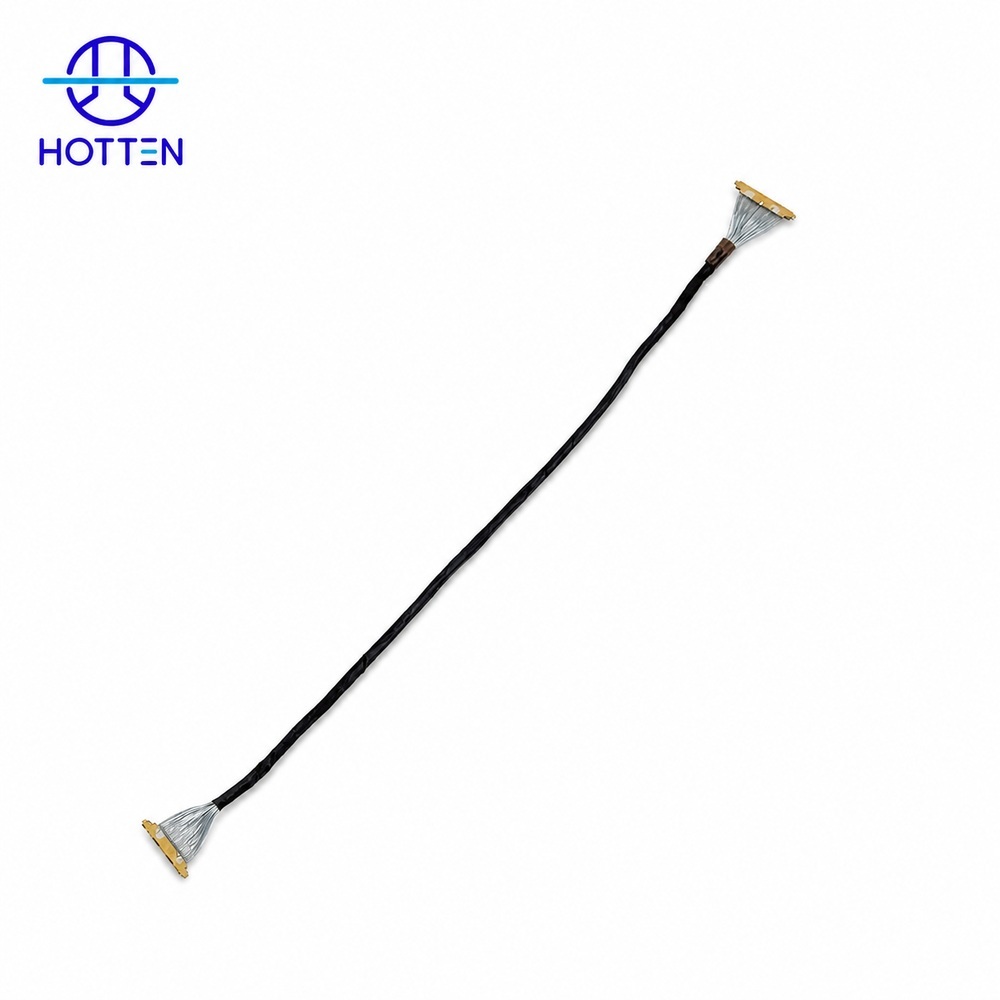
In the medical equipment industry, cable assemblies are held to an exceptionally high standard. A signal dropout in consumer electronics is a minor inconvenience, but a cable failure in a medical setting can result in misdiagnosis or the abrupt termination of a life-critical procedure. Coaxial cable assemblies in surgical theatres, clinics and hospitals face repeated sterilisation, constant flexing, chemical exposure and high concentrations of electronic equipment, and meet the specified electrical, mechanical and environmental requirements. If manufacturers are to be reliable, safe, and meeting with regulatory standards, they must understand the distinction between a medical-grade coaxial assembly and a non-medical (standard) version.
Superior Shielding and Signal Integrity
The operating room is a hotspot for electromagnetic energy. Diathermy units, MRI scanners, motorized surgical tables, wireless communications devices or other sources of electromagnetic interference can interfere with sensitive medical signals. A coaxial cable assembly for medical equipment must provide robust rejection of external noise while maintaining sufficient containment to prevent signal leakage into other coax cables. Achieving this requires careful design that leverages the complementary high- and low-frequency shielding characteristics of the shield layers, typically constructed of a silver plated copper braid and aluminum/polyester foil tape. Also, it is crucial to have impedance control. The characteristic impedances of most medical imaging systems are 50 or 75 ohms. any deviation—whether from improper connector termination, inconsistent dielectric thickness, or physical cable damage—will introduce reflections that will impact image quality. Our 10,000-square-meter manufacturing facility maintains stringent process controls to ensure that every assembly has the required impedance tolerance to help maintain signal integrity and reduce signal degradation caused by impedance discontinuities and electromagnetic interference to ultrasound probes, endoscopes, and RF ablation systems.
Biocompatibility and Sterilization Resistance
Any cable that enters the human body or comes into contact with a sterile surgical field must meet stringent biocompatibility requirements. Materials should be non-toxic, non-irritating and resistant to bodily fluids. Medical cables should also withstand multiple cycles of sterilisation without degradation. steam autoclave, EtO gas, gamma radiation, and hydrogen peroxide plasma sterilization each present distinct chemical and thermal challenges. The insulation and jacket materials chosen by Hotten meet these requirements: FEP, PFA, PEEK and medical grade silicone withstand harsh sterilisation methods and maintain the electrical and mechanical properties. We also guarantee that all surfaces of patient contact cables like dental sensing cables and EEG lead wires are non-porous, smooth, and easy to clean to reduce the risk of infection and increase the service life of the product.
Mechanical Durability and Flex Life
In clinical practice, medical tools are subjected to rough handling. Cables are pulled, twisted and coiled and draped over bed rails on a regular basis. Ultrasound probes are repositioned repeatedly, endoscopes are advanced through complex anatomy, and surgical instruments are passed between members of the surgical team—often under time pressure. In each of these applications the coaxial assembly has to have a very high number of flex cycles with no intermittent opens, shorts or impedance changes. This requires flexible conductors (usually stranded, silver-plated copper), strain relief at connections, stress-resistant dielectrics, and durable outer jackets (TPU or silicone that will not wear or tear through). For an ICU monitor or a robotic surgical arm, Hotten's winding processes apply carefully controlled tension, optimized braid angles, and precision overmolding techniques to guarantee that every assembly can withstand the rigors of daily clinical use.
Custom Connectivity and Certified Quality
Each medical device requires a set of unique interface specifications and standard off-the-shelf coaxial assemblies often cannot meet the precise requirements. The medical assembly should be fitted with the appropriate connectors (LEMO, Hirose or SMP) or a custom-designed variant and with exact cable lengths, colour coding and labelling for easier device assembly and maintenance. Documented quality assurance is also a key element. Medical device manufacturers need to be able to provide traceability, test reports and meet standards such as IEC 60601 for medical electrical equipment. Hotten offers full testing with 100% continuity, insulation resistance, withstand voltage and VNA (Vector Network Analyzer) for performance at high frequencies. We have more than 150+ production with a production capacity of more than 180 million meters per year and we scale our production while keeping a high level of quality control; ensuring that our assemblies not only meet the highest performance standards but also support the regulatory documentation requirements required for FDA / CE submission. Whether it's cable assemblies in the hands of clinicians performing life-saving procedures or coaxial catheters for major procedures, Hotten's coaxial solutions are designed to work where it counts.