 EN
EN
Quick Links

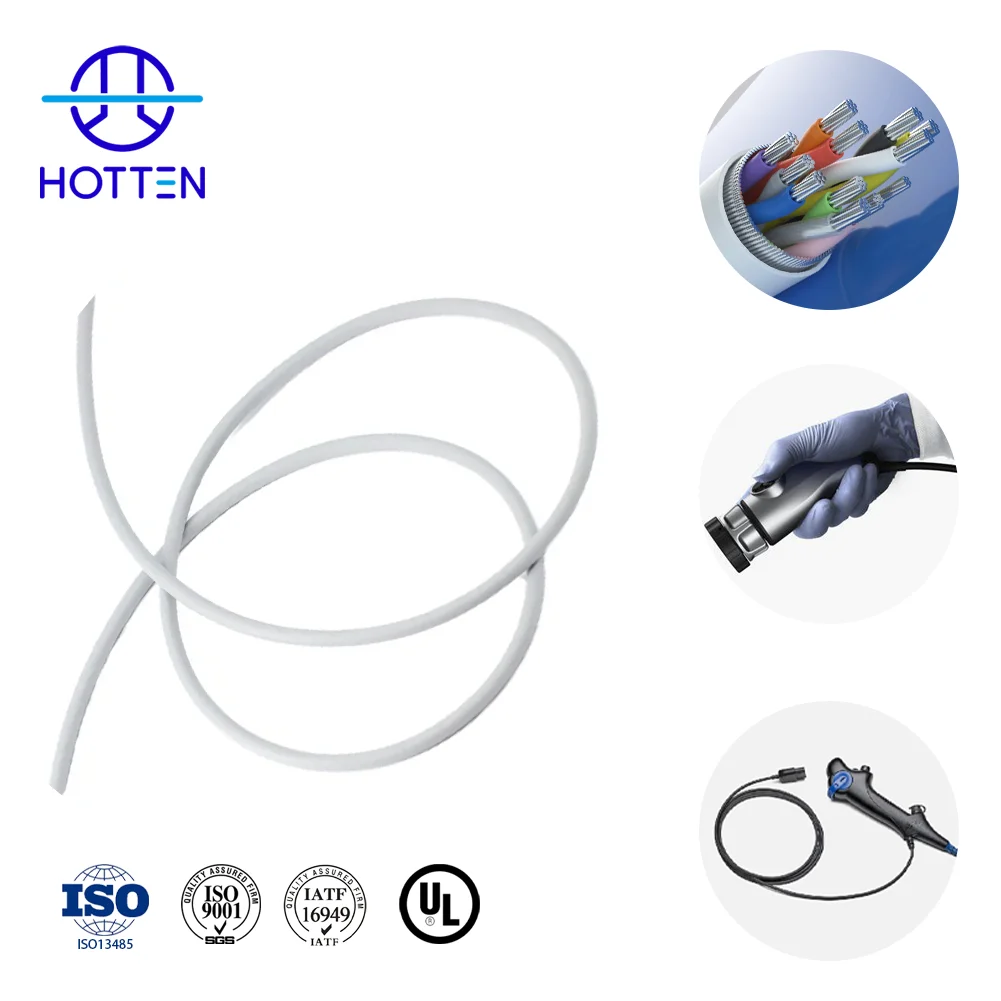
As the medical diagnostics world continuously evolves, high-frequency signal integrity is critical to image clarity and diagnostic accuracy. Intracardiac echocardiography (ICE), which relies on high-frequency ultrasound signals and low-loss signal transmission, is one example of a medical imaging application where cable performance can affect system reliability, is one example of the many technologies that enable the difference between a usable image and diagnostically valuable information. For these high-performance applications, coaxial cable assemblies are the transmission lines of choice. At Hotten, we design these assemblies so that the signal's phase, amplitude and timing are all preserved. Understanding the behavior of coaxial technology at extreme frequencies is a critical factor for the reliability and performance of any medical device engineer's design.
The Physics of Shielding: Protecting Signal Integrity
High-frequency medical signals are susceptible to external electromagnetic interference (EMI) and internal crosstalk. Compared with twisted-pair and ribbon cable, the main benefit of coaxial assemblies is that they have a concentric structure consisting of a central conductor, dielectric insulator, metallic shield and outer jacket. This concentric geometry contains electromagnetic fields within the cable, preventing signal radiation while also blocking external noise from penetrating. We use double shielding, silver plated copper braid and aluminum-polyester foil, for Hotten's ICE Cables and IVUS Cables, which are used in the frequency range from 20 MHz to 60 MHz and during the rotational pullback. This dual-layer shielding structure helps reduce electromagnetic interference and protect sensitive medical signals from external noise, this level of shielding helps protect received echo signals from interference generated by operating-room equipment, including diathermy and fluoroscopy systems.
Controlled Impedance: Essential for Signal Integrity
Slight geometry variations in cables can cause impedance discontinuities at high frequencies, leading to reflections, standing waves and amplitude ripple, all of which will affect image resolution. Coaxial assemblies are designed to ensure that the characteristic impedance is closely controlled to 50Ω or 75Ω, by careful control of the ratio of inner conductor diameter to the inner shield diameter and the dielectric constant of the insulator material. Hotten's ultrasound probe cables are rigorously tested by time-domain reflectometry (TDR) to ensure impedance deviation remains within ±2 Ω. The RF Cables we make for surgical ablation and imaging have extruded PTFE (polytetrafluoroethylene) dielectrics with a stable dielectric constant (≈2.1) over a wide range of temperature and humidity. This precision ensures that helps maintain consistent pulse amplitude at the transducer and helps clinicians distinguish subtle differences in tissue texture with greater confidence.
Minimizing Insertion Loss and Phase Deviation
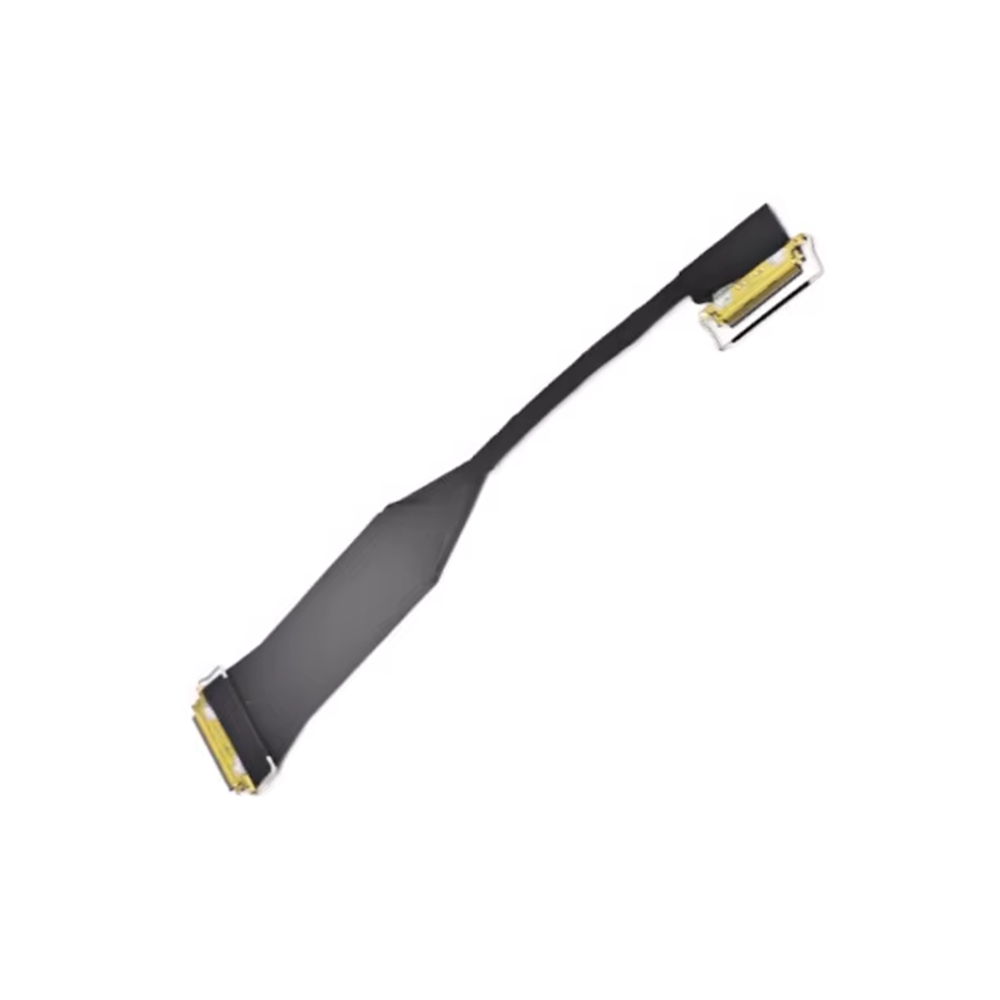
Skin effect and dielectric dissipation contribute to insertion loss, which becomes increasingly significant at higher frequencies. Hotten selects high-conductivity materials for the center conductor, like silver-plated copper or copper-clad steel, to decrease AC resistance and mitigate this effect. For applications, such as high-bandwidth endoscope and medical visualization systems, cable assemblies may need to support high-frequency electrical signals associated with high-resolution video transmission, we use low-loss foamed polyethylene dielectrics with attenuation lower than 0.5 dB/m at 3 GHz. Phase stability is also critical: bending and temperature changes must not alter the cable's electrical length or cause phase mismatch among array transducers. Each of our Robotics Wire Harnesses and Gimbal Camera Cables features helically wrapped shields and special jacketing compounds that maintain consistent phase performance during repeated flexing, so that beamforming algorithms in ultrasound systems can provide accurate data and clear images without artifacts.
Connector Integrity and Assembly Precision
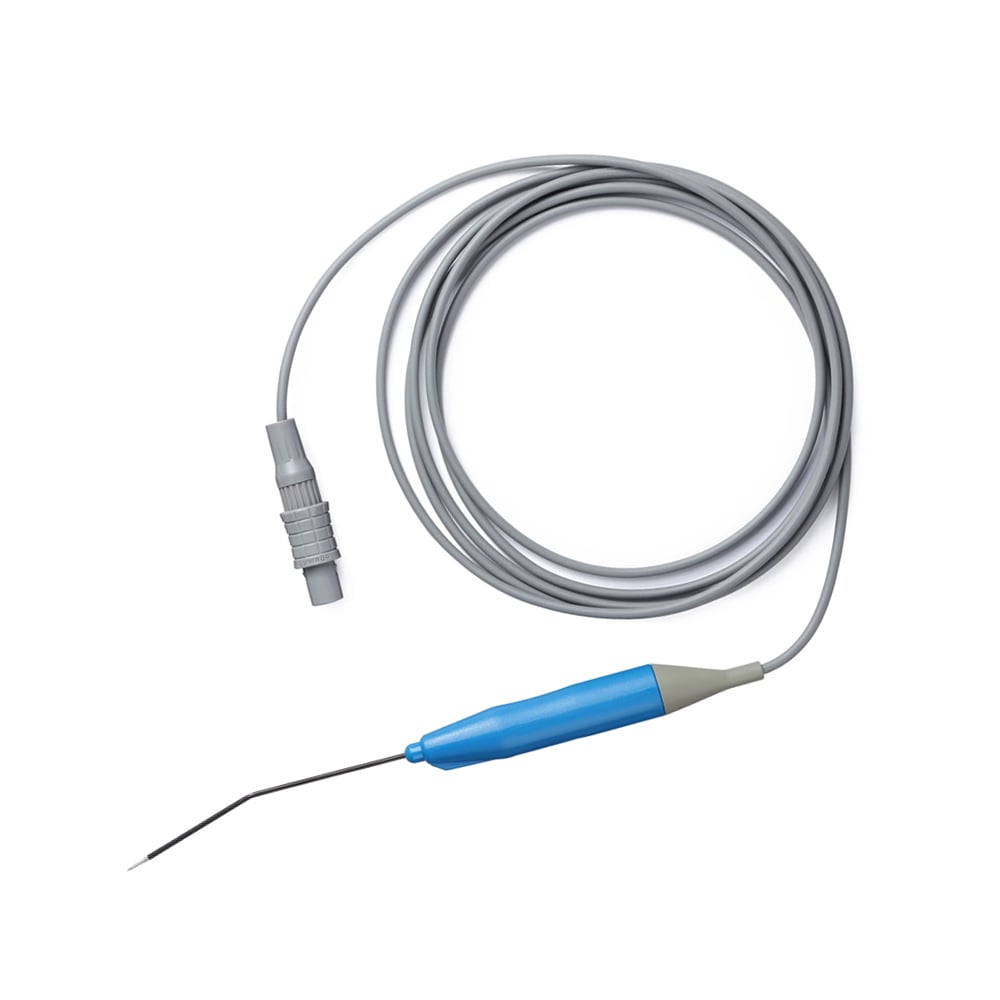
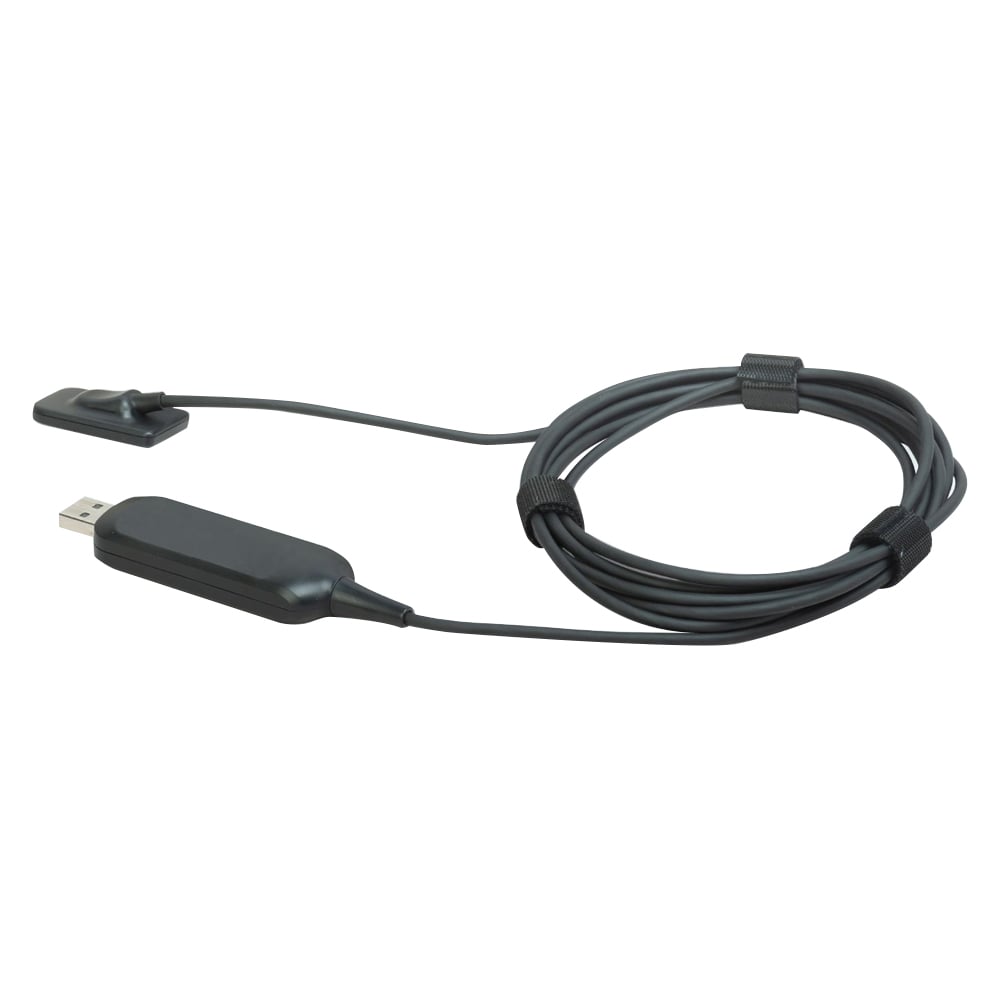
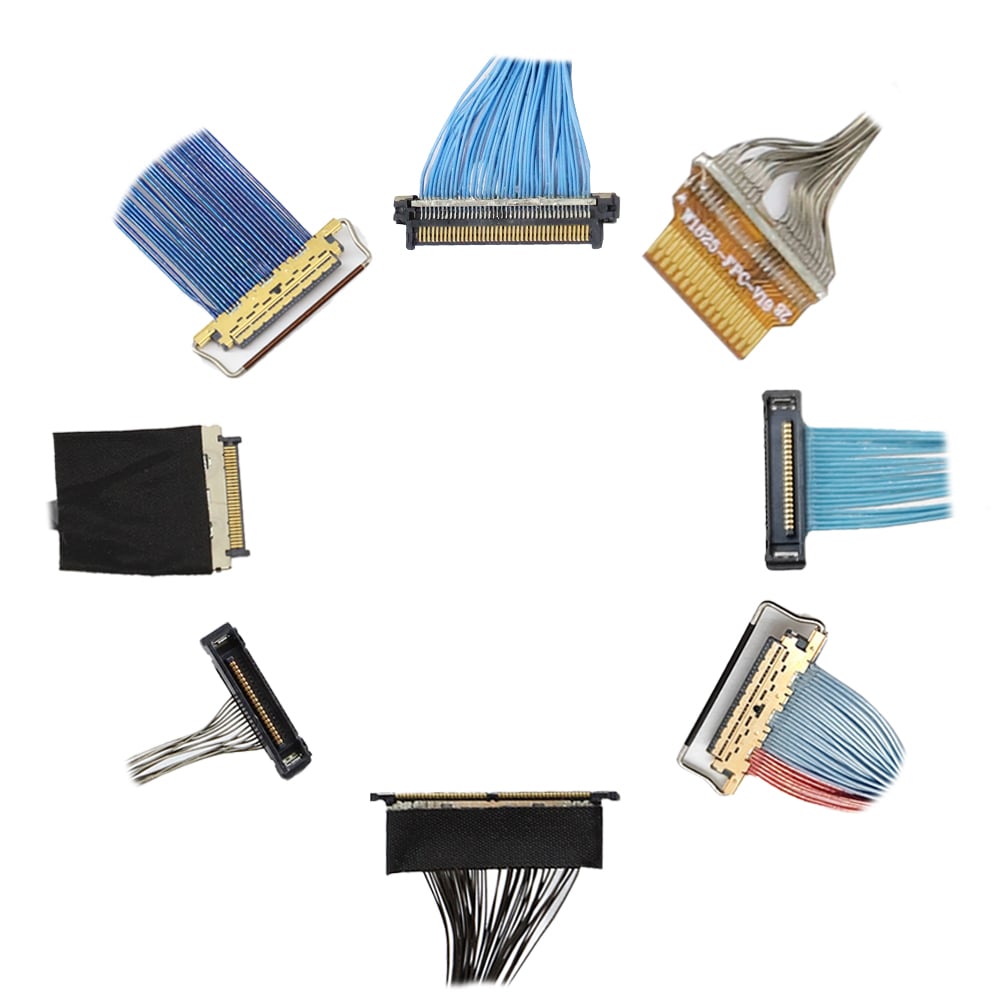
The performance of a coaxial cable assembly depends heavily on the quality of its terminations. The most frequent failure point for high-frequency signals lies at the cable-to-connector interface where poor soldering, improper crimping, or inconsistent dielectric compression can introduce parasitic capacitance and inductance. Hotten's R&D department creates more than 300 new cable specifications each year for use in the company's custom cable assemblies—including Surgical Scalpel Cables and RF Ablation Cables, in which the connector return loss is limited to -20 dB through 6 GHz. Using precision automatic stripping and soldering robots, the exposed conductor length can be controlled consistently across assemblies, andeach assembly undergoes 100% testing for VSWR(Voltage Standing Wave Ratio) and insertion loss using vector network analyzers. At the same time, we strive to balance high performance with cost-effective manufacturing for disposable medical cables, including EEG Lead Wires and Dental Sensing Cables, while maintaining the mechanical and electrical integrity and performance of the cable throughout its intended service life.
Conclusion
Coaxial cable assemblies are much more than just passive connectors; they play a critical role in maintaining signal integrity in high-frequency medical imaging systems. Through the capabilities of shielding, impedance control, loss minimization and connector precision, Hotten's cable engineering helps provide a reliable transmission path for mission-critical medical data. We have more than 40 production units and are producing more than 144 million meters each year, supporting consistent, scalable production across a wide range of cable assemblies from IVUS to medical visualization in AR/VR. For medical OEMs, the goal is to maintain a stable and predictable signal path from the transducer to the imaging electronics.
 Hot News
2026-09-17
2026-09-04
2025-12-17
2025-12-11
2025-12-05