 EN
EN
त्वरित लिंक
हैं, और उनमें से एक महान लाभ यह है कि वे कितने उपयोगकर्ता-अनुकूल हैं। वे कोनों को पार कर सकते हैं और तंग स्थानों में...">
इसके अनगिनत फायदे हैं विद्युत फ्लेक्सिबल केबल और सबसे बड़े फायदों में से एक यह है कि वे कितने उपयोगकर हैं। वे कोनों को पार कर सकते हैं और छोटे-छोटे जगहों में भी फिट हो सकते हैं। फ्लेक्सिबल केबल टूटे बिना झुक सकते हैं, जबकि कड़वे केबल को चलाना मुश्किल हो सकता है। इससे उन्हें दीवारों के साथ, फर्श के नीचे या घरेलू उपकरणों के पीछे खींचना आसान हो जाता है। ये केबल घरों के मालिकों के लिए भी फ्लेक्सिबल हैं, जो नई विद्युत व्यवस्था करना चाहते हैं, बिना दीवारों या छत को फोड़े।
यदि आप घर के लिए इलेक्ट्रिकल फ्लेक्सिबल केबल का उपयोग करने की योजना बना रहे हैं परियोजनाएँ , तो सुरक्षित रहने के लिए उचित प्रकार का फ्लेक्सिबल केबल चुनें। केबल के विभिन्न प्रकार मोटाई और सामग्रियों में भिन्नता होती है। यह उन्हें कितनी शक्ति प्रसारित करने की क्षमता पर प्रभाव डाल सकता है। अगर काम के लिए बहुत छोटा तार या उपयुक्त नहीं है, तो यह गर्म हो सकता है, आग लग सकती है, या किसी को जूठा मार सकता है। अपने परियोजना के लिए उपयोग करने वाले सही प्रकार के इलेक्ट्रिकल फ्लेक्सिबल केबल के बारे में सलाह के लिए हमेशा क्षेत्र के विशेषज्ञ से सलाह लेना सबसे अच्छा अभ्यास है, ताकि आपके घर और परिवार की सुरक्षा का ध्यान रखा जा सके।
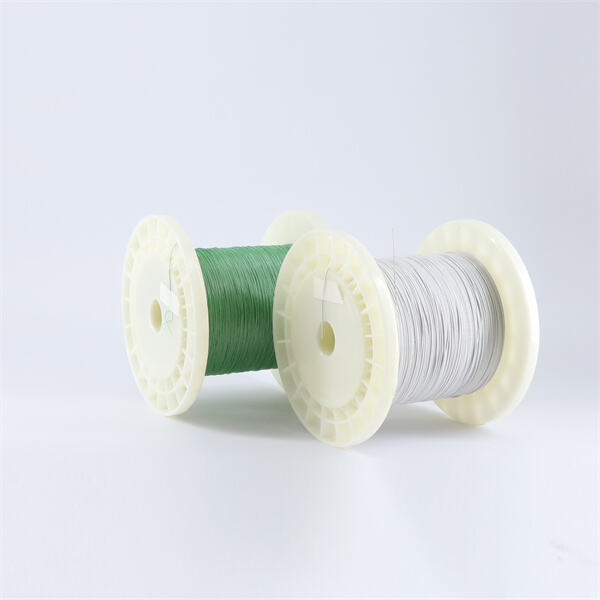
विभिन्न इलेक्ट्रिकल फ्लेक्सिबल केबलों के पास विभिन्न प्रकार होते हैं, और प्रत्येक प्रकार को कुछ विशिष्ट अनुप्रयोगों के लिए बनाया जाता है। कुछ केबल घरेलू परियोजनाओं के लिए बेहतर होते हैं, जैसे कि नए प्रकाश लगाना। अन्य केबल बाहरी उपयोग के लिए होते हैं, जैसे कि बगीचे में इलेक्ट्रिकल आउटलेट लगाना। कुछ केबल यहां तक कि उच्च तापमान से सूखने की क्षमता या आर्द्रता से निपटने की, इसलिए उन्हें रसोई या बाथरूम के लिए उपयुक्त माना जाता है। घर के मालिक अपने लिए सही विकल्प चुनने के लिए इस जानकारी का उपयोग कर सकते हैं।
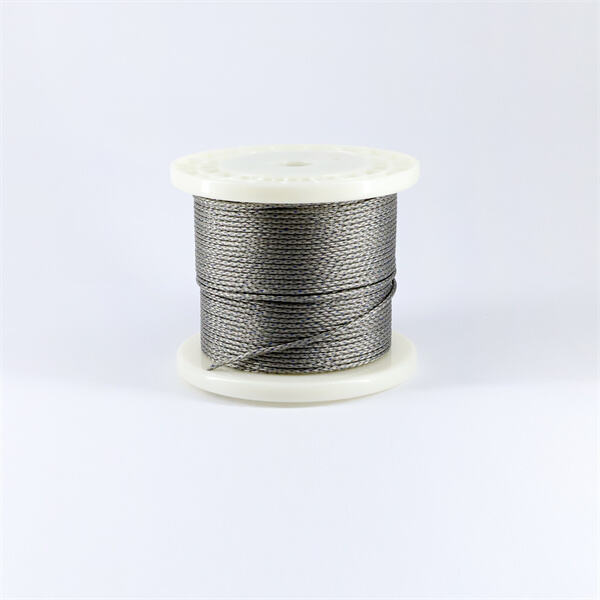
इलेक्ट्रिकल फ्लेक्सिबल केबलों को लगाना बहुत मुश्किल नहीं है, परन्तु समस्याओं से बचने के लिए इन्स्टॉलेशन प्रक्रिया को पूरी तरह से फॉलो करना आवश्यक है। घर के मालिकों को परियोजना शुरू करने से पहले विद्युत को बंद करना चाहिए। उन्हें केबल के मार्ग को निर्धारित करना भी होगा और यह सुनिश्चित करना है कि यह ट्विस्ट या झुका हुआ नहीं है। केबल को जड़ने के बाद, इसे दीवारों या छतों से उपयुक्त जोड़ों के माध्यम से बांधना चाहिए। ये कदम घरों में इलेक्ट्रिकल फ्लेक्सिबल केबल को सुरक्षित और सुरक्षित बनाने में मदद करेंगे।
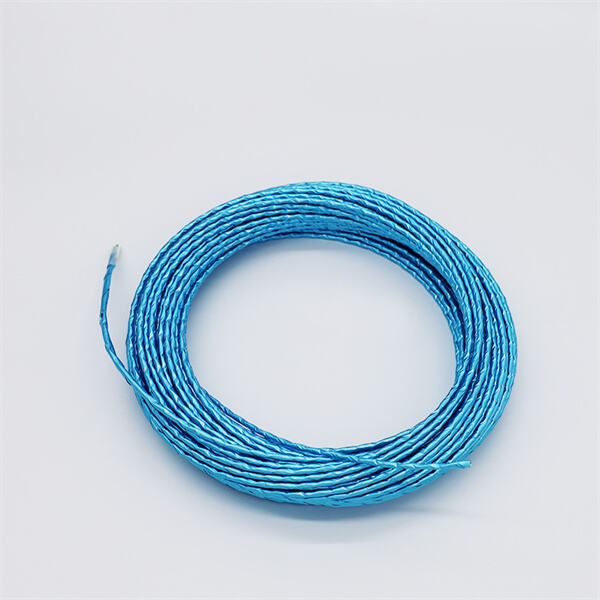
फ्लेक्सिबल प्रकार के विद्युत केबल केवल घरेलू परियोजनाओं में उपयोग होने से बचते हैं। अच्छी कारखानों में, जहाँ शक्ति की अधिक मांग वाले मजबूत मशीनों का उपयोग होता है, फ्लेक्सिबल केबल बिजली को एक स्थान से दूसरे स्थान तक आसानी से स्थानांतरित करने की अनुमति देते हैं, बड़े तारों की आवश्यकता के बिना। वे मजबूत होते हैं और कठिन पर्यावरणों का सामना कर सकते हैं, जिससे वे कारखानों या गॉडाउन में आदर्श होते हैं। विद्युत फ्लेक्सिबल केबल उद्योगों को सुरक्षित रहते हुए अधिक कुशलता से काम करने में मदद करते हैं।